CEO of Beijing Benz Automotive Co., Ltd. Who 'Acquired Technical Expertise' in China for Three Years Set to Return to Headquarters and Instruct Germans in Electric Vehicle Construction
 12/22 2025
 650
650
Source: YuanAuto
In comparison to the replacement of the Chief Design Officer, Mercedes-Benz's new appointment for the R&D leadership role in electric drive systems at its German headquarters is even more captivating.
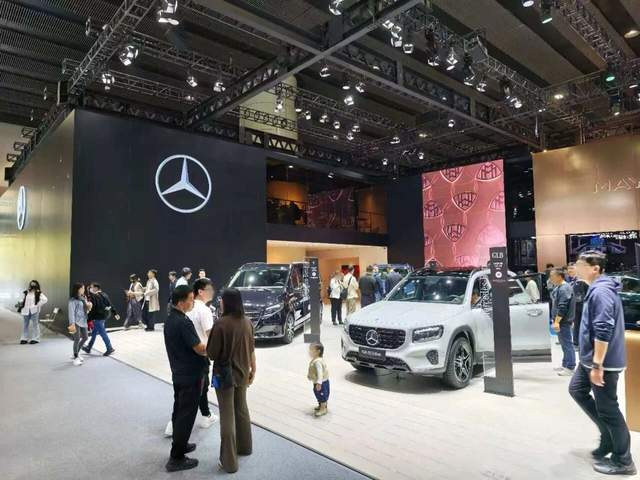
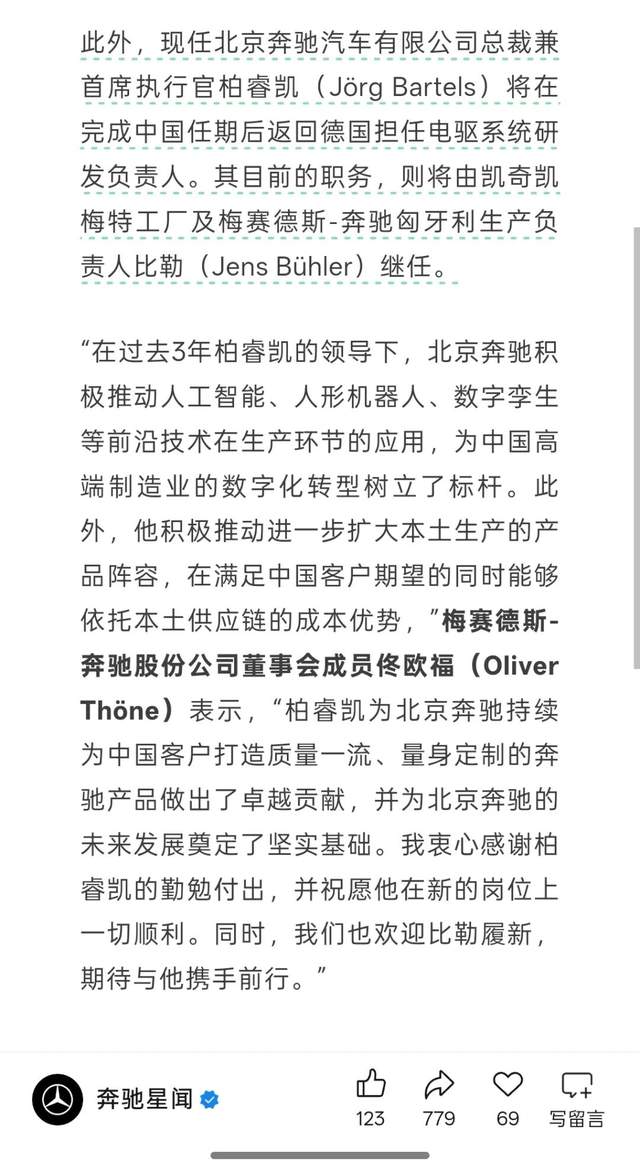
On December 17th, Mercedes-Benz Group officially announced that Gorden Wagener would relinquish his position as Chief Design Officer on January 31, 2026. Simultaneously, it was revealed that Jörg Bartels, President and CEO of Beijing Benz Automotive Co., Ltd., would be recalled to Germany to assume the role of R&D leader for electric drive systems after completing his tenure in China.
A review of Mercedes-Benz's performance in the electrification race this year, as per its third-quarter financial report, indicates that the company sold approximately 277,000 new energy vehicles globally from January to September. This figure comprises around 118,000 pure electric models and approximately 159,000 plug-in hybrid models. This performance not only places Mercedes-Benz further behind BMW, the leader in electrification among the BBA (BMW, Benz, Audi) trio, but also falls short of Audi's achievements.
For context, BMW sold nearly 410,000 new energy vehicles in the first three quarters of this year, with around 294,000 being pure electric models. During the same period, Audi's sales of pure electric vehicles reached 163,000 units.
Against this backdrop, Mercedes-Benz's decision to bring back its CEO, who possesses the most in-depth understanding of China's new energy vehicle market, to its German headquarters to spearhead subsequent electric drive system R&D is indeed intriguing.
01
Acquiring Range-Extended Hybrid Technology from China?
In terms of electric drive system advancements, Mercedes-Benz, having achieved mass production of new platforms such as MMA and MB.EA, is on par with its competitors.
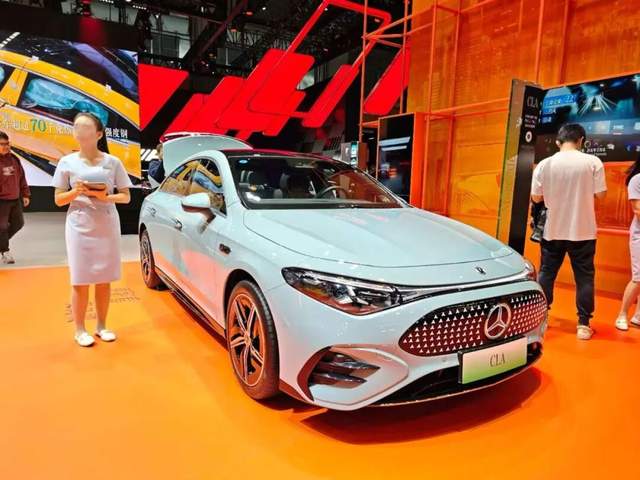
Take the pure electric CLA, derived from the MMA platform, as an illustration. It not only incorporates trendy features from Chinese brand new energy vehicles, such as an 800V high-voltage architecture and a self-developed silicon carbide inverter, but also stands out as the first pure electric vehicle in its class to be equipped with a two-speed transmission.
Looking ahead, groundbreaking electric drive-related technologies, including solid-state batteries and axial flux motors, are already on Mercedes-Benz's radar.
If we consider Mercedes-Benz's relative weaknesses and potential areas for inspiration in the Chinese market, range-extended hybrid technology emerges as a prime candidate. Among the BBA trio, Mercedes-Benz is currently the only automaker without any presence in the range-extended hybrid sector.
BMW leads the BBA trio in exploring range-extended hybrid technology and launching mass-produced models. As early as 2013, the German luxury automaker introduced the BMW i3 Range Extender, which was subsequently launched in the Chinese market, making it one of the earliest mass-produced range-extended hybrid vehicles.
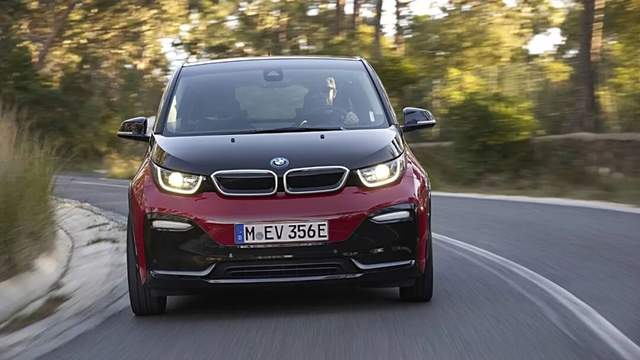
Given the impressive sales of range-extended hybrid vehicles in the Chinese market, recent media reports suggest that BMW plans to revive range-extended hybrid technology, with the possibility of introducing range-extended hybrid variants of its next-generation X5, X7, and other key models.
As for Audi, its Audi RS Q e-tron, which competed in the Dakar Rally, is a range-extended hybrid vehicle. The car made its debut at the 2022 Dakar Rally and promptly secured four stage championships. Additionally, it is well-known that SAIC Volkswagen intends to launch a range-extended hybrid SUV in 2026.
In essence, Audi has already laid the groundwork for range-extended hybrid technology and is fully capable of rapidly advancing the mass production of new range-extended hybrid vehicles.
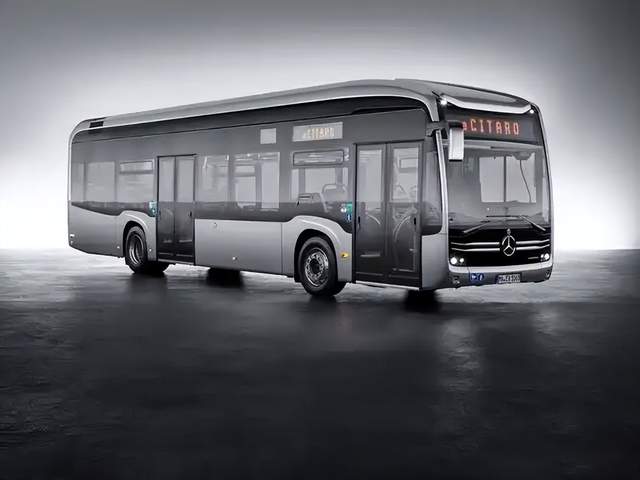
In contrast, Mercedes-Benz has been rumored to be developing a range-extended hybrid version of the EQE, but the project appears to have been terminated due to underperformance. Publicly available information indicates that Mercedes-Benz's representative work in the range-extended hybrid sector is a bus – the eCitaro G Range Extender, which employs a range-extension solution based on hydrogen fuel cells, differing from the current mainstream range-extended hybrid vehicles.
In fact, consumer preference for range-extended hybrid vehicles is not confined to the Chinese market. The rapid growth of Li Auto and Jishi in the Middle East market has already demonstrated this trend. For Mercedes-Benz, incorporating range-extended hybrid technology into its electrification 'arsenal' is a prudent move, both in China and on a global scale.
And when it comes to efficiently developing a competitive range-extended hybrid system, within Mercedes-Benz, who could be more suitable than Jörg Bartels, the CEO of Beijing Benz Automotive Co., Ltd., who is a neighbor to Li Auto in China?
02
The Imperative to Replicate China's Strategic Overtaking Maneuver
From Mercedes-Benz's current market performance and officially announced development direction, it has yet to witness a clear turning point in the electrification race.
On one hand, within Mercedes-Benz, although the pure electric CLA, as the first model from a new platform, has garnered significant attention in the global market this year, its post-launch performance falls short of being a blockbuster. In Europe, despite orders for the pure electric CLA being booked until spring 2026, this is primarily constrained by limited production capacity.
According to data from JATO Dynamics and the European Automobile Manufacturers Association, Mercedes-Benz's pure electric CLA sales in 2025 are unlikely to rank among the top sellers, particularly when compared to its most direct competitor, the Tesla Model 3. In China, Mercedes-Benz's pure electric CLA sold 1,369 units in November, almost one-twentieth of the Tesla Model 3's monthly sales during the same period.
It is worth noting that Mercedes-Benz's pure electric CLA began its launch in multiple European countries in May 2025, while its domestic launch was on November 3rd.
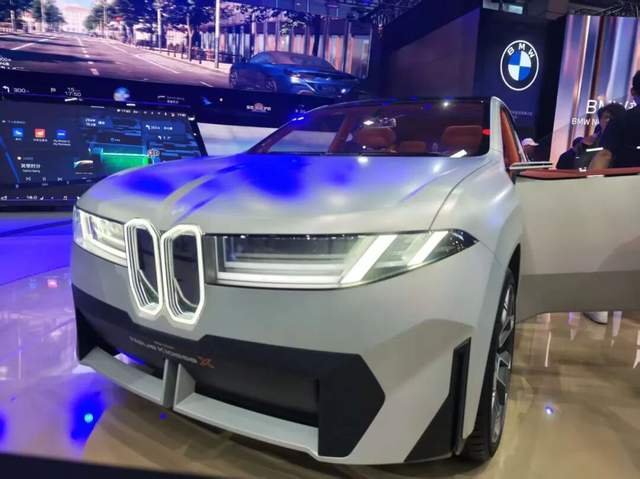
On the other hand, BMW and Audi's new platform electrified models are also making a strong comeback. Among them, BMW's new generation iX3 and i3, built on the Neue Klasse platform, have received widespread acclaim from the media for their design, driving control, and intelligent cockpit. Reports indicate that orders for the iX3 in the European market have been booked until the second half of 2026.
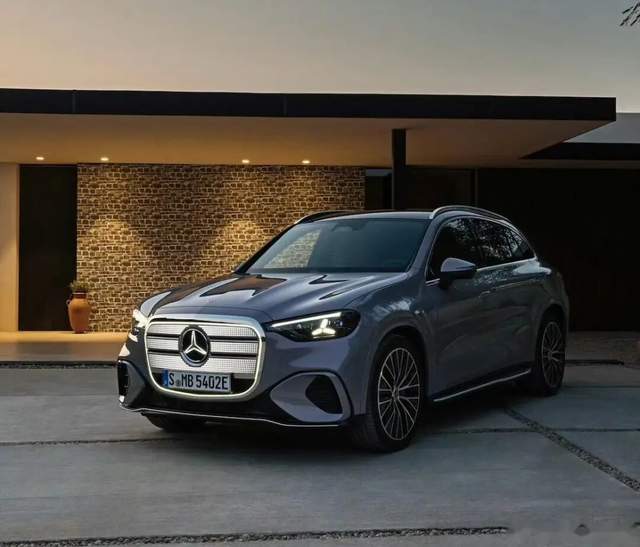
Returning to Mercedes-Benz, following the pure electric CLA, it will expedite the mass production and launch of new models from its new electric vehicle platform. It is reported that in 2026, it plans to launch at least six new pure electric vehicles, including the pure electric GLC and pure electric C-Class.
However, it should be emphasized that under the product strategy of fully returning to oil-electric compatible platforms, the attention on these new Mercedes-Benz electrified models may be diluted by the brand's fuel vehicle models, which constitute the basic sales volume. In particular, pure electric versions often tend to be priced lower than their fuel counterparts. Taking the CLA as an example, in Europe, the pure electric version commands a premium of about 20% over the fuel version.
Therefore, whether in the domestic or international market, within the brand or competing with peers, Mercedes-Benz's electrified models urgently need to identify differentiated selling points. From this perspective, Mercedes-Benz's need for Jörg Bartels to develop a range-extended hybrid system becomes even more pressing.
Additionally, the electric drive system under Jörg Bartels' purview is closely linked to assisted driving.
If Jörg Bartels incorporates the technical details of Momenta's assisted driving solution, which is exclusively supplied for domestic models, into the research and development of the next-generation electric drive system, Mercedes-Benz will also have the opportunity to achieve a strategic overtaking maneuver in the global electrification competition among the BBA trio.
Applying the experience gained from competing in China's new energy vehicle market to overseas markets can, to a certain extent, be considered a form of 'dimensionality reduction strike'.
Some images are sourced from the internet. Please inform us for removal if there is any infringement.
-
![]()
Too Pessimistic! MiniMax Isn't Doing That Badly
-
![]()
The 150,000-Yuan SUV Market: A Tempting yet Elusive Prize
-
![]()
The Endgame for New Car-Making Forces Is Set: Only a Three-Year Window Remains, Who Will Be Completely Eliminated?
-
![]()
Who Crossed the 'Kill Line' After DeepSeek's Price Adjustment?
-
![]()
Profits Plunge by 61% in the First Half of the Year! The Rise and Challenges of Great Wall Motors
-
![]()
BYD Han Unveiled for Pre-sale with Striking Design, Sparking Netizen Debate: Is It Merely an Enhanced Version of a Ride-Hailing Vehicle?
-
![]()
BAIC Taitan 700 vs. Xiangjie G9: A Clash of Kin, How Will Yu Chengdong Navigate This Challenge?", "Taitan 700, Xiangjie G9, BAIC, Huawei Intelligent Driving, Pricing Showdown", "BAIC has unveiled its
-
![]()
Volkswagen's Layoffs and Factory Closures: What Should Car Owners Make of It?