L3: The 'Benchmark' for Autonomous Driving Commercialization on the Horizon
 12/22 2025
 609
609
Introduction | Lead
Recently, China's autonomous driving industry has once again achieved a significant milestone: the Ministry of Industry and Information Technology (MIIT) has, for the first time, granted conditional approval for L3 autonomous driving vehicle models. This heralds the imminent arrival of some autonomous driving models on our roads. The implementation of L3 conditional autonomous driving not only marks a technological leap from 'assisted' to partially autonomous driving but also underscores the industry's efforts to strike a balance between safety, regulatory compliance, and user experience.
Produced by | Heyan Yueche Studio
Written by | Zhang Dachuan
Edited by | He Zi
Full text: 2,723 characters
Reading time: 4 minutes
L3: The 'Benchmark' for Autonomous Vehicle Commercialization
On December 15th, the MIIT official website announced that the Changan SC7000AAARBEV all-electric sedan (Changan Deepal SL03) and the Arcfox BJ7001A61NBEV all-electric sedan (BAIC Arcfox Alpha S6) have been granted the first batch of L3 conditional autonomous driving vehicle approvals in China. This marks the dawn of a new era for high-level intelligent driving in China, transitioning from previous 'testing and demonstration phases' to 'commercial deployments'.
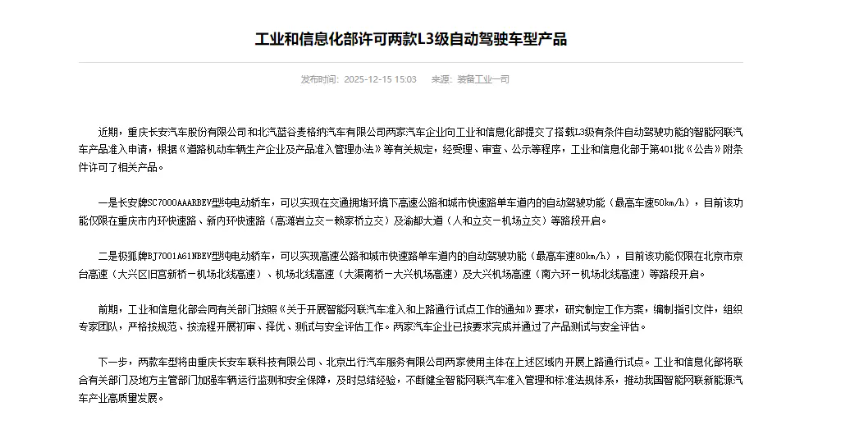
△ MIIT officially sanctions two L3 autonomous driving vehicle models
On June 4th, 2024, the MIIT, in collaboration with the Ministry of Public Security, the Ministry of Housing and Urban-Rural Development, and the Ministry of Transport, unveiled the 'Basic Information of Joint Ventures for Access and On-Road Operation Trials of Intelligent Connected Vehicles.' Nine automotive enterprises and joint ventures, including BAIC, Changan, BYD, GAC, NIO, SAIC, and FAW, were granted trial access. With Changan and BAIC now approved, it is anticipated that other automakers will follow suit in the coming years. Recent media reports indicate that BYD has collaborated with the Shenzhen Transport Bureau and other entities to initiate comprehensive internal testing of mass-production-oriented L3 autonomous driving in Shenzhen, having already completed over 150,000 kilometers of real-world L3 autonomous driving verification.
What Is the Current State of L3 in China?
L3 is still a considerable step away from achieving true full autonomous driving.
According to the national standard 'Classification of Driving Automation for Motor Vehicles,' L3 autonomous driving is categorized as 'conditionally autonomous driving.' Under specific design operating conditions, the vehicle system can fully assume dynamic driving tasks, allowing the driver to disengage. However, the driver must remain vigilant and prepared to take over control at any moment. This implies that drivers cannot sleep in the vehicle; at best, they can briefly rest or engage in entertainment, but must be ready to resume driving immediately if required.
Moreover, the current L3 approval is confined to specific road segments. The L3 autonomous driving feature of the Changan Deepal SL03 can only be activated at speeds up to 50 kilometers per hour on sections such as the Chongqing Inner Ring Expressway, the New Inner Ring Expressway (Gaotanyan Interchange - Laijiaqiao Interchange), and Yudu Avenue (Renhe Interchange - Airport Interchange). The Arcfox Alpha S6 can activate L3 autonomous driving at speeds up to 80 kilometers per hour on sections like the Beijing-Taipei Expressway (Jiugongxin Bridge in Daxing District - Airport North Line Expressway), the Airport North Line Expressway (Daqu South Bridge - Daxing Airport Expressway), and the Daxing Airport Expressway (South 6th Ring Road - Airport North Line Expressway).
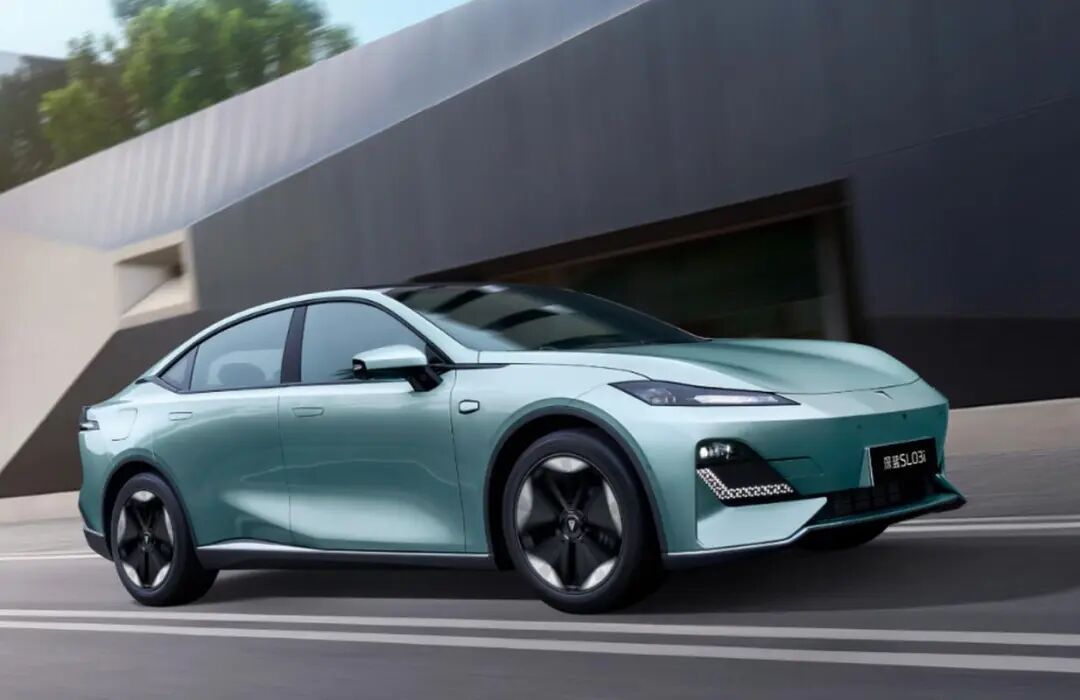
△ The L3 approved by MIIT this time is 'conditionally autonomous driving'
Does this imply that China's L3 technology is still lacking? The answer is no. When compared to Mercedes' L3 autonomous driving system, Drive Pilot, which was deployed in Germany and California in 2022, China has already reached a comparable level in terms of autonomous driving commercialization. At that time, Mercedes imposed stricter restrictions for activating L3: it was excluded during nighttime and severe weather; the vehicle could not change lanes; the maximum speed was capped at 40 miles per hour; it had to avoid road construction, tunnels, and toll stations; and it could only operate on highways with clearly marked lanes. In case of an emergency, if the vehicle did not receive a response from the driver within 10 seconds of alerting them to take over, Drive Pilot would park the vehicle by the roadside and call emergency services, after which L3 would be completely deactivated.
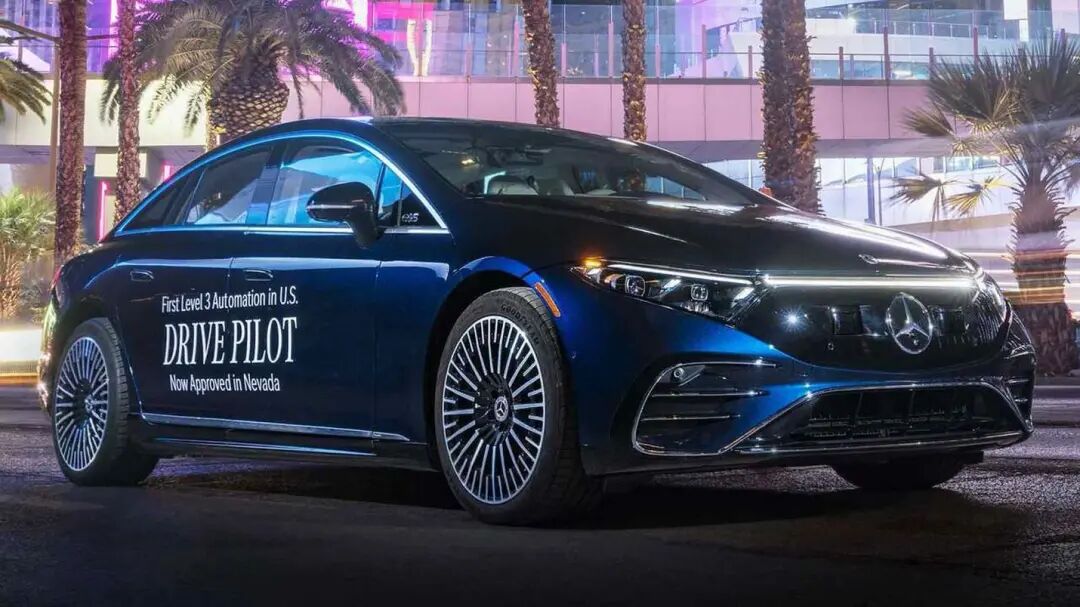
△ China's L3 is on par with Mercedes' Drive Pilot
How Will Automakers Choose Their Technology Paths?
For both domestic and global automakers, there have always been two schools of thought regarding autonomous driving technology. Currently, newly launched models generally boast L2 or even L2+ capabilities. However, automakers now face two divergent paths:
The first path involves gradually introducing L3. The two models approved this time—the Deepal SL03, which utilizes Changan's in-house autonomous driving system, and the BAIC Arcfox Alpha S6, which is equipped with Huawei's ADS—indicate that future models incorporating Huawei's ADS will also be eligible for MIIT approval. Additionally, BYD's 'Divine Eye' and Geely's 'Vast Horizon' systems already possess L3 capabilities, making their approval inevitable in the near future.
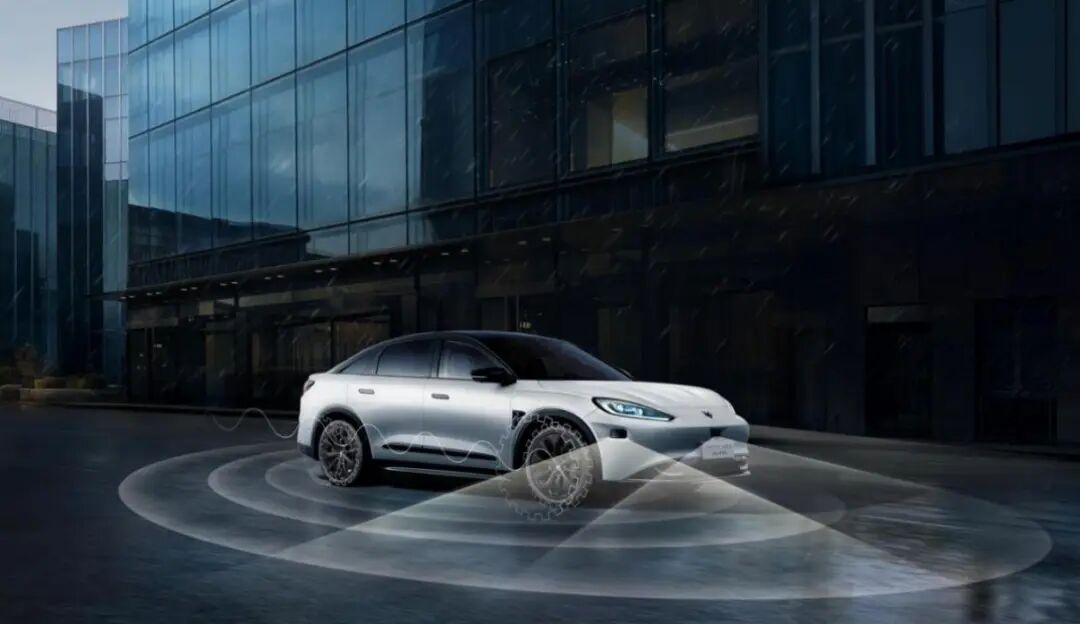
△ Should automakers gradually introduce L3 or leapfrog to L4?
The second path involves skipping L3 and directly deploying L4 in their products. XPeng Motors, a relatively aggressive player in China's autonomous driving sector, stated at this year's XPeng Tech Day that there will be no L3 in the future—only L2 and L4.
Unlike L3, which requires the driver to be prepared to intervene at any time, L4 is defined as the system assuming full driving responsibility in designated areas (such as closed campuses or pilot road sections) without human intervention, even in extreme situations (e.g., pulling over to the side of the road). The automaker or operator bears full responsibility for accidents. Undoubtedly, L4 presents significantly greater challenges than L3. The question remains as to how soon automakers can achieve L4.
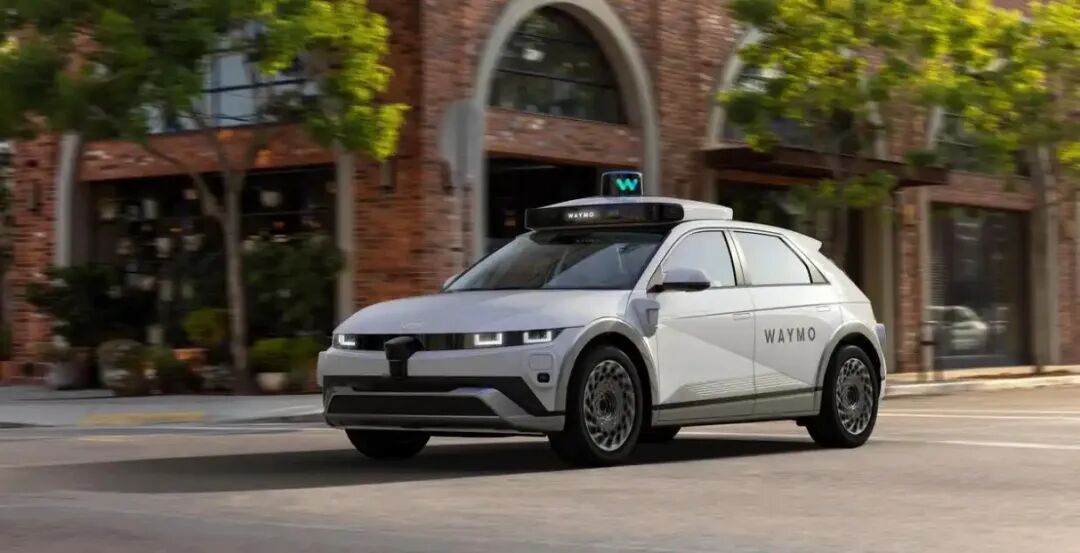
△ In more complex scenarios, L3 is more likely to take center stage, except for Robotaxi applications
In reality, for larger automakers with relatively abundant resources, ensuring steady business development and avoiding missed market opportunities will likely lead them to invest heavily in both L3 and L4 tracks simultaneously. This is akin to the ongoing debate between pure vision and LiDAR-based technology routes in autonomous driving. Both approaches have their merits and demerits, and neither has convinced the other thus far. It is possible that, for a considerable time to come, both L3 and L4 will coexist in China's and even the global intelligent driving market. In relatively complex scenarios such as urban roads, L3 is more likely to dominate, except for Robotaxi applications.
Why Is the MIIT Approving L3 Now?
For the MIIT, approving L3 now is timely.
Recently, Morgan Stanley released a research report predicting a '6% to 8% year-on-year decline in China's auto sales in 2026.' For automakers already embroiled in a fierce price war, the timely introduction of nationally certified L3 models could stimulate a wave of replacement purchases among domestic consumers. In September of this year, the MIIT and seven other departments jointly issued the 'Work Plan for Stabilizing Growth in the Automotive Industry (2025-2026),' which proposed 'promoting trials for access and on-road operation of intelligent connected vehicles and conditionally approving production access for L3 models.' For domestic consumers, a vehicle's intelligent driving capabilities have already become one of the primary factors influencing purchasing decisions. Being able to buy a nationally certified L3 model could become another major trend in new car consumption next year.
Additionally, the accelerated implementation of L3 autonomous driving technology is expected to drive a new round of infrastructure investment in vehicle-road-cloud systems in China. If various capital sources, including local governments, fully recognize this potentially enormous business opportunity, autonomous driving could become a new engine for economic growth. Of course, for automakers and policymakers, there is still some ambiguity in defining emergency situations or scenarios requiring driver intervention under L3 conditions. The next step is to put L3 into practical operation to determine its viability.

△ The supporting infrastructure for vehicle-road-cloud systems will drive a new wave of infrastructure investment
Looking at the global market, China now holds the dominant position in the development of the new energy vehicle industry. Leveraging its first-mover advantage in the electric vehicle sector, Chinese automakers have taken the lead globally in terms of both product strength and cost-effectiveness. If China can be the first to deploy L3 models on a large scale domestically, it may replicate its previous success in overtaking competitors in the new energy sector, further solidifying the global leadership of Chinese automakers.
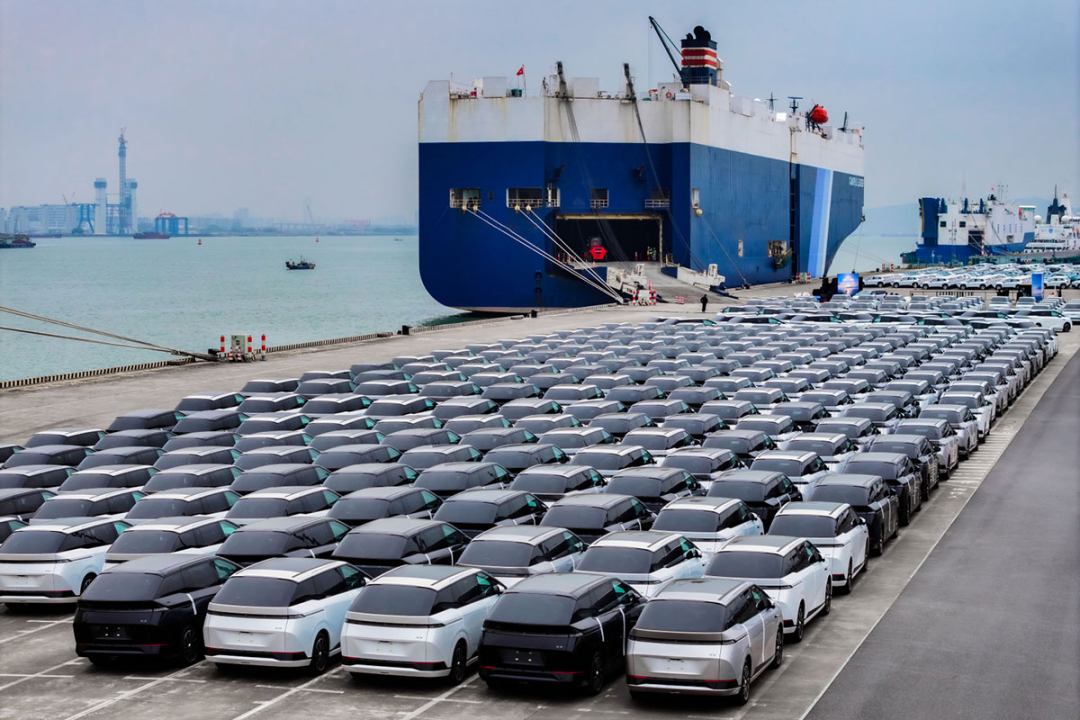
△ High-level autonomous driving may become a new weapon for Chinese automakers in the global market
Commentary
The introduction of L3 models on the roads still poses certain risks and controversies. However, innovation necessitates verification. Opening a green channel for L3 models on a small scale, allowing them to operate under relatively safe conditions, is clearly necessary. Domestic automakers have the potential to once again overtake competitors in the field of autonomous driving. For multinational automotive giants that have not yet caught their breath in the new energy sector, the competition in autonomous driving presents a new challenge. They must either partner with local giants like Huawei and Momenta or accelerate the introduction of competitive self-developed intelligent driving solutions in China. The giants must act swiftly.
(This article is original to 'Heyan Yueche' and may not be reproduced without authorization.)
-
![]()
Cubic Sensors and Instruments Air Quality Sensor Module: Focusing on PM2.5 for Comprehensive Cabin Air Monitoring
-
![]()
Optical Components and Assemblies Surge 45.75% Year-on-Year! Yongxin Optics Reports 564 Million Yuan in First-Half Revenue
-
![]()
Sunny Optical’s Semi-Annual Report: Mobile Phone Profits Slide by RMB 280 Million, Robotics Business Surges to Mitigate Losses
-
![]()
Performance Examination of Hong Kong Stocks: From Pop Mart to Newborn Town and Kingsoft Cloud, Market Preferences May Be Shifting
-
![]()
ARR in August Surges Past $800 Million, MiniMax's Darkest Hour May Be Over
-
![]()
Major Changes in the Mobile Phone Industry: From 'Small Profits and High Sales Volume' to 'High-Priced Game of One Phone per Person'
-
![]()
Even Sues XGIMI in U.S. Court: $1.2 Million ‘AI Glasses’ Crowdfunding Campaign Abruptly Stops!
-
![]()
The world's third largest mobile operating system was born in China! Installed on over 1.3 billion devices