User Congresses Are in Full Swing: Are Chinese Automakers Shifting Their Focus to Brand Value?
 12/23 2025
 695
695
Introduction
For Chinese automakers, establishing brand value is an urgent task that demands immediate attention.
As the automotive industry has emerged as a pivotal force driving industrial progress and technological innovation in the new era, all stakeholders aim to harness consumer demand to fuel a new wave of industrial transformation, elevating their brands to become iconic representatives of Chinese automobiles.
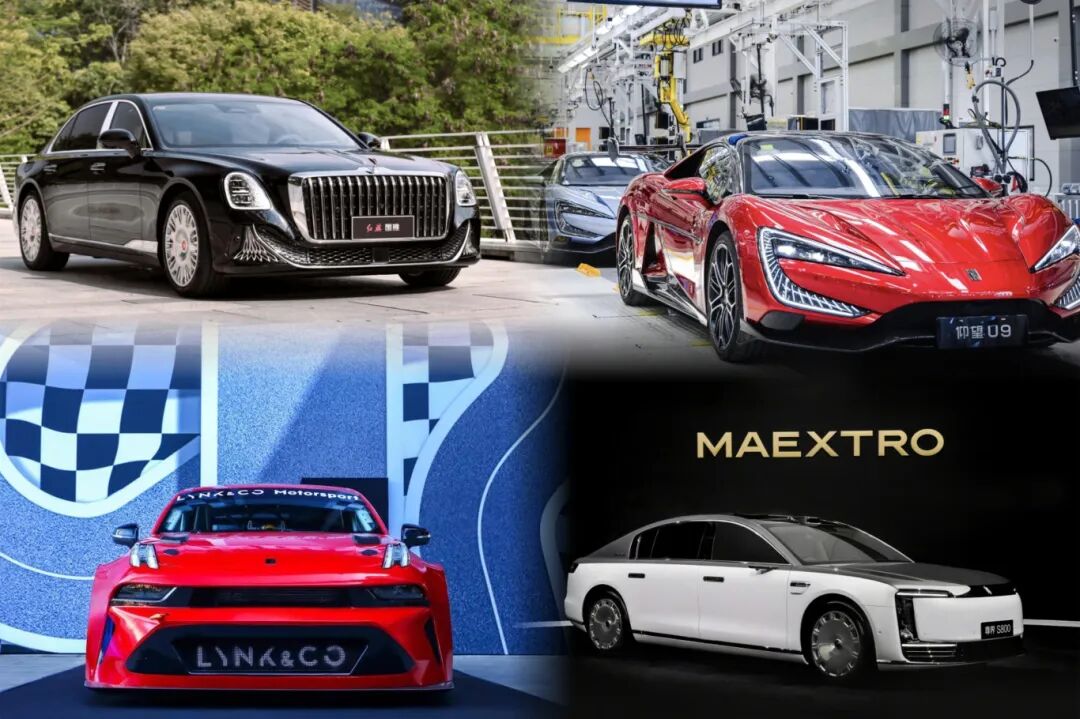
In contrast to the past, Chinese automobiles now exude a newfound confidence. No longer confined to the realm of affordable vehicles, Chinese cars priced at tens of thousands of yuan have successfully persuaded numerous consumers to open their wallets. Leveraging new energy technologies, models like the Yangwang U8/U9 and Zunjie S800, priced over a million yuan, have made their market debut within just a few years.
However, a review of the 2025 automotive market reveals that amidst relentless price and promotional battles, Chinese automakers appear to have become overly fixated on sales volume. Faced with existential threats, any strategy unrelated to boosting sales seems to have lost its relevance.
In essence, since the majority of Chinese consumers prioritize price over brand narratives when purchasing a vehicle, automakers naturally align their strategies with this consumer preference. Faced with fierce competition, the market's primary focus has increasingly shifted towards launching new models at prices lower than those of rivals.
Many observers describe this market scenario as 'intense competition.' In China, with a well-established new energy vehicle industry chain, automakers that offer affordable yet high-quality products are generally on the right track. However, as 2025 draws to a close and the competitive atmosphere in the automotive market shows no signs of abating, it seems that no one wishes to see the industry trapped in a vicious cycle where automakers' efforts yield disproportionate returns.
This raises pertinent questions: Do Chinese automobiles possess brand value? And when technology reaches a stage of uniform development in the future, what new criteria will consumers rely on to make their choices?
01 Price Wars Are Unsustainable
Earlier, the State Administration for Market Regulation issued the 'Guidelines on Compliance with Price Behavior in the Automotive Industry (Draft for Comment),' stipulating that automakers, except for legally reducing prices to clear inventory, must refrain from setting factory prices below production costs through other means. Prices must be clearly indicated, with vehicle configurations, prices, and promotional rules prominently displayed. No additional charges beyond the stated price are permitted. Sellers are required to specify the delivery date in the contract and assume liability for any breaches.
Subsequently, several automakers, including Great Wall, Changan, XPeng, BAIC, and BYD, responded by pledging to optimize their price management practices and eliminate price fraud. The China Automobile Dealers Association also highlighted that this move would help curb the industry's 'cutthroat' price wars and redirect competition towards technology, service, and value enhancement.
From the automakers' perspective, a healthy industrial ecosystem cannot be sustained through endless price wars. Faced with new industrial competition, automakers should explore new growth opportunities beyond mere pricing strategies.
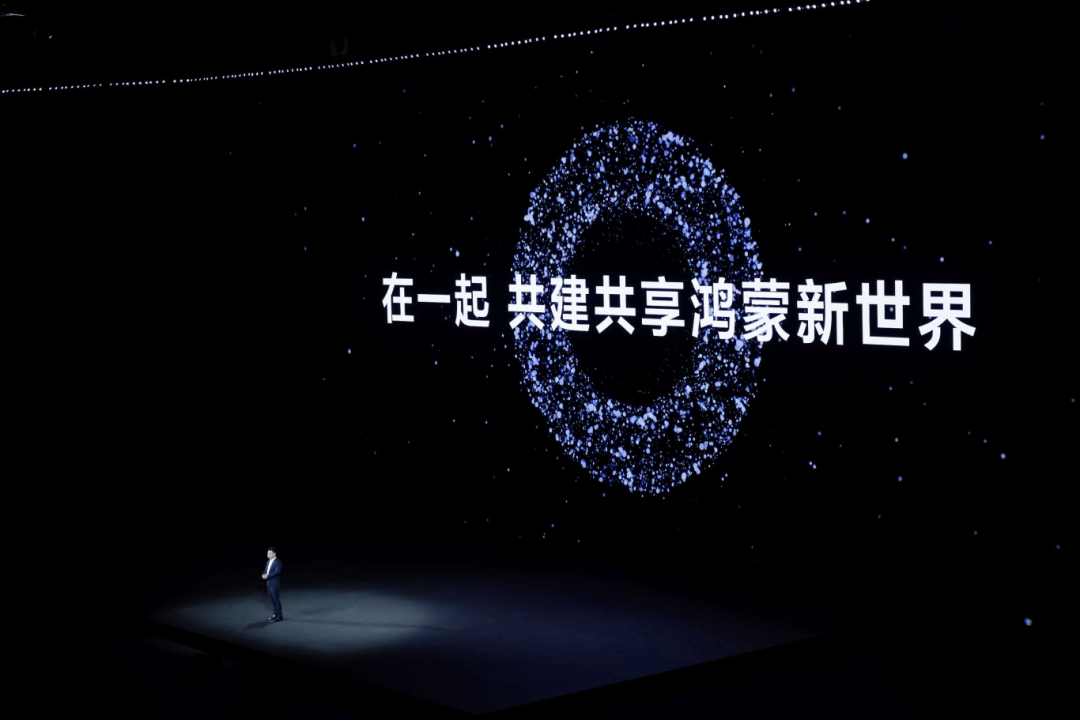
Through observations over the past year, we can discern new trends. The influence of the 'Harmony Intelligent Mobility Alliance' is as significant as that of Tesla, demonstrating that when products enter a phase of homogeneous competition, brand building becomes crucial.
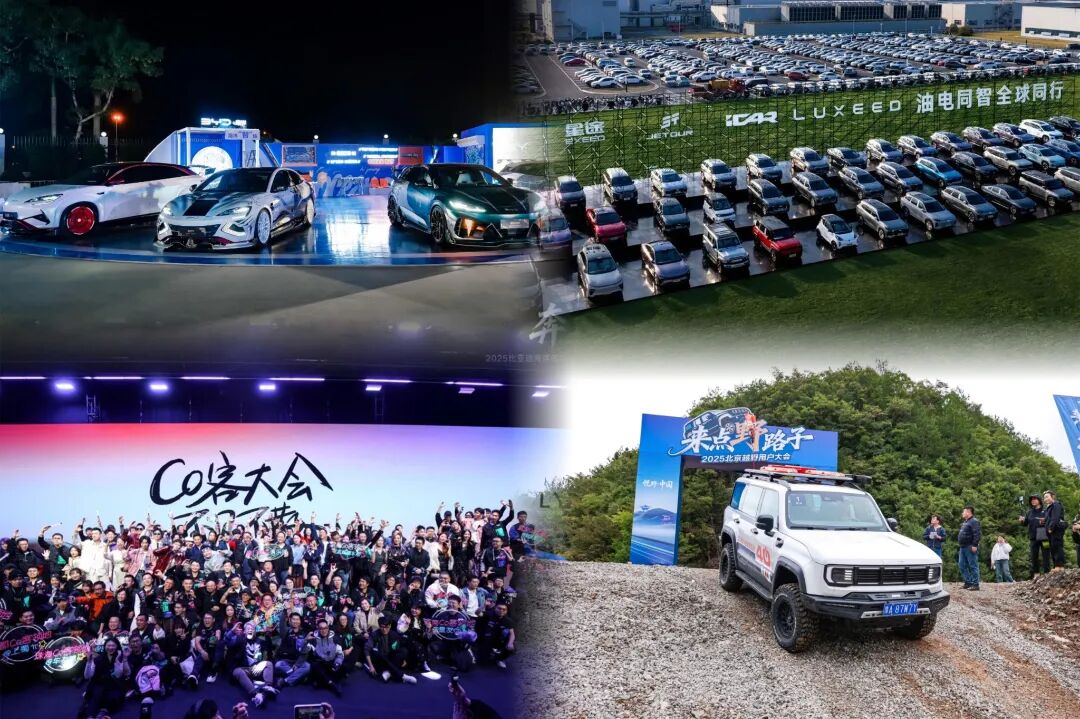
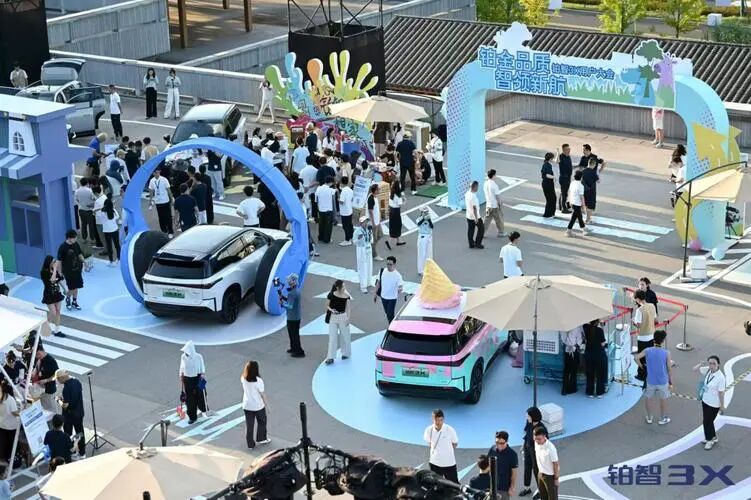
In this final month of the year, we have observed that more Chinese automakers are consciously constructing new brand moats. From BYD Ocean's fourth anniversary celebrations to the multi-year LYNK&CO Fan Festival and the Harmony Starlight Gala, their core objective is not merely to provide a platform for existing users to gather but also to communicate the brand's commitment to sustainable development to the broader public.
Indeed, Chinese consumers are now more discerning than ever. Automakers are striving to present all their ideas regarding new product planning to the market. However, it is evident that single-product competition no longer guarantees long-term market dominance.
In the Chinese market, emerging brands often emphasize user-centric development, with NIO being a prime example. Regardless of the magnitude of NIO's investment in maintaining this approach, the results are undeniable.
While we cannot claim that NIO is the sole new energy automaker with brand premium, the market performance of the L90 and Firefly models this year indicates that NIO, as the parent brand, has played a pivotal role. In contrast, Chinese brands still struggling with sales and continuously lowering their prices appear resigned to their fate. Many Chinese automakers still lack a clear answer to the question: 'Does brand value hold practical significance?'
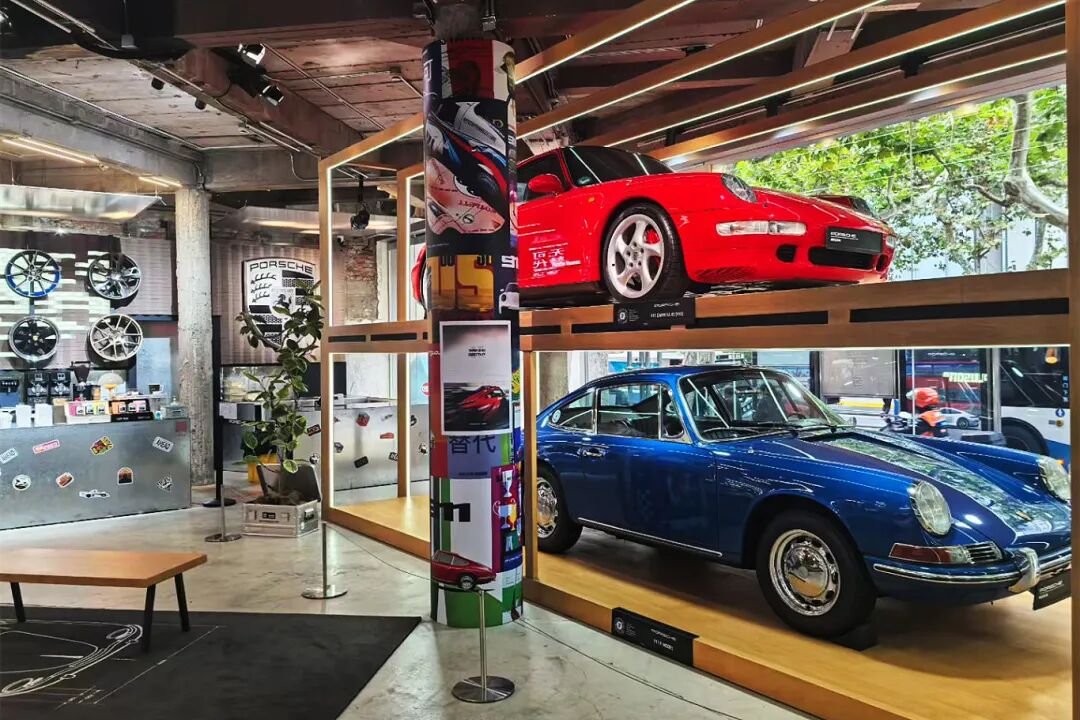
In fact, even without using NIO as a case study, the flourishing development of the Chinese automotive market over the past two decades offers valuable insights, albeit often overshadowed by online criticism of foreign brands.
Back then, from premium brands like BBA, Lexus, and Porsche to mass-market brands like Toyota, Volkswagen, and Honda, Chinese consumers valued not only the products but also the unique images or charisma associated with the brands. Even now, despite any dissatisfaction, the brand-building strategies employed by joint ventures remain worthy of emulation for Chinese automakers.
02 Chinese Automobiles Need Brand Value
In 2025, we must acknowledge that leading companies like BYD and Geely have already recognized the importance of hosting user congresses to uphold their brand image. However, with the new energy industry thoroughly transforming the industry ecosystem and consumer demands evolving, Chinese automakers must consider how to adapt the essence of user congresses, moving beyond mere formalities.
Historically, foreign brands with rich narratives have habitually leveraged their past glories to justify their current developments and inspired users with their iterative spirits since inception. In the Chinese context, lacking industrial heritage, such brand narratives are undoubtedly appealing, allowing owners to easily relate their experiences to the brand's growth trajectory.
Volkswagen, Toyota, and Honda still command a large following, possibly due to their sheer market presence, but their consistent brand messaging has undoubtedly played a role. Although renowned event IPs like VAG Family have disappeared due to survival pressures, years of brand communication have enabled these leading joint ventures to maintain their foothold in China.
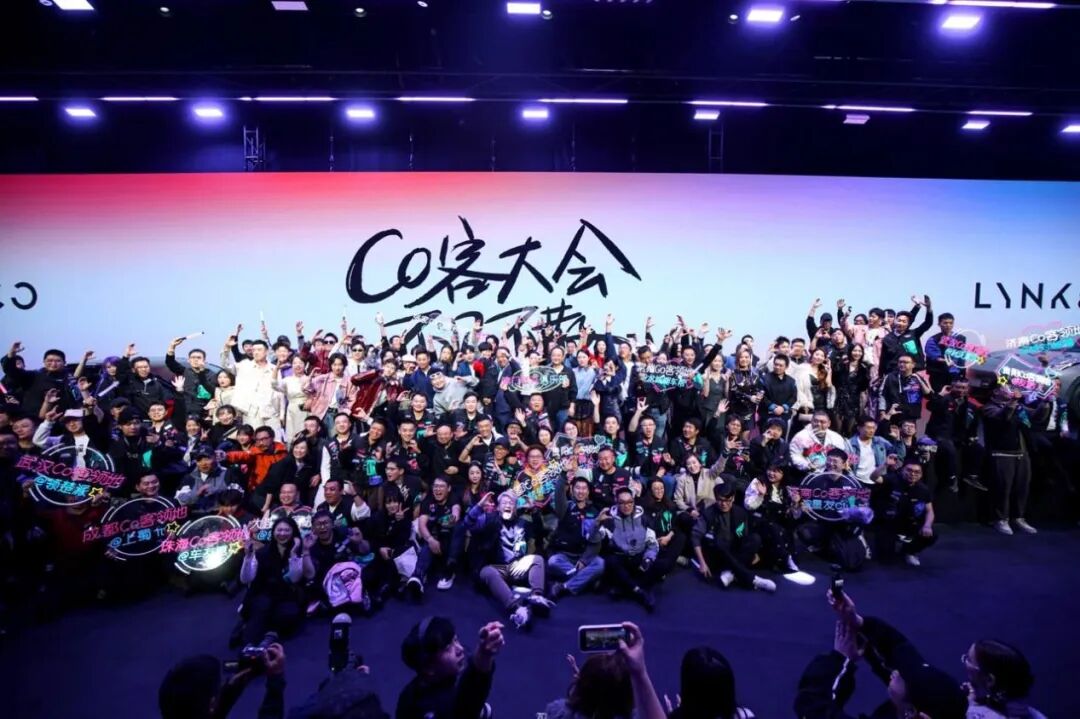
In contrast, Chinese automakers have been striving to craft their brand stories for years, with Geely's LYNK&CO being a prime example. Over the years, the core concept of the LYNK&CO Fan Festival has remained perfectly aligned with the brand's founding principles, contributing to LYNK&CO's ability to maintain a certain brand premium within the independent camp.
With this example in mind, many Chinese brands now have clear guidelines for user engagement. However, when it comes to genuinely enhancing brand value, they are still relatively inexperienced. Especially in the booming new energy industry, without a historical brand legacy, how can they find breakthroughs?
Some brands that have achieved success in terms of sales believe that from a matrix of blockbuster models precisely meeting niche market demands to a deep user-centric co-creation ecosystem and then to a flagship lineup impacting the premium segment, this brand growth path can provide users with strong value support. However, looking ahead, in the real consumption environment, formulating plans based solely on the company's development can only be one aspect.
The manifestation of brand value requires a complete ecosystem built around user needs, not just a superficial elaboration of the current situation.
In the new energy era, when products significantly reduce maintenance frequencies, brand owners need to implement more engaging strategies from pre-sales to after-sales to provide emotional value to users. While hosting annual user congresses is important, the key lies in how to prioritize user needs throughout the year. Consequently, saturated price offensives may no longer be the survival mindset that automakers cling to desperately.
Ultimately, when everyone relies on price to defend their market positions, for Chinese automakers genuinely willing to compete on merit, the significance of cultivating brand value far outweighs engaging in cutthroat price competition.
Compared to previous years, automotive brands that have survived until 2025 have undergone multiple technological purges and achieved self-sufficiency in sales. With various institutions predicting even fiercer competition in the 2026 automotive market and a potential decline in overall sales, those who can leverage brand value will have essentially donned a protective armor.
Editor-in-Chief: Li Sijia Editor: He Zengrong
THE END
-
![]()
Cubic Sensors and Instruments Air Quality Sensor Module: Focusing on PM2.5 for Comprehensive Cabin Air Monitoring
-
![]()
Optical Components and Assemblies Surge 45.75% Year-on-Year! Yongxin Optics Reports 564 Million Yuan in First-Half Revenue
-
![]()
Sunny Optical’s Semi-Annual Report: Mobile Phone Profits Slide by RMB 280 Million, Robotics Business Surges to Mitigate Losses
-
![]()
Performance Examination of Hong Kong Stocks: From Pop Mart to Newborn Town and Kingsoft Cloud, Market Preferences May Be Shifting
-
![]()
ARR in August Surges Past $800 Million, MiniMax's Darkest Hour May Be Over
-
![]()
Major Changes in the Mobile Phone Industry: From 'Small Profits and High Sales Volume' to 'High-Priced Game of One Phone per Person'
-
![]()
Even Sues XGIMI in U.S. Court: $1.2 Million ‘AI Glasses’ Crowdfunding Campaign Abruptly Stops!
-
![]()
The world's third largest mobile operating system was born in China! Installed on over 1.3 billion devices