Dancing with Electric and Fuel Power: Can Volvo and Audi Rediscover Their 'Second Spring'?
 12/24 2025
 559
559
Lead | Introduction
As China's new energy vehicle (NEV) market progresses into its 'second half,' competition becomes increasingly fierce. Joint-venture brands, particularly traditional luxury automakers, which once held sway, are now witnessing their market shares dwindle and brand prestige diminish under the relentless pressure exerted by domestic automakers and new-energy startups. Amidst this 'involution'-ridden red ocean, Volvo and Audi have gradually charted out paths to breakthrough. One has witnessed a near-doubling in growth within the plug-in hybrid market, thanks to the all-new Volvo XC70, marking a resurgence as a 'second-tier luxury' brand; the other, among the BBA (BMW, Benz, Audi) trio, has adopted the most aggressive electrification stance, poised for a significant breakthrough.
Produced by | Heyan Yueche Studio
Written by | Cai Yan
Edited by | He Zi
1,846 words
3-minute read
In the fiercely competitive automotive landscape, Audi and Volvo persist in their quest for breakthrough strategies. As they embrace the new energy era, how should other traditional luxury brands forge their unique paths forward?
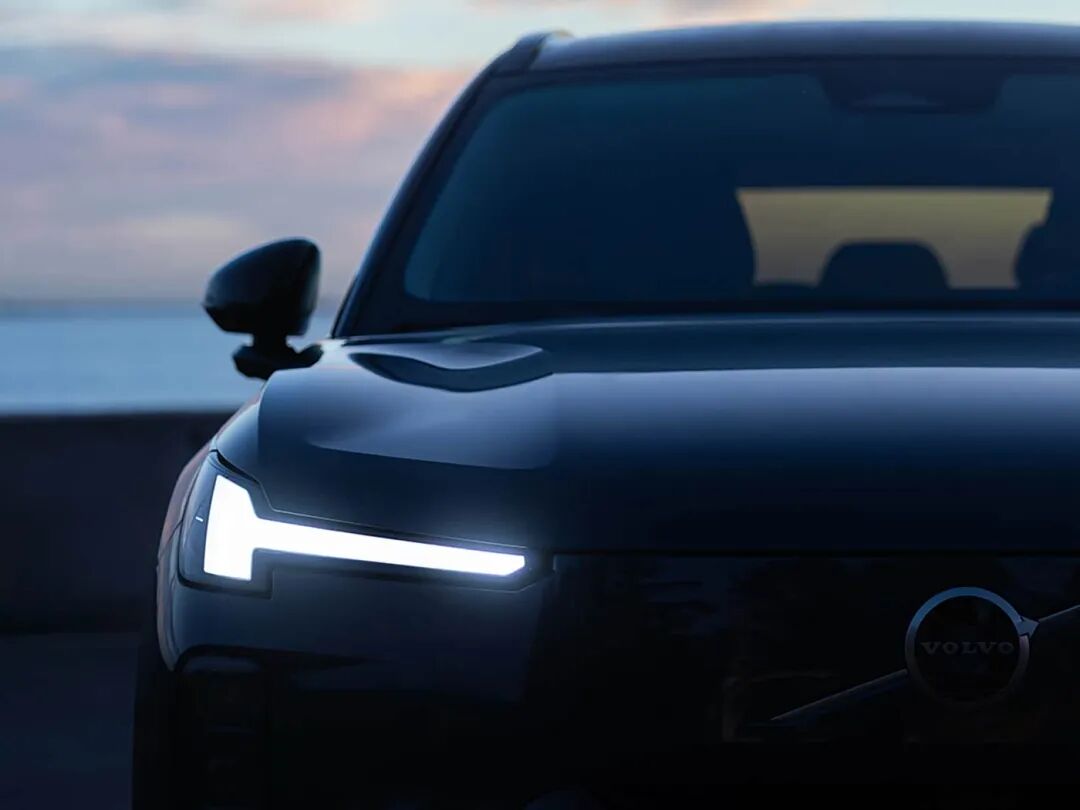
△ Luxury brands such as Audi and Volvo are actively embracing the new energy era.
Volvo and Audi Pursue 'New Luxury' Momentum
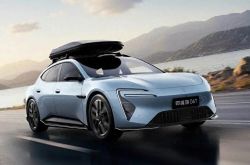
The ascent of the Volvo XC70 epitomizes a classic return to core values. During the era of fuel-powered vehicles, Volvo's sales remained tepid, while its early pure electric brand, Polestar, grappled with marginalization due to its premium pricing. However, the introduction of the all-new Volvo XC70 has enabled Volvo to make a remarkable comeback in the NEV sector. Data reveals that in November 2025, the all-new Volvo XC70 sold 5,354 units, surging 94% month-on-month to become Volvo's top-selling model in its second month on the market.
This accomplishment can be attributed to the XC70's precise alignment with the core demands of luxury NEV consumers: alleviating range anxiety, ensuring safety excellence, and delivering technological luxury. The XC70's 'Super Hybrid Quad-Engine All-Wheel Drive' system offers a combined range exceeding 1,200 km, eliminating concerns over long-distance travel. Meanwhile, Volvo leverages its signature safety advantage with 24 intelligent sensors and 21 safety assistance features. The XC70's success underscores that when a product seamlessly integrates a brand's core values (safety, environmental stewardship) with mainstream technologies (long-range plug-in hybrid, intelligent cockpit) while targeting an underserved niche (luxury mid-to-large plug-in hybrid SUVs), even 'second-tier luxury' brands can ignite market demand.
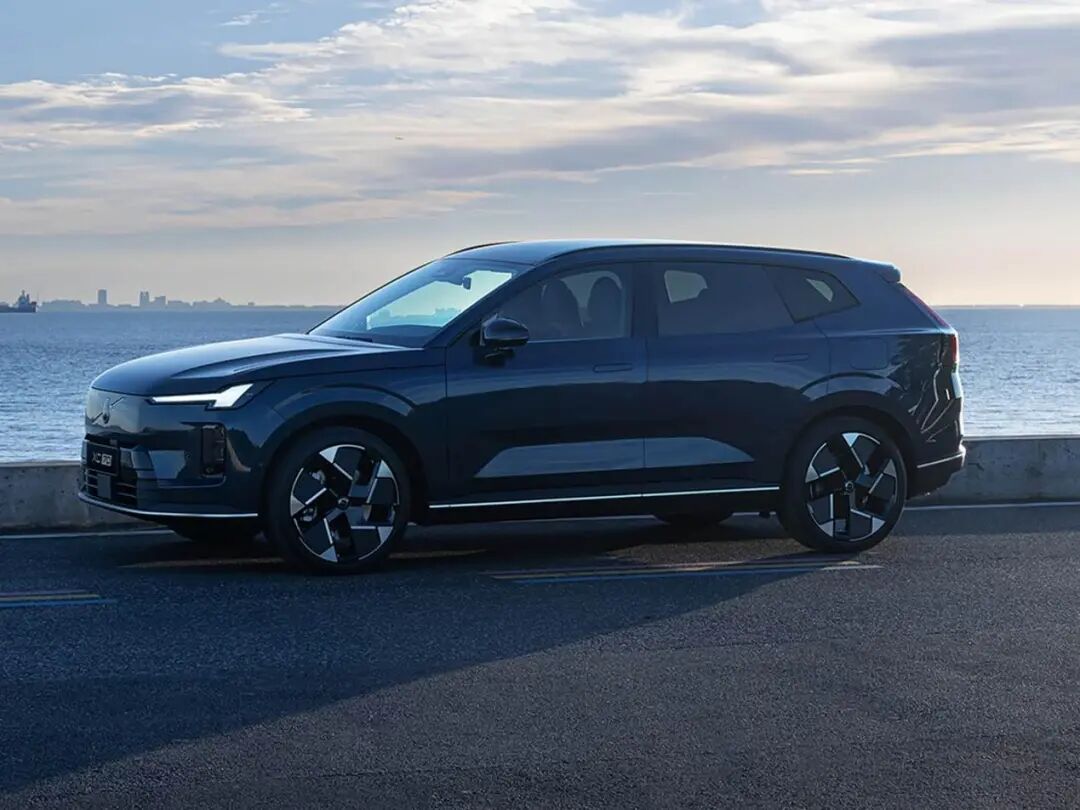
△ The all-new Volvo XC70 sold 5,354 units in November.
Audi prioritizes systemic transformation. Among the BBA brands, Audi has adopted the most aggressive electrification strategy. In the first half of 2025, Audi's global sales declined by 5.9% year-on-year, with a 10.2% drop in China. Its pure electric models delivered a mere 7,897 units in China (2.7% market share), lagging significantly behind leading new-energy startups. While Audi's European NEV sales surged by 32.3%, leading the BBA pack, its struggles in China necessitate radical changes.
Audi's response has been clear and decisive. Firstly, it revised its global strategy by abandoning the aggressive 2033 fuel vehicle phase-out plan in favor of a pragmatic 'parallel fuel-electric' approach, ensuring basic market stability. More critically, Audi has embraced Chinese technology with unprecedented depth. From collaborating with SAIC to launch models featuring HarmonyOS cockpits, to jointly developing the Advanced Digitized Platform intelligent cockpit system, and integrating Huawei's Intelligent Driving Solution, Audi now positions Chinese technology at the heart of its NEV strategy.
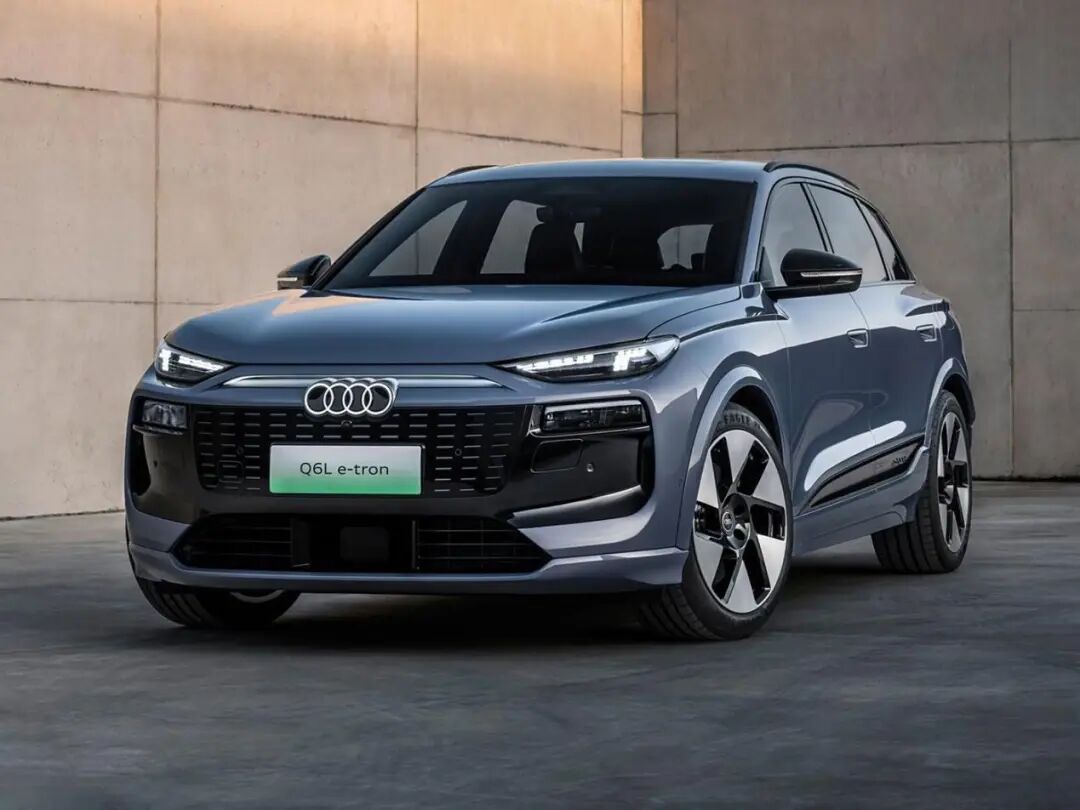
△ The Audi Q6L e-tron debuts with Huawei ADS 3.0.
Traditional Automakers at a Transformation Crossroads
Volvo and Audi are accelerating their transformations through differing yet conceptually aligned pathways: abandoning their obsession with single technology routes to adopt 'multi-energy parallel' strategies guided by user needs. From January to November 2025, China's domestic NEV penetration rate stabilized at 53.6%, exceeding 50% for nine consecutive months since March, signaling NEVs' transition from 'trendsetters' to 'market dominators.'
This electrification-driven transformation has unequivocally shifted competition to the realms of intelligence and user experience. The market now features three distinct camps: new-energy startups (NIO, Li Auto, XPeng, AITO, Xiaomi) challenge traditional luxury definitions through native pure electric architectures and direct-to-consumer models; traditional fuel vehicle brands struggle with 'retrofitted electric' dependencies or brand dilution in price wars, facing dual declines in market share and prestige; and a third camp, led by Volvo and Audi, explores a 'heritage-meets-innovation' middle path.
The transformation lessons from Volvo and Audi reveal that traditional brands must redefine and enhance their century-old core values through intelligent electric technologies rather than mere replication. They must also engage in deep co-creation with Chinese tech giants, internalizing China's cutting-edge demands and innovation capabilities as core competencies. Volvo has preserved its 'safety' DNA amid electrification, offering reassurance amid frequent NEV safety incidents, while Audi's collaboration with Huawei positions it as the first BBA brand to fully integrate Chinese intelligent driving solutions.
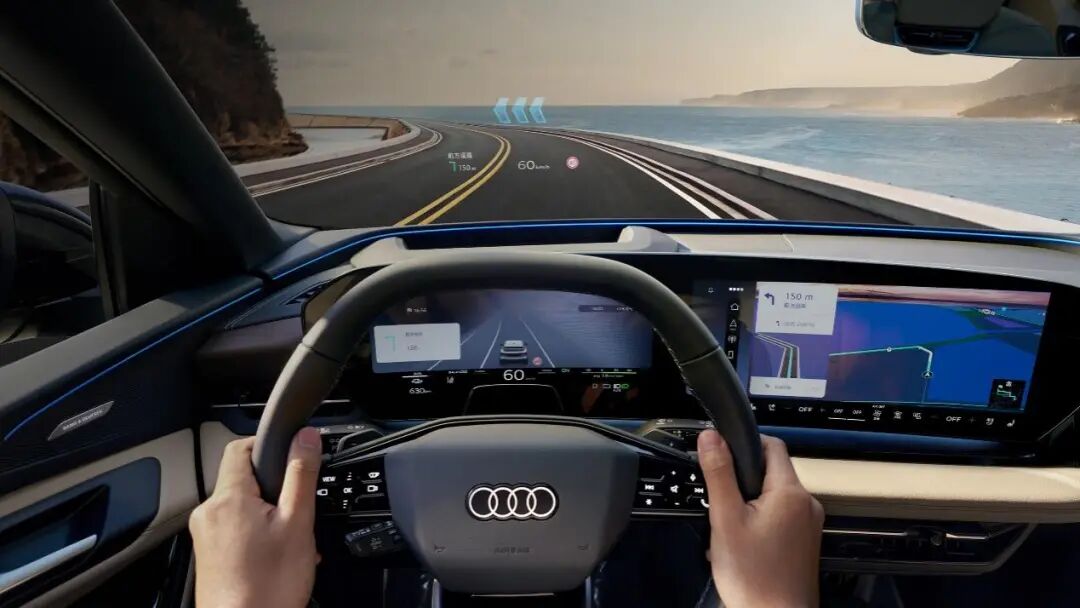
△ Representatives like Audi and Volvo innovate within their heritage.
Commentary
China's NEV market has transitioned from electrification's first half to intelligence's second half, where competition now hinges on AI, big data, and software-driven systemic capabilities. For traditional luxury brands like BMW, Mercedes-Benz, Audi, and Volvo, the window for transformation is narrowing. Only through accelerated collaboration with Chinese partners can they discover their 'second spring.'
(This article is original to Heyan Yueche. Unauthorized reproduction is prohibited.)
-
![]()
Enflame Tech's IPO Journey: Navigating Over 5.9 Billion Yuan in Losses and Soaring Debt in Q1 This Year
-
![]()
Trillion-Yuan Giant Li Shufu 'Streamlines': Could Levc Be the Casualty?
-
![]()
AI Competes for Electricity and Generates Power in the Gobi Desert
-
![]()
The First Batch of Victims of the AI Bubble: Programmers
-
![]()
ByteDance, DJI, and Xiaohongshu Secure Top Three Positions Among China’s Fastest-Growing Unicorns
-
Tesla's in-car voice system in China is finally learning to 'understand human language'
-
![]()
Foreigners Are Amazed: Chinese Electric Vehicle Drive Systems Unveil Innovative 'Poses'
-
![]()
700,000 Brothers and the Future of Robots: Behind JD.com's 'Nirvana Plan'