Don't Wait for the Purchase Tax Hike - Buy Joint Venture Vehicles by Year-End and Seize These Deals!
 12/29 2025
 720
720
With just a few days left until the end of 2025, we are entering a dual overlap of the policy window period and the market sprint phase. The full exemption policy for new energy vehicle (NEV) purchase tax is entering its final countdown. Coupled with the pressure on joint venture automakers to meet their annual sales targets, an unprecedented car-buying extravaganza has begun. Unlike previous years' simple price reductions, this year's policies from joint venture brands showcase new characteristics of “tax benefits as a safeguard, multi-dimensional subsidies, and scenario-based incentives”, offering both money-saving opportunities and testing consumers' wisdom in selecting vehicles. How can consumers identify core benefits amidst complex preferential policies, avoid marketing tricks, and choose models that truly suit their needs? This article will analyze from three dimensions: policy logic, model selection, and tips to avoid pitfalls, providing practical references for consumers.
The Core Logic Behind Preferential Policies of Joint Venture Automakers
The preferential policies of joint venture automakers at the end of the year always revolve around the core of the “battle to safeguard purchase tax incentives”. According to a joint announcement by the Ministry of Industry and Information Technology, the Ministry of Finance, and the State Taxation Administration, the decade-long policy of full exemption from purchase tax for new energy vehicles will shift to a 50% reduction starting January 1, 2026. The maximum tax reduction per vehicle will be limited to 15,000 yuan, significantly increasing the purchase tax cost for vehicles priced over 300,000 yuan. For instance, the purchase tax for a 500,000-yuan new energy vehicle will rise to 35,000 yuan. This cost differential resulting from the policy shift has become a key lever for joint venture automakers to drive consumption.

Against this backdrop, joint venture brands generally offer a “triple benefit system”:
Firstly, purchase tax-related subsidies, with some brands directly committing to “covering the difference”. They explicitly state that for users signing purchase contracts before December 31, 2025, even if the vehicle is delivered in 2026 due to the automaker's reasons, the resulting purchase tax difference will be borne by the manufacturer, completely eliminating consumers' concerns about the timing of vehicle delivery.
Secondly, upgraded cash and trade-in subsidies. The Dongfeng Honda Civic and CR-V offer comprehensive discounts of up to 41,000 yuan and 50,000 yuan, respectively, while GAC Toyota provides trade-in subsidies of up to 30,000 yuan for multiple models.
Thirdly, enhanced financial and service benefits. Low-threshold financial plans such as zero down payment and five-year zero-interest are widespread. Buick offers complimentary compulsory traffic insurance for all its models, FAW-Audi introduces inflation policies ranging from 2,000 yuan off 3,000 yuan to 5,000 yuan off 9,000 yuan, and some brands also offer additional service benefits like lifetime warranty and lifetime roadside assistance, further reducing the cost of vehicle ownership.
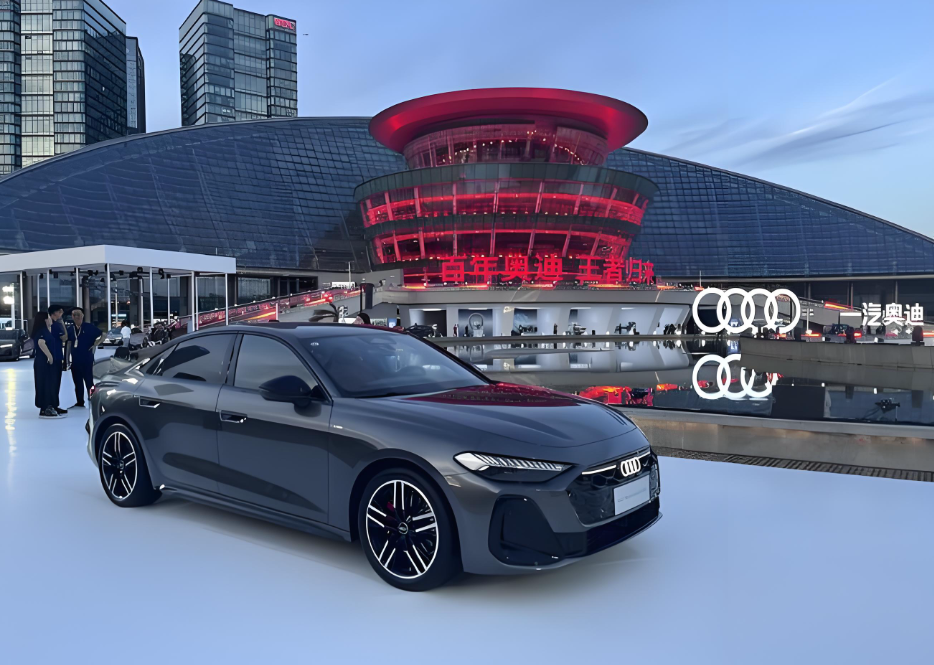
It is noteworthy that this year's preferential policies from joint venture automakers exhibit distinct regional and scenario-based characteristics.
FAW-Audi has launched the “Hot Snow Car Buying Festival” in Northeast China, offering not only rewards for millions of users but also exclusive Wednesday lottery draws with prizes of up to 300 yuan as year-end gifts. Local governments in Chongqing, Qingdao, and other regions have collaborated with joint venture dealers to create a synergistic effect with automaker discounts by providing additional trade-in funds and distributing subsidies through lottery draws.
This combined model of “national policies + local subsidies + dealer concessions” makes the end of the year the most cost-effective period for car purchases throughout the year. In particular, the first half of December represents the golden window for policy benefits, as most local subsidies and automaker incentives are set to expire by December 16. Additionally, the inventory of popular models is tight, and vehicle delivery cycles may be affected by year-end logistics.
Precisely Match Discounted Models Based on Needs
Faced with a myriad of preferential policies from joint venture automakers, blindly chasing low prices often leads to the dilemma of “buying the wrong car and not getting a good deal”. Consumers should precisely match discounted models based on their driving scenarios, budget ranges, and long-term needs, ensuring that policy incentives truly translate into practical value.
For young consumers primarily commuting in cities with budgets ranging from 100,000 to 150,000 yuan, joint venture subcompact cars and entry-level compact models are excellent choices. Models in this price range generally feature mature 1.5L or 1.4T powertrains, offering low maintenance costs and exceptional fuel efficiency. For example, the Nissan Sylphy's terminal price has dropped to as low as 69,800 yuan, with its classic 1.6L + CVT combination being highly popular among ride-hailing drivers and home users. For those seeking a new energy experience, the FAW Besturn Enjoy 03 is worth considering, with limited-time subsidies bringing its price down to 88,800 yuan. Its pure electric range covers daily commutes, and with no-threshold subsidies, it offers significant cost advantages. Financial policies for these models are particularly favorable, with options like an 888-yuan ultra-low down payment and daily payments of just over 20 yuan being common, making them suitable for young consumers with limited budgets.
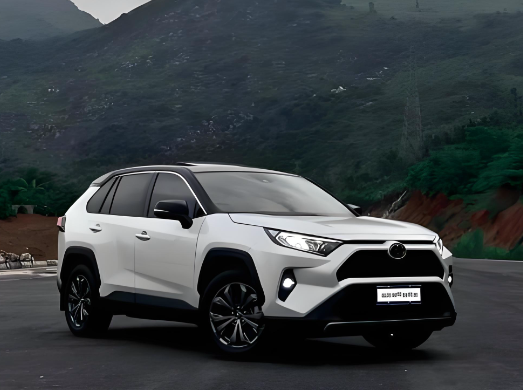
When family users select models priced between 200,000 and 300,000 yuan, they should focus on space, safety configurations, and comprehensive costs. In the mid-size sedan segment, the Honda Accord Luxury Edition is available at a flat terminal price of 150,000 yuan, including maintenance and insurance subsidies. Its 5.5-meter length provides ample rear-seat space, and its compatibility with 92-octane fuel reduces long-term ownership costs. For SUVs, the Toyota RAV4 Rongfang offers a complimentary Samsung portable projector worth nearly 10,000 yuan during the year-end period. The hybrid version is priced at just over 180,000 yuan, with a low fuel consumption of 4.3L, making it suitable for family long-distance travel. Plug-in hybrid models represent an ideal choice for balancing commuting and long-distance travel. Joint venture plug-in hybrid models generally optimize their pure electric range and fuel consumption when running on gasoline alone, with some models offering a pure electric range of over 100 kilometers, enabling zero fuel consumption for daily commutes and eliminating range anxiety for long-distance travel. Moreover, they still qualify for the current full exemption from purchase tax, making them suitable for families with 1-2 long-distance trips per month.
The discount strength (which means “magnitude” or “extent” in this context, kept as is for it's a specific term in the car-buying context referring to the degree of discount) of offers from luxury joint venture brands is also noteworthy, with significant price reductions for models priced between 300,000 and 500,000 yuan. The Audi A6L has dropped below 300,000 yuan in some regions, featuring a tech-savvy virtual cockpit and quattro all-wheel drive that balance business and handling. The BMW i3's terminal price has fallen to around 195,000 yuan. Despite its modest sales, its “Blue Sky and White Clouds” logo and decent range make it suitable for consumers pursuing brand prestige. However, when selecting luxury brands, consumers should rationally assess long-term costs, as maintenance fees and part prices are higher than those of ordinary joint venture models. It is advisable to prioritize discount packages that include multiple maintenance services and pay attention to residual value performance to avoid excessive losses when reselling the vehicle later.
Special scenario requirements also need to be carefully considered: Northern users should exercise caution when choosing pure electric models, as battery range may decrease by 30%-50% in low-temperature environments, making hybrid or gasoline models preferable. Users with inconvenient charging conditions need not blindly follow the trend of new energy vehicles, as current joint venture gasoline vehicles offer unprecedented discounts, featuring mature technology and no range anxiety. Consumers who frequently go on self-drive camping trips can look for models offering optional packages, such as the camping package options provided by some joint venture SUVs, which enhance the travel experience at a lower cost.
Calculate the Total Cost and Avoid Marketing Tricks
Although there are many discounts in the year-end car market, some policies contain hidden tricks. Consumers need to master three key skills: “calculating the total cost, discerning authenticity, and checking details” to truly take advantage of the deals.
Firstly, learn to break down the components of discounts and calculate the total landing cost. Many consumers are easily attracted by promotions advertising “comprehensive discounts of X0,000 yuan” but overlook the hidden conditions – some discounts include mandatory decorative packages, maintenance packages, or complex redemption conditions. The correct approach is to focus on the “landing price”, which is the sum of the ex-factory price (ex-factory price), purchase tax, insurance, and licensing fees. For a 200,000-yuan joint venture car, a reasonable breakdown of landing costs should be: an ex-factory price of around 185,000 yuan, a purchase tax of approximately 16,400 yuan (currently fully exempt for new energy vehicles), insurance of around 4,500 yuan (compulsory insurance + 2 million third-party liability insurance + vehicle damage insurance), and licensing fees not exceeding 300 yuan. If the 4S store's quote includes items like “financial service fees” or “mandatory extended warranty purchases”, consumers can directly refuse them, as these are not legally mandated charges.
Secondly, discern the “value” of preferential policies and prioritize “real money” benefits. Preferential rights can be divided into two categories: one is hard benefits that directly reduce the cost of car purchase, such as cash discounts and trade-in subsidies; the other is indirect benefits like financial interest exemptions and complimentary configurations, which need to be evaluated based on individual needs. For example, a “zero down payment” plan may imply high interest rates, with total interest over three years reaching 12% of the car's price, resulting in higher actual expenses. Complimentary car films and floor mats of poor quality may require replacement later, increasing costs. It is advisable to prioritize combinations of cash discounts and low-interest financing. For trade-in subsidies, consumers should understand the evaluation criteria for their old vehicles in advance to avoid dealers devaluing the residual value of the old car and offsetting the subsidy benefits.
Checking details during vehicle delivery is also crucial to avoid purchasing inventory or damaged vehicles. When taking delivery, consumers should focus on verifying three pieces of information: firstly, the vehicle's production date. If the date on the nameplate on the co-driver's door is more than six months prior to delivery, it is considered an “inventory vehicle”, and consumers can request a replacement or additional discounts. Secondly, the paintwork and tire condition. Use a mobile phone flashlight to check for uniform reflection on the bodywork. New tires should have intact tire hairs to avoid purchasing repainted or test-driven vehicles. Thirdly, the completeness of documents. Ensure that the purchase invoice, compliance certificate, and maintenance manual are complete, and verify that the vehicle identification number matches the documents to avoid obstacles in subsequent licensing and maintenance.
Additionally, consumers should avoid two common misconceptions: firstly, blindly pursuing popular models. Some high-demand models may have hidden premiums, requiring the purchase of optional packages for delivery. Instead, models launched over six months ago may offer more generous terminal discounts. Secondly, neglecting after-sales service and residual value. Some niche joint venture models may offer substantial discounts, but later face difficulties in sourcing maintenance parts and have low residual values, resulting in higher long-term ownership costs. It is advisable to prioritize mainstream models with high market penetration and stable reputation.
Public Appraisal of Vehicles
The end of 2025 undoubtedly represents the most significant discount period for joint venture car purchases in recent years. The dual benefits of the purchase tax policy window and year-end sales targets have created a rare opportunity for consumers. However, the more discounts available, the more rational consumers need to be, as blindly following the trend may lead to losses. It is advisable to prioritize models with sufficient inventory and clear policies, focusing on core benefits like purchase tax safeguards and cash subsidies. Precisely match models based on individual driving scenarios, calculate the total landing cost, and verify delivery details to ensure that every discount truly translates into value for vehicle ownership. After all, purchasing a car is a long-term consumption decision, and the most cost-effective choice is the one that suits your needs. By leveraging policy incentives while adhering to your actual requirements, you can achieve the goal of “saving money and peace of mind” during the year-end car-buying season.
-
![]()
It's Hard to Build Cars, Even Harder to Build Humans, and XPENG is Doing Both
-
![]()
Valuation Soars by $57 Billion: Three Entrepreneurs Born in the 1980s Forge an AI Unicorn Now Suddenly on the Market
-
![]()
How Can We Achieve the Goal of 100,000 Hydrogen Vehicles by 2030?
-
![]()
July Online Market for Consumer-Grade Sports Cameras: Robust Double-Digit Growth in Sales Volume and Value, Mid-Range Products Fuel Market Expansion
-
![]()
A Hundred Billion Dollar Market! When Will the 'Golden Age' of Agentic AI Arrive?
-
![]()
Changzhou’s Wealthiest Woman Faces Unexpected Setback
-
![]()
FAW Seeks Efficiency Gains, Leapmotor Accelerates Expansion
-
![]()
Dual Leaders in Robot Vacuum Industry Look Overseas for Growth