Volvo Needs to Recast Its 'Iron'
 12/29 2025
 686
686
"The Invincible Safety Myth Has Faded."
Information from Tianyancha shows that Volvo Car (China) Investment Co., Ltd. has undergone significant industrial and commercial changes. Yuan Xiaolin has stepped down as the company's legal representative and chairman, to be replaced by Hu Yanhang.
This change in command has drawn some attention. Industry insiders speculate whether the move was made due to the transformation not meeting expectations.
However, in response to this speculation, Volvo stated externally, "The change of Volvo China's legal representative this time is merely a transactional industrial and commercial change. It does not involve personnel adjustments in Volvo Asia-Pacific's management team or changes in the actual business leader. It will not have any impact on the company's daily operations, nor does it involve changes in the management team."
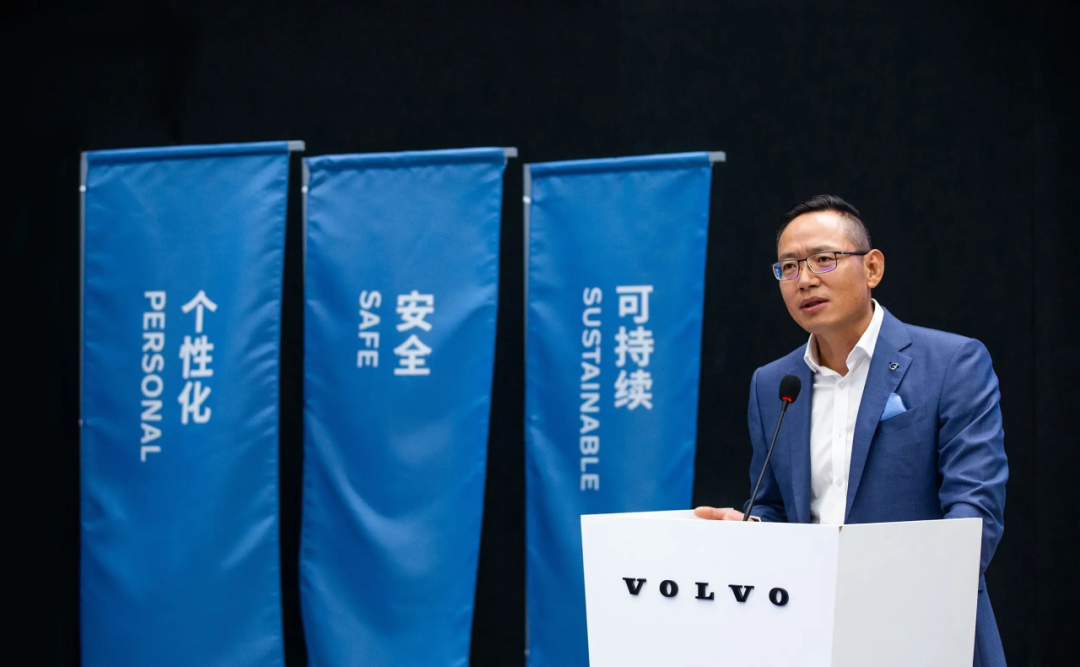
Does it not involve changes in the actual business leader?
In other words, after the change, Yuan Xiaolin remains the Global Senior Vice President of Volvo Car Group and the President and CEO of Volvo Car Asia-Pacific.
"The business in the Chinese market is still the responsibility of Yuan Xiaolin."
Another set of publicly available information shows that Hu Yanhang is a seasoned lawyer with qualifications to practice in both China and the United States. He previously worked at a U.S. law firm early in his career. In August 2016, Hu Yanhang officially joined Volvo Car Group. In February 2023, he officially became the Global General Counsel and Chief Legal Officer of Volvo Car Group and joined the Executive Management Team of Volvo Car Group.
It can be said that Hu Yanhang is a senior executive who has gradually grown within the Volvo system, possessing rich global management experience and vision. Therefore, industry insiders believe that Volvo's change may be in preparation for the transformation of the global market.
Among them, the Chinese market serves as a gym for transformation, with Yuan Xiaolin remaining as the responsible person for his position. "Because the transformation is halfway through, we can't afford to be chaotic."
In fact, under the transformation, Volvo's personnel changes have been fluctuating globally since March this year.
Jim Rowan, who had only been at the helm of Volvo for two years, stepped down as CEO one year ahead of schedule. Håkan Samuelsson, who served as Volvo's CEO from 2012 to 2021 and made significant contributions to Volvo's rapid development over a decade, returned to the stage of power.
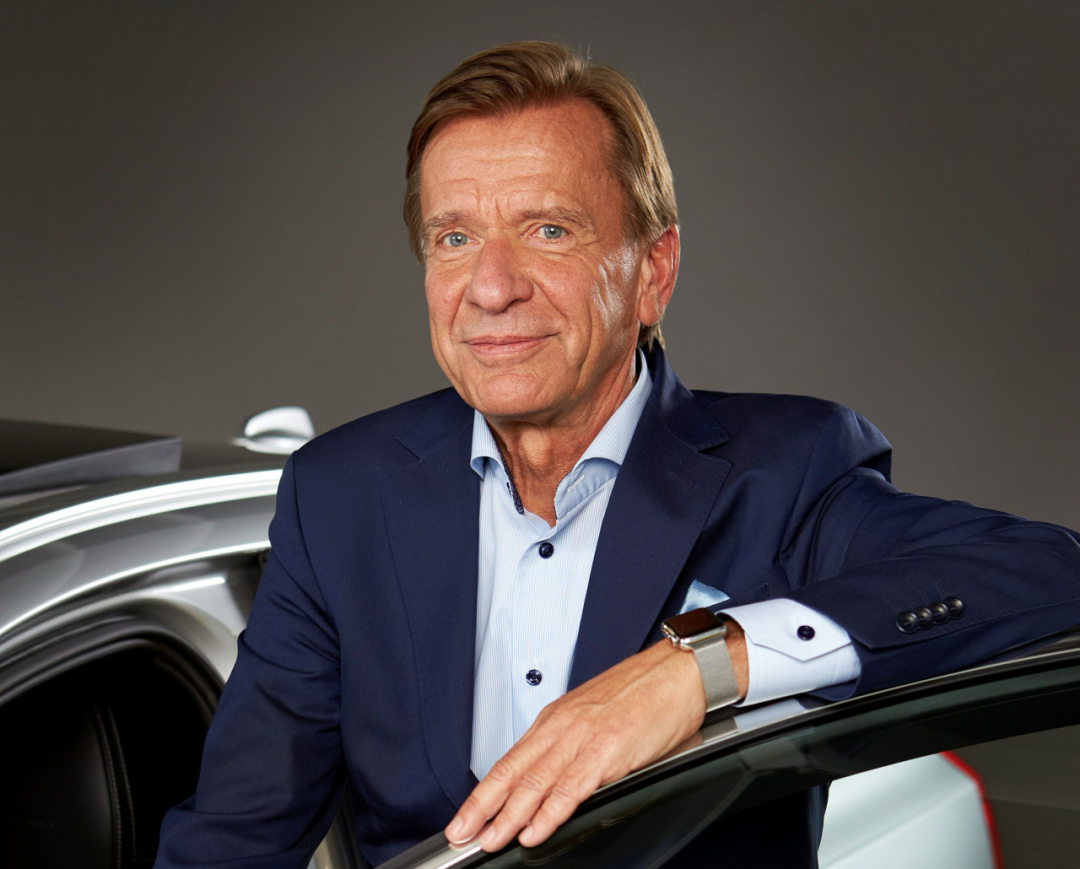
After this 74-year-old veteran returned to the center of power, he swiftly and decisively clarified three core directions: cost control, phased electrification transformation, and restarting deep collaboration with Geely.
Following closely, Volvo's business team was simultaneously restructured. Erik Severinson transitioned from Chief Product and Strategy Officer to Chief Business Officer, while Michael Fleiss returned to the group to take over his original position. Simultaneously, a vertical management system of "Chief Business Officer - Product Line Leader - Regional Team" was established.
Transformation is a must.
However, declining sales, intensifying price wars, the influx of new competitors, and tariff pressures have constituted "unprecedented market headwinds" for Volvo.
The direct impact of these headwinds is Volvo's declining operational data.
The third-quarter financial report for 2025 shows that Volvo's global sales were 160,500 vehicles, a year-on-year decrease of 7%; revenue was 86.4 billion Swedish kronor, a year-on-year decrease of 6%. In the first three quarters, Volvo's cumulative sales were 514,300 vehicles. Among them, the cumulative sales in the Chinese market for the first three quarters were 105,300 vehicles, accounting for 20.5% of Volvo's total global sales.

However, there is another set of data that creates a sense of disconnection with the declining operational data. The data shows that the adjusted operating profit in the third quarter reached 6.4 billion Swedish kronor, a year-on-year increase of 10%; the gross profit margin surged to 24.4% from 17.7% in the previous quarter; the pre-tax profit margin also increased to 7.4%.
Declining sales but rebounding profits are not uncommon, but there is always the same action behind them: "layoffs to stop the bleeding."
The core reason is Volvo's "cost-cutting plan" initiated in the second quarter, which involved laying off 3,000 employees. This round of layoffs mainly targeted office staff, with 1,200 from the Swedish headquarters and the remaining 1,800 distributed across various global branches.
Not surprisingly, the effects of the layoffs were immediate, with sales expenses decreasing by 1.43 billion kronor, administrative expenses reducing by 920 million kronor, and compensation and welfare expenses declining by 1.29 billion kronor. "The financial bleeding has temporarily stopped, but Volvo's challenges have just begun," industry insiders are concerned.
Because behind the layoffs, the most directly related reasons are either poor sales or aggressive layouts leading to increased costs. Volvo has both.
In 2022, Volvo stated that its goal was to become a pure electric vehicle brand within the next 10 years and to stop producing fuel vehicles by 2030, only selling electric vehicles. From 2023 to 2024, Volvo's former CEO, Rowan, implemented some aggressive electrification strategies, earning him the nickname "the tech zealot who descended from Dyson" in the industry.
Whether it was heavily investing in emerging companies such as StoreDot fast-charging technology and Northvolt batteries or comprehensively promoting sales digitization, substantial investments were required as support. Clearly, the transformative trend in the global market made it difficult for Volvo, which mainly focuses on fuel vehicles, to sustain its massive strategic layout. Faced with the choice between "transformation or profit," Volvo's hesitation became an inevitable outcome.
Furthermore, strategic adjustments detached from market realities led to Volvo losing ground simultaneously in two key global markets. Especially the U.S. market, which became a "pain point" for Volvo. The U.S. tariff policy on imported automobiles and parts led to a sharp increase in Volvo's per-unit cost, with heavy-duty truck orders plummeting year-on-year.
In the Chinese market, Volvo encountered an even more severe "brand crisis."
"Safety is not a selling point but a belief for Volvo."
This is a phrase that Yuan Xiaolin repeatedly emphasizes. It's important to know that throughout Volvo's century-long history, safety has been an indelible brand mark. Now, this belief has been torn open by consecutive recalls.
From March to September, in just over six months, Volvo initiated four recalls, involving multiple mainstay models and directly targeting core safety components.
In March, Volvo recalled 13,700 vehicles due to the risk of short circuits in high-voltage battery modules. In May, 12,500 domestically produced S60 and S90 models were recalled due to insufficient adhesive strength of the glass, which could lead to the glass coming loose during a collision, directly threatening driving safety.
Remember, when the Volvo S90 was launched at the Daqing factory, Volvo conducted an on-site car disassembly to showcase those "invisible safety costs." At that time, Yuan Xiaolin said, "Even if the difference per car is only 100 yuan, once multiplied by Volvo's annual sales of over a million vehicles, it becomes an astronomical figure."
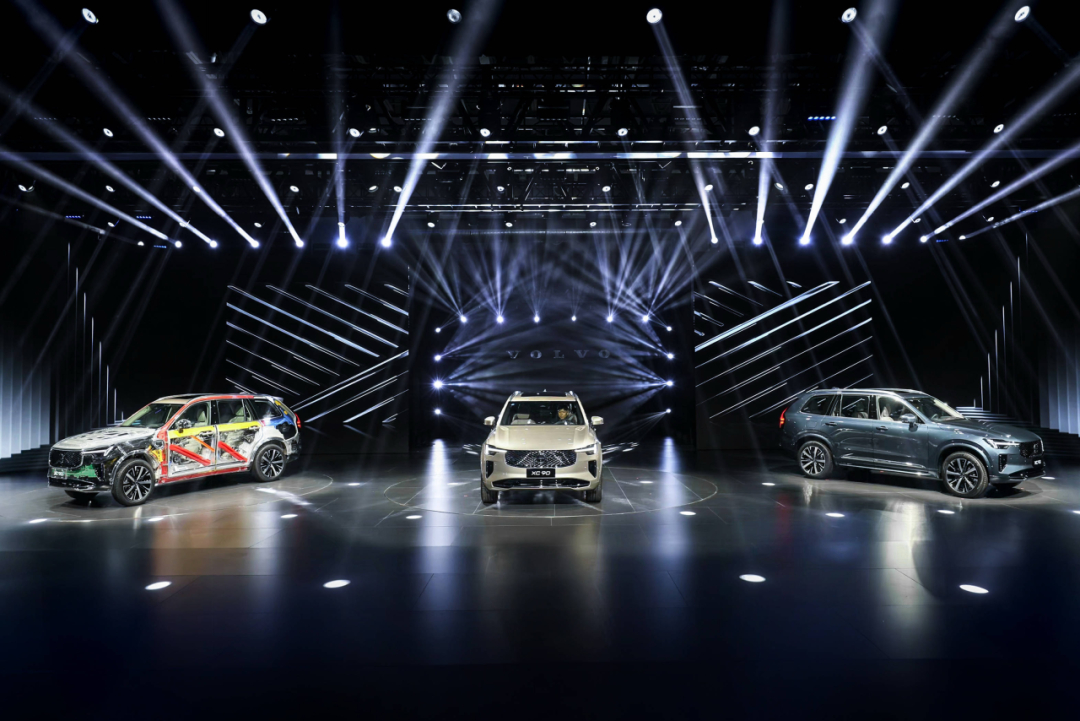
This also reveals Volvo's long-term orientation in safety investment. However, due to the recalls, the essence of safety is no longer pure.
The rhythm of Intensive recall (frequent recalls) did not slow down. In June, some Volvo vehicles faced the risk of brake function failure under specific driving modes and required software upgrades for repair. In September, over 5,000 vehicles were recalled again due to issues such as water ingress hazards caused by deviations in the application of steering column sealant and manufacturing defects in seat belts, which could affect restraint performance during a collision.
In fact, what puzzles Volvo owners is that the reasons for these recalls are not complex technical faults but rather concentrated on production processes and component quality. For Volvo, which regards safety as a belief, these are "things that shouldn't happen."
Yet they did happen.
"The Invincible Safety Myth Has Faded." Even long-time Volvo owners of over a decade are worried that in the era of electrification, where "safety is regarded as the ultimate luxury," safety is no longer Volvo's advantage. "What should Volvo, which is still feeling its way in electrification transformation, do?"
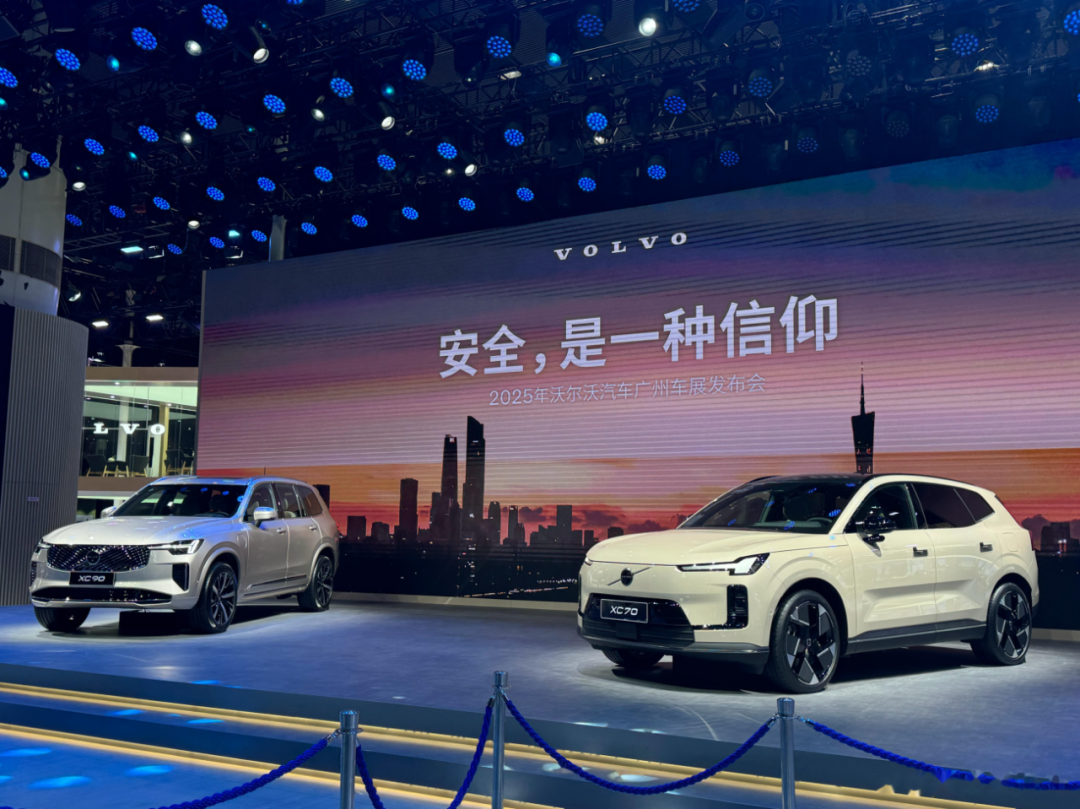
As the old saying goes, "Trust is like an uncrumpled piece of white paper. Once wrinkled, even the heaviest iron can't iron it back to its original smoothness."
How should Volvo recast its own 'iron'? Can it tighten the loose 'screws' again?
Håkan Samuelsson also clearly knows that the plan to lay off 3,000 employees can only stop the bleeding. To truly recover, Volvo needs to be reconstructed, with product development, brand positioning, and market strategies all requiring comprehensive innovation.
But everything still starts with the product.
As China becomes the frontier of electrification transformation, models such as the Audi E5 Sportback and Nissan N7 have chosen "Chinese-style transformation" and achieved certain sales success. After that, "China defining the globe" has become a reality.
This is difficult, but there is no other choice.
Volvo is no exception.
Through deep cooperation with Geely, the more localized XC70 became Volvo's sales champion after selling 2,757 units in October and climbing to 5,354 units in November, with a near-doubling month-on-month increase, just two months after its launch. Together with the XC60, forming a "dual-car matrix," the combined monthly sales exceeded 9,000 units, outlining the trajectory of Volvo's product line migrating towards electrification.
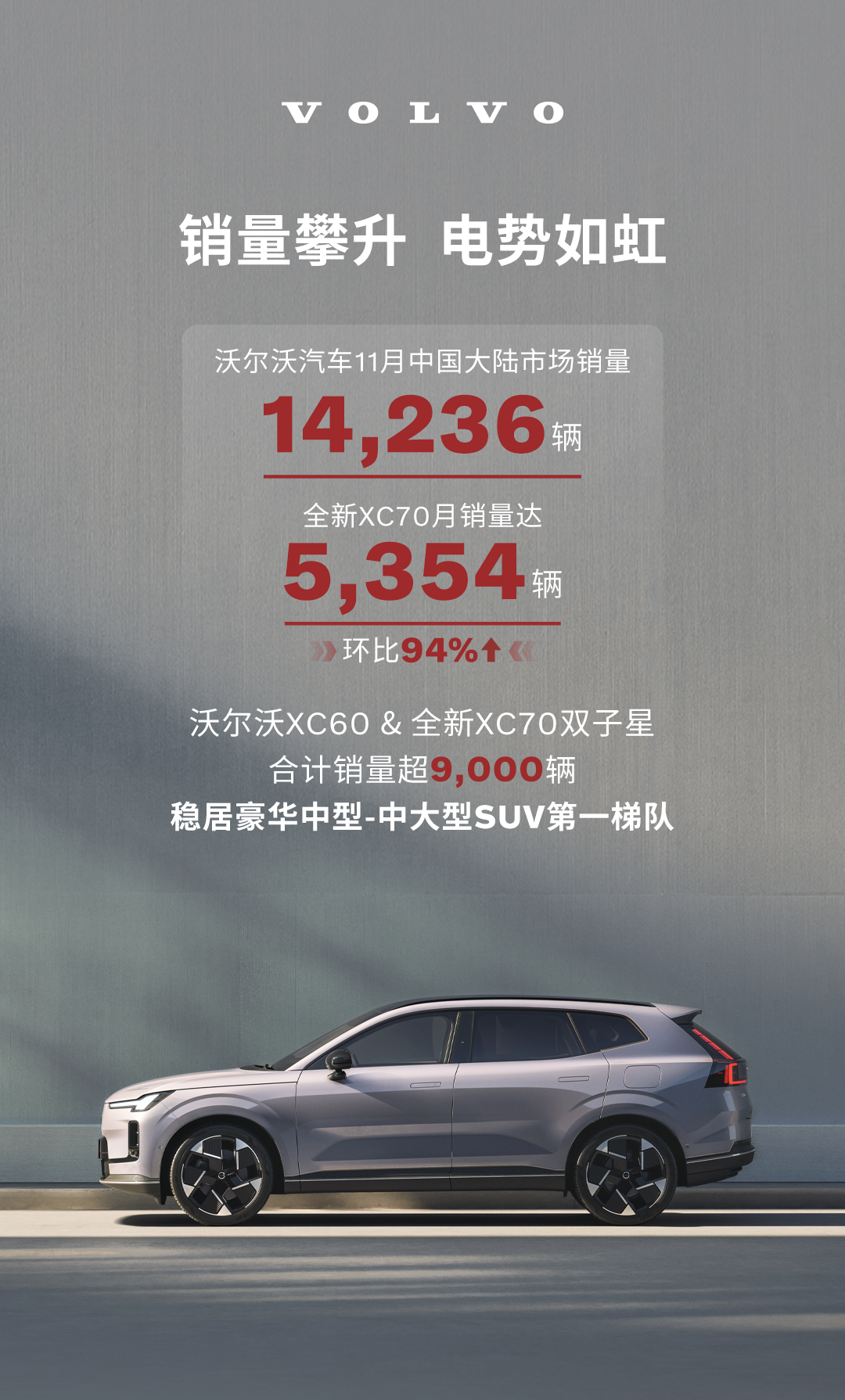
The Volvo XC70, built on Volvo's SMA super hybrid architecture, is the first vehicle of this architecture. The launch of the XC70 means that Volvo will subsequently introduce a series of new vehicles based on this new architecture.
The SMA super hybrid architecture is actually homologous to Geely's Thunder hybrid super electric hybrid technology. This hybrid technology has been widely applied in Geely, Lynk & Co, and Zeekr brands, with its advancement and reliability already verified by the market.
Although "brand labels are hard to maintain their original appearance due to technological convergence, having sales volume provides an opportunity to reshape the brand," industry insiders believe. When the definition of luxury becomes intelligent luxury, and when intelligence, batteries, and motors all come from Chinese suppliers, the stories of traditional luxury brands need to be told in a new way.
"There must be sacrifice to gain."
However, the XC70 is still in its "trial period" and has not yet formed sufficient influence in the market. The EX60, set to debut in January next year, will be a key product to test Volvo's transformation effectiveness.
"The success or failure of this do-or-die battle lies in the EX60."
With the continuous decline in power battery prices, the EX60 is expected to significantly reduce costs through domestic supply chains. Perhaps, starting from this model, Volvo's 'iron' will begin to heat up.
Note: The images are sourced from the internet. If there is any infringement, please contact us for deletion.
-END-
-
![]()
Net Profit Drops Over 90%: Is the 'Big-Spending' Post-90s Billionaire Now Facing Hard Times?
-
![]()
Low Prices Alone Can't Sustain Liang Wenfeng's AGI Aspirations
-
![]()
Li Shufu Advances to the 'Next Battlefield'
-
![]()
Tearing Off the Female Label and Embracing Both Electric and Hybrid: How Far Can GWM's Ora Go in Its Self-Rescue Journey?
-
![]()
SAIC Motor Makes a Comeback: Net Profit Jumps 72% to 7.87 Billion in H1, Gross Margin Reaches Seven-Year Peak
-
![]()
FAW Achieves New Milestone in Solar Charging! Why Is It So Challenging for Cars to 'Harness the Sun'?
-
AI: The Catalyst for Industrial Transformation
-
Is Lixiang Innovation the Next Luxshare Precision? Backed by the Wang Laichun Family, It Relies on One Client for 70% of Its Earnings