The Emerging Trend of Commercial Vehicles Incorporating Passenger Vehicle Features: Shineray Auto's Brand Revitalization Ambitions and Challenges
 01/16 2026
 679
679
On January 16, 2026, a traditional commercial vehicle manufacturer hosted an ambitious yet anxiety-laden strategic launch event in the new energy era. The theme, "Shineray Auto's Ascent," encapsulates the collective plea of a traditional brand striving for survival and breakthrough amidst industry upheaval.
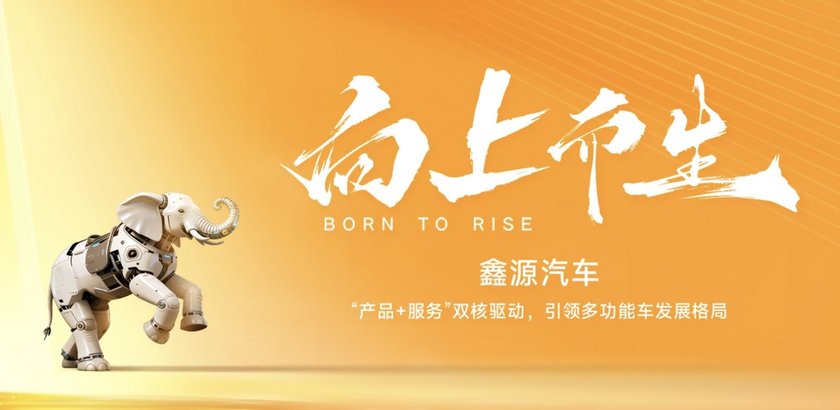
The dual-pronged approach of "defending externally and stabilizing internally," the call for a "community of shared destiny," the core positioning of "commercial vehicles incorporating passenger vehicle features," and the unveiling of the Shineray 116 new energy MPV collectively delineate Shineray Auto's critical transformation landscape at the end of 2025. This marks a brand breakthrough battle under the dual pressures of inventory competition and the new energy revolution, as well as a profound reshaping of traditional commercial vehicle manufacturing DNA.

Strategic Background: An Inevitable Choice at Shineray Auto's Crossroads
Shineray Auto positions this renewal as a "strategic milestone turning point," accurately reflecting the company's current reality.
Industry Pressure for New Energy Transformation: The penetration rate of new energy vehicles in the Chinese automotive market has surpassed a critical threshold, continuously squeezing the market space for traditional fuel vehicles. For Shineray, which primarily focuses on commercial vehicles, this pressure is even more direct—policies promoting the electrification of urban logistics vehicles, corporate ESG requirements, and operational cost considerations are all driving the rapid shift of the commercial vehicle market towards new energy.
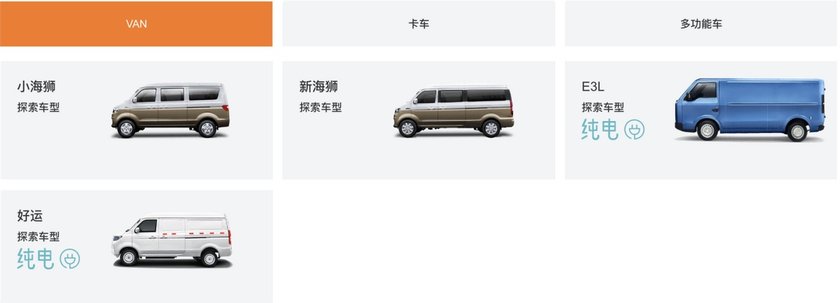
Crisis of Brand Marginalization: In the passenger vehicle sector, consumer attention has been captured by new energy brands from both emerging players and traditional automakers' sub-brands. In the commercial vehicle sector, BYD, Geely Remote, and others have established early advantages in new energy commercial vehicles. Shineray faces brand dilemmas from both above and below, urgently needing to find a differentiated breakthrough.
Internal Integration Needs: The emphasis on "one Shineray Auto implementing and communicating" reveals potential issues such as insufficient internal collaboration and fragmented brand images. Brand renewal is not merely about changing external appearances but also about realigning internal organization, culture, and strategy.
Core Strategy: Can the Differentiated Path of "Commercial Vehicles Incorporating Passenger Vehicle Features" Succeed?
"Commercial Vehicles Incorporating Passenger Vehicle Features" is the core strategy of Shineray's brand renewal, reflecting clear differentiated thinking. It aims to transform commercial vehicles through products, services, and experiences.
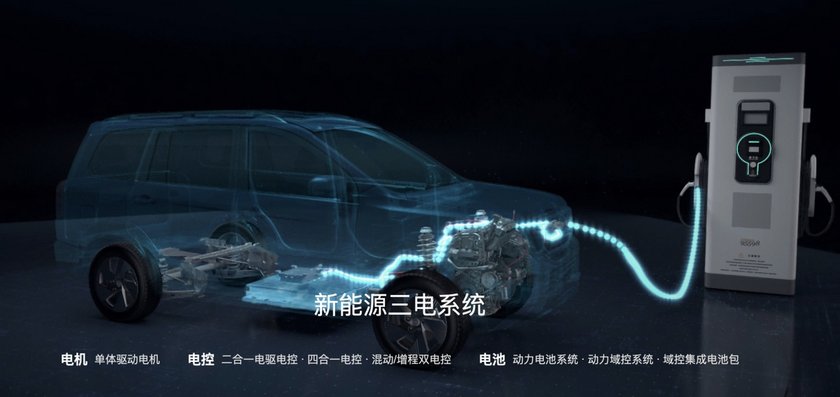
1. Product Level: Introduce passenger vehicle design aesthetics, comfort configurations, and intelligent technologies into traditional commercial vehicles to break the stereotype of "utility vehicles."
2. Service Level: Redefine the commercial vehicle service system with "passenger vehicle service standards," providing "specialized service rights and personalized service products."
3. Experience Level: Blur the experience boundaries between commercial and passenger use, creating a new category that meets professional needs while providing comfort and enjoyment.
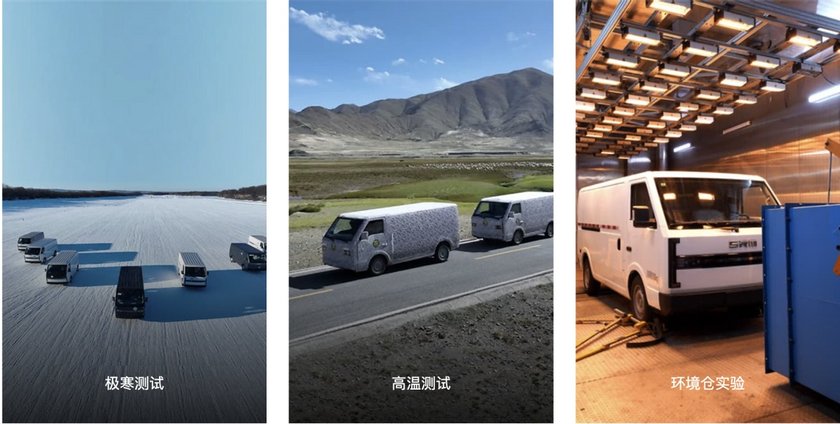
This strategy targets a current gap in the commercial vehicle market. The current new energy commercial vehicle market is polarized: one end features cost-oriented basic utility vehicles, while the other end offers high-priced premium intelligent commercial vehicles. There is a market gap for products that "require professional functionality while pursuing a certain level of comfort and image," which is precisely the blue ocean Shineray aims to tap into with "commercial vehicles incorporating passenger vehicle features."
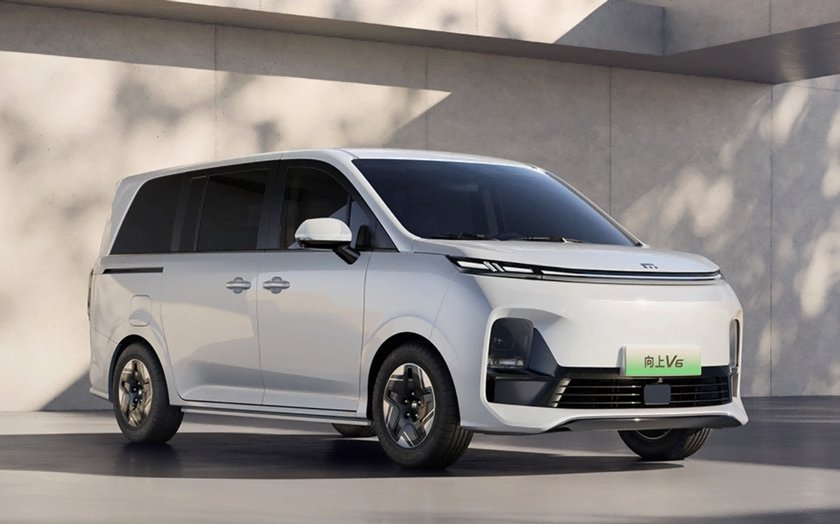
Essentially, "commercial vehicles incorporating passenger vehicle features" is walking a tightrope: excessive passenger vehicle features may sacrifice commercial attributes, affecting core user choices; excessive conservatism may fail to achieve brand ascension. Precisely balancing "commercial" and "passenger" elements will be key to the strategy's success.
Transformation Product Pioneer: The "Three Moves" of the Shineray 116
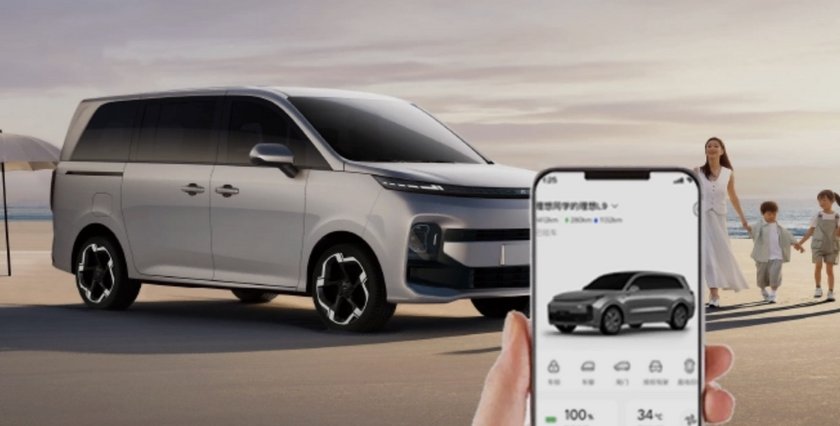
The Shineray 116 pure electric MPV unveiled at the launch event is the first product carrier of the brand renewal strategy. From the media report headlines cited in the documents, its product positioning and market strategy can be inferred. CarGuru predicts that the vehicle may target the 100,000-yuan market segment, a sensitive price band for new energy MPVs!
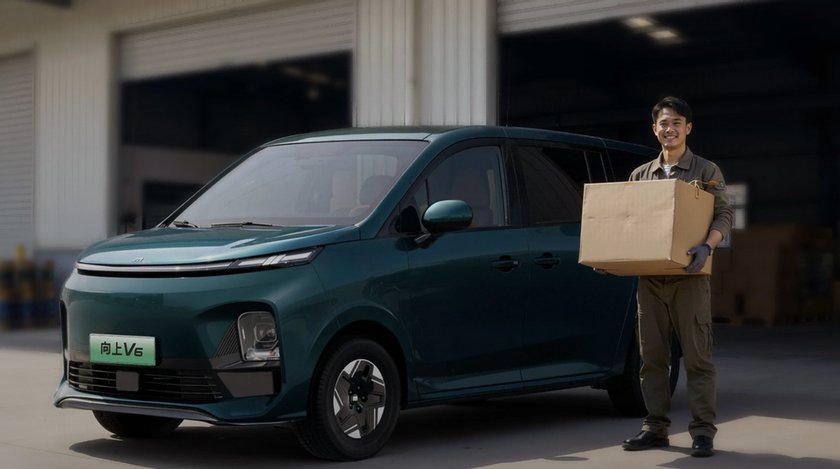
Functional Positioning: "An electric MPV suitable for both people and cargo transportation" clearly defines its dual commercial and household attributes.
Design Positioning: "Square and robust appearance" maintains the practical image of utility vehicles, while "dual sliding doors and optional 5-6-7 seats" enhance versatility.
Range Positioning: A 352km range balances cost and practicality, suitable for urban and near-suburban use cases.
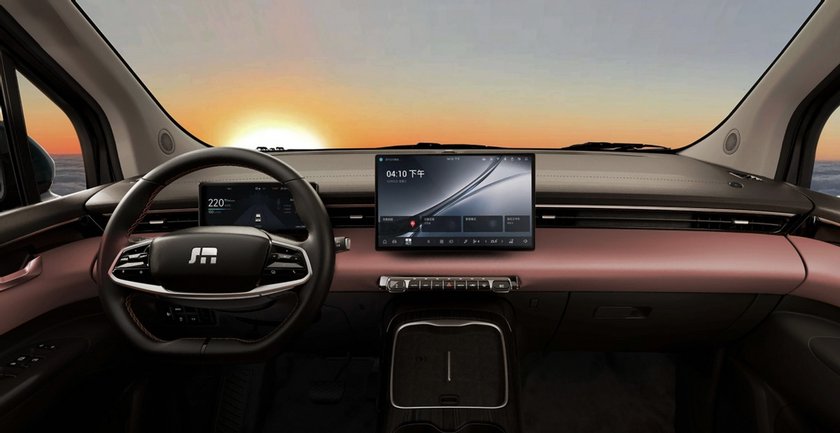
The Shineray 116 clearly targets two niche markets: the commercial cargo transportation needs of small and micro enterprises and individual merchants, and the affordable household MPV needs of multi-person families. This "dual-use" positioning is a concrete manifestation of the "commercial vehicles incorporating passenger vehicle features" strategy.

In the 100,000-yuan pure electric MPV market, the Shineray 116 will face dual competition from low-priced models of traditional automakers and entry-level models of emerging players. Its core competitive advantages may lie in its more commercial vehicle-oriented durability design, more flexible space configuration capabilities, and Shineray's accumulated channel and service experience in the commercial vehicle sector.
Dual-Pronged Battle: The Synergistic Challenges of Shineray's "Defending Externally" and "Stabilizing Internally"
Shineray Auto needs to clearly communicate the unique value proposition of "commercial vehicles incorporating passenger vehicle features," reshape its brand visual system, and balance professionalism with approachability. The success of the Shineray 116 will directly influence market confidence in the renewal strategy! Experience upgrades across the entire chain from purchasing, usage, to service!
Can the dealer network adapt to the transition from selling "utility vehicles" to selling "passenger-oriented commercial vehicles"? Can the supplier system support higher-quality and more intelligent product demands? Can employees understand and embody the new brand philosophy to achieve cultural transformation? Do ecological partners recognize the new brand direction and are willing to increase investment?
This proposition carries significant meaning. During industry transformation, enterprises indeed form a community of shared interests and risks with dealers, suppliers, employees, and even users. The success of brand renewal depends on whether this community can form a cohesive force and weather the storm together.

Execution Challenges: The Gap Between Strategic Blueprint and Market Reality
Shineray's brand renewal strategy is logically sound on paper but will face multiple challenges at the execution level:
Difficulty in Reversing Brand Perception: The long-standing perception of Shineray as a "commercial vehicle brand" in consumer minds cannot be changed overnight. Continuous product iteration and marketing investment are required to gradually establish a new brand image.
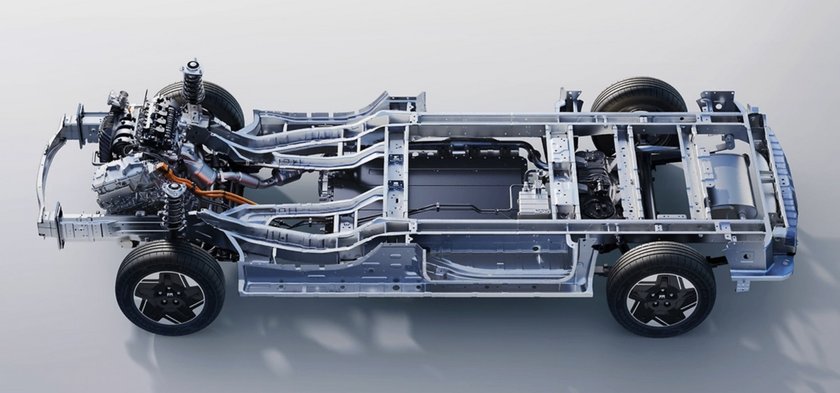
Balancing Product Strength and Price: The Shineray 116, starting at 99,800 yuan, must achieve a "passenger-oriented" experience under cost control, posing a significant challenge to engineering design and supply chain management. Any compromise in quality or experience may be interpreted by the market as "changing the package without changing the content."
Channel Capability Reconstruction: Traditional commercial vehicle dealers differ from passenger vehicle channels in sales processes, service standards, and showroom experiences. Training and transforming these channels require time and resource investment.
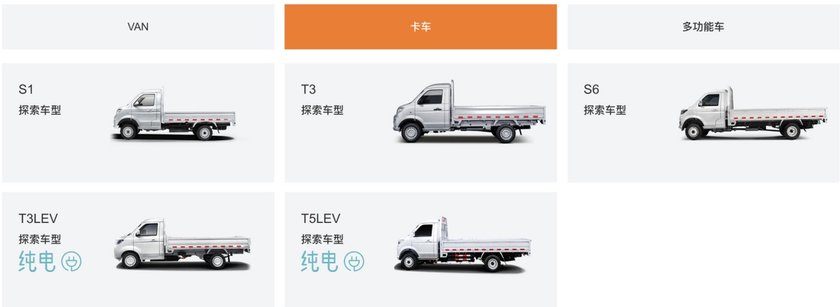
Dynamic Market Competition: While Shineray explores "commercial vehicles incorporating passenger vehicle features," competitors will not stand still. Passenger vehicle brands may extend downward to launch more practical models, while commercial vehicle brands may accelerate comfort upgrades. The market window may be shorter than expected.
Internal Synergy Complexity: Large enterprises often face internal resistance such as departmental silos, existing interest patterns, and inertial thinking during strategic transformation. The "one Shineray Auto" philosophy requires strong leadership and change management capabilities to implement.
Industry Insights: A Third Path for Traditional Automakers' Transformation?
Shineray's exploration of "commercial vehicles incorporating passenger vehicle features" offers another approach for traditional automakers' transformation:
Avoiding Red Oceans, Seeking Blue Oceans: Instead of directly competing head-on with strong brands in the red ocean of passenger vehicles, it leverages its commercial vehicle heritage to explore cross-border niche markets.
Gradual Innovation: On the basis of retaining core competencies (durability, practicality, cost control), it gradually introduces new elements (design, intelligence, services) to reduce transformation risks.
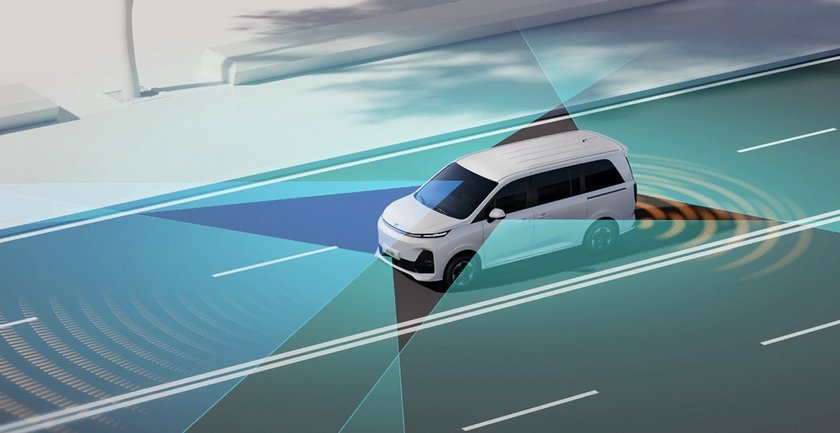
Niche Strategy: Within the large ecosystem of new energy vehicles, it seeks and consolidates a specific niche, aiming to be a leader in segmented markets rather than a follower in the entire market.
The success or failure of this strategy will verify an industry hypothesis: In the industry transformation towards electrification and intelligence, must traditional automakers completely abandon their original heritage and start from scratch? Or can they find new survival spaces through differentiated positioning based on their strengths?
Conclusion: A Brand Experiment Worth Observing
Shineray Auto's brand renewal is a bold experiment by a traditional automaker in the new energy era. It attempts to answer a question commonly faced by the industry: When the rules of the game change, how can followers find their rhythm and direction?
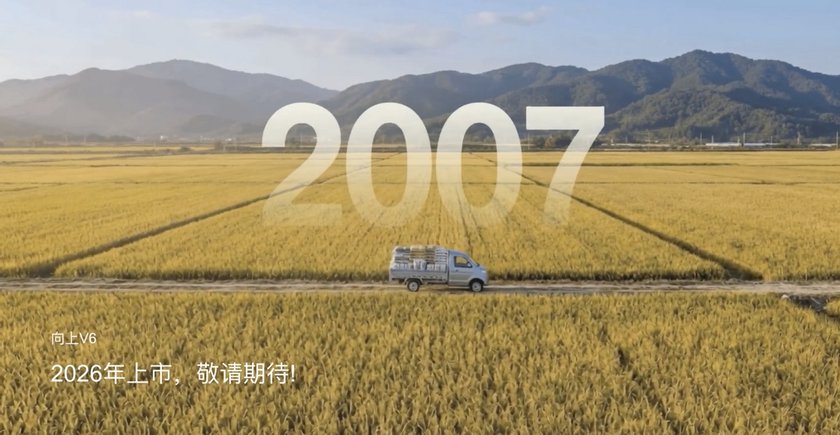
"Commercial Vehicles Incorporating Passenger Vehicle Features" is a clever strategic concept, and the Shineray 116 will be the first litmus test for this concept. However, ultimately, the strategy's success depends not only on the product itself but also on whether Shineray can build a complete system to support this strategy—from R&D and manufacturing to marketing and services, from internal culture to partner ecosystems.
In 2026, as the new energy vehicle competition enters its second half, Shineray's brand renewal is both a self-redemption for the company and an interesting case study in the industry's transformation landscape. Every step of its progress will provide valuable experience and lessons for small and medium-sized automakers similarly seeking a way forward.
-
![]()
Enflame Tech's IPO Journey: Navigating Over 5.9 Billion Yuan in Losses and Soaring Debt in Q1 This Year
-
![]()
Trillion-Yuan Giant Li Shufu 'Streamlines': Could Levc Be the Casualty?
-
![]()
AI Competes for Electricity and Generates Power in the Gobi Desert
-
![]()
The First Batch of Victims of the AI Bubble: Programmers
-
![]()
ByteDance, DJI, and Xiaohongshu Secure Top Three Positions Among China’s Fastest-Growing Unicorns
-
Tesla's in-car voice system in China is finally learning to 'understand human language'
-
![]()
Foreigners Are Amazed: Chinese Electric Vehicle Drive Systems Unveil Innovative 'Poses'
-
![]()
700,000 Brothers and the Future of Robots: Behind JD.com's 'Nirvana Plan'