China's Auto Market in January 2026: Traditional Fuel Vehicles Offer Stability, While New Energy Vehicles Experience Pressure and Divergence
 02/06 2026
 778
778
The Chinese auto market began 2026 with a mixed performance, showing both strength and weakness. According to data from the China Passenger Car Association (CPCA), retail sales of domestic passenger cars in January were expected to reach 1.8 million units, marking a 20.4% decrease month-on-month and a mere 0.3% increase year-on-year. Retail sales of new energy vehicles (NEVs) were around 800,000 units, with the penetration rate dropping to 44.4%, nearly 10 percentage points lower than the peak at the end of 2025.
Over the past few days, sales figures for January released by major automakers have further underscored significant market divergence: Traditional automakers with a substantial base of fuel vehicles have largely maintained stability, weathering market volatility through an "oil-electric parallel" strategy. In contrast, the majority of brands focused solely on new energy are under collective pressure. Despite some new players achieving year-on-year growth, they could not mask the month-on-month decline and even faced profit challenges due to surging costs. This early-year "cold snap" not only reflects short-term market adjustments but also reveals the deeper logic of China's auto market transitioning from "policy-driven" to "market-driven." Amid the backdrop of new energy as the future trend, a "multi-pronged approach" remains the optimal solution for automakers to navigate through market cycles.
▍Strong Fuel Vehicle Base Ensures Stability for Traditional Automakers
Amid the differentiated market landscape in January, traditional automakers, with their robust foundation in fuel vehicles, acted as stabilizing forces amid market volatility. These companies did not abandon the fuel vehicle market due to the new energy transition. Instead, they continuously enhanced the competitiveness of their fuel vehicle products through strategies such as "equal intelligence for oil and electric vehicles" and "configuration upgrades." Coupled with strong growth in export markets, they ultimately delivered steady sales results.
SAIC Motor, representing traditional automakers, delivered an outstanding sales performance in January. Its wholesale vehicle sales reached 327,400 units, up 23.94% year-on-year, while terminal retail sales surpassed 363,000 units. Both wholesale and retail volumes ranked first in the industry, making it the only automaker with sales exceeding 300,000 units for the month. The core support came from the stable contribution of fuel vehicles: In January, SAIC's fuel vehicle sales reached 242,000 units, accounting for approximately 74% of total sales and 39,000 units more year-on-year. Focusing on individual automakers, SAIC General Motors, SAIC Passenger Vehicles, and SAIC-GM-Wuling saw increases of 29.31%, 53.78%, and 36.98%, respectively. In the sales structure of these three automakers, fuel vehicles accounted for the majority.
More notably, SAIC's self-owned brands sold 214,000 units in January, up 39.6% year-on-year, with their share of group sales rising to 65.3%. This figure not only highlights the growth of its self-owned brands but also surpasses BYD's domestic sales of 109,600 units during the same period, demonstrating the effectiveness of its coordinated development between "fuel and new energy" vehicles.
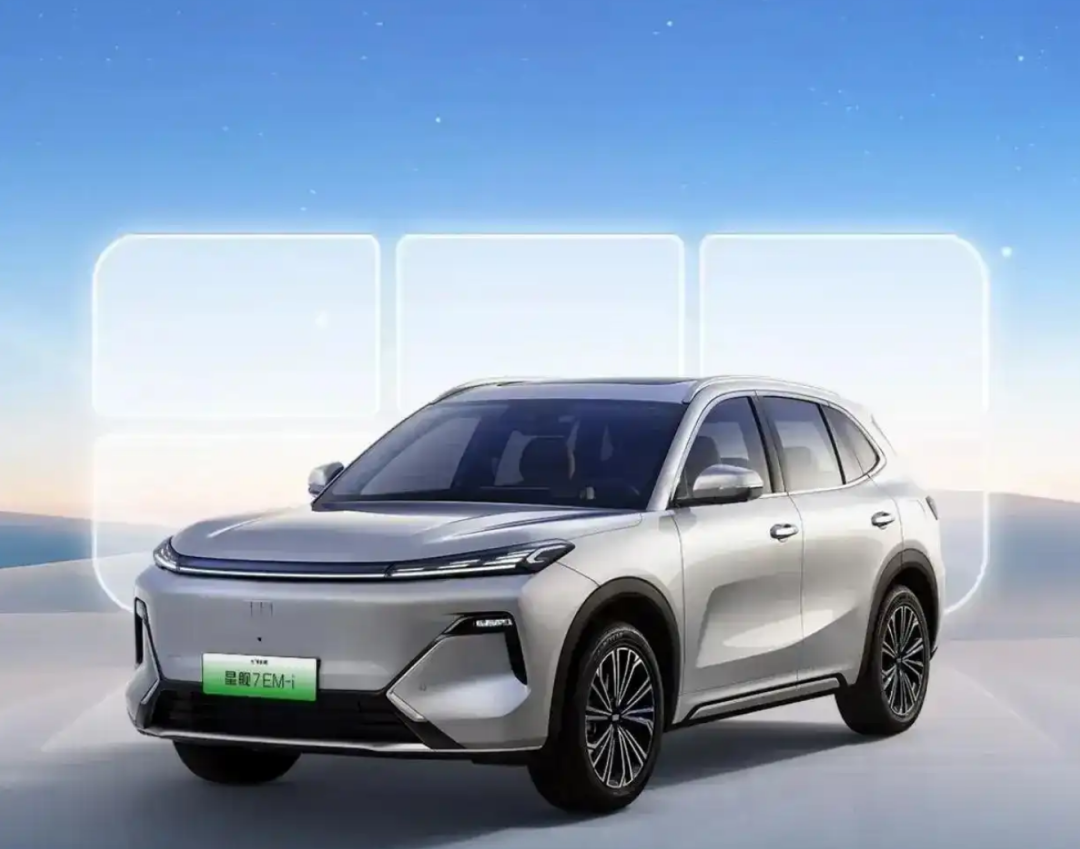
Geely Automobile, with its strategy of "fuel vehicles as the foundation and new energy as a supplement," became the only leading automaker to achieve positive month-on-month growth in January. Geely's total sales reached 270,200 units in January, up 1.29% year-on-year and 14.08% month-on-month, steadily increasing from 236,800 units in December 2025. Although its new energy segment was affected by the overall environment, contributing 124,300 units in sales (a slight year-on-year decline), the strong performance of fuel vehicles laid a solid foundation for overall sales: Geely's fuel vehicle sales reached 145,900 units in January, up 0.1% year-on-year. In particular, the "China STAR" series, composed of high-end fuel vehicle models, sold over 134,400 units in a single month. As a result, Geely's new energy sales share dropped from over 50% previously to 46%, but the stable output of fuel vehicles allowed it to remain resilient during market adjustments.
The performances of companies like GAC Toyota and Great Wall Motors similarly confirm the value of a strong foundation in fuel vehicles. GAC Toyota maintained its steady momentum from 2025, selling 62,600 units in January, up 9.82% year-on-year. Great Wall Motors sold 90,300 units in January, up 11.59% year-on-year, with its Haval, WEY, and Tank brands all achieving growth. Although Chery Automobile's total sales reached 191,500 units in January, down 10.7% year-on-year, the only segment that grew among its major divisions was the Chery brand (135,500 units sold in a single month, up 4.6% year-on-year), with its growth still relying on fuel vehicles. At the same time, Chery's export performance was also strong, with overseas sales reaching 119,600 units in January, accounting for nearly 60% of the group's total sales and serving as a key support for stable growth.
In fact, the resilience of these traditional automakers also benefits from the "second growth curve" in export markets. In addition to Chery, SAIC Motor exported 105,000 units in January, up 51.7% year-on-year. Geely's overseas sales reached 60,500 units in January, doubling year-on-year and surging 50% month-on-month despite the adverse trend. Even BYD, under pressure in the new energy sector, exported over 100,500 units in January, up 51.47% year-on-year. Fuel vehicles safeguard the companies' cash flow "survival baseline," while exports fill the incremental gap in the domestic market, forming a "dual insurance" that collectively shapes China's automotive "globalization + diversification" landscape.
▍New Energy Policy Exhaustion and Uneven Performance Amid Cost Pressures
In stark contrast to traditional automakers, the new energy sector faced overall pressure in January. Even though some companies achieved year-on-year growth, they could not conceal the month-on-month decline, and internally, there was extreme divergence, with "some celebrating while others lament." Demand exhaustion due to policy rollbacks, insufficient new product succession amid high base effects, and cost pressures from rising upstream raw material prices collectively pushed new energy automakers into a "cold winter."
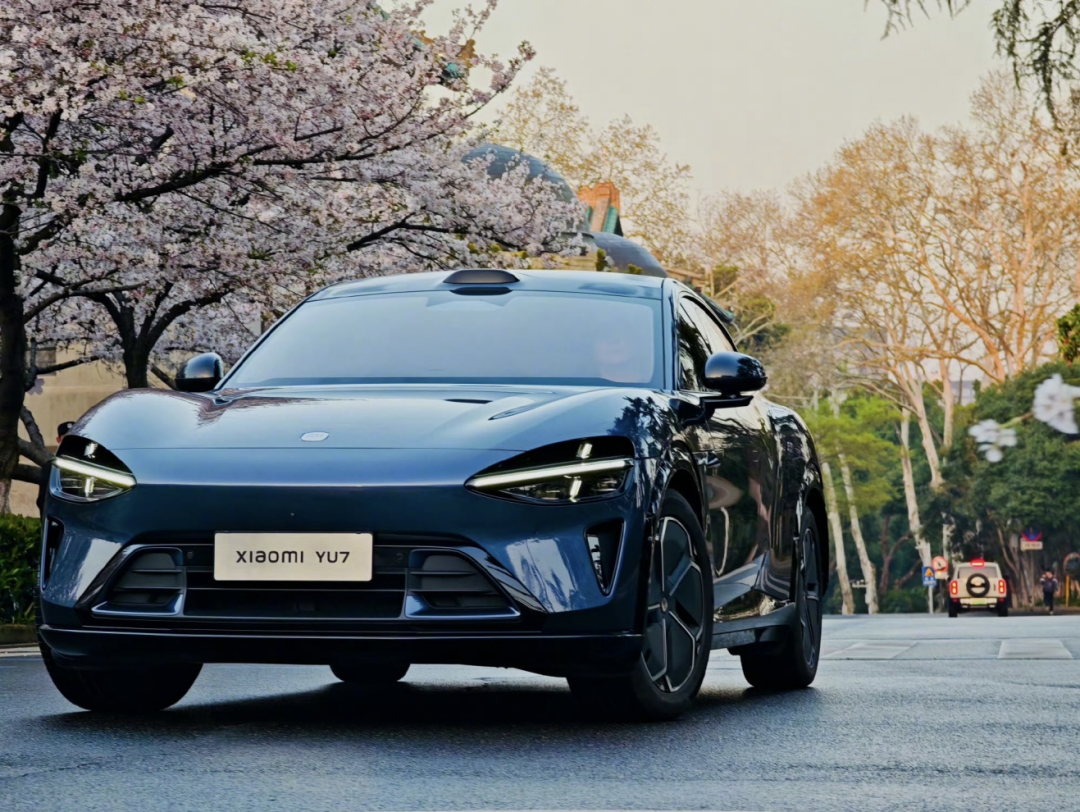
In terms of sales performance, the divergence within the new energy sector was particularly pronounced. A few brands, such as HiMos, Xiaomi Automobile, NIO, and Leapmotor, achieved high growth by leveraging hit products or low base effects: HiMos delivered 57,900 units in January, up 65.6% year-on-year, with its AITO brand, in collaboration with Seres, contributing 40,000 units in sales, up 83% year-on-year. The continued popularity of the AITO M7/M8 was key. Xiaomi Automobile delivered over 39,000 units in January, up 95% year-on-year, nearly doubling. Its sales structure also shifted from being primarily SU7-based in January 2025 to being led by the YU7. Lei Jun previously revealed that the new generation SU7 has entered the mass production confirmation stage, with the first batch of showroom vehicles expected to arrive in stores before the Spring Festival, laying the groundwork for future growth. NIO delivered 27,200 units in January, up 96.08% year-on-year, with the all-new ES8 becoming the main delivery driver, selling 17,600 units in a single month and accounting for 65% of total deliveries, becoming a new star product for the brand. Leapmotor delivered 32,100 units in January, up 27.37% year-on-year, continuing its growth momentum from 2025.
However, behind the growth of these brands still lies the pressure of month-on-month decline—affected by demand exhaustion at the end of 2025, most new energy automakers saw a significant drop in January sales compared to the fourth quarter of the previous year. Among them, Xiaomi Automobile saw a 22% month-on-month decline, Leapmotor a 46.94% decline, and NIO a 43.53% decline. Even HiMos, which performed the best, saw a 35.3% month-on-month drop. This data indirectly confirms that new forces "without fuel vehicle or hybrid support" have far weaker risk resistance during market adjustments compared to traditional automakers.
More new energy automakers faced declining sales in January, particularly leading brands such as BYD, Li Auto, and XPeng. BYD's new energy sales reached 210,051 units in January, down 30.11% year-on-year and 50.04% month-on-month. Its domestic market sales were only 109,600 units, down 53.22% year-on-year. The core reason lies in the dual pressure of new energy policy rollbacks and demand exhaustion—the exemption of purchase taxes for new energy vehicles was set to end at the end of 2025, and BYD launched a promotional wave to sprint its annual targets, resulting in a concentrated release of demand in December, leading to a demand recovery period in January 2026. Even though national scrappage subsidies and local trade-in policies were in place, the details and application channels had not yet been implemented, further intensifying consumers' wait-and-see sentiment.
Li Auto delivered 27,700 units in January, down 7.55% year-on-year and 37.47% month-on-month. XPeng delivered 20,011 units in January, down 34.07% year-on-year and 46.65% month-on-month. The declines of these two companies were influenced by high bases from the same period last year but were more due to the "product gap" of "old models fading and new models not yet arrived"—the Li L9 had not been refreshed for a long time, and XPeng's main models, such as the M03, saw their market share eroded by competitors, leaving them lacking competitiveness in the January market.
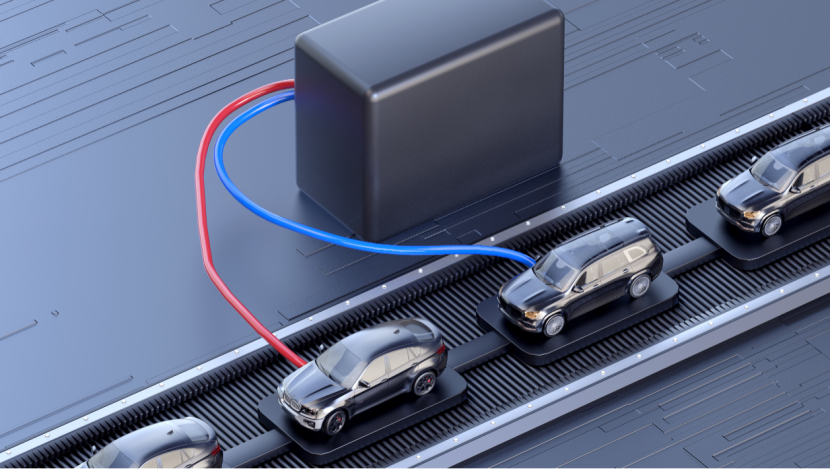
More severe is that new energy automakers are also facing cost pressures from rising upstream raw material prices, further squeezing profit margins. Since 2025, the price of lithium carbonate, a core raw material for power batteries, has climbed from 75,700 yuan per ton at the beginning of the year to 146,600 yuan per ton on February 3, 2026, an increase of about 94%, nearly doubling. Aluminum prices rose from 20,000 yuan per ton to 23,000 yuan per ton, copper prices broke through the 100,000 yuan per ton mark from 80,000 yuan per ton, and tin prices surged from 271,800 yuan per ton to 377,300 yuan per ton. Automotive-grade DRAM prices skyrocketed by about 180% in three months, with some models seeing increases as high as 300%. These price hikes are gradually being passed on to the vehicle manufacturing end. Combining various metal raw materials and chips, the cost increase per vehicle has reached 4,000 to 7,000 yuan.
China's auto market in January 2026 was not only an early-year "cold snap" but also a "stress test" for industry transformation. From market performance, traditional automakers with a strong foundation in fuel vehicles demonstrated stronger risk resistance through the dual advantages of "oil-electric parallel" and "export supplementation." In contrast, the new energy sector fell into a dilemma of "growth differentiation and overall pressure" under the combined impact of policy exhaustion, cost pressures, and product gaps.
Looking ahead to the rest of 2026, the industry generally believes that affected by factors such as the Spring Festival holiday and delayed policy connection, the auto market will remain in a phased adjustment period in February, with the turning point for overall market recovery likely becoming clearer only in March or after the first quarter ends. For automakers, competition in 2026 has entered the "deep waters" ahead of schedule: Traditional automakers need to accelerate the "speed and precision" of their new energy layout while holding firm to their fuel vehicle foundation to create hit products. New energy automakers must address the issue of delayed product iterations, respond to cost pressures through technological innovation and economies of scale, and actively expand export markets to build a "second growth curve."
Layout 丨 Yang Shuo Image Sources: Qianku.com, Geely Automobile, Xiaomi Automobile
-
![]()
Doubao Charges Fees: Zhang Yiming Helps Zhang Xiaolong Explore the Path
-
In-depth Analysis | Wave Power Generation + Seawater Cooling: The Technological Logic Behind Panthalassa's Offshore AI Data Center
-
Chip Sector Insights | NVIDIA & Google Reveal AI Liquid Cooling Approaches, A-Share Firms Strategize Across Industrial Chain
-
Industry Insight | The Underestimated Backbone of Computing Power: The Transmission Chain of MLCC, PCB, Copper Foil, and Electronic Fabric
-
Tech News丨'Lingxi AI' Secures Hundreds of Millions of Yuan in Funding
-
![]()
Apple’s Price Hike Repercussions: Hardware Pricing Reflects the Tech Giant’s Growth Challenges
-
![]()
Xiaomi Sparks Car Modification Trend, BYD Joins In: Will the 1/4 Screw Hole Become the Automotive Industry's USB-C?
-
![]()
Enflame Tech's IPO Journey: Navigating Over 5.9 Billion Yuan in Losses and Soaring Debt in Q1 This Year