Who Will Lead the Pack in the Intense Battle Among New ‘Series 8’ Models?
 02/06 2026
 545
545
When discussing the highlight of the Chinese automotive market in 2025, the fierce competition among ‘Series 9’ models undoubtedly takes center stage. The AITO M9 has firmly established itself as the sales leader in the 500,000-yuan price bracket, while new challengers like the Zeekr 9X, IM LS9, and VOYAH Mount Tai are all vying for a slice of the three-row SUV market. Amidst this intense rivalry, the once-dominant Li Auto L9 is showing signs of fatigue. By the end of 2025, the battle for the Series 9 models may have temporarily subsided, but competition in the automotive market never rests. The ‘sibling’ models of the Series 9, the Series 8 models, are already gearing up, and the fight for supremacy among Series 8 models in 2026 is poised to begin.
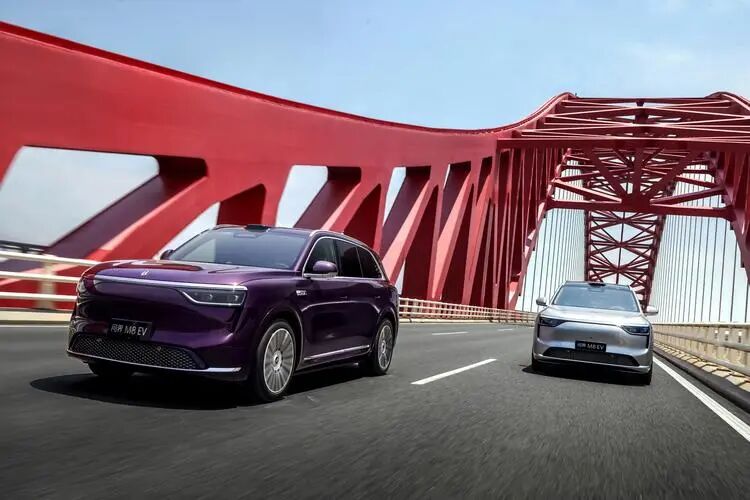
In fact, the 2025 debut of models such as the AITO M8, Li Auto i8, Denza N8, and NIO’s third-generation ES8 has set the stage for the fierce competition among Series 8 models. Factors such as technology, pricing, and delivery timelines have become intertwined, creating a tense prelude to the upcoming battle. The 2026 competition among Series 8 models will feature a greater number and higher caliber of players than ever before.
Chinese brands like Zeekr, IM, VOYAH, and BYD are doubling down on their efforts. Joint venture brands are also stepping up their game, with Volkswagen Anhui launching the Zony 08 and Dongfeng Nissan introducing the NX8, both aiming to break through with technological cooperation. This competition is no longer a solitary endeavor but a comprehensive showdown among multiple brands, promising to be even fiercer than the Series 9 competition in 2025.
A closer look at the new ‘Series 8’ models set to hit the market in 2026 reveals several common characteristics. They all target the mid-to-large market segment, with sizes reaching up to 5 meters and wheelbases exceeding 3 meters. Powertrains are primarily battery electric (BEV) and extended-range/plug-in hybrid electric vehicle (REEV/PHEV). Driving range and space are the core competitive areas, while intelligence and energy replenishment efficiency serve as key differentiators.
Zeekr 8X
Inheriting the Glory of the 9X, Positioned for Sportiness
The Zeekr 9X’s stunning performance, securing over 10,000 orders in just 13 minutes after its launch, has set high expectations for the Zeekr 8X. Although official details remain under wraps, spy shots suggest that its overall lines are softer than those of the 9X, featuring a slightly sloping rear design that emphasizes handling and sportiness, creating a differentiated competition with the 9X. In terms of appearance, the 8X inherits the 9X’s straight waterfall grille and similar taillights (disconnected at the license plate frame), opting not to follow the trend of hidden door handles and instead balancing practicality with sportiness.
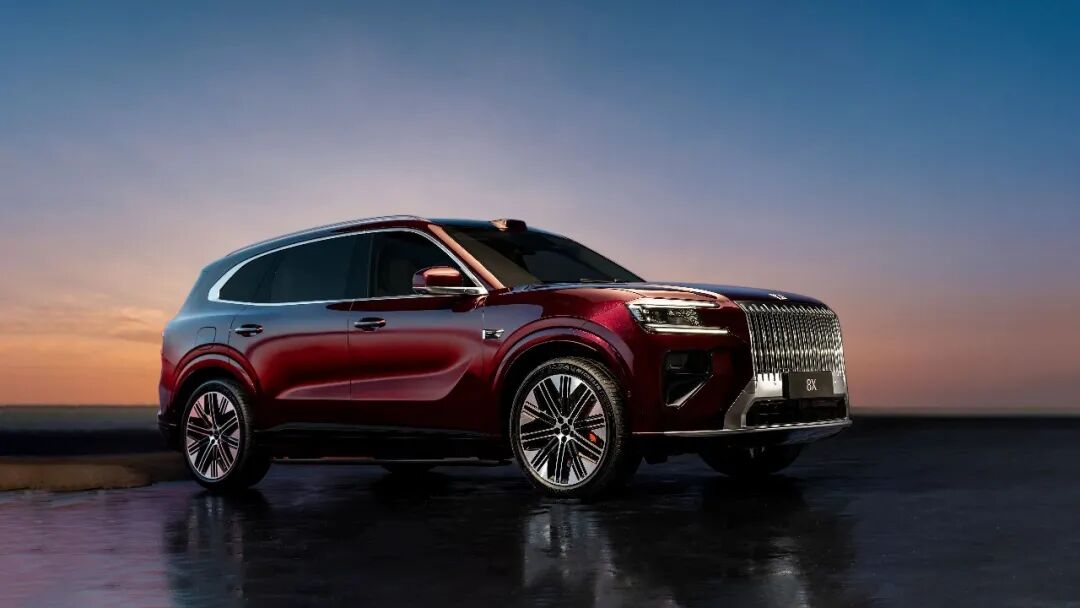
In terms of size, the Zeekr 8X measures 5100/1998/1780mm with a wheelbase of 3069mm, offering 5/6-seat layouts. It is equipped with a 2.0T plug-in hybrid system, with the three-motor version delivering a combined power of 1030kW. It is expected to be launched and delivered in the second quarter of 2026. In terms of configuration, it is likely to feature air suspension, advanced intelligent driving, zero-gravity seats, and a split tailgate design. There are rumors that it may be the performance flagship of the Zeekr 9S, but regardless, it will undoubtedly make an impact in the Series 8 market.
IM LS8
A Scaled-Down Version of the LS9, Breaking Through with Cost-Effectiveness and Intelligence
The IM LS8 shares a high degree of similarity with the LS9 in terms of appearance and interior, featuring only a mast-style C-pillar and hidden D-pillar for a more elegant look. It measures 5085/2000/1817 (1807)mm in length, width, and height, with a wheelbase of 3060mm, which is 100mm shorter than the LS9, and offers 5/6-seat layouts, continuing the ‘scale down, preserve design’ strategy akin to Li Auto's approach.
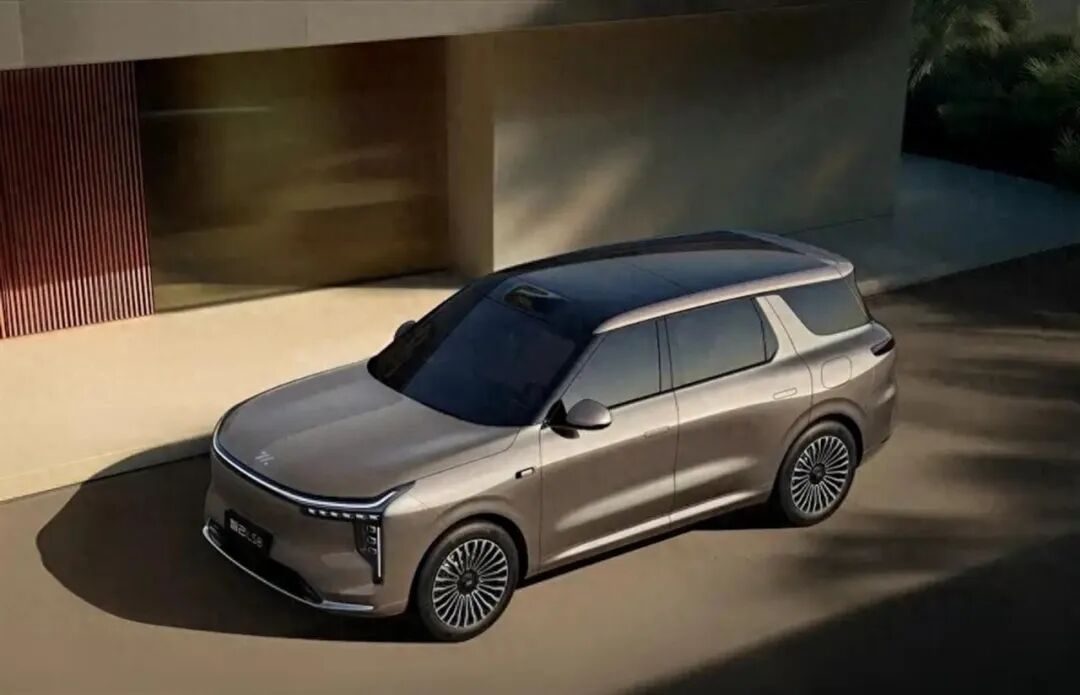
In terms of power, the LS8 is equipped with a 1.5T extended-range system, with a motor power of 230kW, and is equipped with 52.1kWh and 65.9kWh batteries, offering a WLTC pure electric driving range of 268-335km. The 52.1kWh version has a single-motor option, likely aiming to capture market share with an affordable starting price. In terms of intelligence, leveraging the co-development advantages of IM's L3-level intelligent driving platform, the LS8 is likely to come pre-installed with relevant hardware and will also feature the Lingxi digital chassis. It is expected to be launched in April 2026, competing head-on with the Zeekr 8X and VOYAH Mount Tai 8.
VOYAH Mount Tai 8
Large Five-Seat Layout, Leveraging Space and Huawei Intelligent Driving
The VOYAH Mount Tai 8 has been listed on the Ministry of Industry and Information Technology's website. Positioned below the VOYAH Mount Tai, it measures 5200/2025/1814mm with a wheelbase of 3090mm, only slightly smaller than the Mount Tai and offering a more significant size advantage over the AITO M8 and Li Auto L8. It exclusively offers a five-seat version, providing ample cargo space. The design features a subdued front grille and a steady style, making it more suitable for family users.
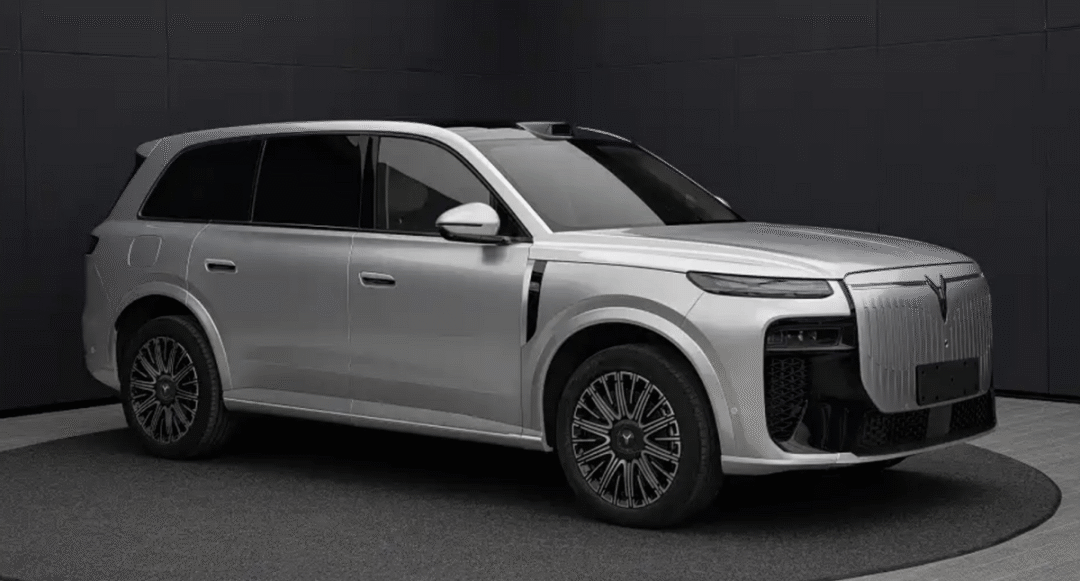
The powertrain is basically consistent with that of the Mount Tai, equipped with a 1.5T + dual-motor plug-in hybrid system, with low/high-power versions of the motor delivering 150/215kW and 150/230kW, respectively, and matched with 44.5-65.1kWh batteries, offering a WLTC pure electric driving range of 190-310km. Its rear features the 'Huawei Qiankun Intelligent Driving' logo. If it can be equipped with Huawei's L3-level intelligent driving, it will become a core advantage. It is expected to be launched at the Beijing Auto Show in April 2026.
BYD Sea Lion 08
Fully Equipped with Technology, Disrupting the Series 8 Landscape
BYD officially announced the dual flagships of the Ocean Network's Series 8 at the end of 2025. As an SUV model, the Sea Lion 08 brings together BYD's core technologies. Teaser images have already been released, and it is expected to make its debut in the first quarter of 2026 and be launched in the second quarter. It adopts Ocean Aesthetics 2.0 design, featuring a steady and robust style, with traditional C/D-pillars and presumably hidden door handles.
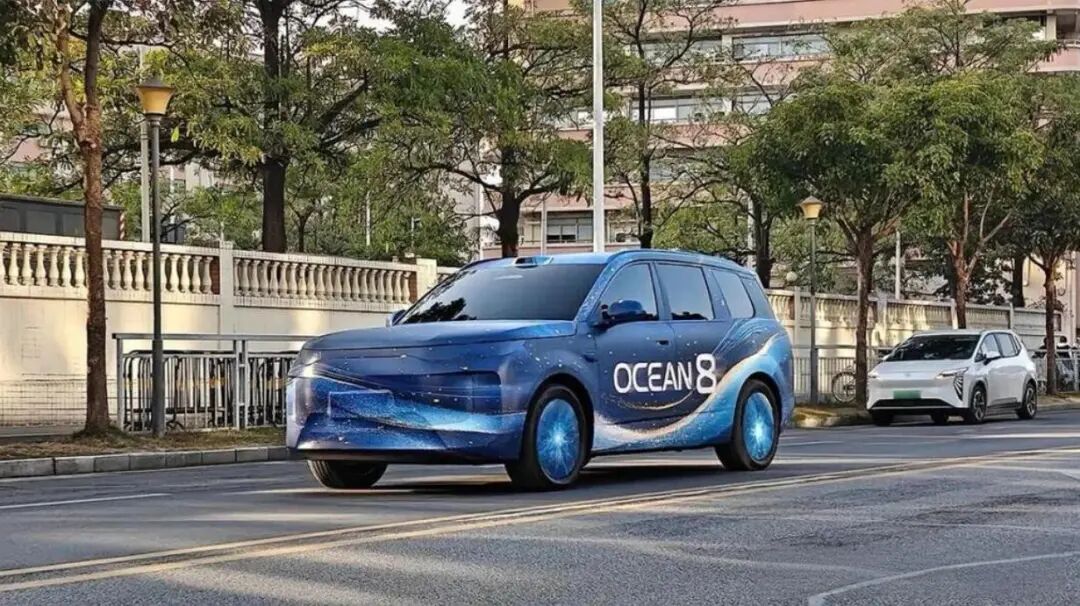
The Sea Lion 08 has a length and wheelbase exceeding 5 meters and 3 meters, respectively, offering 5/7-seat layouts. The plug-in hybrid version is equipped with a 1.5T DM-i super hybrid system, offering a combined driving range of 1430km, a zero-to-100km/h acceleration time of 4.9 seconds, and supporting megawatt flash charging technology—a 1000V high-voltage architecture with a peak power of 1000kW, achieving a practical 5-minute energy replenishment of 407km, approaching battery swap efficiency. Additionally, it will be equipped with core technologies such as the Easy Three-Way and Yunqian systems, maximizing its product competitiveness and promising to become a dark horse in the Series 8 segment.
Dongfeng Nissan NX8
Dual Powertrain Layout, Reviving Market Momentum
After the initial success and subsequent cooling-off of the Dongfeng Nissan N7 and N6, the NX8 has become crucial for Dongfeng Nissan to regain its momentum. The vehicle adopts a familial design, with a front fascia similar to that of the N6 and a simple side and rear profile, featuring hidden door handles. It measures 4870/1920/1680mm with a wheelbase of 2917mm, offering a five-seat layout and ample space.
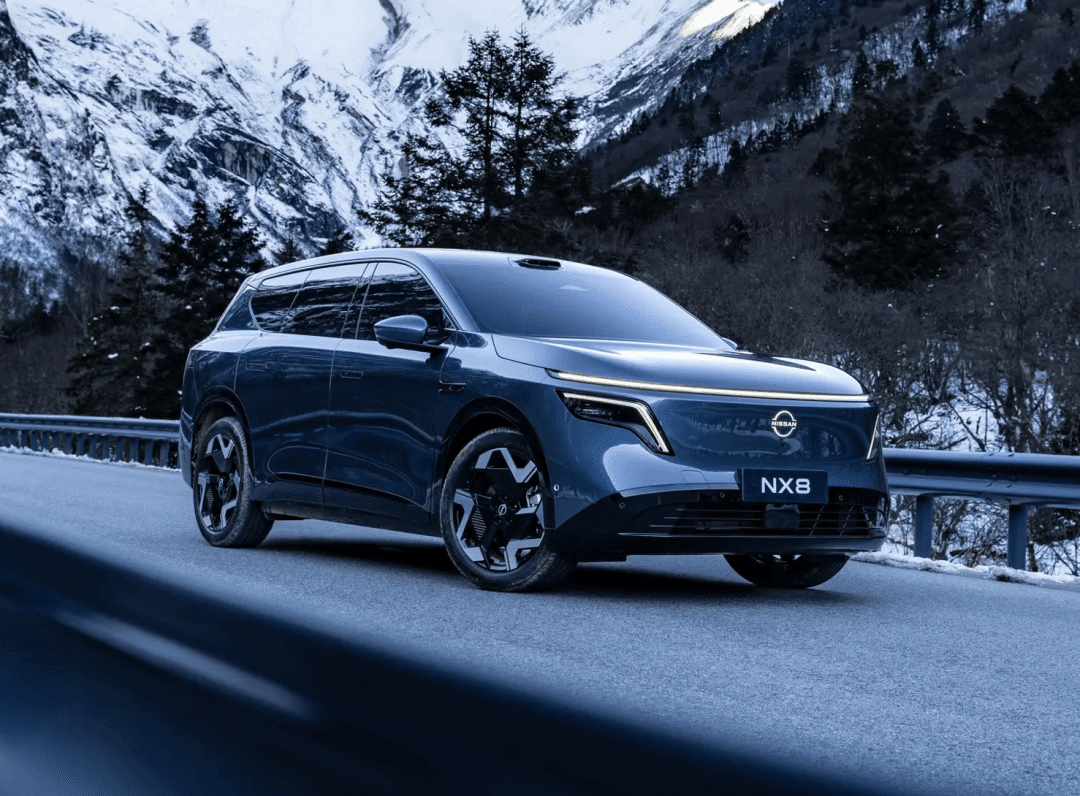
The powertrain offers both pure electric and extended-range versions: the pure electric version is equipped with an 800V platform, featuring 215/250kW single motors, matched with 73/81kWh batteries, offering a CLTC driving range of 565-650km; the extended-range version is equipped with a 1.5T range extender + 195kW motor, with 20.3-37.4kWh batteries, offering a WLTC pure electric driving range of 102-185km, with the 102km version just meeting the 2026 purchase tax exemption regulations. It is expected to be launched in the second quarter of 2026, and its ability to reverse the market downturn remains to be seen.
Zony 08
Volkswagen + XPENG Collaboration, Containing a 'Chinese Soul'
Volkswagen's performance in the new energy vehicle market has been lackluster, making the Zony 08 crucial for its breakthrough. The vehicle adopts Volkswagen's CEA architecture developed in collaboration with XPENG, addressing issues such as Volkswagen's complex systems and inefficient OTA updates, and adapting to XPENG's intelligent system. The mass-produced appearance is based on the ID.EVO concept car design, featuring a split headlight setup, dual waistlines, and a wolf logo high-mounted brake light, showcasing a high degree of originality.
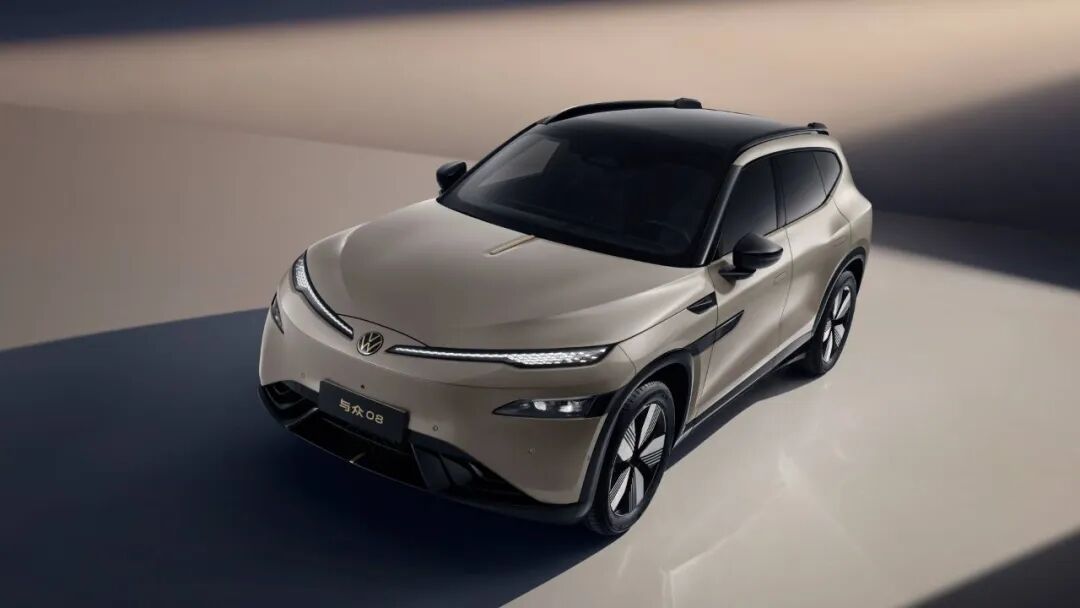
It measures 5000/1954/1672 (1688)mm with a wheelbase of 3030mm, offering a large five-seat layout and superior space. The powertrain is based on an 800V platform, featuring a 230kW single motor (370kW for the dual-motor version), matched with 82.368/95.04kWh batteries, offering a CLTC driving range of 630-730km and a 5-minute charge replenishing 150km of range. In terms of intelligence, it is equipped with two Turing AI chips, supports full-scenario intelligent driving without lidar, and is expected to be launched in the first half of 2026, providing new ideas for joint venture brand transformation.
Conclusion:
Overall, the core of the fierce competition among new ‘Series 8’ models in 2026 lies in the large-scale competition in the 250,000-400,000 yuan price range. This segment has a large consumer base, prompting automakers to lower thresholds, enrich versions, and cover more scenarios. Technological competition focuses on driving range, energy replenishment, and intelligence, with all models striving to differentiate themselves in these areas.
It is worth noting that the breakthrough of joint venture brands may disrupt the existing landscape. Both the Zony 08 and NX8 are built on new energy architectures, leveraging technological cooperation to make up for shortcomings. Combined with their brand and channel advantages, they are expected to capture market share, and domestic brands need to be vigilant against this pressure. Furthermore, the competition among ‘Series 8’ models is no longer a solitary assault. Brands like Zeekr and IM have completed the construction of their 7/8/9 series product matrices, and their coordinated operations make the competition more intense and provide consumers with more diverse choices.
Moreover, the competition among ‘Series 8’ models will involve multiple aspects such as technology, price, and service, where any mistake could lead to a complete loss. Additionally, news of Li Auto potentially discontinuing the L8 and launching the L9L adds further uncertainty to the Series 9 competition, indirectly affecting the Series 8 landscape. However, one thing is certain: this fierce competition will drive technological upgrades among automakers and industry transformation, ultimately benefiting consumers.
-
![]()
Doubao Charges Fees: Zhang Yiming Helps Zhang Xiaolong Explore the Path
-
In-depth Analysis | Wave Power Generation + Seawater Cooling: The Technological Logic Behind Panthalassa's Offshore AI Data Center
-
Chip Sector Insights | NVIDIA & Google Reveal AI Liquid Cooling Approaches, A-Share Firms Strategize Across Industrial Chain
-
Industry Insight | The Underestimated Backbone of Computing Power: The Transmission Chain of MLCC, PCB, Copper Foil, and Electronic Fabric
-
Tech News丨'Lingxi AI' Secures Hundreds of Millions of Yuan in Funding
-
![]()
Apple’s Price Hike Repercussions: Hardware Pricing Reflects the Tech Giant’s Growth Challenges
-
![]()
Xiaomi Sparks Car Modification Trend, BYD Joins In: Will the 1/4 Screw Hole Become the Automotive Industry's USB-C?
-
![]()
Enflame Tech's IPO Journey: Navigating Over 5.9 Billion Yuan in Losses and Soaring Debt in Q1 This Year