Going Global Map: Are Chinese Automakers Sailing Smoothly in Southeast Asia?
 02/26 2026
 643
643
Introduction | Lead
For Chinese auto brands, the ASEAN market is akin to a semi-home advantage. On one hand, ASEAN is geographically close to China; on the other, ASEAN and China are each other's largest trading partners. Consequently, the ASEAN market has become a key overseas target for many Chinese automakers to aggressively capture.
This article is produced by | Heyan Yueche Studio
Written by | Zhang Dachuan
Edited by | He Zi
Full text: 3,289 characters
Reading time: 5 minutes
As one of the important target markets for Chinese automakers going global, the Southeast Asian automotive market has remained relatively stable, experiencing neither significant turmoil nor dramatic growth.
In 2025, total car sales in the ten ASEAN countries reached approximately 3.16 million units, a year-on-year decline of 2.3%. Among them, Malaysia led with a 26% market share; Indonesia followed with 22.8%, but due to tightening credit and sustained macroeconomic pressures, its sales fell by 8.7% year-on-year, relinquishing its top spot in the ASEAN automotive market; Thailand ranked third, experiencing a 15.6% decline due to weak consumer demand, with a market share of 18.2%; the Philippines, relying on economic recovery and new model launches, achieved a 3.6% growth, ranking fourth. Vietnam, led by its local brand VinFast, saw a robust 24.1% growth rate, ranking fifth.
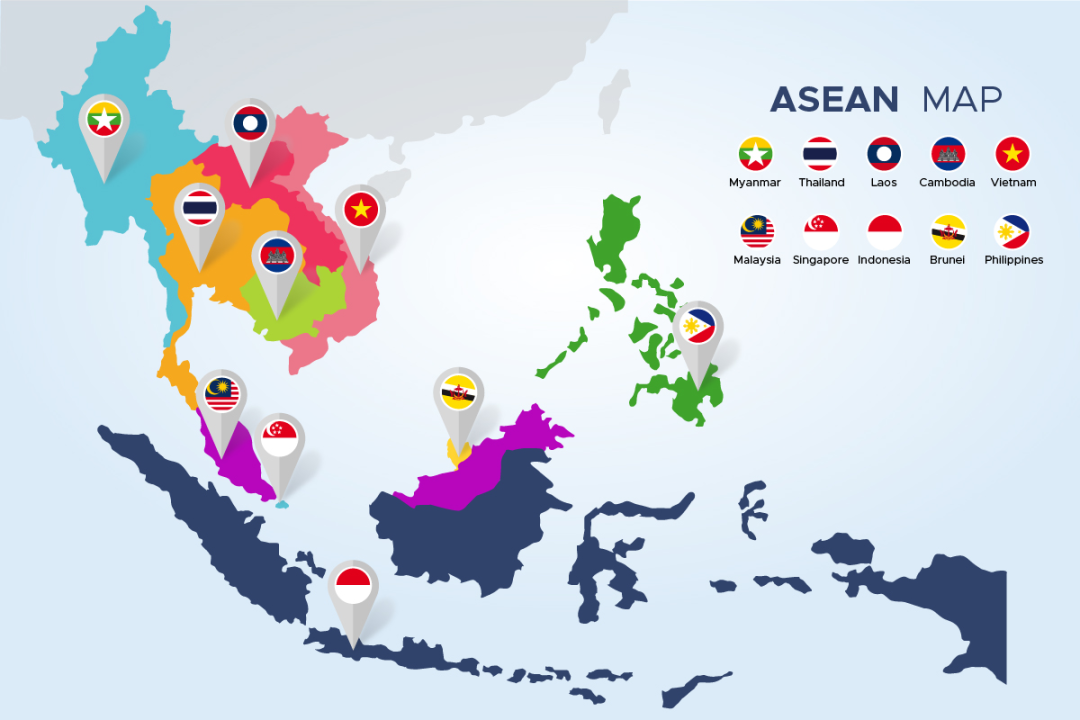
△ In 2025, total car sales in the ten ASEAN countries reached approximately 3.16 million units
Chinese Automakers' Frequent Moves
In 2025, Chinese automakers made frequent moves in the ASEAN market.
Notably, Chery Automobile held a groundbreaking ceremony for its Intelligent Automobile Industrial Park in Hulu Selangor High-Tech Automotive City, Malaysia, in February last year. The industrial park, covering 200 acres, will initially have an annual production capacity of 100,000 units upon completion, with reserved space to expand capacity to 300,000 units in the future, serving as a crucial strategic node for Chery in the entire ASEAN market. By the end of October, Chery's joint venture factory in Vietnam officially commenced operations, with a total investment of up to USD 319 million. Upon completion, the factory will have an annual production capacity of 120,000 complete vehicles.
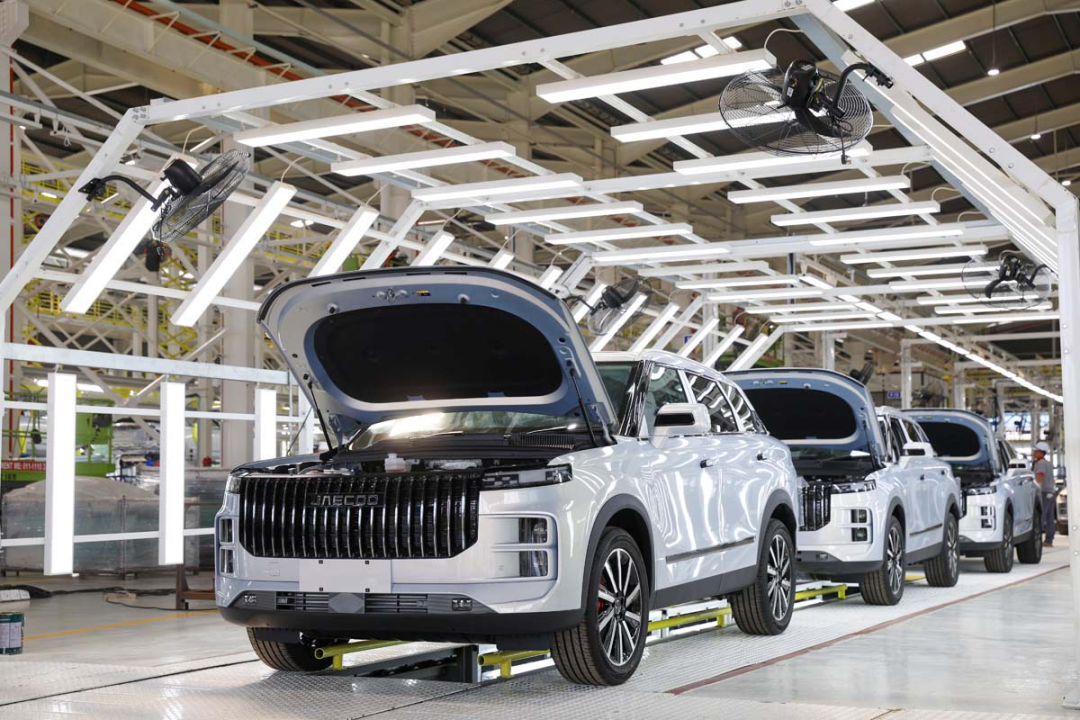
△ Chery Automobile significantly accelerated its strategy in Southeast Asia in 2025
SAIC-GM-Wuling also launched multiple key projects in Southeast Asia: in May last year, it signed an investment agreement with Malaysia's Tan Chong Group in Kuala Lumpur to jointly promote the localization of the Wuling brand in the Malaysian market, providing Malaysian users with high-quality electric vehicle models; in the same month, SAIC-GM-Wuling held the roll-off ceremony for its 3 millionth new energy vehicle globally in Indonesia; concurrently, the Shenlian Battery officially commenced production on the Indonesian production line. In Indonesia, the Wuling brand has sold 40,000 electric vehicles, holding a market share of over 37% in the new energy vehicle market and ranking first in terms of ownership.
Also in May last year, with the roll-off of the Deepal S05 right-hand drive version, Changan Automobile's factory in Rayong, Thailand, officially commenced production. This is Changan Automobile's first overseas complete vehicle factory for new energy vehicles, with a designed annual production capacity of 100,000 units in the first phase, which will be increased to 200,000 units in the second phase. Products will be exported to right-hand drive markets such as ASEAN, Australia, New Zealand, the UK, and South Africa, as well as left-hand drive markets within ASEAN.
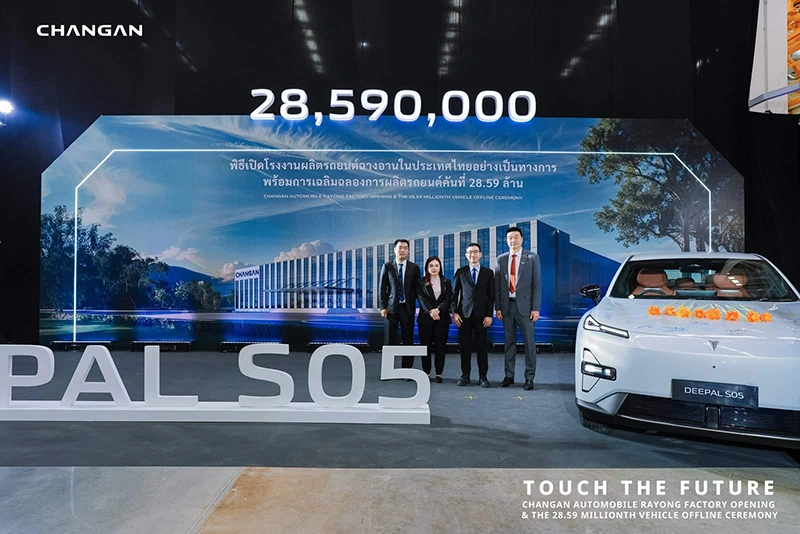
△ Changan's factory in Thailand has also commenced production and will serve multiple right-hand drive markets
In addition to complete vehicle companies, CATL and WeRide also made significant moves in ASEAN. In late June last year, CATL formed a consortium with Indonesia's state-owned mining company ANTAM and Indonesian battery company IBC to jointly invest in the Indonesian nickel resources and battery industry chain project. The total investment for this project is nearly USD 6 billion. Upon completion, it will support the battery demand for 200,000 to 300,000 electric vehicles annually, with future expansion potential into the energy storage sector. WeRide, after receiving tens of millions of USD in investment from Southeast Asian IT giant Grab, will deploy L4-level Robotaxi and other autonomous vehicles on a large scale in the Southeast Asian market.
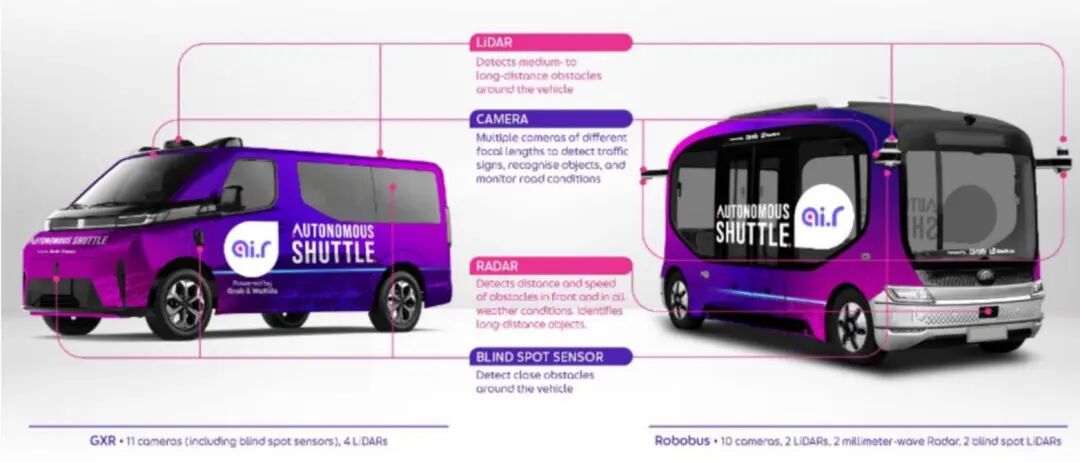
△ WeRide will deploy L4-level Robotaxi and other autonomous vehicles on a large scale in the Southeast Asian market
Each Major ASEAN Automotive Market Has Its Unique Characteristics
As the top four automotive markets in ASEAN, Malaysia, Indonesia, Thailand, and Vietnam each have their unique characteristics.
In 2025, the Malaysian automotive market, despite only a slight year-on-year growth of 0.5%, surpassed 800,000 units in sales for the second consecutive year, overtaking Indonesia to become the largest automotive market among ASEAN countries.
Domestically produced vehicles in Malaysia, represented by Perodua, which relies on Japanese Daihatsu technology, and Proton, led by Geely, continued to dominate the market, holding a market share of 62.3%. Notably, influenced by the expiration of the tax exemption policy for imported electric vehicles at the end of last year, electric vehicle sales in the Malaysian market accelerated in 2025. The Proton e.MAS 7, BYD Seal 7, and Tesla Model Y ranked top three in electric vehicle sales.
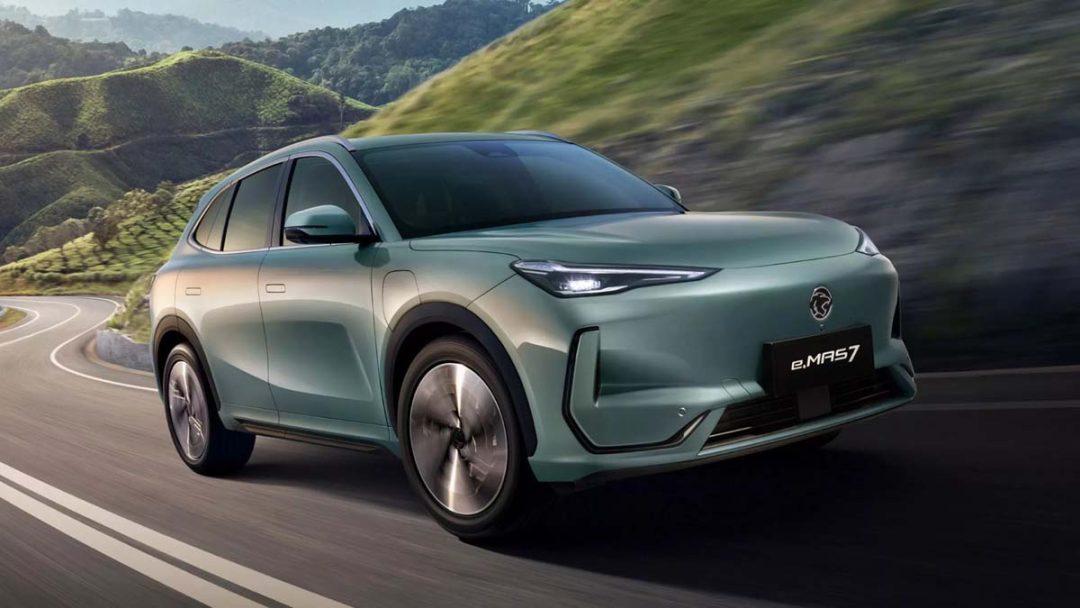
△ Locally produced models in Malaysia dominate the automotive market
Unlike the high consolidation in the Malaysian automotive market, the Indonesian automotive market, which had long been the leader in ASEAN, saw a 7% year-on-year decline last year, with annual sales of approximately 800,000 units, relinquishing its top spot in the ASEAN automotive market.
Although the Toyota Kijang remained the best-selling model in Indonesia, it experienced a 6.4% year-on-year decline; both Toyota and Daihatsu, ranking in the top two, saw double-digit year-on-year declines, which was one of the main reasons for the decline in the Indonesian automotive market.
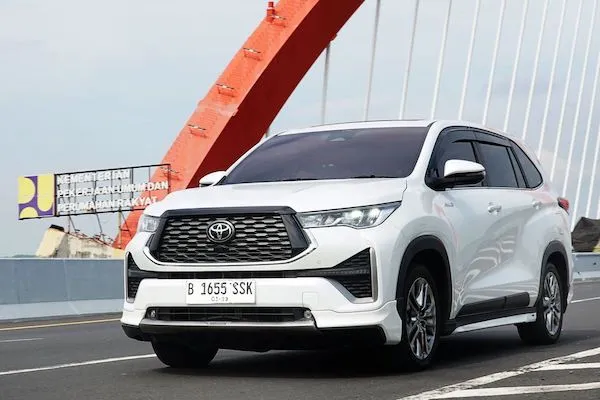
△ Although Toyota remains the champion in the Indonesian market, it experienced a double-digit decline
The overall Indonesian automotive market was sluggish, with new energy vehicles being the only bright spot in the market. In 2025, the Indonesian new energy vehicle market grew by 118.6%, accounting for 10% of the market. Among them, pure electric vehicle sales reached 59,921 units. In the electric vehicle sales ranking, BYD and Chery ranked first and second, respectively. The SAIC-owned Wuling brand saw a 16.1% year-on-year decline in sales, dropping to third place in the electric vehicle sales ranking.
Unlike the decline in the Indonesian automotive market, the Thai automotive market showed dual characteristics of moderate recovery and rapid growth in new energy vehicles last year, with car sales reaching 621,166 units, a year-on-year increase of 8.47%. The Thai automotive market remains dominated by Japanese brands, while Chinese brands such as BYD and MG are rapidly rising.
Overall, the Toyota Hilux became the best-selling model in Thailand in 2025 with 61,060 units sold. In the electric vehicle sector, Thailand also performed impressively in 2025: pure electric vehicle sales reached 120,301 units, a year-on-year increase of 80.27%. This drove the market share of new energy vehicles from 11.85% in 2024 to 19.37% in 2025. In stark contrast to the rapid growth in electric vehicle sales, pickup trucks, which had long held a significant share in the Thai automotive market, saw a 20% decline, causing brands like Isuzu, which rely heavily on pickups, to suffer.
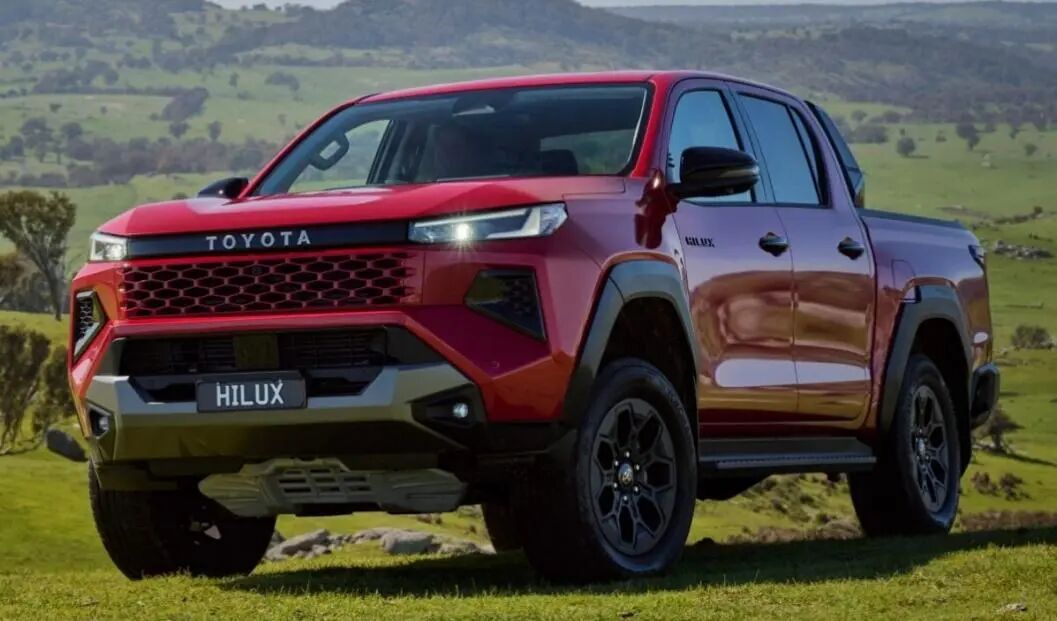
△ The Toyota Hilux is the biggest contributor to Toyota's coronation in the Thai market
Unlike other countries, Thailand is an important automotive export base among ASEAN countries. In 2025, Thailand exported 925,750 vehicles, including 12,695 electric vehicles. In 2026, Thai automotive production is expected to grow slightly by 3% to 1.5 million units, with 550,000 units sold domestically and the remainder exported to overseas markets.
In 2025, Vietnam was undoubtedly the brightest star in the entire ASEAN automotive market. Vietnam's overall automotive market sales reached 508,904 units, a year-on-year increase of 31.2%. The market share of new energy vehicles was approximately 30%, with a year-on-year growth rate of 201.7%.
Notably, VinFast, a local new force in Vietnam, replaced Hyundai Motor with a 34.4% market share and a year-on-year growth rate of 251.8%, becoming the champion of the Vietnamese automotive market. Its four models dominated the Vietnamese automotive sales ranking. With the continuation of tax exemption policies for electric vehicles and the expansion of charging networks, the Vietnamese electric vehicle market is expected to further expand. Following VinFast, Toyota became the runner-up with an 8.1% year-on-year growth rate, while the Hyundai brand declined by 20.4%, ranking third.
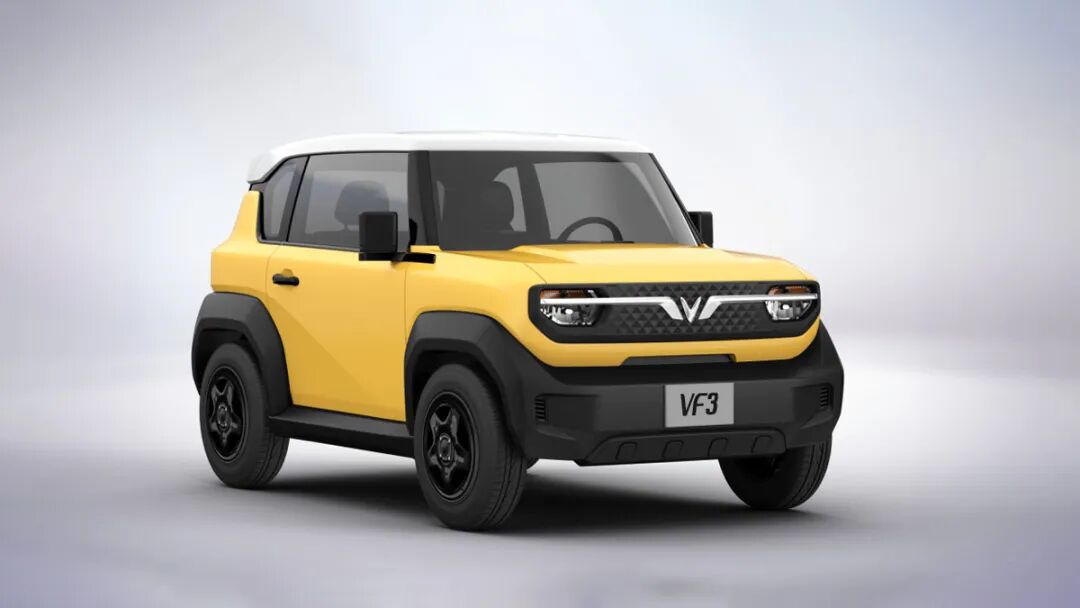
△ The VinFast VF3 is the best-selling model in the Vietnamese automotive market
Changes in the ASEAN Automotive Market in 2026
Looking ahead to 2026, the ASEAN automotive market may undergo the following changes:
The growth rate of the electric vehicle market will slow down. In 2026, with the increase in production of electric vehicles by Chinese brands, the penetration rate of electric vehicles in ASEAN will steadily grow, but the growth rate will significantly slow down compared to the previous two years. Like the global market, the ASEAN electric vehicle market will tend towards 'rebalancing' in 2026. The growth rate of the overall regional passenger car market will synchronize with regional GDP and consumption growth, showing a slow upward trend.
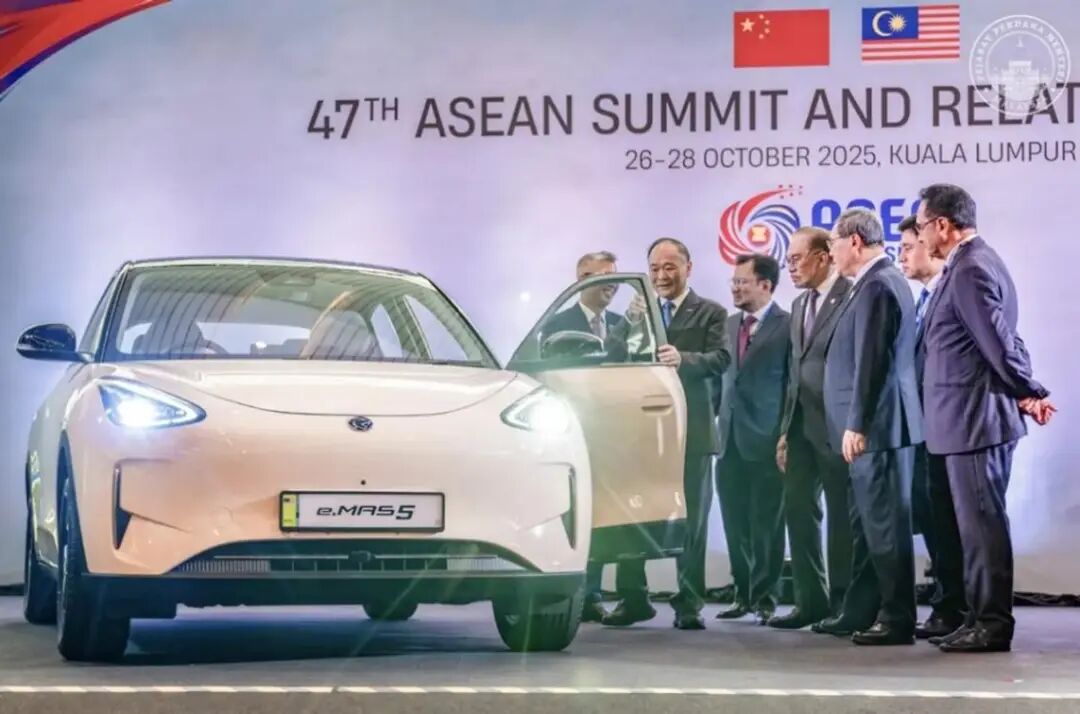
△ ASEAN is a semi-home advantage for Chinese electric vehicles
The commercial vehicle market will grow steadily. Driven by the implementation of Euro VI regulations and the growth of e-commerce and cross-border trade, the demand for commercial vehicles in the ASEAN automotive market will rapidly increase. Data shows that the compound annual growth rate of commercial vehicle sales in the region from 2026 to 2031 will reach 5.86%, with overall growth likely to be significantly higher than that of passenger cars. For Chinese automakers, this will present a significant opportunity.
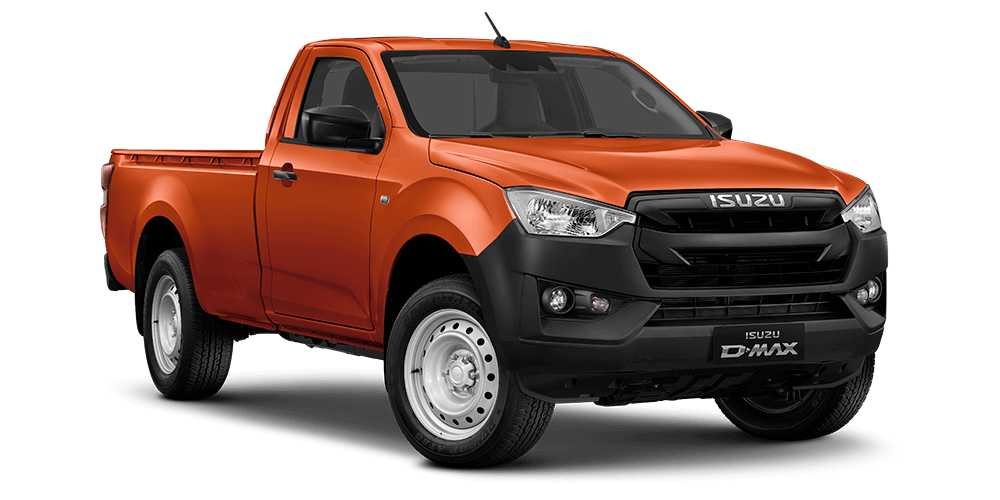
△ Commercial vehicles, including pickups, will be the main driving force for future growth in the ASEAN automotive market
Competition between Chinese and Japanese auto brands in the ASEAN market will intensify. Leveraging their advantages in electric vehicles and low-priced models, Chinese auto brands will continue to challenge Japanese brands. Especially as local automotive giants such as BYD, Chery, and SAIC establish factories in ASEAN and continuously improve their industrial chains, Japanese local brands will face sustained impacts from Chinese brands in the future. However, Japanese brands are not without opportunities. On one hand, their reputation for high reliability and a large user base provide a solid foundation; on the other hand, Japanese brands are also making layout (layout) in the new energy vehicle sector. With the launch of new-generation electric vehicles, Japanese brands will also sound the counterattack in the ASEAN new energy vehicle market.
Commentary
The Southeast Asian automotive market has become the forefront of competition between Chinese and Japanese auto brands. Leveraging their advantages in new energy and intelligence, Chinese automobiles are experiencing rapid growth in the ASEAN market. For Japanese brands, which have already established a foothold in the ASEAN market, they are certainly unwilling to relinquish their dominance in the ASEAN automotive market. In the future, Japanese brands may leverage their late-mover advantage to launch more competitive electric vehicles in the ASEAN market and engage in a peak duel (clash of titans) with Chinese electric vehicles. Meanwhile, influenced by geopolitical games, the global automotive industry chain is gradually increasing its investment in ASEAN. Next, Chinese auto brands are bound to deepen their presence in the ASEAN market. To accelerate their global expansion, they must start by winning the first battle in ASEAN.
(This article is original to Heyan Yueche and may not be reproduced without authorization.)
-
![]()
Can the Brand-New Hongqi H7 Forge Its Own Identity in the Hybrid Vehicle Market?
-
![]()
Challenges in Redeeming Certificates for New Cars: Mercedes-Benz Dealership Group Grapples with Operational Hurdles Once Again
-
![]()
Porsche Returns to Volkswagen, Ending the 'Electric Ferrari' Story
-
![]()
"Chinese Version of Mythos": Can It Rise to the Challenge and Keep Pace?
-
![]()
Equity Changes Hands Three Times in Seven Years: JMCG Leans on Contract Manufacturing for Survival Amid Brand Deficits
-
![]()
Automotive Market News: Nine Departments Jointly Roll Out Aftermarket Consumption Initiatives
-
How Electronic Fabric Became the Critical Chokepoint for AI’s Trillion-Dollar Computing Infrastructure
-
![]()
Depreciation Rate on Par with Mobile Phones: Just 40% Value Retention After Three Years—Why Do Battery Electric Vehicles Lose Their Worth?