Direct Sales System Overhaul: Li Auto’s Strategic Gamble on Partner Empowerment
 03/02 2026
 501
501
Author / Chen Jia
Produced by / Insight Auto
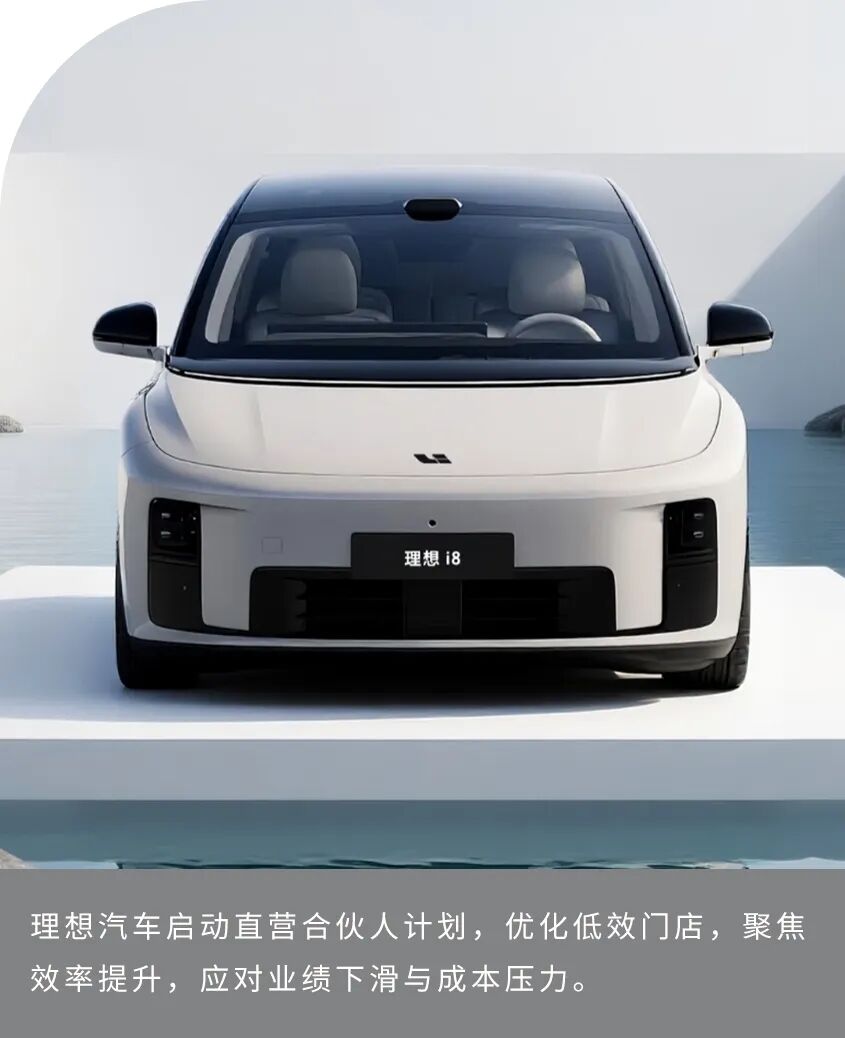
On the morning of February 27, Li Auto unveiled its "Store Partner Program" internally. Contrary to external speculation about franchising, this initiative redefines frontline operations by elevating store managers—previously under centralized regional oversight—to store general managers with full accountability for business outcomes. The program decentralizes operational decision-making and introduces profit-sharing incentives.
Multiple sources close to Li Auto indicated that a channel streamlining campaign had already been initiated in advance.
In early 2026, Li Auto began optimizing underperforming stores, planning to shutter roughly 100 company-owned retail locations, representing 18% of its total network. The Shanghai Pudong Lujiazui Center store, struggling with declining foot traffic due to shifting commercial district dynamics, was slated for closure, with similar cases emerging in prime commercial zones across Tier 1 cities.
The synchronization of store closures with the partner program is strategic. The internal mandate to "prioritize talent over location" underscores its rationale: phasing out inefficient outlets while aligning top-performing stores with motivated managers, creating a virtuous cycle of resource concentration and operational efficiency.

Performance Pressures Drive Transformation
This channel revolution stems from Li Auto’s urgent performance challenges. In 2025, the company delivered just 406,300 vehicles, an 18.8% year-on-year decline, achieving only 63% of its 640,000-unit annual target.
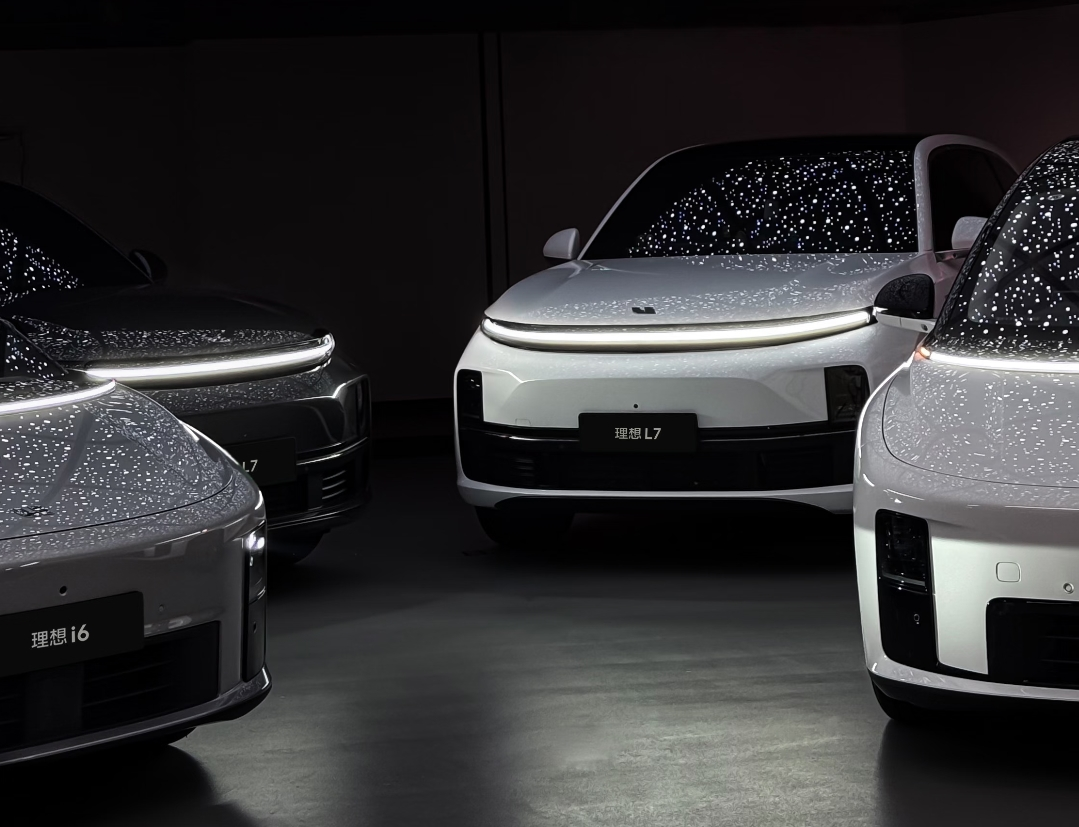
More critically, per-store efficiency plummeted. In 2024, the average annual delivery per store stood at 997 units, crashing to 741 units in 2025—a 26% drop. Monthly sales averaged just 62 units, with daily transactions below 2.
The cost-revenue imbalance is pushing the company to its limits.
Company-owned stores in Tier 1 cities’ prime commercial districts face annual rents of ¥2–3.6 million. Factoring in labor, renovations, and other expenses, annual operating costs per store approach ¥5 million. Yet some underperforming outlets sell only 3 units monthly, with foot traffic below 80 daily visitors and conversion rates under 5%—well below industry benchmarks.
In the first three quarters of 2025, Li Auto’s revenue fell 16.6% year-on-year to ¥83.537 billion, with a net loss of ¥624 million. Its expanding direct sales network, once a growth driver, has morphed into a cost sinkhole. Founder Li Xiang’s call during earnings calls to "return to startup mode" reflects an urgent response to escalating losses.

From Scale to Efficiency: A Strategic Shift
Li Auto’s channel adjustments transcend mere downsizing; they represent a systematic efficiency overhaul. While closing underperforming mall-based stores, the company is redirecting resources to two high-potential formats.
AutoPark automotive park stores, offering integrated sales, delivery, and maintenance, capitalize on one-stop convenience with rental costs just 1/3 to 1/5 of those in prime commercial districts. These outlets are fast becoming urban service hubs.
The 2025 "Hundred-City Starry Sky Program" rapidly expanded into lower-tier markets through asset-light partnerships, deploying 356 stores by year-end and filling coverage gaps left by the direct sales model.
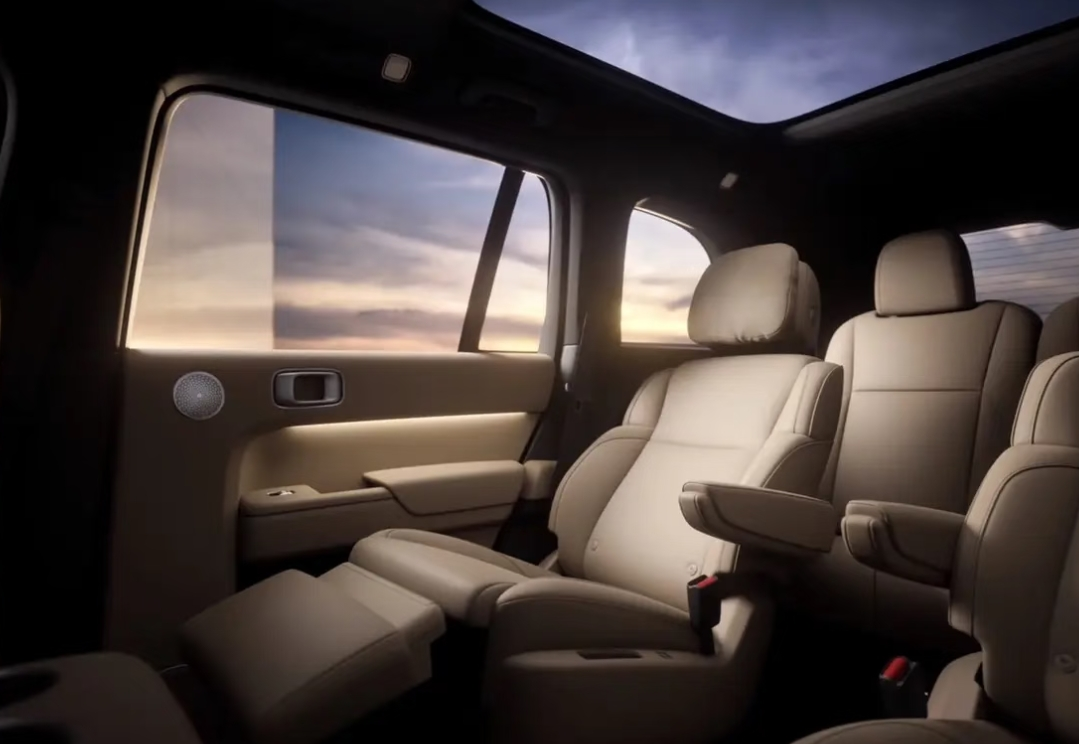
The Partner Program, at the heart of this strategy, is reshaping channel dynamics. The previous regional management structure has been dismantled, with pricing, local marketing, and inventory decisions now devolved to store level.
The evaluation framework has evolved from sales volume alone to a three-dimensional metric assessing sales, profits, and customer satisfaction. Enhanced marketing resource allocation and training systems empower frontline managers with market insights.
This transformation tackles the direct sales model’s core flaws: maintaining brand control over service standards while eliminating slow decision-making and weak incentives.

Channel Competition Intensifies
Li Auto’s shift mirrors broader competitive shifts in China’s NEV sector. By 2025, NEVs accounted for over 51.6% of auto sales, transitioning from growth to market share consolidation. Product homogenization has intensified, making channel efficiency the decisive battleground.
The decline of direct sales is now an industry trend, with brands like Tengshi, Hongmeng Zhixing, and Zeekr adopting franchising in lower-tier cities. Xpeng and Avatr initiated channel reforms earlier.
However, Li Auto’s partner mechanism differs fundamentally from reverting to traditional franchising. Its innovation lies in blending direct sales control with incentive-driven empowerment, avoiding the price wars and brand dilution common in franchising. This hybrid model addresses cost pressures while safeguarding user experience.
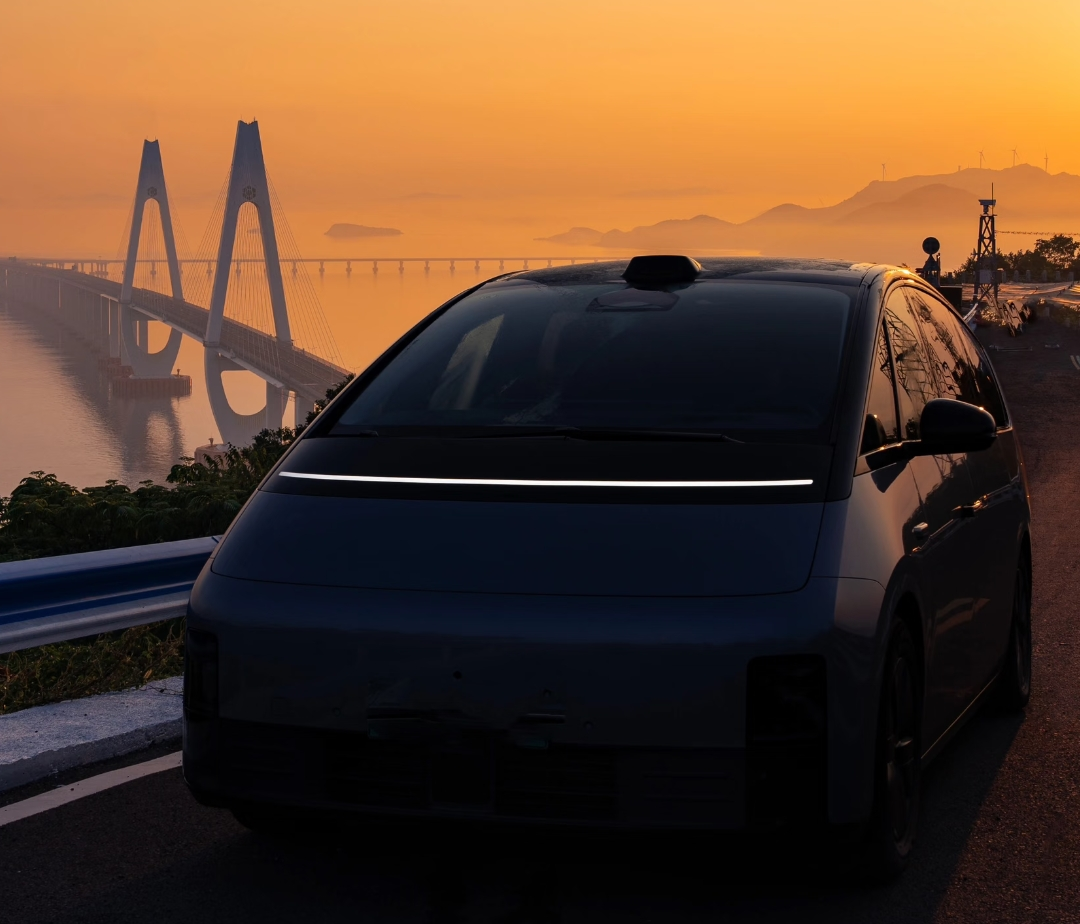
With multiple 2026 model launches, Li Auto needs hyper-efficient channels to meet its 550,000-unit annual target—a 40% efficiency gain over 2025. The Partner Program is pivotal to this offensive.

The Decentralization Dilemma
Maintaining national service and pricing consistency post-decentralization—while avoiding regional disparities—tests headquarters’ governance. Transitioning store managers from executives to profit-driven operators requires time and robust training. Profit-sharing transparency and fairness are critical to team cohesion and program success.
Yet Li Auto has little choice. With industry gross margins sinking to 4.4%, inefficient channels are unsustainable.
The Store Partner Program and channel optimizations represent an efficiency revolution. If successful, Li Auto will gain dual competitiveness in products and channels. Failure could jeopardize its Tier 1 standing amid fierce competition.
END
-
![]()
AI Predicting the World Cup? It’s Time to Stop Insulting AI
-
![]()
iPhone 18 Pro Memory Costs Soar Threefold! Apple Seeks Trump Administration Approval for CXMT Memory Chips
-
![]()
AI Tutoring: A Crack in the Intense Competition of East Asia
-
![]()
Weekly Stock Review | Li Bin Sounds Alarm on 'Toughest' Year, Casting a Shadow Over Lei Jun's Noodle Moment
-
![]()
Car Manufacturing Paused, Yet Dreame’s Automotive Dream Marches On
-
![]()
Can the Brand-New Hongqi H7 Forge Its Own Identity in the Hybrid Vehicle Market?
-
![]()
Challenges in Redeeming Certificates for New Cars: Mercedes-Benz Dealership Group Grapples with Operational Hurdles Once Again
-
![]()
Porsche Returns to Volkswagen, Ending the 'Electric Ferrari' Story