A Geopolitical Conflict Reveals the True Mission of China's New Energy Vehicles | When Hormuz Shuts Off the Oil Valve
 03/03 2026
 532
532
Industries can iterate, technologies can upgrade, but energy security is the bottom line.
The war in Iran, thousands of miles away, affects our daily lives.
A little-known fact: China uses 800 million tons of crude oil annually, with 70% imported and 60% consumed by vehicles.
When Iran fully shuts down the Strait of Hormuz, a fifth of global seaborne crude oil routes are completely disrupted. International oil prices surge by over 15%, and spot gold prices reach a new all-time high.
This is not just about money—it's about energy security.

If a country's energy foundation is controlled by others, its entire economy and industrial operations will face constant vulnerability. Looking back at China's two-decade-long commitment to new energy vehicles, its significance extends far beyond the industry itself—it safeguards the bottom line of energy security.
China's new energy vehicles are most praised today for their industrial scale, overseas expansion, and technological advancements. However, few mention that their core value lies in providing us with greater composure and confidence amid global energy turmoil.

What was once questioned, misunderstood, and deemed unrealistic has now become the most solid foundation for safeguarding national energy security under today's international circumstances.
From Qian Xuesen's advice to the Ministry of Science and Technology leading the 863 Program, to the Ministry of Industry and Information Technology driving industrial implementation, combined with two decades of relentless technological and product refinement by the industry, a group of visionaries used twenty years of perseverance and relay (succession) to turn a single blueprint into our composure in the face of geopolitical conflicts today.
With this perspective, you will re-understand why China invests so heavily in promoting battery-powered vehicles, where its domestic energy system is headed, and how recognizing this brings endless opportunities. Calculating the energy equation is key to understanding China's grand strategy for new energy.
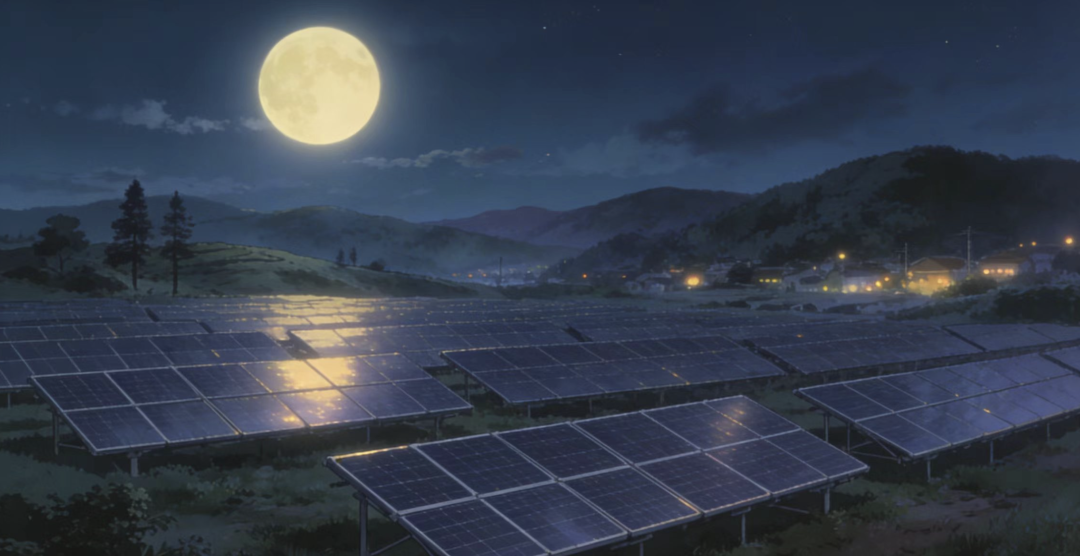
The Strait Shuts, Markets Tremble—Is Energy Still Secure?
This sudden conflict serves as a stress test for national energy security.
The Strait of Hormuz is known as the world's oil valve, with over a third of global seaborne crude oil passing through it. China's heavily dependent suppliers—Saudi Arabia, Iraq, Iran, and Kuwait—almost exclusively export oil via this route.
China's energy structure has long been clear: abundant coal, scarce oil, and limited gas. Data from 2025 shows China imported approximately 578 million tons of crude oil, with a foreign dependency rate as high as 72.7%. Over 60% of imported crude oil passes through the Strait of Malacca.
This means China's crude oil imports face dual bottlenecks—the Strait of Hormuz and the Strait of Malacca—with highly concentrated risks.

The transportation sector alone consumes over 60% of the nation's oil. Daily driving, logistics, passenger, and freight transport all heavily rely on imported crude oil.
Iran is a major crude oil supplier to China, accounting for around 10% of imports year-round (about 13% in March 2025). At one point, 77% of Iran's crude oil exports went to China. Shandong ports handle nearly 80% of Iran's crude oil exports to China, with local refineries highly dependent on this supply. This concentrated import structure and complex transit model create inherent supply chain vulnerabilities.
China maintains strategic petroleum reserves to counter short-term price fluctuations and supply disruptions, currently totaling about 1.3 billion barrels. Based on normal domestic daily consumption, this can sustain societal operations for around 120 days, or up to 180 days under emergency controls.
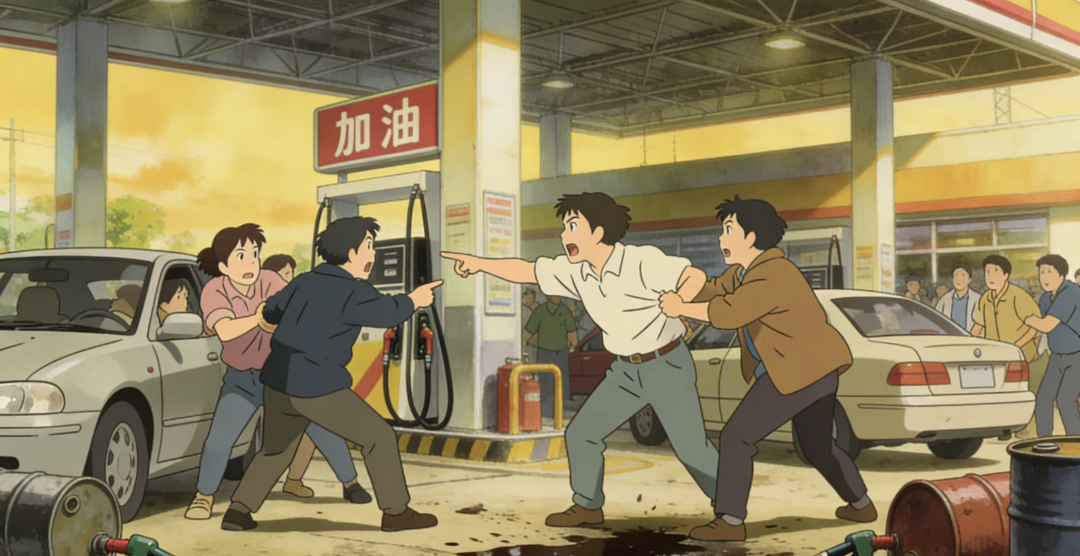
Once waterways are blocked long-term and conflicts persist in producing regions, even substantial reserves cannot withstand sustained pressure. If energy supply is controlled by others, the entire industrial and civilian system becomes vulnerable.
Markets swing wildly. On March 1, Brent crude futures rose 2.45% to $72.48 per barrel, with over-the-counter trading spiking above $103—a single-day gain exceeding 40%. International spot gold surged to $5,276.2 per ounce, up 1.77% to a record high, as safe-haven capital flooded into precious metals.
Oil prices may fluctuate, and waterways may close, but a nation's energy bottom line cannot waver.
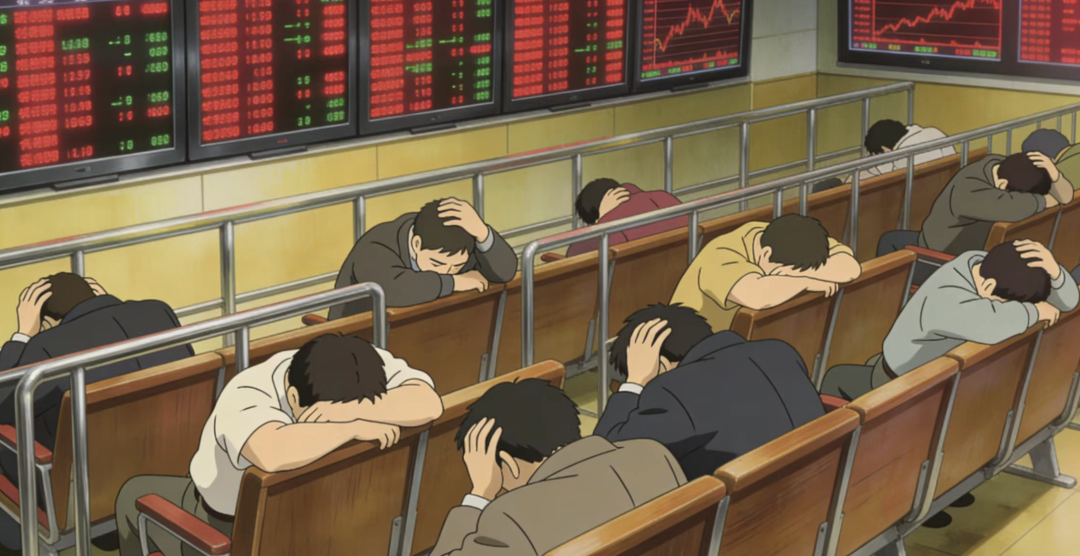
60% of Imported Crude Oil Burned on Wheels—What a Waste
Behind fragile supply channels lie structural flaws in crude oil consumption.
When people discuss China's new energy sector, they often mention "changing lanes to overtake"—bypassing the century-old barriers of fuel vehicles. More importantly, China is replacing oil—highly vulnerable to external environments—with a more self-sufficient and diversified energy source.
Electricity can come from domestic hydropower, photovoltaics, wind power, and coal power, with supply chains and systems firmly in our control, immune to disruptions from overseas conflicts, strait blockades, or international sanctions.
The automotive industry is a major consumer of crude oil and its petrochemical derivatives. Plastic components, synthetic rubber tires, and coatings in traditional fuel vehicles all rely on processed oil products. Vehicle-grade polyethylene imports exceed 30%, and polypropylene imports reach 10%. Crude oil price fluctuations directly impact manufacturing costs. The rise of new energy vehicles not only reduces fuel consumption at the operational end but also indirectly lowers dependence on these petrochemical raw materials.
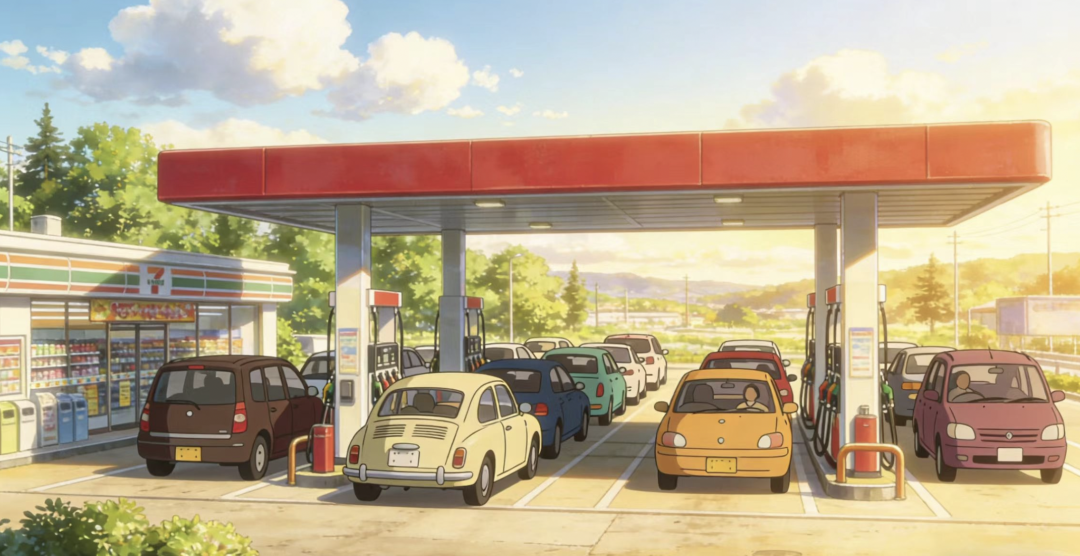
Huasheng realized this in 2019, during the darkest period for China's electric vehicle industry.
At the time, fiscal subsidies sharply declined, and many companies struggled. Japanese and German automakers claimed in local media interviews that new energy vehicles could not survive without subsidies and were merely a capital game without a future. Leading listed companies' stock prices plummeted.
In response, Huasheng interviewed a top-level leader who did not discuss sales or profits but calmly stated: "The outside world views new energy through short-term economic lenses, but at the national level, we calculate energy security."
In his view, transportation consumes 60% of oil, with 70% imported. As long as this structure remains unchanged, any conflict in the Middle East or blockade of the Malacca Strait leaves us vulnerable. Developing new energy means replacing oil with electricity to regain control over transportation energy—a national bottom line with no alternative.
We warned you.
After hearing this, Huasheng gained clarity and continued reporting and commenting to advocate for the industry, writing rebuttals to critics who were short-sighted. Despite immense controversy and skepticism at the time, I remained confident in this judgment.
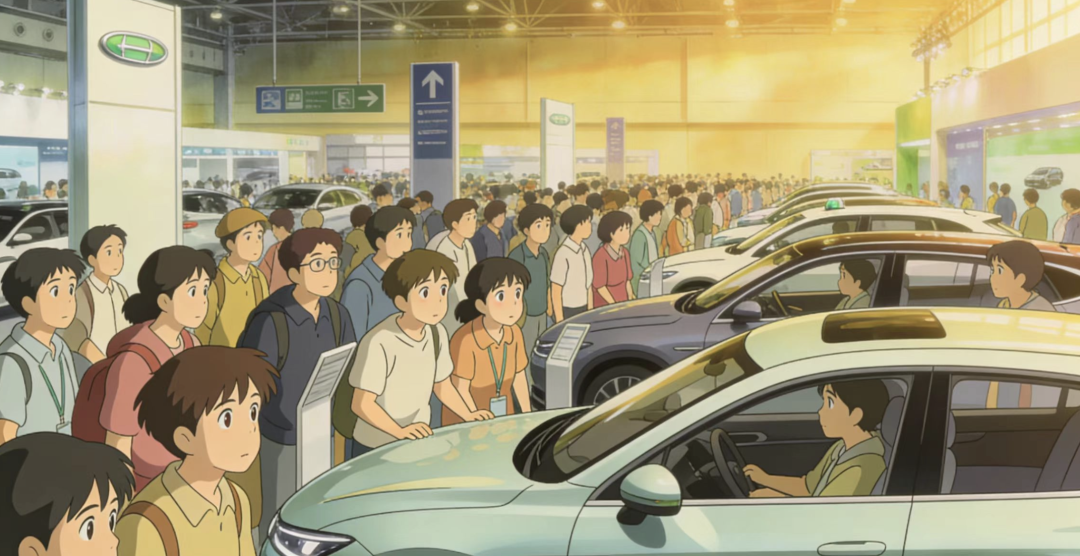
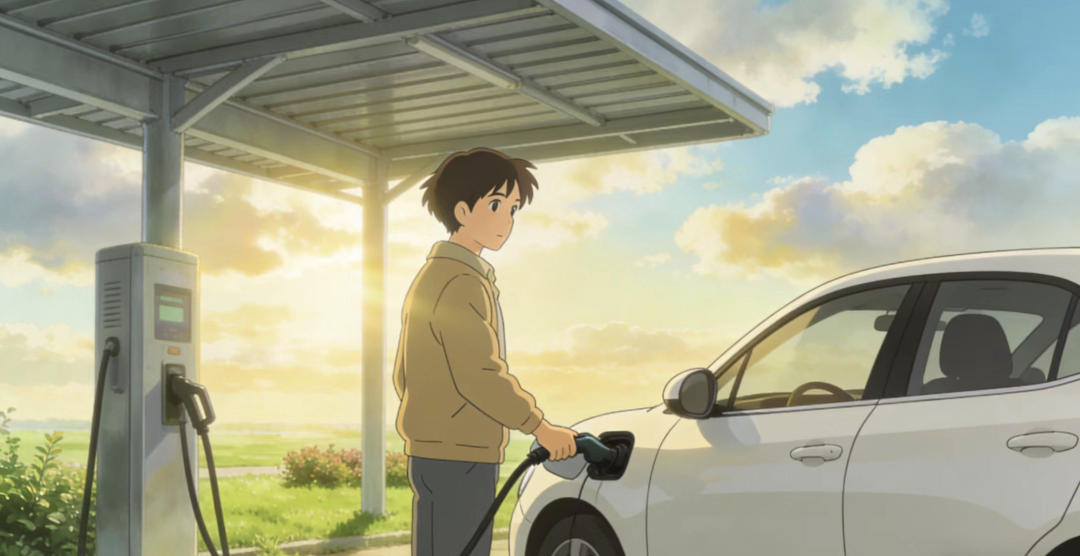
While it seemed overly macro or even distant back then, current data shows that by the end of 2025, China's new energy vehicle fleet exceeded 43 million units, with a penetration rate surpassing 57% in December 2025—the first time fuel vehicles fell below 50% market share.
These vehicles reduce annual crude oil consumption by nearly 90 million tons, equivalent to cutting overseas oil imports by 14%. This is precisely the outcome envisioned by top-level design.
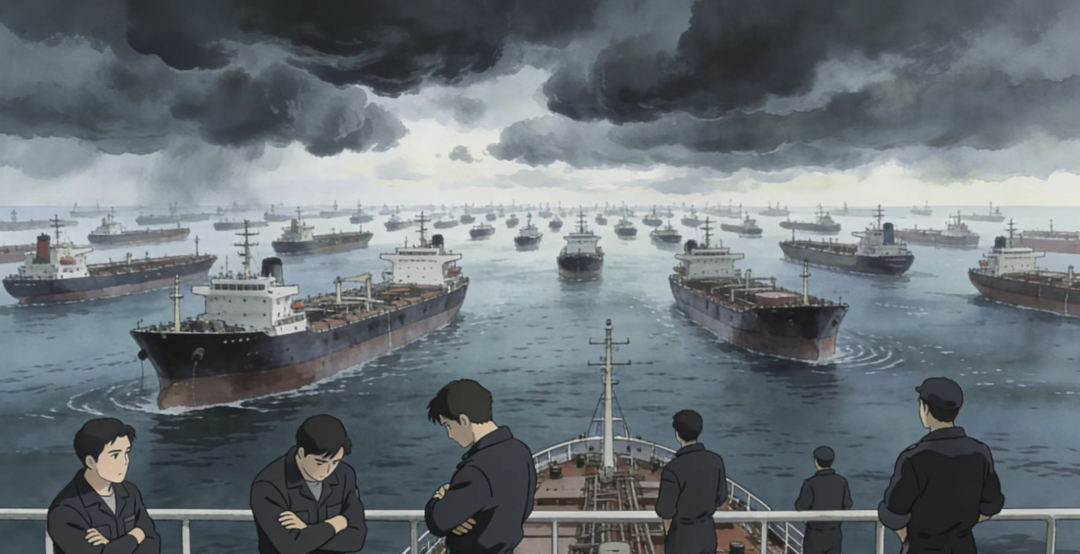
Today, as we witness the closure of the Strait of Hormuz and escalating conflicts in the Middle East, every prediction has been validated by reality.
No matter how fast traditional fuel vehicles develop, China's energy vulnerabilities persist. Burning 60% of imported crude oil on wheels represents massive strategic waste. The rise of new energy vehicles transforms energy demand structures, freeing transportation lifelines from uncertain risks thousands of miles away.
Looking further ahead, energy substitution will not stop at electric vehicles. Clean fuels like methanol and methanol-to-hydrogen, which can directly replace oil, are also vital directions for safeguarding energy security.
China's New Energy Push: A Multi-Generational Strategic Layout
China's anxiety and foresight about energy security began over three decades ago.
In the early 1990s, Qian Xuesen proposed that electric vehicles represented the core direction for China's future transportation and a key path to reducing national oil dependence and strengthening energy defenses.
At a time when fuel vehicles dominated, cars were rare, and China's automotive industry urgently needed to catch up, this judgment was highly forward-looking and set the original tone for decades of energy and industrial strategy.
Qian's vision was elevated to the national strategic level by the Ministry of Science and Technology in the early 2000s, becoming actionable research plans.
In 2001, the national 863 Program listed electric vehicles as a major initiative. Wan Gang, then chief scientist of the program, established a three-vertical-three-horizontal technical framework amid the entrenched barriers of the fuel vehicle supply chain: parallel development of pure electric, hybrid, and fuel cell vehicles, supported by coordinated advancements in batteries, motors, and electronic controls.
He frequently mentioned experiencing societal turmoil from oil crises abroad and prioritized national energy security when promoting new energy in China. Environmental protection and industrial upgrading followed from this foundation.

After establishing the technical framework, China began breaking ground through demonstration applications, using policies to drive market growth from scratch.
Once top leaders committed, decision-makers across departments—from the Ministry of Science and Technology's technical foresight to the Ministry of Industry and Information Technology's industrial implementation—continuously advanced this niche yet visionary field despite pressure and skepticism, turning it into a critical pillar of national energy security today. This was no easy feat.
In 2010, China launched pilot subsidies for private new energy vehicle purchases, with maximum subsidies of 60,000 yuan for pure electric passenger vehicles. That same year, the "Ten Cities, Thousand Vehicles" demonstration program rolled out nationwide, promoting new energy buses, taxis, and official vehicles in 25 cities.

At the time, China's annual new energy vehicle production and sales were below 10,000 units, with high battery costs, short ranges, and nearly nonexistent charging infrastructure. The policy's core goal was to transition this new technology from labs to real-world scenarios, gradually accumulating operational experience.
They faced not only technical challenges but also market confusion and public criticism.
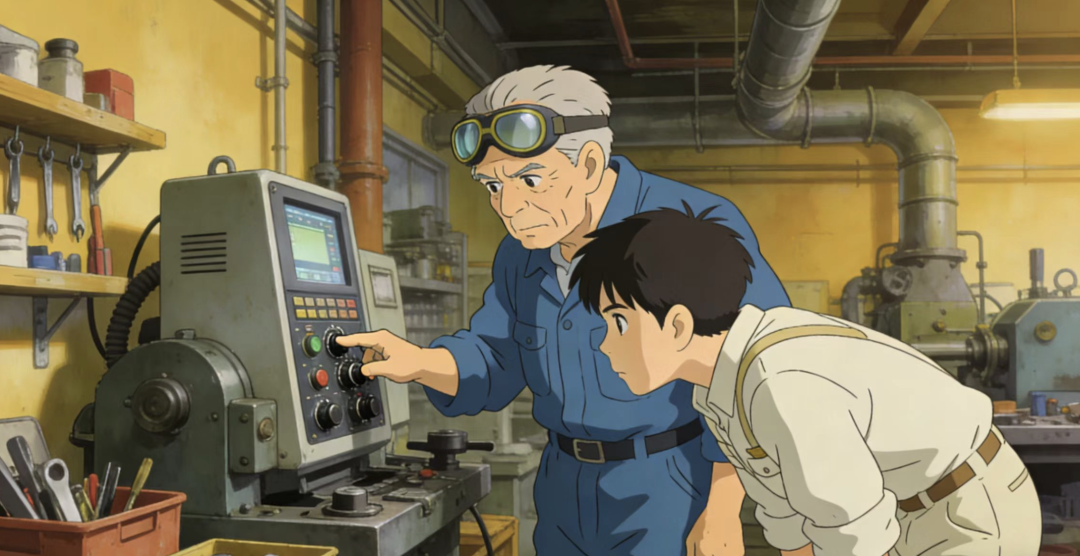
Critics argued that fiscal subsidies bred complacency, battery technology was immature, and allowing Tesla into China invited competition. Yet policymakers remained anchored to energy security, countering short-term impulses with long-term thinking.
In 2013, subsidy phase-out mechanisms were introduced, and by 2020, subsidies fully exited, shifting to market-based mechanisms like "dual credits." Today, electric vehicles achieve price parity with fuel vehicles, and consumers voluntarily choose them. Every adjustment aligned with industrial development stages while upholding strategic direction.
Miao Wei, then Minister of Industry and Information Technology, maintained this course during the industry's toughest phases. He repeatedly stated internally and publicly that traditional fuel vehicles had developed over a century, with solidify (solidified) patents and supply chains, making true breakthroughs impossible for China's automotive industry on the existing track. New energy represented not just an industrial opportunity but the only path to improving national energy structures and reducing external dependence.

There are also entrepreneurs and employees who have navigated uncharted waters, unswayed by cynicism, and have carved out a path for themselves. They have made Chinese electric vehicles (EVs) as affordable as fuel-powered vehicles and even significantly competitive on a global scale. Additionally, an increasing number of consumers have contributed to the widespread adoption of EVs with their real money.
At this moment, everyone deserves the applause they have earned.

The self-reliance of the new energy industry chain essentially means securing energy safety, manufacturing safety, and supply chain safety in our own hands.
Today, China has developed a complete industry chain, ranging from upstream lithium, cobalt, and nickel resources, midstream battery, motor, and electronic control systems, to downstream vehicle manufacturing. This comprehensive advantage makes us more resilient in the face of geopolitical conflicts compared to relying on a single energy import.
Great power strategies do not seek short-term gains but long-term success.
By Li Xiyin · Huasheng
-
![]()
Buying Jimeng and Getting Doubao for Free? Decoding the Pricing Strategy of ByteDance's AI Services
-
![]()
Robot Sets New Human Record in Half Marathon: Honor’s AI Ecosystem Strategy Hits Milestone
-
![]()
Who are the key players in the WiFi6 chip market, both visible and behind the scenes?
-
![]()
Doubao to Start Charging: Without Transparent Pricing, How Can There Be Competition?
-
![]()
What is the recovery timeline for Microsoft after the breakup?
-
![]()
Who is Most Panicked by Doubao's Charging Model?
-
![]()
OpenAI Surprises Apple: Doubao Phone Emerges as the 'Trailblazer'
-
![]()
There's No Such Thing as a Truly Free Doubao