MWC Unveils the Second Half of the Automotive Industry! Chips, AI, and Communication Become Core Sectors
 03/04 2026
 621
621
Communication and AI have become the new cornerstones of automotive technology.
On March 2 (local time), MWC2026 opened in Barcelona, Spain. As the world's largest and most influential mobile communications industry exhibition, it has long served as a bellwether for global technology and communications.
Traditionally, MWC has been dominated by communications, smartphones, and consumer electronics. However, amid the wave of automotive intelligence, vehicles are no longer isolated transportation tools but have evolved into mobile smart terminals heavily reliant on communication capabilities. Vehicle-device connectivity, smart cockpits, Internet of Vehicles (IoV), and advanced intelligent driving—all rely on underlying communication technology.
At MWC2026, the Leikeji reporting team observed that Xiaomi Automobile made its debut with the Vision Gran Turismo concept car, quickly drawing large crowds of onlookers and photographers.
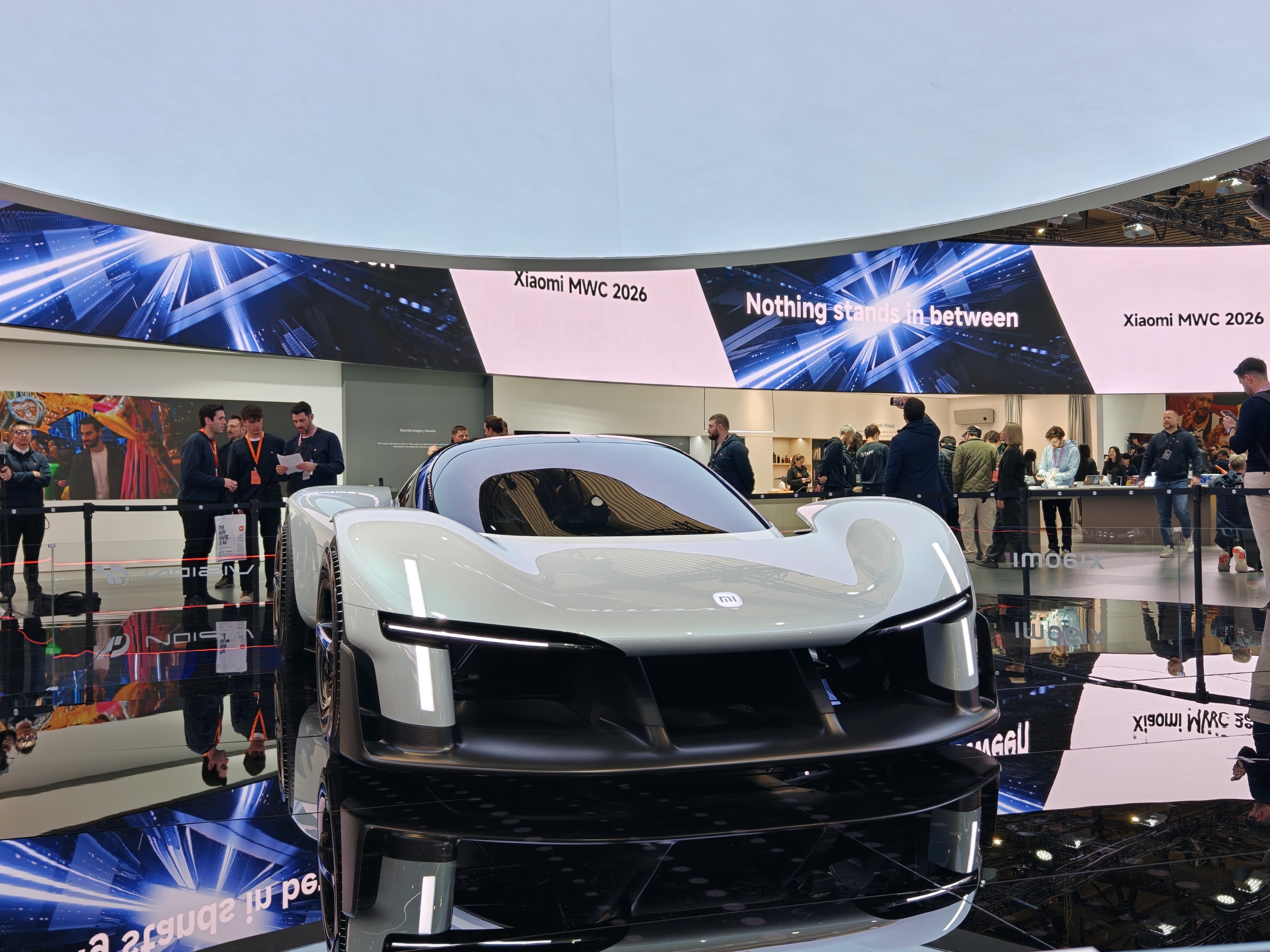
Image Source: On-site photography by Leikeji/Dianchetong
Of course, MWC2026 featured far more than just Xiaomi. Tech firms like MediaTek and LG also showcased their strengths, presenting innovations in in-vehicle communication, smart cockpits, AI connectivity, and in-vehicle displays, among other areas.
Satellite Communication in Vehicles: Keeping Cars "Always Online"!
As a leading global chip manufacturer, MediaTek unveiled several major in-vehicle advancements at MWC2026, including a new in-vehicle communication chipset and the Dimensity Automotive Cockpit Platform based on a 3nm process. The most surprising reveal, however, was the world's first demonstration of an in-vehicle 5G NR NTN satellite video calling solution.
For a long time, in-vehicle communication has primarily relied on terrestrial cellular networks. Once vehicles enter remote mountainous areas, deserts, or other signal-dead zones, they lose all connectivity, rendering navigation and entertainment functions useless and even compromising emergency rescue capabilities. Currently, only a few high-end models, such as the Yangwang U8, Zunjie S800, and Wenjie M9, are equipped with satellite communication.
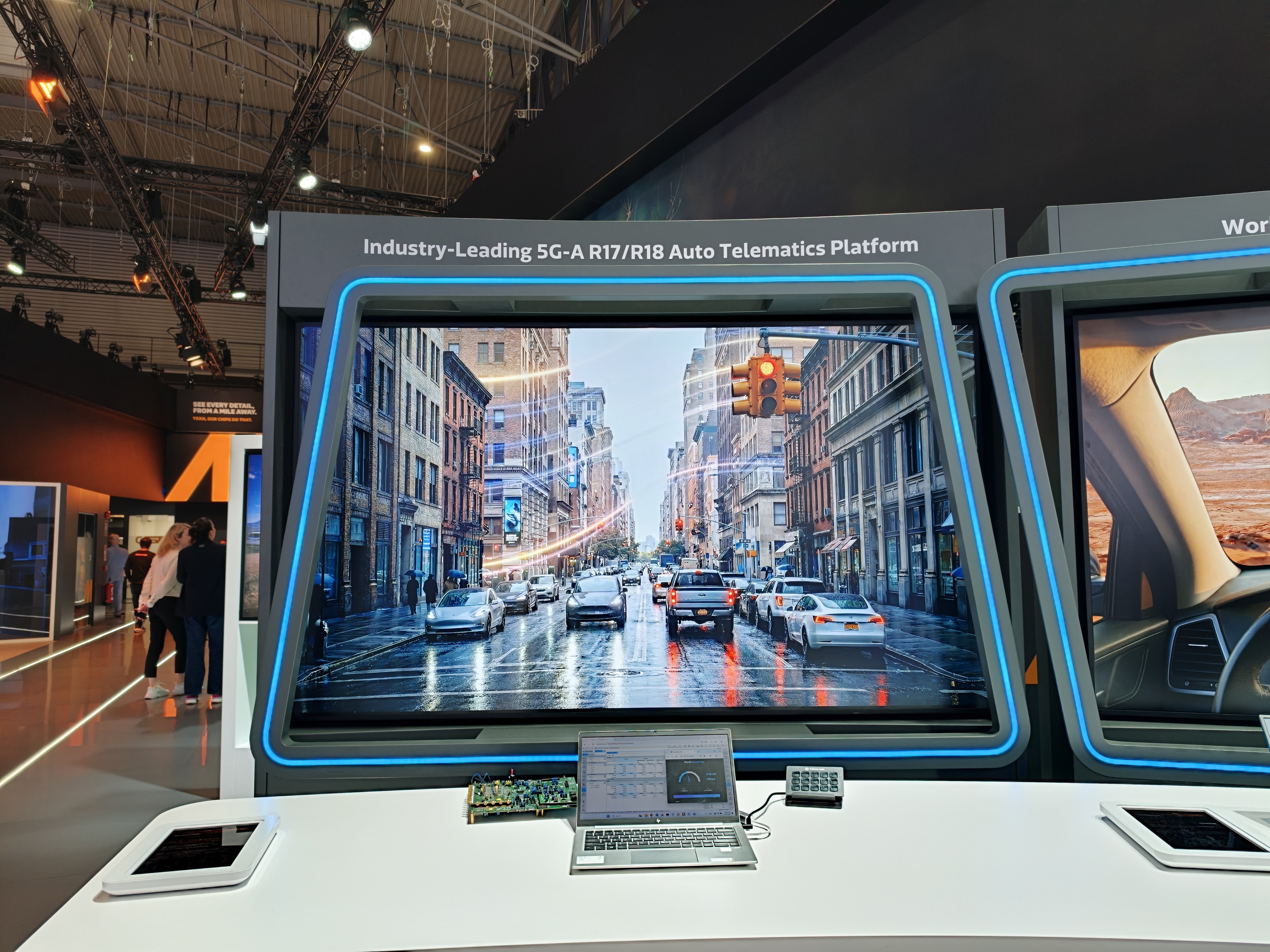
Image Source: On-site photography by Leikeji/Dianchetong
MediaTek's NR NTN technology breaks through the coverage limitations of traditional terrestrial networks, providing high-speed satellite communication capabilities for video streaming, app usage, and internet access.
However, when we inquired with on-site staff about the advantages of this technology, they did not provide a clear answer regarding its cost, possibly due to commercial confidentiality.
Satellite communication is already being applied in the automotive sector. Once the cost of this technology decreases, it is likely that satellite communication will no longer be exclusive to high-end models and could even become a fundamental capability of smart vehicles.
More critically, stable and uninterrupted satellite communication provides a more reliable underlying foundation for functions with high network continuity requirements, such as autonomous driving, remote vehicle control, and high-definition map updates.
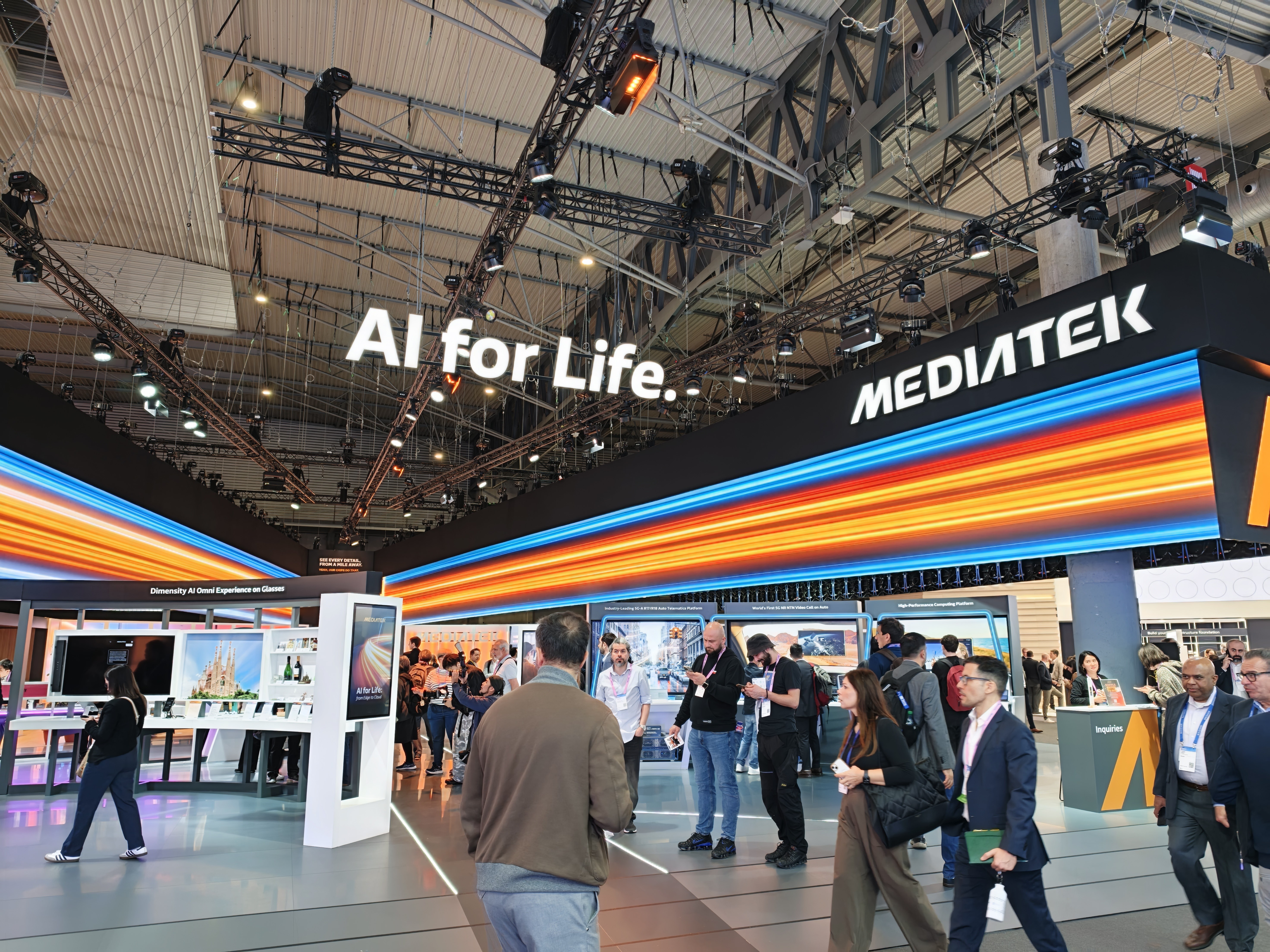
Image Source: On-site photography by Leikeji/Dianchetong
However, for satellite communication to truly be integrated into vehicles, chips and solutions alone are not enough—they must pass stringent automotive-grade testing.
Testing and measurement firm Rohde & Schwarz (R&S) introduced a targeted NTN in-vehicle network and Hybrid eCall testing solution. On one hand, it comprehensively verifies the performance of 5G+satellite communication, including signal strength, latency, and anti-interference capabilities, to ensure no dropouts. On the other hand, it integrates terrestrial and satellite networks to enable automatic emergency rescue in signal-dead zones, potentially saving lives in critical moments.
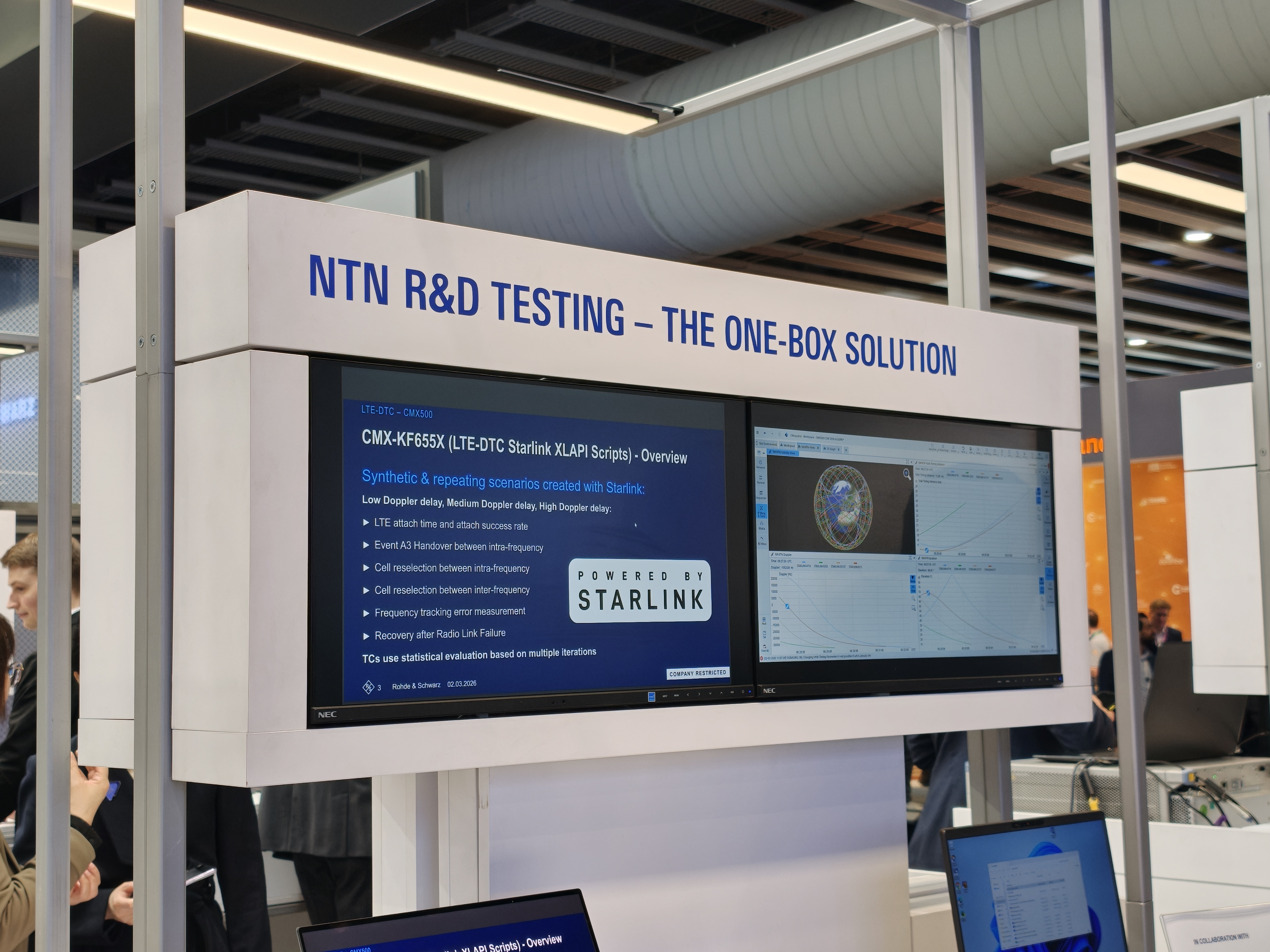
Image Source: On-site photography by Leikeji/Dianchetong
From Dianchetong's perspective, most users do not need satellite internet for daily commuting or urban driving, and many may even view it as a mere "gimmick" for high-end vehicles. However, functions that are rarely used in everyday scenarios but can be lifesaving in critical moments demand the utmost rigor.
In-vehicle connectivity and emergency calling directly relate to driving safety and must undergo stringent automotive-grade testing before they can be trusted for widespread use.
L4 Autonomous Driving and 5G IoV Are Here
Communication is the soul of MWC, and intelligence is its core driving force, especially in the automotive sector, where the depth and breadth of intelligence are shaping the industry's future.
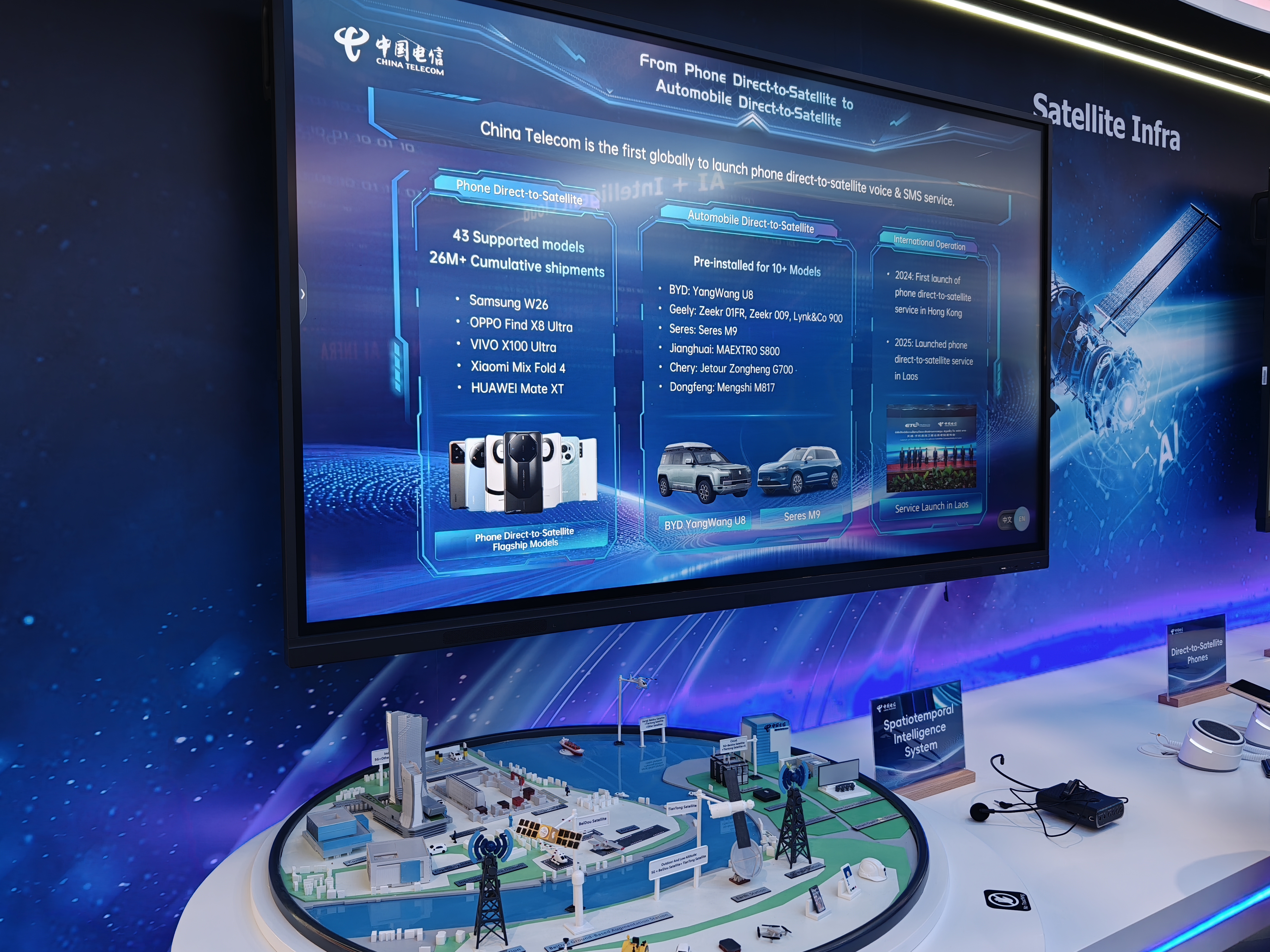
Image Source: On-site photography by Leikeji/Dianchetong
Huawei continues to deepen its expertise in intelligent networking, intelligent driving, and cloud computing. During MWC2026, it released the Agentic Core solution, providing next-generation intelligent network support for scenarios such as autonomous driving and vehicle-infrastructure collaboration, making the entire connectivity system more efficient and intelligent.
In simple terms, this technology makes the network connecting various hardware components smarter and more capable.
According to Huawei, leveraging three core capabilities—network element intelligence, network intelligence, and service intelligence—Agentic Core addresses the challenges of device proliferation, surging data traffic, and differentiated service demands in the AI era. It also helps operators explore new opportunities and enables the large-scale deployment of intelligent devices.
Unfortunately, Huawei's related exhibits were located in a non-public area requiring special access, preventing on-site evaluation of the latest technology.
If Huawei is paving the way for smart vehicles from the underlying network perspective, then KDDI is focusing more on real-world implementation.
As Japan's second-largest telecom operator, KDDI showcased an actual L4 autonomous driving vehicle, allowing attendees to experience safety features such as intelligent camera-based detection of sudden illnesses. It also demonstrated a remote monitoring system to ensure the safety of autonomous vehicle research and testing. Officials stated that the optimized intelligent model significantly enhances the driving experience, safety, and personalized services.
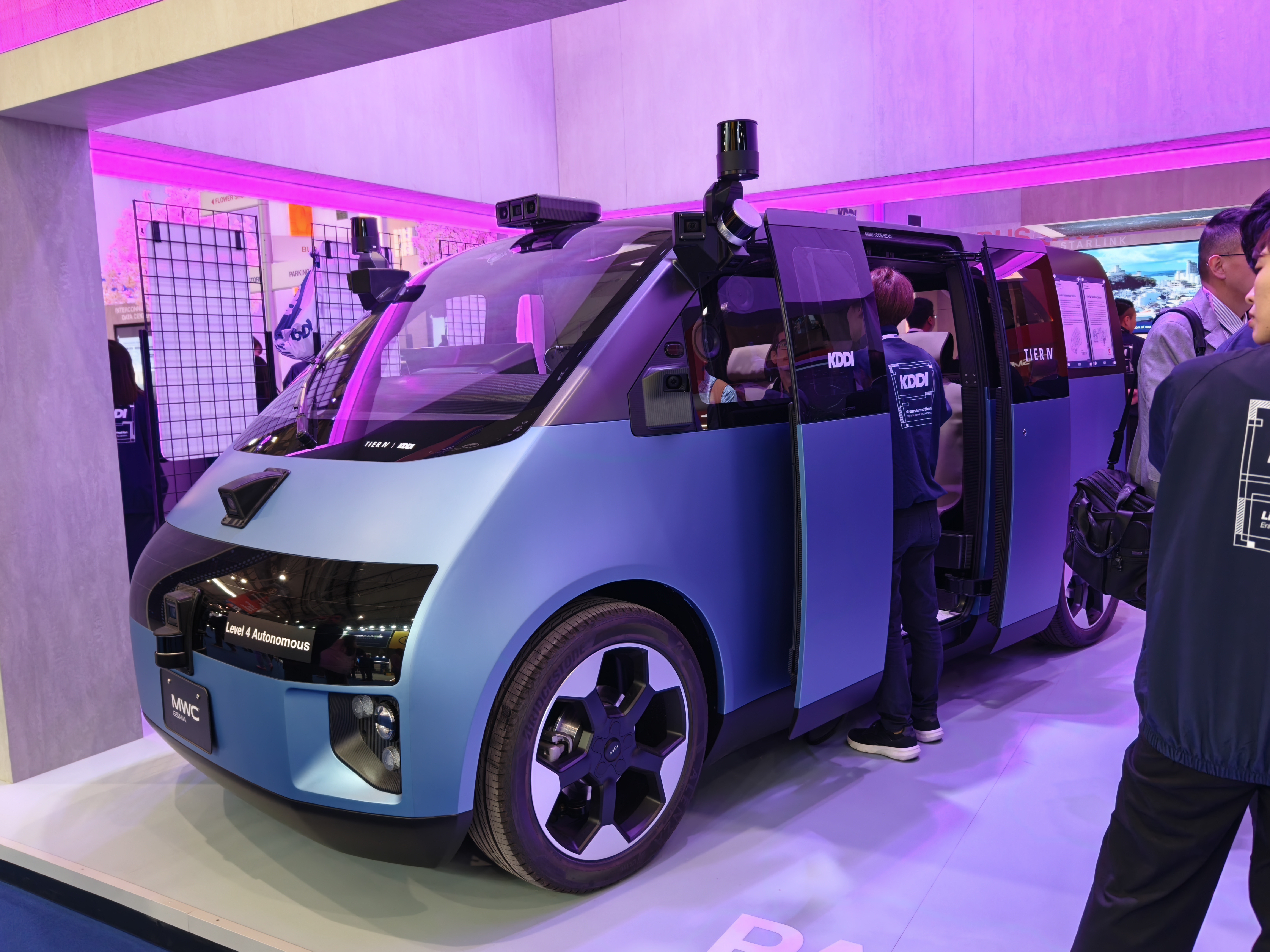
Image Source: On-site photography by Leikeji/Dianchetong
WINDRIVER, a subsidiary of Aptiv, also exhibited a Ford Mustang Mach-E at MWC2026 to demonstrate the capabilities of next-generation 5G-connected vehicles. Interestingly, to ensure the vehicle's communication and sensing capabilities, a camera-like module was placed at the logo position.
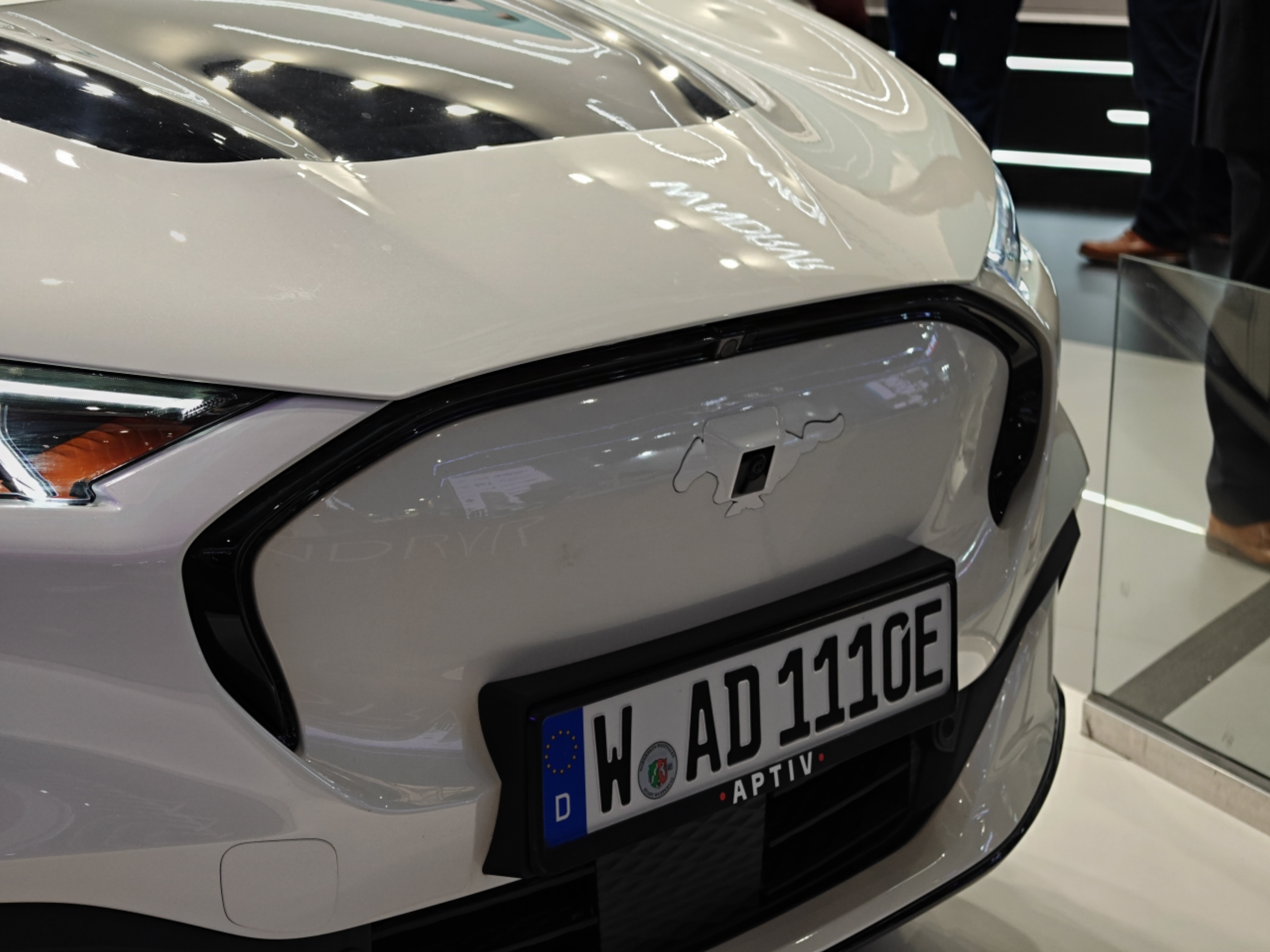
Image Source: On-site photography by Leikeji/Dianchetong
In the smart cockpit and in-vehicle communication sectors, LG is also a major player.
LG has deep expertise in automotive electronics, with strong accumulations in cockpit interaction, IoV, and hardware-software integration. At MWC2026, LG unveiled a new-generation smart in-vehicle information service solution, highly integrating a multi-mode antenna supporting 5G, GPS, V2X, and satellite communication with a TCU unit, significantly improving system efficiency and providing automakers with a simpler and more reliable in-vehicle communication solution.
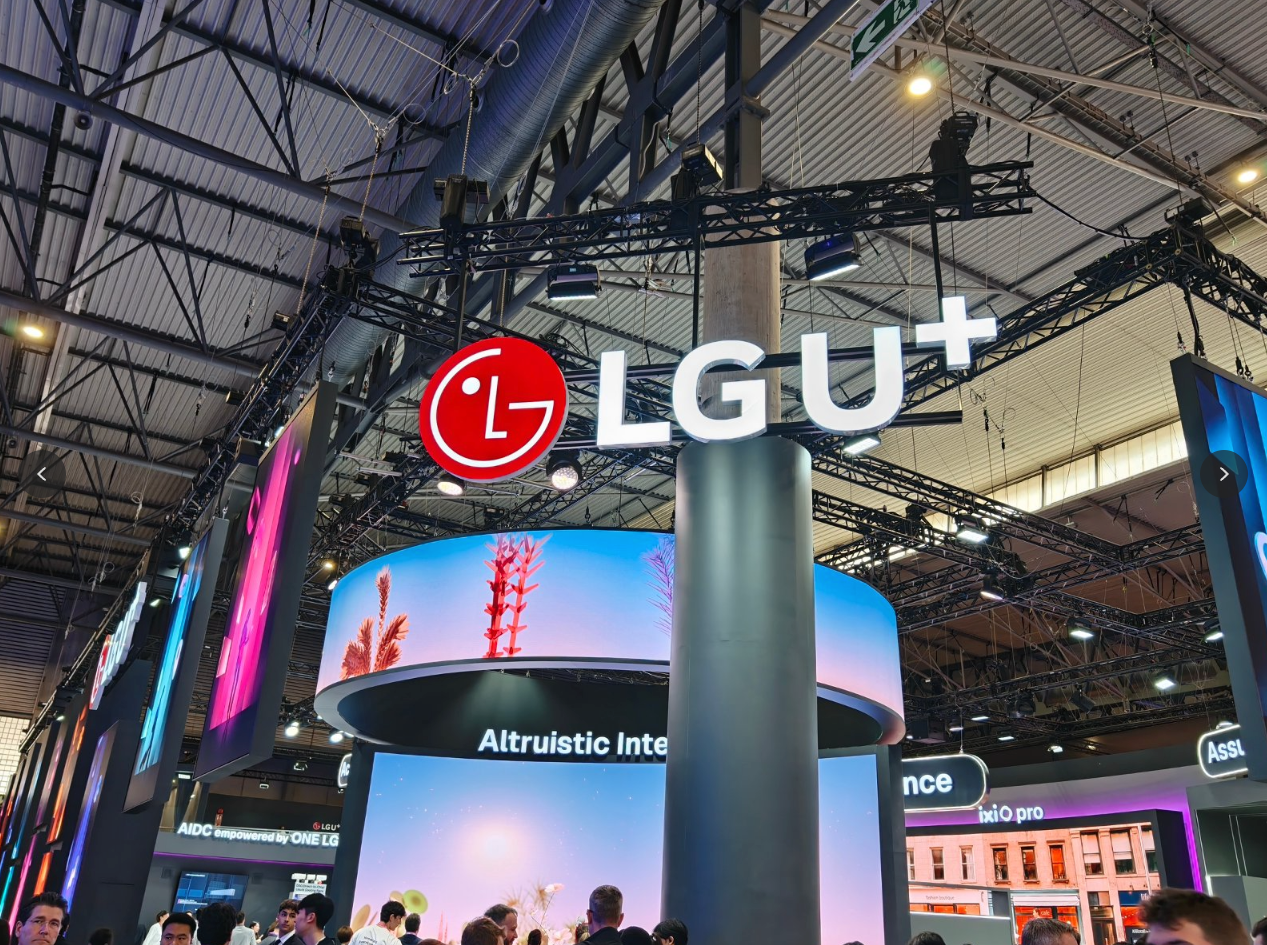
Image Source: On-site photography by Leikeji/Dianchetong
While tech firms are not building cars themselves, the automotive industry is no longer won solely by engines and chassis. Communication, networking, AI, and in-vehicle electronics are becoming the true core factors determining a vehicle's usability, safety, and intelligence.
In-Vehicle Hardware Is Not Absent: Visual and Auditory Upgrades
As communication and AI push the smart cockpit into the spotlight, in-vehicle displays—one of the most critical hardware components in the cockpit—have become a battleground for tech firms.
Dianchetong noticed on-site that TCL CSOT brought its Super Pixel and printed OLED technologies to MWC2026, with printed OLED explicitly targeting mid-size in-vehicle displays as a key industrialization direction.
This technology employs inkjet printing processes, offering advantages such as lower costs, eco-friendliness, and high material utilization, making it suitable for large-scale production of in-vehicle screens. Additionally, the Real Stripe RGB pixel arrangement delivers more stable colors and purer images, performing reliably under harsh automotive-grade conditions such as strong light and prolonged operation, perfectly meeting the demands of smart cockpits.
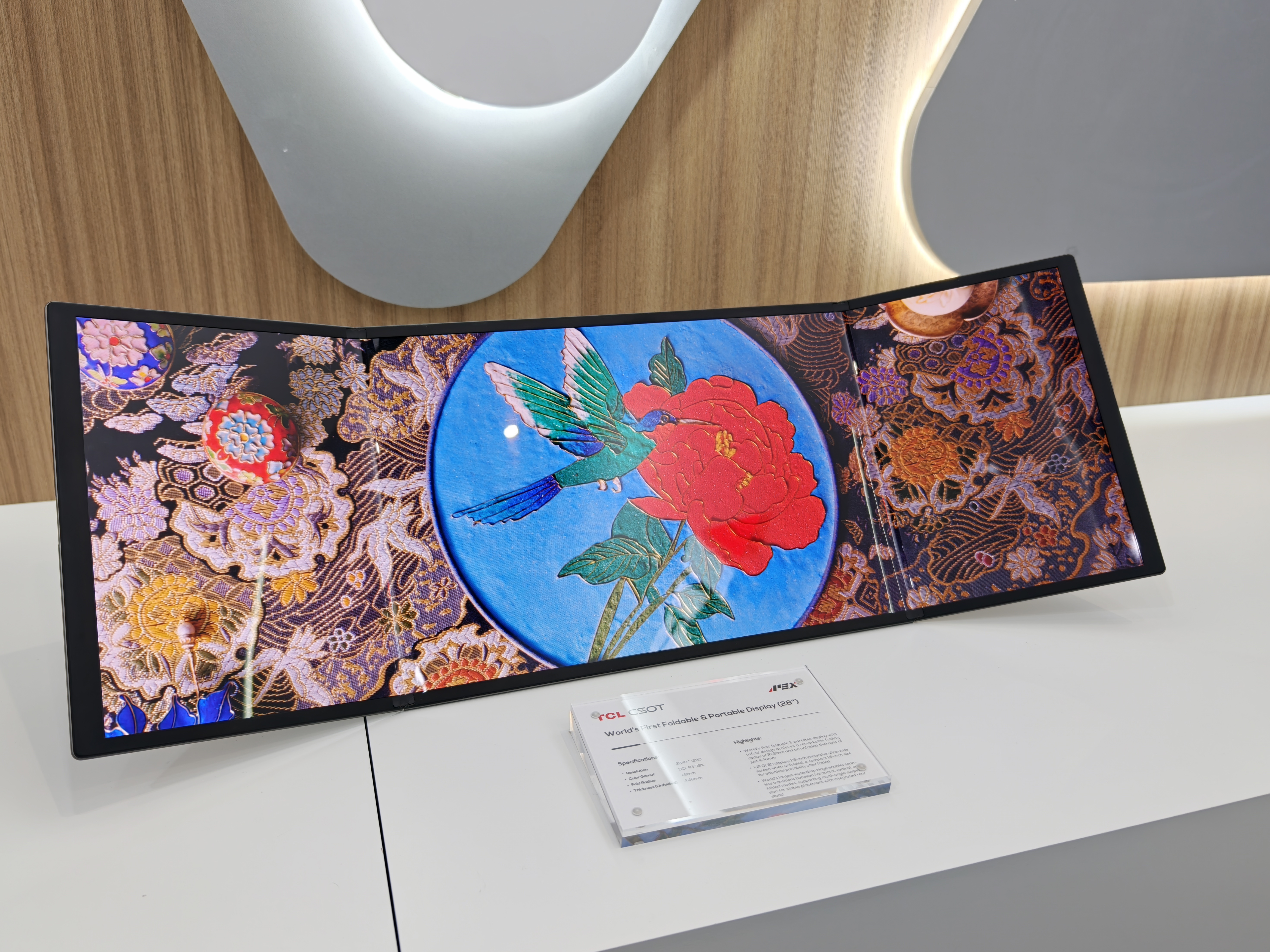
Image Source: On-site photography by Leikeji/Dianchetong
Of course, enhancing the smart cockpit experience goes beyond just visual upgrades. Exceptional in-car audio can make the cockpit more inviting and immersive, serving as a key differentiator.
At the Harman Automotive booth, a BMW X5 exhibit caught Dianchetong's attention, showcasing the Harman Embedded Audio (HEA) integrated hardware-software audio solution and intuitive (zhíguān, meaning "intuitively") demonstrating its strong capabilities in creating a premium cockpit auditory experience.
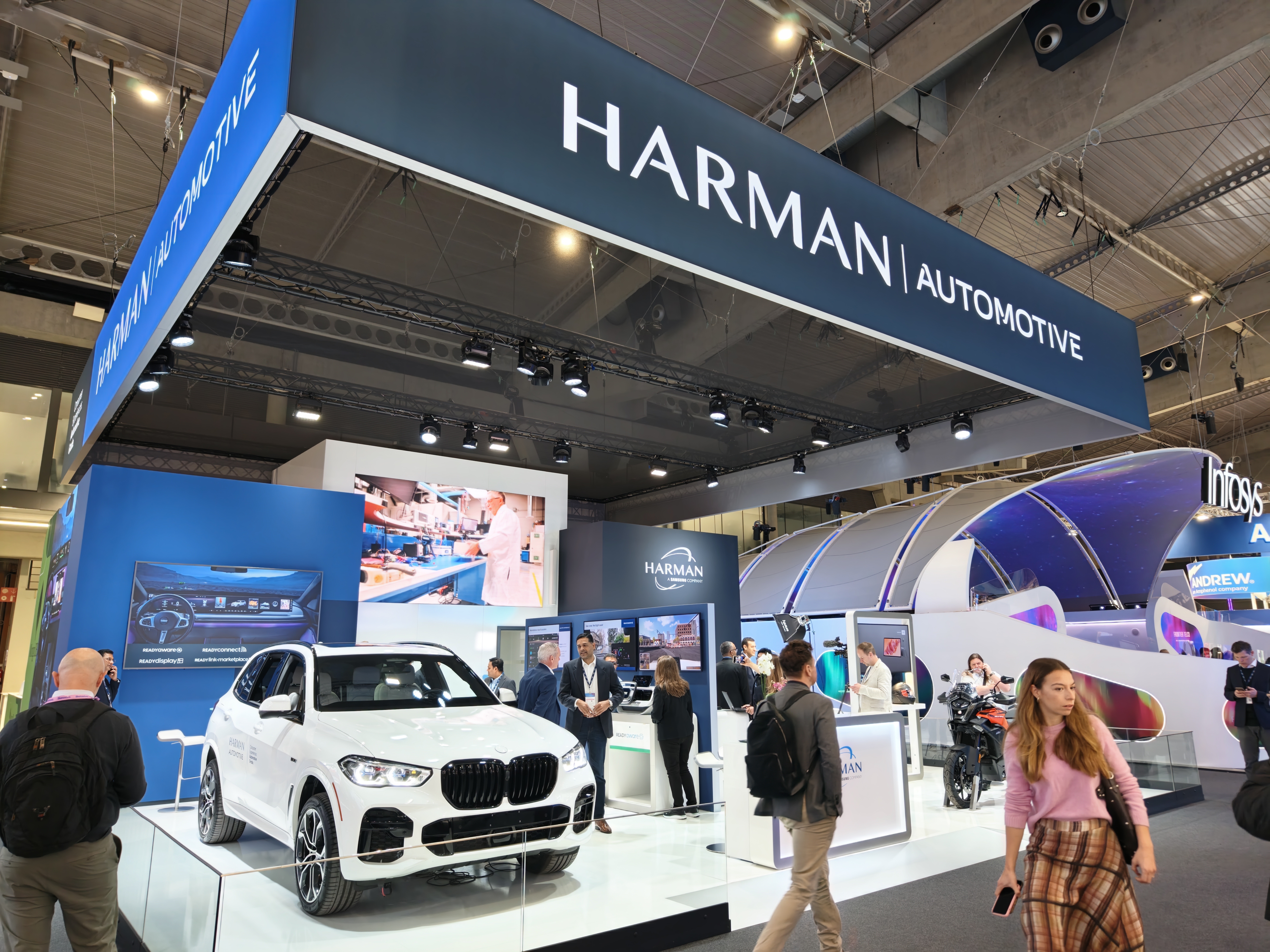
Image Source: On-site photography by Leikeji/Dianchetong
The Future Is About Ecosystems, Not Just Cars
While MWC is still widely regarded as a communications industry event, smart vehicles have quietly become a central battleground.
Reviewing the various cutting-edge technologies mentioned earlier, it is clear that in core areas such as smart cockpits, in-vehicle chips, AI connectivity, and omni-connectivity, tech firms have transitioned from supporting roles to leading ones, defining standards, exporting technologies, and shaping experiences.
Higher-performance, lower-power in-vehicle chips, smoother on-device AI, and clearer, more reliable in-vehicle displays are the weapons in the future competition for smart vehicles.
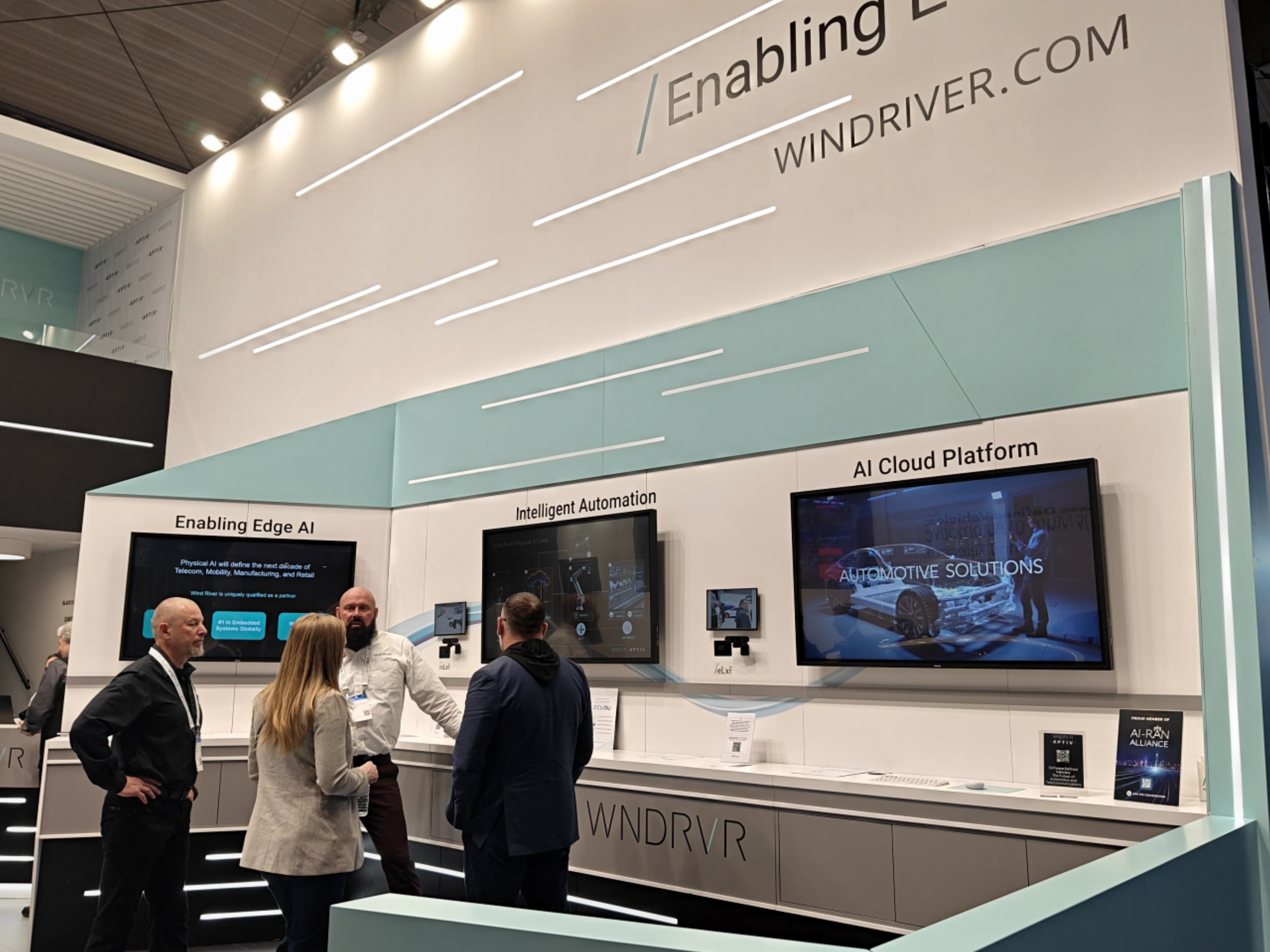
Image Source: On-site photography by Leikeji/Dianchetong
Dianchetong also observed that the focus of the smart automotive industry is shifting.
Over the past five years, automakers have competed on electrification, range, and fast charging. Now, as the industry enters its next phase, smart cockpits and driver-assistance systems are no longer sufficient to differentiate competitors. The true deciding factors are whether a vehicle can continuously evolve, stay connected in all scenarios, and achieve interconnectedness with everything.
In short, future smart vehicles will no longer compete on screen quantity but on display quality, computing power, and AI intelligence, requiring stronger collaboration between automakers and tech firms.
Additionally, CircuitX, which debuted before the event, is also worth noting. This innovative project focusing on mobile technology and motorsports, in collaboration with Ericsson, demonstrated scenarios such as remote driving, real-time telemetry, drone security, and AR/VR spectating, proving how connected technologies can reshape mobility and motorsports through real-world experiences.
Vehicles are no longer traditional mechanical products but intelligent terminals on wheels and AI devices on the move. This demands greater collaboration from automakers and requires the supply chain to transform promptly and enter key sectors early to maintain stability in the new wave of industrial change.
Throughout MWC2026, the clearest answer has emerged: the era of technology defining automobiles is upon us.
(Cover image source: On-site photography by Leikeji/Dianchetong)
MWC2026, Xiaomi, Huawei, AI, Automotive, Smart Vehicles, New Energy
Source: Leikeji
Images in this article are from 123RF Royalty-Free Image Library
-
![]()
Can Leapmotor's New C-Series Take the Lead in Its Family Lineup?
-
![]()
Multimodal AI Model Revolutionizes Audio-Visual Perception in Steelmaking Safety: Hikvision and Nanjing Iron and Steel Forge New Pathways
-
![]()
Can Chinese Automakers Pose Such Fierce Competition? Mercedes-Benz Cancels Year-End Bonuses for 90,000 Staff, Volkswagen to Lay Off 100,000 Employees...
-
![]()
Anhui and Zhejiang Vie for the Crown in New Energy Vehicle Dominance: Who Will Prevail?
-
![]()
Tmall 618 Rankings Unveil Trends Transforming the Home Appliance Industry
-
![]()
This Week in Home Appliances: Overseas Boom! Midea, TCL, Dreame Break Through; Casarte, Fotile, Gree, Hisense, Ronshen Lay Foundations
-
![]()
Aiming to Be the Alphard of the Electric Era! After D99's Launch, Leapmotor Will Release All-New Technologies to Pave the Way for a High-End Brand | Mirrormedia Pro
-
![]()
Over 5,200 Orders Placed on First Day: Can the Qijing GT7, Priced from 209,900 Yuan, Compete with the Z7 and SU7? | Mingjing Pro