Price Reductions as a Counterattack: Why Are Joint Venture Cars Ceding More Market Share?
 03/04 2026
 574
574
Sanduoduo Studio
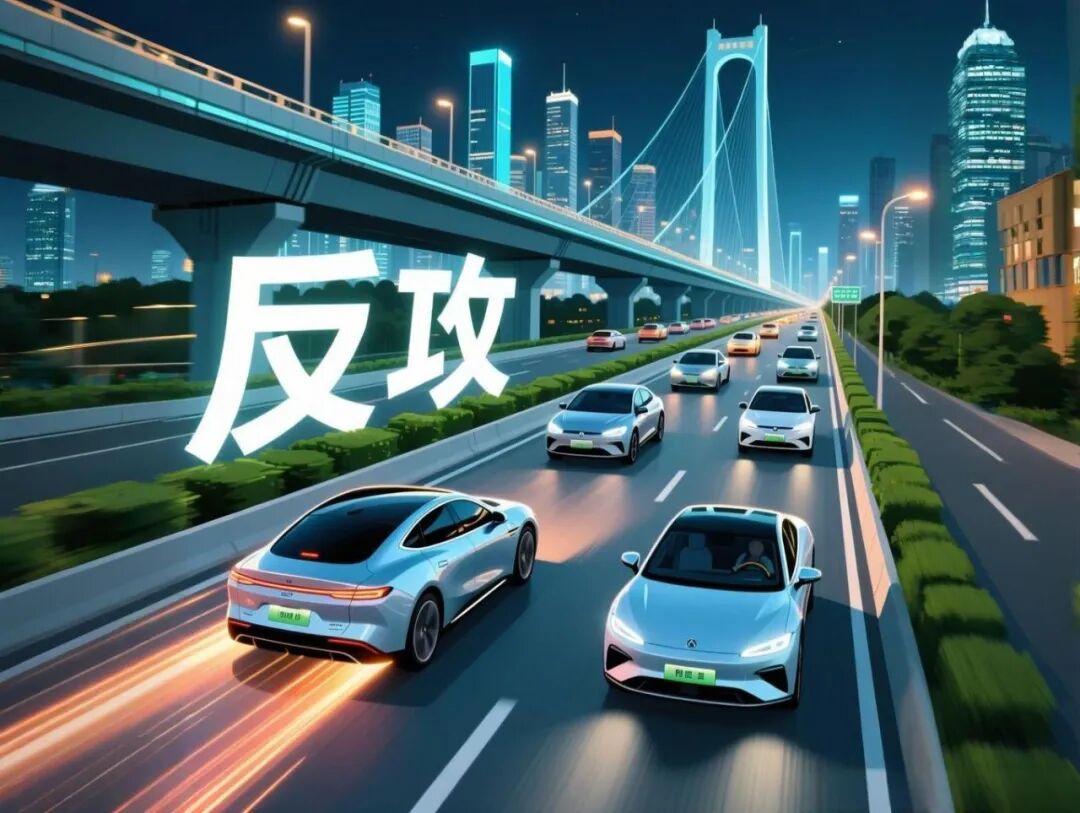
The phrase "joint venture counterattack" has grown stale for many observers.
Rough estimates suggest that since independent brands began making significant strides in the new energy vehicle (NEV) market in 2020, joint venture brands have been rallying under the banner of a counterattack. Initially, their main goal was to catch up with independent brands in the NEV sector.
Five to six years have elapsed, and the focus of joint venture brands' counterattack has gradually shifted from chasing after the NEV market to defending their share in the traditional fuel vehicle market. Passive joint venture brands now find themselves ensnared in a vicious cycle: the more they counterattack, the more their market share dwindles.
Data indicates that in 2020, joint venture brands commanded a 64.3% share of the domestic passenger vehicle market, while independent brands held only 35.7%. By 2025, independent brands' market share had surged to 64.6%, whereas joint venture brands' share had plummeted to 35.4%.
Judging solely by these figures, the counterattack launched by joint venture brands appears to have been a complete failure.
Many Chinese people are elated by this outcome, as if joint venture brands will never recover and the future Chinese market will inevitably belong to independent brands.
But the reality may not be so black and white!
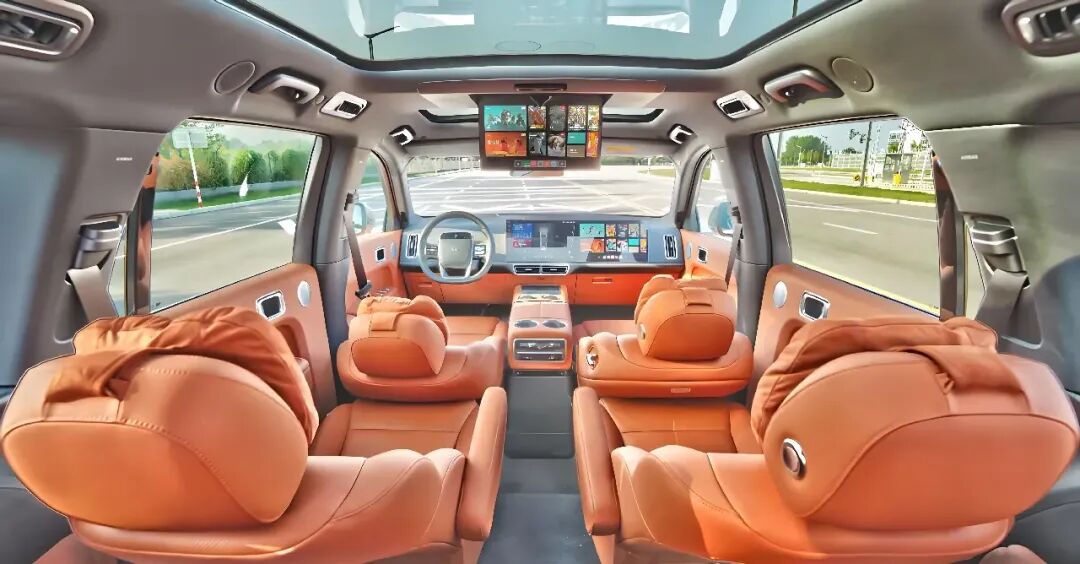
On the one hand, the ascent of independent brands in the NEV market is a combined result of national subsidies, intelligent features, and rapid product iteration. On the other hand, joint venture brands have gradually caught up in the NEV market and have been compelled to implement significant price reductions in the fuel vehicle market.
With the decline of NEV subsidies, severe homogenization of intelligent features, and substantial price cuts for joint venture fuel vehicles, the automotive market is witnessing a weakening trend for independent brands and an increasing competitiveness of joint venture brands.
Although the outcome of this price reduction counterattack remains to be seen, it is certain that joint venture brands are feeling more confident!
1
Seizing Subsidy Opportunities: The Ascent of Independent New Energy Vehicles
Examining the development of independent brands in recent years, electrification and intelligence have emerged as two unavoidable topics. From a macro perspective, the rise of independent brands is primarily attributed to the automotive industry's shift towards intelligence and electrification.
Compared to traditional fuel vehicles, NEVs equipped with intelligent cockpits and intelligent driving systems offer a brand-new driving experience. The seamless operation achievable through voice commands on the central control screen and the advanced driver-assistance systems that significantly reduce driving fatigue have propelled the automotive market from "feature phones" to "smartphones." This has greatly appealed to trendy young consumers.
In addition to the allure of intelligence, NEV subsidies have also played a crucial role in accelerating the rise of independent brands.
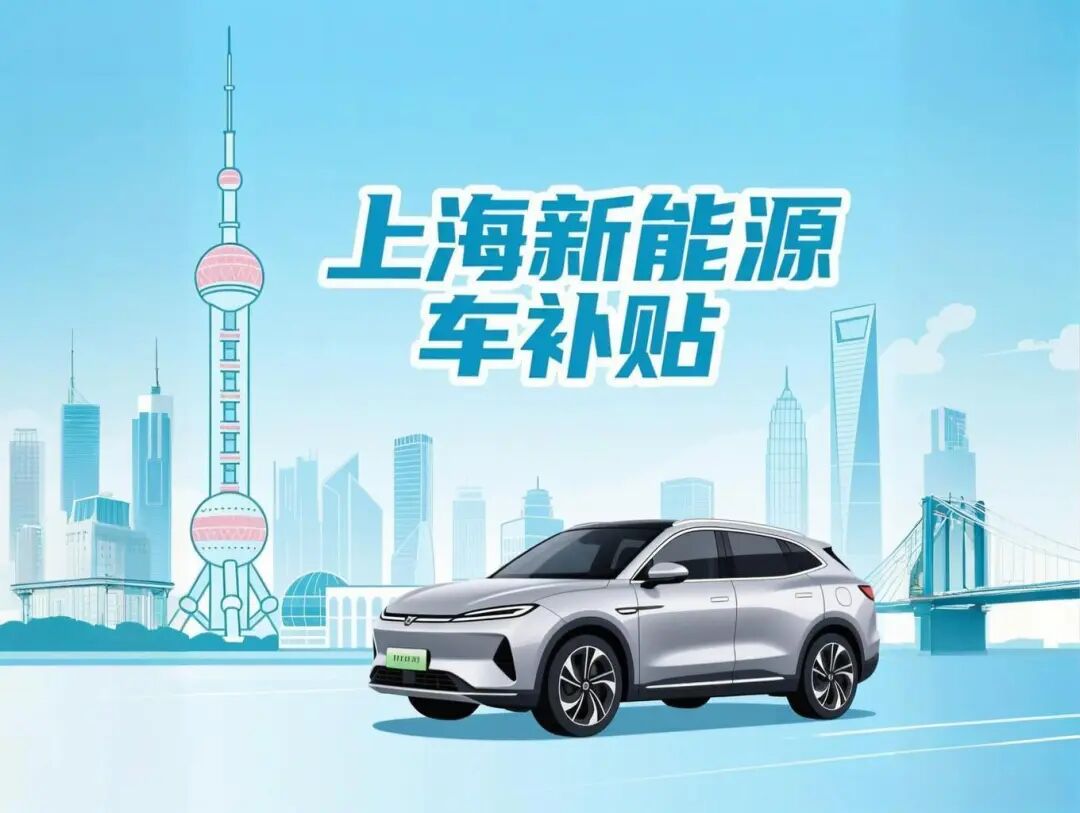
Frankly speaking, policy subsidies have been a significant driving force behind the development of the NEV industry. Throughout its history, the NEV industry has benefited not only from national and local subsidies and purchase tax exemptions but also from various policy supports targeting NEVs. Obtaining an NEV license plate is easier in Beijing, while purchasing an NEV in Shanghai grants a free license plate worth nearly 100,000 yuan. Moreover, to this day, NEVs do not incur road maintenance fees.
From a consumer's perspective, the most tangible manifestation of policy support is cost savings. For a model priced at 100,000 yuan, an NEV, enjoying purchase tax exemptions, can be nearly 5,000 yuan cheaper than a fuel vehicle in terms of the final price, greatly boosting consumers' enthusiasm for purchasing NEVs.
Furthermore, to secure more generous subsidies, NEV manufacturers have accelerated their pace of innovation, evolving from traditional automakers taking five years to develop a new model to just two or even one year.
Joint venture brands, however, have adopted a more cautious approach towards accelerating new vehicle development. This starkly different development strategy has left significant market space for independent brands.
As a result, independent brands, armed with NEV subsidies and overturning the traditional "three major components" purchasing logic with intelligent configurations like chips and radars, combined with increasingly shorter new vehicle development cycles, have rapidly increased their market share through a series of "unorthodox moves," leaving traditional players behind.
Frankly speaking, supported by the NEV market, independent brands have made significant strides. Intelligent cockpits, intelligent driving systems, and their proud hybrid technologies have all garnered positive market responses.
However, the strength of joint venture brands should not be underestimated!

In the hybrid market, Toyota and Honda's hybrid technologies have already been widely validated in the global market. In the field of intelligence, joint venture brands are also accelerating their embrace of domestic suppliers. Nissan's Altima now features Huawei's HarmonyOS cockpit, while Mercedes-Benz's new S-Class has adopted Momenta's advanced driver-assistance system. Additionally, after several years of development, joint venture brands' performance in the NEV market has also started to improve, with models like Volkswagen's ID series, Nissan's N series, and Buick's E series becoming increasingly visible.
Although there is still a gap in market share, it cannot be denied that the product differences between joint venture brands and independent brands in the NEV market are narrowing. From this perspective, joint venture brands' counterattack in the NEV market has yielded preliminary results.
2
Joint Venture Price Cuts: Can Brand Reputation Withstand the Challenge?
While joint venture brands hesitated too long in the NEV market and missed certain market opportunities, their strength in the fuel vehicle market remains formidable.
From a longer-term perspective, rationality will be the main theme of this year's automotive market development.
On the one hand, NEV subsidies are declining, and NEVs will soon be on par with non-subsidized hybrid models and fuel vehicles in terms of competition. On the other hand, the gradually converging appeal of intelligent features is waning. Additionally, joint venture fuel vehicles are experiencing a wave of price reductions.
As the market returns to rationality, for many people, the emotional value of intelligence pales in comparison to the practical value of durability and reliability. This will drive a significant number of consumers to choose more cost-effective fuel vehicles.
Perhaps joint venture brands have seen this as an opportunity. After the Spring Festival holiday, they initiated a new round of price reductions.
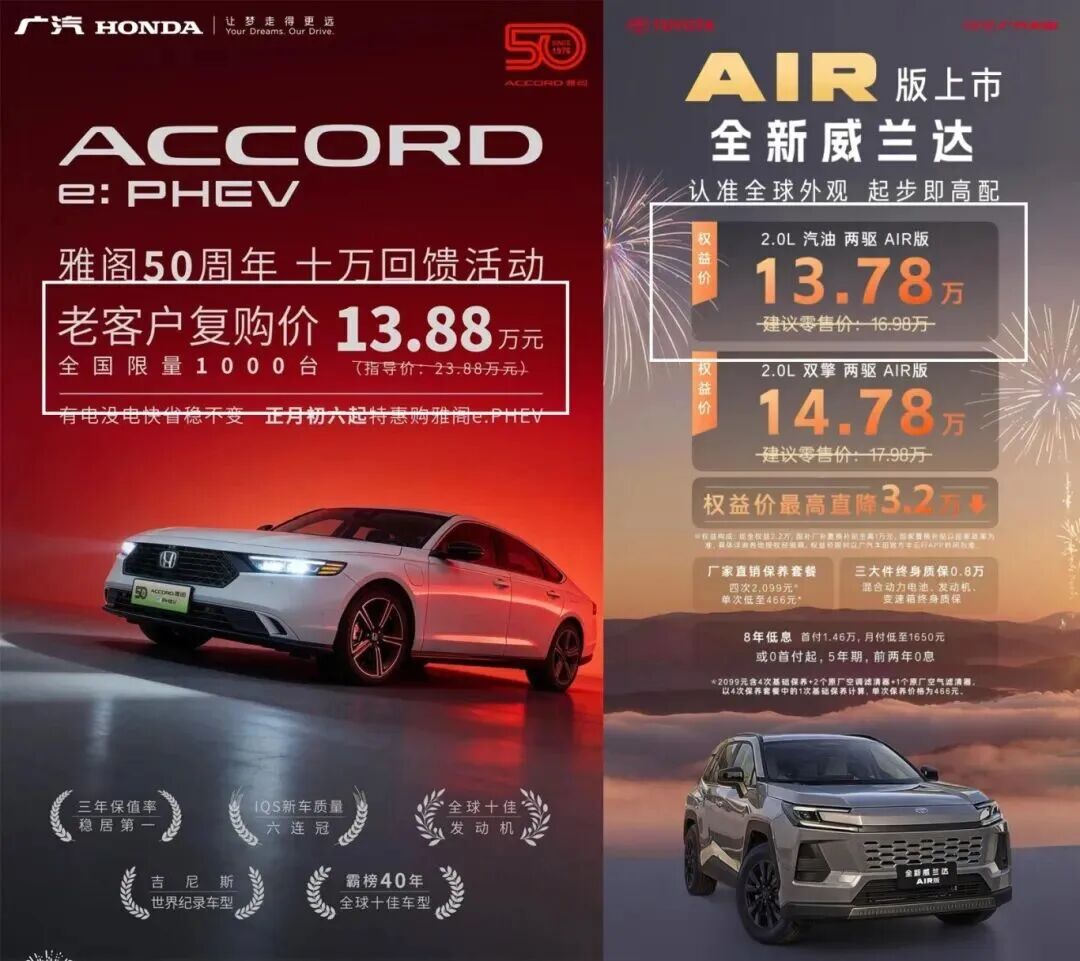
On the first working day after the holiday, GAC Toyota offered the Weyland AIR version at a preferential price of 137,800 yuan and provided an eight-year ultra-long-term low-interest financing policy for car purchases. Notably, the Weyland AIR version also broke the industry rule of "low configuration equals barebones," standardizing features previously only available in mid-to-high-end models, such as electric adjustment for the driver's seat, electric adjustment for the exterior rearview mirrors, and 50W wireless fast charging. Coupled with factory-direct maintenance and a nationwide unified after-sales pricing commitment, one cannot help but marvel that joint venture brands are reshaping their image of durability and high cost-effectiveness through low prices and transparent services.
If the Weyland is not familiar to many, the Accord e:PHEV priced at 138,800 yuan will undoubtedly attract the attention of many middle-aged individuals.
As the king of the mid-to-high-end car market, the Accord was once the Dream Car for many middle-aged men. To celebrate the Accord's 50th anniversary, GAC Honda offered 1,000 units of the Accord e:PHEV at a price of 138,800 yuan for repeat purchases by existing customers. In addition to the Accord, on March 1st, GAC Honda also introduced a fixed-price policy for two mainstream models, with the 2026 Odyssey e:HEV starting at 175,800 yuan and the 2026 Avancier starting at 169,000 yuan.
The Odyssey priced below 180,000 yuan and the Avancier dipping below 170,000 yuan were once kings in the 300,000-yuan segment. Such massive price reductions are sure to astound many consumers.
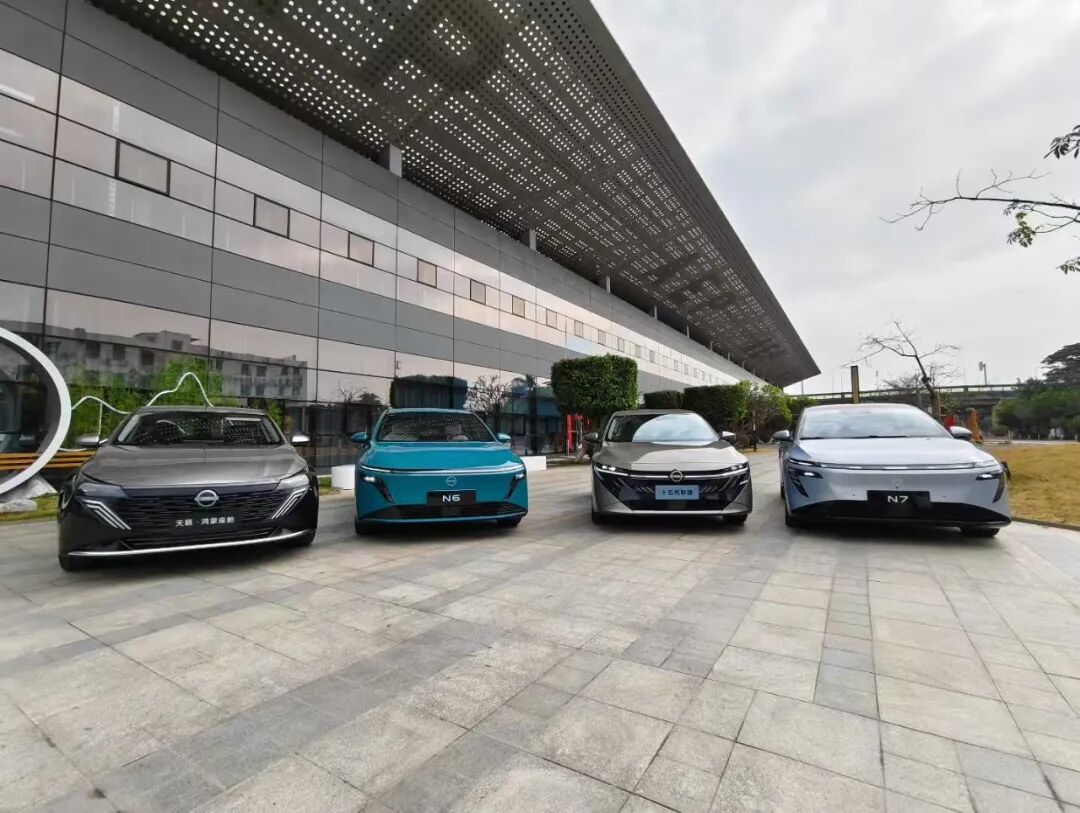
Equally aggressive is Dongfeng Nissan, which launched "four models at once" on the first working day, creating a cluster effect to impact the market. From the limited-time launch price of 65,900 yuan for the Sylphy Classic version to the 161,900 yuan pricing for the Altima S380 Master Edition equipped with the HarmonyOS cockpit, and extending to the N6 180 Pro+ and N7 Youth Edition, Dongfeng Nissan's offensive covers not only the market segments from entry-level family sedans to mid-size flagships but also the three powertrain forms of fuel, plug-in hybrid, and pure electric. This comprehensive counterattack is a microcosm of joint venture brands' efforts to preserve their market share.
While narrowing the gap with independent brands in the NEV market, joint venture brands are implementing significant price reductions in the fuel vehicle market, using strong emotional appeal to attract more consumers and reshape their brand influence. The joint venture brands, having reached a do-or-die moment, have already set out. Consumers, who vote with their wallets, will soon provide an answer.
-
![]()
The Unstoppable Rise of 'Optical Progress and Copper Decline': Sunny Optical’s Strategic Vision for the Next Decade
-
![]()
AI + Going Global in the Second Half: No Intermission for Robot Vacuum Cleaners
-
![]()
The Suffering Endured in E-commerce, Walmart Doesn't Want to Repeat in AI
-
![]()
What Does the Doubling of New Energy Vehicle Exports Mean?
-
![]()
Ghosn: 'Only I Can Save Nissan'
-
![]()
Volkswagen Lays Off 100,000 Employees, The Elephant Sits Down
-
![]()
Expanding Production Capacity! Yutong Optics Acquires Approximately 1.5 Hectares of Industrial Land in Chang'an, Dongguan
-
![]()
Why Is Nokia Making a Comeback in the AI Era?