February Sales Report: Leapmotor Tops New Forces, Zeekr Enters Top Three
 03/04 2026
 674
674
Click on the "blue WeChat name" below the title to follow us promptly!
As March begins, automakers are eager to share their sales figures. Among them, Ji Shi Automobile was the most proactive, announcing its February sales of 1,298 units as early as 5 PM on February 28th. This represents a significant 158.6% year-on-year increase and a 26% month-on-month rise—a rare achievement for a niche brand. It's worth noting that February coincided with the Chinese New Year holiday, during which month-on-month sales declines are typical. This is why many emerging automakers only reported year-on-year sales figures for February. Nevertheless, due to its smaller scale, Ji Shi Automobile did not make it into the top ten of the new forces sales list. Below is an overview of the top ten sales figures among the announced new forces in February.
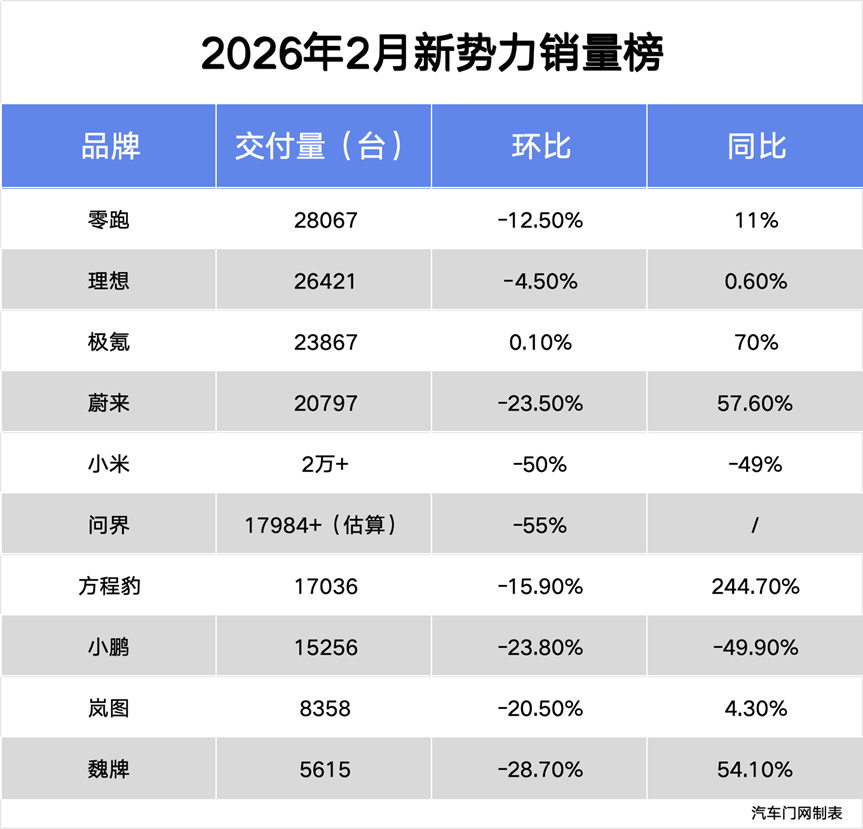
1. Leapmotor: 28,067 units
Leapmotor delivered 28,067 units in February, experiencing a 12.5% month-on-month decline but a 11% year-on-year increase, securing the top spot in new forces sales. While the month-on-month drop may seem notable, Leapmotor's sales fluctuation in February was relatively modest compared to its 46.9% month-on-month decline in January 2026, when sales nearly halved. This was influenced not only by the reduction in purchase tax subsidies but also by aggressive pre-holiday promotions by many automakers that depleted sales.
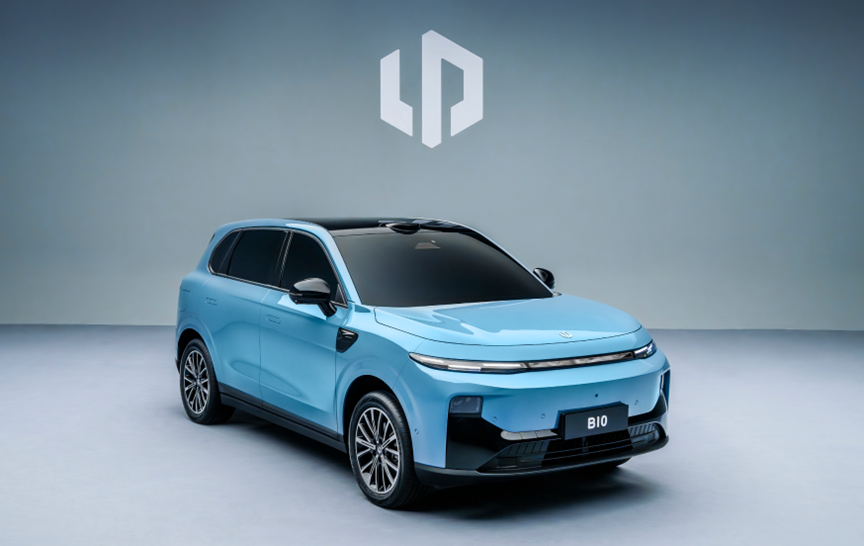
By the end of February, Leapmotor's cumulative deliveries for the first two months reached approximately 60,126 units. Given Leapmotor's latest annual sales target of 1.05 million units, the company must achieve an average monthly sales volume of nearly 99,000 units in the coming months—a daunting task. However, Leapmotor plans to launch several new products in 2026, such as the upcoming pre-sale of the Leapmotor A10, a volume-driven model that introduces lidar to the sub-100,000 yuan segment. Additionally, the Leapmotor D19 and D99, two heavyweight models, will be launched in the first half of this year, aiming to make a significant impact in the mid-to-high-end market.
2. Li Auto: 26,421 units
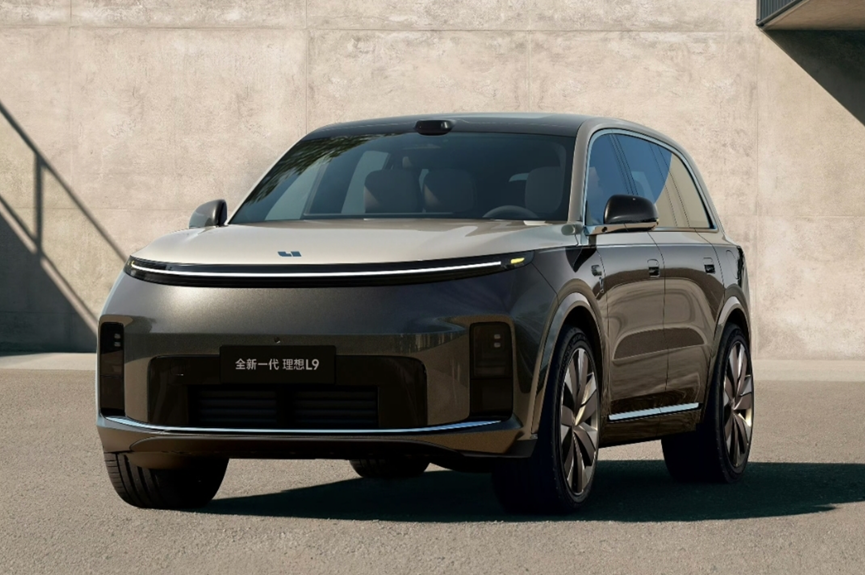
Li Auto announced its February 2026 delivery data, with 26,421 new vehicles delivered, experiencing a 4.5% month-on-month decline but a 0.6% year-on-year increase. The relatively small month-on-month drop is commendable, indicating stable sales for Li Auto. However, the modest year-on-year growth also highlights the need for stronger growth drivers. As competitors aggressively develop extended-range powertrains, Li Auto's "refrigerator, TV, and sofa" features no longer provide a significant competitive edge. The Li L series urgently needs new product highlights to differentiate the brand. It's worth noting that starting with the new flagship SUV, the Li L9 Livis, Li Auto has begun transitioning from a "family vehicle brand" to an "AI technology brand." The performance of other models in the Li L series will determine if they can keep pace.
3. Zeekr: 23,867 units
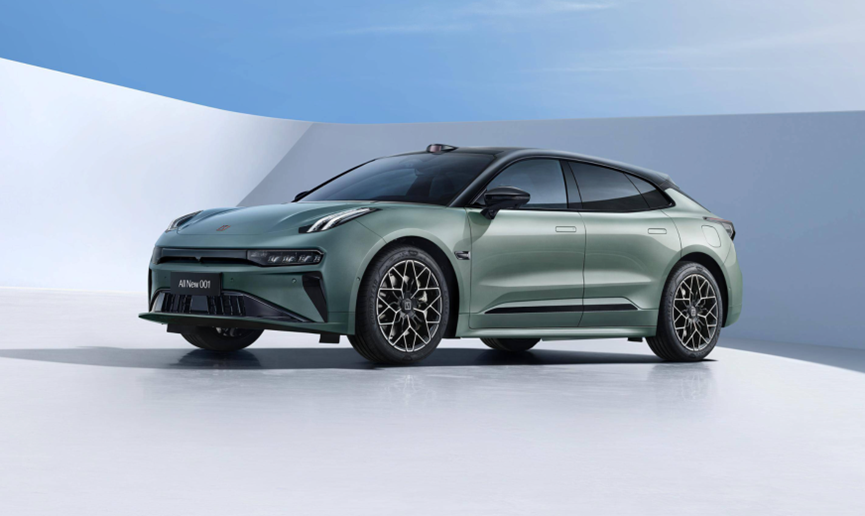
Zeekr announced its February delivery data, with 23,867 new vehicles delivered, achieving both year-on-year and month-on-month growth, including a 70% year-on-year increase and a 0.1% month-on-month rise. Zeekr's position in the rankings is surprising, as its performance during the Chinese New Year holiday demonstrates its resilience. The cumulative sales of Zeekr's luxury dual flagship models, the 9X and 009, have approached 100,000 units. With continued expansion of supply chain capacity, the delivery cycle for the 9X Hyper version is expected to shorten to within 14 weeks, opening up channels for increased sales. Additionally, the highly anticipated Zeekr 8X will be launched in the second quarter of this year, and with a steady stream of popular models, Zeekr is poised to become a regular on the sales charts.
4. NIO: 20,797 units
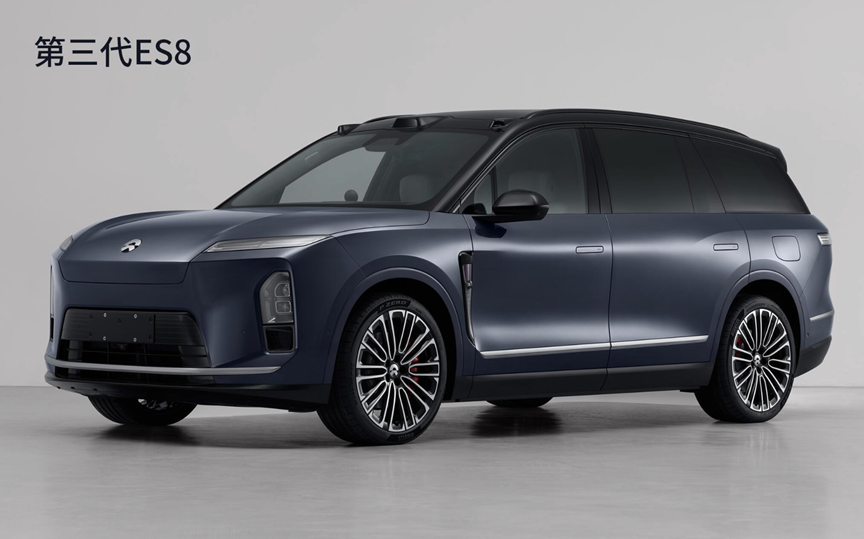
NIO delivered 20,797 new vehicles in February, experiencing a 23.5% month-on-month decline but a 57.6% year-on-year increase. Due to profitability pressures in the fourth quarter of last year, NIO experienced a surge in sales at the end of the year, followed by two consecutive months of decline in 2026. While this may be influenced by the reduction in purchase tax subsidies and the Chinese New Year holiday, NIO's ability to maintain monthly sales at 20,000 units is commendable. However, it's important to note that NIO's main brand remains the primary sales driver, with the new ES8 accounting for the majority of sales. The sales performance of the volume-driven Ledao brand is less optimistic.
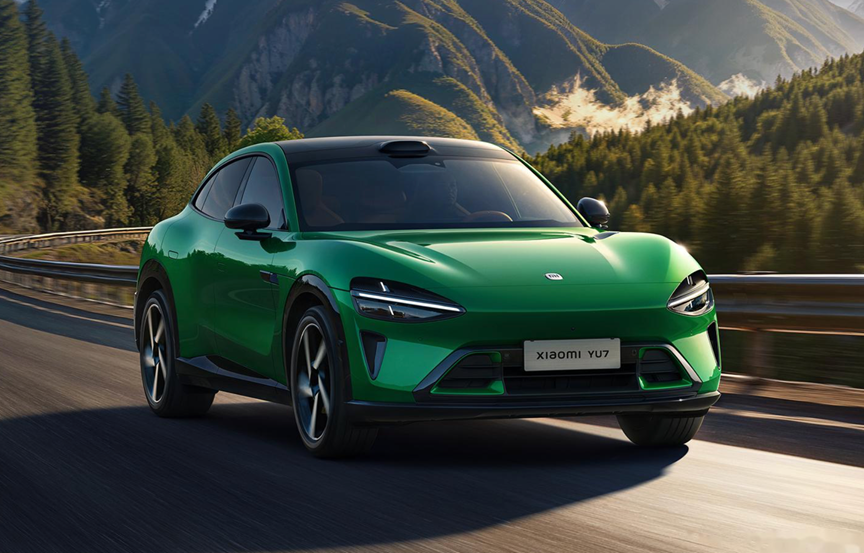
5. Xiaomi Auto: 20,000+ units
Xiaomi Auto delivered over 20,000 units in February, experiencing a roughly 50% month-on-month decline and a nearly 49% year-on-year decrease, representing significant drops in both metrics. However, this does not indicate that Xiaomi Auto is failing but rather reflects its unique situation. The first-generation SU7 was officially discontinued in January, and nearly all vehicles sold and delivered in February were YU7 SUVs. Therefore, if SU7 sales were included, the year-on-year performance would likely be more stable, if not showing a smaller decline. Whether Xiaomi Auto can regain its peak sales performance depends on the replacement of the new-generation Xiaomi SU7. Currently, the pre-sale price of the new-generation SU7 has increased by 10,000 to 14,000 yuan compared to the previous model. While the configuration has been comprehensively upgraded, it remains to be seen whether consumers will accept the price increase.
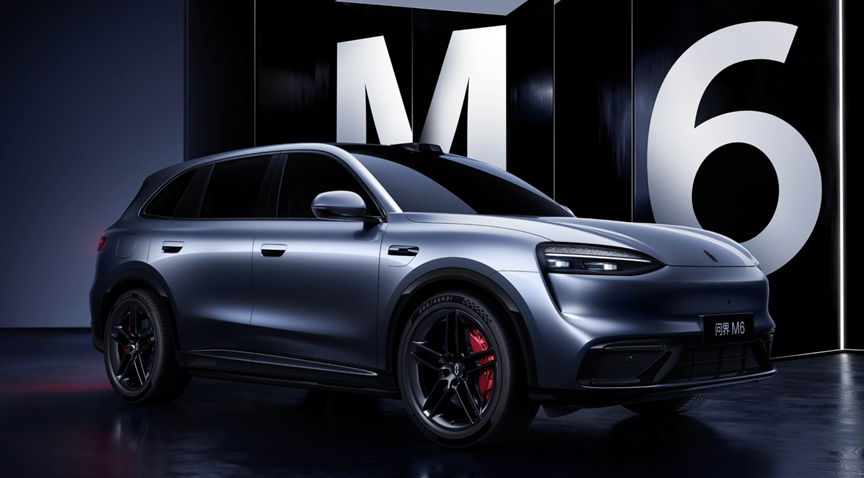
6. AITO: 17,984+ units (estimated)
AITO did not announce specific February sales figures this month but released a poster showing cumulative sales of over 58,000 units for January and February 2026. Based on its January sales of 40,016 units, AITO's February sales can be estimated to be over 17,984 units, representing a significant month-on-month decline. Regardless of the actual figure, AITO's approach to releasing sales data seems hesitant and has drawn criticism from consumers, who accuse the brand of poor marketing. In terms of sales, while the 18,000-unit figure represents a significant month-on-month decline, it still shows a substantial year-on-year increase compared to the same period in 2025. Additionally, AITO ceased operations in February to focus all resources on AITO, and the upcoming launch of the AITO M6 will further boost sales.
7. Fangchengbao: 17,036 units
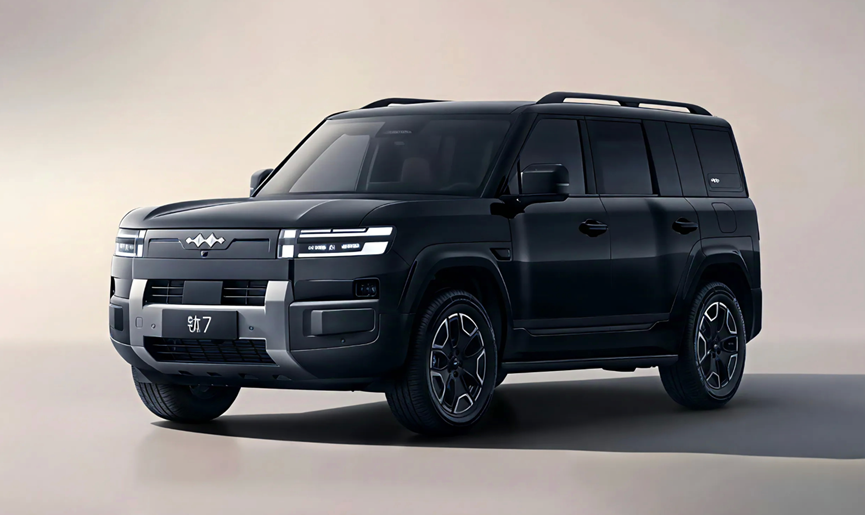
Fangchengbao Auto sold 17,036 vehicles in February, experiencing a remarkable 244.7% year-on-year increase. By the end of February, Fangchengbao's cumulative sales had reached 335,354 units, with an average transaction price stabilizing at 232,000 yuan. Fangchengbao has finally found its footing with the Titan series, particularly the Titan 7, which has become a sales pillar. The leopard 5, equipped with the DMO super hybrid platform and the Yunqian-P intelligent hydraulic body control system, has also secured a place in the mid-size SUV market under 400,000 yuan. It is reported that Fangchengbao's first pure electric coupe is expected to debut at the Beijing Auto Show this year, potentially driving further sales growth.
8. XPENG: 15,256 units
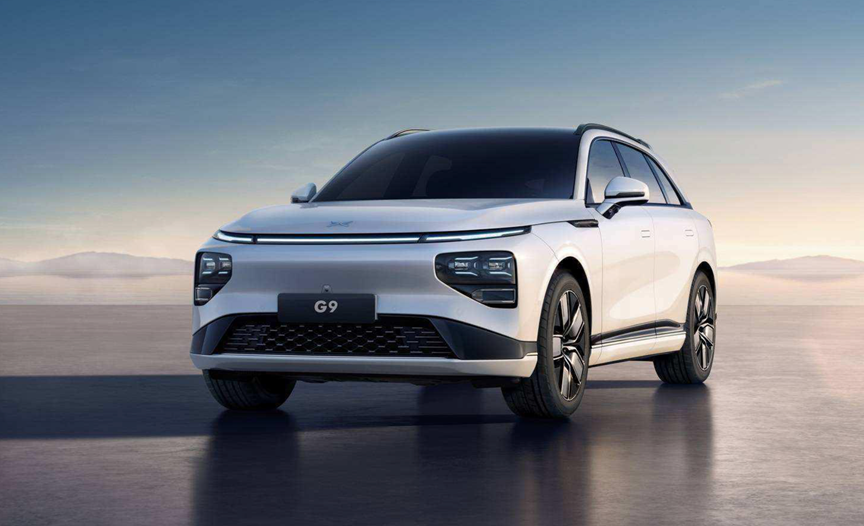
XPENG delivered 15,256 units in February, experiencing a 49.9% year-on-year decline and a 23.8% month-on-month drop. XPENG failed to continue the strong momentum of 2025, showing signs of weakness for two consecutive months. Currently, XPENG lacks a clear sales driver aside from the XPENG MONA M03. While the XPENG X9 has performed well, the MPV segment remains a niche market with limited volume. Additionally, XPENG's aggressive expansion into extended-range powertrains has not yet shown a significant pulling effect. Whether XPENG's newly released second-generation VLA can boost consumer purchasing enthusiasm remains to be seen.
9. VOYAH: 8,358 units
Similar to AITO, VOYAH only announced cumulative sales of 18,873 units for January and February 2026. Based on its January sales data, February sales can be calculated at 8,358 units, experiencing a 20.5% month-on-month decline and a slight 4.3% year-on-year increase. The significant sales drop is clearly influenced by the Chinese New Year holiday. While VOYAH's February performance was lackluster, the highly anticipated VOYAH Taishan Ultra is set to begin pre-sales, potentially becoming a new growth driver. Meanwhile, the VOYAH Dreamer continues to perform strongly, providing solid support for VOYAH's sales growth. Notably, VOYAH plans to list on the Hong Kong Stock Exchange on March 19th, potentially becoming the "first high-end new energy stock among central and state-owned enterprises." Capital support will accelerate its capacity upgrades and channel expansions.
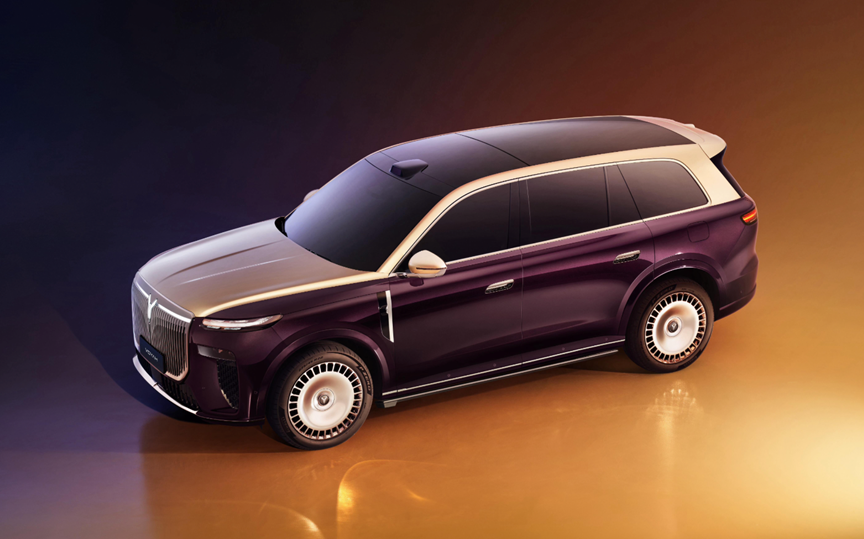
10. WEY: 5,615 units
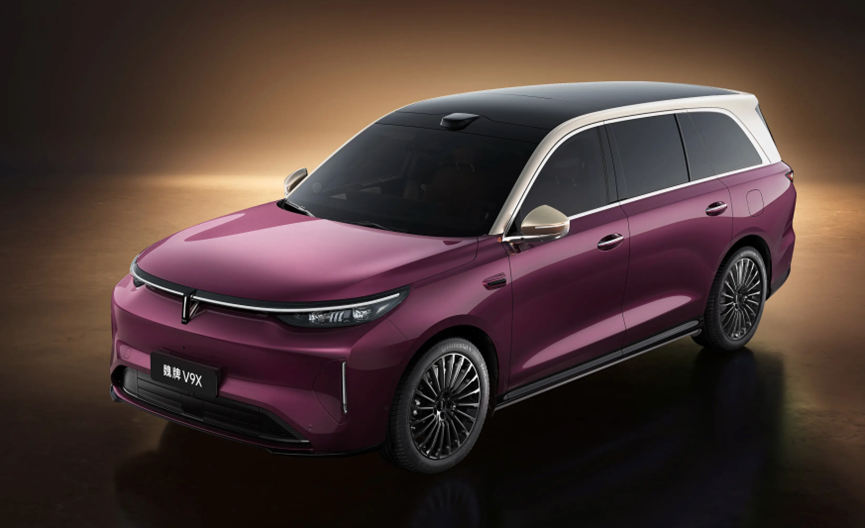
According to Great Wall Motor's production and sales report, WEY sold 5,615 units in February, experiencing a 28.7% month-on-month decline but a 54% year-on-year increase. The year-on-year growth indicates that WEY has finally established itself in the high-end market above 200,000 yuan, thanks to the Gaoshan and Lanshan models. The Gaoshan MPV, in particular, has secured a leading position in the plug-in hybrid segment, boosting the brand's average price and image. However, similar to VOYAH, the Gaoshan's success in a niche market cannot drive WEY's sales to new heights alone. The burden of boosting WEY's sales will fall on the upcoming flagship SUV, the WEY V9X. However, with an estimated price of around 500,000 yuan, it is unlikely to be a volume-driven model given WEY's current brand influence. Therefore, WEY needs more competitive products to achieve higher sales.
(Image source: Internet, removed if infringing)
-
![]()
The Unstoppable Rise of 'Optical Progress and Copper Decline': Sunny Optical’s Strategic Vision for the Next Decade
-
![]()
AI + Going Global in the Second Half: No Intermission for Robot Vacuum Cleaners
-
![]()
The Suffering Endured in E-commerce, Walmart Doesn't Want to Repeat in AI
-
![]()
What Does the Doubling of New Energy Vehicle Exports Mean?
-
![]()
Ghosn: 'Only I Can Save Nissan'
-
![]()
Volkswagen Lays Off 100,000 Employees, The Elephant Sits Down
-
![]()
Expanding Production Capacity! Yutong Optics Acquires Approximately 1.5 Hectares of Industrial Land in Chang'an, Dongguan
-
![]()
Why Is Nokia Making a Comeback in the AI Era?