Sales Volume Tumbles Back to Levels of a Decade Ago: Luxury Car Brands Overhaul Leadership Amid Industry Shift
 03/05 2026
 579
579
Introduction
This time around, it's not merely a case of 'boosting sales in peak season and reshuffling in the off-season'.
On January 30, 2026, Sean Green, President and CEO of BMW Greater China, announced his resignation, effective April 1, with Christian Ach slated to take over.
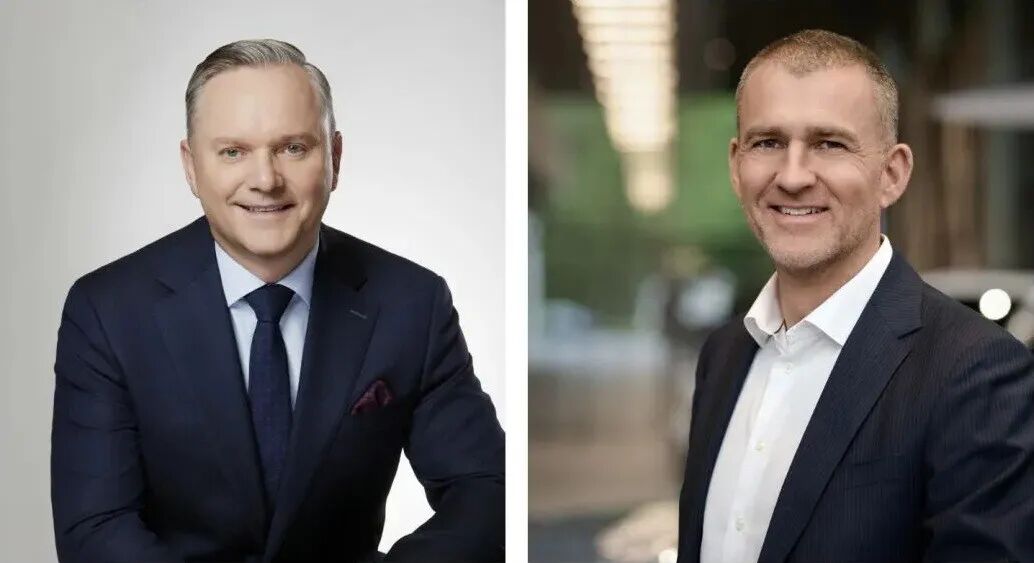
Photo: Sean Green (left) and Christian Ach (right)
On February 14, Duan Jianjun, Beijing Mercedes-Benz's first local CEO and President & CEO of Sales Services Co., Ltd., declared his departure for 'personal reasons' and will continue to 'support the team as a strategic advisor' starting March 1. His position will be filled by Daniel Lescow, former Executive Vice President of Sales.
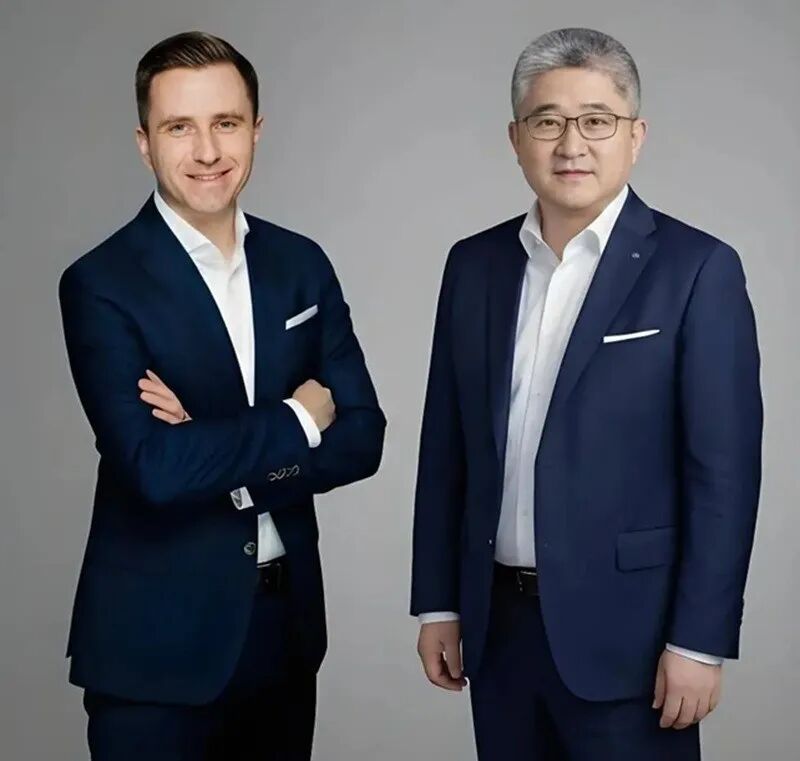
Photo: Daniel Lescow (left) and Duan Jianjun (right)
On February 26, Daniel Weissland, President of Audi USA, was named General Manager of FAW-Audi Sales Co., Ltd. Michael Arndt, the former head who had been a senior executive in Volkswagen Group's Chinese joint ventures for 18 years, will transition to Managing Director of Volkswagen Passenger Cars Korea.
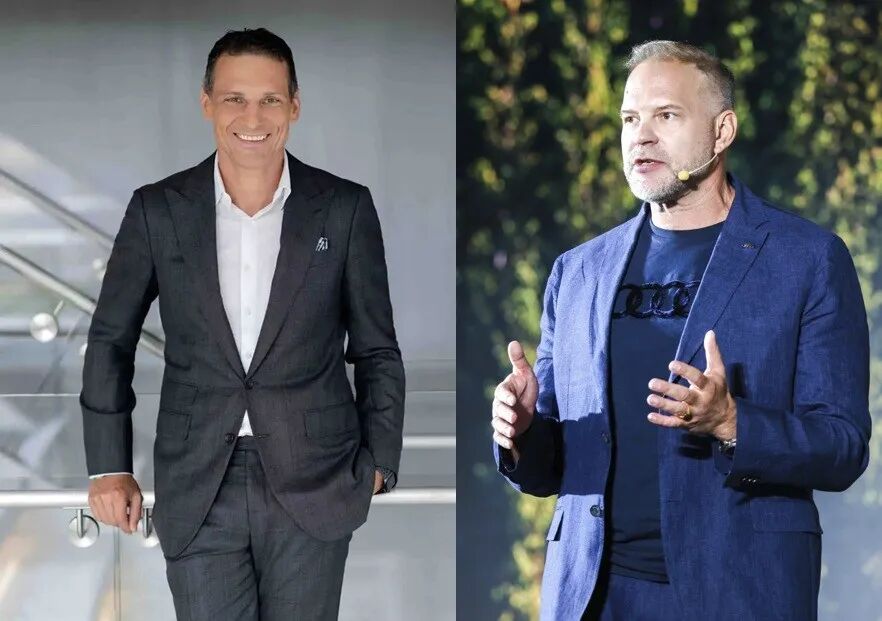
Photo: Daniel Weissland (left) and Michael Arndt (right)
In less than a month, key figures from BBA (BMW, Mercedes-Benz, Audi) in China either stepped down or were reassigned. Including Tim Howard, CFO of Jaguar Land Rover, who succeeded Pan Qing as China CEO (with Pan continuing as China President and promoted to Global Procurement Director), nearly all sales leaders of overseas luxury brands in China have been replaced.
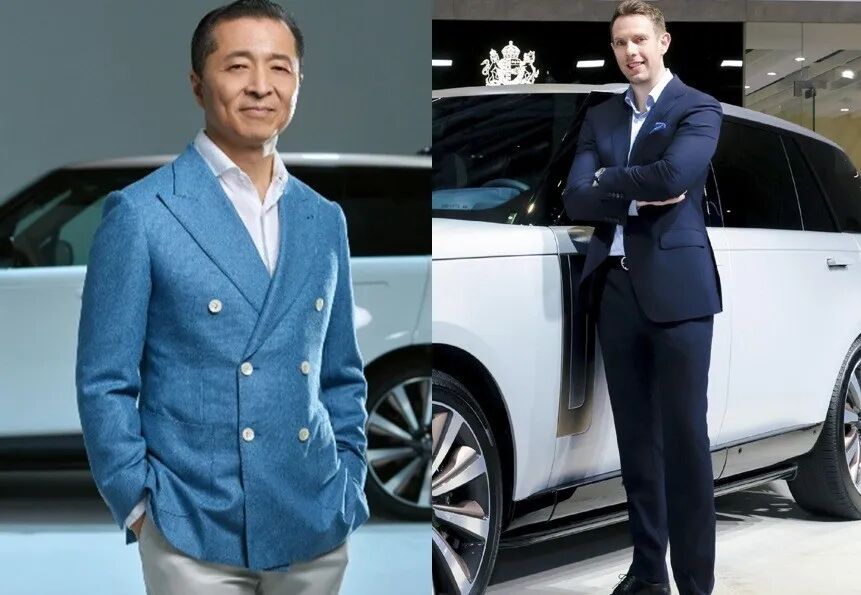
Photo: Pan Qing (left) and Tim Howard (right)
Notably, Michael Arndt, with 18 years of experience in China, and Sean Green, who had been in China since 2014 as MINI China Vice President, are both seasoned veterans. Pan Qing, though German-born, was raised in China, while Duan Jianjun of Beijing Mercedes-Benz was the joint venture's first Chinese executive. All four were typical localizers or seasoned China experts, once highly regarded by foreign headquarters.
This is no coincidental rotation but a strategic adjustment as traditional luxury brands grapple with structural challenges in the Chinese market. The underlying reasons, the brands' operational strategies, and potential impacts mirror the reality of China's automotive industry undergoing profound transformation.
01 BBA Sales Tumble to Levels Seen a Decade Ago?
2025 proved to be a challenging year for luxury brands in China. The most striking example is BBA, the 'Big Three' of German luxury brands, with Mercedes experiencing the most pronounced fluctuations—
From 714,000 units (passenger and light commercial vehicles combined) in 2024 to 575,000 in 2025. This figure is better than the 480,000 units sold in 2016 but lower than the 611,000 units sold in 2017, marking a 19% year-on-year decline.
Such a significant sales drop was the direct reason Duan Jianjun, Beijing Mercedes-Benz's first local CEO, resigned 75 days early, despite his term ending in May of the same year.
BMW fared slightly better. In 2025, BMW's China sales reached 625,500 units, roughly on par with levels seen in 2017 and 2018, down 12.5% from 714,500 in 2024. This double-digit decline is widely seen as the reason for Sean Green's departure after 12 years in China, to become MINI Americas Vice President.
Among the German trio, Audi fared relatively the best.
In 2025, Audi sold 617,500 units in China, down about 5% from 649,400 in 2024, roughly returning to 2017-2018 levels. Notably, 2024's performance was already down about 11% from 2023. Thus, last year's results can be seen as a significant narrowing of the decline, albeit achieved through heavy discounts on traditional fuel models.
This relatively decent performance likely explains why Michael Arndt transitioned from FAW-Audi Sales President to Managing Director of Volkswagen Passenger Cars Korea.
Indeed, sacrificing profits for sales volume is one of the few relatively effective options for BBA and Jaguar Land Rover to maintain market share at this stage. However, prolonged discounting could severely damage their brands. Jaguar Land Rover serves as a prime example.
By the end of 2025, despite '40% off Land Rovers' and '50% off Jaguars' becoming common for domestically produced models, their annual sales plunged from a peak of 146,000 in 2017 to around 30,000 last year. This makes Jaguar Land Rover the only one among the four brands not resembling a 'return to a decade ago,' which is rather disheartening.
All these luxury brands face the challenge of electrification and intelligent transformation. It's not that they lack new energy products, but market acceptance remains low compared to fuel models.
Whether it's Mercedes' native EQ series or BMW's current i series, they seem more like solutions to 'have or not have' issues. Facing China's market, now in the 'second half of intelligence,' they clearly fail to fully attract consumers. Thus, price cuts became the only way to maintain volume, but over time, this led to derogatory terms like 'off-brand' among owners.
In fact, some BBA new energy products are technically strong, such as Audi's latest Q6L e-tron series, featuring excellent battery protection and Huawei's intelligent driving assistance system. However, various issues have hindered market breakthroughs.
Overall, the timing of these luxury brands' executive adjustments in early 2026, whether changing China CEOs or sales company heads, is somewhat surprising but understandable.
02 Behind the Leadership Reshuffles: Each Brand Faces Unique Challenges
This intensive reshuffle occurs as traditional luxury brands' market share is squeezed by Chinese new energy brands. The core strategy is clear: introduce new key leaders and their management teams to seek breakthroughs in critical businesses rather than rely solely on seasoned local executives to prop up sales against the tide.
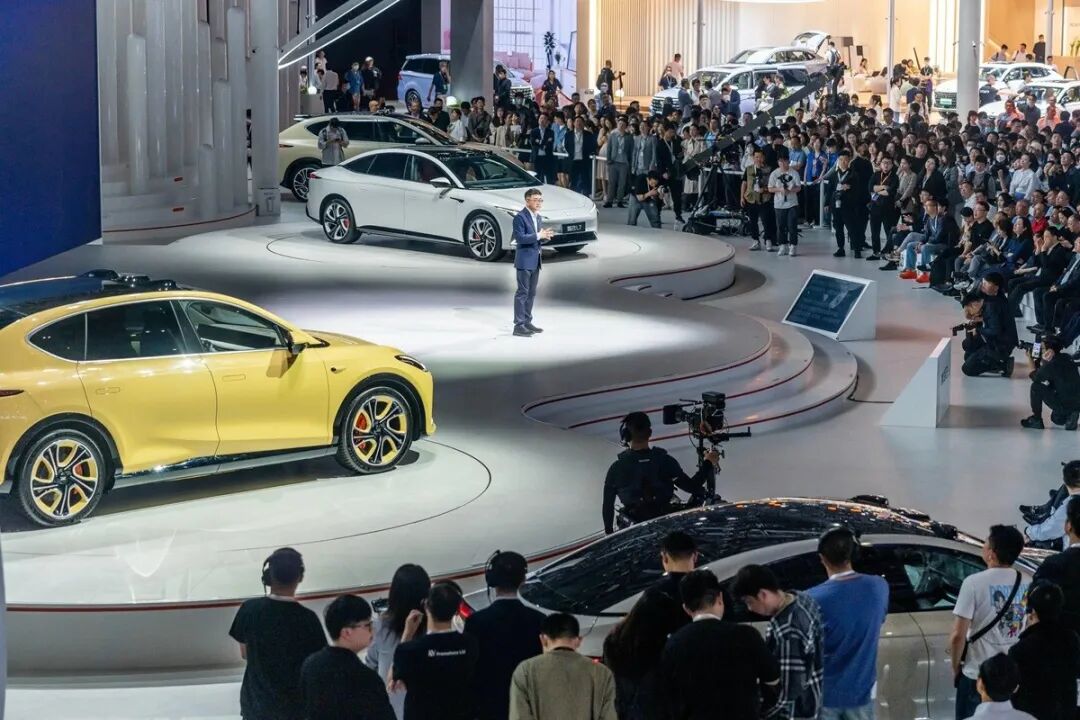
Photo: The 21st Shanghai Auto Show held in late April 2025
Mercedes' appointment of Daniel Lescow, a long-serving German executive in China, and BMW's deployment of Christian Ach, a German veteran, reflect a clear strategy to strengthen communication with China headquarters and mobilize global resources.
For instance, during Germany's current Chancellor's visit to China, Metz took a test ride in Mercedes-Benz's latest intelligent model at the Beijing Mercedes-Benz plant, accompanied by Ola Källenius, Chairman of Mercedes-Benz Group AG.
This latest product, still under development, is based on the Mercedes S-Class platform and incorporates urban and highway pilot assist driving systems developed by Chinese companies, offering highway and urban assistance as well as auto-parking capabilities, achieving end-to-end full-domain intelligent driving. After the ride, Metz praised it as one of the future mobility technologies in his vision, stating, 'This is our ideal Mercedes-Benz.'
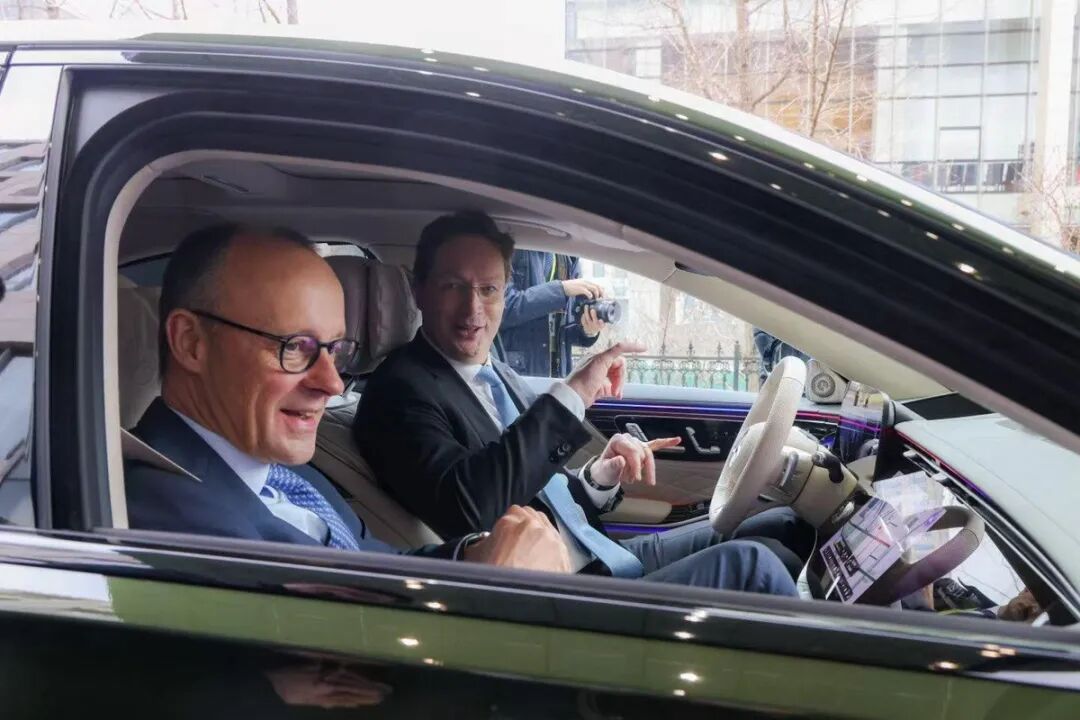
Photo: Metz's forced smile
A similar situation exists at BMW. The latest iX3 long-wheelbase version is integrating systems from Chinese local intelligent driving companies and plans to start production in Shenyang this year.
Simply put, BBA's brand strength in China remains strong but is constrained by lagging new energy products. For Mercedes and BMW, urgently launching competitive new energy or intelligent products is paramount. To achieve this quickly, fully leveraging local Chinese technological capabilities is essential, requiring close communication with German development departments for true 'co-creation' of models. Daniel Lescow and Christian Ach undoubtedly shoulder critical communication and coordination roles.
Audi's situation differs. 2026 is defined as Audi's 'product mega-year,' with plans to launch multiple new models in its 'strongest-ever product offensive.'
Daniel Weissland is an Audi veteran with over 25 years of international automotive experience. Since 2019, as President of Audi USA, he has led Audi's largest-ever product deployment in its U.S. brand history—exactly what Audi needs in China now.
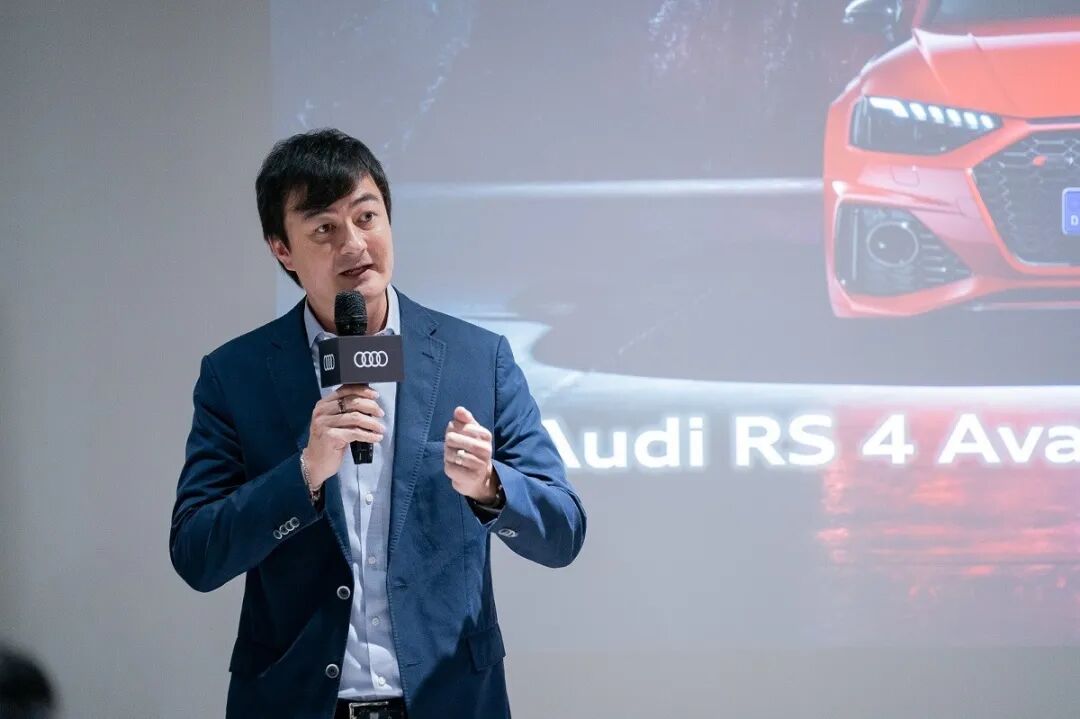
Photo: Matthias Schepers, Daniel Weissland's partner
Especially noteworthy is the simultaneous appointment of Matthias Schepers, former President of Volkswagen Group Japan and Audi Japan Managing Director, as Audi China's Vice President of Sales and Marketing, indicating Audi needs a core team skilled in overall product deployment and capable of hard-fought campaigns for this 'charge.'
Moreover, Audi's personnel adjustments in China reflect headquarters' desire for direct control over Chinese operations, as this reshuffle bypassed Audi China President Johannes Roscheck and was directly announced by Global Marketing & Sales Director Hildegard Wortmann.
Jaguar Land Rover's situation differs entirely from BBA. The newly appointed Tim Howard is a standard 'finance-oriented' executive, reflecting the parent company's hope for him to leverage his expertise to help Jaguar Land Rover tightly control costs and optimize resource allocation in China. Given the ongoing contraction in sales scale, this conservative approach holds practical significance. After all, sustaining profitability under such conditions can be viewed as a form of victory.
Furthermore, Pan Qing has not left the Chinese business system; continuing as China President minimizes strategic fluctuations and relationship network losses from the leadership change. With Pan Qing driving global supply chain alignment with China at a higher level and Tim Howard focusing on business execution, Jaguar Land Rover headquarters clearly considers effective coordination between the two.
Despite the harsh 'late spring chill' in the auto market this year, reviewing 2025's performance, no one can deny the rise of local luxury brands. AITO M8 and M9 sold over 150,000 and nearly 120,000 units respectively throughout the year. Additionally, brands like NIO and Li Auto, though facing challenges, maintained respectable sales for their flagship models in the 400,000+ RMB market.
Continued breakthroughs in the 300,000+ RMB premium market. In 2026, the 400,000+ RMB market will become the core battleground where local brands clash head-on with BBA. Traditional luxury brands must abandon their 'premium fixation' and truly compete on product strength and user experience.
This round of personnel adjustments is an inevitable choice for traditional luxury brands transitioning from a 'golden age' to a 'digital deep-water zone' in China. The leadership changes are just the beginning; the real test lies in whether these brands can undergo thorough strategic innovation in electrification, intelligence, localization, and channel ecosystems. 2026 will be a critical watershed determining their future market positions in China.
This intensive personnel reshuffle marks a pivotal turning point for traditional luxury brands in China. It signifies a complete shift in competitive logic—past 'brand premiums' and channel advantages are fading, while future success hinges on the real competitiveness of electrified products, the depth of localized intelligent experience integration, and cost and operational efficiency.
In 2026, with new teams and models fully in place, a direct confrontation over products, technology, and systemic capabilities will unfold, the outcome of which will redraw China's luxury car market map.
Editor-in-Chief: Du Yuxin Editor: He Zhengrong
THE END
-
![]()
The Unstoppable Rise of 'Optical Progress and Copper Decline': Sunny Optical’s Strategic Vision for the Next Decade
-
![]()
AI + Going Global in the Second Half: No Intermission for Robot Vacuum Cleaners
-
![]()
The Suffering Endured in E-commerce, Walmart Doesn't Want to Repeat in AI
-
![]()
What Does the Doubling of New Energy Vehicle Exports Mean?
-
![]()
Ghosn: 'Only I Can Save Nissan'
-
![]()
Volkswagen Lays Off 100,000 Employees, The Elephant Sits Down
-
![]()
Expanding Production Capacity! Yutong Optics Acquires Approximately 1.5 Hectares of Industrial Land in Chang'an, Dongguan
-
![]()
Why Is Nokia Making a Comeback in the AI Era?