[Weekly Auto Talk] Toyota’s New President, with a Financial Background, Takes on a Three-Pronged Mission
 03/06 2026
 650
650
Lead-in
Introduction
The appointment of Kon Chikata, a leader with a financial background, to head Toyota signifies a notable strategic pivot for a company traditionally steeped in technology and manufacturing.
According to a recent Reuters report, Toyota is planning a significant reform initiative, aiming to lift restrictions on approximately JPY 3 trillion (around RMB 132 billion) in strategic shareholdings held by banks and other financial institutions.
Once launched, this plan will expedite the dissolution of cross-shareholdings. By divesting non-core financial assets, Toyota intends to unlock substantial dormant funds, streamline its capital allocation framework, and create more flexibility for future share buybacks, equity incentives, and business restructuring.
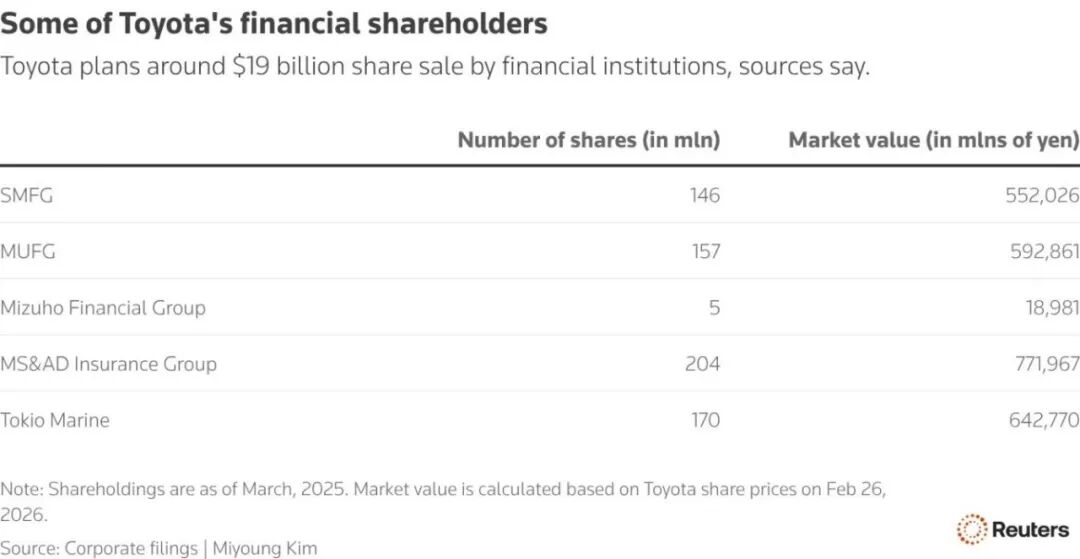
Meanwhile, corporate governance reforms in Japan are reaching a pivotal juncture.
Cross-shareholdings, once a staple strategy for Japanese companies to stabilize their shareholder base and deter hostile takeovers, have now become a barrier to globalization and market-driven reforms. Over the past few years, regulatory bodies and the Tokyo Stock Exchange have been urging Japanese companies to dismantle cross-shareholdings, and Toyota has proactively heeded the Japanese government’s call for corporate reforms.
Sources informed Reuters that the total value of this divestiture could reach up to JPY 3 trillion (about RMB 132 billion), with Toyota aiming to finalize the sale as early as this year. However, the timing and scale may fluctuate based on shareholder decisions, and there is a chance the plan could be delayed.
Whether Toyota opts to repurchase shares or conduct secondary sales to other investors, the responsibility for this large-scale restructuring falls squarely on the shoulders of the new CEO, Kon Chikata.
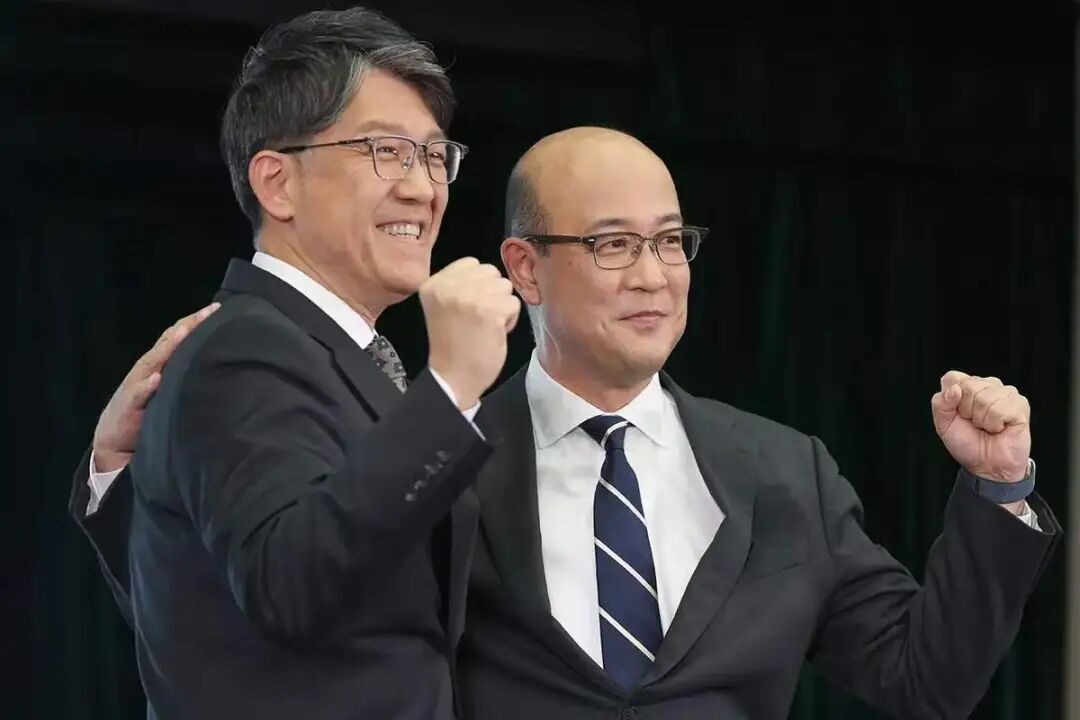
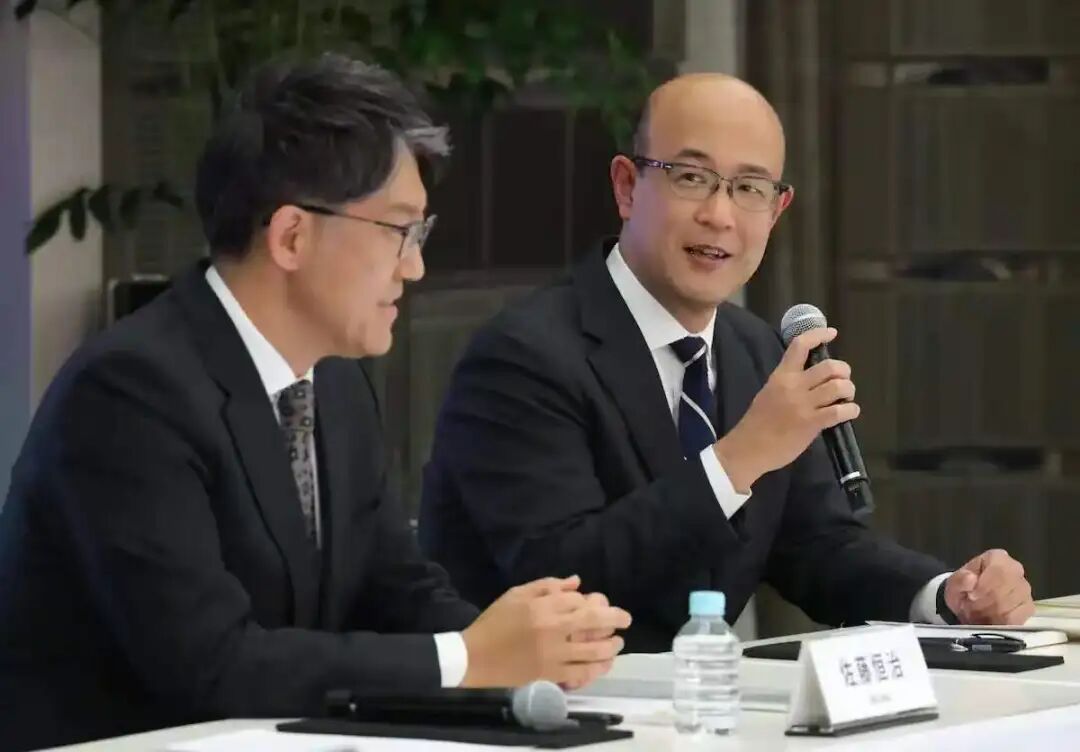
Toyota set off the first major personnel shakeup in the automotive industry in 2026. On February 6, Toyota Motor Corporation unexpectedly unveiled its senior personnel changes, instantly thrusting current President Koji Sato and new President Kon Chikata into the spotlight of industry attention.
This scenario seems déjà vu.
Three years ago, Toyota abruptly announced that then-President Akio Toyoda would step down, with Koji Sato assuming the presidency. Akio Toyoda, who had led Toyota for nearly 14 years, finally decided to step aside at the age of 66. Japanese media reported that the swiftness of Toyota’s leadership transition caught even Koji Sato off guard.
Including Koji Sato, Toyota has had a total of 12 presidents in its history, with only one serving for less than three years—Tatsuro Toyota, who took office in 1992. Koji Sato’s tenure was both brief and hurried, making him the first president in over 30 years to serve for less than three years.
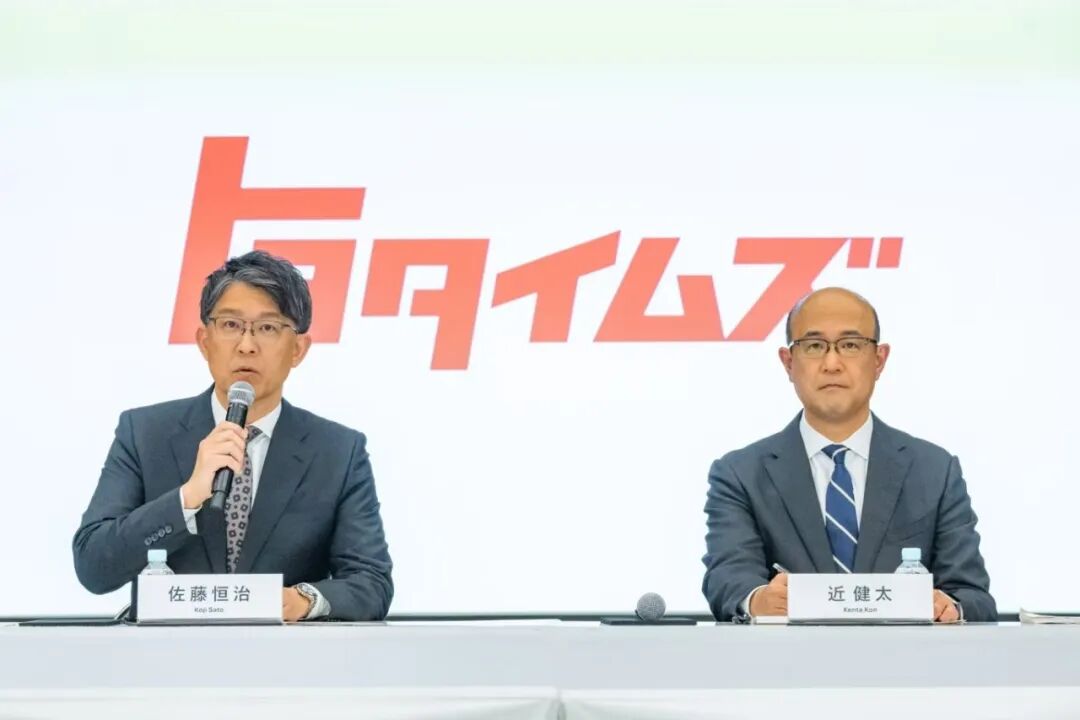
The appointment of Kon Chikata, a leader with a financial background, to head Toyota marks a significant strategic shift for a company traditionally rooted in technology and manufacturing.
Capital restructuring stands as one of Kon Chikata’s primary missions in his new role.
As a global automaker renowned for its engineer-centric culture, lean production, and product focus, Toyota’s unprecedented choice of a leader with a financial background breaks with long-standing management traditions and signals a profound shift in the company’s operational focus.
Kon Chikata has long been deeply entrenched in the financial sector, possessing an innate sensitivity to capital efficiency, asset structure, and shareholder value—key competencies that Toyota urgently requires at present.
The New Four Modernizations transformation represents another crucial mission entrusted to Kon Chikata.
Koji Sato was a quintessential technical president, a car enthusiast with a technical background who had overseen luxury brands and racing endeavors. Most notably, he had led the electrification transformation of the Lexus brand in recent years, embodying Toyota’s “new generation” of automakers and being the ideal candidate to spearhead electrification and intelligent transformation.
So, what can Kon Chikata, with a financial background, bring to Toyota’s electrification and intelligent transformation?
At the press conference announcing the new president, Japanese reporters posed this question to Kon Chikata—how he viewed Toyota’s progress in cutting-edge technologies such as autonomous driving and end-to-end solutions, as well as its competitive edge against rivals like Tesla.
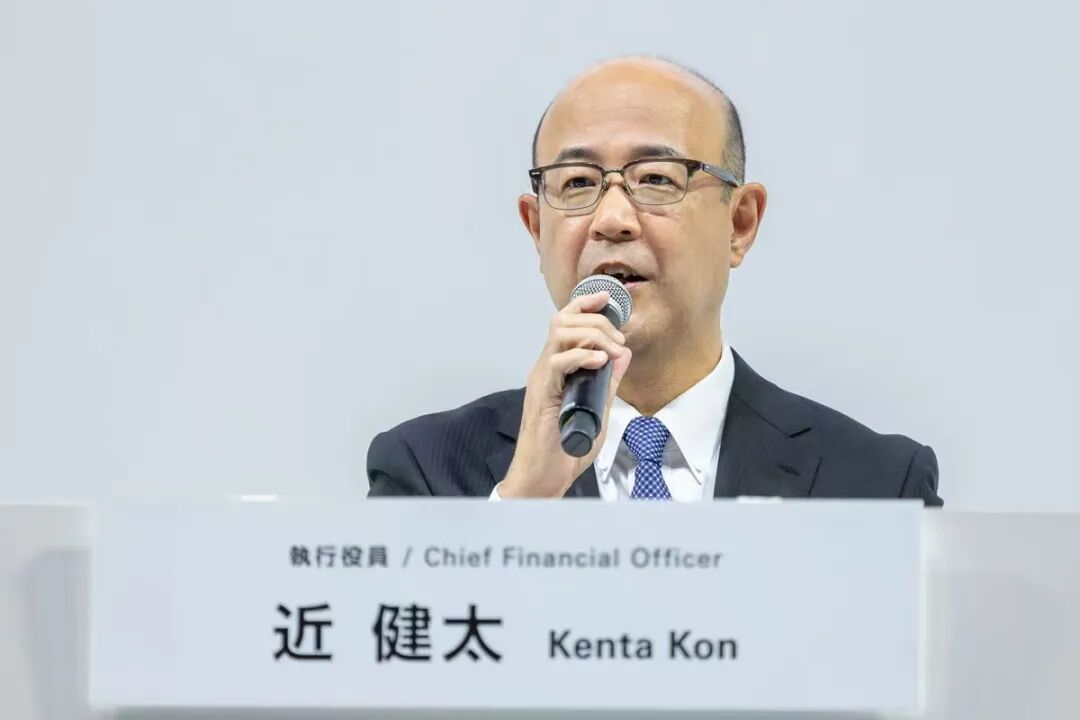
Kon Chikata’s response was candid.
First, he acknowledged the leading positions of automakers like Tesla.
Kon Chikata admitted that companies like Tesla had embarked on research and development in areas such as artificial intelligence and embodied intelligence early on, with rapid technological advancements. “Toyota is not ahead of them in all aspects; we have much to learn,” he said.
Second, he affirmed Toyota’s strengths.
Kon Chikata believes that Toyota currently sells approximately 10 million vehicles annually and boasts a global installed base of 150 million vehicles, providing access to an immense amount of data.
So, how does Kon Chikata’s core competitiveness differ from that of the Koji Sato era? Faced with the substantial investment pressures brought by new fields such as artificial intelligence, autonomous driving, and software development, Toyota’s selection of Kon Chikata to lead the New Four Modernizations transformation essentially prioritizes financial discipline and capital efficiency.
While fully advancing electrification and intelligent initiatives, Toyota aims to repair and fortify its profitability system with a more refined operational approach, providing ample financial support for this long-term transformation.
Enhancing the company’s profitability constitutes Kon Chikata’s third major mission.
Toyota explicitly stated in the personnel announcement that the core rationale for this appointment is Kon Chikata’s indispensable role in bolstering corporate profitability.
In recent years, amid multiple external pressures such as high U.S. tariffs, global raw material price hikes, and exchange rate fluctuations, Toyota has found itself in a precarious position where revenue has grown but profits have been under strain, revealing the fragility of its profit structure.
Kon Chikata has consistently been at the forefront of profitability reforms, spearheading enhancements in profitability across the entire value chain from a financial officer’s perspective. Through precise cost control, supply chain optimization, investment rhythm adjustments, and resource reallocation, he has effectively mitigated profit erosion caused by external environments, playing a pivotal role in stabilizing the group’s profitability baseline and restoring its profit-generating capacity.
Editor-in-Charge: Shi Jie Editor: He Zhengrong
THE END
-
![]()
The Unstoppable Rise of 'Optical Progress and Copper Decline': Sunny Optical’s Strategic Vision for the Next Decade
-
![]()
AI + Going Global in the Second Half: No Intermission for Robot Vacuum Cleaners
-
![]()
The Suffering Endured in E-commerce, Walmart Doesn't Want to Repeat in AI
-
![]()
What Does the Doubling of New Energy Vehicle Exports Mean?
-
![]()
Ghosn: 'Only I Can Save Nissan'
-
![]()
Volkswagen Lays Off 100,000 Employees, The Elephant Sits Down
-
![]()
Expanding Production Capacity! Yutong Optics Acquires Approximately 1.5 Hectares of Industrial Land in Chang'an, Dongguan
-
![]()
Why Is Nokia Making a Comeback in the AI Era?