Mercedes-Benz's 'Ruthless Crackdown': A Strategic Move for Brand Preservation and Channel Mastery
 03/06 2026
 574
574
Author: Wu Rui
Produced by: Insight Auto
As the luxury car market's fierce competition shifts from terminal pricing to technological dominance, Mercedes-Benz China's 'crackdown directive' has unveiled the most ruthless facet of the luxury brand-dealer dynamic. This is not merely an internal cleanup but a desperate struggle for Mercedes-Benz to safeguard its brand essence and technological autonomy amidst dwindling profits and channel turmoil.
Recently, Mercedes-Benz China's authorized dealers have been sequentially issued the 'Management Notice on Dealers' Unauthorized Use of Diagnostic Programming Accounts to Enhance Vehicle Configurations' by headquarters. This seemingly mundane internal memo belies its thunderous implications: permanent revocation of违规 (non-compliant) diagnostic programming accounts, blacklisting of implicated personnel's identity details, and reserved rights to pursue legal action.
This highly confrontational notice directly confronts the gray area of 'hidden feature activation' in the automotive aftermarket. This move comes just months after a dramatic turnaround where, on the eve of Mercedes-Benz's 140th anniversary, dealers staged a 'joint petition' against the company. Behind this spectacle lies a longstanding imbalance of interests between Mercedes-Benz and its dealers, as well as the strategic choices the company must make amidst transformation pains.
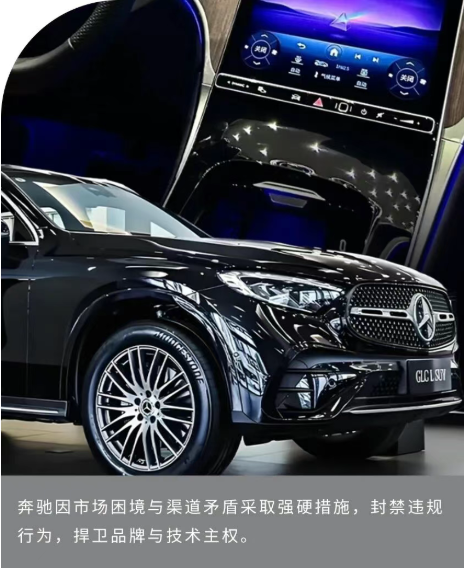
For Mercedes-Benz, this ruthless crackdown is a necessary counterattack when cornered and a steadfast defense of brand value and technological autonomy.
The 2025 performance figures reveal its predicament: global adjusted EBIT plummeted 40% year-on-year, with 575,000 vehicles delivered in the Chinese market, marking a 19% year-on-year decline and making it the market with the steepest global drop. Passenger car business profit nosedived 44.8% year-on-year.
Amidst severe terminal price inversions, Mercedes-Benz's brand premium is being eroded, and 'hidden feature activation' practices only exacerbate the situation.
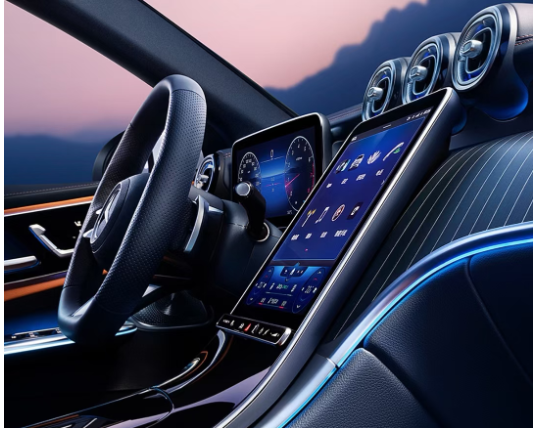
From Mercedes-Benz headquarters' perspective, vehicle software architecture and underlying code are core business secrets. Dealers' unauthorized use of pirated certificates or collaboration with overseas personnel to tamper with VeDoc data amounts to illegal intrusion into corporate computer systems, violating the 'Dealer Agreement' and crossing the legal red line of trade secret protection.
More critically, the 'blame' for safety responsibilities ultimately rests with Mercedes-Benz. If accidents occur due to non-official software flashing causing circuit overloads or software conflicts, consumers will attribute the quality defects to Mercedes-Benz, not the non-compliant dealers or technicians.
During a critical period when R&D investment peaked in 2025 and full efforts are being made to advance the MB.OS system, Mercedes-Benz cannot tolerate vehicle electrical architectures escaping quality monitoring. This is the core reason for its 'zero-tolerance' stance on non-compliant behavior.
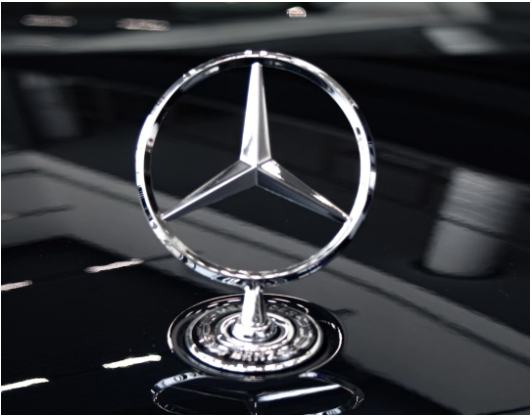
On the other side of this crackdown lies the irreconcilable clash of interests between Mercedes-Benz and its dealers, rooted in the dealers' deteriorating operating conditions.
Surveys indicate that Mercedes-Benz dealers face a comprehensive price inversion level of 25% between purchase and sales prices, with inventory coefficients generally exceeding 2, far surpassing the reasonable range of 1-1.5. Some rebate realization periods even exceed 180 days, the longest among 40 mainstream brands. Moreover, rebates for domestically produced Mercedes-Benz vehicles cannot be cashed out and can only be used for vehicle purchases.
In 2025, Mercedes-Benz plans to cut over 100 dealers. This 'one-size-fits-all' channel contraction strategy has pushed small dealers with weak risk resistance to the brink of collapse. With meager profits from new car sales and intense after-sales competition, 'hidden feature activation' has become a 'lifeline' for dealers.
However, Mercedes-Benz's move directly severs this gray profit chain and adopts a harsh model of 'punishing the whole family for one person's violation'—permanent bans on involved technicians' accounts and lifetime blacklisting, while dealers face the dual blow of talent loss and restricted maintenance permissions, potentially unable to conduct normal maintenance diagnostics.
This hardline stance of 'preferring to break bones than lose order' reflects Mercedes-Benz's determination to reconstruct its channel system. After eight failed attempts to adjust sales targets with dealers in 2025 failed to alleviate terminal pressures, Mercedes-Benz urgently needs to standardize channels, regain control over after-sales pricing, and promote new profit models such as software subscriptions to ease profit declines.
The ultimate core of this clash is the struggle for 'definition rights' over vehicles in the software-defined automotive era. Mercedes-Benz is fully advancing its 'largest-ever technical and product offensive,' planning to launch over 40 new models from 2025 to 2027, including seven exclusive to China. Software subscription services represent its new profit growth point.
The proliferation of 'hidden feature activation' not only erodes the market for official value-added services but also causes Mercedes-Benz to lose control over vehicles' entire lifecycles.
This crackdown serves as both a warning to dealers and a declaration to the industry: all future Mercedes-Benz feature upgrades must be incorporated into an official, controllable, warrantied, and profitable system. The era of 'casual flashing' has ended.
From declining performance to channel clashes, from technological protection to profit restructuring, Mercedes-Benz's 'ruthless crackdown' is essentially a self-revolution for luxury brands during transformation.
This war has no winners but determines Mercedes-Benz's future survival landscape—if it can defend its technological autonomy and brand bottom line while straightening out its interest relationships with dealers, it may regain advantages amidst the new energy vehicle market's fierce competition.
END
-
![]()
The Unstoppable Rise of 'Optical Progress and Copper Decline': Sunny Optical’s Strategic Vision for the Next Decade
-
![]()
AI + Going Global in the Second Half: No Intermission for Robot Vacuum Cleaners
-
![]()
The Suffering Endured in E-commerce, Walmart Doesn't Want to Repeat in AI
-
![]()
What Does the Doubling of New Energy Vehicle Exports Mean?
-
![]()
Ghosn: 'Only I Can Save Nissan'
-
![]()
Volkswagen Lays Off 100,000 Employees, The Elephant Sits Down
-
![]()
Expanding Production Capacity! Yutong Optics Acquires Approximately 1.5 Hectares of Industrial Land in Chang'an, Dongguan
-
![]()
Why Is Nokia Making a Comeback in the AI Era?