Why Has Toyota Replaced Its President Three Times in Three Years?
 03/09 2026
 440
440
Introduction
Introduction
Appointing a leader with a financial background breaks long-standing management traditions and reflects profound shifts in corporate priorities.
"I hope you can become someone like Ishida Taizo."
In early February 2026, facing Kon Chin, the incoming president, Toyota Chairman Akio Toyoda offered these words of expectation.
Ishida Taizo is hailed as the "Revitalization Founder" of Toyota Motor. He was both a crisis saver and a system builder for the company. In 1950, Toyota faced a severe post-war operational crisis, teetering on the brink of bankruptcy. Ishida Taizo was appointed president, implementing tough reforms to stabilize the situation and rescue Toyota from the abyss.
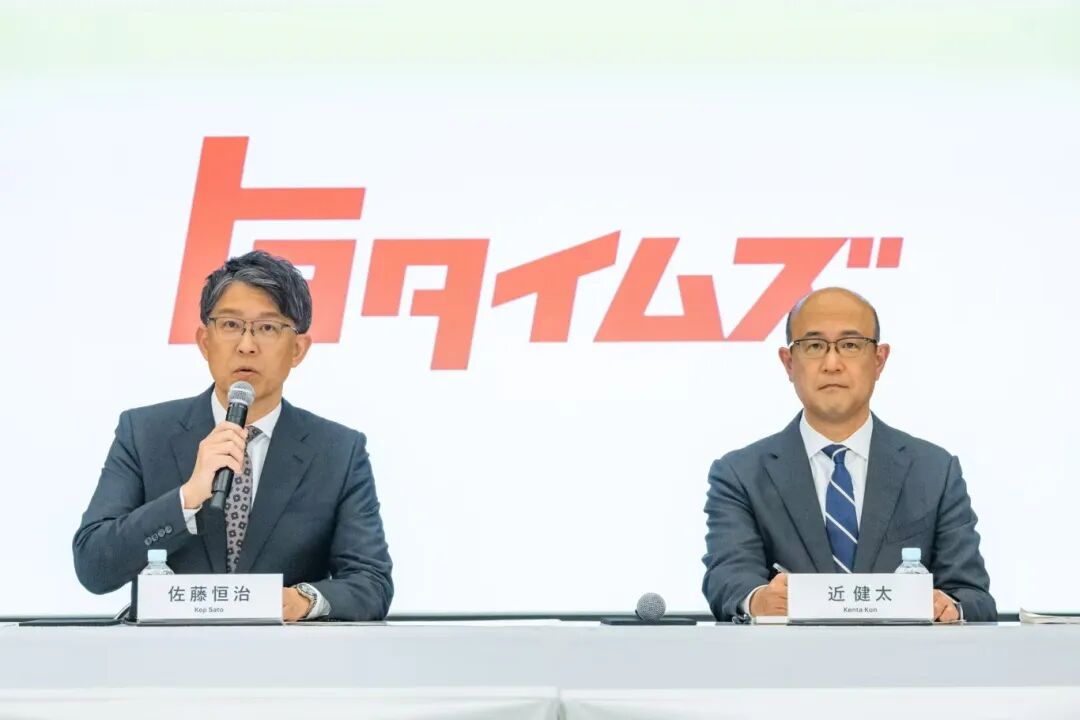
While the outside world was still surprised by the "abrupt end" of Sato Koji's three-year tenure, Akio Toyoda's words to Kon Chin revealed the core logic behind this leadership change.
Choosing Kon Chin, with a financial background, to lead Toyota marks a significant strategic shift for a company traditionally rooted in technology and manufacturing. Today's Akio Toyoda may share the same considerations as Kiichiro Toyoda seventy years ago—
When the company reaches a critical juncture of technological transformation and profit enhancement, the leader must excel in profit creation, be sensitive to capital, and provide solid support for technological R&D.
And Kon Chin is the best candidate for this role.
This global automaker, known for its engineer culture, lean production, and product focus, has broken with long-standing management traditions by appointing a leader with a financial background, reflecting profound shifts in corporate priorities.
01 Return to the Center of Power
Who is Kon Chin?
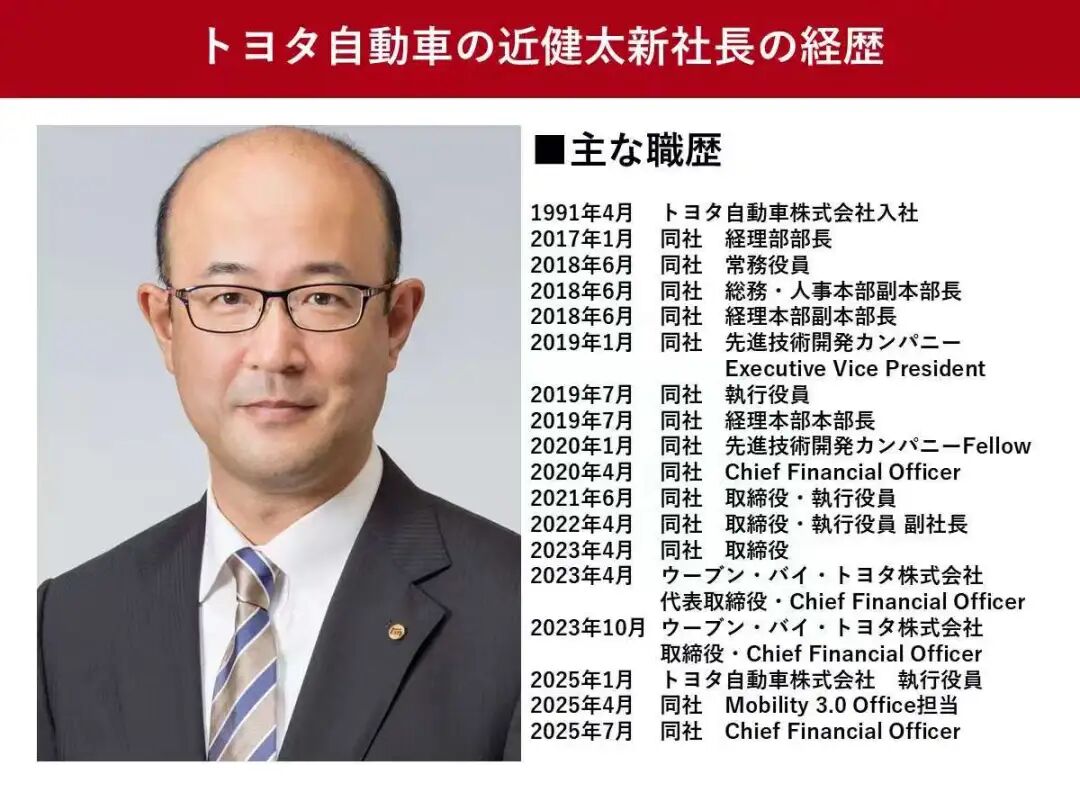
Born in 1968, Kon Chin graduated from the Economics Department of Tohoku University in Japan in 1991 and joined Toyota Motor the same year. In 2017, he became the head of Toyota's Accounting Department and later succeeded Kobayashi Koshi as CFO in 2020. In 2022, he was appointed Director and Vice President of Toyota Motor.
Digging into Kon Chin's career at Toyota, we learn that before 2016, he served as Akio Toyoda's assistant secretary for eight years.
Bloomberg automotive analyst Yoshida Tatsuo commented that Kon Chin's long tenure as Akio Toyoda's assistant allowed him to accurately understand Toyoda's strategic intentions, which is crucial for implementing corporate strategies. The two have worked closely for years, building a high level of trust, and he communicates smoothly with Toyota's senior leadership.
Toyota employees familiar with Kon Chin revealed that besides his management experience and abilities, his frank and straightforward communication style is a major advantage for the top executive role. Compared to Sato Koji, an engineer who became president at the "young" age of 53 three years ago, Kon Chin exudes a more composed and reserved demeanor.
In fact, Kon Chin had once stepped away from the center of power.
In 2023, when Sato Koji was promoted to president, Kon Chin, then Vice President, along with Chief Technology Officer Maeda Masahiko and Chief Human Resources Officer Kuwada Masanori, all resigned from their vice president roles as they were of the "same generation" as Sato in the leadership team.
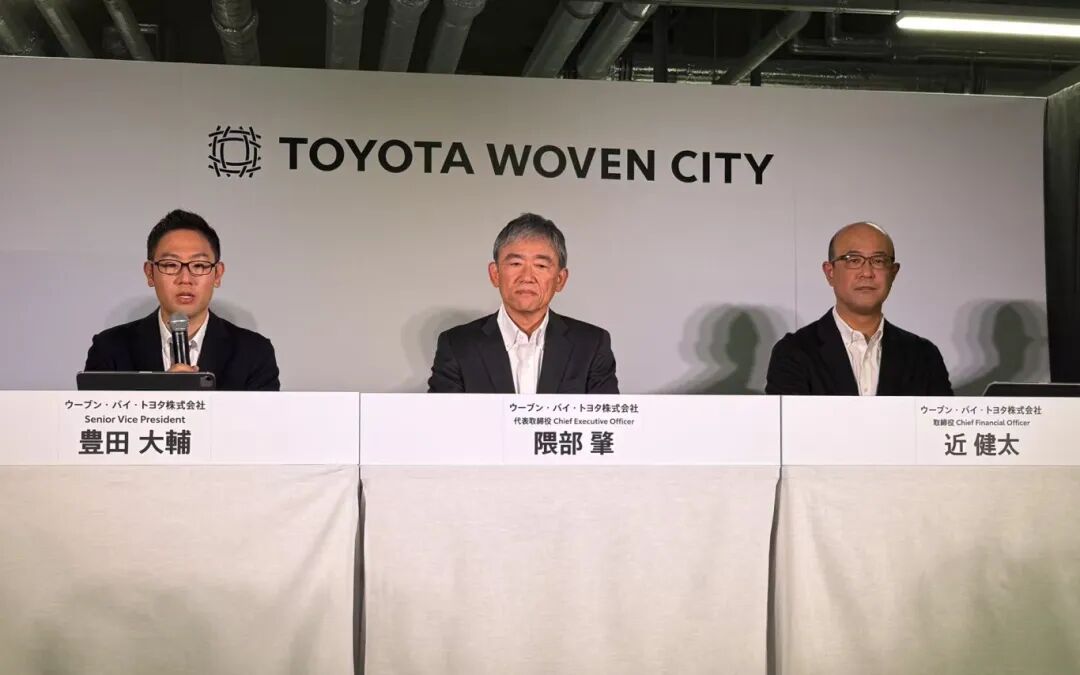
After stepping down as Vice President, Kon Chin was "transferred" to subsidiary Woven by Toyota as Director and CFO, leading the financial restructuring of this startup subsidiary. In January 2025, he returned to Toyota's core management as Executive Director and CFO, while also serving as a Director of Toyota Real Estate.
As early as three years ago, Toyota insiders had predicted: among the three who resigned as vice presidents, only Kon Chin was likely to return to the core of power. The reason is that Woven by Toyota, a subsidiary focused on R&D of future mobility technologies under the Toyota Motor Group, carries Toyota's cutting-edge technology strategy for the smart city Woven City. More critically, Akio Toyoda's eldest son, Toyota Daisuke, also works there.
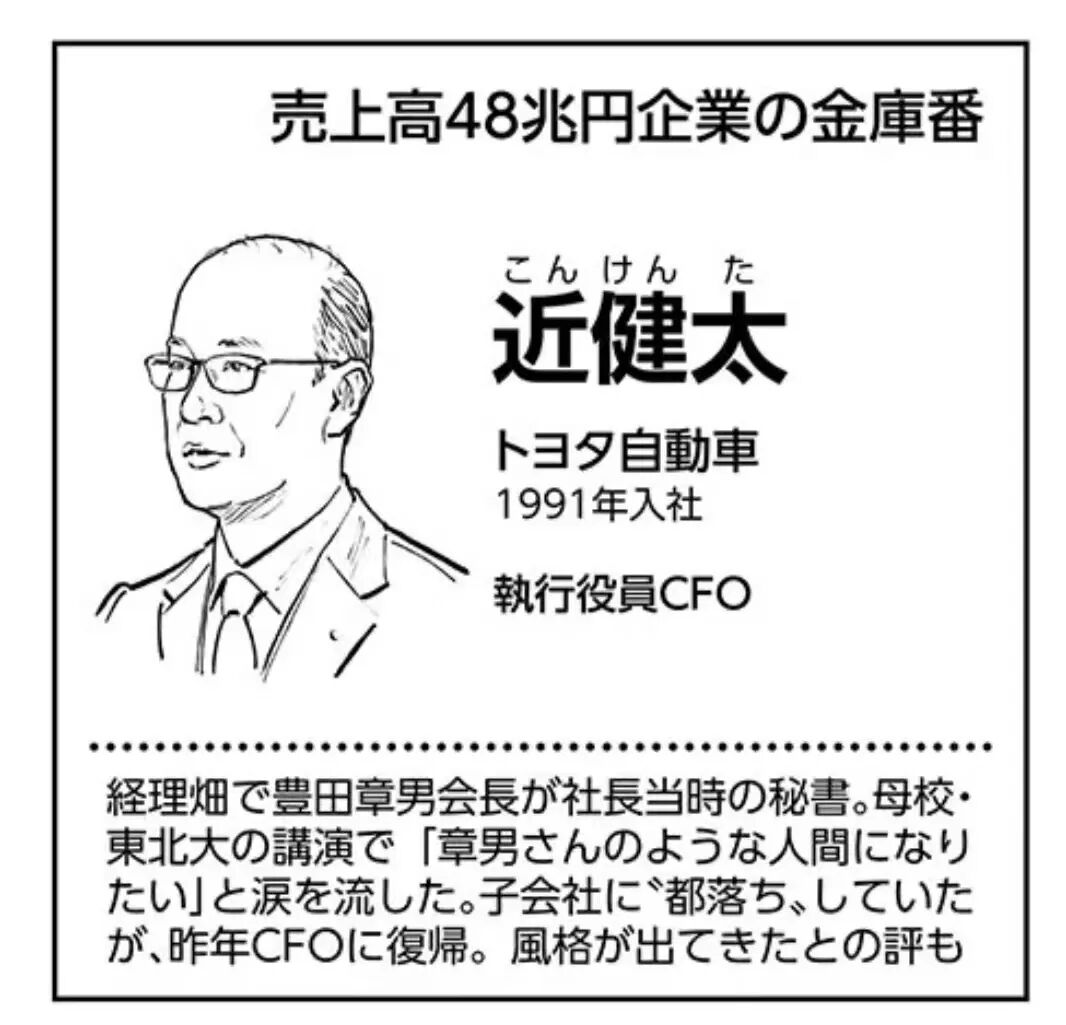
During his time away from the core management, Kon Chin gave an emotional speech at his alma mater, Tohoku University, where he tearfully confessed his aspiration to become someone like Akio Toyoda.
This heartfelt speech not only made headlines in Japanese media but also spread widely within Toyota. Many Toyota employees believed that as long as Kon Chin could support Toyota Daisuke well, a comeback was only a matter of time.
In February 2026, Toyota Motor dropped the first personnel bombshell of the automotive world, announcing high-level personnel changes without warning, instantly pushing current President Sato Koji and new President Kon Chin into the spotlight of industry attention.
Including Sato Koji, Toyota has had 12 presidents in its history, with only one—Toyota Tatsuro, who took office in 1992—serving for less than three years. Sato Koji's tenure, both in office and departure, was brief, making him the first Toyota president in over thirty years to serve for less than three years.
Three years ago, Toyota suddenly announced that Akio Toyoda would step down, with Sato Koji taking over as president, while Akio Toyoda, who had led Toyota for nearly 14 years, finally chose to retire behind the scenes at the age of 66. Japanese media revealed that the speed of Toyota's leadership change caught even Sato Koji off guard.
Three years later, Toyota's personnel adjustment was equally unexpected. Even Kon Chin, the incoming president, admitted that he first heard of this during a personnel planning meeting in mid-January. The suddenness left him "blank-minded at the conference."
02 Behind the Three-Year Tenure
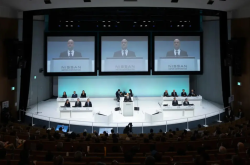
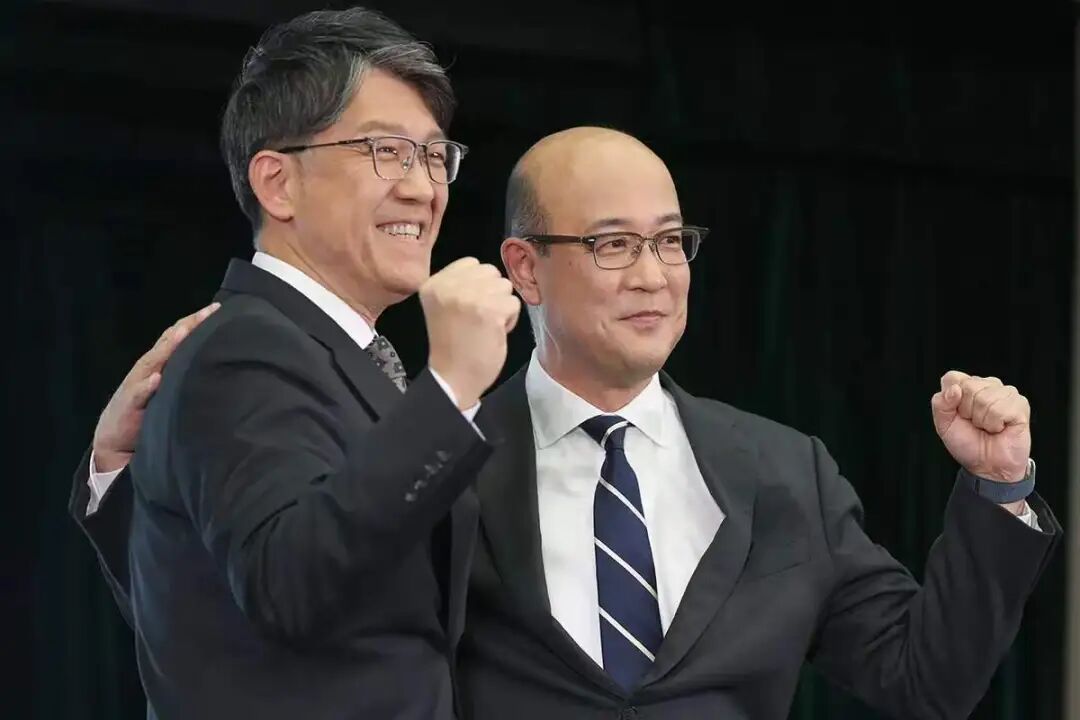
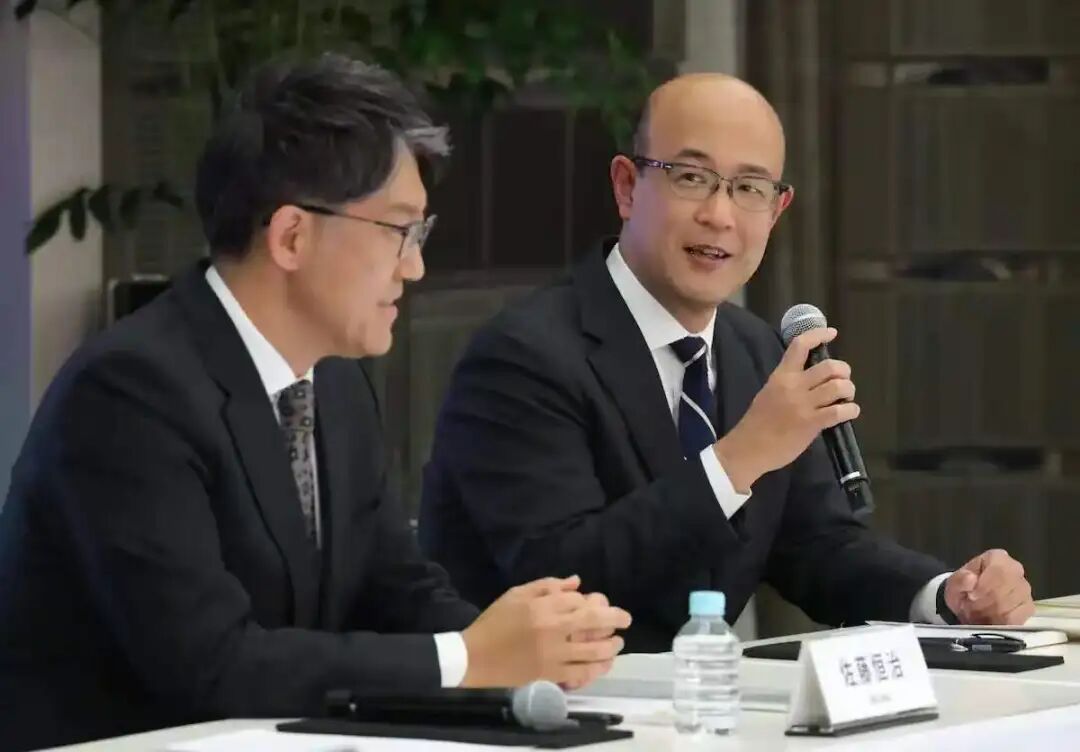
At the press conference announcing the new president, Sato Koji and Kon Chin sat side by side as this Japanese automotive giant prepared to enter a new era of "financial leadership."
Why the abrupt resignation as president?
Sato Koji admitted, "My heart was very torn."
But he also noted that with additional responsibilities at the Japan Automobile Manufacturers Association and other institutions, his burden had grown. "Many senior executives within the company advised me that holding multiple roles was not ideal. In industry groups, Toyota's identity may not always be a plus. Based on this, I ultimately decided to step down."
Regarding his resignation, he emphasized three points.
First, while he had previously discussed stepping down with Akio Toyoda, Toyoda did not participate in this decision. In other words, Toyoda did not exert much pressure, and the decision-making process was not overly influenced by him.
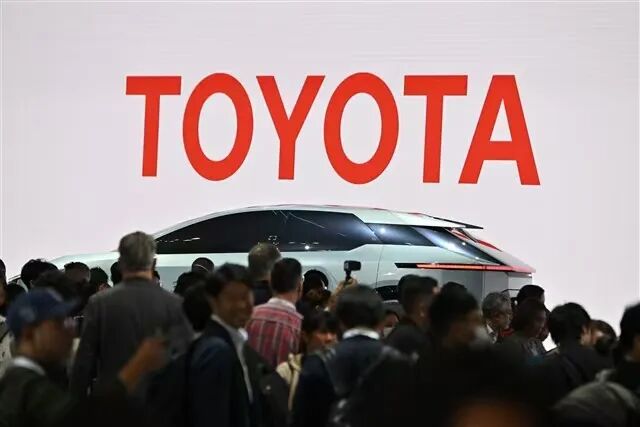
Second, despite the short tenure, this is a positive presidential transition. In Sato Koji's view, the pace of change in the automotive industry can no longer be measured by past timelines.
His three-year tenure, while brief, was fulfilling and allowed for the completion of many tasks.
In fact, Toyota's personnel adjustment is not merely a simple "leadership change" but a clear strategic division of high-level management roles—
Sato Koji's focus will shift externally, leveraging his technical background and industry reputation to integrate Japanese automotive industry resources and tackle future areas requiring cross-industry collaboration, such as hydrogen energy and software ecosystems.
Kon Chin, as the new CEO with a financial background, will focus internally on management and corporate operations, using financial tools to reduce costs, improve efficiency, optimize supply chains, and provide solid financial support for the massive transformation investments.
This "divide and conquer" strategic layout is a precise arrangement by Akio Toyoda based on industry transformation trends and an important strategic adjustment for Toyota to navigate industry upheavals.
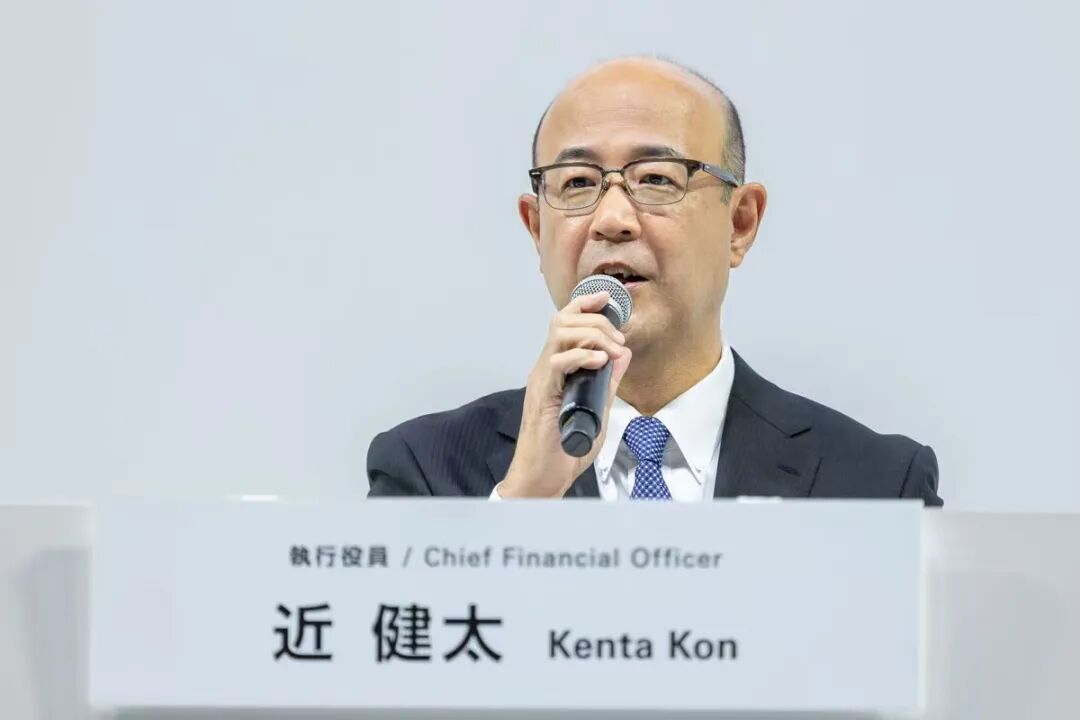
At the press conference, Japanese media also asked Sato Koji whether his abrupt resignation was due to "making mistakes" within the company.
Sato Koji responded that he had not made any errors during his tenure and that this transition was the result of very positive and constructive discussions among management to establish a new organizational structure for long-term development. He emphasized that due to a shared judgment, Toyota needs deep transformation to fully address various challenges.
Sato Koji took over as CEO in April 2023 for a three-year tenure, delivering a relatively steady performance:
In 2025, Toyota's global sales reached 11.328 million units, topping the charts for the sixth consecutive year as the world's best-selling automaker; its operating profit for the 2023 fiscal year exceeded 5 trillion yen for the first time, setting a new record; it continued Akio Toyoda's "omnidirectional approach" strategy, leading in hybrid sales...
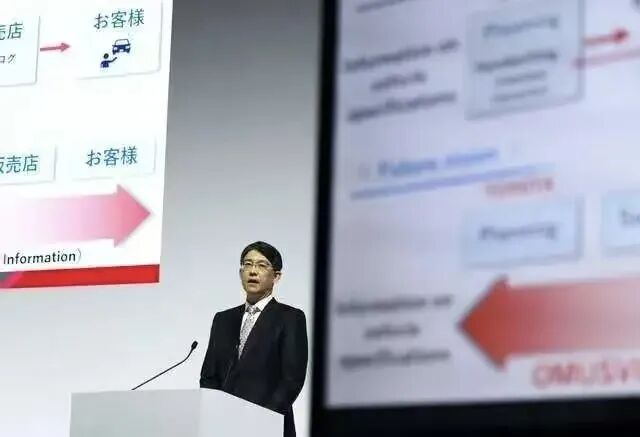
However, "steadiness" often has two sides.
Sato Koji is a steady caretaker. Over his three-year tenure, he excelled in "holding the fort," keeping Toyota stable amid turbulent times.
On the other hand, he was not a trailblazer for transformation. While delivering impressive short-term operational results, he failed to break through Toyota's development bottlenecks in new sectors.
03 Even the "Landlord" Feels a Sense of Crisis
The biggest bottleneck in new sectors lies in the new four modernizations transformation.
At the press conference announcing the new president, Japanese journalists also asked Kon Chin how he viewed Toyota's progress in autonomous driving, end-to-end technologies, and other cutting-edge fields, as well as how it compares to competitors like Tesla.
Kon Chin's response was very candid. He admitted that companies like Tesla started R&D in areas such as artificial intelligence and embodied intelligence very early, with rapid technological iteration. Toyota does not lead in all aspects and has much to learn from competitors like Tesla.
Indeed, during Sato Koji's tenure, Toyota was widely seen as lagging in intelligentization (intelligentization) fields such as autonomous driving, smart cockpits, and software-defined vehicles (SDVs), falling behind the industry's top tier.
Within Toyota, the strategic priority for intelligentization (intelligentization) remains low, with resources scattered across multiple paths and conservative value delivery timelines, widening the gap with Chinese new energy vehicle manufacturers and Tesla.
Over the past few years, Toyota's pure electric transformation has also been slow. After Sato Koji took office, he initially championed the "BEV First" slogan but soon reverted to Akio Toyoda's previous balanced approach of "multi-path electrification"—not refusing to transform but not doing so quickly or decisively enough.
Essentially, Toyota relies on hybrid profits as a safety net, adhering to a multi-path technology insurance strategy, unwilling to endure short-term losses from pure electric vehicles. This "steadiness" preserved corporate profits in the short term but left Toyota lagging in the pure electric and intelligentization (intelligentization) races, with sales and market share falling behind competitors.
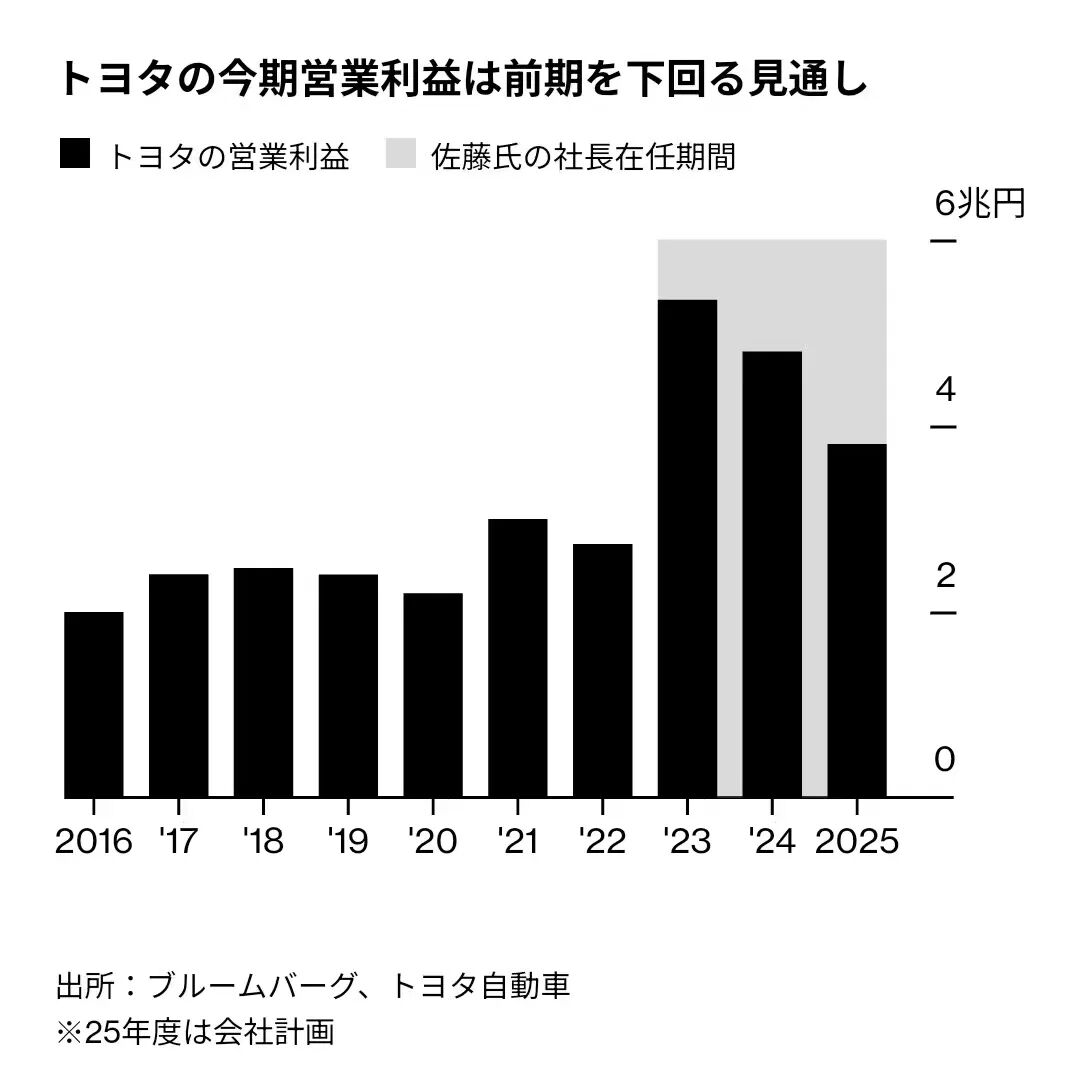
It's worth noting that despite adhering to a consistent "steady" approach in recent years, Toyota has encountered new profitability challenges.
The latest data shows that Toyota's net profit for the third quarter of the 2026 fiscal year (April 2025-March 2026) was 1.26 trillion yen (approximately 55.3 billion yuan), a decrease of 0.93 trillion yen (approximately 40.8 billion yuan) compared to the same period in the 2025 fiscal year, a 43% year-on-year decline, nearly halving.
In fact, since the first quarter of the 2025 fiscal year, Toyota's gross profit growth has shown signs of fatigue, with net profit growth also fluctuating significantly.
After setting a record 5 trillion yen operating profit in the 2023 fiscal year, Toyota's operating profit has been declining year by year. Additionally, over the past three years, Toyota's operating profit margin has dropped from a peak of 11.9% to 7.6%, clearly lacking momentum.
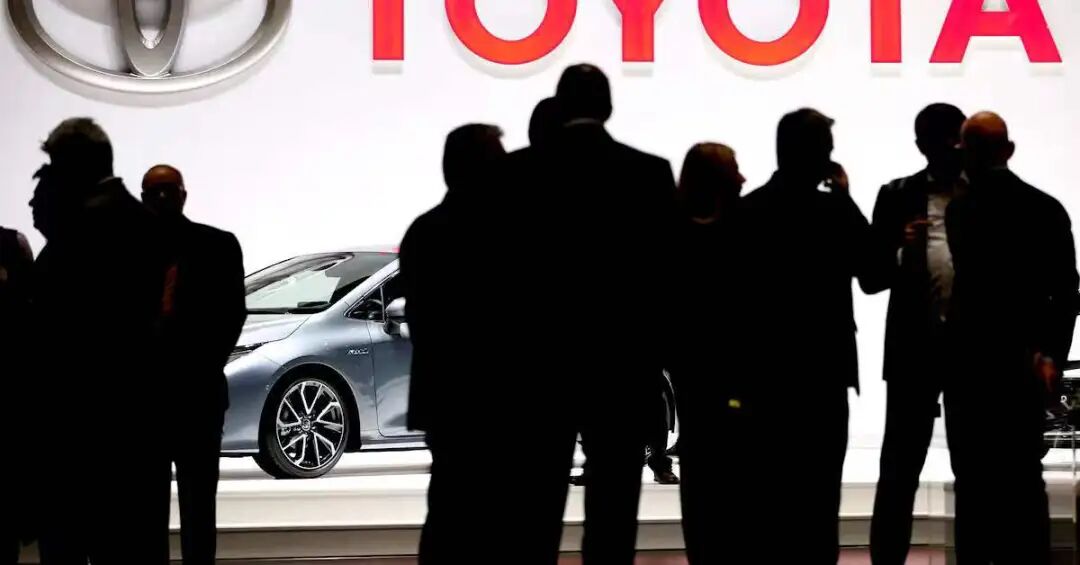
Clearly, even the formerly highly profitable "landlord" now feels a sense of crisis, with profitability trends shifting from short-term fluctuations to a potential sustained downturn.
On one hand, the pace of the new four modernizations transformation in the industry continues to accelerate, with R&D and new business layout investments only increasing. On the other hand, corporate cost control and profitability urgently need improvement, as past business strategies and management structures are no longer suited to the new industrial landscape, making bold reforms imperative.
You know, the transformation towards the 'Four Modernizations' is inherently a 'money-burning pit.' Especially for a company like Toyota, which has long adhered to a 'multi-path development' technological approach. Not only has it made multi-line deployments in the new energy sector, including pure electric, hybrid, and hydrogen energy sectors, but it has also continuously invested huge sums in new fields such as solid-state batteries, smart cities, and energy storage. With an expanding portfolio and diversified business lines, financial pressure naturally mounts.
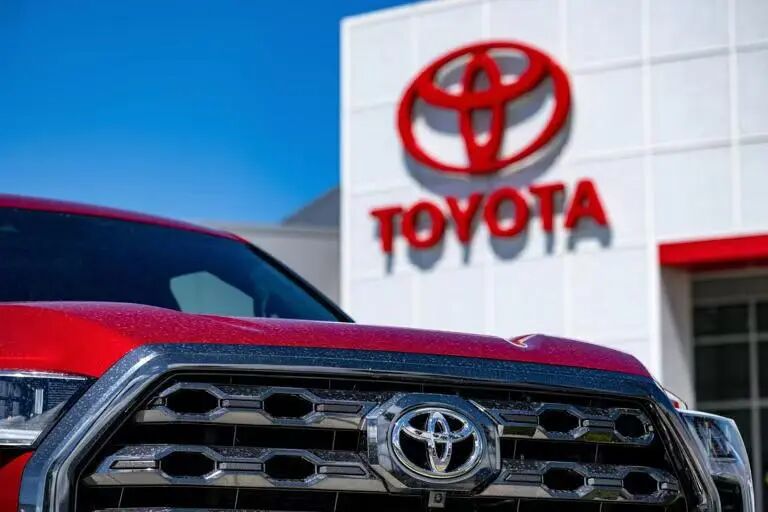
Moreover, the significant increase in tariffs on Japanese auto imports by the Trump administration in the United States has eroded Toyota's profits by hundreds of billions of yen, directly dragging down its operating profit and becoming one of the primary reasons for the decline in net profit.
Seventy years ago, Toyoda Sakichi personally extended an invitation to Ishida Taizo for the position of president, saying:
"If you are an excellent businessman, you should focus on earning money earnestly. Then, use that money to help those technical researchers who are not faring well. Currently, Toyota requires enormous funds to develop new technologies, and you are the best candidate to generate profits and protect our technical engineers."
Seventy years later, facing Kenta Kon, who is about to assume the role of president, Akio Toyoda imparted a similar entrust (admonition):
"I hope you can become someone like Ishida Taizo, helping the company generate profits and fully supporting the automotive dreams of our technical engineers."
Akio Toyoda understands better than anyone that Toyota's immediate priority is to enhance profitability and capital efficiency while lowering the breakeven point. Then, it can fully commit to the automotive 'Four Modernizations.'
This is a new challenge for Toyota and a new task for Kenta Kon.
Will he become Toyota's 'Ishida Taizo' in the new era?
Editor-in-charge: Du Yuxin Editor: He Zhengrong
THE END
-
![]()
The Unstoppable Rise of 'Optical Progress and Copper Decline': Sunny Optical’s Strategic Vision for the Next Decade
-
![]()
AI + Going Global in the Second Half: No Intermission for Robot Vacuum Cleaners
-
![]()
The Suffering Endured in E-commerce, Walmart Doesn't Want to Repeat in AI
-
![]()
What Does the Doubling of New Energy Vehicle Exports Mean?
-
![]()
Ghosn: 'Only I Can Save Nissan'
-
![]()
Volkswagen Lays Off 100,000 Employees, The Elephant Sits Down
-
![]()
Expanding Production Capacity! Yutong Optics Acquires Approximately 1.5 Hectares of Industrial Land in Chang'an, Dongguan
-
![]()
Why Is Nokia Making a Comeback in the AI Era?