Iran Has Such a Big Impact on the Global Auto Industry!
 03/10 2026
 550
550
Introduction
Introduction
This conflict has the potential to disrupt oil supplies and regional automotive transportation.
On February 28, 2026, the US and Israeli militaries launched air strikes on Iran, and the subsequent events are well known. As of now, the conflict has lasted nearly two weeks with no signs of a ceasefire. While this appears to be another upheaval in the Middle East, its impact is rapidly spreading to the global auto industry.
According to relevant information, on one hand, auto sales in Iran are not optimistic, affecting overall car sales across the Middle East. On the other hand, blockades in the Strait of Hormuz have led to rising international oil prices and disrupted transportation networks. As a result, global automakers have been forced to adjust production plans and delay overseas shipments.
For example, Toyota has announced a production cut of 40,000 vehicles, several Indian automakers have suspended exports to the Middle East, and Chinese automakers' exports to the Iranian market may also face risks. The impact of the situation in Iran on the global auto industry is far more profound than expected.
01 Asian Automakers Face Direct Impact
Undoubtedly, the impact of war on the auto industry is first reflected in declining sales in regional markets. Iran is the largest auto consumer market in the Middle East. According to Bernstein, total auto sales in the Middle East last year were approximately 3 million vehicles, with Iran accounting for 38%, or about 1.14 million units.
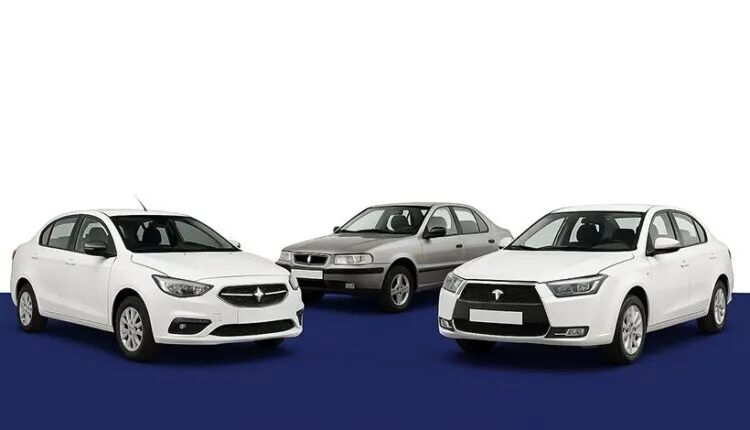
Due to long-standing international sanctions, most mainstream auto brands from Europe, the US, Japan, and South Korea cannot enter the Iranian market, which is dominated by local manufacturers and Chinese automakers. Iran Khodro and Saipa are the two largest auto companies in Iran, followed by several Chinese brands.
Bernstein's statistics show that in the Middle East market, Toyota holds a 17% share, Hyundai 10%, and Chery 5%. Together, these three account for about one-third of the regional market.
Based on last year's sales volume of approximately 600,000 vehicles in the Middle East, Toyota's annual sales in the region are estimated at around 204,000 units, Hyundai's at 120,000 units, and Chery's at 60,000 units. After the outbreak of war, sales of these vehicles will face severe challenges. Reports indicate that this is not due to disappearing demand but rather the combined effects of logistical disruptions and declining consumer confidence.
Among them, Chinese brands are under particularly strong pressure. The most affected Chinese automakers include JAC, SAIC, Chery, Changan, and Great Wall.
Additional data shows that in terms of brand sales rankings, Iran Khodro leads with over 400,000 units sold. Saipa ranks second with 310,000 units. Peugeot's sales slightly exceed 175,000 units. MVM (Chery models) sold 46,000 units, followed closely by JAC and Zamiad. Bahman and Chery rank third, KMC and Haima fourth and fifth, respectively, making the top ten. FMC ranks 11th, Lamari 12th, Lucano 13th, Fonix 14th, and Xtrim 16th.
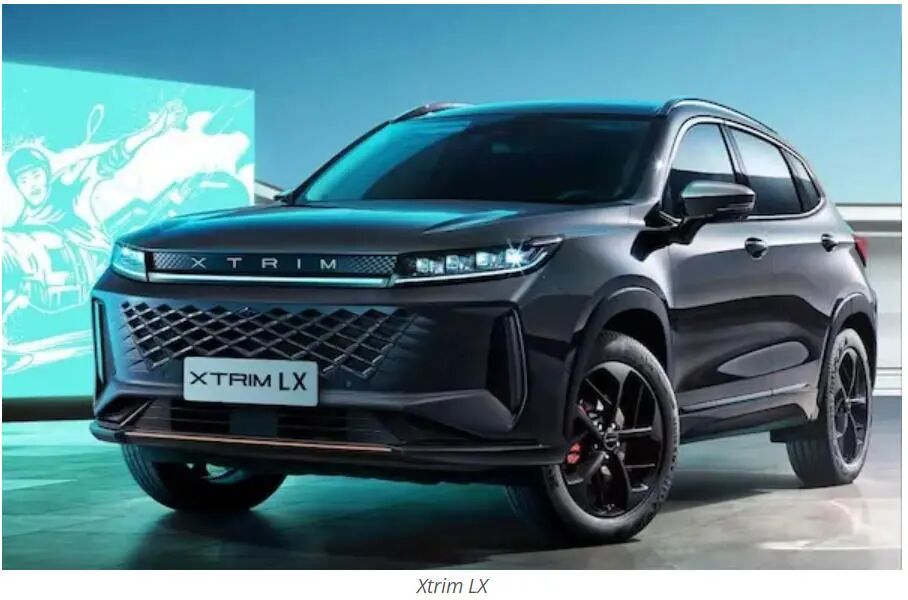
Among Iran's numerous local brands, these companies produce and sell rebadged Chinese models. BAC sells the Geely GX3, FMC sells the Forthing T5 (rebadged as T5), and Fownix sells rebadged Chery models: the F7 (Tiggo 8), Z6 GT (Arrizo 6). KMC sells the SWM G01 (rebadged as A5) and the JAC J4 (rebadged as Eagle). Lamari sells the Forthing T5 Evo (rebadged as Eama) and the Dongfeng Fengshen Shine (rebadged as Echo). The Jaecoo J5, J7, and J8 are sold as the Lucano 5, 7, and 8, respectively. Xtrim sells six Exeed models.
It can be said that these Chinese automakers have spent years cultivating the Iranian market and established complete sales networks. Now, all their operations may be forced to suspend.
Before Chinese automakers made statements, Indian automakers responded quickly. According to media reports, Tata Motors, Maruti Suzuki, Hyundai Motor India, and Volkswagen India have delayed shipments to the Middle East and North Africa due to sharply rising transportation costs, tight container supply, and soaring war risk insurance premiums.
Sources revealed that emergency surcharges per container have risen to $2,000. A Maruti Suzuki executive stated on March 1 that the Middle East accounts for 13% of its total exports. The situation is even more pronounced for Hyundai India, where the Middle East and North Africa market accounts for 40% of its overseas shipments. A vice president at Elara Capital pointed out that if shipment disruptions persist for a month, these automakers' cash flow and inventory will face pressure.
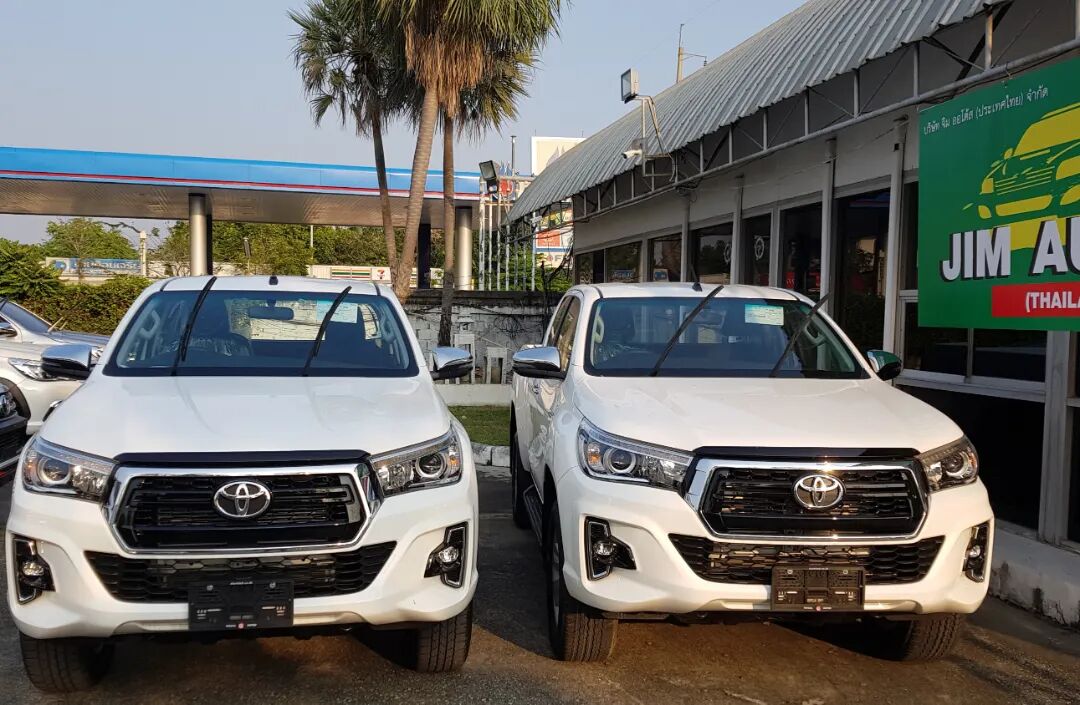
Of course, Toyota, the world's largest automaker by sales, reacted most swiftly. According to Nikkei Asia, Toyota, concerned about logistical disruptions in the Middle East, decided to cut production by 40,000 vehicles, primarily affecting SUV models like the Land Cruiser, which sell well in the Middle East.
While Toyota has not made an official comment on the matter, the production cut itself speaks volumes, indicating that the world's largest automaker is preparing for a worsening situation.
02 Greater Impact from Blockades in the Strait of Hormuz
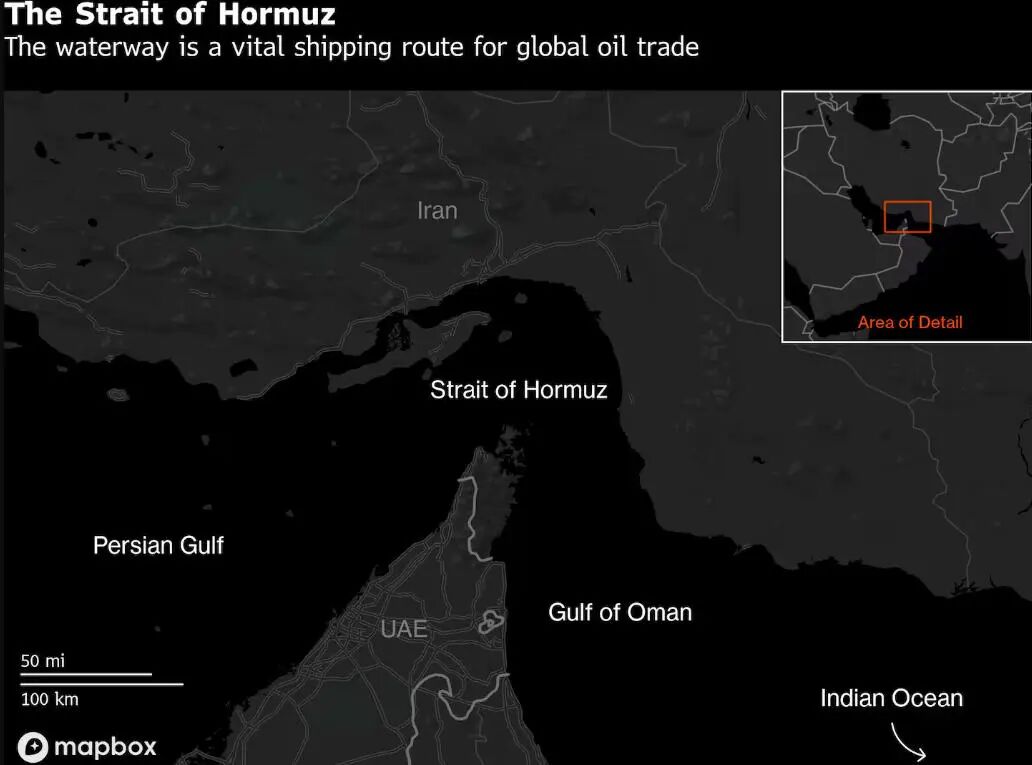
Beyond new vehicle sales, the auto industry faces a second challenge from logistics and energy. The Strait of Hormuz is the only outlet from the Persian Gulf, through which about one-third of globally seaborne crude oil passes. After the outbreak of war, Iran warned that any vessel passing through the strait could be attacked.
This statement led shipping companies to avoid the strait, effectively paralyzing it.
Unable to pass through the Strait of Hormuz, vessels must detour around South Africa's Cape of Good Hope. This detour adds thousands of nautical miles to the journey, extends transportation time by one to two weeks, and doubles freight costs. Automobiles are bulk commodities that occupy significant space per unit, making transportation costs inherently high. With the addition of emergency surcharges, many export orders are no longer profitable.
This is the fundamental reason why several Indian automakers have suspended shipments—not a lack of orders but transportation costs exceeding profit margins.
Rising freight costs are just the first layer of impact; the second comes from soaring oil prices. On March 6, the average national price of regular gasoline in the US was $3.32 per gallon, up 11.4% from $2.98 a week earlier. European oil prices also rose significantly. Blockades in the Strait of Hormuz have made it difficult to transport crude oil, raising market concerns about supply shortages and driving up futures prices.
Rising oil prices are bad news for the auto industry, especially for automakers selling fuel-powered vehicle (internal combustion engine vehicles). Bernstein specifically noted that Stellantis is most severely affected by the conflict, as it has the heaviest investment in internal combustion engines, and rising oil prices will directly suppress demand for its products.
Then there are the operational costs for all automakers. For example, tire production relies on petrochemical raw materials, and vehicle transportation requires fuel. Rising oil prices will comprehensively increase costs. Calculations by CMB International Securities show that freight costs typically account for 1% to 3% of automakers' revenue, and a doubling of oil prices will cause this proportion to rise accordingly.
There is also the insurance cost. While vessels can still pass through the Strait of Hormuz, war risk insurance premiums have risen to unaffordable levels. Indian automakers would rather suspend shipments than purchase insurance, indicating that premium increases have exceeded reasonable bounds. Two-wheeler manufacturer Bajaj Auto has also suspended shipments to Gulf countries, which account for only 3% of its exports. However, after premium increases, this slim profit margin has been completely eroded.
All these pressures will be passed on to consumers. Rising oil prices increase vehicle operating costs, potentially causing prospective buyers to delay purchase plans. Combined with rising inflation expectations, Bernstein wrote in its report: The greatest risk of prolonged war is pushing up oil prices, undermining global economic confidence, and causing auto sales to plummet outside the Gulf region.
Beyond freight and oil prices, there is another layer of impact: supply chain disruptions. The modern auto industry is one of the most globally diversified sectors, with a transmission potentially shipped from South Korea to India, assembled into a complete vehicle, and then transported to the Middle East. After blockades in the Strait of Hormuz, the entire chain has stalled.
Toyota's production cut of 40,000 vehicles is not only due to declining demand in the Middle East but also because parts cannot arrive on time. Bernstein's report noted that if the war lasts more than four months, supply chain impacts will spread to Turkey, affecting Europe. Turkey has a developed auto industry that supplies many parts to Europe. Once Turkish factories halt production due to part shortages, European automakers will also face ripple effects.
Currently, there is no sign of the war ending. Bernstein envisioned three scenarios: a short-term ceasefire within three months with manageable impact; a medium-term conflict lasting four months to a year, straining regional GDP and delaying investments; and a long-term war exceeding one year, where costs become the new normal, and prices and interest rates struggle to return to pre-war levels.
For now, the US has indicated it will continue offensive operations until its objectives are met, and Iran's new government has yet to take shape, making a ceasefire unlikely. For the global auto industry, the most severe test may still lie ahead.
Editor in Charge: Yang Jing Editor: He Zengrong
THE END
-
![]()
The Unstoppable Rise of 'Optical Progress and Copper Decline': Sunny Optical’s Strategic Vision for the Next Decade
-
![]()
AI + Going Global in the Second Half: No Intermission for Robot Vacuum Cleaners
-
![]()
The Suffering Endured in E-commerce, Walmart Doesn't Want to Repeat in AI
-
![]()
What Does the Doubling of New Energy Vehicle Exports Mean?
-
![]()
Ghosn: 'Only I Can Save Nissan'
-
![]()
Volkswagen Lays Off 100,000 Employees, The Elephant Sits Down
-
![]()
Expanding Production Capacity! Yutong Optics Acquires Approximately 1.5 Hectares of Industrial Land in Chang'an, Dongguan
-
![]()
Why Is Nokia Making a Comeback in the AI Era?