From Price Wars to Technological Competition: Two Major Events in Shenzhen Set the Tone for China's Auto Market in 2026
 03/12 2026
 696
696
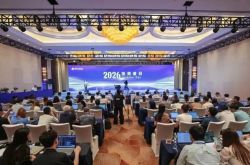
After the 2026 Spring Festival, China's automotive industry witnessed two highly significant launch events. Against a backdrop of clear policy boundaries set by regulatory authorities—prohibiting leading domestic brands from engaging in cutthroat price competition and predatory pricing—Huawei and BYD voluntarily abandoned the traditional competition model of sacrificing price for volume. Instead, they focused on unveiling breakthroughs in foundational technologies, full-chain self-developed achievements, and open ecosystem strategies, establishing the core direction for the automotive market in 2026.
The industry has completely moved away from cutthroat price competition and superficial feature stacking, fully entering a new phase of high-quality development centered on technological innovation and user-driven demands. This shift represents not just a strategic pivot for two industry leaders but also a crucial step for China's automotive sector—from scale expansion to value enhancement—driven by policy regulation and market evolution.
The End of Price Wars: Policy Corrections Steer the Industry Away from Price-Based Competition
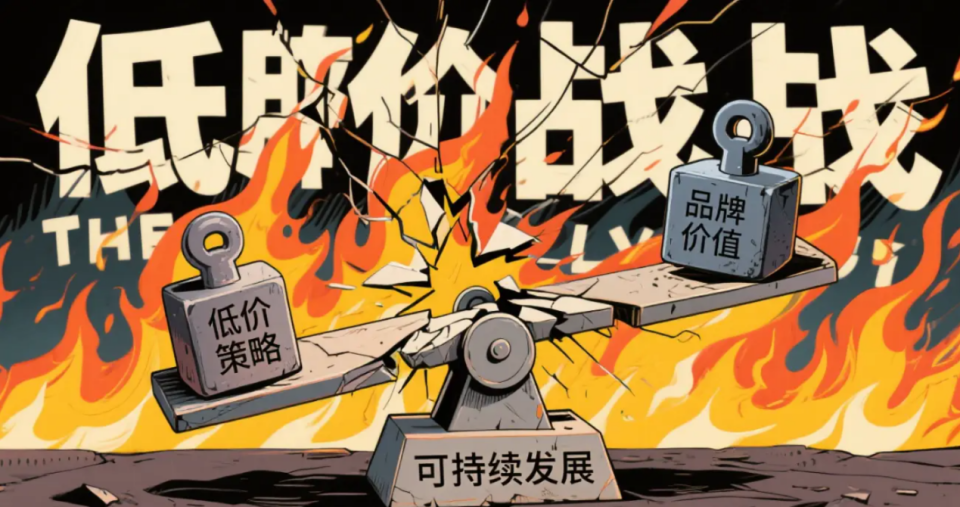
In recent years, China's domestic new energy vehicle (NEV) market has been mired in chaotic price wars. From entry-level commuter vehicles to mid-range and premium models, price cuts, subsidies, and limited-time offers became the norm. Some companies even sold below cost to capture market share, severely compressing industry profits, undermining R&D investment, and putting immense pressure on small and medium-sized brands. Traditional automakers' electric vehicle (EV) transitions were also hindered.
While price wars temporarily benefited consumers, they severely hampered long-term technological advancements and slowed China's automotive industry's global ascent into the high-end market. When the industry was trapped in a cycle of losing profits through price cuts or losing market share by holding prices, policy interventions became essential to break the deadlock and restore industry health.
To address predatory pricing practices, regulatory authorities introduced oversight measures, prohibiting leading domestic brands from engaging in malicious price competition and redirecting resources from price battles toward technological innovation, quality improvement, and ecosystem development. These policies aim not to restrict fair competition but to clear obstacles for sustainable industrial growth, ensuring competition focuses on technology, quality, and service.
The launch events by Huawei and BYD after the 2026 Spring Festival marked the most representative industry response to these policy changes and the strongest evidence of the shift from 'price competition' to 'technology competition.' Both companies focused solely on technological advancements without any price-related rhetoric, proving that core competitiveness stems from irreplaceable technological strength rather than short-term concessions.
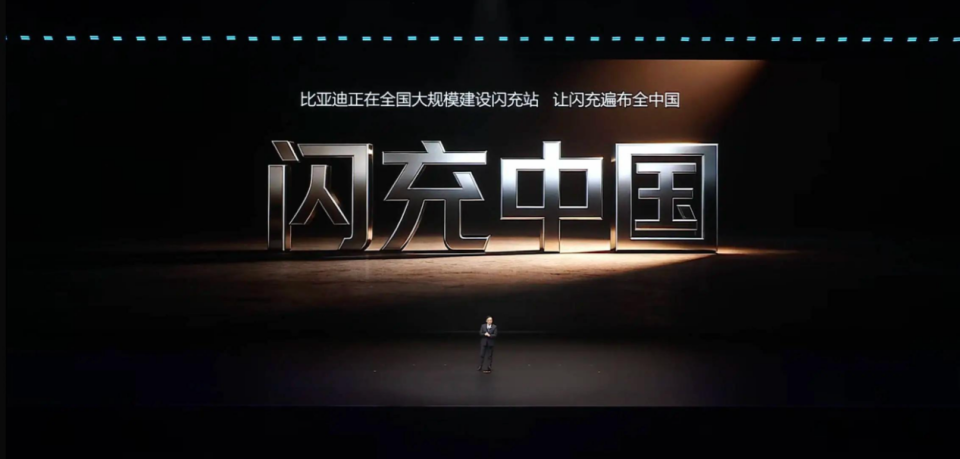
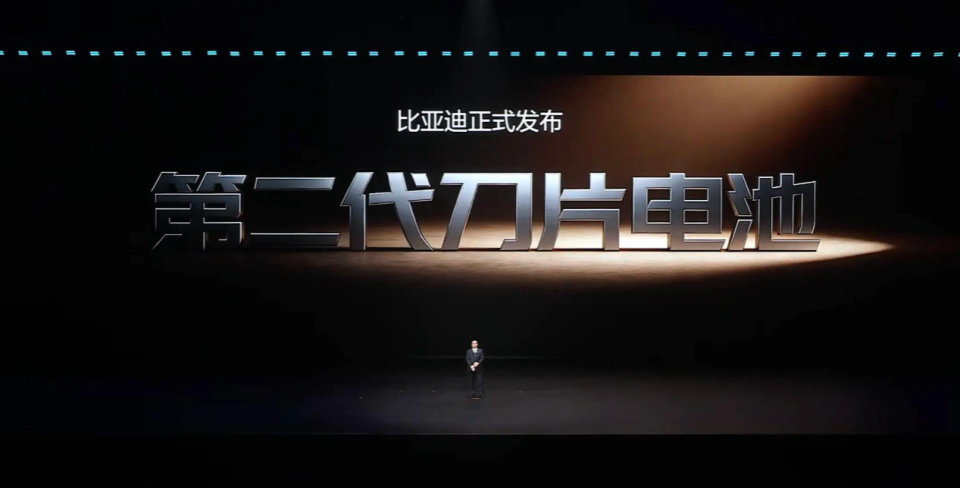
BYD's 'Flash Charge China, Change the World' event centered entirely on battery and energy replenishment technology upgrades, avoiding any mention of price cuts or discounts, thus abandoning price wars.
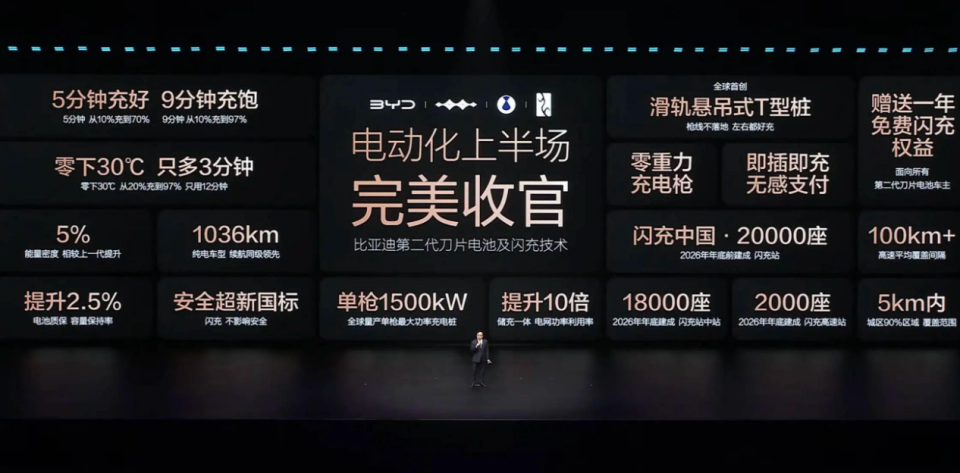
BYD unveiled its second-generation Blade Battery, featuring comprehensive upgrades in safety, energy density, and low-temperature adaptability. Energy density increased by over 5% compared to the first generation, enabling the Tengshi Z9GT to achieve a range exceeding 1,036 kilometers, alleviating long-distance range anxiety at its core.
Even more groundbreaking was its omnidirectional flash charging technology: 400–500 kilometers of range replenished in just 5 minutes under normal temperatures, 97% charge in 9 minutes, and only 3 minutes longer than normal in -30°C extreme cold, effectively solving industry pain points of slow charging in low temperatures and difficulties in northern regions.
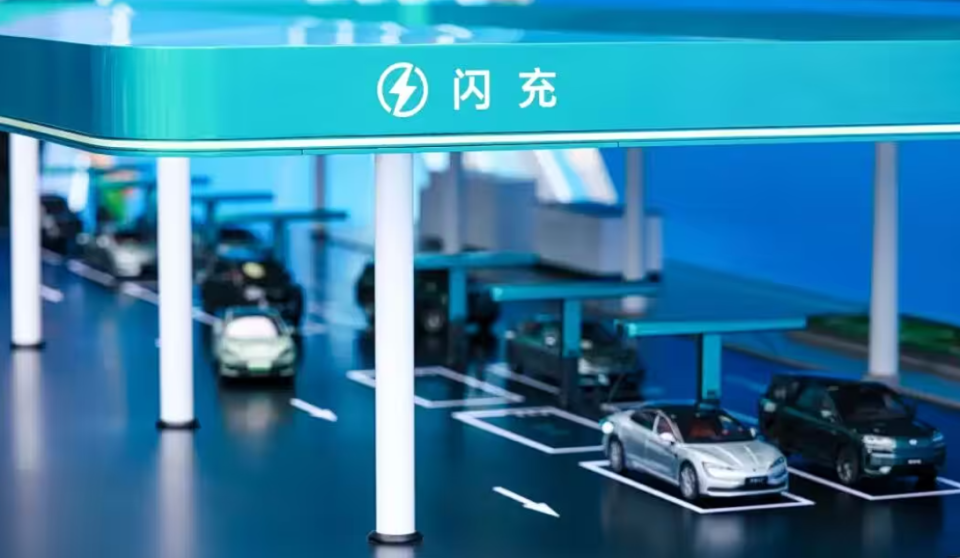
Simultaneously, BYD launched 'Flash Charge China,' aiming to build 20,000 flash charging stations by the end of 2026. Using a station-within-station model, it collaborates with operators to open its technology and network to the entire industry, creating an integrated vehicle-charging-network ecosystem. Unlike chasing sales volume through price cuts, BYD leverages technological barriers and ecosystem openness to prioritize solving user pain points over mere sales growth.
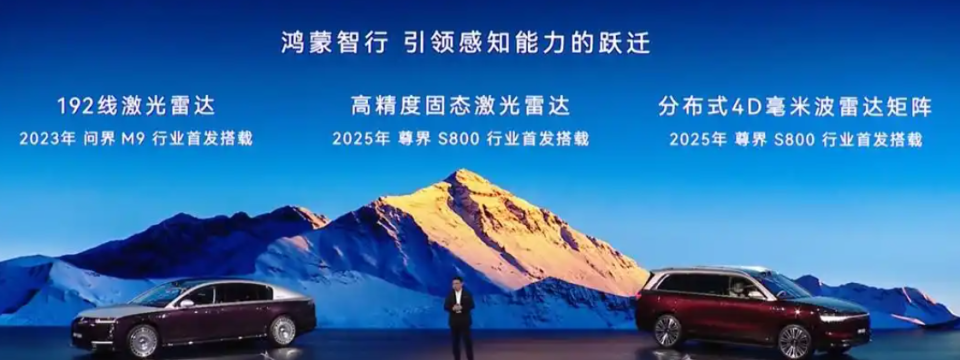
At MWC26 and its dedicated automotive event, Huawei focused on intelligent driving, smart cockpits, and vehicle-wide coordination technologies, accelerating the large-scale deployment of highway L3 autonomous driving and redefining competition standards with technological prowess. HarmonyOS Cockpit 6.0 and Touring chassis (Touring Chassis) work in deep synergy to enhance the overall driving and riding experience, rapidly bringing premium intelligent features to mainstream models priced between RMB 150,000–200,000.
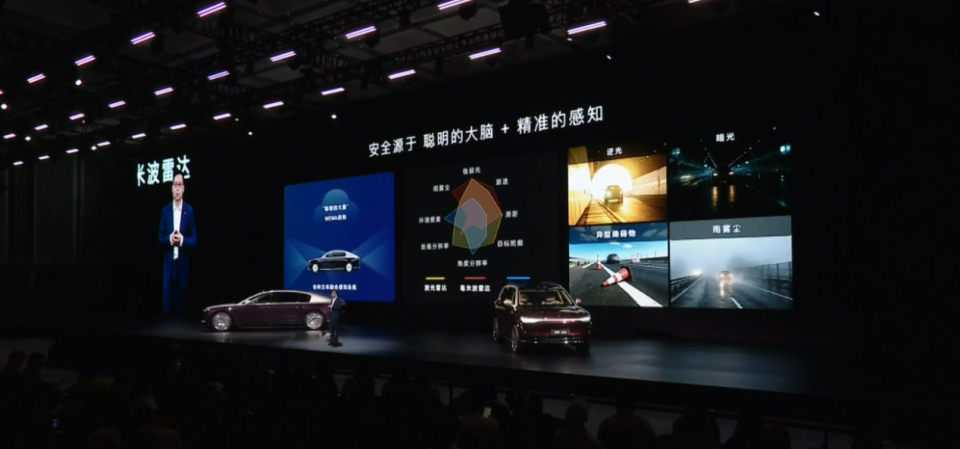
Huawei remains committed to 'not building cars' and instead competes by opening its core technology solutions—such as intelligent driving, cockpits, and chassis—to empower the entire industry. This model completely abandons price wars and drives progress through technological output and ecosystem collaboration. While other brands debate price cuts, Huawei raises the bar in intelligent driving, shifting from price competition to technological competition.
Technological Determinants: Industry Leaders Reshape the 2026 Auto Market Landscape
The two launch events sent a clear message: price wars are exiting the mainstream stage, and technological competition has become the core battleground for the 2026 auto market. This transformation is an inevitable result of policy guidance, leadership from top players, and evolving consumer demands.
From a policy perspective, prohibiting predatory pricing aims to shift the industry from scale-first to quality-first priorities. Prolonged price wars left companies underinvesting in R&D, with core technology (core technologies) remaining constrained, keeping the industry stuck in low-end manufacturing. With policy red lines drawn, automakers must abandon short-term sales-chasing strategies and focus on R&D in key areas such as batteries, electric motors, electronic controls, intelligent driving, and automotive-grade chips.
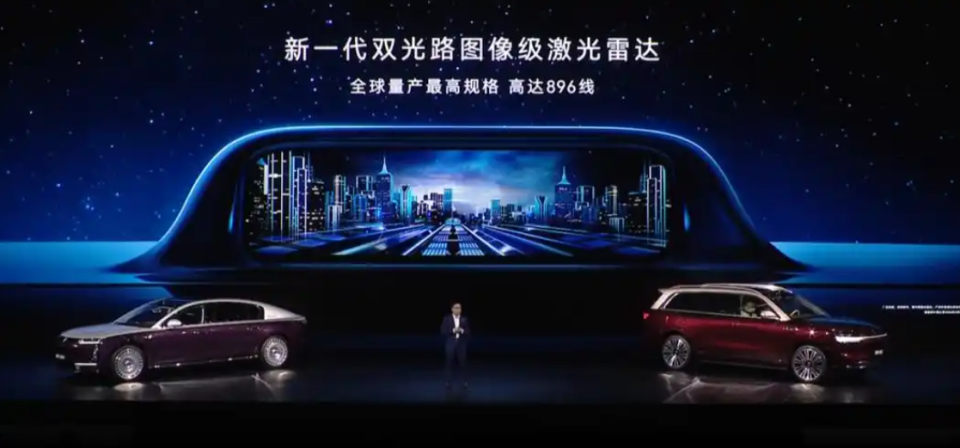
Industry-wide, technological breakthroughs by Huawei and BYD have widened the gap with low-price imitators. Achievements like the second-generation Blade Battery, omnidirectional flash charging, LiDAR, and end-to-end intelligent driving models require long-term, high-intensity R&D and foundational accumulation, making them difficult to replicate quickly.
Competition has shifted from cost and marketing tactics to a comprehensive contest of technology, supply chains, and ecosystems. Automakers relying on third-party solutions and low-cost assembly face survival pressures, while those with self-developed core technologies gain the initiative.
Market-wise, consumer demands have evolved. After years of price wars, users no longer prioritize low prices alone but focus on core values like range, charging convenience, safety, intelligence, and reliability.
BYD's flash charging alleviates range anxiety, while Huawei's intelligent driving enhances travel safety. Technological accessibility allows users to enjoy premium features at reasonable prices, shifting purchasing decisions from price-based to technology-based. This demand upgrade further compels automakers to abandon internal competition and focus on technological and experiential upgrades.
This shift will reshape the industry landscape. Leading domestic brands abandon price wars for differentiated technological routes: Chery accelerates global expansion and self-developed intelligent driving, Geely deepens hybrid technology and overseas markets, and Great Wall Motors focuses on off-road new energy vehicles.
Small and medium-sized automakers can integrate Huawei and BYD's technological solutions to reduce R&D costs and specialize in niche markets. Traditional fuel vehicle companies and foreign brands abandon low-price market defense strategies, accelerating electrification and intelligent transformation through self-development or partnerships to align with China's competitive pace.
The 2026 auto market will feature a new landscape of 'technology-driven leadership, ecosystem symbiosis, and all-dimensional competition.' Electrification competition will no longer focus solely on range but on comprehensive battery, charging, and low-temperature performance. Intelligentization will shift from screen and feature stacking to systemic competition in sensing hardware, large models, foundational systems, and vehicle-wide coordination. Driven by both electrification and intelligentization, China's automotive industry will transition from global follower to standard leader.
2026 marks a pivotal year for China's automotive industry to move beyond internal competition and achieve qualitative transformation. The launch events by Huawei and BYD after the Spring Festival showcase technological achievements and serve as a declaration of industrial transformation.
Shifting from price competition to technological competition and from scale expansion to value enhancement, the technological leadership set by Huawei and BYD is just the beginning. As more companies invest in innovation, China's automotive industry will demonstrate stronger global competitiveness and influence, enabling users worldwide to share in the mobility revolution driven by Chinese technology.
-
![]()
The Unstoppable Rise of 'Optical Progress and Copper Decline': Sunny Optical’s Strategic Vision for the Next Decade
-
![]()
AI + Going Global in the Second Half: No Intermission for Robot Vacuum Cleaners
-
![]()
The Suffering Endured in E-commerce, Walmart Doesn't Want to Repeat in AI
-
![]()
What Does the Doubling of New Energy Vehicle Exports Mean?
-
![]()
Ghosn: 'Only I Can Save Nissan'
-
![]()
Volkswagen Lays Off 100,000 Employees, The Elephant Sits Down
-
![]()
Expanding Production Capacity! Yutong Optics Acquires Approximately 1.5 Hectares of Industrial Land in Chang'an, Dongguan
-
![]()
Why Is Nokia Making a Comeback in the AI Era?