Can Mercedes-Benz’s All-Electric MPV VLE Revolutionize the Premium Mobility Market?
 03/12 2026
 562
562
Author: Liu Wei
Produced by: Insight Auto
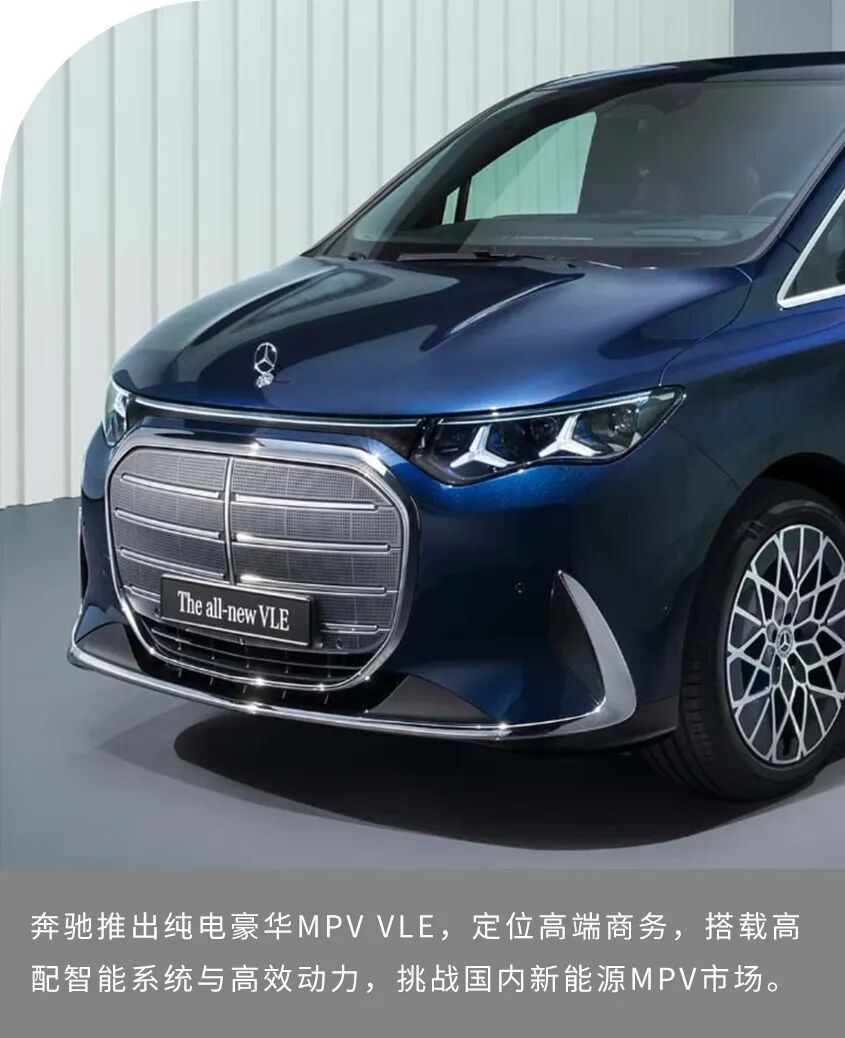
On March 11, 2026, Mercedes-Benz officially unveiled its brand-new, all-electric luxury MPV, the VLE. Built on the innovative VAN.EA all-electric platform, this spacious luxury business vehicle is slated for local production by Fujian Mercedes-Benz in the future.
In the current mid-to-high-end new energy MPV segment, domestic brands have made significant inroads, with models such as the WEY High Mountain, VOYAH Dreamer, and DENZA D9 already dominating the market.
These models excel not only in terms of intelligence but also offer competitive pricing, generally ranging from RMB 300,000 to 350,000, significantly undercutting the anticipated price of the VLE. Given this context, can Mercedes-Benz's foray into the new energy sector disrupt the domestic high-end MPV market?

Analyzing the Core Selling Points of the Mercedes-Benz VLE
In terms of dimensions, the standard VLE model measures 5,309mm in length, 1,999mm in width, and 1,943mm in height, with a wheelbase of 3,342mm. A long-wheelbase variant will be introduced later, extending the length to 5,484mm and the wheelbase to 3,517mm, while achieving an impressive drag coefficient of just 0.25.
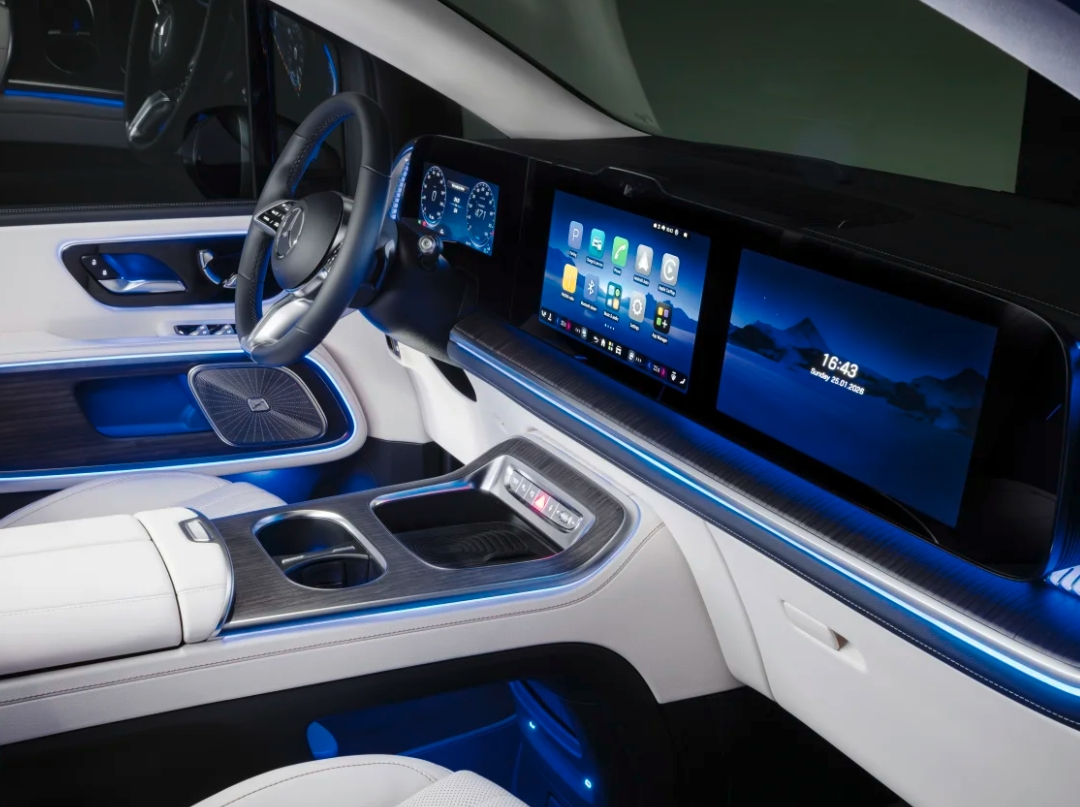
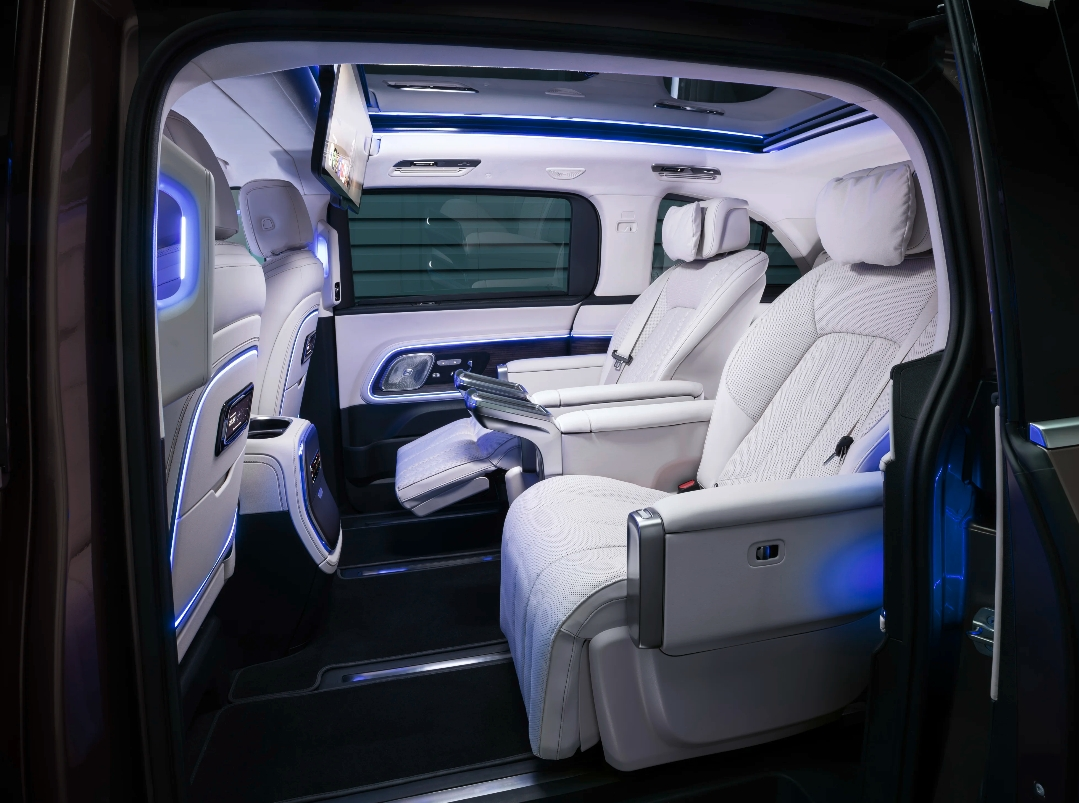
The seating configuration offers flexible 6-8 seat options. Premium versions feature Grand Comfort aviation-grade seats with electric adjustment, leg rests, heating, and other amenities. High-end trims will include a 31.3-inch 8K panoramic screen and a 22-speaker Burmester 3D sound system, delivering an immersive travel experience.
Regarding power and range, the VLE comes in two variants: the VLE 300, equipped with a front-mounted single motor delivering a maximum power of 203kW (272 horsepower), and the VLE 400 4MATIC, featuring a dual-motor all-wheel-drive system producing a combined power of 305kW (409 horsepower), accelerating from 0-100km/h in just 6.5 seconds. Both versions are fitted with a 115kWh ternary lithium battery, offering a WLTP range exceeding 700km.
A variant with an 85kWh lithium iron phosphate battery will be introduced later to make the vehicle more accessible. The VLE adopts an 800V high-voltage electrical architecture, supporting over 300kW DC fast charging, allowing for a 355km range replenishment in just 15 minutes, with excellent charging efficiency even in extreme cold conditions.
Currently, the VLE stands toe-to-toe with domestic high-end MPV models in terms of size and electric drivetrain performance.
The chassis and handling configurations set a new benchmark, with the vehicle featuring AIRMATIC air suspension for intelligent body height adjustment, paired with a maximum 7-degree rear-wheel steering system, reducing the turning radius to just 5.45 meters and significantly enhancing urban maneuverability for large MPVs.
In terms of intelligent technology, the VLE is equipped with the MBUX Superscreen three-screen system and MB.Drive Assist Pro advanced intelligent driving, featuring 10 cameras, 5 radars, and 12 ultrasonic sensors, supporting functions such as automatic parking and highway pilot assist.
What are the Core Advantages and Market Foundations of Fujian Mercedes-Benz After Localization?
As Mercedes-Benz's core production base for commercial vehicles in China, Fujian Mercedes-Benz boasts a mature MPV manufacturing system and extensive market channels. After localization, the VLE will leverage multiple advantages to swiftly penetrate the high-end market.
Firstly, localized production can effectively reduce costs, overcoming the high price barriers associated with imported models. Industry forecasts suggest a post-localization price range of RMB 400,000 to 600,000, precisely aligning with the mainstream price band for domestic high-end MPVs.
With over a decade of experience in the domestic commercial vehicle market, Fujian Mercedes-Benz has amassed a large customer base of enterprises, high-end mobility service providers, and private users, enjoying significant advantages in brand recognition and channel coverage. The luxury brand appeal of the three-pointed star emblem holds irreplaceable allure in scenarios such as business receptions and government-enterprise procurement.

The Real Threat of the Locally Produced VLE to the Market
All-electric models like the Zeekr 009 and Li Auto MEGA have yet to fully gain traction, with market acceptance still lagging behind plug-in hybrid versions. After localization, the Mercedes-Benz VLE will pose a threat in terms of user base and product standards, but it also faces multiple challenges, such as pricing.
In the business market, the VLE will elevate its status to compete with models like the Alphard, LM, and Volvo EM90, leveraging its brand strength and product appeal to gain an edge in corporate procurement, high-end ride-hailing, and airport shuttle services.
However, in the family market, the VLE's brand influence may be less pronounced. With similar levels of intelligence and electric drivetrain performance, it must attract high-end family users through luxury, craftsmanship, space, and practicality, diverting potential customers from the Li Auto MEGA and Zeekr 009.
From a user base perspective, the VLE precisely targets two core demographics: first, enterprise users who prioritize business image, where the Mercedes-Benz brand can meet their reception needs, and its all-electric identity aligns with low-carbon mobility trends; second, family users seeking high-end experiences, where its spaciousness, long range, and luxury configurations suit multi-child family long-distance travel.
These two user groups represent the core consumer base for the domestic high-end MPV market. The VLE's entry will directly carve out market share from existing brands, driving market consolidation towards leading players.
However, the VLE also faces shortcomings after localization. The adaptation speed and feature richness of Mercedes-Benz's MB.OS system are unlikely to surpass new energy rivals in the short term.
Additionally, local brands have erected a formidable defense in the RMB 300,000 to 450,000 price range through cost-effectiveness, rapid iteration capabilities, and scenario-based innovation. If the VLE is priced too high, it will lose its price advantage.
Overall, the locally produced Mercedes-Benz VLE by Fujian Mercedes-Benz is unlikely to achieve monopolistic dominance. Its core value lies in leveraging the Mercedes-Benz brand, native all-electric technology, and luxury appeal to solidify its position in the high-end business market, drive the electrification of luxury MPVs, and become a "benchmark player" in the market, but it is unlikely to completely overturn the existing competitive landscape.
For the market, the VLE's entry will shift the high-end MPV market from configuration competition to comprehensive competition encompassing "technology + brand + experience," accelerating industry standardization and upscaling.
In the future, with the VLE's localization and localization optimizations, the domestic high-end MPV market will enter a new phase where luxury brands and new energy rivals compete on the same stage, offering consumers more diverse and high-quality product choices.
END
-
![]()
The Unstoppable Rise of 'Optical Progress and Copper Decline': Sunny Optical’s Strategic Vision for the Next Decade
-
![]()
AI + Going Global in the Second Half: No Intermission for Robot Vacuum Cleaners
-
![]()
The Suffering Endured in E-commerce, Walmart Doesn't Want to Repeat in AI
-
![]()
What Does the Doubling of New Energy Vehicle Exports Mean?
-
![]()
Ghosn: 'Only I Can Save Nissan'
-
![]()
Volkswagen Lays Off 100,000 Employees, The Elephant Sits Down
-
![]()
Expanding Production Capacity! Yutong Optics Acquires Approximately 1.5 Hectares of Industrial Land in Chang'an, Dongguan
-
![]()
Why Is Nokia Making a Comeback in the AI Era?