Persian Gulf Conflict Illuminates the Strategic Worth of China’s New Energy Vehicles
 03/12 2026
 528
528
Lead
Introduction
A product of strategic importance and revolutionary potential.
"Surely no one would accuse 'Dizi' of orchestrating this, would they? Like suggesting they 'bribed mercenaries' or something along those lines?"
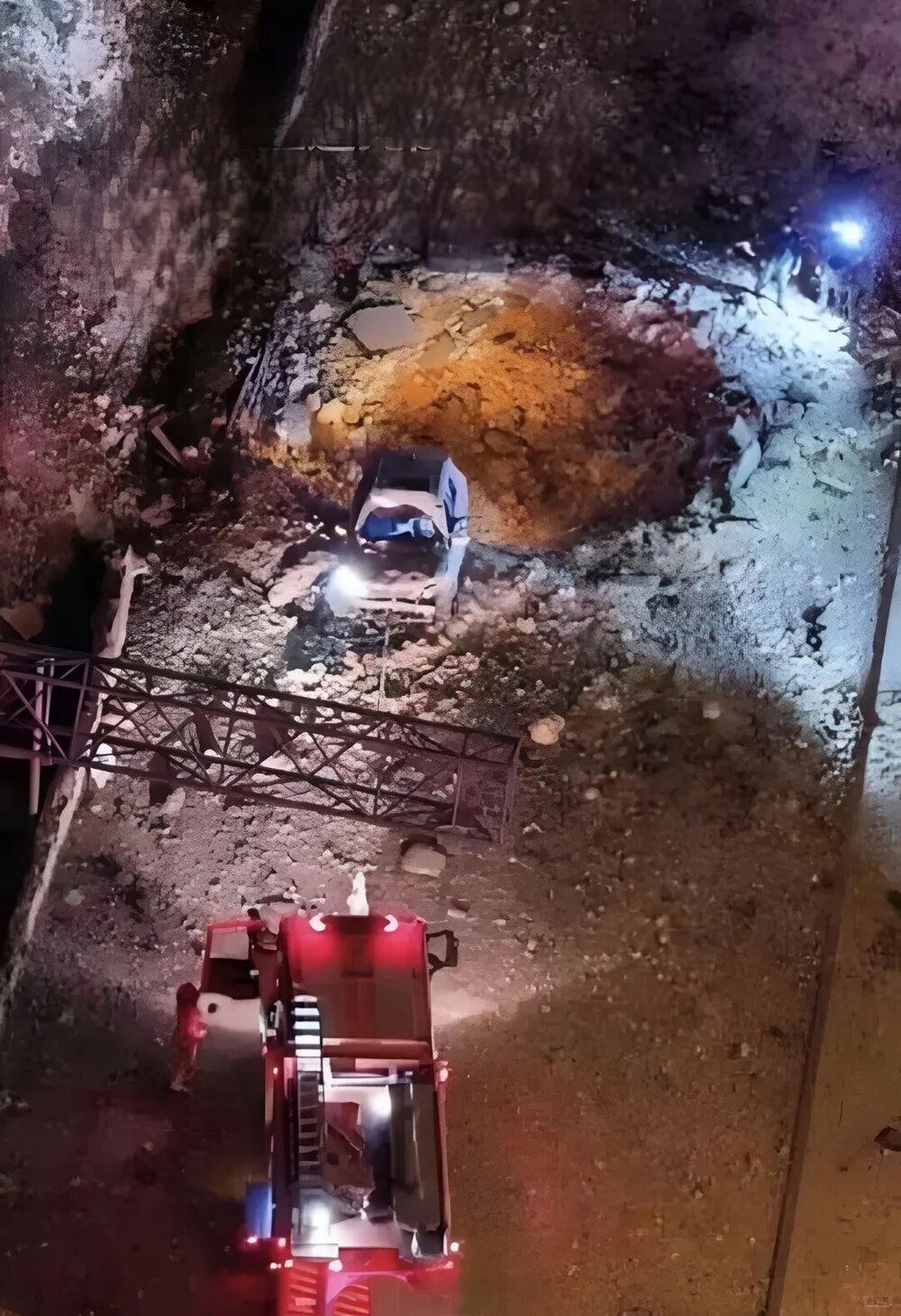
Last Monday (March 2), news emerged that a BYD Atto 3 in Tel Aviv, Israel, had been struck at close range by an Iranian tactical missile, sparking a buzz across domestic online communities.
Civilian vehicles being hit by stray bullets is, admittedly, not unheard of during times of conflict. However, the notion of a vehicle being "bulletproof" to the extent of surviving a direct hit from a tactical missile—with all airbags deploying normally, doors still operable, and even the low-voltage system functioning to allow occupants to be rescued and taken to the hospital—is somewhat extraordinary.

So remarkable was this incident that onlookers even felt a tinge of relief for the unfortunate owner, with some online commenters immediately recalling past rivalries within the automotive community and cracking dark jokes.
Actually, this isn't the first incident of its kind.
Currently, Israel and even the entire Middle East region serve as key markets for domestic automotive brands, particularly new energy brands, to expand overseas. Once a significant number of vehicles are sold in war-torn regions, it's not surprising to "unlock" special attributes. For instance, in the middle of last year, an Xpeng G6 owned by an Israeli driver had its entire front end smashed by debris from a tactical missile during "turn-based warfare" but did not catch fire.
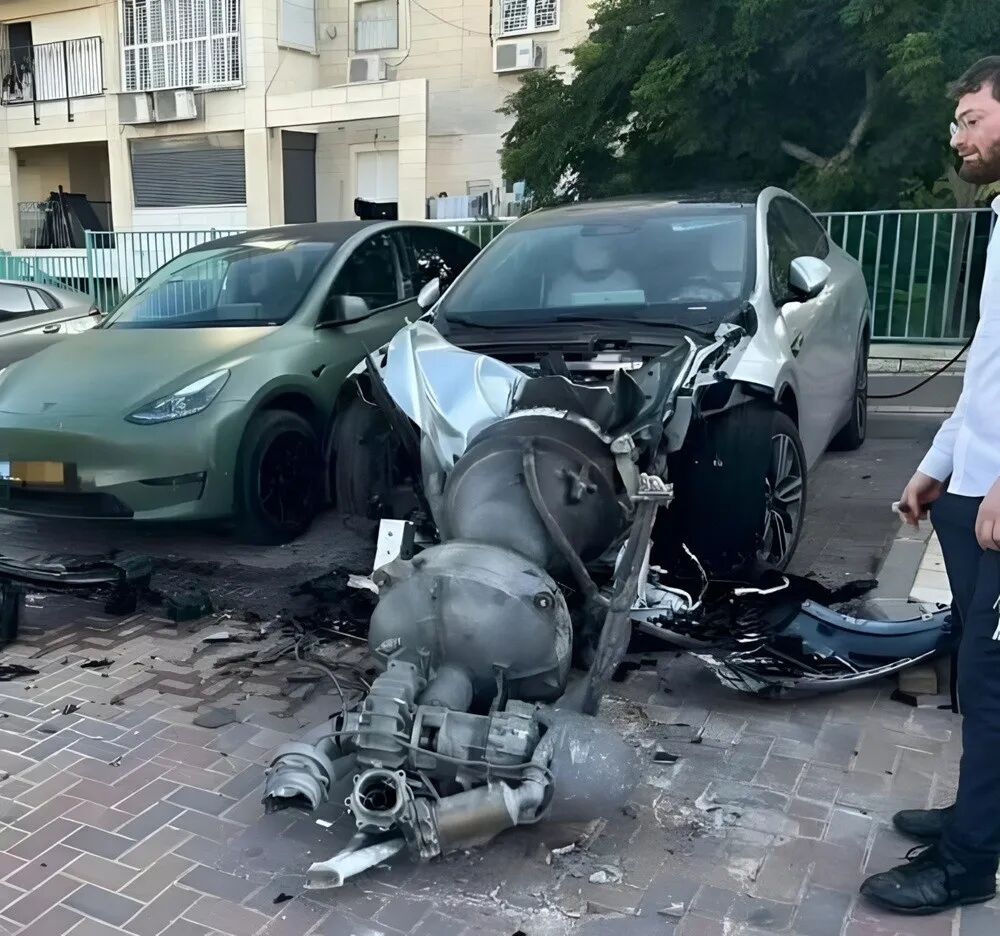
Yet, these incidents are not truly surprising, as one of the defining features of new energy vehicles is their significantly reinforced body structures designed to protect fragile battery packs, making them more resilient to damage than fuel-powered cars in many scenarios.
Indeed, this round of conflict in the Persian Gulf region will, in a sense, further propel the global popularity and recognition of new energy vehicles.
01 Breaking Through China's Energy Anxiety
Following the attack, Iran retaliated by announcing the blockade of the Strait of Hormuz, which has persisted for over a week. Hundreds of oil tankers and liquefied gas carriers from around the world are now anchored on both sides of the strait. Currently, only some tankers under Iranian control can still navigate the channel.
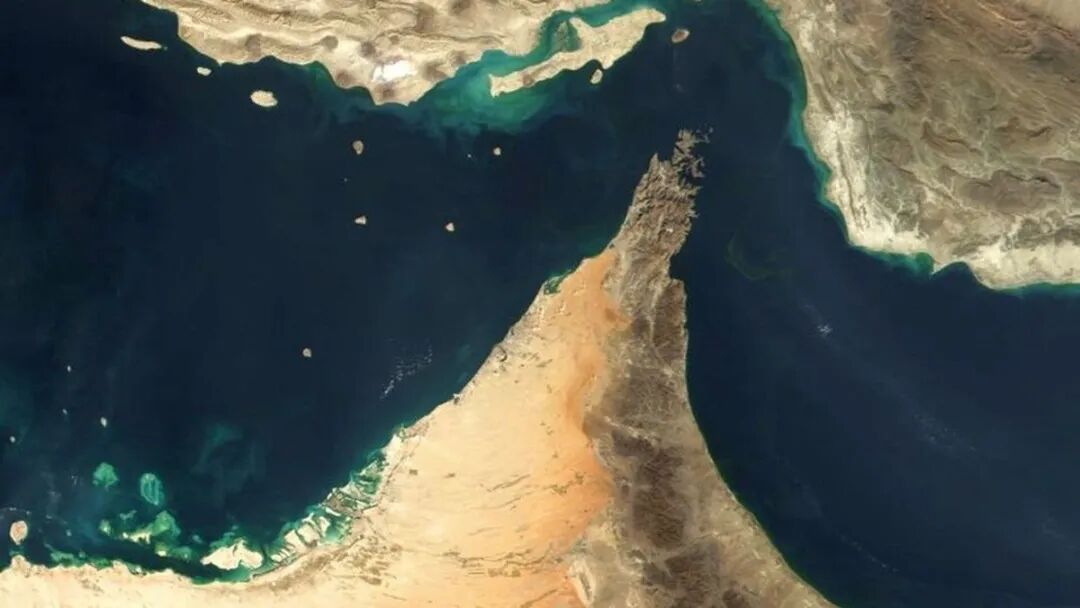
Figure: The Strait of Hormuz, through which over one-fifth of global oil and liquefied natural gas passes
This situation is causing significant turmoil in the global energy supply market. On March 9, WTI crude oil futures surged past $115 per barrel, and Brent crude oil futures soared to $116 per barrel, marking the first time they had returned above $100 since 2022.
The repercussions are felt domestically as well, with gasoline and diesel prices beginning a new round of increases. On the afternoon of March 9, the National Development and Reform Commission officially announced that domestic gasoline and diesel prices would be raised by 695 yuan and 670 yuan per ton, respectively, starting at 24:00 that day. This means that the price of 92-octane gasoline in most regions will rise to over 7.5 yuan per liter.
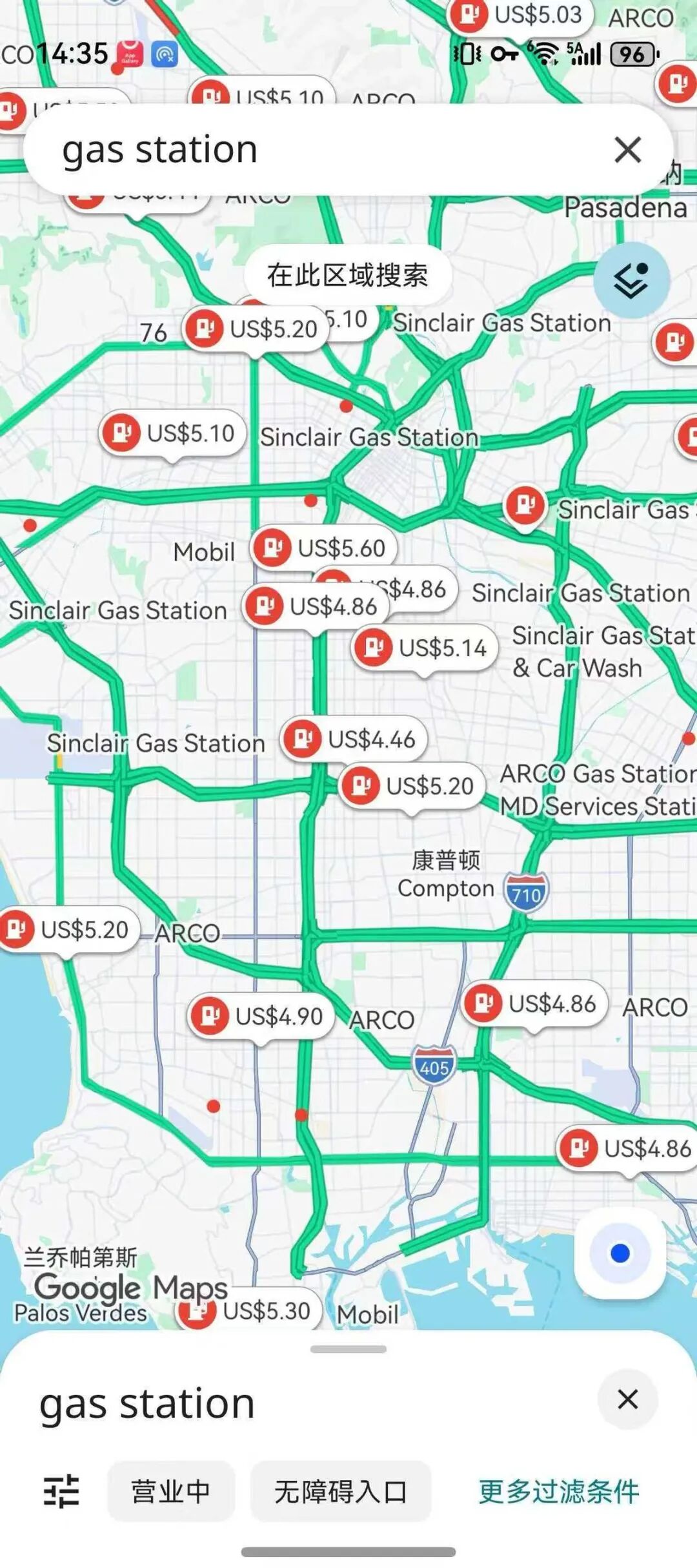
In fact, even the oil-rich United States has been affected by global oil price fluctuations. Take California, for example, where gasoline prices in Los Angeles have now surpassed $5 per gallon.
Although rumors have circulated since last Tuesday that Iran is allowing Chinese and Russian vessels to pass, and several Chinese shipping companies have confirmed safe passage through the strait, further information confirms that only vessels carrying Iranian import and export cargo have been released and piloted. As for critical supplies like oil and liquefied gas, all parties are still waiting...
Against this backdrop, the advantages of new energy vehicles immediately become apparent. After all, electricity sources are highly diversified, including traditional methods like coal, hydroelectric, and nuclear power, not to mention China's recent efforts to strengthen the installation and deployment of renewable power generation facilities such as photovoltaic, wind, and even tidal energy to honor its "dual carbon" commitments.
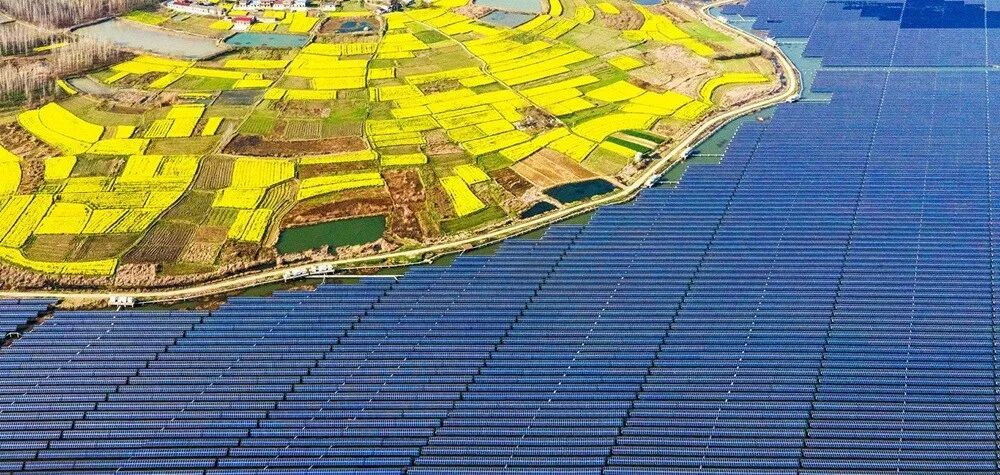
Figure: Vast arrays of photovoltaic panels and wind turbine systems now constitute a powerful scale effect
As the proportion of "green electricity" in the grid increases, we can reduce our dependence on oil and gas imports from geopolitically sensitive regions to a certain extent. In extreme cases, even if international oil routes are disrupted, the local power generation system can still maintain basic transportation operations, safeguarding core societal functions and defense mobility.
When oil prices rose significantly in the past while driving a fuel-powered vehicle, I, like most car owners, would rush to the gas station after work to fill up before the 24-hour price adjustment. But since switching to a hybrid new energy vehicle, my daily commute and non-long-distance weekend trips are now entirely in pure electric mode. Except during long holidays like Spring Festival, May Day, and National Day, a full tank of gas usually lasts two to three months.
And the value of electric vehicles extends beyond private cars.
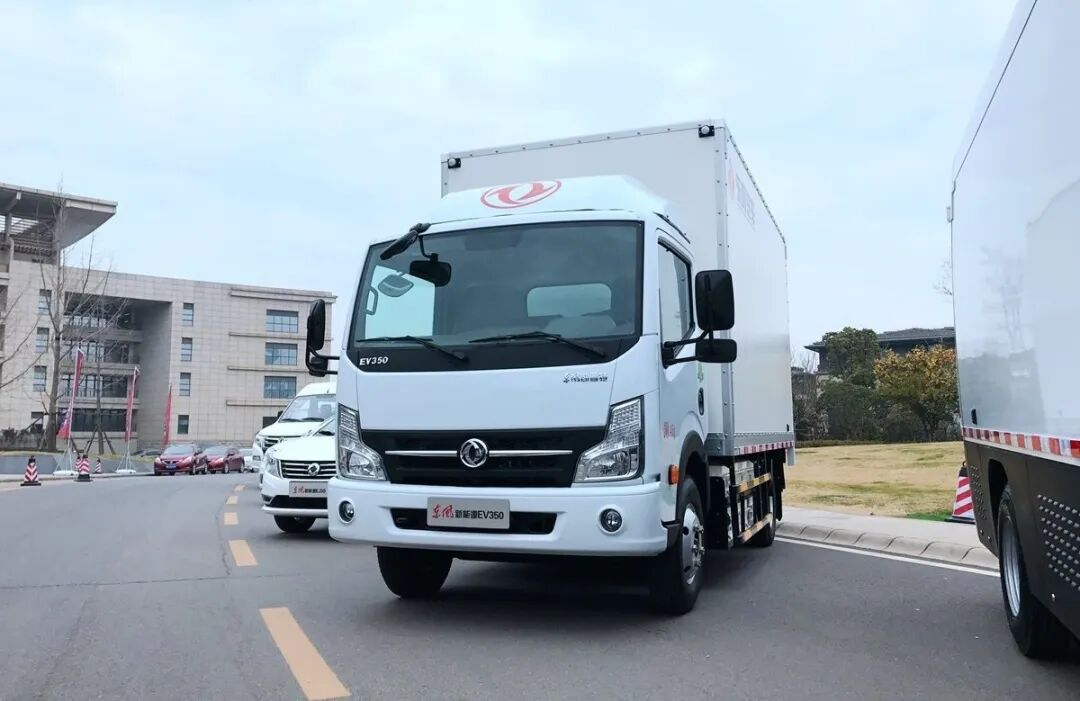
Figure: Thanks to Elon Musk's generous open-sourcing (in Simplified Chinese, no less), Chinese companies developed electric trucks before Tesla's Semi
On the flip side of soaring oil prices is a direct increase in societal logistics and transportation costs. However, the widespread use of electric commercial vehicles will effectively offset this risk. For businesses, the operating costs of electric trucks (electricity) are relatively more stable and predictable than oil prices, providing a cost buffer for enterprises and the public, and maintaining basic socioeconomic stability.
02 An Unprecedented Security System
Some might argue that new energy vehicles still need to "charge." If power supply is disrupted, such as damage to the grid or power generation facilities, they might be less reliable than fuel-powered cars. But this perspective only sees one side of the issue.
The benefit of having a large-capacity battery pack in the vehicle is undeniable. Since external power discharge functions are now widespread in domestic new energy vehicles, news of Chinese-made new energy vehicles from multiple brands providing emergency power to medical and life-support equipment in multiple countries during emergencies is not uncommon.

Figure: Domestic companies promote vehicle-to-load scenarios. But put yourself in a war-torn or disaster-stricken area—could its role really be limited to brewing a cup of coffee?
Not long after I switched cars, I attended a family gathering where an elder retired from the power system, who had participated in the Wenchuan earthquake relief efforts in 2008, remarked after seeing my new car—"If new energy vehicles had been widespread back then, we could have just commandeered them on the spot. Hospitals and communications could have been restored sooner, and more injured people could have been rescued."

Figure: The popularity of new energy vehicles enables the deployment of mobile hospitals no longer limited by power sources
From the current perspective of U.S.-Israeli attacks on Iran, the value of new energy vehicles in enhancing national security systems is undeniable. The large-capacity mobile power bank nature of pure electric vehicles goes without saying, while hybrid vehicles add generator functionality. Combined with intelligent bidirectional charging networks, they can fully decentralize the energy network. Whenever and wherever there are vehicles and equipment, production and supply can be restored, exponentially enhancing the country's resilience to attacks.
Moreover, as mentioned at the beginning of this article, the unique nature of new energy vehicles gives them stronger structures than traditional fuel-powered cars, making them more likely to survive various attacks.
But don't think that the value of new energy vehicles is only evident in such special scenarios. In peacetime, they also hold tremendous social value.
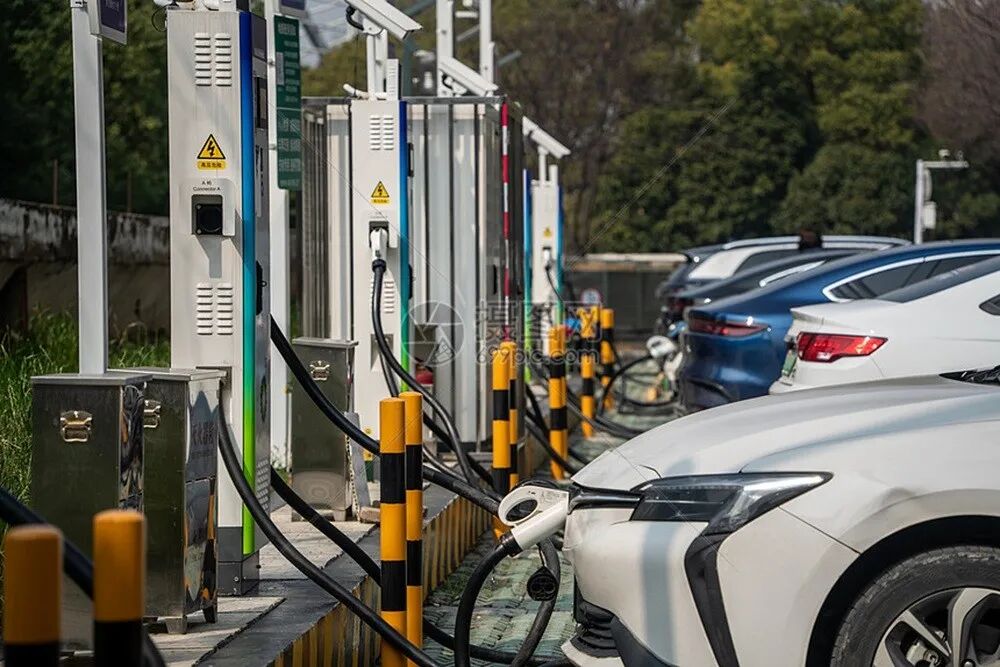
Figure: The popularity of dual-purpose charging stations not only decentralizes the national power grid to a certain extent but also assists the grid in "peak shaving and valley filling" during peacetime
Electricity, in essence, is a physical phenomenon involving the interaction between charged objects and electric fields and the properties of electric fields, which cannot be stored in conventional ways like chemical fuels. The basic operation of the grid involves real-time adjustment of power output from generation nodes based on current load within the grid, leading to peak demand during the day and low demand at night.
Even pure electric vehicles without independent power generation capabilities, thanks to their large-capacity battery packs, can effectively support the grid in "peak shaving and valley filling" by charging at night and discharging during the day. Even in non-special periods, they can play a unique role in the societal energy system. Some may worry about battery degradation, but this can be mitigated through shallow charging and discharging.
Once seen as a symbol of global low-carbon transformation and China's automotive industry's ace card to overtake established giants through a new track, new energy vehicles have now, through this "extraordinary period," demonstrated deeper strategic significance beyond commercial logic and concepts—
For the country, they are a pillar industry for energy independence and security; for society, they are resilient infrastructure that withstands energy price shocks and maintains basic operations. Even for our automotive industry, they represent a core battlefield for supply chain reconstruction and technological competition.
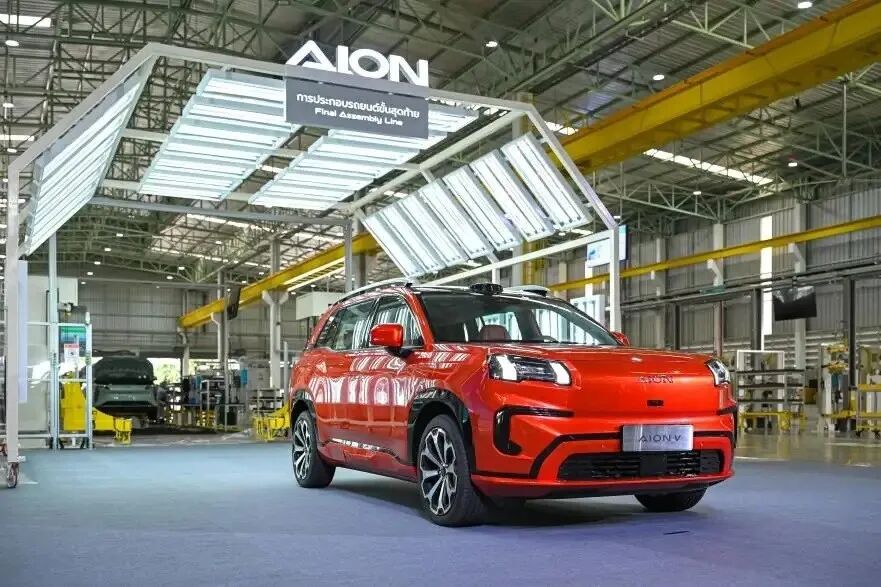
Figure: Aion's factory in Thailand
The flames rising in the Middle East now pose new challenges to China's automotive exports to the region. It is almost certain that the Middle East market, which accounted for 15% of exports last year, will not sustain that level this year. However, as with all crises, "danger" arrives alongside "opportunity."
The current geopolitical crisis not only does not diminish the necessity of new energy vehicle development but also proves in extreme ways that accelerating the transition to new energy vehicles is the key path to reducing national strategic vulnerabilities and enhancing long-term survival and development capabilities.
The cannon fire in the Middle East may temporarily scorch China's automotive export landscape, but this alarm serves as the most extreme validation of the strategic value of new energy vehicles. They are not just a track for industrial overtaking but also the cornerstone of national energy independence and a resilient node for societal shock resistance. The current crisis is transforming into the most urgent revelation: accelerating the new energy transition is about fortifying national security moats and seizing the initiative in future development.
Editor-in-Chief: Yang Jing Editor: He Zhengrong
THE END
-
![]()
The Unstoppable Rise of 'Optical Progress and Copper Decline': Sunny Optical’s Strategic Vision for the Next Decade
-
![]()
AI + Going Global in the Second Half: No Intermission for Robot Vacuum Cleaners
-
![]()
The Suffering Endured in E-commerce, Walmart Doesn't Want to Repeat in AI
-
![]()
What Does the Doubling of New Energy Vehicle Exports Mean?
-
![]()
Ghosn: 'Only I Can Save Nissan'
-
![]()
Volkswagen Lays Off 100,000 Employees, The Elephant Sits Down
-
![]()
Expanding Production Capacity! Yutong Optics Acquires Approximately 1.5 Hectares of Industrial Land in Chang'an, Dongguan
-
![]()
Why Is Nokia Making a Comeback in the AI Era?