Renault’s New Strategy Sidelines China in Name, but Depends on It in Reality
 03/12 2026
 694
694
Lead-in
Introduction
Where do new products, innovative technologies, cost-efficiency, and high productivity originate?
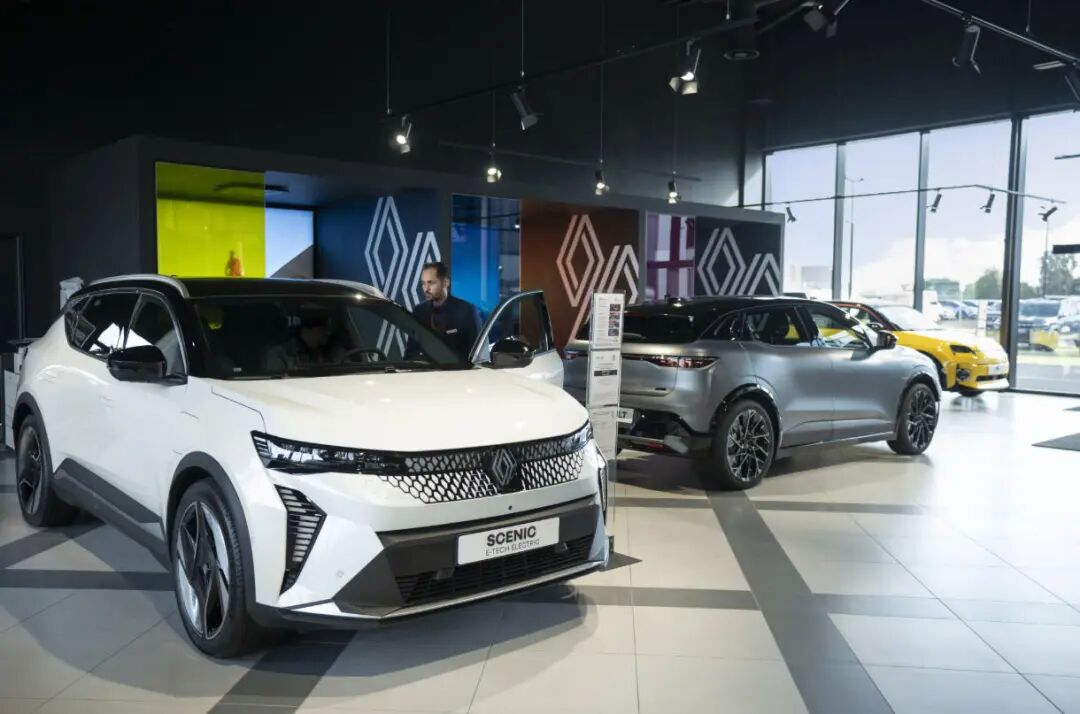
Less than a year into his tenure as Renault’s CEO, Francois Provost has successively reversed several key decisions made by his predecessor, Luca de Meo. His new strategic plan, dubbed “futuREady,” has garnered significant attention. Under this plan, fully electric vehicles (EVs) will take center stage in new models for the European market, though hybrid options will also be available.
Five years ago, De Meo unveiled the strategic transformation plan “Renaulution,” which effectively propelled Renault toward electrification. During that period, the product lineup expanded from a single electric model to multiple series, with retro-styled electric compact sedans receiving widespread acclaim. The production system was also reorganized around the “ElectriCity” factory network. Concurrently, Renault deepened its partnerships with battery suppliers Verkor and Envision AESC.
However, in hindsight, this transformation came at a cost. Since Provost assumed leadership last summer, several projects initiated under De Meo’s era have been terminated or significantly scaled back. This includes the spin-off plans for the mobility brand Mobilize and the EV division Ampere, as well as the electric van joint venture Flexis, established with Volvo Group and CMA CGM, which is now set to be fully acquired by Renault.
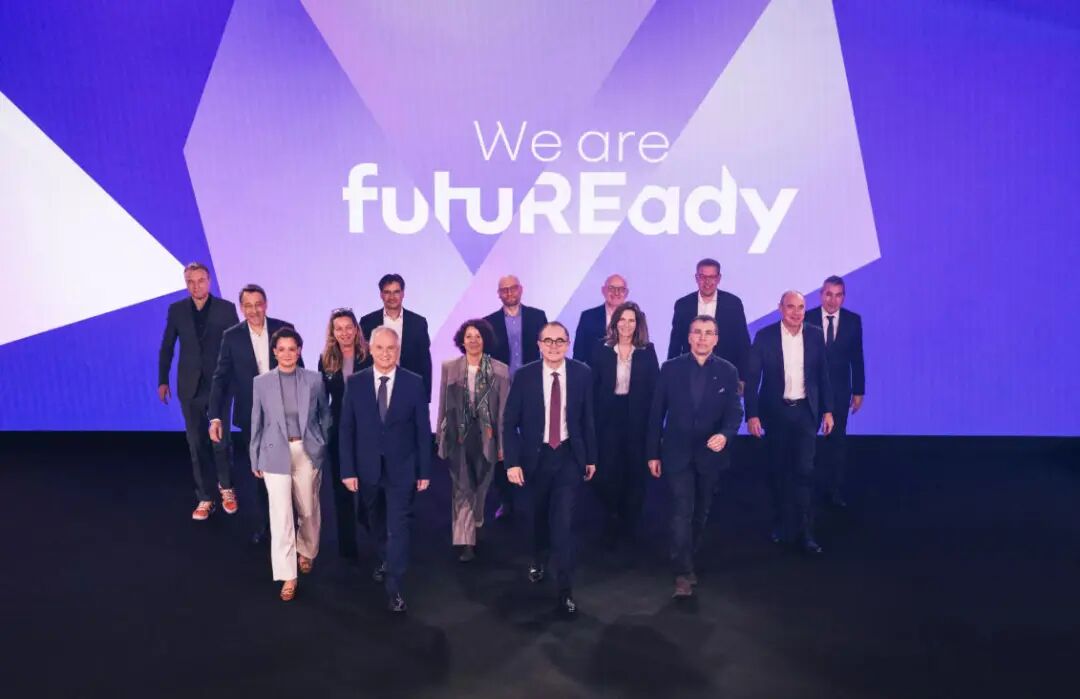
So, what substantive changes has Provost’s new strategy introduced? Now, “futuREady” provides the answer: By 2030, Renault plans to launch a total of 36 new models, including 22 for the European market, of which 16 will be fully electric.
01 Electrification Finally Takes Center Stage
To further enrich its EV lineup, Renault is developing a new electric platform called “RGEV Medium 2.0.” Unlike existing platforms, it adopts an 800-volt architecture, covering models from the B+ to D segment, and is compatible with various body styles such as sedans, SUVs, and vans.
Although the platform’s launch date remains undisclosed, Renault has revealed its technical ambitions: supporting ten-minute ultra-fast charging, utilizing a cell-to-pack battery architecture with a packaging efficiency of 70%, and reducing component count by 20%. More critically, the platform can accommodate prismatic cells, blade cells, and even pouch cells—a rarity in cell-to-pack architectures.
In terms of range, the fully electric version can achieve up to 750 kilometers under WLTP conditions, while the extended-range version can reach up to 1,400 kilometers, with carbon emissions below 25 grams per kilometer.
The battery chemistry strategy follows a dual-track approach: a high-energy-density route for high-performance and long-range models, and a more cost-effective lithium iron phosphate (LFP) battery route for compact and standard-range models. The latter will also be deployed on the RGEV platform, striking a balance between long range and fast charging.
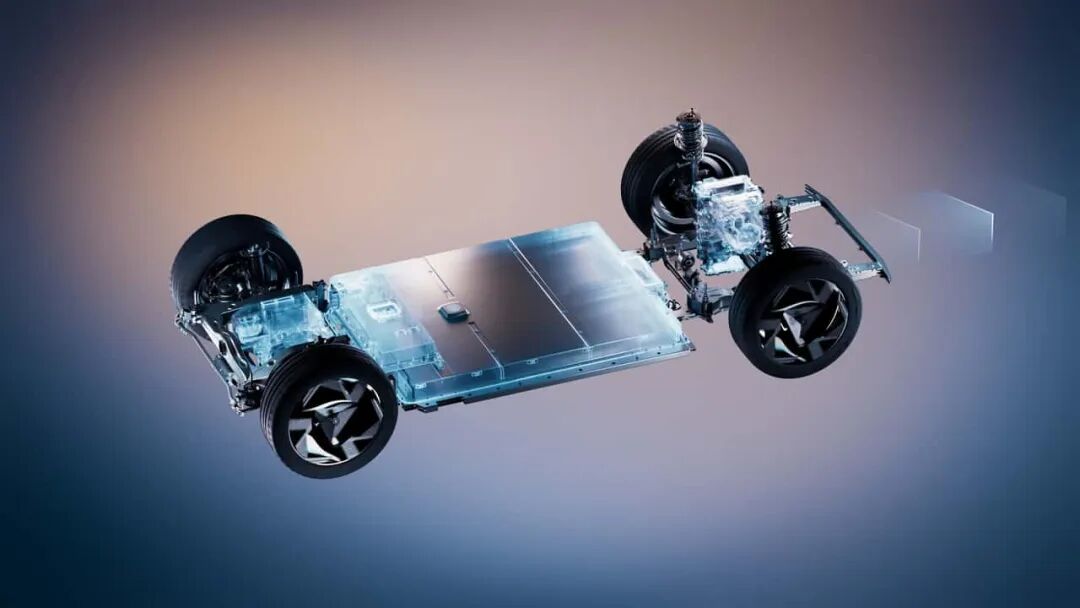
Additionally, Renault is independently developing a third-generation externally excited synchronous motor free of rare earth elements, delivering 275 horsepower, with high-speed efficiency reaching 93% and power increased by 25%. Combined with innovative “7-in-1” power electronics, motor costs will be 20% lower than the previous generation.
In his open letter, Provost stated that the current top priority is to develop the next-generation C-segment electric vehicle, aiming to achieve the optimal balance between energy efficiency, range, and cost. However, he emphasized that the focus at this stage is on the overall strategy rather than the specific technical details of individual models.
While pursuing full electrification, Renault has not abandoned its internal combustion engine lineup. Hybrid systems are expected to continue selling in the European market after 2030, while outside Europe, Provost plans to introduce more hybrid models, with the Renault brand alone planning to launch 14 new models in overseas markets.
By 2030, Renault aims to sell 2 million vehicles annually, with half coming from overseas markets; in Europe, all new vehicles will be electrified (fully electric or hybrid), while half of overseas sales will come from electric vehicles.
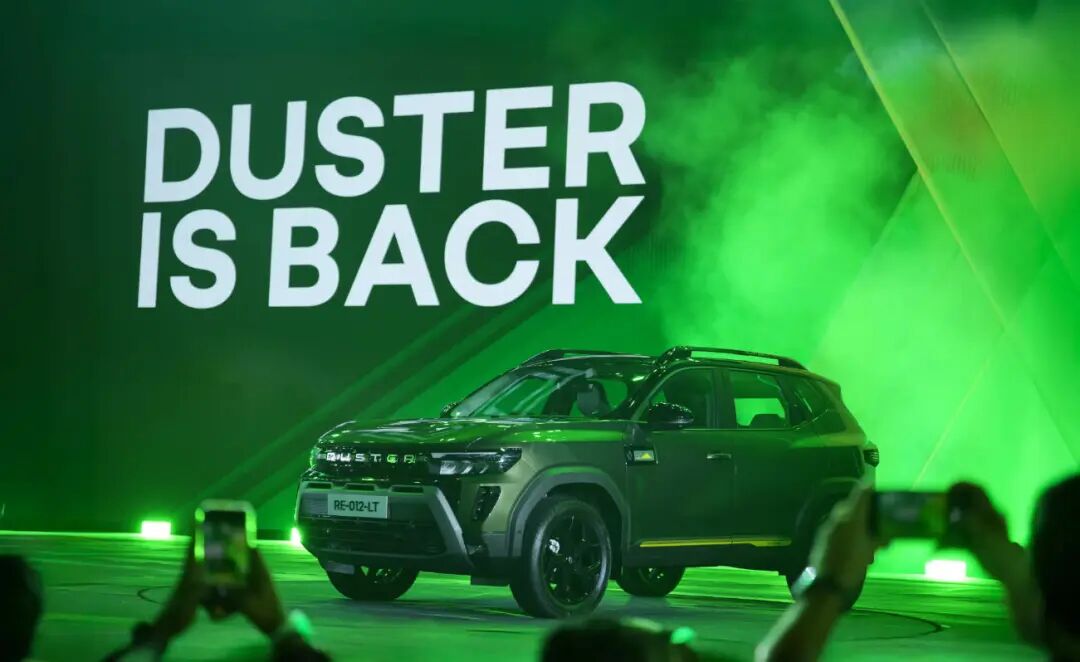
Renault’s recently strong-performing Dacia brand will continue its affordable route, focusing on “the most competitive pricing and costs” while expanding into the C-segment market. By 2030, two-thirds of Dacia’s sales are expected to come from electric models, including four fully electric vehicles.
Meanwhile, Alpine, the sports car brand previously promoted by De Meo, will launch two fully electric models, the A290 and A390, to attract new users. A new generation of the A110, based on Alpine’s performance platform, is also in the works, though its powertrain remains unconfirmed.
Overall, the “futuREady” strategy revolves around four pillars: new product-driven growth, accelerated breakthroughs in key technologies, AI-enabled operational efficiency, and sustained ecological collaboration. Renault stated that engineering and technology are crucial for implementing the strategy, with the group leveraging both internal R&D and external supplier resources.
However, this strategy is not without concerns. As the alliance with Nissan and Mitsubishi becomes increasingly loose, the prospects for sharing R&D costs become uncertain. To address this, Renault has adopted a multi-parallel technological approach: on one hand, advancing a “software-defined vehicle” architecture on RGEV platform models, equipped with a central computer, and even evolving toward an “AI-defined vehicle”; on the other hand, retaining the original domain control architecture as a backup.
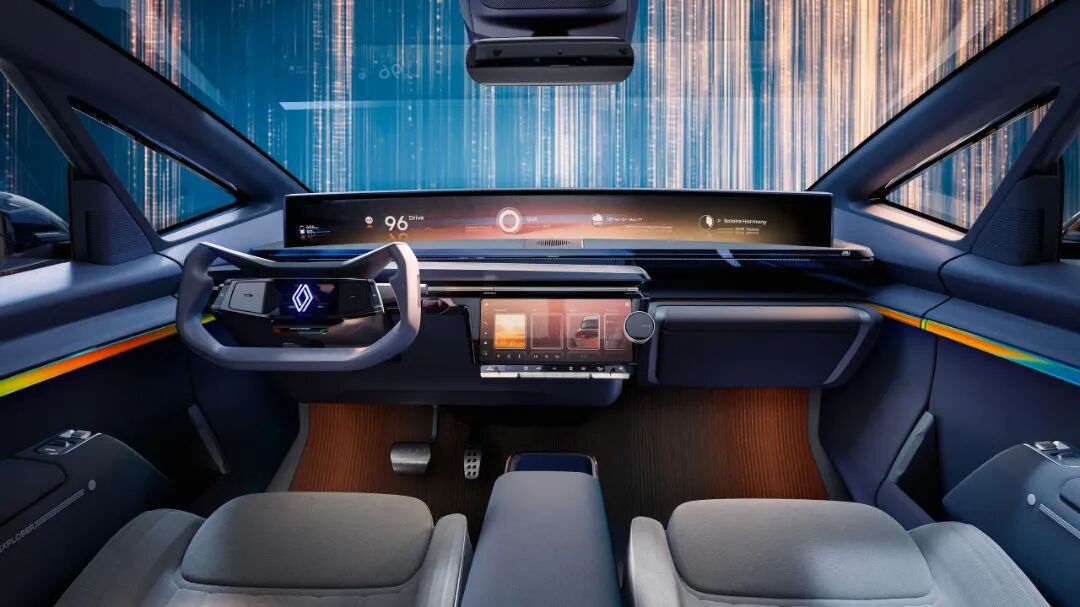
At the same time, Provost emphasized that “becoming a benchmark automaker in Europe means aspiring to design and produce products in Europe that are second to none in terms of attractiveness, technology, and competitiveness.” “In an increasingly competitive environment, this means combining performance and innovation with resilience and strong capabilities. This is the essence of futuREady.”
02 China Becomes an Indispensable Force
Notably, Philippe Brunet, Renault Group’s Chief Technical Officer and General Manager of ACDC, recently stated that although Renault Group does not sell complete vehicles in the Chinese market, it will continue its business in China, mainly including: continuing to develop new models in China, including platforms shared with Geely, and also developing models for overseas markets; procuring components for the European market; leveraging Chinese companies’ capabilities in intelligence to make Renault a significant market player.
Just last month, Renault announced that it would produce a new small electric vehicle engine at its Cleon factory in France, with key components supplied by Shanghai Edrive. This move aims to reduce costs and enhance profitability in the sluggish EU market. Renault plans to complete the new production line by 2027, with an annual capacity of 120,000 units.
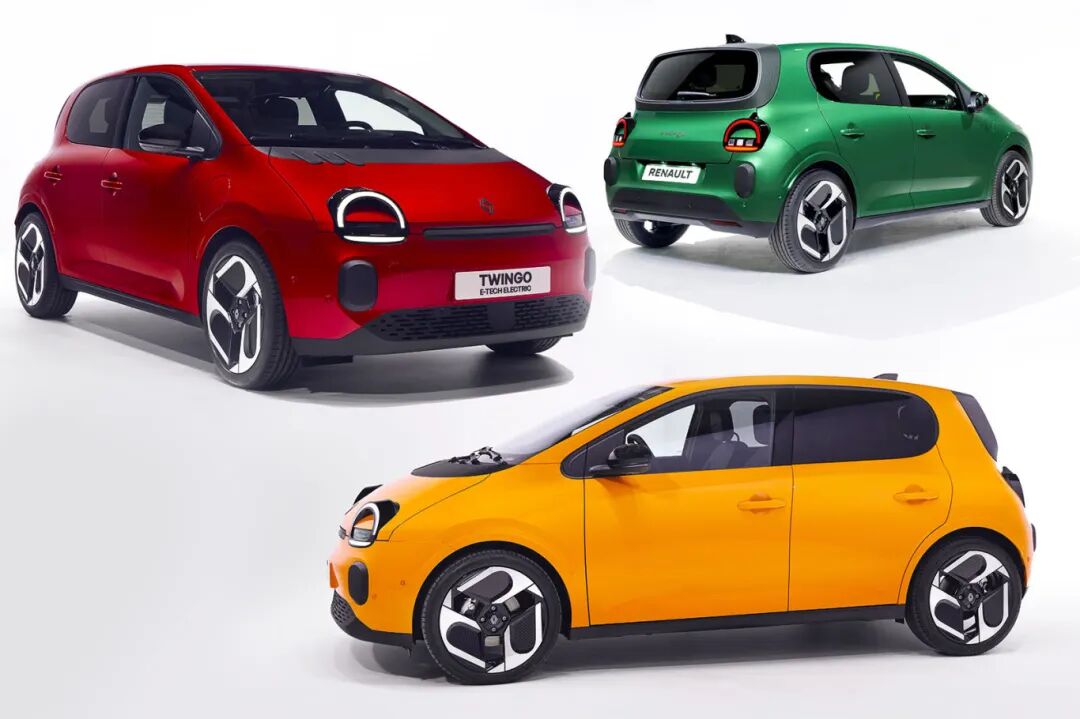
In fact, Renault had previously started importing small electric motors from Shanghai Edrieve for its new Twingo model. The rapid launch of this model within two years was largely due to the support of Chinese suppliers and Renault’s Shanghai R&D center, ACDC. A few months ago, Renault also terminated its project with Valeo to develop high-performance electric motors, opting instead for more cost-effective Chinese suppliers.
Although Renault has no intention of returning to the Chinese market to sell complete vehicles, its reliance on China’s supply chain continues to deepen. Provost admitted that with intense competition and ongoing price wars in the Chinese market, Renault will focus on integrating into China’s supply chain, preparing to invest sufficient funds to ensure product differentiation and retain its unique technological brand assets after deeply integrating into China’s ecosystem, rather than participating in end-market competition.
For example, Renault currently operates a powertrain joint venture with Geely called “Horse Powertrain,” with an annual capacity of 5 million units. The two sides are also jointly developing Renault-branded models in South Korea and have signed a production agreement in Brazil, allowing Geely to produce its own-branded vehicles at Renault factories.
In fact, Renault’s new strategy proposes to “accelerate the pace, deliver efficiently, and further strengthen operational excellence.” To achieve this goal, Renault has already taken the lead in localizing its core component supply. By locally producing power batteries, Renault has effectively shortened its supply chain and achieved efficient delivery.
In the battery sector, Renault is also deeply tied to China’s supply chain. Take the Renault R5, with cumulative sales exceeding 100,000 units, as an example. Its battery comes from Envision AESC’s mega battery factory in Douai, France.
This factory is a highly automated new facility that commenced operations in June 2025, with the current Phase 1 capacity planning of 10GWh already in production. Thanks to the proximity of this factory, supply chain response speed has significantly improved, with batteries already successfully equipped in tens of thousands of Renault R5 models.
It is worth mentioning that Envision AESC’s power battery factory is a crucial part of Renault’s localization strategy. The factory took less than two years from site selection, agreement negotiations, to construction commencement. Leveraging Envision AESC’s standardized production line capabilities and global cooperation experience, the factory’s ramp-up speed ranks among the top in the industry.
This dependency is not unique to Renault. It can be said that the French automotive supply chain is increasingly reliant on Chinese suppliers for electric vehicle components, particularly batteries, rare earth elements, and software.
Major French suppliers like Valeo are expanding in China to leverage advanced technologies; meanwhile, Chinese companies are also establishing bases in Europe to meet local demand and reduce logistics risks. Despite the EU’s efforts to mitigate risks and diversify, this trend continues.
As Renault demonstrates, true localization sometimes precisely relies on global resource integration. Under the leadership of Luca de Meo, Renault’s recently departed CEO, the company established an R&D center in China in 2024, adhering to a “localization for globalization” strategy and leveraging the advantages of China’s supply chain to develop products for overseas markets.
This procurement model reflects a broader trend of European automakers collaborating with Chinese suppliers, as price factors become crucial amid cooling electric vehicle demand. Thus, we have also seen Mercedes-Benz collaborating with Geely to develop advanced driver-assistance systems and powertrain technologies, while Volkswagen is utilizing XPENG’s technology to develop vehicles.
Returning to Renault, as the former head of procurement at Renault Group, Provost is accustomed to strictly controlling budgets. Now, as CEO, he often cites these Chinese manufacturers in conversations with employees to illustrate the agility and efficiency that Renault should strive to achieve. At the same time, he is trying to convince investors that the automaker must become more like its lower-cost Chinese competitors.
Editor in Charge: Yang Jing Editor: He Zengrong
THE END
-
![]()
The Unstoppable Rise of 'Optical Progress and Copper Decline': Sunny Optical’s Strategic Vision for the Next Decade
-
![]()
AI + Going Global in the Second Half: No Intermission for Robot Vacuum Cleaners
-
![]()
The Suffering Endured in E-commerce, Walmart Doesn't Want to Repeat in AI
-
![]()
What Does the Doubling of New Energy Vehicle Exports Mean?
-
![]()
Ghosn: 'Only I Can Save Nissan'
-
![]()
Volkswagen Lays Off 100,000 Employees, The Elephant Sits Down
-
![]()
Expanding Production Capacity! Yutong Optics Acquires Approximately 1.5 Hectares of Industrial Land in Chang'an, Dongguan
-
![]()
Why Is Nokia Making a Comeback in the AI Era?