Volkswagen to Earn Only 7.6 Billion in China in 2025! Volkswagen Fumes: 30 New Models Next Year, Joint Venture Profitability to Resume Growth | Mirror Pro
 03/12 2026
 559
559
Affected by the Chinese market, Volkswagen, the second-largest global automaker from Germany, is also struggling financially.
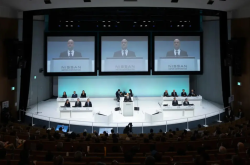
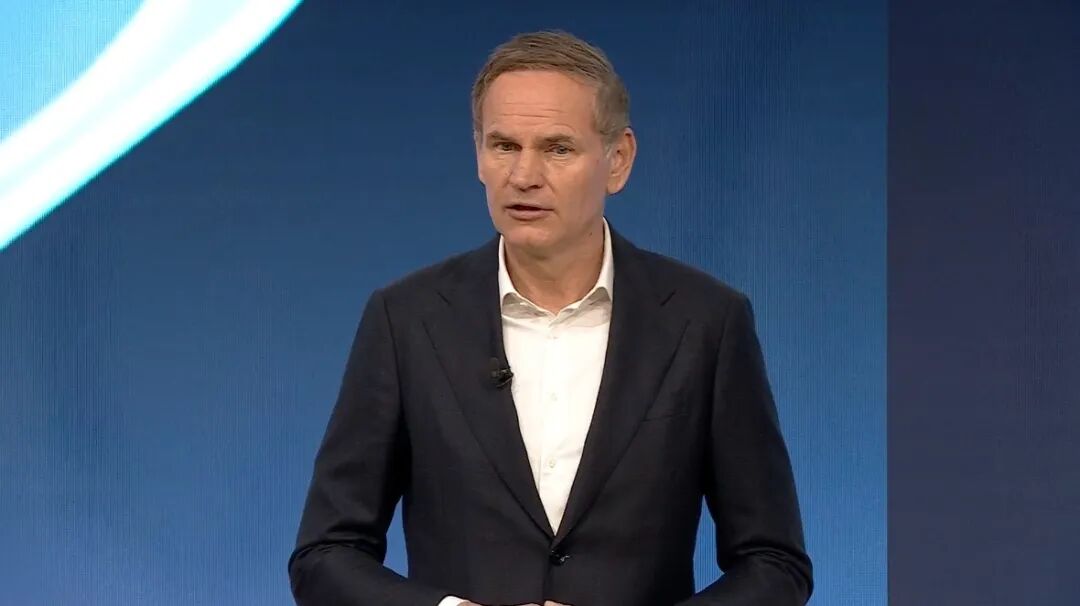
"2025 marks a year of growth for Volkswagen Group. We have brought multiple blockbuster products to consumers, translated technology into tangible user value, streamlined our organizational structure, reduced operational costs, and further strengthened our confidence in development," Volkswagen Group CEO Oliver Blume summarized the past year during a media conference call on March 10.
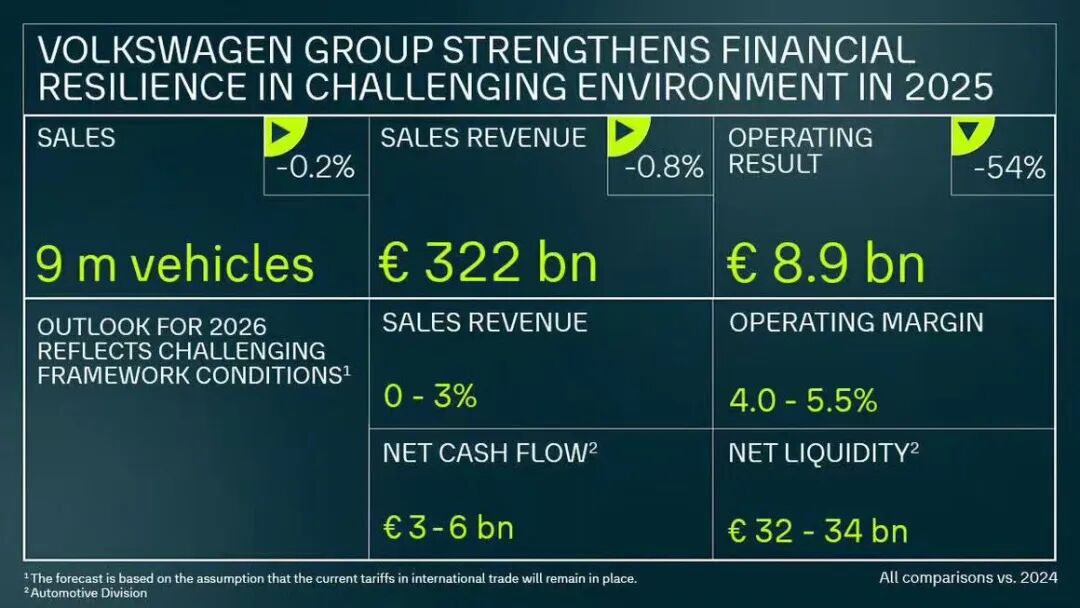
In 2025, Volkswagen Group's total global sales reached 8.984 million vehicles, a slight year-on-year decrease of 0.5%. Among them, pure electric models accounted for 983,100 units, a significant year-on-year increase of 32%, raising their share of total sales to 10.9%, indicating remarkable progress in electrification transformation. Financially, Volkswagen Group achieved revenue of €322 billion in 2025, a slight year-on-year decrease; operating profit stood at €8.9 billion, a 53% year-on-year decline; the corresponding return on sales was 2.8%, compared to 7.0% and 5.9% in 2023 and 2024, respectively.
In addition to factors such as U.S. tariffs, Volkswagen Group was impacted by several significant special items in 2025, totaling approximately €5.9 billion, including €2.7 billion in goodwill impairment for the Porsche brand, around €2 billion in expenses from Porsche's product strategy adjustment, and €1.3 billion in business restructuring costs. Excluding these special items, Volkswagen Group's return on sales in 2025 would have been 4.6%; further excluding €2.9 billion in tariff costs incurred in the last nine months of 2025, the group's profit margin would have been 5.5%.
By segment, the passenger car business was significantly affected by Porsche's business restructuring, U.S. tariffs, and the group's overall restructuring, with operating profit of €5 billion in 2025, a 64% year-on-year plunge; the commercial vehicle segment was mainly dragged down by declining sales, with operating profit falling 43% to €2.4 billion. In contrast, the financial services segment performed well, with operating profit increasing by 19% to €3.7 billion, mainly driven by strong performance in the European market. Additionally, the software business (CARIAD) saw significantly improved operational efficiency after completing technical restructuring and organizational streamlining, with substantial growth in licensing revenue and a narrowing operating loss to €2.2 billion, a €300 million improvement year-on-year.
Specifically, within the passenger car business, the core brand cluster (Volkswagen, Skoda, SEAT/CUPRA) among the three brand clusters achieved growth in both sales and revenue in a challenging market environment, relying on the successful mass production of pure electric vehicles. Despite being dragged down by tariff impacts and the relatively low profit margins of pure electric vehicles, the core brand cluster maintained stable operating performance, with operating profit reaching €6.8 billion, a 2% year-on-year decrease, and a profit margin of 4.7%, a 0.3 percentage point decline from the previous year. Among them, the main sales contributor, the Volkswagen brand, sold 4.7306 million vehicles in 2025, a 1.4% year-on-year decrease; Skoda performed the most impressively, with full-year sales of 1.0439 million vehicles, a 12.7% year-on-year increase, making it the fastest-growing brand in the core cluster, with a profit margin reaching 8.3%.
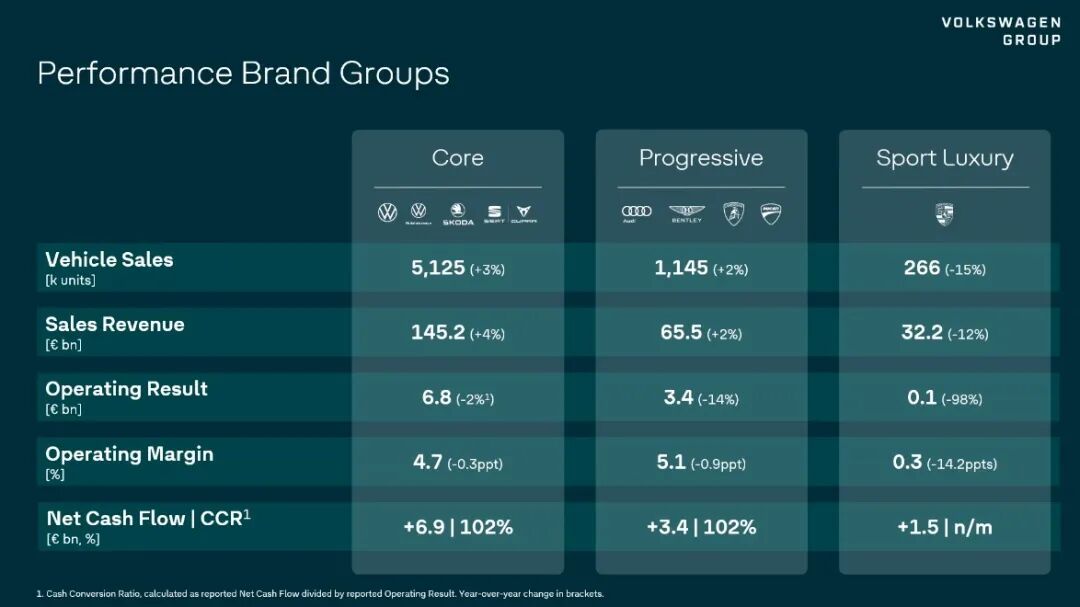
In the premium brand cluster (Audi, Bentley, Lamborghini, Ducati), full-year sales in 2025 reached 1.145 million vehicles, a 2% year-on-year increase; sales revenue was €65.5 billion, a 2% year-on-year increase. Among them, the Audi brand sold 1.6236 million vehicles in 2025, a 2.9% year-on-year decrease. Affected by U.S. tariffs and the high proportion of pure electric models, the premium brand cluster's operating profit was €3.4 billion, a 14% year-on-year decrease, with a corresponding profit margin of 5.1%.
Finally, the sports luxury brand cluster (Porsche) saw sales of 266,000 vehicles in 2025, a 15% year-on-year decrease; sales revenue was €32.2 billion, a 12% year-on-year decrease; operating profit was €100 million, a 98% year-on-year decrease; the corresponding operating profit margin was only 0.3%, a 14.2 percentage point year-on-year decrease. This was mainly related to declining sales in the core market of China and large special item expenses resulting from strategic adjustments.
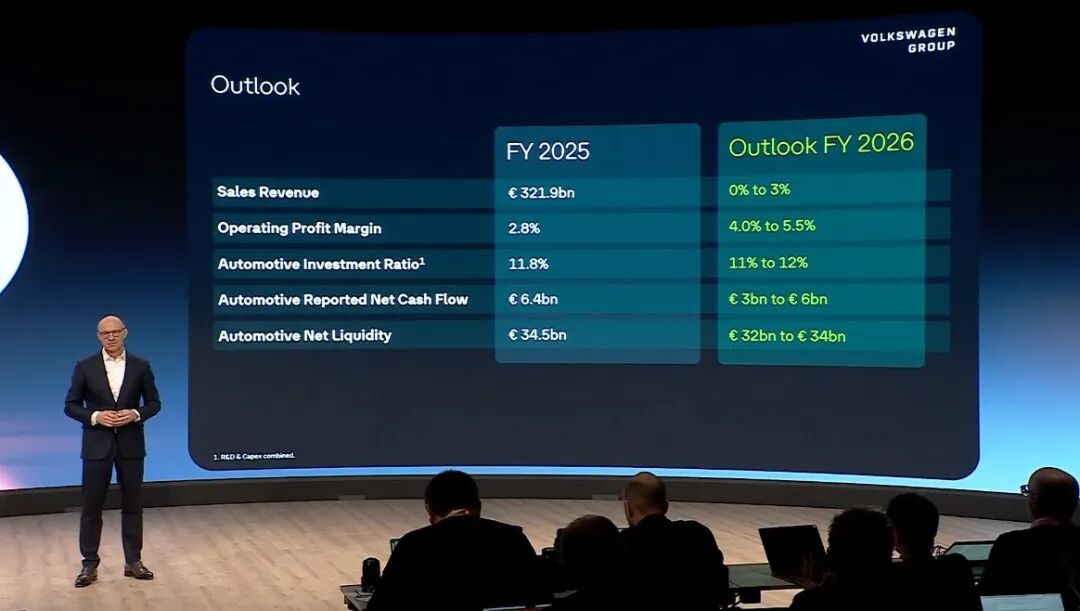
For 2026, Volkswagen Group expects global market demand to remain stable, with revenue achieving a 0%-3% year-on-year increase, the operating profit margin expected to rebound to the 4%-5.5% range, and the net cash flow target set at €3 billion to €6 billion. Additionally, Blume revealed that Volkswagen Group's second round of cost-saving plans will be introduced in the third quarter of this year, focusing on optimizing R&D, supply chain, and marketing systems, aiming to achieve an additional €5 billion in annual cost savings.
0130 New Models to Counterattack the Chinese Market
In one of Volkswagen Group's core markets—China—the group delivered approximately 2.7 million vehicles in 2025, an 8% year-on-year decrease, contributing about 30% of the group's global deliveries. Regarding this performance, Volkswagen Group's Blume stated that the Chinese market presents severe challenges, and the decline in deliveries was expected. However, in terms of scale in the Chinese market, Volkswagen Group comfortably retained its title as the top-selling foreign automaker in China, with a solid market leadership position.
From a product mix perspective, Volkswagen's fuel-powered vehicle (internal combustion engine vehicle) business in China continued to play a stabilizing role, with full-year deliveries exceeding 2.57 million vehicles, capturing over 22% of the market share. The Lavida, Sagitar, and Passat models contributed a quarter of the annual sales, maintaining a leading position in the mainstream economy vehicle market. In the pure electric vehicle segment, Volkswagen Group delivered 115,400 vehicles in China in 2025, a 44.3% year-on-year decrease.
Based on the equity method accounting for joint ventures, Volkswagen Group's operating profit from its Chinese joint ventures was €958 million in 2025. Although it reached the upper limit of the annual performance guidance range, it still represented a significant decline compared to previous years, with operating profits from Chinese joint ventures being €2.621 billion and €1.7 billion in 2023 and 2024, respectively.
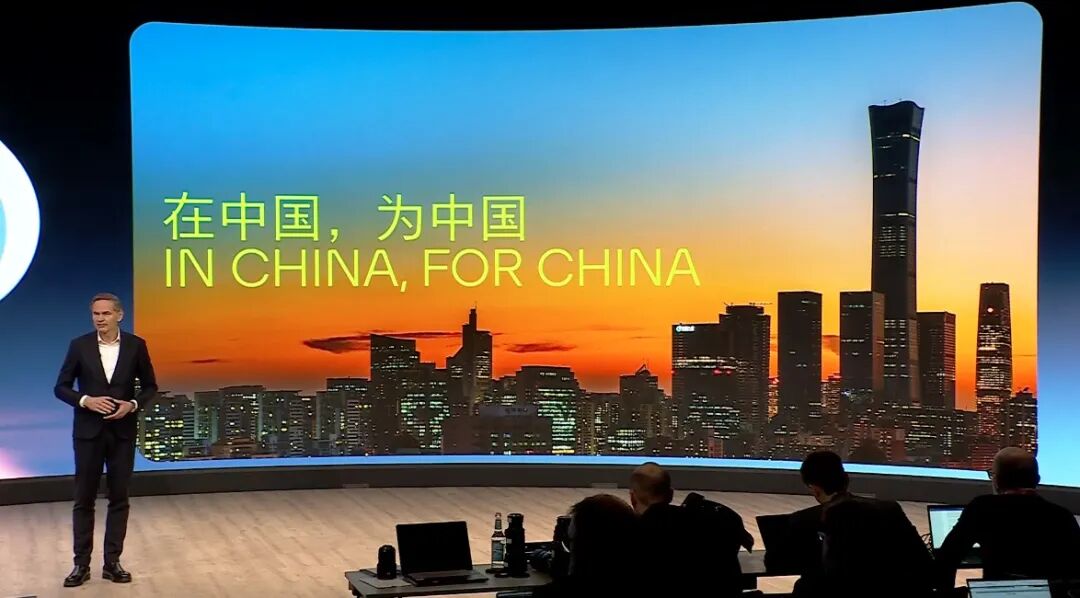
Facing challenges in the Chinese market, Blume stated that Volkswagen Group is accelerating its "In China, For China" localization strategy, with new products fully entering the implementation stage after less than three years of transformation. Over the past two years, SAIC Volkswagen has launched the Smart ICE Pro family through cooperation with local suppliers; Audi's latest localized product, the E5 Sportback, was also launched last year. This year, new products such as Volkswagen Anhui's Zony 08 and SAIC Volkswagen's ID. ERA 9X will also be introduced.
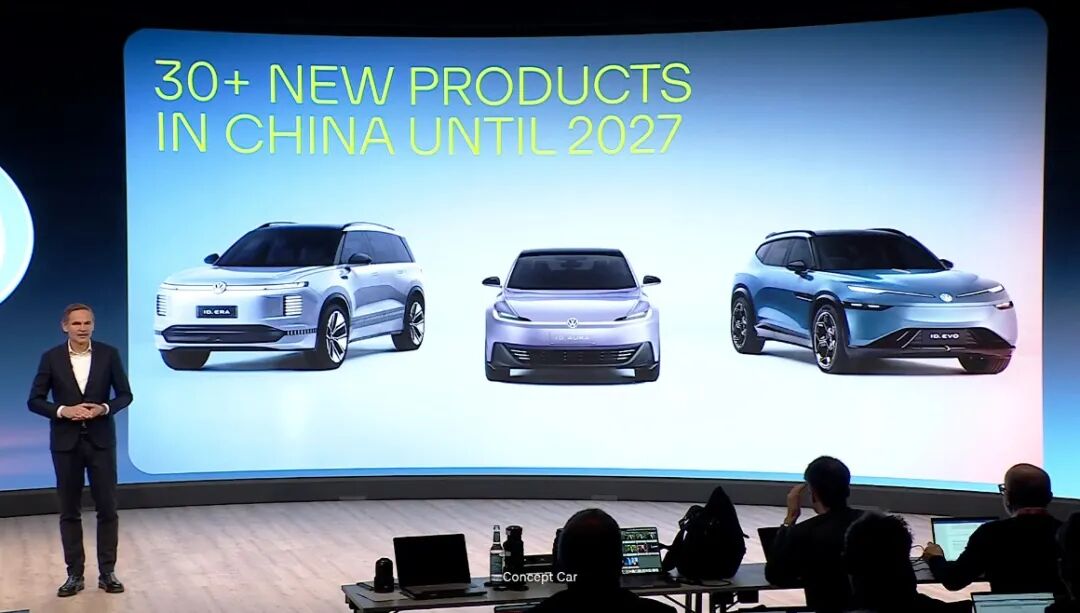
According to the plan, by 2027, Volkswagen Group will partner with local Chinese companies to launch approximately 30 electrified models in the Chinese market. This means that Volkswagen Group will see a dense (intense) product launch in the Chinese market over the next two years. Moreover, through cooperation, Volkswagen Group has shortened product development cycles in China by 30% and reduced material costs for the local CMP platform by over 40%, undoubtedly laying the foundation for subsequent product competitiveness. Additionally, Volkswagen Group is continuously deepening its local technology layout (deployment) in the Chinese market. For example, the joint venture between Volkswagen Group and Horizon Robotics is developing its first autonomous artificial intelligence chip, which will be featured in next-generation intelligent connected vehicle models.
Volkswagen Group CFO and COO Arno Antlitz admitted that competitive pressure in the Chinese market remains immense, especially in the premium and luxury segments, while prices in the mainstream segment stabilized in 2025. "Although the group's financial performance in 2026 will still be affected by new model launches, we expect the financial contribution from joint ventures to return to a growth trajectory in 2027," Antlitz said.
02
Targeting a 10% Profit Margin by 2030
In addition to the Chinese market, Volkswagen Group also saw a decline in sales in the U.S. due to tariff impacts. In 2025, deliveries in the U.S. market reached 576,900 vehicles, a 12.4% year-on-year decrease, with a significant 17.4% year-on-year decline in the fourth quarter, clearly affected by tariff policies. This directly resulted in negative sales growth for Volkswagen Group in the North American market in 2025. Apart from the Chinese and U.S. markets, Volkswagen Group saw positive sales growth in Europe, South America, and the Asia-Pacific market excluding China.
Among them, Volkswagen Group's total deliveries in the European market reached 4.1964 million vehicles, a 5.1% year-on-year increase, accounting for 46.7% of the group's global deliveries, making it the largest regional market. Moreover, pure electric vehicle deliveries in Europe accounted for approximately 19% of Volkswagen Group's total, meaning that for every four pure electric vehicles sold in Europe, one came from Volkswagen Group. In the South American market, total deliveries in 2025 reached 596,400 vehicles, a 13.8% year-on-year increase, accounting for 6.6% of the group's global deliveries, making it the fastest-growing core region; deliveries in the Indian market in the Asia-Pacific region reached 115,200 vehicles, a 34.9% year-on-year increase; Japan saw 66,000 deliveries, a 20.7% year-on-year increase.
Regarding the aggressive expansion of Chinese automakers into the European market, a topic of external concern, Blume stated that the expansion of Chinese automakers into the European market has become a trend, and Volkswagen is actively responding through continuous cost optimization and product innovation, aiming to build dual competitiveness in product strength and pricing strategies in the future. For the U.S. market, the group plans to gradually recover through measures such as the launch of the all-new Tiguan model and will steadily pursue the long-term vision of achieving a 10% market share.
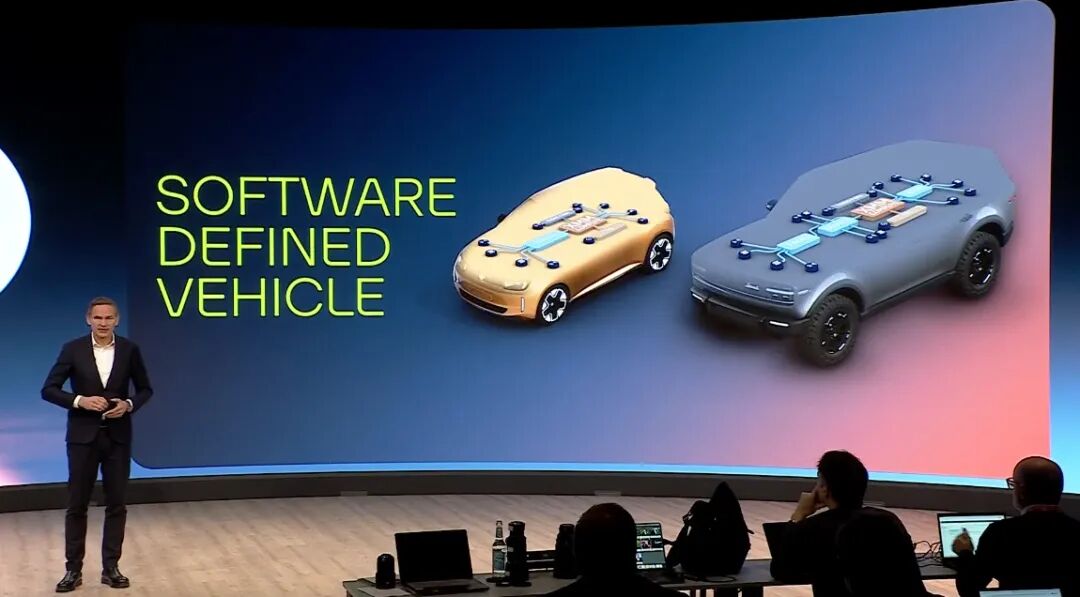
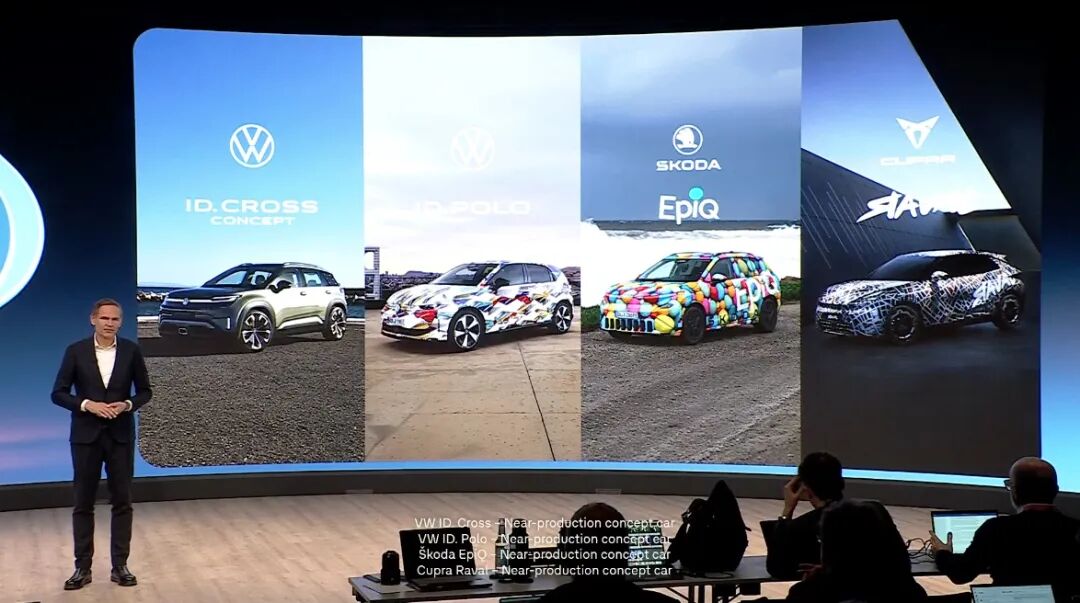
At the product level, Volkswagen Group will fully focus on the pure electric market this year, planning to launch over 20 new models, including key products in the pure electric urban commuter series, covering four models from three brands: Volkswagen, Skoda, and SEAT/CUPRA. These models will feature high-end technology at affordable prices, targeting high-growth market segments. "This is not just a model series but a concentrated demonstration of Volkswagen Group's technological strength and R&D capabilities," Blume said. Additionally, Volkswagen Group will launch several pure electric models this year, such as the Audi e-tron SUV and the Porsche Taycan pure electric sports car.
Blume believes that the bold reforms over the past three years have laid a solid foundation for Volkswagen Group's development. Volkswagen Group aims to achieve an 8%-10% return on sales by 2030, a target significantly higher than previous settings. Meanwhile, considering factors such as the reshaping of the market landscape, the establishment of trade policy barriers, increasingly strict regulatory policies in various regions globally, and the group's still-high costs, Blume revealed that Volkswagen Group is working on formulating its next-stage transformation plan.
The plan, to be named the "Volkswagen Group Vision 2030," will focus on refactor (reconstructing) business models according to the new market environment. "We plan to further optimize our product mix to precisely match the demands and profit growth points of global regional markets; replan the development roadmaps for technology, batteries, and software; and continuously improve our financial structure to comprehensively enhance the group's operational efficiency," Blume said.
-
![]()
The Unstoppable Rise of 'Optical Progress and Copper Decline': Sunny Optical’s Strategic Vision for the Next Decade
-
![]()
AI + Going Global in the Second Half: No Intermission for Robot Vacuum Cleaners
-
![]()
The Suffering Endured in E-commerce, Walmart Doesn't Want to Repeat in AI
-
![]()
What Does the Doubling of New Energy Vehicle Exports Mean?
-
![]()
Ghosn: 'Only I Can Save Nissan'
-
![]()
Volkswagen Lays Off 100,000 Employees, The Elephant Sits Down
-
![]()
Expanding Production Capacity! Yutong Optics Acquires Approximately 1.5 Hectares of Industrial Land in Chang'an, Dongguan
-
![]()
Why Is Nokia Making a Comeback in the AI Era?