Pioneering Executives from Rising Companies Forge into Uncharted Territories
 03/13 2026
 637
637
Introduction
The rise of entrepreneurs associated with Li Auto signifies a significant convergence between the automotive and embodied AI industries.
Recently, OpenClaw has generated considerable buzz within the AI community. Simultaneously, two major investments in the embodied AI sector are quietly making waves.
Zhijian Power, an embodied AI company established in July of the previous year, has officially declared the completion of five rounds of financing within six months, amassing a total of 2 billion RMB and achieving a post-investment valuation exceeding 1 billion USD. This milestone positions it as the youngest unicorn in the sector. Concurrently, another highly anticipated embodied AI startup has reportedly secured seed funding and is preparing for its official launch.
In addition to their closely timed announcements, these two companies share a notable commonality: their core executives are former members of the Li Auto team.
Zhijian Power was founded by Jia Peng, the former head of intelligent driving R&D at Li Auto. Wang Kai, the ex-CTO of Li Auto, serves as chairman, and Wang Jiajia, the former head of mass production R&D at Li Auto, is also part of the team. Meanwhile, the seed-stage startup is co-founded by Lang Xianpeng, the former head of Li Auto's intelligent driving division who left earlier this year, and Ren Geng, the former president of Alibaba Cloud China. This startup focuses on developing full-stack embodied AI solutions aimed at Tesla's humanoid robots.
Amid discussions about the "Li Auto cohort" moving into the embodied AI field, internal news from Li Auto emerged: Qin Dong, the head of the SoC chip division, has also left to join a startup.
Over the past six months, starting from the second half of 2025, eight core technical executives from Li Auto have left the company, with nearly all of them venturing into startups related to embodied AI. Why has the embodied AI sector seen a surge of entrepreneurs with ties to Li Auto? Why are Li Auto, and even the broader intelligent driving industry, struggling to retain top talent?
01 Internal Challenges and External Opportunities: Li Auto Executives Launch Their Own Ventures
The challenges facing Li Auto are apparent to all.
In 2025, the extended-range electric vehicle (EREV) market witnessed an influx of competitors, with the large six-seater segment coming under pressure from brands across various price points. Against this backdrop, Li Auto's new vehicle sales reached 405,900 units, marking an 18% year-on-year decline. More critically, a 624 million RMB loss in the fourth quarter fueled external pessimism.
During the lull between preparing pure electric models and updating its EREV lineup, Li Auto has made a significant bet on embodied AI. In early 2026, the company held an impromptu virtual all-hands meeting. Over nearly two hours, Li Xiang, the company's leader, devoted little time to discussing existing models or sales. Instead, he focused on analyzing and sharing trends in the AI industry.
He emphasized that 2025 marks the final year for companies aspiring to become AI leaders to "board the train," predicting that L4 autonomy would arrive by 2028 at the latest. He argued that no more than three companies globally would simultaneously develop foundational large models, chips, embodied AI, and operating systems—and Li Auto aims to secure one of those spots. Li Xiang also stressed that Li Auto will develop humanoid robots and accelerate their debut.
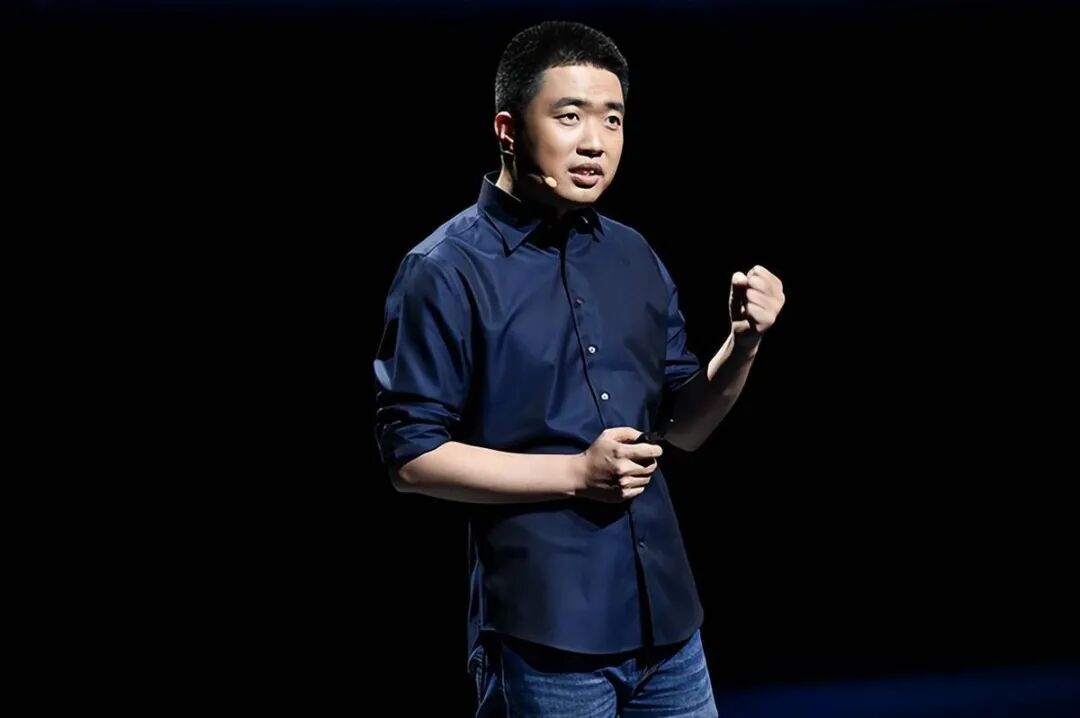
This statement served as both an external signal and internal pressure. Li Xiang's leadership style is direct and unequivocal. Unlike Li Bin, who prioritizes long-term ecological布局 (ecosystem building) due to his sociology background, Li Xiang focuses on execution and ultimate R&D efficiency.
After Lang Xianpeng's departure, media outlets resurfaced a 2024 interview clip: "I felt like he (Li Xiang) wanted to fire me several times a month because he'd say nearly every week, 'Lang Xianpeng, quit.'" He recalled Li Xiang warning, "If intelligent driving doesn't improve by the second half of the year and we don't secure a leading position, you're out as head of the division."
Contextually, Lang's remarks didn't imply his resignation but highlighted the immense pressure core executives face, likely stemming from Li Xiang's relentless pursuit of efficiency.
Retrospectively, Li Xiang's predictive accuracy and execution in automotive trends, AI, and embodied AI have proven remarkable. However, under the dual pressures of his ambition to be among the "global top three" and the pivotal 2026 timeline, his demands for efficiency have become even stricter. Within Li Auto's goal-oriented, execution-driven corporate structure, this top-down pressure first impacts core department heads.
Yet, this intense refinement has forged a rare, hardcore capability within Li Auto's team. The company has nearly completed the full-stack self-research process for intelligent driving technology from scratch, mastering the entire chain of "technology R&D—engineering adaptation—supply chain management—mass production delivery."
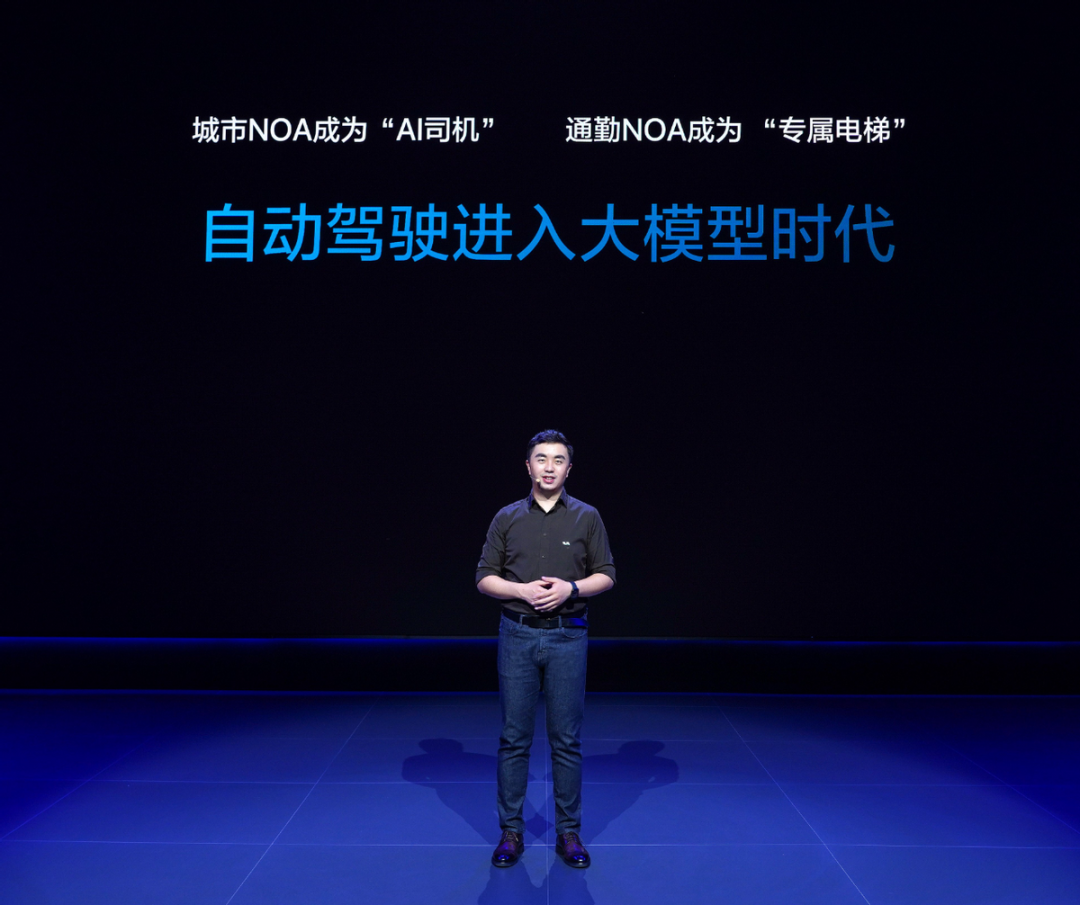
Moreover, as Li Xiang noted, the ultimate form of automobiles could be described as wheeled robots, sharing high technical and R&D synergies with embodied AI. Amid the embodied AI boom, executives departing Li Auto aren't armchair theorists but pragmatists with robust R&D and mass-production expertise.
Critically, AI's rapid development has laid the groundwork for embodied AI's breakthrough. The emergence of Seedance, OpenClaw, and VLM models now makes it possible for robots to understand and interact with the world. Embodied AI's explosion awaits only a final catalyst. Against this backdrop, talent—especially those capable of technical implementation and mass production—is inevitably courted by capital. This explains why companies like Zhijian Power secured rapid multi-round financing and unicorn status.
Given these internal and external dynamics, the rise of the "Li Auto cohort" is unsurprising.
02 Riding the Wave: Intelligent Driving Talent Crosses Over to Embodied AI
Notably, the talent exodus to embodied AI isn't unique to Li Auto but reflects a broader industry trend. Driven by sectoral shifts, intelligent driving professionals are accelerating their migration to embodied AI.
For instance, Guo Yandong, the former chief scientist at XPeng Motors, left Microsoft in 2018 to join XPeng during its startup phase, later moved to OPPO, and founded AI2Robot, focusing on humanoid robots and embodied AI solutions. Similarly, Liu Fang, the ex-head of autonomous driving products at Xiaomi Motors; Chen Yilun, the former chief scientist at Huawei's Automotive BU; and executives from companies like WeRide, Qianli Intelligent Driving, and Momenta have all left to launch embodied AI ventures.
Regulatory constraints and intensifying competition in intelligent driving have narrowed talent development opportunities. In contrast, the humanoid robot sector, still in its infancy, shares high technical overlap with intelligent driving but offers vaster imagination and capital enthusiasm. Thus, cross-sector talent flow is almost inevitable.
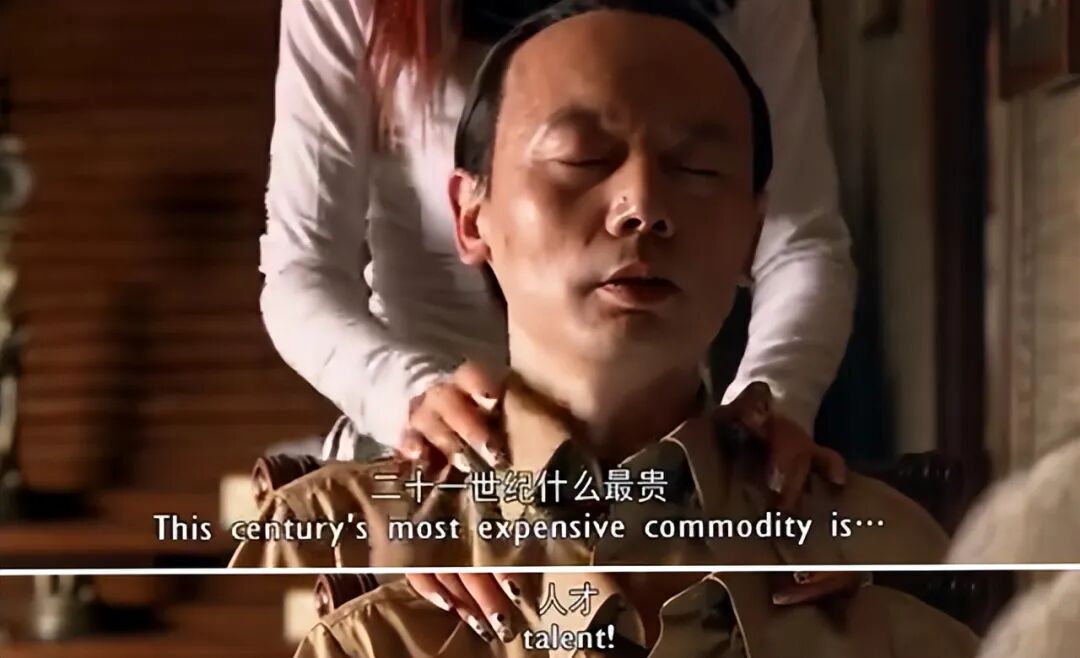
However, this talent competition may harm the automotive industry. Amid fierce competition, the sector is in a knockout phase, with intelligence as the key differentiator. Core talent outflow undermines industry competitiveness and represents a hidden loss for companies.
Yet, there's a flip side. Talent mobility creates growth opportunities for younger professionals, injecting fresh energy into organizations. More importantly, breakthroughs in AI and embodied AI can reciprocally benefit the automotive industry.
For example, after Li Auto realized its self-research lagged following DeepSeek's open-sourcing, it swiftly adopted the technology, shortening development cycles. Similarly, OpenClaw-like applications could elevate automotive intelligence. Li Auto's latest models now automate parking, charging, inspection, and reporting—a process OpenClaw could further advance toward a "robot" endpoint.
Thus, the flow of intelligent driving talent to embodied AI is an inevitable result of technological iteration and industry evolution. As embodied AI becomes a core trend and the boundaries between automotive and robotics blur, cross-sector talent movement reflects both individual opportunities and industry resource optimization. The rise of the "Li Auto cohort" underscores China's robust smart technology talent pool and heralds a new technological landscape through deeper integration of the two fields.
Editor: Yang Jing Editor: He Zengrong
THE END
-
![]()
The Unstoppable Rise of 'Optical Progress and Copper Decline': Sunny Optical’s Strategic Vision for the Next Decade
-
![]()
AI + Going Global in the Second Half: No Intermission for Robot Vacuum Cleaners
-
![]()
The Suffering Endured in E-commerce, Walmart Doesn't Want to Repeat in AI
-
![]()
What Does the Doubling of New Energy Vehicle Exports Mean?
-
![]()
Ghosn: 'Only I Can Save Nissan'
-
![]()
Volkswagen Lays Off 100,000 Employees, The Elephant Sits Down
-
![]()
Expanding Production Capacity! Yutong Optics Acquires Approximately 1.5 Hectares of Industrial Land in Chang'an, Dongguan
-
![]()
Why Is Nokia Making a Comeback in the AI Era?