Net Profit Drops 85.8%! Li Auto Targets 480,000 Units for the Year; Li Xiang Responds to Multiple Executive Departures | Mirror Pro
 03/13 2026
 612
612
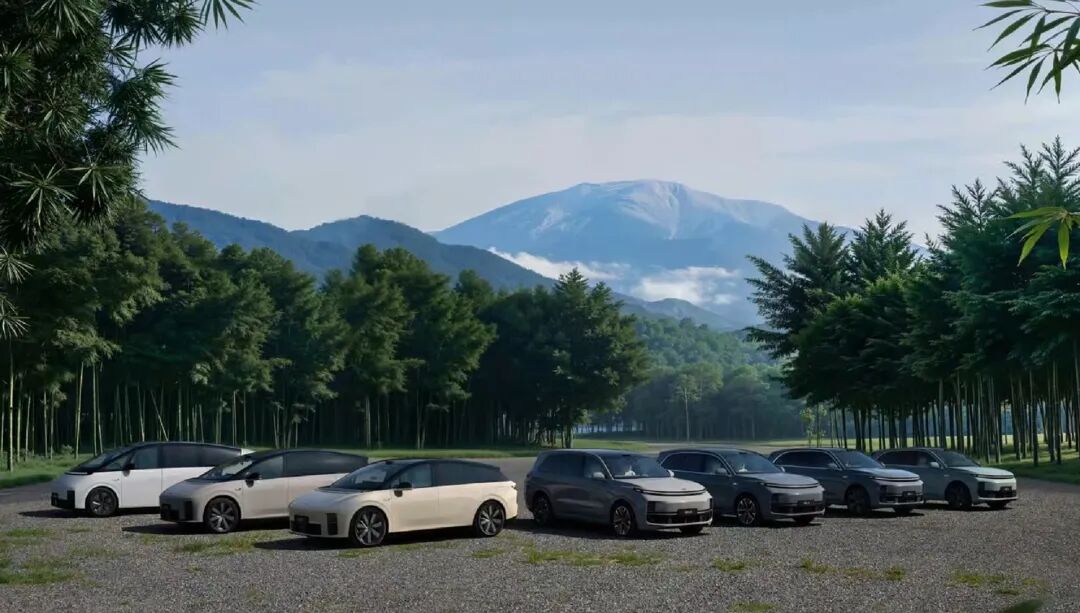
Despite the performance decline, Li Auto remains the most profitable new energy vehicle startup. On March 12, Li Auto released its 2025 financial results. The report showed that in 2025, Li Auto achieved revenue of RMB 112.312 billion, a year-on-year decrease of 22.3%; net profit was RMB 1.139 billion, a year-on-year decrease of 85.8%, marking three consecutive years of revenue exceeding RMB 100 billion and maintaining profitability. In the fourth quarter, Li Auto's revenue was RMB 28.775 billion, a year-on-year decrease of 35%; net profit was RMB 20.2 million, a year-on-year decline of 99.4%. In the third quarter, affected by the MEGA recall incident (a one-time provision for losses exceeding RMB 1.1 billion), Li Auto's quarterly revenue turned from profit to loss, with a deficit of RMB 630 million. Excluding this factor, Li Auto's overall profit for 2025 still exceeded RMB 2 billion.
The decline in Li Auto's 2025 revenue and net profit was primarily due to a drop in deliveries. In 2025, Li Auto delivered 406,300 vehicles, a year-on-year decrease of 18.81%, making it the only leading new energy vehicle company to experience a year-on-year sales decline last year. The significant drop in sales resulted in Li Auto's vehicle sales revenue for 2025 being RMB 106.7 billion, a decrease of 23.0% from RMB 138.5 billion in 2024; while other sales and service revenue was RMB 5.6 billion, a year-on-year decrease of 4.9%.
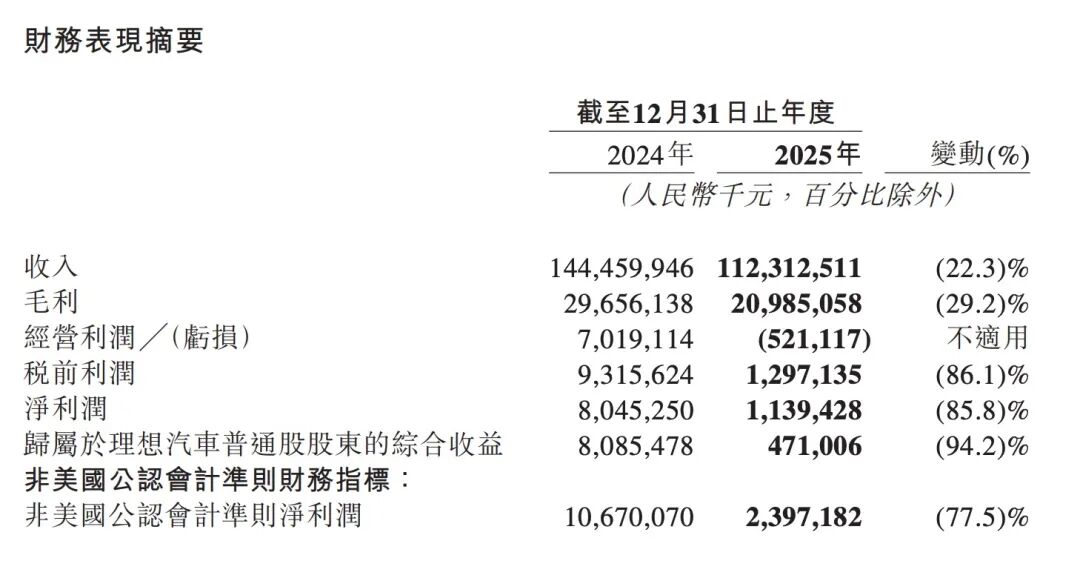
Due to changes in the sales mix brought about by the strong sales of the i6, Li Auto's gross margin also declined in 2025. In the fourth quarter of last year, Li Auto's comprehensive gross margin was 17.8%, a decrease of 2.5 percentage points year-on-year; the full-year comprehensive gross margin for 2025 was 18.7%, a year-on-year decline of 1.8 percentage points, falling below 20% and marking the lowest gross margin for Li Auto in nearly five years. Nevertheless, a gross margin of 18.7% still ranks among the highest in the entire automotive industry. In comparison, NIO, which just achieved quarterly profitability, had a full-year gross margin of 13.6% in 2025.
01 "3+2" Strategy Aims for Annual Sales of 480,000 Units
"2026 is the year when our third-generation platform is delivered to the market, and we are very confident in our product and technological competitiveness this year. However, competition in the overall market is also intensifying. In the mid-to-high-end market above RMB 200,000, the number of new models this year exceeds the total of the past few years, while the overall market growth is limited," Li Xiang, CEO of Li Auto, assessed the 2026 market. Considering both internal capabilities and the market environment, the sales target for 2026 is to achieve a year-on-year increase of over 20%, meaning an annual sales target of more than 480,000 units. Compared to the initial target of a 40% year-on-year increase in 2025, Li Auto's sales target for this year is more conservative and pragmatic.
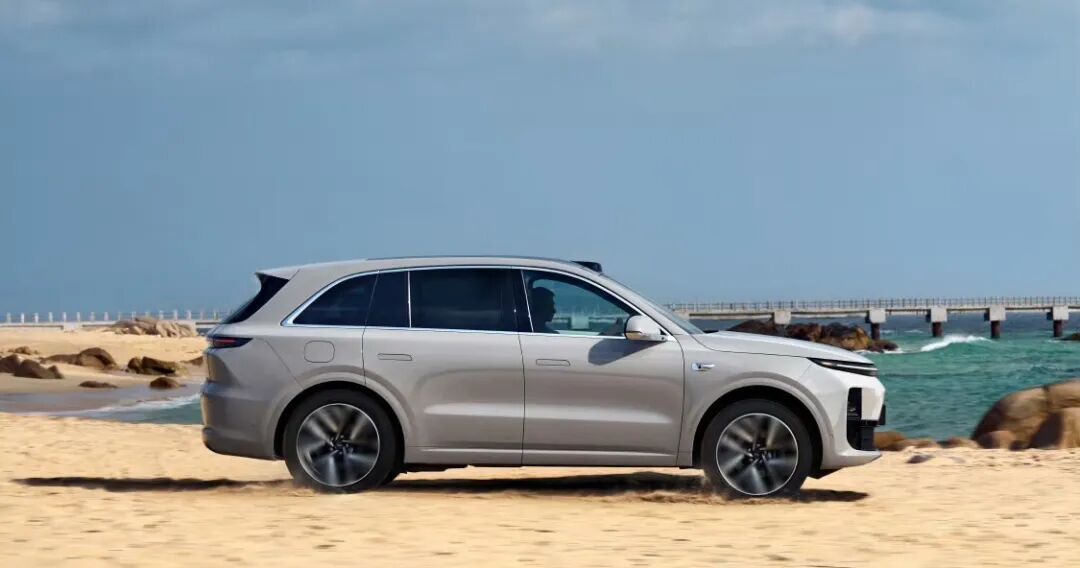
To achieve this goal, Li Xiang stated that the core reliance is on the "3+2" strategy, which consists of three core strategies and two supporting strategies. In terms of the three core strategies, the first is to manage the sales system effectively. Li Xiang reflected that Li Auto's biggest issue in the past with its sales channels was managing a direct sales system using a dealership management approach. He stated that starting from August last year, Li Auto spent nearly seven months systematically reshaping the management system of its direct sales model, including opening high-quality stores, refined operations, incentives for store managers, frontline training, and mechanism construction, all aimed at solidifying the long-term competitiveness of the sales and service system.
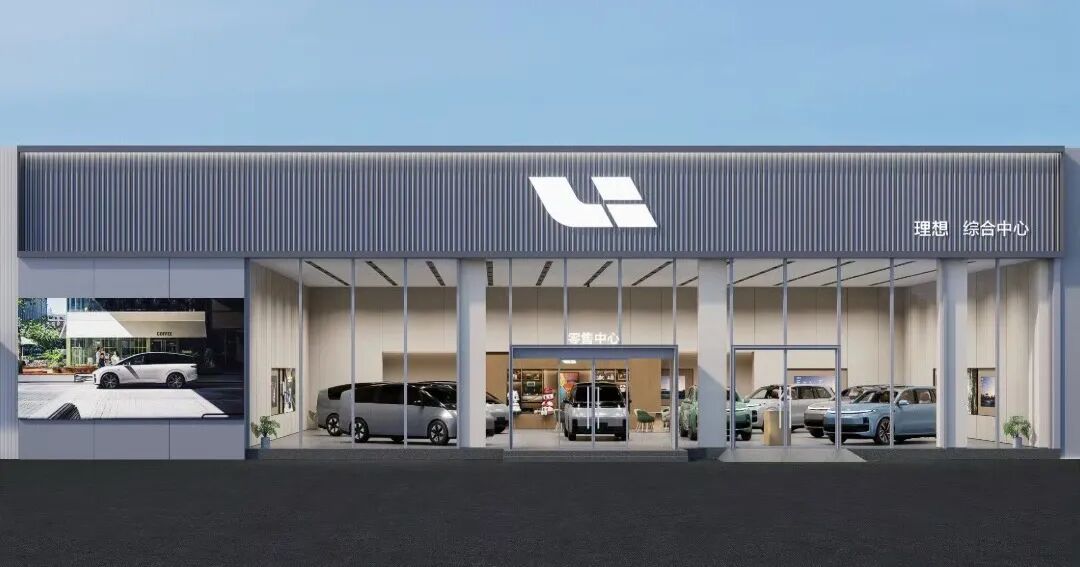
Ma Donghui, President of Li Auto, stated that the core approach for Li Auto's channels in 2026 is to prioritize quality over quantity. This year, new stores will be added, with a preference for top-tier shopping malls and high-quality automotive cities, leveraging brand influence to attract high-quality customer traffic. The layout in lower-tier cities is already relatively complete, and subsequent efforts will focus on increasing the density of stores in higher-tier cities in line with the rising sales of battery electric vehicles (BEVs). Ma Donghui also addressed recent rumors about closing 100 stores, clarifying that only a small number of inefficient stores unable to support sales targets would be replaced, primarily to address issues of poor store location and declining mall traffic, representing normal operational optimization.
Additionally, Li Auto recently launched a store partner program, making stores the basic operational units and delegating operational decision-making and profit-sharing rights to store managers to stimulate team operational awareness and vitality. At the same time, Li Auto will fully empower frontline operations through financial support and digital tools. Ma Donghui expects noticeable improvements and enhancements in sales operations by the third quarter of this year.
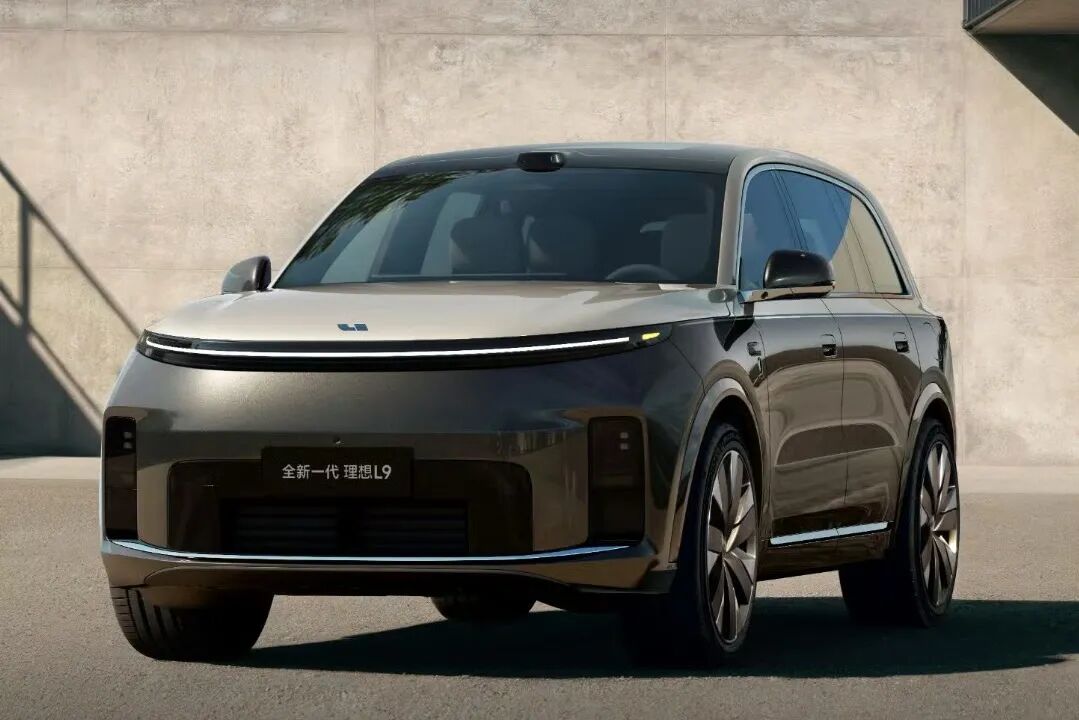
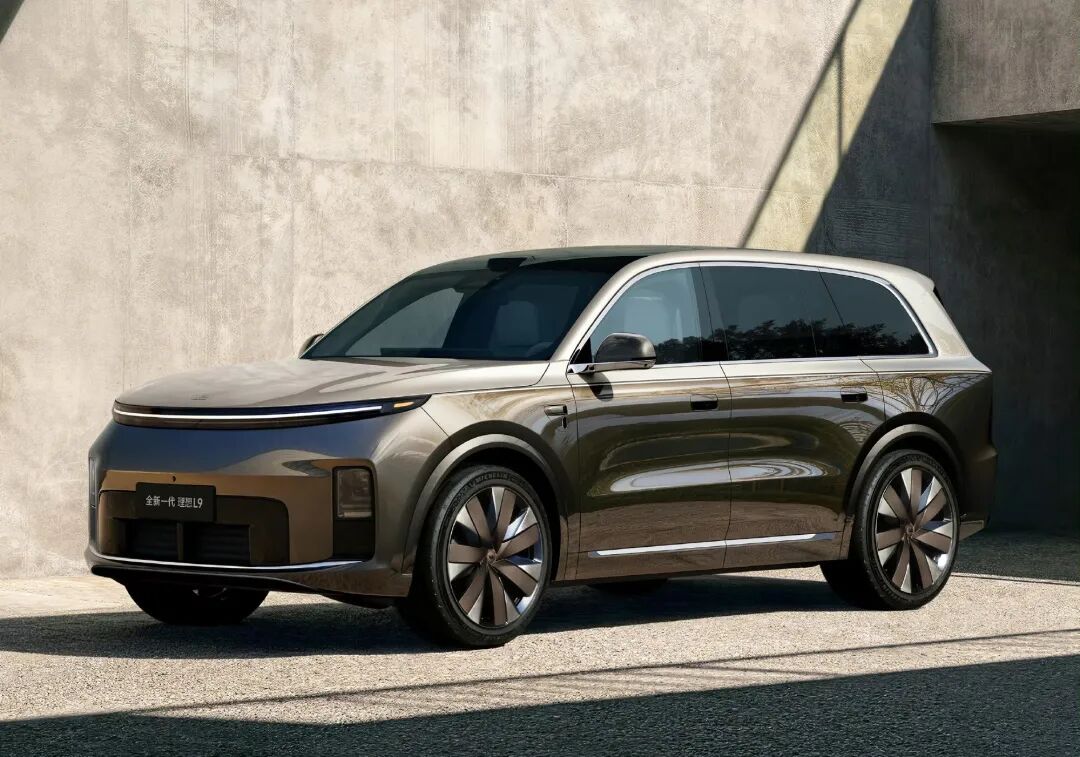
The second and third core strategies both focus on the product level, corresponding to extended-range electric vehicles (EREVs) and BEVs, respectively. The second core strategy is to ensure the successful generation change of the L series, led by the L9, with every aspect of product launch and delivery executed well. According to the plan, Li Auto will officially launch the new L9 series in the second quarter of this year. Li Xiang stated that with a fully upgraded powertrain, intelligent driving, and chassis technology, the new L9 aims to create a significant experience gap with competitors and regain its leading position in the flagship SUV segment. It is reported that the new L9 will come standard with 800V and 5C ultra-fast charging technology; feature a new generation of fully in-house developed extended-range 3.0 system; and debut the world's first AI-powered intelligent oil change system. Notably, the Li Auto L9 Livis version, priced at RMB 559,800, will be equipped with the world's first mass-produced full-line control chassis, an 800V fully active suspension system, and two automotive-grade 5nm in-house developed Mach 100 chips.
"The successful generation change of the Li Auto L9 will directly determine the market ceiling for the entire L series," Li Xiang said. While the competitiveness of the previous generation Li Auto L9 mainly came from precise product definition, the new generation will build core competitive barriers at the technological level. Previous reports indicated that the new L9 has set an internal annual sales target of 100,000 units.
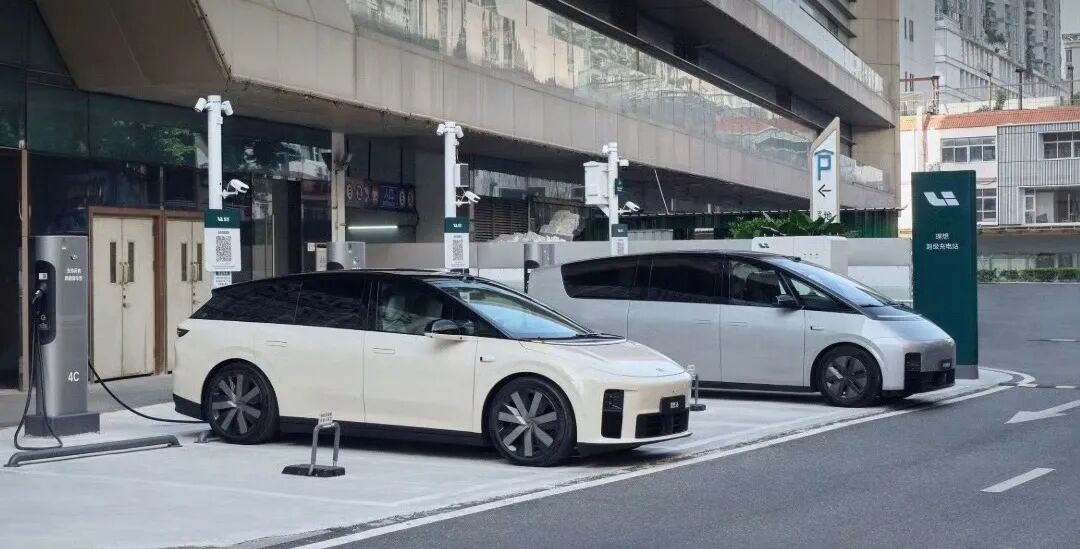
The third core strategy is to drive stable growth in BEV product sales, establishing Li Auto's BEVs in the mid-to-high-end market. Li Xiang stated that the recent performance of the two BEV models, i6 and i8, has been good. The supply issues for the i6 are gradually being resolved, with subsequent monthly delivery capacity reaching 20,000 units; for the i8, as owners accumulate more mileage and provide feedback, the Net Promoter Score (NPS) has increased by over 20%. Since March alone, orders for the Li Auto i8 have increased by 180% compared to January. Additionally, Li Auto will launch a new BEV model, the i9, in the second half of this year, further enriching its BEV product matrix. No further details about this model were disclosed during the financial results conference.
The two supporting strategies are, firstly, Li Auto's investments in intelligent technologies over the past few years, including research capabilities in chips and models. Li Xiang stated that this year will bring differentiated product experiences that are proactive and high-frequency, integrated into users' daily use. The second supporting strategy is overseas markets, where significant progress in expansion is expected. "2026 is our first year of formally conducting overseas business, which is also a crucial long-term growth opportunity for the company," Li Xiang said. However, during the financial results conference, Li Xiang did not elaborate on Li Auto's overseas expansion plans for this year.
02
Three Approaches to "Digest" Cost Increases and Ensure Stable Gross Margins
Regarding the recent price increases in raw materials such as batteries, memory, copper, aluminum, and precious metals, Ma Donghui admitted, "These core components have indeed had a significant impact on the cost per vehicle." He stated that the current task is to stabilize prices and ensure supply. To stabilize prices, Li Auto has signed long-term agreements with core suppliers to lock in prices for key raw material components in advance, hedging against short-term fluctuations. To ensure supply, Li Auto has secured allocations with core suppliers to address shortages of intelligent core components such as storage, guaranteeing the launch and production of new models. "Contracts with price adjustment mechanisms are strictly executed as agreed, while those without are addressed through shared cost and cycle resistance with suppliers, achieving mutual benefit," Ma Donghui said.
At the same time, Li Auto will also explore cost reduction opportunities across the entire chain, including internal product development, manufacturing, logistics, and even quality control, and improve component reuse rates through platform-based development to achieve economies of scale. "We aim to internally digest the external pressure of price increases as much as possible," Ma Donghui said.
Taking the in-house developed Mach 100 chip as an example, its hardware cost per chip is significantly lower than external solutions; it replaces the XCU controller used in the previous platform, combined with HarmonyOS virtualization technology, saving over RMB 1,000 per vehicle; at the same time, relying on a data flow architecture and co-design of models and chips, it achieves higher operational efficiency and reserves more space for future performance improvements. Additionally, in-house developed and manufactured extended-range power modules, in-house developed and contract-manufactured pre-controllers, silicon carbide power chips, and battery packs all help better control costs.
Ma Donghui also emphasized that new models this year will comprehensively consider raw material fluctuations, technological investments, and user value to ensure the company's healthy and sustainable profitability, bringing new product gross margins back to a healthy and normal level. "Overall, we are confident in controlling the impact of raw material price increases within a manageable range and maintaining stable gross margins and operational quality through supply chain collaboration, long-term price-locking agreements, platform-based resources, technological cost reductions, and reasonable pricing," Ma Donghui said.
In January this year, Li Auto also completed a major restructuring of its R&D organization, with the core being the transformation of the R&D team from the original division based on hardware, software, and functional definitions to a management approach centered around "creating digital humans and embodied intelligent agents." The specific restructuring is divided into three core parts: building teams related to the "body," integrating teams working on chips (the heart), datasets (the lungs), and operating systems (the nervous system), which are the foundational hardware and underlying capabilities supporting embodied intelligence; building a "brain system" team, integrating teams working on perception, pre-training, post-training, reinforcement training, and foundational computing infrastructure, focusing on building the core intelligent brain and explicitly stating that this team will only conduct foundational research without touching specific applications to avoid resource dispersion; building a "software ontology " team, similar to software application teams at OpenAI and Anthropic, with the core task of constructing system-level agents, including software tool development, MCP calling protocol construction, agent construction, memory system, and skill system development, requiring deep integration with the operating system to enable intelligent agents to truly complete tasks and be applied, rather than just engaging in simple conversational interactions; at the same time, this team is required to focus on application implementation without blindly participating in foundational model training to avoid reinventing the wheel.
"In the early stages of this organizational restructuring, many teams did not understand, but after actual operation, the efficiency improvement was significant: the training and iteration efficiency of the intelligent driving model increased from once every two weeks in the past to once a day now; the team collaboration model has also been completely transformed, breaking down past departmental barriers, with all relevant teams working centralized office and collaboratively, with the core goal of building embodied intelligence and constructing a research and development system and products based on human-like logic," Li Xiang said.
Additionally, the recent departures of some core R&D management personnel who had been with the company for many years to start their own ventures have drawn external attention. In response, Li Xiang extended his congratulations. At the same time, Li Xiang pointed out that these individuals had accompanied Li Auto from its inception to its current stage, building a solid foundation, and that the internal new generation of young teams can very effectively take over. Currently, in core businesses such as foundational models, embodied intelligence, and product lines, many post-90s and post-95s individuals have taken on leadership roles, and graduates recruited from universities over the past three years, including post-2000s, have also become core backbones in technological R&D and tackling high-difficulty technical challenges. "This is the most important sign of our confidence in the next decade," Li Xiang said.
-
![]()
The Unstoppable Rise of 'Optical Progress and Copper Decline': Sunny Optical’s Strategic Vision for the Next Decade
-
![]()
AI + Going Global in the Second Half: No Intermission for Robot Vacuum Cleaners
-
![]()
The Suffering Endured in E-commerce, Walmart Doesn't Want to Repeat in AI
-
![]()
What Does the Doubling of New Energy Vehicle Exports Mean?
-
![]()
Ghosn: 'Only I Can Save Nissan'
-
![]()
Volkswagen Lays Off 100,000 Employees, The Elephant Sits Down
-
![]()
Expanding Production Capacity! Yutong Optics Acquires Approximately 1.5 Hectares of Industrial Land in Chang'an, Dongguan
-
![]()
Why Is Nokia Making a Comeback in the AI Era?