Who Will Be Held Responsible for the Car Price Increase?
 03/13 2026
 575
575
Introduction | Lead
A global scarcity of memory chips, sparked by the AI boom, is sweeping across the automotive sector. DRAM (Dynamic Random-Access Memory) spot prices have skyrocketed by nearly 700% within a year, while automotive-grade DDR5 prices have surged up to 300%. These escalating costs are compelling automakers to hike prices. The EXCEED ET5 has already raised its price by RMB 5,000, marking it as the first model to announce a price increase in 2026. Tesla CEO Elon Musk is contemplating establishing his own wafer fabrication plant, while NIO CEO William Li has acknowledged that the soaring costs of memory chips have become the most significant cost pressure. As the 'chip shortage' persists, is the widespread adoption of AI-powered vehicles a 'gamble on computing power' or an inevitable path forward?
This article is produced by | Heyan Yueche Studio
Written by | Cai Yan
Edited by | He Zi
Total words: 1,846
Estimated reading time: 3 minutes
The AI chip shortage is plunging the automotive industry into an unprecedented resource battle. As tech giants invest hundreds of billions of dollars to secure HBM (High Bandwidth Memory) capacity and automotive-grade memory prices soar, the EXCEED price hike may just be the tip of the iceberg. This structural crisis, fueled by the demand for computing power, is reshaping the survival logic of smart cars: only those who can navigate through the chip shortage fog will stand at the starting line of the new race.
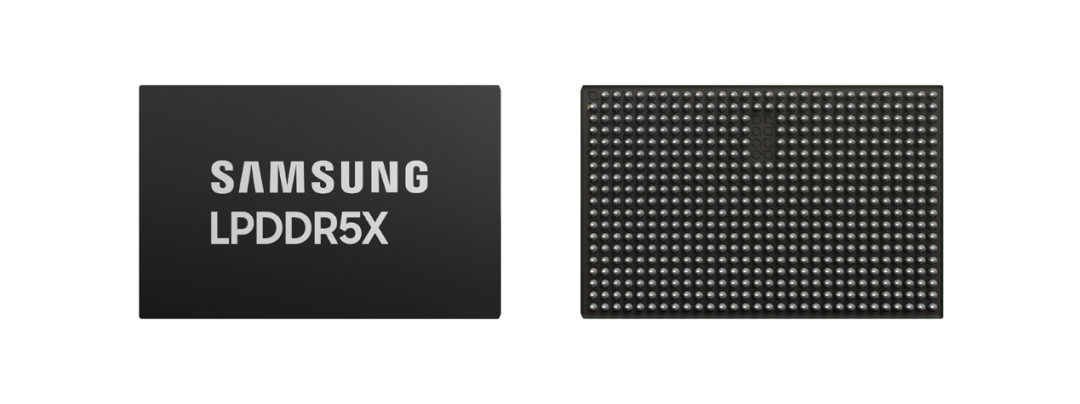
△ Samsung Automotive-Grade DRAM Product LPDDR5X
Who’s to Blame for the Chip Crisis?
The Chinese auto market in 2026 presents a contradictory scenario. On one hand, a price war rages on. Shortly after the Spring Festival, the Accord e:PHEV slashed prices by RMB 100,000, while SAIC Audi E5 Sportback offered a limited-time RMB 30,000 incentive package. Over 20 automakers are still vying for market share through aggressive financial policies. On the other hand, on March 5, Chery’s EXCEED made a seemingly 'counter-trend' move: the high-end version of the ET5 (210 LiDAR Intellectual Supreme Edition) saw its official suggested retail price (MSRP) raised by RMB 5,000, becoming the first model to officially announce a price hike in 2026. The official explanation was dignified—'a choice based on a long-term strategic vision'—but the reality behind it may be stark: the memory chip price surge has breached automakers’ cost thresholds.
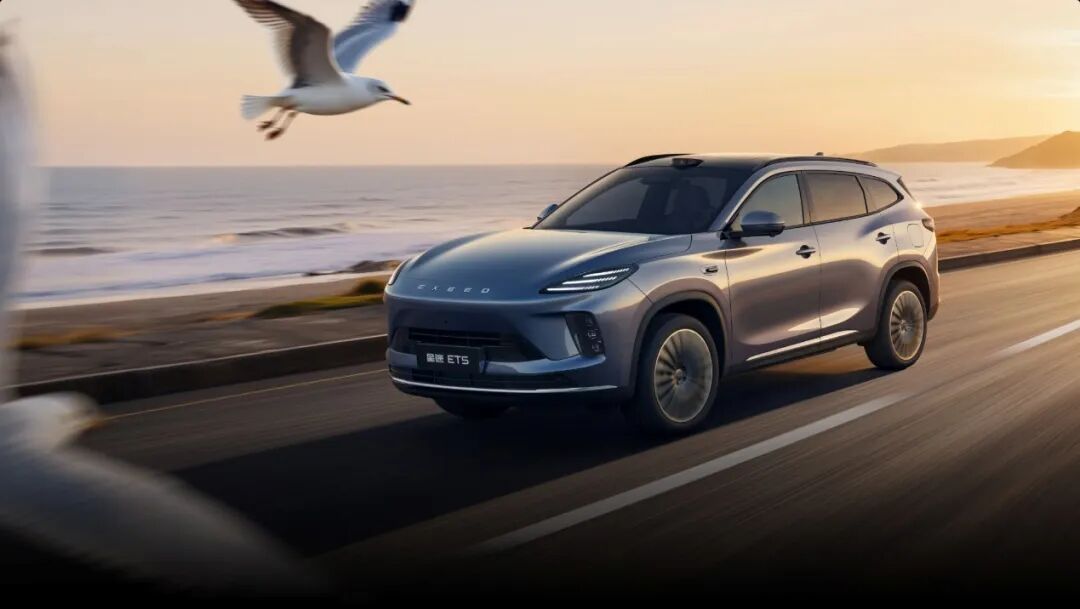
△ EXCEED ET5 High-End Model Price Hike
This is no exaggeration. The current chip shortage fundamentally differs from the 2021 supply chain disruptions caused by the pandemic. Back then, it was a production halt due to a 'lack of ingredients,' but this time, it’s a structural challenge driven by surging demand for computing power. The explosive growth of AI technology has triggered a frenzy among tech giants to secure high-bandwidth memory for training large models. Data indicates that capital expenditures by major tech companies are expected to reach USD 650 billion in 2026, surging nearly 80% year-on-year. These astronomical investments have directly distorted the global supply-demand balance for memory chips, with DRAM spot prices surging nearly 700% in a year.
What chills the automotive industry even more is that chipmakers are aggressively shifting capacity toward HBM—a precision-stacked memory tailored for AI servers, with far higher profit margins than automotive-grade DDR5 or LPDDR. Even for traditional DDR5, quarterly contract price increases have soared from the projected 55%-60% to 90%-95%. No wonder NIO’s William Li lamented this year: 'The automotive industry can’t compete with AI and computing centers for chips—their investments run into hundreds of billions of dollars.' For an auto industry transforming into 'wheeled robots,' this is a fatal blow.
A traditional fuel vehicle might only require a few hundred chips, but a true AI-powered vehicle, especially a smart electric vehicle equipped with urban NOA (Navigate on Autopilot) functionality, sees exponential growth in demand for DRAM and NAND. This cost pressure permeates the entire supply chain, from NVIDIA and Qualcomm’s main control chips to the surrounding memory modules, all of which are seeing price hikes. More concerningly, this shortage is no short-term pain: Intel has warned that the crisis could persist until 2028. This suggests that the EXCEED ET5’s RMB 5,000 price hike may just be the first shot in this round of 'AI chip inflation' hitting the auto market.
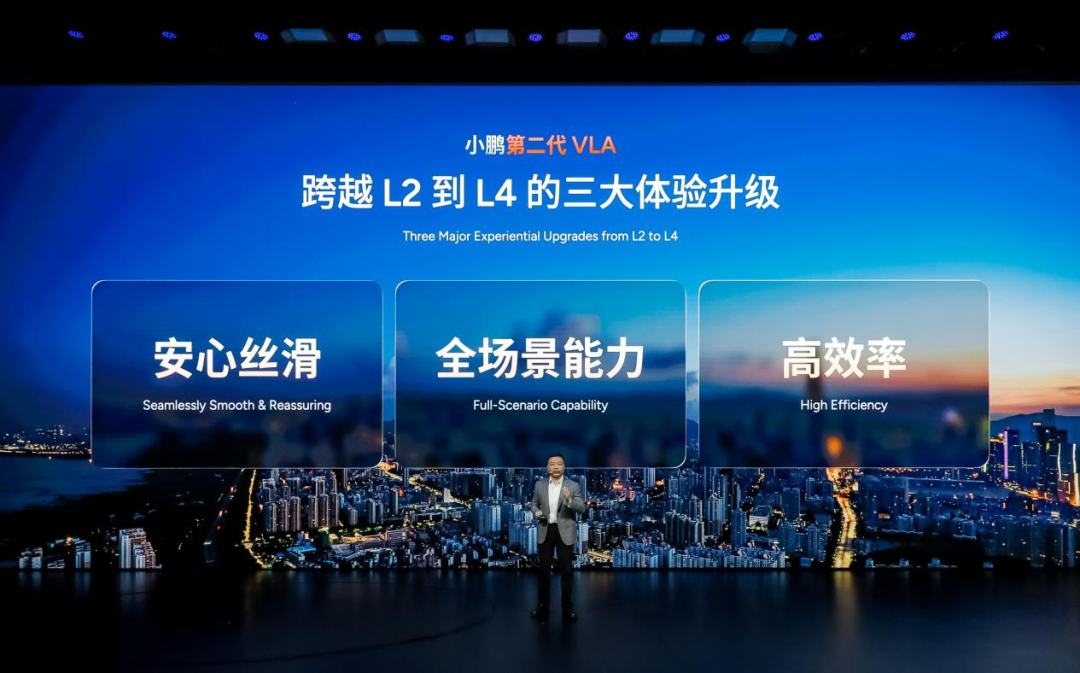
△ The Automotive Industry is Advancing Toward L4 Autonomy
The Computing Power Race Reshapes the Auto Landscape
As the automotive industry embraces intelligence, chips and computing power have become unavoidable topics for automakers. Under today’s intense computing pressure, where is the future smart car market headed? Chips are reshaping the industry’s future landscape. Geely’s Qianli Haohan G-ASD system, unveiled at CES this year, boasts a maximum onboard computing power of 1,400 TOPS and cloud computing power of 23.5 EFLOPS. XPeng Motors Chairman He Xiaopeng explicitly stated during the Two Sessions that 'physical AI,' represented by autonomous vehicles and humanoid robots, will become the core carrier of intelligent economic forms in the next five years. This implies that future cars will not just be transportation tools but may evolve into intelligent robots equipped with 'edge large models,' with an insatiable thirst for computing power.
Policy is also paving the way for this transformation. Minister of Industry and Information Technology Li Lecheng emphasized during the Two Sessions that the ministry will fully advance the development of next-generation AI products, including autonomous vehicles. He Xiaopeng boldly suggested jumping from L2 to L4 in policy and regulatory frameworks, skipping the L3 intermediate stage. If vehicles no longer require human intervention, fundamental changes must occur in automotive electronic-electrical architectures. This explains why, at the start of 2026, companies like Zoyu Tech, ECARX, and Semidrive signed partnerships to rush toward mass production of central computing platforms.
Central computing platforms will integrate all computing resources, including cockpit, intelligent driving, and vehicle control, forming the physical foundation for L4 autonomy. The future auto market may see extreme polarization. On one end are giants with core chip design capabilities and stable supply chains (or even self-built wafer fabs), such as Tesla and NIO, XPeng, and Li Auto, which are actively developing in-house chips. On the other end are automakers highly dependent on external procurement, struggling to survive under cost pressures.
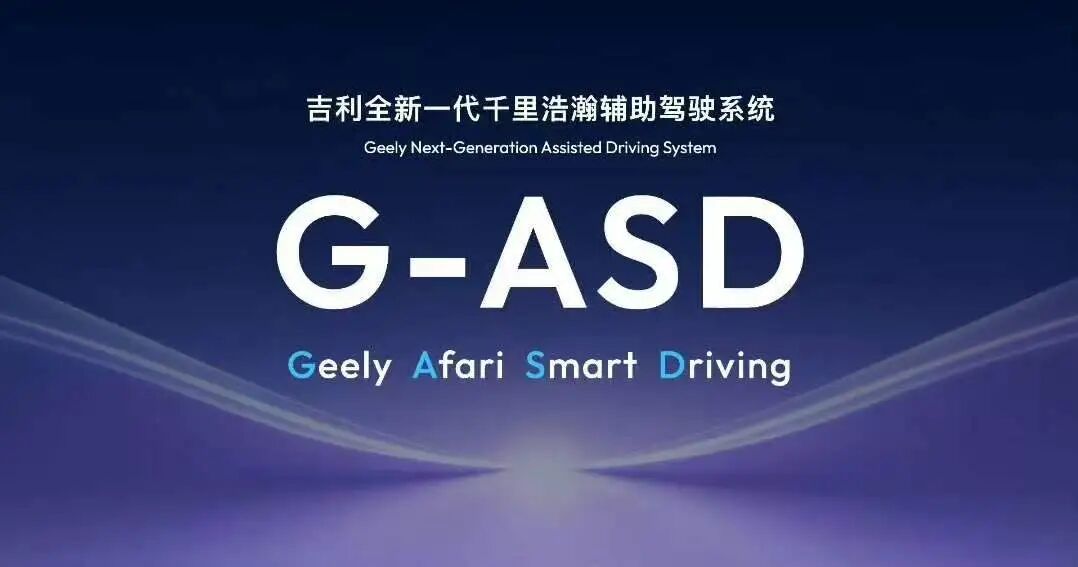
△ Qianli Haohan G-ASD System: A Massive Leap in Computing Power
Commentary
The arrival of the AI chip shortage signifies that the evolution of cars toward 'physical AI' is irreversible. Automakers that can endure the chip shortage winter and ultimately reduce computing costs through technological advancements and architectural innovations will win tickets to define the future of mobility. Brands that rely solely on low-price 'involution' while neglecting foundational computing power construction may be marginalized or even disappear before the chip shortage ends in 2028.
(This article is original to Heyan Yueche and may not be reproduced without authorization.)
-
![]()
The Unstoppable Rise of 'Optical Progress and Copper Decline': Sunny Optical’s Strategic Vision for the Next Decade
-
![]()
AI + Going Global in the Second Half: No Intermission for Robot Vacuum Cleaners
-
![]()
The Suffering Endured in E-commerce, Walmart Doesn't Want to Repeat in AI
-
![]()
What Does the Doubling of New Energy Vehicle Exports Mean?
-
![]()
Ghosn: 'Only I Can Save Nissan'
-
![]()
Volkswagen Lays Off 100,000 Employees, The Elephant Sits Down
-
![]()
Expanding Production Capacity! Yutong Optics Acquires Approximately 1.5 Hectares of Industrial Land in Chang'an, Dongguan
-
![]()
Why Is Nokia Making a Comeback in the AI Era?