Volkswagen’s 35,000 Job Cuts: What Lies Ahead for Its Electric and Intelligent Transformation?
 03/13 2026
 484
484
Author / Liu Wei
Produced by / Insight Auto
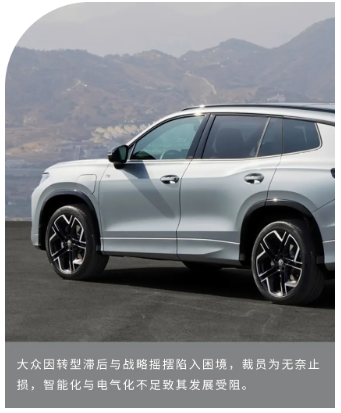
In March 2026, Volkswagen Group made an official announcement, revealing plans to cut 35,000 jobs and slash investment by 11% in Germany by 2030. This industry-shaking layoff serves as a “reluctant damage control” move, following the fuel-powered vehicle behemoth’s failed transformation.
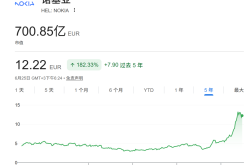
Much like Nokia’s dismissal of the smartphone wave in 2007, which led to its downfall from its peak, Volkswagen is now repeating similar missteps, using layoffs as a facade to conceal the “fundamental flaws” in its transformation. This passive contraction will not alter its current predicament.
As a former global automotive leader, Volkswagen has long held sway over the market with its “German engineering + global manufacturing” model. However, during the pivotal period of the automotive industry’s shift towards intelligence and electrification, its arrogance and sluggishness have caused it to gradually fall out of step.
Two critical misjudgments have plunged Volkswagen into a developmental quagmire, with layoffs being an inevitable consequence of its delayed transformation rather than a solution to break free.

Local Demands Ignored
The root of Volkswagen’s transformation dilemma lies in its sluggish progress in the intelligence race, akin to Nokia’s adherence to the Symbian system and its missed opportunity in the touchscreen era. Nokia once believed that “phones are solely for making calls,” overlooking the demand for smart interaction. Today, Volkswagen remains ensnared in the traditional mindset that “cars are merely for transportation,” responding sluggishly to the intelligence wave.
At the launch event for the Volkswagen Passat Pro, executives queried the in-car system about “the story of Yunnan cross-bridge noodles” but received no effective response, directly exposing the disconnect between its in-car system and the needs of Chinese users. In contrast to the pace of local brands, which release “one new model per year and update every six months,” Volkswagen’s intelligent upgrades have been “excruciatingly slow.”
Its core MEB platform’s electronic and electrical architecture offers only 24 TOPS of computing power, a staggering 20-fold gap compared to the 508 TOPS of local brands like Xpeng. In-car system lag and the absence of advanced intelligent driving features have become the norm.
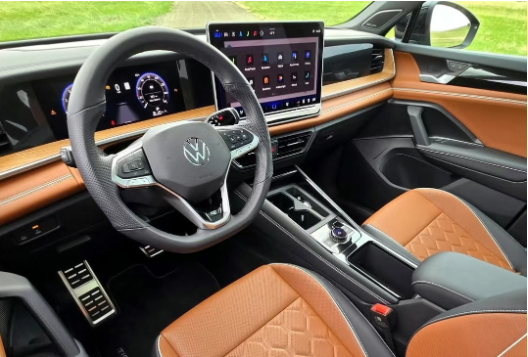
Even when collaborating with Xpeng to develop the CEA architecture to address shortcomings, decision-making power remains firmly in the hands of the German headquarters, making it difficult for the Chinese team to swiftly adapt to local user demands for voice interaction, OTA upgrades, and other features. This results in the awkward situation of products becoming outdated upon release, akin to Nokia’s failed attempt to force European feature phones onto the Chinese market.

Strategic Wavering Leads to Market Disconnection
If the lag in intelligence is a “limping leg,” then the wavering electrification strategy is Volkswagen’s “fatal wound,” mirroring Nokia’s hesitation in system iteration and ultimately leaving it caught between two stools.
Volkswagen, which once publicly disparaged range-extender technology, abruptly launched the range-extender SUV ID.ERA in 2025, exposing confusion in its electrification strategy.
The ID series, central to its pure electric transformation, has been “ill-suited to local conditions” from the outset. The Volkswagen headquarters stubbornly bet on the MEB platform, disregarding Chinese users’ range anxiety, with over 70% of core components imported, driving up costs and limiting localization.
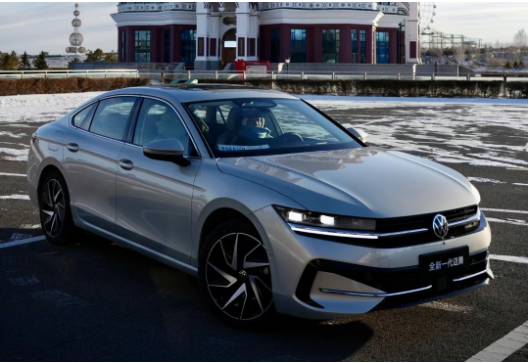
The 2025 ID.3 facelift replaced ternary lithium batteries with lithium iron phosphate batteries, offering only marginal range improvements while triggering numerous complaints about battery drain, eroding market trust.
In contrast, BYD and Tesla accurately captured demand and rapidly iterated, while Volkswagen missed the electrification window amid strategic wavering. Even with the interim MEB+ platform, its technological sophistication still lags behind industry leaders, making breakthroughs difficult.

Transformation Reveals Inertia
Volkswagen’s predicament is essentially the “transformation inertia” of a giant, echoing Nokia’s arrogance. Nokia’s decline was not due to insufficient technology but its unwillingness to break from its successful path.
Volkswagen’s transformation struggles are not due to a lack of funds or technology but rather its reliance on the glory of the fuel vehicle era, making it unwilling to adapt to new demands.
The 35,000 layoffs may seem like “sacrificing a limb to survive,” but they are actually a passive payment for delayed transformation. Organizational bloat and lengthy decision-making, coupled with the German headquarters’ stubbornness, make it difficult for Chinese market demands to be conveyed, with product iterations failing to meet consumer expectations. The cumulative sales of just over 10,000 units for the Volkswagen Anhui Zon 06 model directly attest to its market disconnection.
The industry truth remains unchanged: the era does not wait for complacent giants. Today, consumer demands have evolved from mere transportation to intelligent mobile spaces. Current Volkswagen resembles Nokia standing at the doorstep of smartphones, caught between a shrinking fuel vehicle market and an insurmountable transformation predicament.
Without breaking free from path dependency, aligning with Chinese user demands, and addressing shortcomings in intelligence and electrification, no amount of layoffs will reverse its decline. It may ultimately repeat Nokia’s fate, becoming a forgotten relic of the times. These layoffs are not the starting point of transformation but another footnote in the decline of a giant.
END
-
![]()
The Unstoppable Rise of 'Optical Progress and Copper Decline': Sunny Optical’s Strategic Vision for the Next Decade
-
![]()
AI + Going Global in the Second Half: No Intermission for Robot Vacuum Cleaners
-
![]()
The Suffering Endured in E-commerce, Walmart Doesn't Want to Repeat in AI
-
![]()
What Does the Doubling of New Energy Vehicle Exports Mean?
-
![]()
Ghosn: 'Only I Can Save Nissan'
-
![]()
Volkswagen Lays Off 100,000 Employees, The Elephant Sits Down
-
![]()
Expanding Production Capacity! Yutong Optics Acquires Approximately 1.5 Hectares of Industrial Land in Chang'an, Dongguan
-
![]()
Why Is Nokia Making a Comeback in the AI Era?