Chinese Automakers Aim for F1 Glory: NIO Tests Waters, Geely Paves the Way, Will BYD Seal the Deal?
 03/16 2026
 530
530
Will BYD 'Tell Its Story' Through F1 Racing?
Is China's First F1 Team About to Hit the Track?
According to Bloomberg, Chinese automaker BYD is internally assessing the feasibility of entering top-tier motorsport events, including Formula 1 (F1) and the 24 Hours of Le Mans.
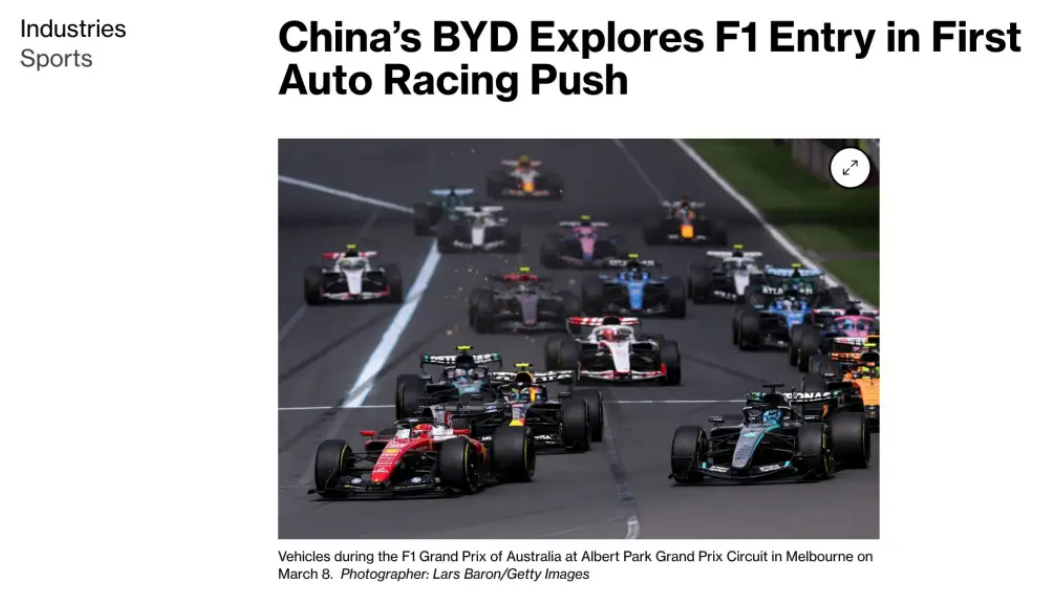 (Image Source: Bloomberg)
While unconfirmed and unacknowledged by BYD, the news has excited fans and consumers alike. For the first time in F1's 70+ year history, a Chinese automaker could compete in what has long been perceived as an exclusive arena for Western capital. With China's automotive industry surging, the time seems right for Chinese representation in F1.
As one of the most-watched annual sports events globally, F1 hosts 24 Grand Prix races annually with over 1.5 billion viewers worldwide, offering unmatched brand exposure. For automakers, F1 serves as a high-traffic global 'billboard.'
From brand visibility and technological endorsement to user engagement, F1's communication impact far exceeds traditional advertising. Global live broadcasts, post-race analysis, driver controversies, and merchandise generate sustained buzz, creating multi-layered brand recognition. For Chinese automakers going global, this stage is both rare and invaluable.
However, F1 participation comes at a staggering cost—a single F1 team's operational expenses approach $500 million per season, excluding training, maintenance, and driver salaries. Often dubbed the world's most expensive sport, many automakers simply cannot afford entry or the prolonged wait for returns.
Why, then, would BYD consider F1 despite these costs?
BYD's Premium Push Needs Racing 'Storytelling'
Rather than mere ambition, BYD's potential F1 entry reflects its strategy to 'tell a story' for brand premiumization.
Having overtaken Tesla as the world's top EV seller in 2023 and expanding exports to Europe, Southeast Asia, and Latin America, BYD now faces the challenge of upgrading its global brand perception from 'cost-effective' to 'premium.'
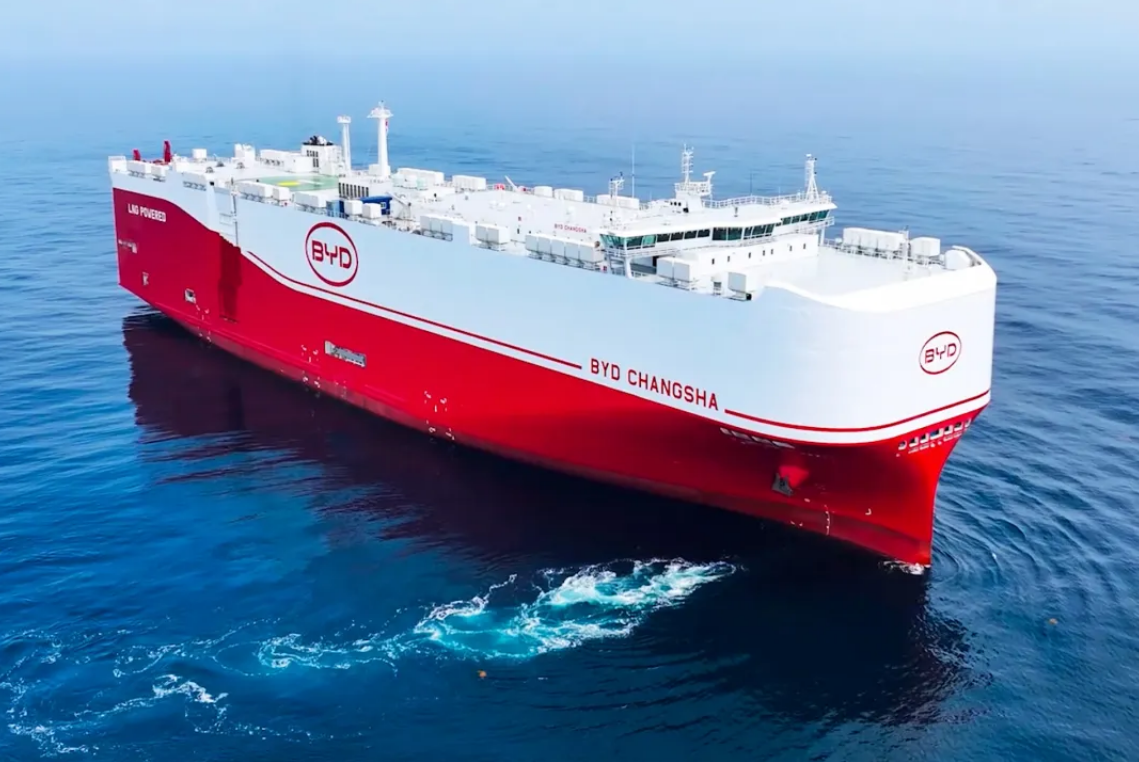
(Image Source: BYD Official Website)
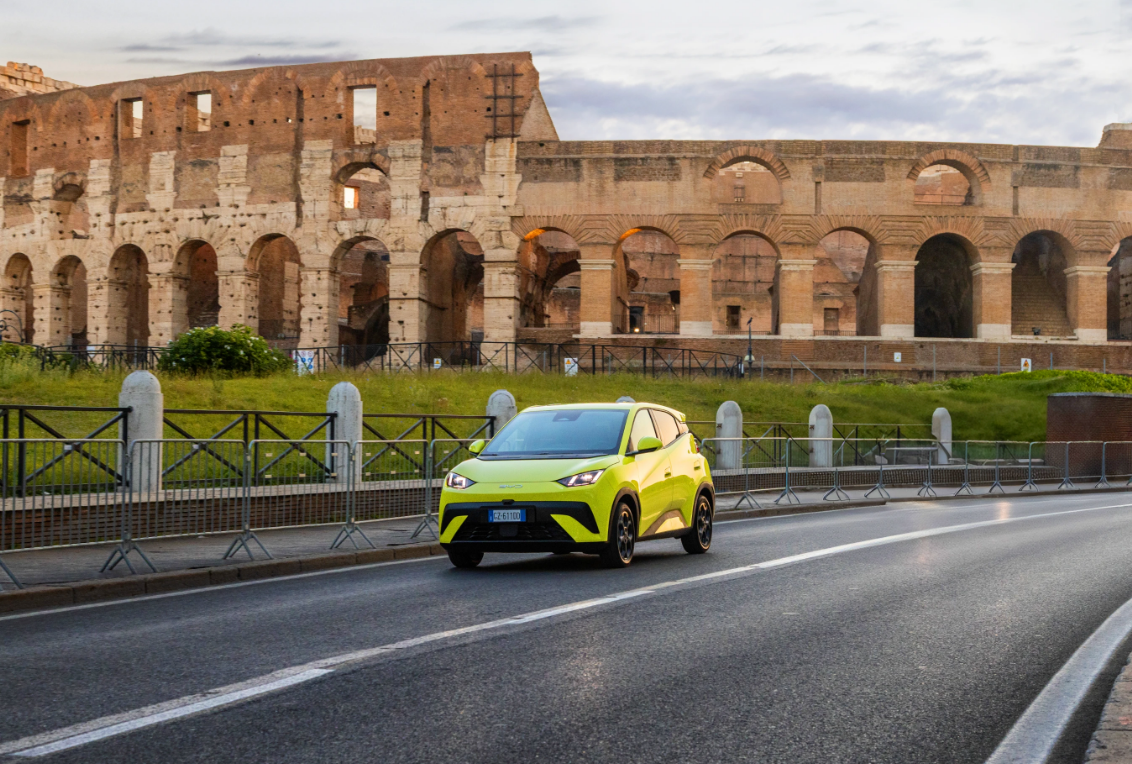
European streets now feature BYD models, and locals recognize BYD as a Chinese automaker associated with 'affordability' and 'accessibility.' Few overseas consumers currently associate BYD with 'advanced technology' or 'premium quality.'
This poses a dilemma: rising sales but stagnant brand premiumization.
(Image Source: BYD Official Website)
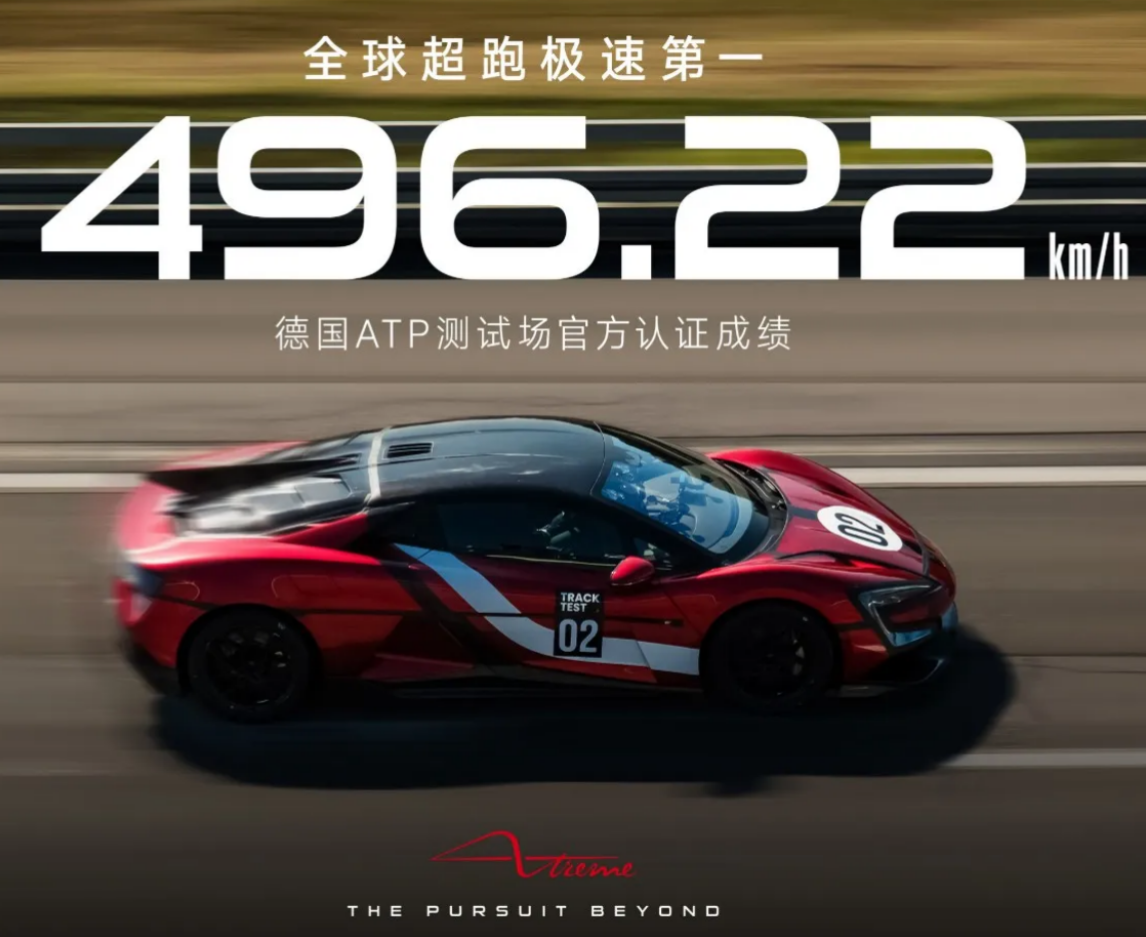
BYD has responded by 'storytelling' for premiumization. Its luxury sub-brand Yangwang tested the all-electric supercar U9 at Germany's ATP circuit, achieving a top speed of 496.22 km/h. While impressive, this failed to significantly alter foreign perceptions of the BYD brand.
No matter how strong Yangwang performs, it remains a sub-brand unable to directly elevate the parent brand's image.
(Image Source: Yangwang Official Website)
F1 offers a different opportunity. With 1.5 billion viewers, exceptional racing performance can spark global curiosity and elevate brand stature.
F1 represents the pinnacle of automotive engineering: aerodynamics, powertrains, thermal efficiency, materials science, electronic control, tire technology, intelligent strategy, and teamwork. All cutting-edge technologies are pushed to their limits here.
For technologically confident BYD, F1's 'money-burning' reputation could instead serve as the fastest tool to elevate brand prestige and global recognition. Mercedes, Honda, and Renault have all successfully leveraged racing glory to enhance brand value.
High F1 Entry Barriers, But BYD Has Options
How might BYD enter F1?
The first option is building a team from scratch. Cadillac's F1 team spent over two years navigating FIA approvals, resistance from existing teams, and commercial renegotiations before debuting in the 2026 season.
Why do existing F1 teams resist new entrants? F1's prize pool is fixed. New teams reduce each team's share—a scenario incumbents oppose. Moreover, F1 teams are scarce assets with high valuations; adding more teams could dilute their worth, lowering resale prices.
Thus, BYD's self-built team approach would face unpredictable challenges, including financial pressure and multi-layered negotiations over rules, interests, and politics.
Image Source: Yangwang Official Website
The alternative is acquiring an existing team—the quickest entry method. Audi secured its F1 berth by purchasing Swiss Sauber F1 Team. With Alpine and Aston Martin F1 Teams considering partial sales, this could present an ideal opportunity for BYD.
While costly, acquisitions save years of waiting and negotiations, instantly granting racing rights, existing infrastructure, and Integral foundation (points base)—a more cost-effective path.
Alternatively, BYD could target the World Endurance Championship (WEC) instead of F1. Toyota has significantly enhanced its global technical image through WEC participation.
WEC is more hybrid-friendly than F1, and its top HyperCar class aligns perfectly with BYD's hybrid technology. Decades of hybrid R&D have given BYD deep expertise in high-efficiency engines, powerful motors, energy management, and hybrid strategies. WEC and Le Mans may suit BYD better initially.
Perhaps WEC offers a more pragmatic starting point for BYD's global motorsport ambitions. Proving itself in a more technology-aligned, lower-pressure environment allows BYD to build experience, teams, and reputation before deciding on an F1 push.
NIO and Geely Lead the Charge, BYD Poised to Follow
BYD is not the first Chinese brand eyeing global motorsport. NIO and Geely have already made moves.
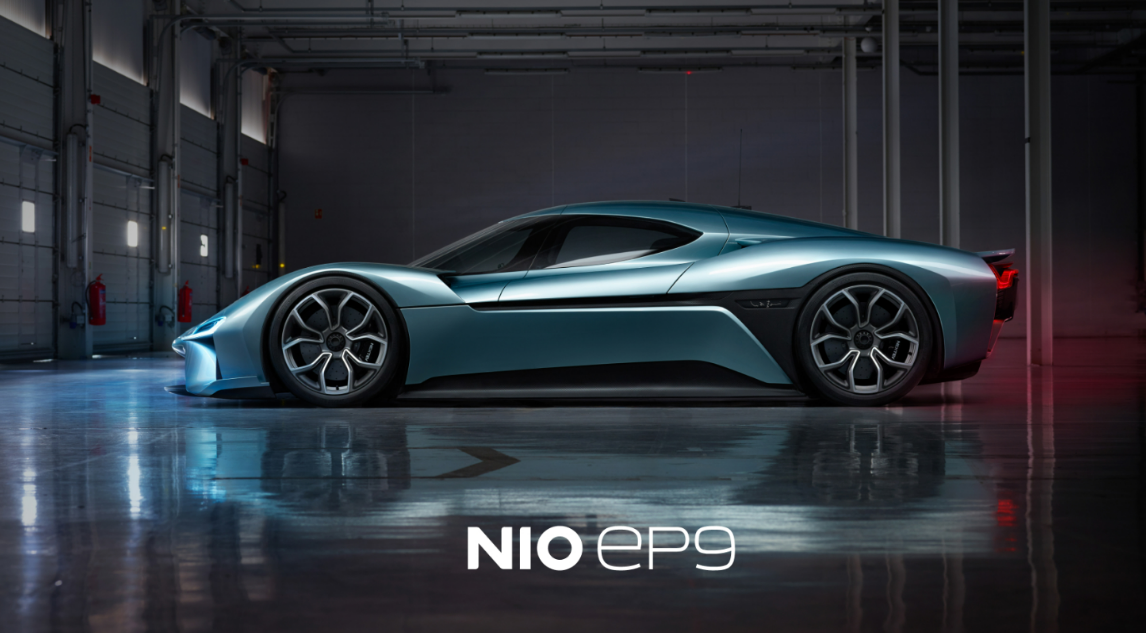
In 2015, NIO entered the inaugural Formula E season with its all-electric EP9 supercar, winning the drivers' championship and shining a spotlight on Chinese automotive innovation. However, Formula E's limited global influence prevented it from matching F1's communication impact.
Formula E functions more as an electrification trial than a true brand-defining stage.
(Image Source: NIO Official Website)
Geely's Cyan Racing has achieved international touring car success, but overseas audiences perceive these victories as European-driven, failing to fully represent Chinese automotive prowess.
Do NIO and Geely's experiences discourage BYD?
Quite the opposite. Their pioneering efforts have paved the way, and BYD now operates in a vastly different era—with altered industry landscapes and racing regulations. This may be the optimal moment for Chinese automakers to enter top-tier motorsport. Even F1 now seems to need a Chinese manufacturer more than ever.
FIA President Mohammed Ben Sulayem stated last year that after Cadillac's entry, a Chinese automaker would be F1's 'next logical step.'
F1's 2026 regulatory overhaul further favors BYD: a 50:50 hybrid powertrain mix, tripled MGU-K motor power, reduced internal combustion engine output, and quadrupled kinetic energy recovery per lap. These electrification-focused changes align perfectly with BYD's hybrid strengths.
In essence, a Chinese F1 team would hardly surprise the motorsport world.
Whether BYD ultimately enters, when it announces, and in what form remains uncertain. What is clear is that China's automotive industry has reached a stage where top-tier motorsport validation is essential.
(Cover Image Source: Yangwang Official Website)
BYD, Chinese Brand, New Energy
Source: Leikeji
Images sourced from 123RF Licensed Library. Source: Leikeji
-
![]()
The Unstoppable Rise of 'Optical Progress and Copper Decline': Sunny Optical’s Strategic Vision for the Next Decade
-
![]()
AI + Going Global in the Second Half: No Intermission for Robot Vacuum Cleaners
-
![]()
The Suffering Endured in E-commerce, Walmart Doesn't Want to Repeat in AI
-
![]()
What Does the Doubling of New Energy Vehicle Exports Mean?
-
![]()
Ghosn: 'Only I Can Save Nissan'
-
![]()
Volkswagen Lays Off 100,000 Employees, The Elephant Sits Down
-
![]()
Expanding Production Capacity! Yutong Optics Acquires Approximately 1.5 Hectares of Industrial Land in Chang'an, Dongguan
-
![]()
Why Is Nokia Making a Comeback in the AI Era?