BMW's Shift from L3: Navigating Performance Pressures and Embracing Intelligent Evolution
 03/16 2026
 752
752
Author / Liu Wei
Produced by / Insight Auto
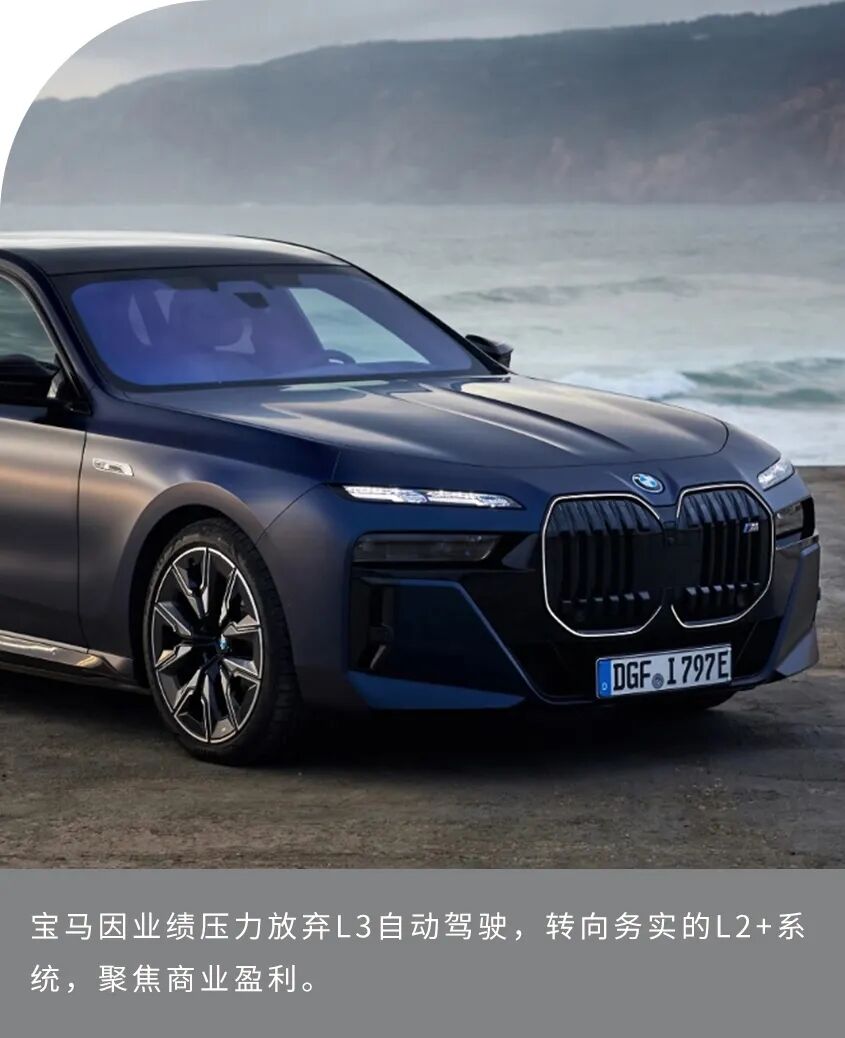
At the 2026 fiscal year meeting, BMW's CEO, Oliver Zipse, clearly stated that due to L3 autonomous driving technology not achieving commercial viability, its research and development priority would be temporarily downgraded. Consequently, the facelift model of the 7 Series will also forego this system.
This decision does not signify a retreat from advanced technology but rather a pragmatic adjustment under performance pressures, highlighting the industry's conflict between technological progress and commercial lag.
During the 2026 fiscal year meeting, BMW's CEO, Oliver Zipse, officially declared a temporary reduction in the R&D focus on L3 autonomous driving. His candid acknowledgment that "the technology has not yet reached commercial viability" marked a departure from the blind pursuit of advanced autonomous driving by luxury car manufacturers.
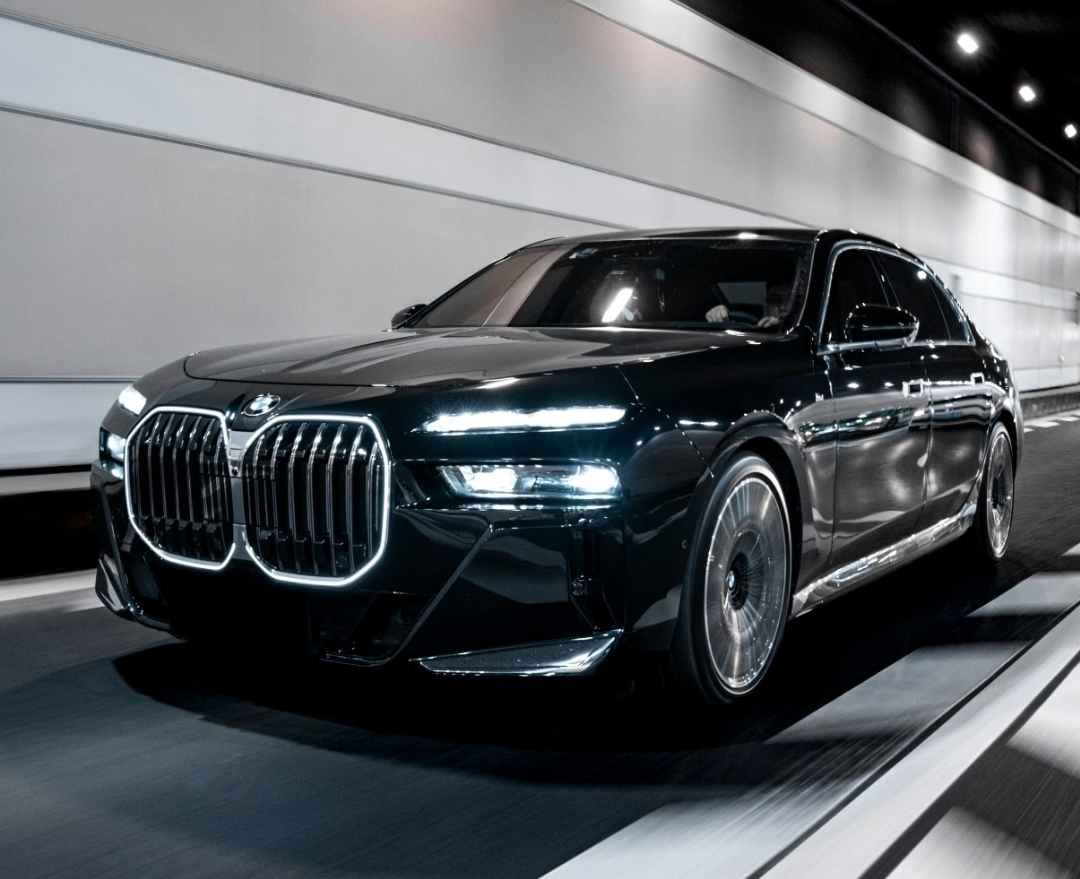
It is reported that the facelifted 7 Series, set to launch in April this year, will entirely eliminate the existing L3 system, "Personal Pilot L3," and instead be equipped with the L2 driving assistance system from the new iX3, serving as a direct reflection of BMW's strategic contraction.
Since the introduction of the L3 system in November 2023, the current 7 Series has garnered acclaim but limited popularity. Priced at an optional 6,000 euros (approximately 49,000 yuan) in Germany, this system is only operational on specific highways with a speed limit of 60 km/h and lacks automatic lane-changing capabilities, significantly diminishing its practicality.
BMW's internal data reveals that the optional rate for this system is less than 5%, with over 60% of users who opted for it never utilizing it. The high costs and minimal feedback ultimately led BMW to discontinue this technology.
This adjustment is fundamentally an inevitable choice for BMW to manage performance pressures. The 2025 financial report indicates that BMW's revenue was 133.45 billion euros (a 6.3% year-on-year decrease), pre-tax profit was 10.236 billion euros (a 6.7% year-on-year decrease), and net profit was 7.45 billion euros (a 3.0% year-on-year decrease). All three core indicators simultaneously dropped to their lowest levels in nearly five years.
In China, BMW's core market, sales plummeted by 12.5% year-on-year to 625,500 units. Key models experienced price reductions, and over 50 4S stores closed, continuously eroding the brand's premium image.
Under performance pressures, BMW's intelligent strategy is pivoting towards "practical profitability." Zipse emphasized that BMW has not abandoned advanced autonomous driving but is now concentrating on the more commercially viable L2 and L2+ markets. The driving assistance system in the new generation models has achieved a 130 km/h hands-off capability on highways, with manageable costs and practical applications.
Simultaneously, BMW is pursuing localized collaborations, partnering with Qualcomm in Europe and the United States and Momenta in China. They plan to introduce a locally adapted L2+ system on the new generation iX3 in 2026 to reverse the downturn in the Chinese market.
L3 technology necessitates the integration of costly hardware, with ambiguous regulatory definitions and limited user demand. In contrast, L2+ systems offer low costs and comprehensive scenarios, becoming the market's mainstream.
BMW's strategic shift is a rational response to the pressures of electrification transformation and performance. Prioritizing the cessation of high-cost, low-return projects and focusing on profitable areas is crucial for survival.
BMW still faces challenges in its future endeavors, including investments in the new generation platform, competition in the Chinese market, and tariff pressures.
For this century-old automotive giant, abandoning L3 is not a retreat but a strategic recalibration. Balancing technology and business while meeting market demands is essential for maintaining its position.
END
-
![]()
The Unstoppable Rise of 'Optical Progress and Copper Decline': Sunny Optical’s Strategic Vision for the Next Decade
-
![]()
AI + Going Global in the Second Half: No Intermission for Robot Vacuum Cleaners
-
![]()
The Suffering Endured in E-commerce, Walmart Doesn't Want to Repeat in AI
-
![]()
What Does the Doubling of New Energy Vehicle Exports Mean?
-
![]()
Ghosn: 'Only I Can Save Nissan'
-
![]()
Volkswagen Lays Off 100,000 Employees, The Elephant Sits Down
-
![]()
Expanding Production Capacity! Yutong Optics Acquires Approximately 1.5 Hectares of Industrial Land in Chang'an, Dongguan
-
![]()
Why Is Nokia Making a Comeback in the AI Era?