Dongfeng, Leapmotor, Xiaomi, XPeng: Does Stellantis Want Them All?
 03/16 2026
 605
605
Lead
Introduction
You can't teach people through words alone; experiences do the job in one go.
It is well known that Stellantis is one of the most troubled automakers globally. Now, concrete data confirms this outcome. Some time ago, Stellantis released its financial report, showing a net revenue of €153.5 billion for 2024, a slight year-on-year decrease of 2%; however, it reported a staggering net loss of €22.3 billion, primarily due to €25.4 billion in exceptional charges.
Officially, this is explained as an effort to reposition customer preferences at the core of Stellantis' strategy. It suggests that the issue lies in changing consumer demands rather than previous management missteps. Nevertheless, management remains optimistic about the future. They plan to launch more new models and powertrain options in markets like North America, Europe, and South America through a new product offensive to expand growth opportunities.
Recently, media reports revealed that Stellantis executives have engaged with Xiaomi Group and XPeng Motors to discuss European business restructuring plans. These discussions include the possibility of Chinese companies acquiring stakes in Maserati or other Stellantis brands, such as Opel, Fiat, and Peugeot, to strengthen the company's presence in Europe.
By selling a stake to a Chinese automaker, Stellantis would gain access to advanced electric vehicle and software technologies while bypassing U.S. restrictions on Chinese technology. This move would also make it easier for a Chinese automaker to enter the lucrative European market. Additionally, both sides have explored using Stellantis' production capacity in Europe, with negotiations ongoing for several months.
In response, Stellantis issued a statement saying, "As part of normal business processes, Stellantis engages in discussions with numerous industry participants worldwide on various topics, always with the ultimate goal of providing customers with the best mobility options. The company does not comment on speculation."
Relevant sources believe that the company's reforms in Europe could lead to further separation between its U.S. and European operations, although the current focus of discussions is not a complete split. "Stellantis has made it clear that claims about the company considering a split are unfounded," the company added.
01 Did the New CEO Deliver or Is It Just a Numbers Game?
Let's revisit Stellantis' situation. Analyzing the recently released Q4 2025 and early 2026 data, we can assess whether new CEO Antonio Filosa can work miracles or if the numbers are just an illusion.
Some data points suggest a strong rebound: Q4 sales in North America grew by 43%, while Europe saw a 6.7% increase in January 2026 despite an overall market decline. These figures have made Filosa, who took charge during a crisis, seem like the key figure to turn things around. However, behind these impressive numbers lies a strategic "reset" at the cost of significant financial pain.
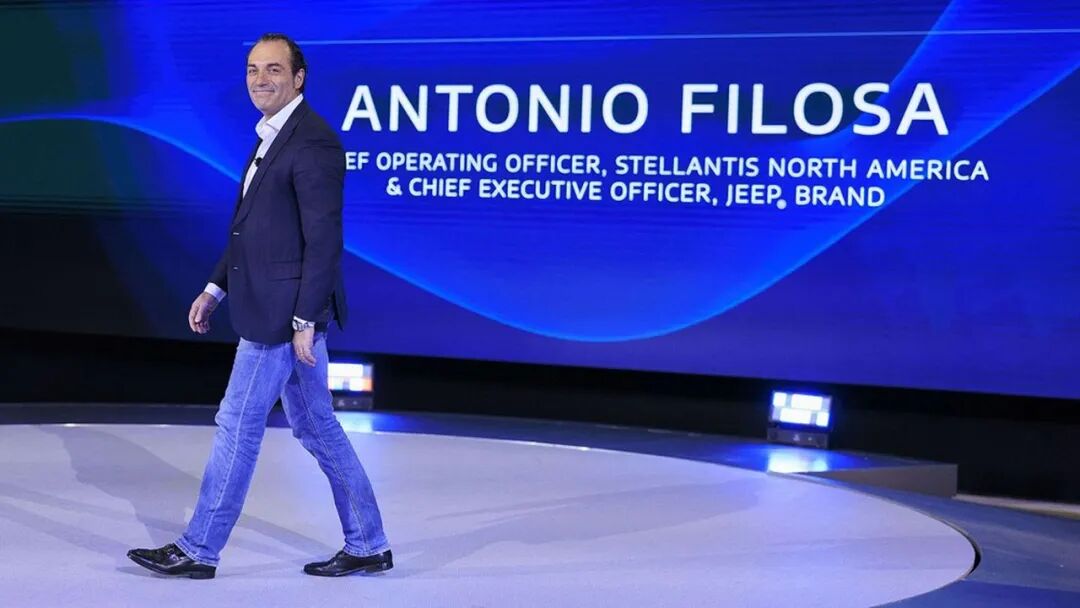
On February 6, 2026, Stellantis formally announced the cost of this adjustment: approximately €22.2 billion in special charges expected in the second half of 2025, a full-year net loss estimated between €19 billion and €21 billion, and the cancellation of the 2026 dividend. This financial blow stems from Stellantis correcting its strategic misjudgments, admitting it had overestimated the pace of electrification, especially in the U.S. market.
As a result, Stellantis halted some unprofitable pure-electric projects, impaired related platforms, adjusted battery production line scales, and increased warranty provisions due to quality issues. Although painful financially, this is seen as a necessary balance sheet cleanup. As of the end of 2025, Stellantis still holds around €46 billion in liquidity, providing a buffer for its transformation.
On the surface, the 43% sales growth in North America looks impressive, but it includes a base effect from inventory normalization. Nevertheless, a 150% increase in orders and the launch of models like the Ram 1500 with the reintroduced HEMI V8 and the new Jeep Grand Cherokee validate Filosa's core strategy: a pragmatic return to internal combustion engines in markets where customers still demand them, reducing ideology-driven decisions. In the short term, this strategy has paid off.
Europe also performed well, with the EU market declining by 3.9% in January 2026. However, Stellantis grew by 9.1% in the EU and 6.7% in the broader European region (EU + EFTA + UK), increasing its market share from 15.5% to 17.1%.
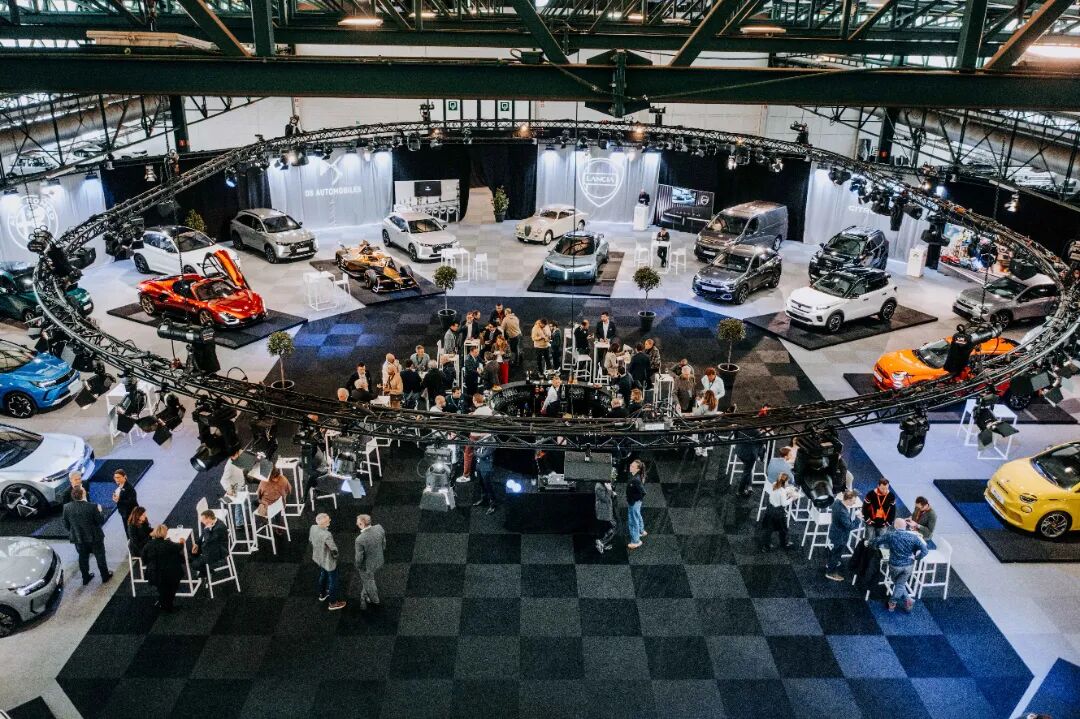
The main drivers of this growth were Fiat sales increasing by over 30%, along with strong performances from Opel/Vauxhall and Citroën. The mass production of Smart platform models, including the Fiat Grande Panda, played a crucial role, while the product lineup of fuel-powered, hybrid, and electric vehicles was expanded.
The European market structure is evolving rapidly: pure-electric vehicles account for 19.3%, hybrids surge to 38.6%, while fuel and diesel continue to shrink. Stellantis has positioned itself well, avoiding the forced push for electric vehicles before demand matures and fully leveraging the advantages of hybrid vehicles, which are currently at the heart of the European market.
Filosa's short-term strategy is clear and pragmatic: price cuts for volume growth, reintroducing profitable internal combustion engines, scaling back aggressive electric projects, and pushing quality improvements. Initial results are evident, with combined sales growing by 11% in the second half of the year, and initial quality issues in North America and Europe reduced by 50% and 30%, respectively. Stellantis expects sales growth in 2026, with operating margins returning to the low single digits and improved cash flow.
However, whether this tactical rebound can translate into long-term competitiveness remains an open question. The current recovery relies on pricing strategies, inventory adjustments, and product freshness, but with Europe accelerating its electrification and strong competition from Chinese manufacturers (e.g., BYD's over 175% growth in the EU), Stellantis has yet to present a clear future vision.
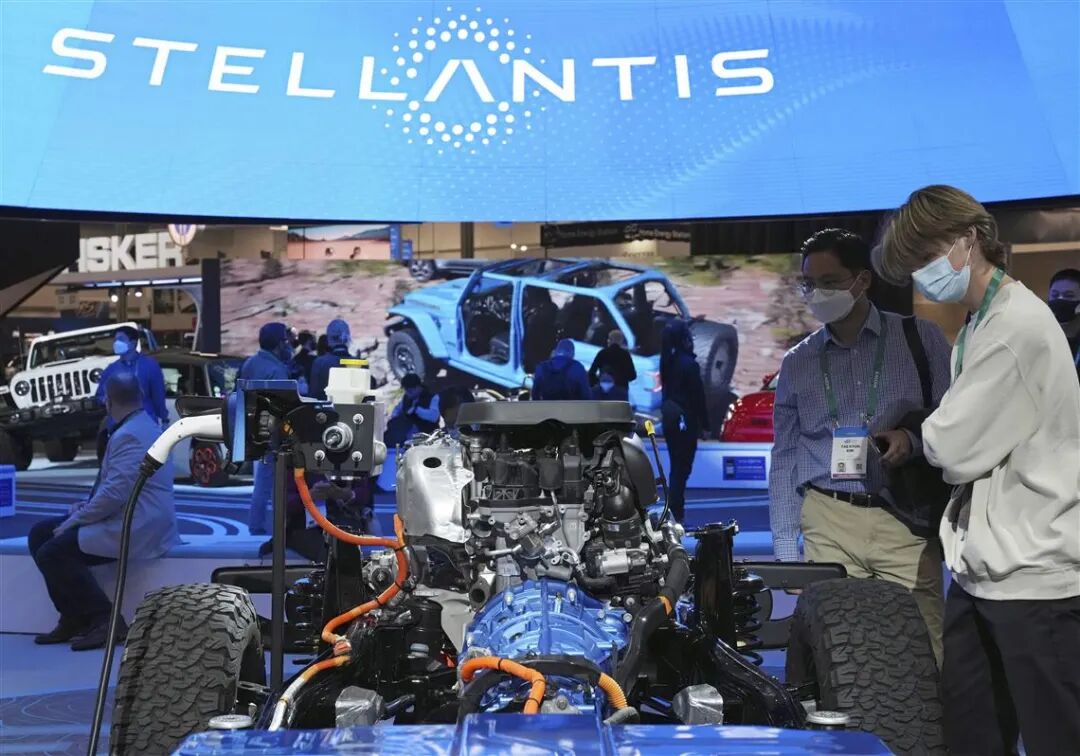
This "reset" has corrected past mistakes and reassured the market. However, its future strategy remains unclear. Many believe that automakers' strategic positioning may diverge: focusing on fuel in the Americas, hybrids in Europe, and pure-electric challenges in China.
The upcoming Investor Day on May 21 will test whether Filosa can transition from a crisis manager to a long-term strategist. Stellantis must demonstrate not just financial turnaround but also a clear industrial development direction. For now, Stellantis has regained momentum, but whether this is a true second start or just a brief respite before the next challenge remains to be seen.
02 Is Leapmotor the Fire Captain?
While many of Stellantis' brands have either exited the Chinese market or lack presence there, the company has not given up on seeking Chinese assistance. The most notable example is acquiring a stake in Leapmotor and establishing a new international joint venture with the Chinese automaker. So, what can Leapmotor offer Stellantis?
It's clear that in Stellantis' strategic planning, Leapmotor is evolving from an ordinary Chinese partner to a crucial player. The core lies in Leapmotor's electrification technology and the solutions its products provide to Stellantis.
Many are unaware that Leapmotor's most direct and quantifiable contribution to Stellantis lies in Europe's increasingly stringent carbon emission regulations. From 2025, the EU's mandatory average CO2 emissions standard for new cars will drop to about 93 grams per kilometer, with fines as high as €95 per gram per vehicle for exceedances.
For Stellantis, which maintains significant sales of internal combustion engine vehicles in Europe, this poses a potential fine risk in the billions of euros. In Italy alone, due to Fiat's heavy reliance on traditional powertrains, the carbon emissions gap could result in fines exceeding €800 million in 2025.
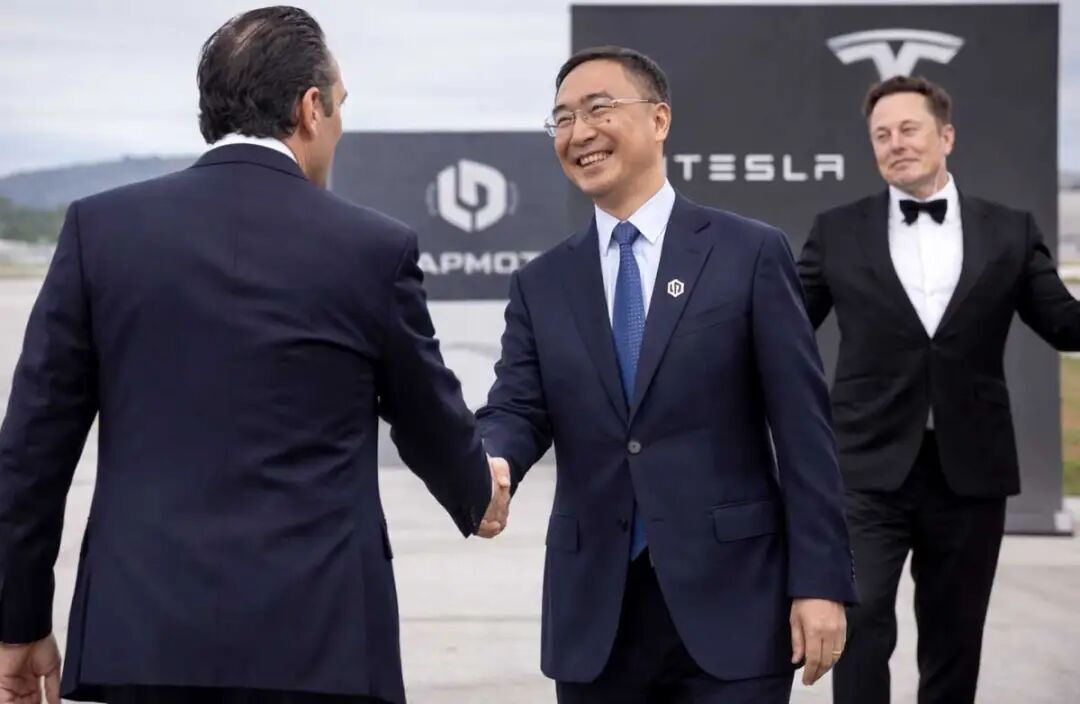
Against this backdrop, Leapmotor's value becomes evident. Stellantis recently made a symbolically significant decision: to exit the European CO2 emissions credit alliance led by Tesla. This marks the end of the group's structural dependence on Tesla's carbon credits, with Leapmotor stepping in as the replacement.
The key lies in localized production. By assembling Leapmotor models at its Zaragoza plant in Spain, Stellantis not only avoids import tariffs but, more importantly, fully incorporates these zero-emission vehicle sales into the group's average emissions calculations.
Italy's early 2026 data provides evidence. Fiat's average CO2 emissions for the first two months stood at 116.2 grams per kilometer, well above the target of 99.5 grams, theoretically accumulating €66.1 million in fines. However, Leapmotor's registrations in Italy, particularly the pure-electric T03 model, generated €57.5 million in theoretical carbon credits. This means Leapmotor almost single-handedly offset Fiat's carbon emissions gap in Italy.
If the Spanish plant ultimately achieves annual production of 200,000 Leapmotor electric vehicles, Stellantis could avoid fines worth €1.8 billion to €2 billion annually. By 2030, at peak production, Leapmotor could become a true financial buffer for the group against European regulatory compliance.
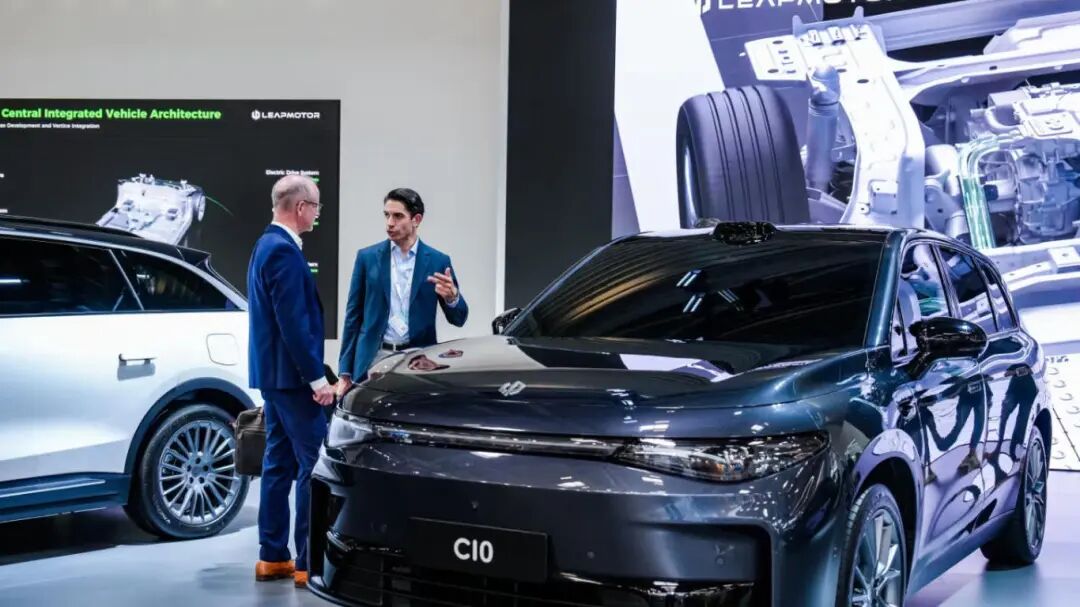
While regulatory compliance is Leapmotor's immediate contribution, technology transfer represents even greater long-term value. Sources reveal that Stellantis is seriously considering expanding its joint venture with Leapmotor, aiming to acquire the latter's more advanced battery technologies and electric powertrains.
If this negotiation reaches an agreement, it would mark the first time a Western mainstream automaker directly adopts a Chinese company's vehicle chassis and software to develop models for the European market.
The context of these negotiations is clear and urgent. Stellantis faces significant cost pressures, as reflected in the €22.2 billion in asset impairments and charges announced in early 2025, indicating a need for profound adjustments to its electrification strategy. Meanwhile, Chinese competitors like BYD and MG continue to gain market share in Europe, with MG's growth in the EU exceeding 175%.
In this competitive landscape, acquiring Leapmotor's technology represents a strategic industrial shortcut. Chinese automakers typically launch new models twice as fast as European manufacturers, and this R&D efficiency gap is translating into market competitiveness.
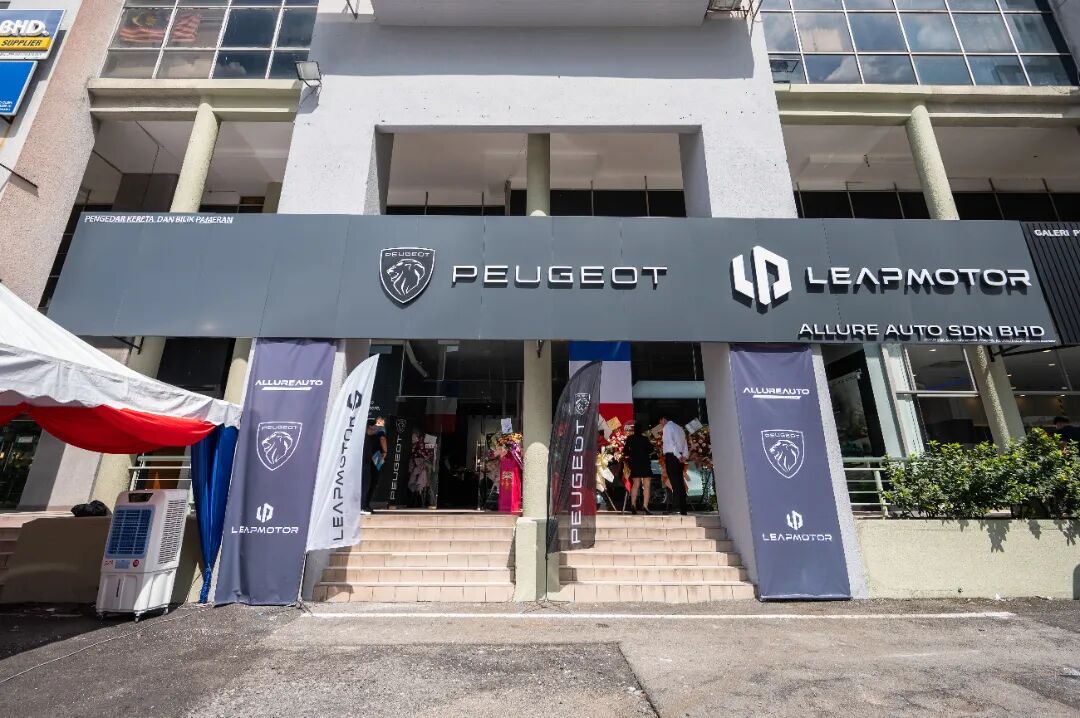
Currently, the joint venture, Leapmotor International, is already operational. Stellantis sells models like Leapmotor's C10 SUV through its European distribution network. But this is just the beginning. The latest discussions focus on integrating Chinese technology directly into Stellantis' own brand models, meaning future Fiat, Peugeot, or Opel electric vehicles could be designed in Europe but developed on Chinese technological architectures.
Of course, this path faces challenges. Data protection issues are particularly sensitive in the era of connected vehicles, with U.S. regulations set to ban the sale of connected cars using Chinese or Russian technology from 2027. Nevertheless, both sides aim to reach an agreement within the year, demonstrating that strategic urgency outweighs these technical obstacles.
Leapmotor's dual role provides Stellantis with a precious buffer. In the electrification marathon, the group doesn't need to forcibly transition all its brands to pure-electric overnight. Instead, it can adopt a more pragmatic and gradual approach with Leapmotor's support.
This strategy is already reflected in recent product planning. In Europe, Stellantis has reintroduced diesel engines for models like the Opel Astra and Peugeot 308 and launched a hybrid version of the Fiat 500; in the U.S., it has reintroduced the HEMI V8 engine for the Ram pickup brand. Meanwhile, it introduces pure-electric models through Leapmotor, creating a multi-powertrain parallel approach.
Leapmotor's presence allows Stellantis to maintain flexibility across different technological routes. For Stellantis, this means overcoming organizational inertia and brand sentiment. The era when Fiat had to be purely Italian-made and Peugeot purely French-made is over. Modern automobiles are becoming globalized products, with design, engineering, production, and technology sourced from different continents.
03 Dongfeng Remains a Key Partner
In recent years, the industry has been discussing how Stellantis, after years of strategic fluctuations and market retreats, is returning to China with an almost conciliatory approach. The core of this return is not about starting from scratch or finding a new partner like Leapmotor, but rather re-embracing Dongfeng Motor—an old friend that was once sidelined.
From the 'asset-light' retreat strategy under former CEO Carlos Tavares to a series of high-profile visits after Antonio Filosa's appointment, and culminating in the clear product commitments made at the 2026 Shenlong Conference, a clear narrative is emerging: Dongfeng remains Stellantis' trusted friend and partner in China.
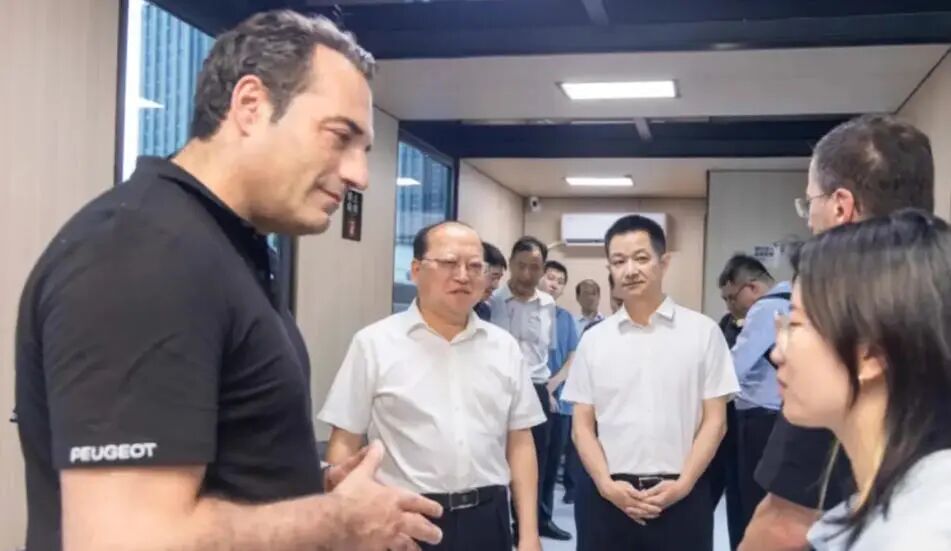
After taking office in June 2025, Antonio Filosa embarked on a journey to repair relations with Dongfeng Motor. His first stop was not Beijing or Shanghai, but Wuhan—Dongfeng's stronghold. Just one month into his tenure, Filosa led a delegation of over a dozen executives, including the global presidents of Peugeot and Citroën, to China, where they met with Dongfeng Motor Chairman Yang Qing.
The purpose of this visit was explicitly stated as 'mending relations.' This was no longer mere diplomatic rhetoric but a complete shift in posture: Stellantis acknowledged its past strategic missteps and sought to regain its partner's trust.
A series of subsequent high-level visits underscored the seriousness of this pivot. Stellantis and Ferrari Chairman John Elkann visited China to 'seek advice' on accelerating electrification; Citroën Chairman Xavier Chardon and Peugeot Chairman Alain Favre closely examined local battery and charging infrastructure.
This flurry of visits stood in stark contrast to the years of silence and retreat. Stellantis finally realized that in an era of unprecedented transformation in the automotive industry, going it alone was not an option. Dongfeng was not just a joint-venture partner but a guide to understanding China and going global.
If high-level exchanges were the prelude to reconciliation, then the January 9, 2026, Shenlong Company Annual Dealer Conference marked the substantive implementation of this strategic shift. Held in Wuhan and themed 'Rooted in China, Serving the World,' the event itself sent a dual signal: Stellantis no longer viewed China merely as a sales market but as a core component of its global strategy.
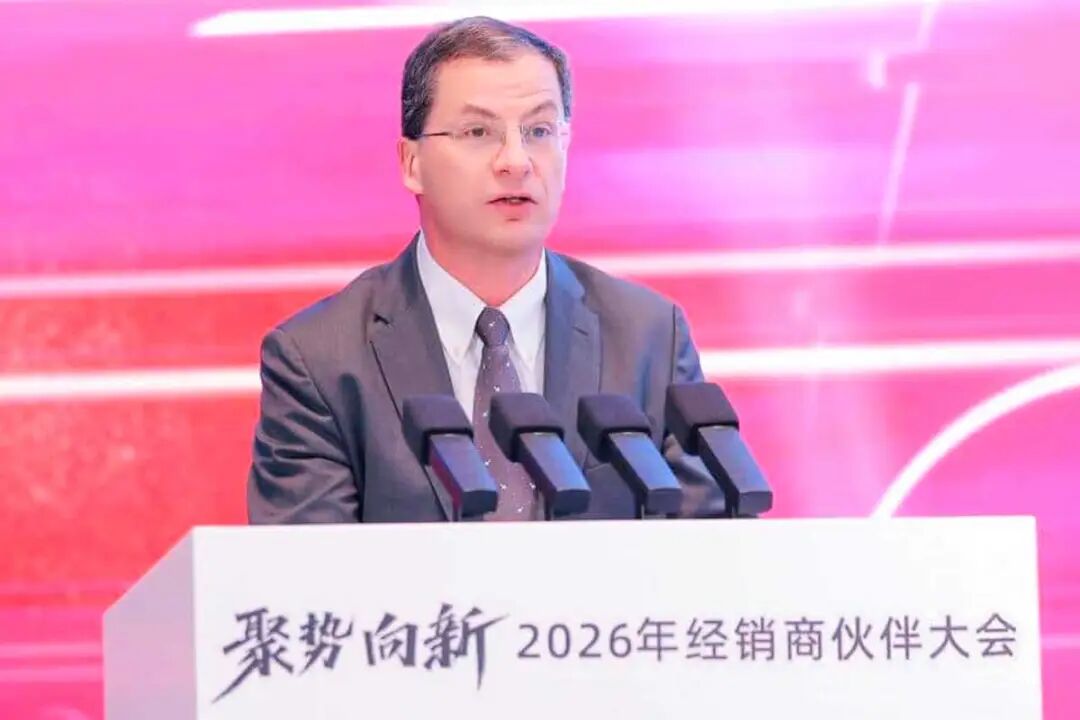
The most critical signal came in the form of product commitments. Over the past few years, Stellantis' new product launches in China had nearly ground to a halt, directly causing a decline in brand influence and dealer confidence. At this conference, however, Grégoire Olivier, Stellantis' China and Asia-Pacific Director, made it clear: the group would continue to provide new products to Shenlong Automobile to ensure its sustainable development.
This meant Stellantis agreed to reinvest resources at the industrial level, injecting fresh vitality into the joint venture. For Shenlong, struggling amid fierce competition, this was undoubtedly a lifeline.
This commitment was incorporated into Shenlong's 'Three-Year Revival Plan,' set to begin in 2026. The plan's goal was no longer mere survival but rebuilding a credible product matrix to suit an ultra-rational market where user experience, in-car technology, and perceived value mattered far more than mere brand heritage.
Shenlong needed to deliver truly competitive products in electrification and intelligence, and to do so, it needed Dongfeng's support more than ever, as well as the tilt (tilt) of Stellantis' global resources. In his remarks, Olivier emphasized Dongfeng's commitment to supporting Shenlong Group technically, logistically, and industrially, integrating it into a broader vision: making China a research and development hub capable of supplying products to other markets.
This meant Shenlong would no longer be merely Stellantis' production base in China but could become a vital part of the group's global technology landscape, particularly in batteries, electrification, and in-car intelligence. The 'Rooted in China, Serving the World' philosophy marked a stark departure from the past: Stellantis began seriously considering reverse technology exports from China to European and U.S. markets.
Despite the clarity of its strategic direction, Stellantis' road to revival in China remains fraught with challenges. The numbers speak to the pressure: in the first half of 2025, the group's global sales fell 8%, revenue dropped 13%, and net losses reached €2.3 billion; since the year's start, its valuation in Milan had fallen nearly 30%. In China, Stellantis' brands—Peugeot, Citroën, Jeep, and others—saw their market shares decline continuously, with their brand images blurring in consumers' minds.
While Shenlong achieved a 7% annual growth rate in 2025, this recovery remained sluggish. China's market competition intensity far exceeded that of Europe or North America, with local brands establishing significant advantages in product iteration speed, intelligent configurations, and user engagement. BYD, Geely, NIO, Li Auto, Xpeng, and others continuously launched competitive models, while consumer loyalty to traditional joint-venture brands waned.
In this environment, Stellantis needed to prove not just its resolve to return but its ability to execute. Product commitments must translate into truly competitive models; electrification solutions must meet Chinese standards; customer experiences must catch up to local brands. More importantly, Stellantis needed to demonstrate sincerity in its long-term commitment.
As one analyst put it, 'The real question isn't whether Stellantis will return to China but whether it can ultimately become a Chinese automotive company, not just a passerby.'
Now, with the Filosa era underway, Shenlong's three-year plan initiated, and high-level exchanges becoming routine, Stellantis has finally stepped onto the right track. But where this track leads depends on its ability to convert strategic resolve into execution and truly meet Chinese consumers' expectations in products, technology, and experience. This time, there is no room for error.
Editor-in-Charge: Yang Jing Editor: Chen Xinnan
THE END
-
![]()
The Unstoppable Rise of 'Optical Progress and Copper Decline': Sunny Optical’s Strategic Vision for the Next Decade
-
![]()
AI + Going Global in the Second Half: No Intermission for Robot Vacuum Cleaners
-
![]()
The Suffering Endured in E-commerce, Walmart Doesn't Want to Repeat in AI
-
![]()
What Does the Doubling of New Energy Vehicle Exports Mean?
-
![]()
Ghosn: 'Only I Can Save Nissan'
-
![]()
Volkswagen Lays Off 100,000 Employees, The Elephant Sits Down
-
![]()
Expanding Production Capacity! Yutong Optics Acquires Approximately 1.5 Hectares of Industrial Land in Chang'an, Dongguan
-
![]()
Why Is Nokia Making a Comeback in the AI Era?