Is "3·15" "Looking Down" on Automobile Consumption?
 03/16 2026
 488
488
Introduction
Introduction
Practicing "user-centricity" is a long-term endeavor crucial for the healthy development of the industry.
Another year of "3·15" has arrived.
As the bell tolls for Consumer Rights Day once again, China's increasingly sophisticated auto industry still confronts an awkward reality: despite consecutive years of production and sales growth, record-high market penetration of new energy vehicles, and rapid advancements in new technologies, consumer conflicts and trust crises persist.
In recent years, few automotive brands have been featured on "3·15." However, with most emerging automakers stalling and the entire industry entering a fiercely competitive new phase, after-sales issues for a vast number of discontinued models have become increasingly prominent, and incidents of betraying loyal users occur frequently. Can it be said that today's Chinese auto market is significantly healthier than before? Have the relationships between automakers and users undergone a qualitative change?
"3·15" has never existed to malign the development of any particular industry. In this era of rapid development, consumers need more care from such media exposures. As the absolute mainstay of major consumer spending, regardless of the industry's reasons for pursuing a dominant future, every participant in the industry bears an unshirkable responsibility to protect consumer rights.
Currently, although no consumer chaos in the automotive industry has been featured on the "3·15" gala, from the rights protection scenes in Jinan, Shandong, to the problematic vehicle exhibitions in Hangzhou, from the black market chain of scrapped vehicles exposed by CCTV to the surge in rights protection cases on major complaint platforms, trust tests seem to have never been absent from the Chinese auto market.
However, compared to the past focus on quality or after-sales service disputes, today's issues extend beyond product quality problems. They represent a fierce clash between corporate values and consumer rights in the era of rapid technological advancement.
Under new trends, the restructuring of consumer perceptions is a microcosm of the auto industry's evolution. However, this does not mean that the market can afford companies a certain degree of tolerance for errors amid rapid changes. For any auto user, even the smallest problem is a 100% real-life experience.

Automobiles are not daily consumables, nor are they likely to become consumer electronics. When product quality directly relates to personal safety, solving all product-related issues for users brooks no negligence.
01 When Will the Industry Chaos Cease?
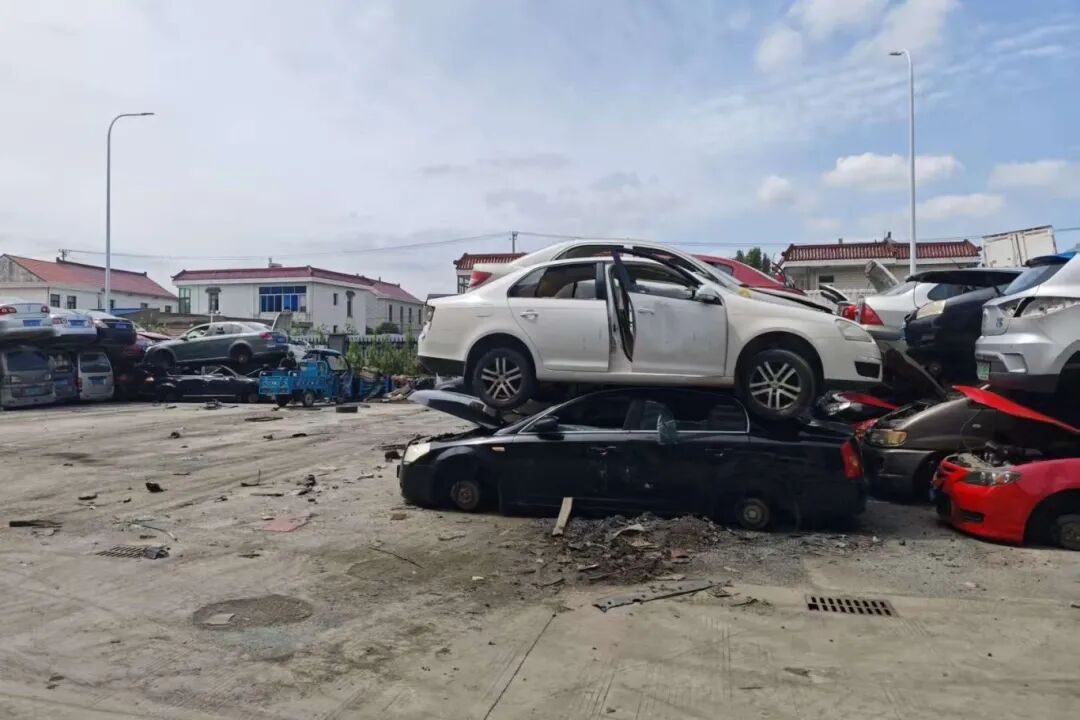
On the eve of "3·15," CCTV's exposure of the fate of scrapped vehicles revealed an ecological disaster at the end of a vehicle's life cycle.
Surveys show that in some areas, legitimate vehicle dismantling enterprises generally face a dilemma of having no vehicles to dismantle. Among 22 legitimate dismantling enterprises locally, the total annual dismantling capacity reaches 500,000 units, while the city's total annual scrapped vehicle volume is only about 100,000 units. Even so, some enterprises recover only three or four scrapped vehicles per day on average, far from reaching the break-even point.
In stark contrast to the desolation of legitimate enterprises, illegal dismantling workshops scattered in local rural areas, roadside farmlands, and other places are thriving. These workshops, mostly operating outdoors and dismantling vehicles day and night, with some scales comparable to large legitimate enterprises, all point to a hidden aspect behind the development of the auto industry.
Regarding this, we can argue that such occurrences are merely illegal activities at the end of the industrial chain, requiring only swift action from industry regulatory authorities, and do not affect front-end consumption in the auto market. However, at the same time, in the face of rights protection scenes occurring nationwide, the entire industry should always remain vigilant.
On the night before the "3·15" gala, an automotive rights protection action titled "Solving Automotive Problems and Enhancing Consumer Quality" quietly took place in Jinan, Shandong.
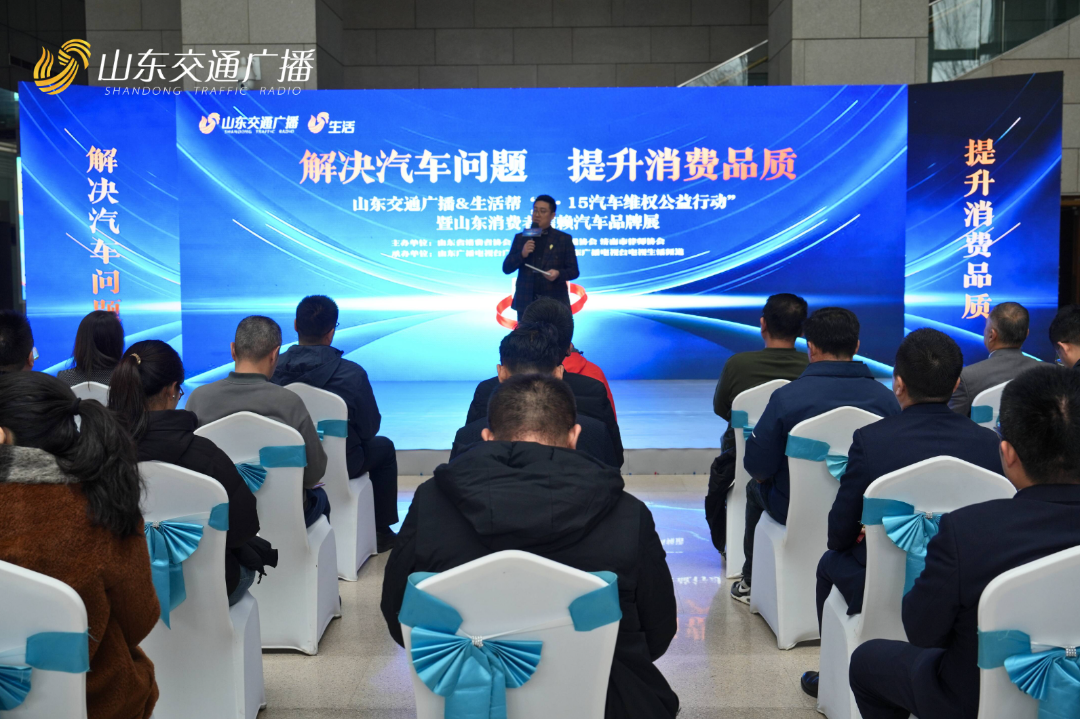
Although the event featured two exhibition areas, "Problematic Vehicle Exhibition" and "Trusted Brand Exhibition," individual rights protection cases that flooded the internet indicate that product quality issues have always been the focus of external attention. Is it strange that before the rights protection vehicles entered the venue, major brand representatives "flocked" to the scene to address issues at the source promptly? Actually, it is not.
Similarly, at the 2026 Hangzhou Problematic Vehicle Exhibition, according to real-time videos posted on social media platforms, to prevent vehicle owners from going to the exhibition for rights protection, some people began intercepting owners at the "exhibition" entrance, aiming to resolve issues through private communication and reach settlement agreements.
In fact, chaos in automotive rights protection has always existed. Problematic vehicle exhibitions in any location are just the tip of the iceberg. Comprehensive interception methods, ranging from physical barriers to technological suppression, are already commonplace in daily automotive rights protection events.
Do such actions expose the arrogance and fear of automakers when facing consumer rights protection? Or are they truly temporary remedial measures resulting from information lag? I believe everyone has a clear understanding.
According to data from the Defective Product Recall Technical Center of the State Administration for Market Regulation, in 2025, China implemented 105 passenger car-related recalls, involving approximately 6.825 million defective vehicles, a decrease of about 30% from 2024. The total number of recalls for the year was 129 batches, with the number of recalled vehicles decreasing by 57% year-on-year, indicating a stabilization of recall activities.
As the entire industry gradually masters the essence of technological progress in the new energy (new energy) transition, the significant decrease in automotive recalls indeed sends a positive signal. However, as long as there are vested interests in automotive consumption, users cannot completely avoid consumer traps.
In 2025, consumer associations nationwide received a total of 2,016,448 consumer complaints, an increase of 14.45% from the previous year. Among them, regarding automotive consumption complaints, even as industry reshuffling nears its end, issues such as 4S dealership closures leading to unfulfilled after-sales service commitments, lack of transparency in delivery cycle information for new energy vehicle online pre-sales resulting in deposit disputes, and concentrated problems of false advertising and Inducing consumption (inducement to consume) remain prominent...
Clearly, these items, which once topped the list of automotive consumption rights protection, have not been thoroughly resolved to this day.
02 The Industry's Rise Relies on Speed, But More on Sincerity
In recent years, due to objective factors such as the economic environment and the industry's gradual return to rational development, the Chinese auto market has lost the "high-spirited" momentum of the early stages of new energy development. Seeking a balance between achieving sales volumes and ensuring profitability is the direction every automaker is striving for currently.
Therefore, against the backdrop of everyone treading on thin ice, the legitimacy and rationality of automotive consumption have undoubtedly become the focus of national attention.
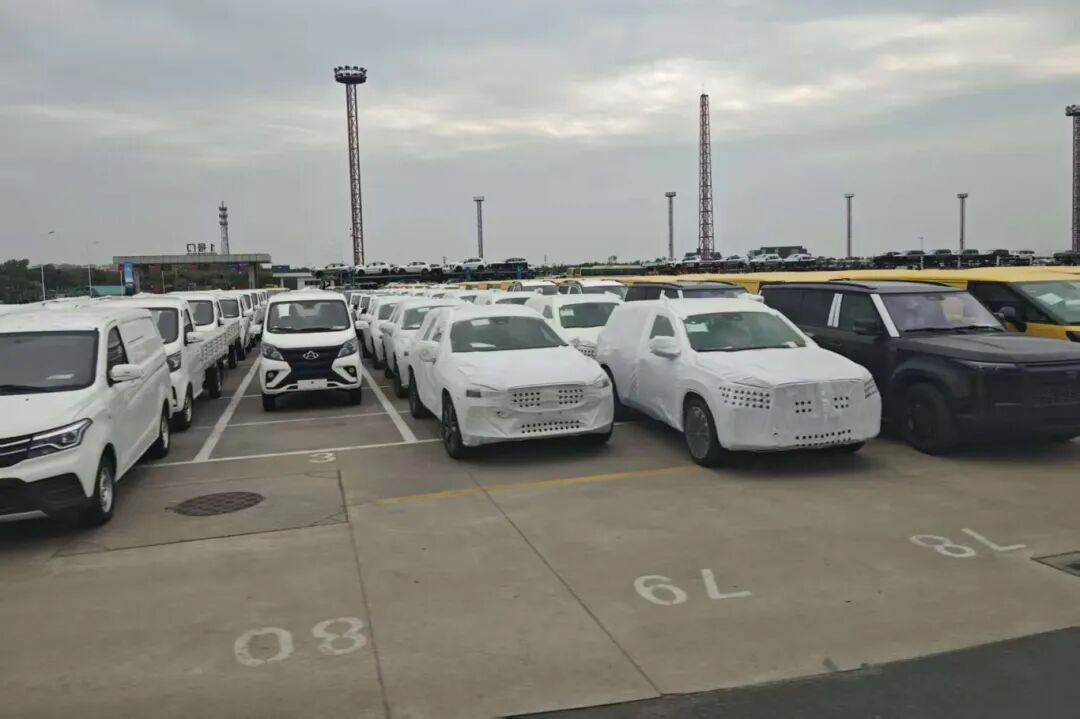
In February 2026, the State Administration for Market Regulation released the "Compliance Guidelines for Pricing Behavior in the Automotive Industry," aiming to regulate pricing behavior in the automotive industry, curb disorderly competition through price reductions for volume gains, and safeguard consumer rights.
The text clearly points out that the automotive industry is an important pillar of the national economy, with a long industrial chain and extensive coverage, closely related to consumers' lives. Currently, some chaotic phenomena exist in the automotive industry. Therefore, the new initiative must be based on the current actual development of the automotive industry, further clarify behavioral boundaries, unify regulatory rules, guide automotive production and sales enterprises to operate in compliance with laws and regulations, and promote the formation of a market order featuring high-quality products at reasonable prices and healthy competition.
For consumers, the essence of policy corrections for industry development should be to benefit the people. We do not hope that, under intense market competition pressure, many automakers will merely use "customer first" as a marketing slogan rather than a core value. When short-term sales targets conflict with long-term user trust, they often choose to sacrifice the latter to maintain their survival.
In other words, as China's automotive industry is at a critical stage of transitioning from "market expansion" to "high-quality development," to resolve the current trust crisis, collaboration among enterprises, regulators, and consumers is required.
This year, with AI becoming prevalent, just as exposed on "3·15," many industries use it as an anchor point, "poisoning" it to recommend products to consumers. Could the automotive industry lack similar tactics?
Every year during the "3·15" gala, automotive public relations departments are on high alert. In their subconscious, any topic related to consumer complaints is seen as negative. To ensure the healthy development of enterprises, swiftly mitigating impacts is the core reason for their heightened vigilance. After all, with the 2026 auto market starting with such an unimpressive performance, any time cannot withstand a storm involving terminal consumption.
In the Chinese auto market, we cannot deny that "3·15" is not just an annual exposure day but should also serve as a starting point for industry reflection. Users are not mere "data points" of market share but the fundamental reason for a brand's existence. Technology is not a marketing gimmick but a tool to create value for users. Competition is not a price war but a comprehensive contest of product strength, service capability, and brand influence.
From the rights protection scenes in Shandong to the problematic vehicle exhibitions in Hangzhou, from CCTV's undercover footage to consumer complaint platforms, although the channels for rights protection vary greatly, we have heard too many similar voices of helplessness and anger. These voices should not be drowned out by the clamor of sales success stories but should become a powerful driving force for industry progress.
In the future, the rise of China's automotive industry should not merely involve refresh (refreshing) production and sales figures but should also entail a comprehensive improvement in user satisfaction, brand reputation, and industry integrity.
Perhaps, from now on, the entire industry still requires ample time for precipitation and the joint efforts of every industry participant. However, just as the core theme expressed by each "3·15" gala, the elevation of any industry requires genuine dialogue between enterprises and consumers each time. Returning to user value, adhering to integrity bottom line (bottom line), and winning the market with true product strength, rather than losing oneself in short-term dividends, are essential.
Editor-in-Chief: Cui Liwen Editor: He Zhengrong
THE END
-
![]()
The Unstoppable Rise of 'Optical Progress and Copper Decline': Sunny Optical’s Strategic Vision for the Next Decade
-
![]()
AI + Going Global in the Second Half: No Intermission for Robot Vacuum Cleaners
-
![]()
The Suffering Endured in E-commerce, Walmart Doesn't Want to Repeat in AI
-
![]()
What Does the Doubling of New Energy Vehicle Exports Mean?
-
![]()
Ghosn: 'Only I Can Save Nissan'
-
![]()
Volkswagen Lays Off 100,000 Employees, The Elephant Sits Down
-
![]()
Expanding Production Capacity! Yutong Optics Acquires Approximately 1.5 Hectares of Industrial Land in Chang'an, Dongguan
-
![]()
Why Is Nokia Making a Comeback in the AI Era?