Not Just Honda Struck by 'Hailstorm': How Can Multinational Automakers Discover Their 'Spring'?
 03/16 2026
 543
543
Lead | Introduction
On March 12, Honda Motor issued a profit warning, stating that in the 2025 fiscal year (April 2025-March 2026), it would suffer its first annual loss since going public in 1957. What exactly led to Honda's losses? Honda is not alone; last year, numerous multinational automotive giants experienced significant performance declines.
Produced by | This article is produced by Heyan Yueche Studio.
Written by | Zhang Dachuan
Edited by | He Zi
Full text: 2,766 characters
Reading time: 4 minutes
Honda Motor, one of the world's top ten automotive giants renowned for its blockbuster models, is now confronting an unprecedented crisis.
Honda Motor reported an expected operating loss of JPY 270-570 billion for FY2025, a stark contrast to its previously forecasted profit of JPY 550 billion. It also anticipates a net loss of JPY 420-690 billion, compared to an earlier projected profit of JPY 300 billion. Moreover, on the same day, Honda announced the cancellation of some U.S.-made EV R&D and launch plans, with the total costs and losses from reevaluating its electrification strategy estimated at JPY 2.5 trillion. Honda's financial performance will continue to face pressure in the foreseeable future.
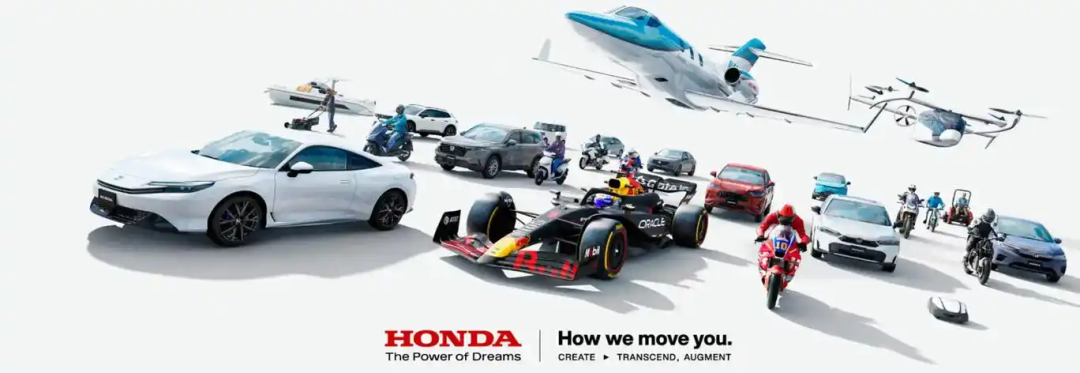
△ Honda Motor is set to post its first annual loss since going public in 1957 in FY2025.
Widespread Losses Among Multinational Giants
Beyond Honda, Nissan, another Japanese automaker, expects a net loss of JPY 650 billion in FY2026, marking its second consecutive year of substantial losses and the fourth-highest in company history. In fact, the pressure extended beyond Japanese automakers, with many multinational automakers facing significant challenges in 2025.
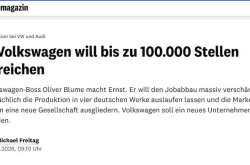
Volkswagen reported an operating profit of just EUR 8.9 billion in FY2025, a 53% year-on-year decline. Revenue decreased by 0.8%, and the operating profit margin stood at only 2.8%, the lowest since the 2016 diesel emissions scandal. To reverse its fortunes and boost market confidence, Volkswagen announced plans to lay off 50,000 employees in Germany by 2030, accounting for one-sixth of its German workforce. Additionally, Porsche, once a major profit driver for the Volkswagen Group, reported an operating profit of just EUR 413 million in 2025, a 92.7% year-on-year decline, indicating a highly critical situation.
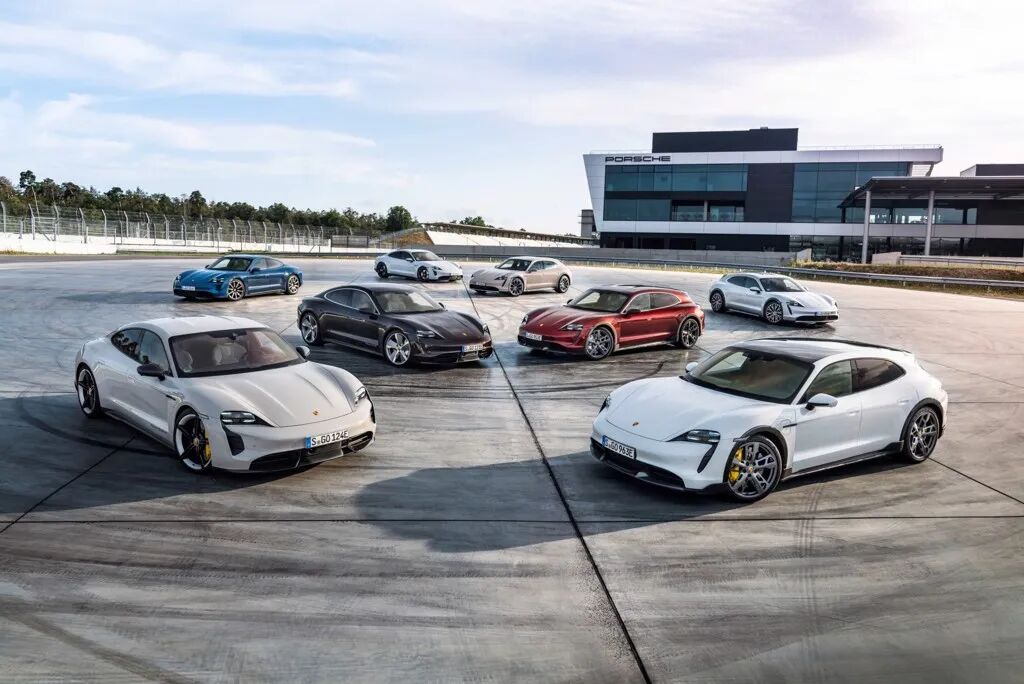
△ Porsche's operating profit in 2025 was just EUR 413 million, a 92.7% year-on-year decline.
Ford Motor reported a full-year net loss of USD 8.182 billion in FY2025, a staggering 239.17% decline from its USD 5.879 billion profit in 2024, marking its worst performance since the 2008 financial crisis. While adjustments to its EV business significantly impacted this result, Ford's EV division, Model e, remained the primary driver of its profit losses. Similarly, Stellantis, the world's fourth-largest automaker, reported a net loss of EUR 22.3 billion in 2025, largely due to adjustments in its EV strategy, which resulted in EUR 25.4 billion in impairments.
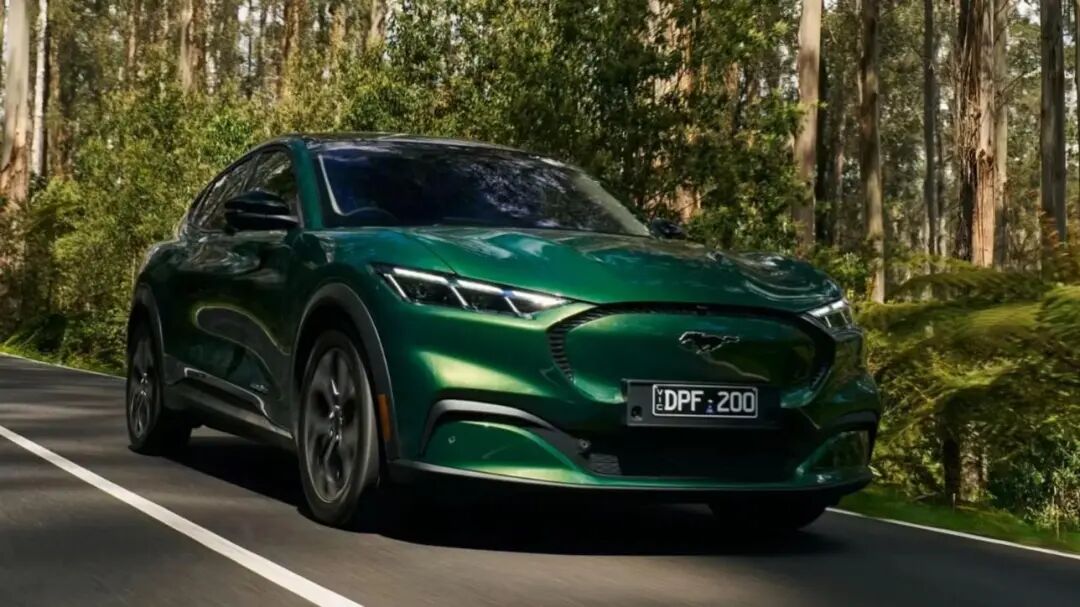
△ Ford's EV division remains the company's primary source of losses.
First Wave of Electrification Among Multinational Automakers Largely Fails
Among multinational automakers, Honda had set an ambitious plan to completely discontinue internal combustion engine models by 2040, with a cumulative investment of JPY 10 trillion. Honda's EV strategy was notably aggressive compared to the more conservative approaches adopted by Japanese automakers like Toyota.
However, unlike some automakers that pursued full in-house development, Honda's EV strategy was deeply integrated with General Motors (GM). Yet, GM's own electrification strategy also faced setbacks. EV models like the Acura ZDX, jointly developed with GM, performed poorly in sales and lacked market competitiveness. In 2023, the two companies announced the termination of their joint low-cost EV platform project. Furthermore, Honda's investment in GM's autonomous driving subsidiary, Cruise, not only failed to support Honda's EV efforts but also left Honda with significant losses as Cruise teetered on the brink of bankruptcy. Consequently, Honda has sharply reduced its 2030 EV sales target from 2 million units to 700,000-750,000 units. Additionally, Honda has suspended several EV R&D projects, including a pure electric van for Europe, and is reinforcing its hybrid technology development.
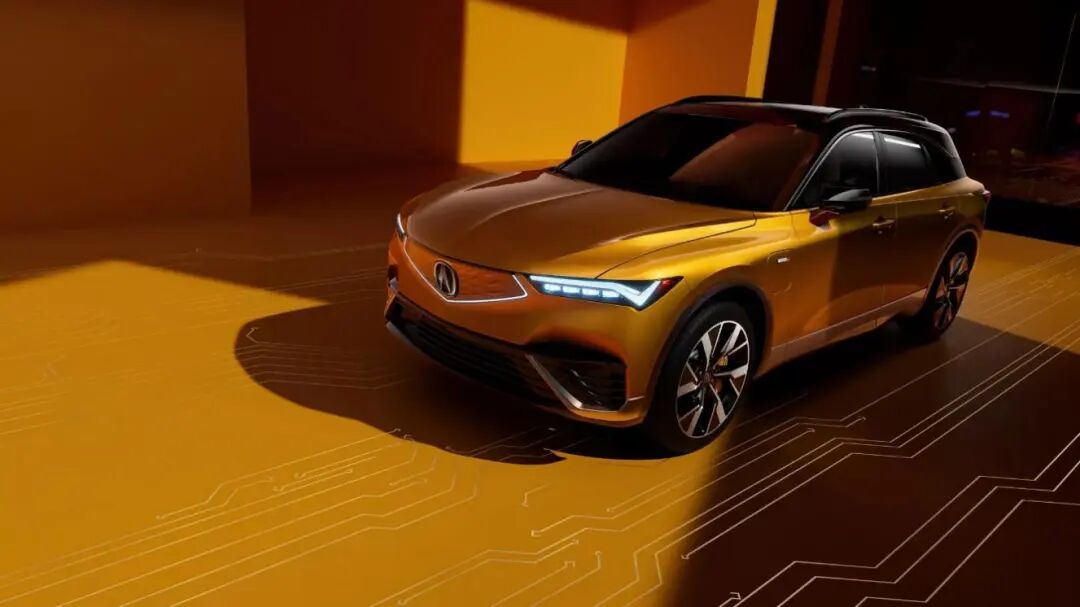
△ Poor sales of several Honda EV models.
Overall, while automakers still view EVs as the future, many have hit the brakes in the short term. The initial hope of driving a new wave of automotive consumption upgrades through EVs has largely failed. Whether due to higher costs or inadequate charging infrastructure, consumer enthusiasm for EVs has waned without strong government subsidies. Thus, shifting resources to hybrid models before transitioning to pure EVs represents a more practical and stable strategy. In 2025, many automakers wrote down their EV businesses, shedding the burden of overly aggressive EV strategies. Next, automakers will likely allocate more resources to hybrid models, including plug-in hybrids with 200km of electric range, extended-range technologies suitable for mid-to-large vehicles, and even Toyota's expertise in mild hybrids, all poised for renewed growth.
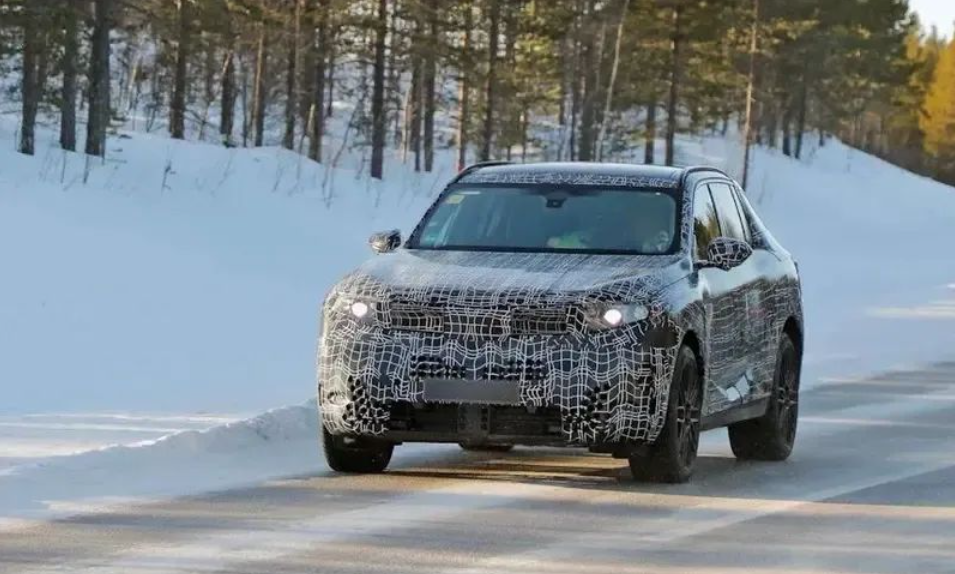
△ BMW will also resume R&D and launch of extended-range models.
How to Find Their 'Spring'?
For multinational automakers, beyond the unplanned costs from Trump's 2025 tariff trade war and failed EV strategies, their underperformance in the Chinese market and the gradual erosion of their global market share by Chinese automakers represent another major cause of their declining performance.
China is the world's largest automotive market. During its rapid growth phase, multinational automakers reaped substantial profits through brand influence and systemic advantages, becoming key drivers of global performance. However, the dynamics between foreign automakers and domestic brands in China have fundamentally shifted. The Chinese market is no longer a cash cow for foreign automakers but a source of losses.
Foreign automakers' market share in China has plummeted from 38% in 2020 to 19% last year, with Japanese brands falling to just 9%. Taking Honda as an example, its annual sales in China reached 645,345 units in 2025, less than half of its 2021 peak of 1.56 million units. In 2026, Honda continues to face severe challenges in the domestic market. In the first two months of this year, Honda China's cumulative sales stood at just 86,269 units, a 16% year-on-year decline. To halt this slide, Honda will need to make significant efforts.
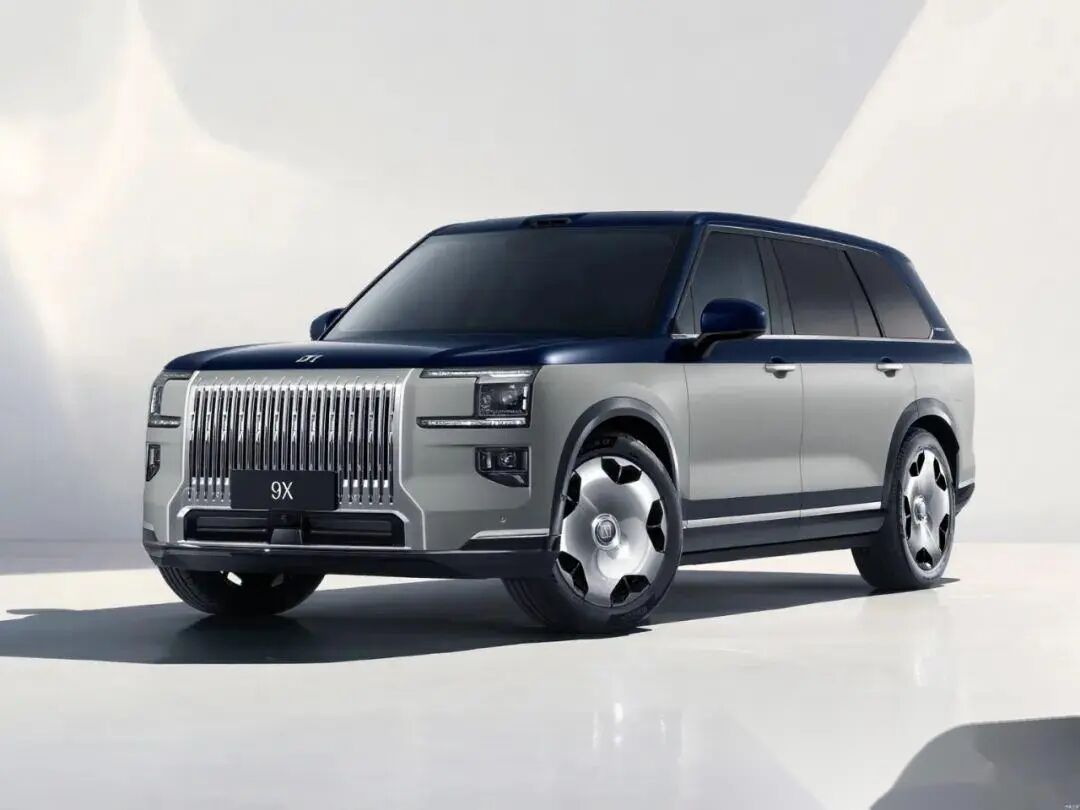
△ Under pressure from domestic new-force automakers, foreign automakers' market share continues to decline.
To reverse this trend, multinational automakers must redouble their efforts and urgently seek the next Chinese market on the global stage. While China remains the world's largest automotive market, growth has significantly slowed. Many once viewed India as the next Chinese market, but currently, beyond its population size, India lags far behind China in industrial infrastructure and purchasing power, not to mention its business environment and infrastructure. In the short term, automakers are unlikely to find a new market that can fully replace China.
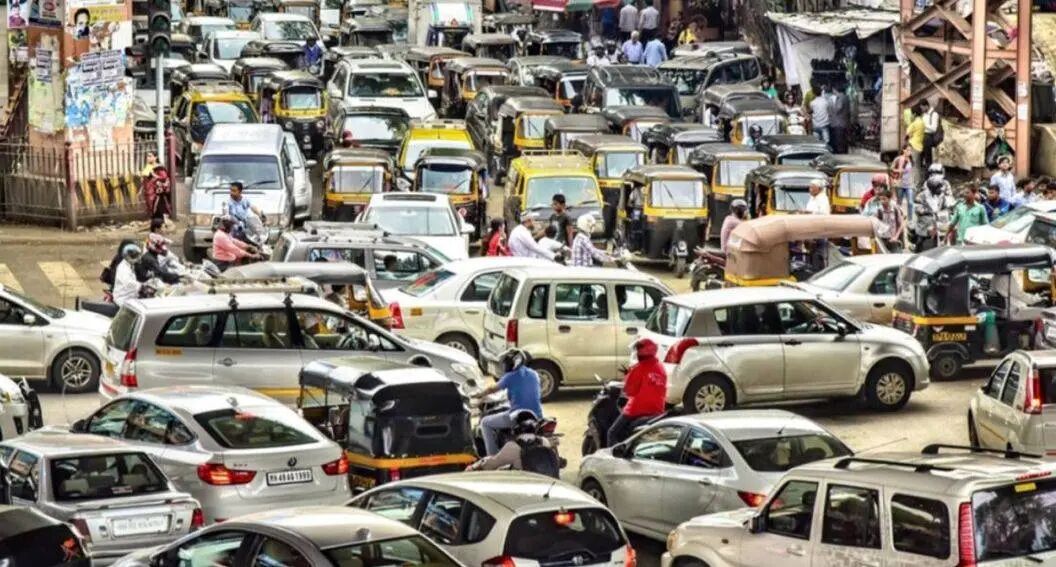
△ The Indian market is unlikely to become the next Chinese market in the short term.
Rather than searching for new markets, accelerating electrification and intelligence in China is more critical. Even if market share in China does not increase, maintaining current volumes would prevent most foreign automakers from abandoning the market. To compete with domestic automakers, multinational automakers must achieve technological parity and implement innovative cost-control measures. Additionally, collaborating with Chinese automakers on EV development is worth considering. Volkswagen's investment in XPeng and Stellantis' investment in Leapmotor likely mark just the beginning of such partnerships. From battery systems to electronic architectures, from intelligent cockpits to autonomous driving technologies, China offers the best opportunities for multinational automakers to quickly build EV/new energy vehicle supply chains with both performance and cost advantages. Leveraging China's new energy vehicle industrial chain (supply chain) advantages, as Renault has done, to compete for global EV market share is the way to maximize corporate efficiency.
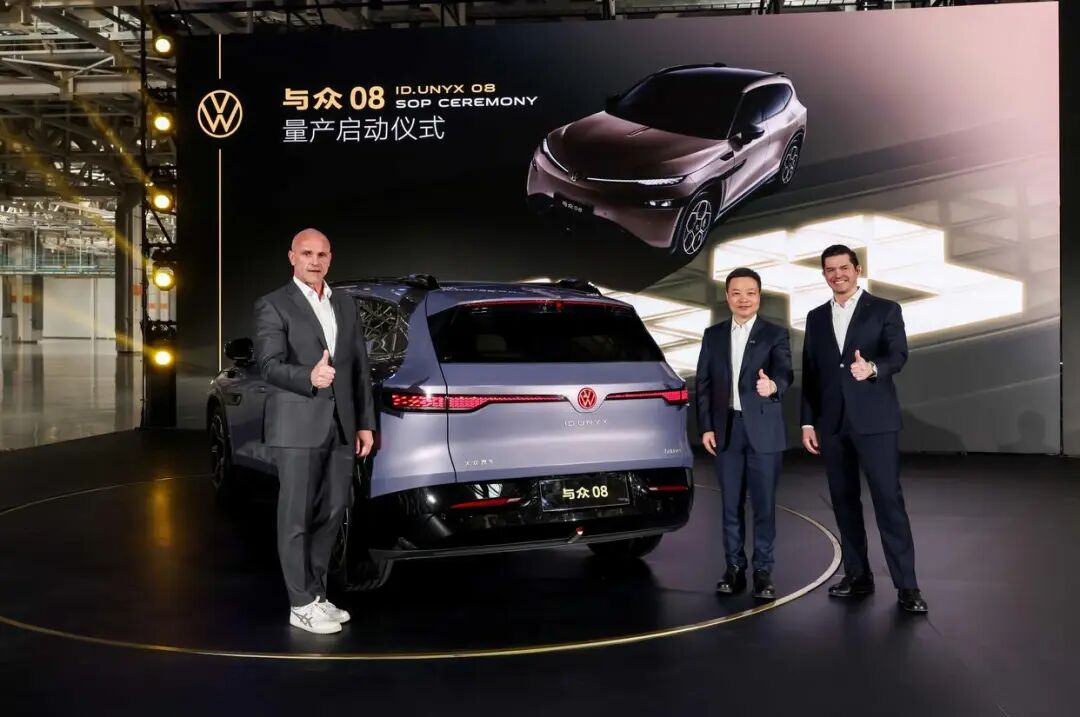
△ Collaborating with Chinese automakers offers a shortcut for multinational automakers to catch up.
Commentary
Multinational automaker groups, exemplified by Honda, now stand at a strategic crossroads. On the surface, their losses stem from EV business impairments and Trump's erratic tariff policies. However, the substance lies in their lag behind Chinese domestic automakers in new energy and intelligent connected vehicle technologies, sounding an alarm. For these groups, only by fundamentally reversing their technological deficits can they hope to achieve a new turnaround in business performance.
(This article is original to Heyan Yueche and may not be reproduced without authorization.)
-
![]()
The Unstoppable Rise of 'Optical Progress and Copper Decline': Sunny Optical’s Strategic Vision for the Next Decade
-
![]()
AI + Going Global in the Second Half: No Intermission for Robot Vacuum Cleaners
-
![]()
The Suffering Endured in E-commerce, Walmart Doesn't Want to Repeat in AI
-
![]()
What Does the Doubling of New Energy Vehicle Exports Mean?
-
![]()
Ghosn: 'Only I Can Save Nissan'
-
![]()
Volkswagen Lays Off 100,000 Employees, The Elephant Sits Down
-
![]()
Expanding Production Capacity! Yutong Optics Acquires Approximately 1.5 Hectares of Industrial Land in Chang'an, Dongguan
-
![]()
Why Is Nokia Making a Comeback in the AI Era?