Directly from Guangzhou's 'Problematic Vehicle Exhibition': Traditional Brand EVs Face Major Challenges—Is It Time to Learn from New Players?
 03/17 2026
 602
602
Has the 'Problematic Vehicle Exhibition' Become the Auto Industry's Equivalent of the 3.15 Consumer Rights Day?
The annual 3·15 Gala has drawn to a close.
Over the course of more than two hours, we witnessed repulsive scenes of 'bleached chicken feet,' a black-market industrial chain brainwashing AI, and illegal modifications of rented electric bicycles. Yet, the automotive industry—a major consumer sector—was notably absent from the spotlight.
The absence of automotive issues on screen does not imply that the industry's problems have disappeared. On the contrary, unresolved automotive quality risks have become persistent thorns in the sides of vehicle owners.
On March 15, cities such as Guangzhou, Wuhan, and Hangzhou spontaneously organized 'Problematic Vehicle Exhibitions.' At the Guangzhou event, Evomedia observed no polished presentations or professional commentaries—only fervent demands from owners, accommodating dealers, or silent yet impactful quality accusations displayed on vehicles.
Ironically, the event host 'Yuhang Banyan' revealed that some dealers had been stationed at the exhibition entrance the night before, attempting to prevent owners from bringing their vehicles in.
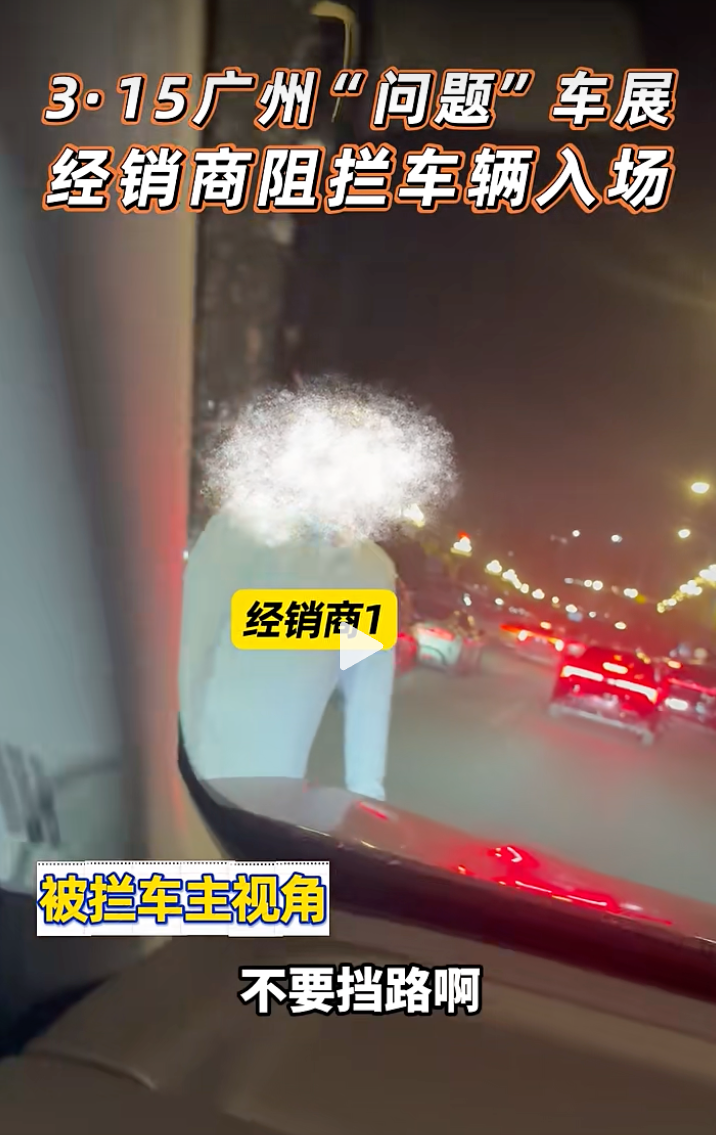
Screenshot: Yuhang Banyan
These unscripted exhibitions laid bare the industry's most authentic side.
Spotlight on 'Problematic Vehicle Exhibition': Traditional Giants' EVs Face Major Setbacks
At Guangzhou's 'Problematic Vehicle Exhibition,' Evomedia found a nearly even split between new energy and fuel vehicles. Among the new energy models, the focal points of rights protection were not from new entrants with just a few years of experience, but from German brands that once epitomized automotive excellence—such as Mercedes-Benz and Volkswagen.
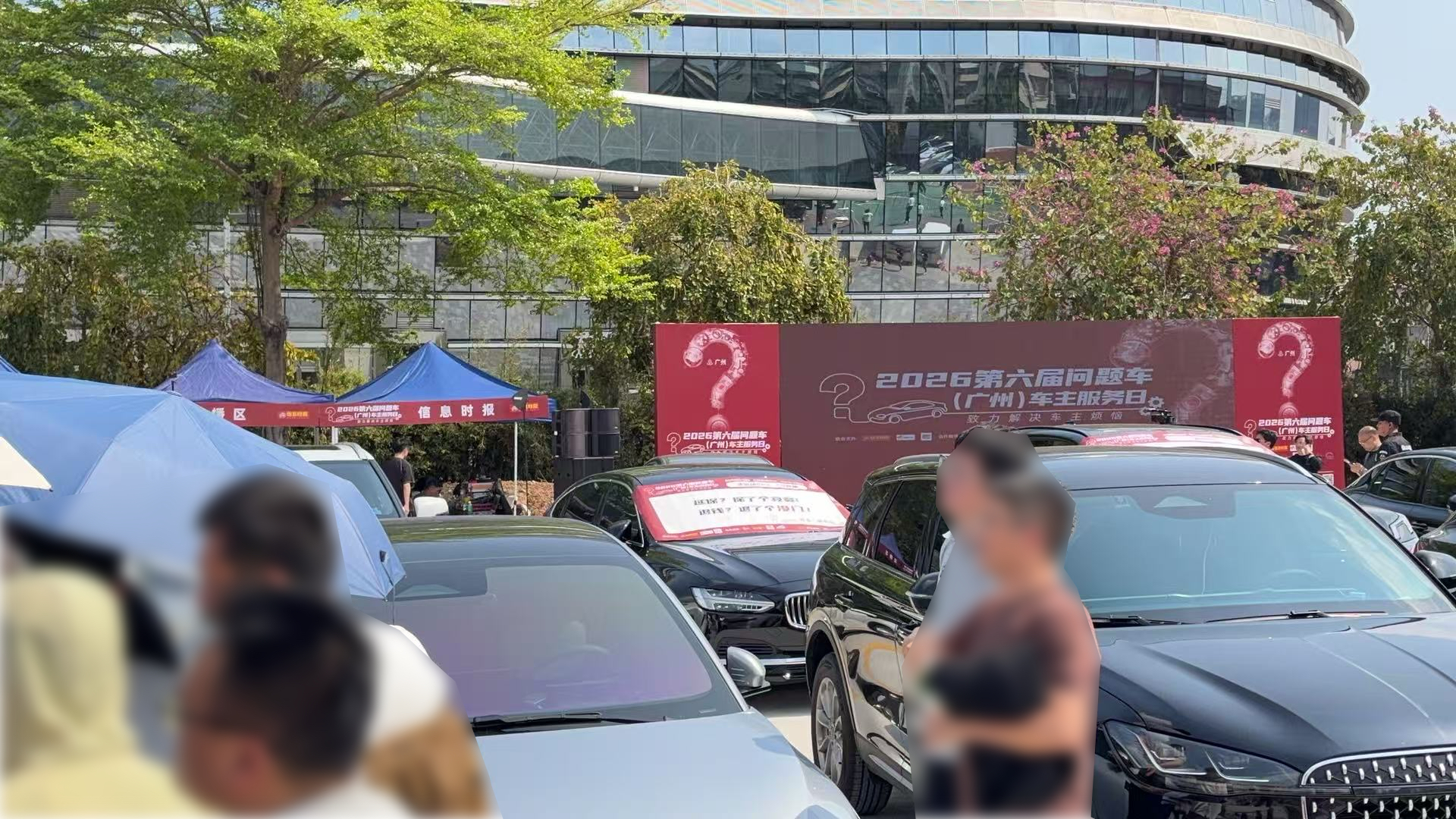
Source: Evomedia
The most prevalent model at the scene was the Mercedes-Benz EQ series, with Evomedia counting at least 10 units. According to attendees, EQ owners had gathered voluntarily to report severe issues such as sudden power loss and forced battery locking.
Multiple owners admitted to making repeated complaints in-store, but 4S stores denied battery locking, withheld real battery data, and refused to lift power restrictions, repeatedly citing 'normal test data' while disregarding legitimate demands. To date, manufacturers have offered no effective response or solutions.
Evomedia checked China's Vehicle Recall Network and discovered that the Mercedes-Benz EQ series is a frequent subject of recalls. In February alone, 19,481 EQAs and EQBs were recalled due to fire risks stemming from production flaws in the high-voltage batteries.
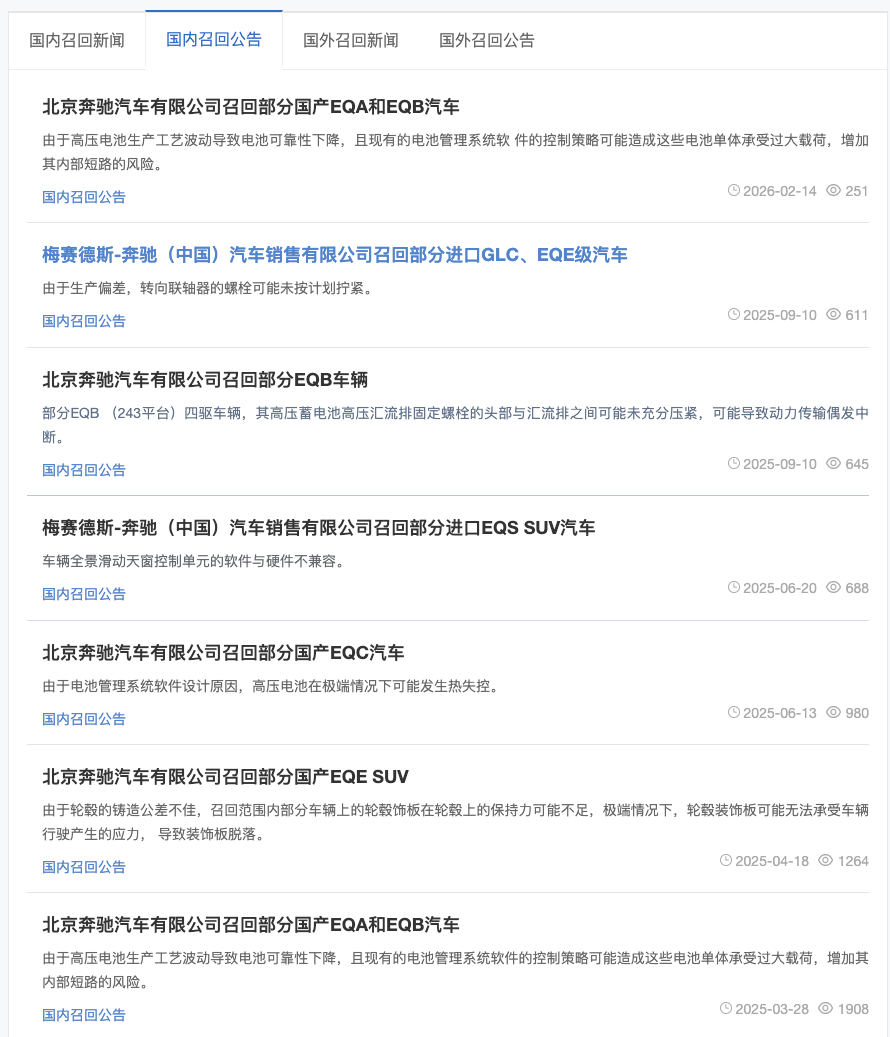
Screenshot: China Vehicle Recall Network
Owners at the scene joked: 'We trusted Mercedes as a 'century-old brand,' but now we feel like the biggest fools.'
Beyond Mercedes, other brands faced equally alarming rights issues, notably Audi and Volkswagen ID.4 X owners.
An Audi owner reported that five identical models had self-ignited. After recalls, manufacturers installed software to monitor battery fire risks—but did not eliminate the hazard.
'This recall doesn't remove the fire risk; it just warns you when it's about to happen...' The logic left observers dumbfounded.
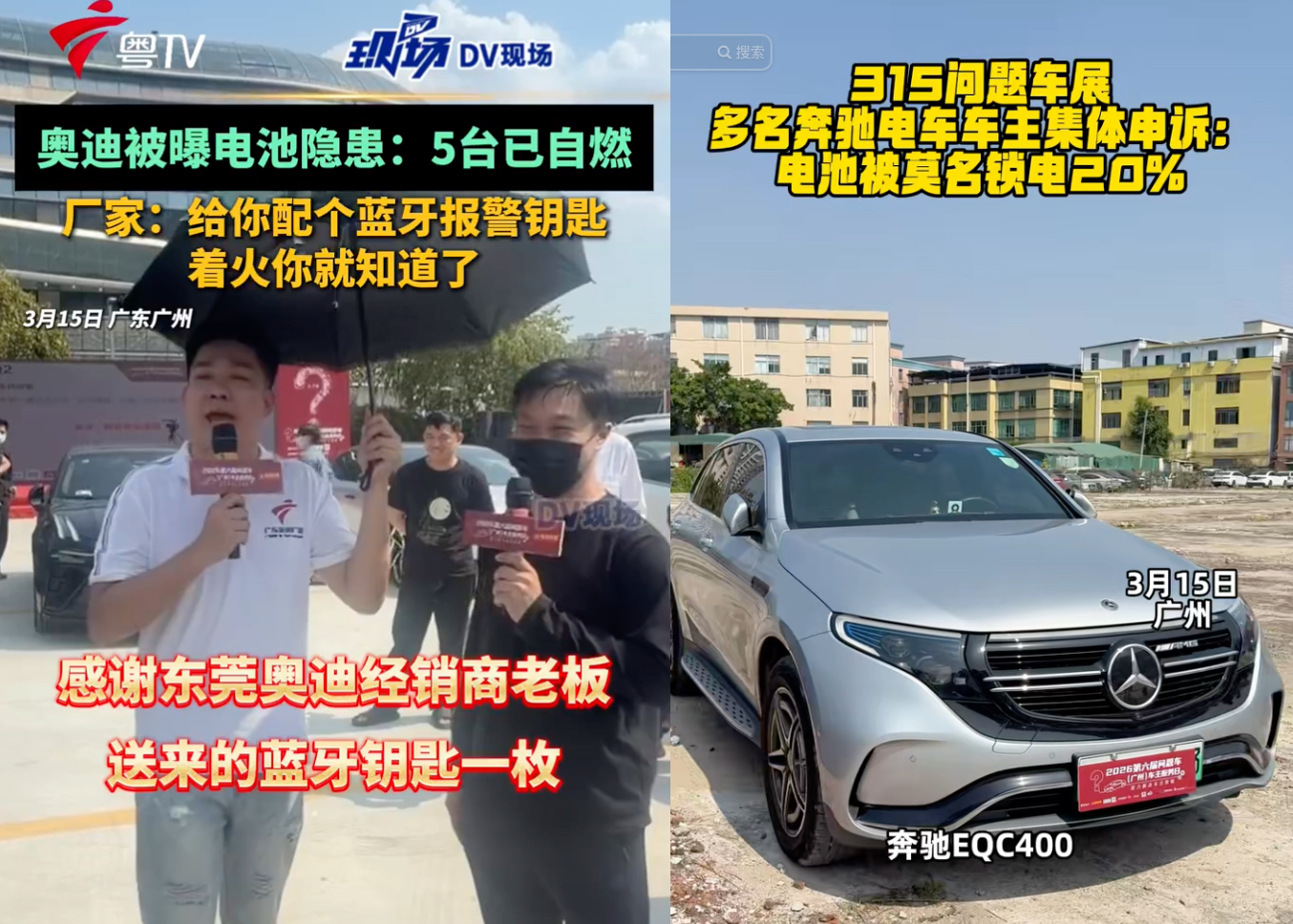
Source: Guangdong TV
A Volkswagen ID.4 X owner reported control unit failure within three months, frequent black screens within six months, high-voltage battery insulation faults at eight months, and eventually loss of fast-charging function. These critical issues persisted for two to three years without resolution, leaving the vehicle 'operating while sick.'
The owner's 'modest' request: not a refund or compensation, but a permanent fix.
Faced with such demands, 4S staff merely stated that parts had been replaced, problems had not recurred yet, and further manufacturer testing was needed—no timeline or solution was provided.
Evomedia noted a similar concentration of rights issues at exhibitions in other regions. Beyond the Mercedes-Benz EQ series, luxury models like the Audi e-tron dominated rights scenes, with owners focusing on rapid battery degradation, autonomous driving system failures, and infotainment lag.
Moreover, transactional disputes such as unfulfilled purchase incentives, opaque financial service fees, and delayed deliveries also triggered strong owner dissatisfaction at exhibitions.
The quality control, after-sales attitudes, and response efficiency shortcomings exposed by traditional giants during their electrification transitions are eroding consumer patience and reputation.
In truth, owners are not seeking to deliberately make things difficult; they simply want their problems acknowledged, faults fixed, and rights respected—not to become self-deprecating 'fools' for trusting brands.
Just Slashing Prices? Traditional Brands Are Mortgaging Their Future
To many, traditional brands' poor electrification performance stems from slow pacing and underinvestment in R&D. However, product quality is equally to blame.
After decades of technical accumulation, traditional brands excel in the mechanical reliability of fuel-powered vehicles, where hardware premiums offset software shortcomings. However, they struggle with new energy core technologies, frequently facing issues such as battery thermal management failures and delayed motor control logic—essentially misunderstanding the fundamental architecture of electrification.
According to China Automotive Data Research, among the top-selling pure electric models priced above 300,000 RMB in 2025, all 13 were domestic brands. Rear-ranked models like the BMW i5, Mercedes-Benz EQE SUV, and Audi Q6L e-tron sold fewer than 8,000 units annually.
Evomedia also observed that when confronted with the omnidirectional impact of new entrants, these century-old automakers' first response is often price cuts. Models like the Volkswagen ID.3, BMW i3, and Mercedes-Benz EQ series rely heavily on discounts for sales.
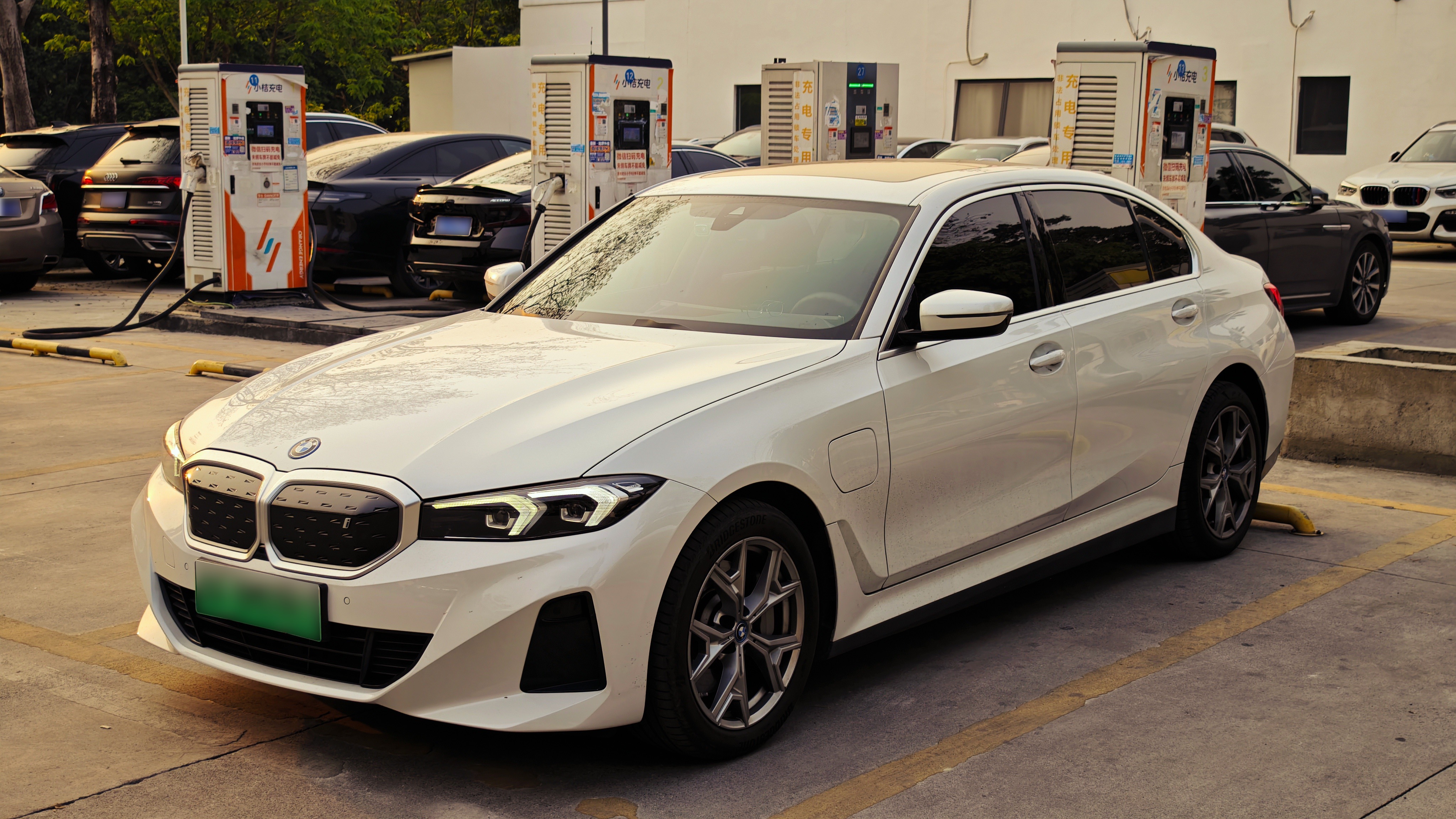
Source: Evomedia
While some consumers are swayed by price, discounts cannot fix inherent technical flaws. When a luxury brand must slash prices to sell EVs, its brand value quietly depreciates, mortgaging all future consumer expectations.
Today's users demand more than just 'wheels that move'—they want vehicles that evolve, grow smarter, and feel futuristic. This explains why the Aito M9 sold nearly 120,000 units in 2025, far surpassing the BMW X5's 70,100 at the same price point.
Worse than poor products is a lagging after-sales system.
Traditional automakers' century-old dealership model feels bloated and inefficient in the electric era. At 'Problematic Vehicle Exhibitions,' 4S stores and manufacturers routinely shift blame, leaving owners bounced back and forth.
According to the China Consumers Association, unfulfilled dealer promises, deposit disputes, and false advertising are now top automotive complaints. This opaque system may protect dealers but fails to ensure user rights.
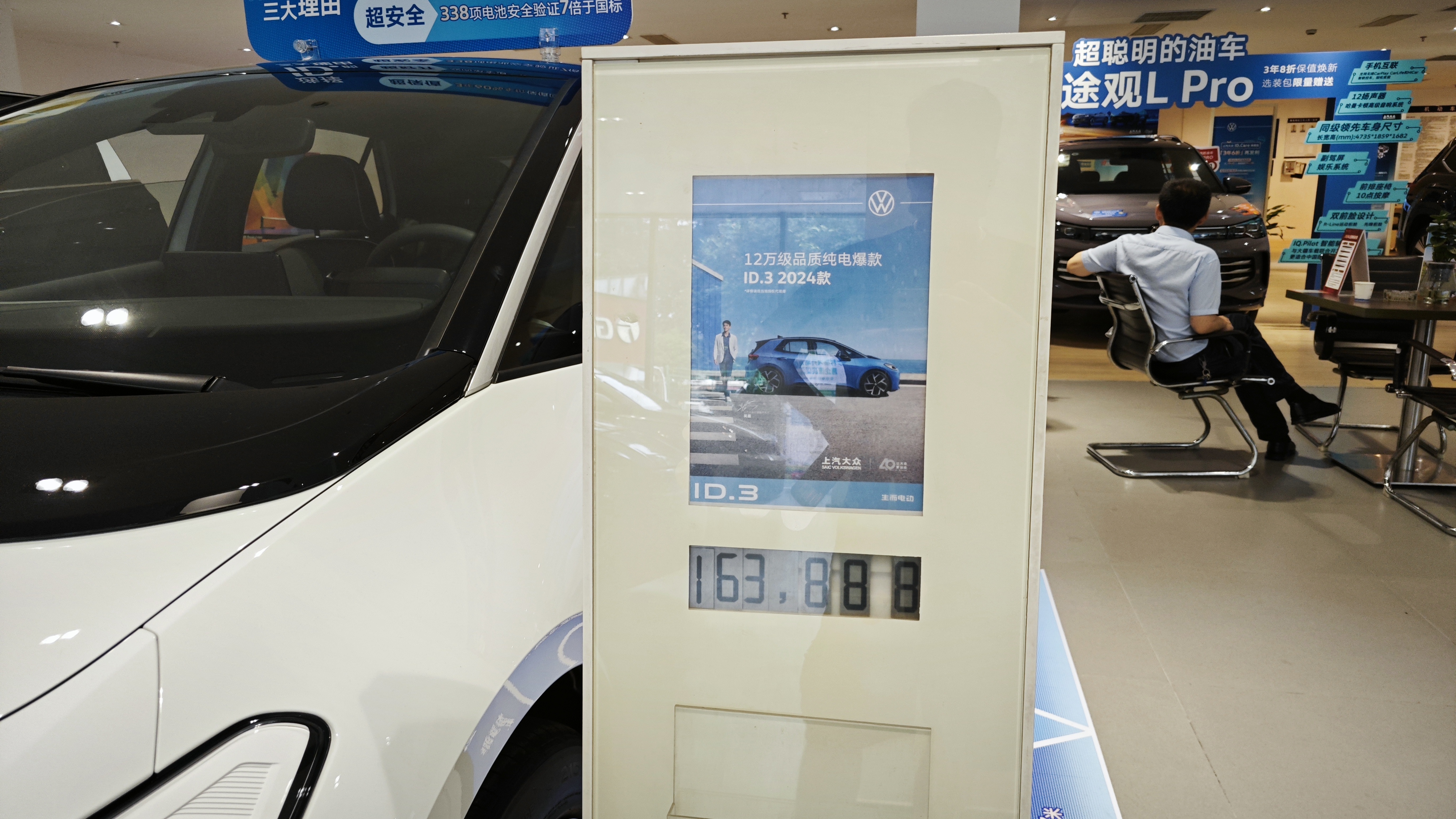
Source: Evomedia
In contrast, new entrants' direct sales model—though controversial—demonstrates rapid user feedback response and closed-loop online-offline services. Traditional luxury brands should humbly learn from this.
Traditional giants must admit: in China, they've shifted from leaders to chasers. If they cling to aristocratic arrogance, blocking, suppressing, or silencing rights-protecting owners with coercion, they risk losing not just sales but their ticket to the future automotive era.
Evomedia believes century-old brands endure by reinventing themselves in every revolution. Today's auto market forces them into the toughest choice: only by smashing their own old order can they survive.
Epilogue
The 3·15 Gala's silence on automotive issues may comfort some executives, but 'Problematic Vehicle Exhibitions' across China block that comfort.
A vehicle carries a family's safety and trust. Owners fight tirelessly not for drama but for safety baselines.
What 3·15 left unsaid, the market will eventually answer.
We hope to see a day when no one needs to stand on rooftops to demand rights.
(Cover image source: Evomedia)
New Energy Luxury Brand Vehicle Safety
Source: Leikeji
All images sourced from 123RF's licensed library
-
![]()
The Unstoppable Rise of 'Optical Progress and Copper Decline': Sunny Optical’s Strategic Vision for the Next Decade
-
![]()
AI + Going Global in the Second Half: No Intermission for Robot Vacuum Cleaners
-
![]()
The Suffering Endured in E-commerce, Walmart Doesn't Want to Repeat in AI
-
![]()
What Does the Doubling of New Energy Vehicle Exports Mean?
-
![]()
Ghosn: 'Only I Can Save Nissan'
-
![]()
Volkswagen Lays Off 100,000 Employees, The Elephant Sits Down
-
![]()
Expanding Production Capacity! Yutong Optics Acquires Approximately 1.5 Hectares of Industrial Land in Chang'an, Dongguan
-
![]()
Why Is Nokia Making a Comeback in the AI Era?