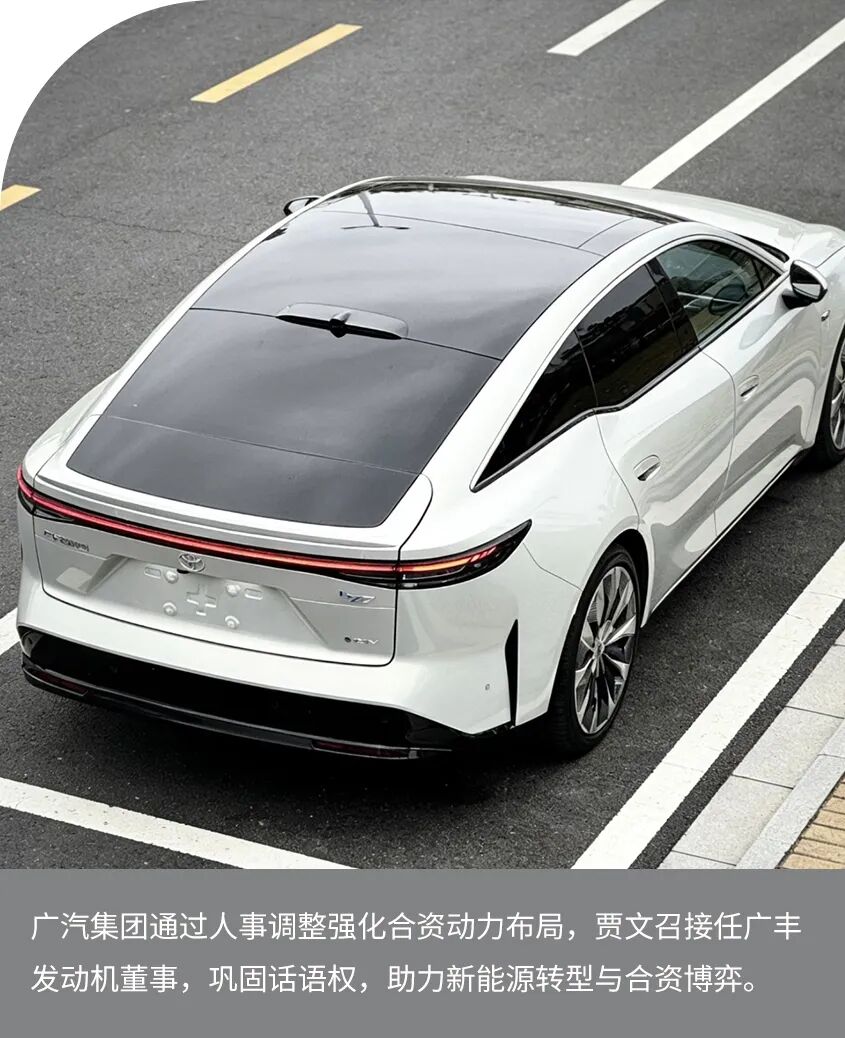
GAC Group's Strategic Personnel Reshuffle: Bolstering Core JV Operations and Seizing Control of Powertrain Development
 03/18 2026
 629
629
Author / Chen Jia
Produced by / Insight Auto
With a leadership transition at the heart of its joint venture's powertrain operations, GAC Group is subtly amplifying its influence through strategic personnel appointments. This move sets the stage for a pivotal shift in its new energy transition and intensifies competition with Toyota in the joint venture arena.
Industry sources reveal that GAC Toyota Engine Co., Ltd. (hereinafter referred to as "GAC Toyota Engine") underwent significant industrial and commercial changes in March 2026, with Jia Wenzhao officially taking over from Gao Hongxiang as the company's director.
This personnel adjustment, while initially appearing as a routine succession, marks a crucial step for GAC Group in deepening its joint venture operations and optimizing its core asset allocation. It underscores the intense rivalry between joint venture partners in powertrain technology, production capacity planning, and strategic transformation.
As the "powerhouse" of the GAC-Toyota joint venture system, GAC Toyota Engine's strategic significance cannot be overstated.
Established in February 2004, the joint venture boasts a registered capital of $670.94 million, with a shareholding structure led by Toyota and supported by GAC. Toyota Motor Corporation holds a 59.71381% stake, GAC Group holds 30%, and Toyota Motor (China) Investment Co., Ltd. holds the remaining 10.2862%.
Headquartered in Nansha, Guangzhou, the company primarily manufactures Toyota AZ, AR, and NR series engines. It not only supplies critical components for GAC Toyota's vehicles but also shoulders the responsibility of exporting 200,000 engines annually. At its zenith, it planned a production capacity of 500,000 units per year, serving as a cornerstone in Toyota's powertrain strategy in China and a key profit driver for GAC's joint venture sector.
Jia Wenzhao, the newly appointed director, is a seasoned "all-rounder" who has risen through the ranks within the GAC system. His public resume indicates a long tenure at GAC Group, where he oversaw the group's Youth League Committee, holding positions such as deputy secretary and secretary. During this period, he spearheaded numerous youth talent development initiatives, helping the GAC Youth League secure numerous national and provincial accolades, showcasing his exceptional organizational, coordination, and strategic planning skills.
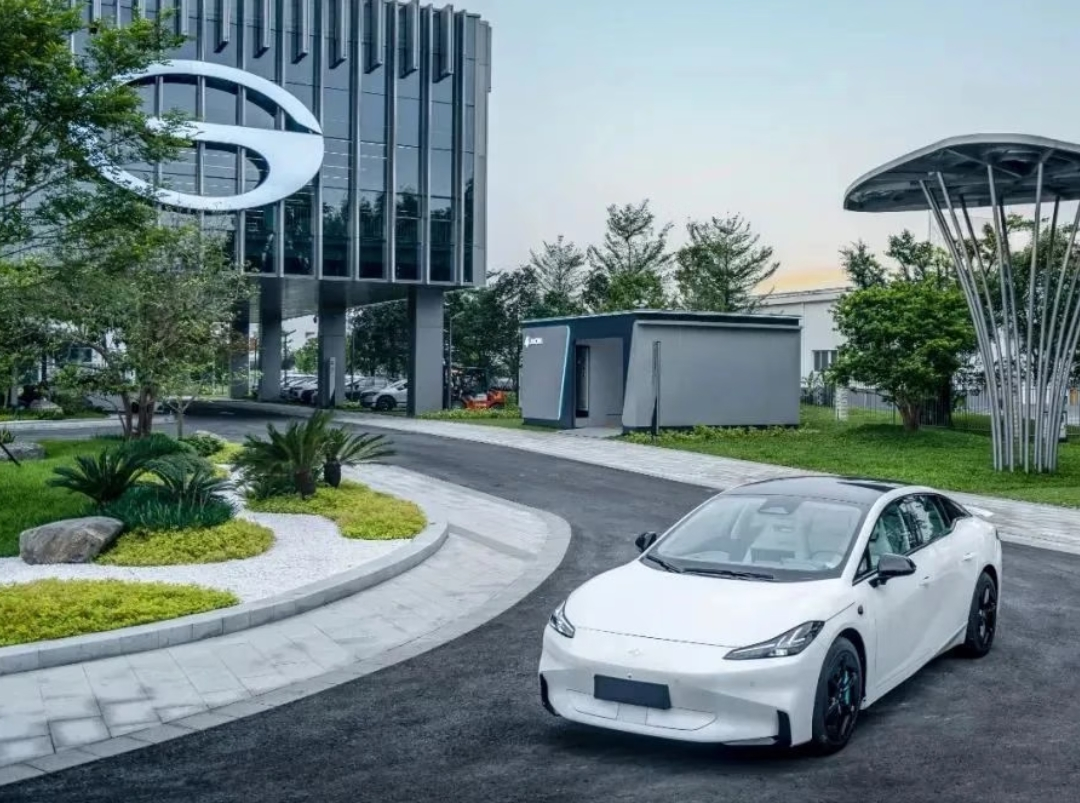
More critically, Jia Wenzhao possesses extensive experience in the Toyota cooperation system. He currently serves as both deputy general manager of GAC Toyota Engine and director of GAC Toyota. Since December 2025, he has been handling core operations, gaining in-depth familiarity with Toyota's technical standards, management models, and business logic. His appointment not only ensures a seamless transition at GAC Toyota Engine but also strengthens GAC's voice within the joint venture.
Gao Hongxiang, his predecessor, has made a significant transition from the "GAC Toyota camp" to the "GAC Honda camp." This veteran, also hailing from the GAC Youth League Committee, previously served as deputy general manager and party secretary of GAC Toyota Engine, with a deep understanding of joint venture operations. In August 2025, he was appointed executive vice president of GAC Honda, becoming a driving force behind GAC Honda's new energy transition.
The overlapping backgrounds of the two individuals, both originating from the GAC Youth League Committee and deeply entrenched in the joint venture sector, are no accident. They reflect GAC Group's deliberate cultivation of "joint venture-savvy, collaborative, and execution-strong" composite talents. This talent echelon construction is pivotal for GAC to take the initiative in joint venture competition.
Currently, the landscape of Japanese automakers in China is undergoing profound transformations. Mitsubishi and Suzuki have exited the market, while Honda and Mazda have seen their sales halve. Toyota remains the sole Japanese brand achieving positive growth, with GAC Toyota selling 772,700 units in 2025, with hybrid models accounting for over 50% for the first time. As the core supporting enterprise, GAC Toyota Engine's production capacity and technology directly determine GAC Toyota's market competitiveness.
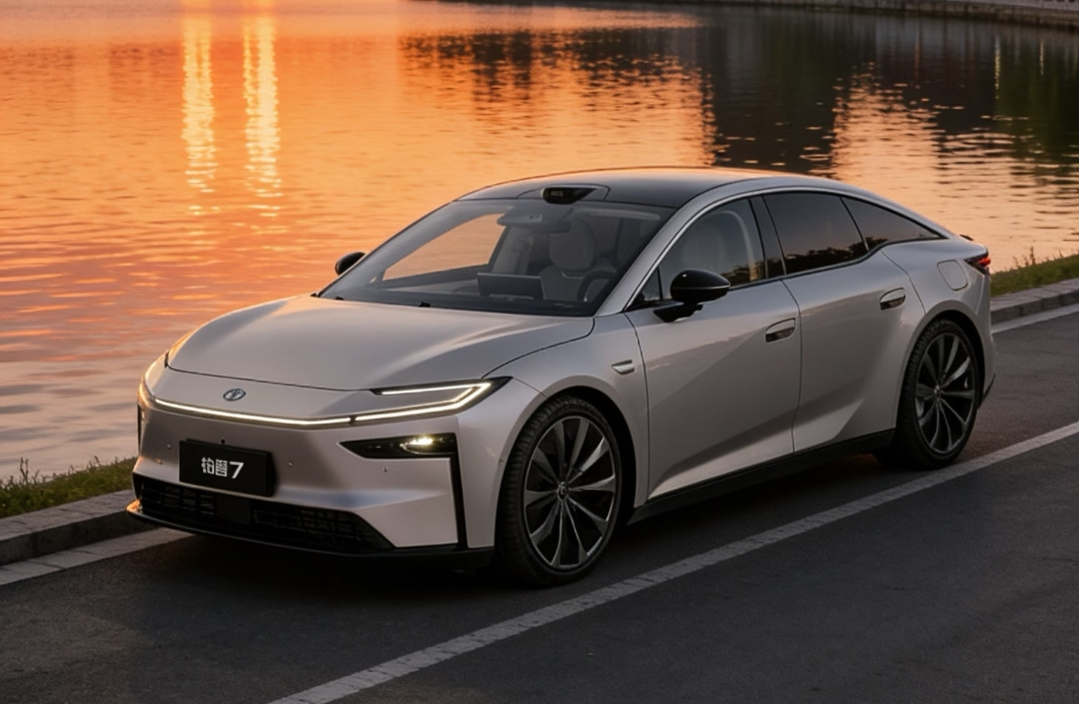
Data reveals that GAC Toyota Engine has invested 3.728 billion yuan in constructing a TNGA series engine project with an annual capacity of 432,000 units. By the end of 2018, the company's total assets reached 4.841 billion yuan, with total revenue of 6.585 billion yuan, making it an indispensable profit growth point for GAC's joint venture sector.
The deeper competition lies in the struggle for influence in powertrain technology. As GAC Toyota advances its "Fusion 2030" strategy, aiming for sales and production exceeding 800,000 units by 2026 and striving for one million units by 2028, while accelerating its electrification transition with new energy models like the bZ3X and bZ7, the demand for efficient engines and hybrid powertrains is becoming increasingly urgent.
While Toyota holds the core engine technology, GAC, by appointing key executives to GAC Toyota Engine, can deeply participate in production management and technical adaptation, promoting the deep integration of Toyota's technology with Chinese market demands and breaking the traditional pattern of "foreign-led technology and Chinese passive following."
In the wave of new energy transitions, the core competitiveness of joint venture automakers has shifted from mere technology introduction to collaborative innovation.
GAC Group's personnel deployment, while initially appearing as a director adjustment at a single joint venture company, is actually a precise maneuver to control core joint venture assets and engage in deep competition with Toyota in powertrain technology and market positioning.
Behind this personnel reshuffle lies GAC Group's long-term considerations in deepening its joint venture operations and positioning for the future. Its subsequent effects will profoundly impact GAC's competitiveness and industry status in the joint venture sector.
END
-
![]()
The Unstoppable Rise of 'Optical Progress and Copper Decline': Sunny Optical’s Strategic Vision for the Next Decade
-
![]()
AI + Going Global in the Second Half: No Intermission for Robot Vacuum Cleaners
-
![]()
The Suffering Endured in E-commerce, Walmart Doesn't Want to Repeat in AI
-
![]()
What Does the Doubling of New Energy Vehicle Exports Mean?
-
![]()
Ghosn: 'Only I Can Save Nissan'
-
![]()
Volkswagen Lays Off 100,000 Employees, The Elephant Sits Down
-
![]()
Expanding Production Capacity! Yutong Optics Acquires Approximately 1.5 Hectares of Industrial Land in Chang'an, Dongguan
-
![]()
Why Is Nokia Making a Comeback in the AI Era?