In-Depth Analysis | Li Auto's 2026 Vision: Channel Reform, Product Revitalization, AI-Driven Growth Targeting 20% Increase
 03/18 2026
 526
526

Let's talk about Li Auto today.
On March 12, Li Auto released its 2025 annual results.
Many topics were discussed during the earnings call, essentially covering this year's strategies and product layouts.
Combining the financial report and the call, here's an in-depth analysis in a long-read format.
As usual, like first, then read. Now, enjoy.
01
2025 Performance Review
Li Auto's 2025 performance was not impressive.
The reasons can be summarized as: loss of market share in extended-range EVs and poor performance in pure EVs.
For details, refer to previous articles by "Tech Jungle"—not elaborated here.
The result: Li Auto delivered 100,000 fewer units in 2025 than in 2024.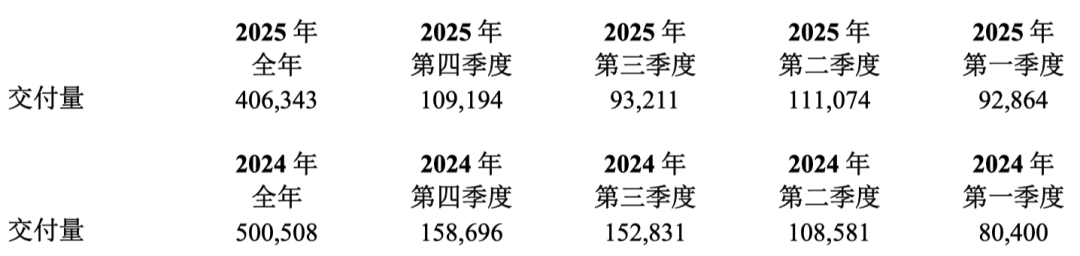
Financial report highlights:
- Total revenue in 2025: RMB 112.3 billion (USD 16.1 billion), down 22.3% from RMB 144.5 billion in 2024.
- Vehicle sales revenue in 2025: RMB 106.7 billion (USD 15.3 billion), down 23.0% from RMB 138.5 billion in 2024.
- Vehicle gross margin in 2025: 17.9%, compared to 19.8% in 2024.
- Overall gross margin in 2025: 18.7%, compared to 20.5% in 2024.
- Operating loss in 2025: RMB 521 million (USD 75 million), compared to operating profit of RMB 7 billion in 2024.
- Operating margin in 2025: -0.5%, compared to 4.9% in 2024.
- Net profit in 2025: RMB 1.1 billion (USD 163 million), down 85.8% from RMB 8 billion in 2024.
Note: Li Auto's current gross margin is not high.
Q3 2025: 15.5%; Q4 2025: 16.8%—far below the normal 20%.
Reasons:
- Q3 2025: MEGA recall cost RMB 1.12 billion, reducing gross margin by 4 percentage points. Meanwhile, Li Auto's product mix weakened, with MEGA underperforming and L series under pressure. Various preferential policies further squeezed margin space.
- Q4 2025: The L series remained under pressure, relying mainly on incentive policies to drive sales. The pure EV i6 became the sales mainstay but faced challenges from initial sales policies, production ramp-up, and the phase-out of purchase tax subsidies, putting pressure on margins. Some recovery was achieved through economies of scale.
These trends continued into 2026. Li Auto's new product launches are focused on Q2, so Q1 2026's product mix will be similar to Q4 2025.
Good news: The i6 supply chain issues have been resolved, with production capacity continuously improving. Monthly delivery capacity will reach 20,000 units, and existing orders can be fulfilled efficiently within 1-2 months.
For the i8, March orders more than tripled compared to January, indicating improving market demand.
However, this also means Q1 gross margins will likely be around 16%-18%.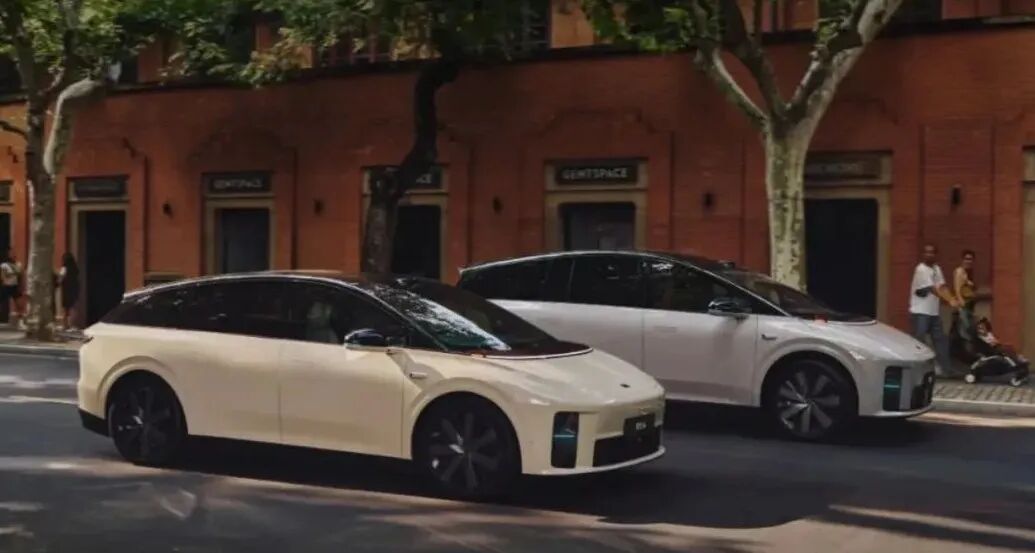
Li Auto expects to deliver 85,000-90,000 units in Q1 2026, with 27,668 and 26,421 units delivered in January and February 2026, respectively. This implies March deliveries will be around 31,000-36,000 units.
It is foreseeable that Q1 2026 sales will be lower than Q1 2025 (92,864 units).
Revenue will also decline, from RMB 25.927 billion in 2025 to an estimated RMB 20.4 billion (USD 2.9 billion) to RMB 21.6 billion (USD 3.1 billion) in 2026.
"Tech Jungle" has always emphasized that the automotive industry operates on long cycles with inertia. Don't just celebrate short-term successes, as momentum—both positive and negative—takes time to manifest.
When negative trends emerge, they indicate systemic issues. Recall Xpeng's G9 price cut shortly after launch, followed by declining sales. It took Xpeng CEO He Xiaopeng two to three years to complete organizational restructuring, supply chain, and product strategy innovations.
Li Auto's counterattack must begin in Q2.
Despite its poor performance in 2025, Li Auto remains the most likely to survive among new EV makers.
Why? Li Auto has cash and is still profitable. Its 2025 net profit was RMB 1.1 billion (though operating loss was RMB 521 million).
As of the end of 2025, Li Auto's cash reserves stood at RMB 101.2 billion, exceeding NIO's (RMB 45.9 billion) + Xpeng's (RMB 48.3 billion as of Q3 2025).
This means Li Auto can invest more in R&D to build its technological moat—its confidence in this long-distance race.
But our focus is not on 2025 but on Li Auto's 2026 strategy, how it will deploy resources, and reclaim lost ground.
This is key.
Li Auto's 2026 sales target is over 20% YoY growth, aiming for 480,000+ units—a conservative figure, even below 2025's delivery volume.
How to achieve this? Li Auto proposes a "3+2" strategy:
Three core pillars:
1. Sales system optimization: Continuously improve the direct-sales system, making it a long-term competitive edge through store partner programs and refined operations.
2. Successful L series refresh: Focus on the new L9, ensuring smooth product launch, production ramp-up, and delivery to consolidate extended-range market dominance.
3. Stable growth of pure EV i series: Fully resolve supply and operational issues for the i6 and i8, establishing a foothold in the mid-to-high-end market and paving the way for the i9 launch in H2.
Two enabling strategies:
1. AI investment realization: R&D investments in 2025 will translate into proactive, high-frequency, and practical product experiences in 2026, transforming products from "traditional vehicle extensions" to "dynamic intelligent entities."
2. Overseas market expansion: 2026 marks Li Auto's formal entry into overseas markets, with significant progress expected. Overseas markets will become a key long-term growth opportunity.
02
Sales Reform
Li Auto prioritized sales and service reform, underscoring its importance.
Under intense competition and product homogenization (e.g., "fridge, TV, sofa" features), differentiating through product alone is difficult. For automakers, product strength is foundational, but sales and service networks directly impact sales and terminal performance.
In short: Product determines competitiveness; sales and service determine sales volume.
Previously, Li Auto operated its direct-sales system with a dealer management mindset, neglecting stores as core operational units. From Q3 2025, it focused on high-quality store openings, refined management, store manager incentives, and team empowerment, using sales and per-capita output as key metrics. Efficiency improvements were achieved through division of labor and personnel concentration.
Channel optimization: Li Auto implemented "survival of the fittest" for stores, optimizing underperforming outlets with poor locations, declining foot traffic, or unmet sales targets.
New channel strategy: Quality > quantity. Priority is given to top-tier malls and premium auto cities to enhance brand influence and attract high-quality customers.
Urban layout: Improve coverage in lower-tier cities, with plans to intensify high-tier city presence as pure EV sales rise.
Service enhancements: Continuously improve sales experiences, including in-store reception, test drives, deliveries, and holiday staffing at highway superchargers.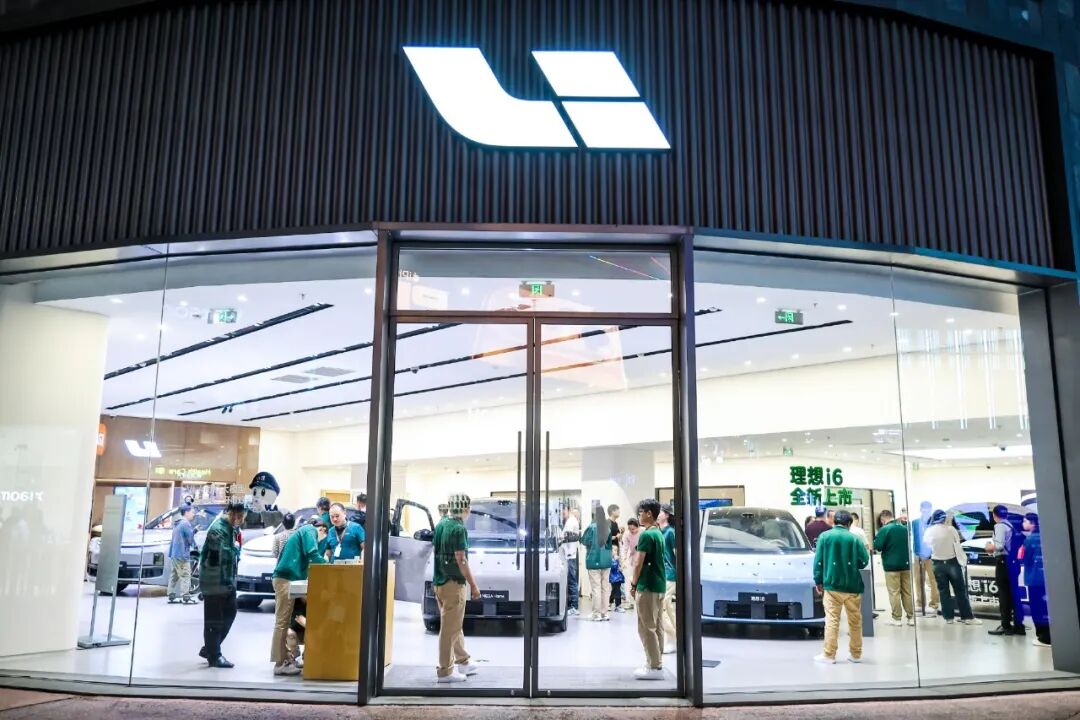
In early March, Li Auto introduced a store partner program, treating stores as basic operational units to explore a unique direct-sales model.
Key elements:
- Decentralization: Top store managers gain decision-making power over customer acquisition, daily operations, team management, and profit sharing, transitioning from "sales managers" to "store operators."
- Performance evaluation: Shift from sales-only metrics to overall store performance, encouraging managers to run stores as their own businesses.
- Responsibility binding: Store managers participate fully in new store site evaluations to ensure quality from the start.
- Corporate support: Empower frontline stores and managers through financial support and digital tools.
- Incentive targets: Cultivate store managers earning over RMB 1 million annually, with top performers earning three times the industry average. Significant sales and operational improvements are expected by Q3 2026.
- Underlying value: Address past issues like blind store openings and expansions, strengthening long-term competitiveness in consumer services (Li Auto streamlined its direct-sales management in 7 months starting August 2025).
Li Auto states: "A healthy and efficient sales and service system is core to safeguarding sales and market position."
"Tech Jungle" agrees. This advice was also given to new EV maker ZHIJI—focus on channel services.
This section is worth studying for industry peers.
03
Product Revitalization
Li Auto's 2026 product strategy: Scale pure EVs, successfully refresh extended-range models.
Product innovations begin in Q2, when proprietary technologies like chips are ready.
The refreshed L series (e.g., 2025 L models) launched in May, so the new L9 is expected around April-May.
Refreshing the extended-range lineup is critical for Li Auto, its core market and largest revenue source. Anticipation is high, with key updates in two areas: extended-range tech and intelligent driving.
Extended-range: Third-gen platform with standard 800V high-voltage + 5C ultra-fast charging and the first AI-powered smart oil maintenance system, enabling maintenance intervals of up to 3 years or 30,000 km.
Intelligent driving: Proprietary Mach 100 chip + in-house large model, delivering 1280 TOPS (single chip) and 2560 TOPS (dual chips). Intelligent driving capabilities are highly anticipated.
The L9 Livis adds 800V full-active suspension, full-wire-controlled chassis, and four LiDAR sensors. Priced at RMB 559,800, it is Li Auto's first embodied intelligence vehicle.
Will it deliver on the "embodied intelligence" hype or truly create a generational experience gap?
This is the question. Market expectations for the L9 are high, but pricing and configurations will be decisive.
Li Auto CEO Li Xiang believes: "The L9 refresh will directly determine the market potential of the entire L series."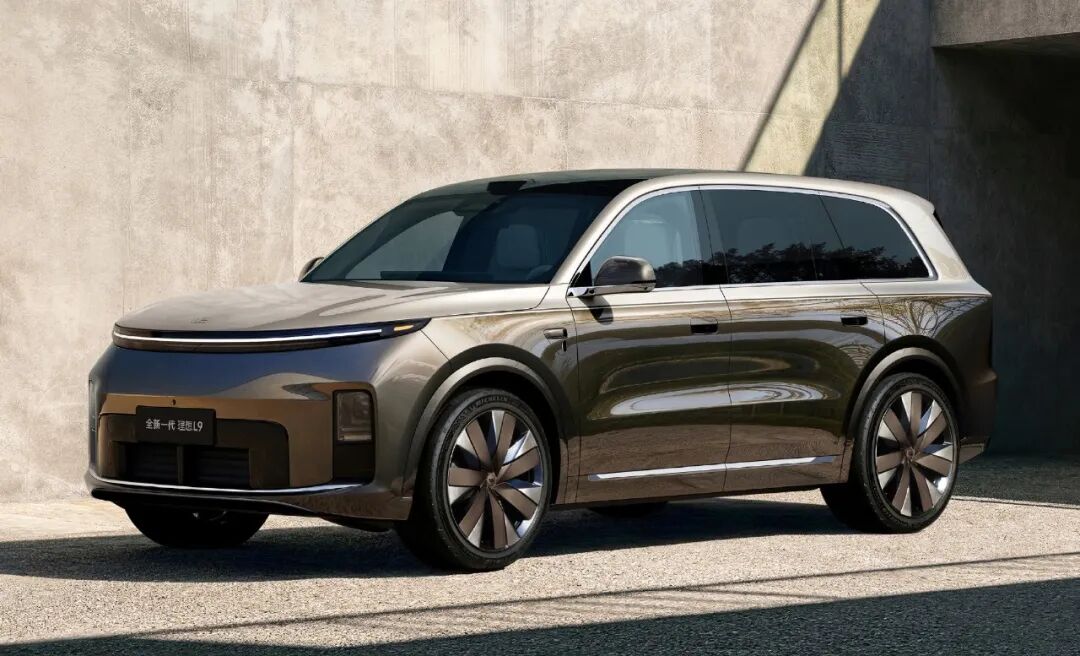
After the L9 launch, updates for the L6, L7/8 (possibly merged into one model, e.g., L8) will become clear.
In H2 2026, Li Auto will launch the new pure EV flagship i9, completing its product matrix in the RMB 400,000-500,000 segment.
By year-end, Li Auto's "pure EV + extended-range" matrix will be complete:
- MEGA and L9 Livis: RMB 500,000+ market
- L9 and i9: RMB 400,000+ market
- L8 and i8: RMB 300,000+ market
- L6 and i6: RMB 200,000+ market
This structure supports premium positioning (MEGA, 8, 9 series) and volume sales (6 series), ensuring both margins and scale.
Success hinges on Li Auto's product pricing and configurations.
Despite past missteps in product planning, Li Auto's design team is top-tier—they deeply understand vehicles and users.
Their ability to make the i6 a hit, despite late entry into the pure EV market, showcases their product expertise.
Thus, Li Auto's upcoming extended-range refreshes and pure EV i9 are highly anticipated.
04
AI-Driven
We combine intelligent driving, smart cockpits, and embodied intelligence to systematically interpret Li Auto's tech layout (layout) and development direction.
Tesla's Full Self-Driving (FSD), deeply integrated with its AI assistant Grok, unifies natural language interaction, cockpit logic, and autonomous driving decisions, delivering a truly integrated smart experience.
Li Auto and Xpeng are quickly following this path.
Starting with proprietary chips: Li Auto's Mach chip, Xpeng's Turing chip, and NIO's Dimensity chip reflect the trend of "proprietary chips + models" (Tesla remains the trailblazer).
Li Auto states: "By 2025, the industry will enter a phase of joint design for models, chips, and operating systems. This vertical integration will create true differentiation in performance, efficiency, and user experience."
Over time, gaps between automakers will widen, similar to Apple vs. Android in smartphones. Achieving full-stack software-hardware integration yields structural advantages that expand over time.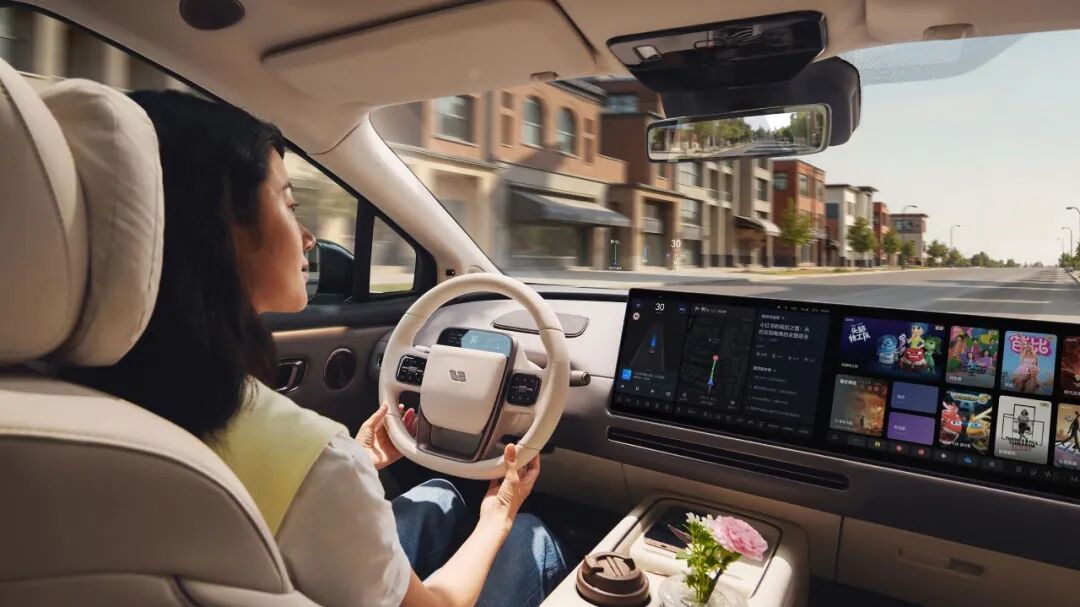
Returning to today's protagonist, the performance of Li Auto's self-developed chip is the focus of attention.
Let's talk about performance first. The Li Auto Mach 100 chip delivers a single-chip computing power of 1,280 TPS. Thanks to its dataflow architecture, which provides maximum optimization space for algorithm software, the effective computing power of a single Mach 100 chip is three times that of NVIDIA's Thor U. The dual Mach 100 chips in the new L9 offer an effective computing power that is 5-6 times that of Thor U.
The significant boost in effective computing power reserves ample development space for Li Auto's large language model applications. For instance, it can run large language models with parameter scales six times larger than the previous generation while maintaining high frame rates and faster inference speeds. "More importantly, through the co-design and synchronous evolution of our self-developed models, compiler stacks, and operating systems, we are gradually unlocking the true potential of our full-stack self-developed system.
While improving the performance of intelligent driving systems is important, the greater value lies in how this system-level integration will significantly accelerate the iterative upgrades of intelligent driving capabilities. Once the system is officially implemented, we anticipate a qualitative leap in the speed of improving intelligent driving capabilities," explained the representative from Li Auto. The Mach 100 chip also works deeply with intelligent driving perception, vehicle control, and other systems, reducing the end-to-end latency from sensor photon input to vehicle actuator response to just 200-300 milliseconds, directly enhancing the driving experience.
"In practical terms: we can achieve higher frame rates and shorter reaction times in the same scenarios. In emergencies, we can perceive risks earlier and take evasive actions faster—this is the generational gap in experience. It's not just about good-looking parameters; it's about being effective when it matters most."
Higher local computing power also enables vehicles to implement more intelligent functions beyond autonomous driving, making cars increasingly resemble intelligent robots. These functions will first be implemented in the new generation of Li Auto L9 series and gradually extended to other models in the future.
In terms of cost, the Mach 100 chip also brings significant cost advantages to Li Auto:
First, the unit hardware cost of the chip is much lower than external procurement solutions;
Second, by leveraging the integration capabilities of the Mach 100 chip, the XCU controller used in the previous generation platform has been eliminated. Combined with hardware virtualization technology, this achieves cost savings of over 1,000 RMB per vehicle;
Third, relying on the dataflow architecture and the co-design of models and chips, the chip's operational efficiency has been significantly improved while reserving ample space for future performance upgrades. 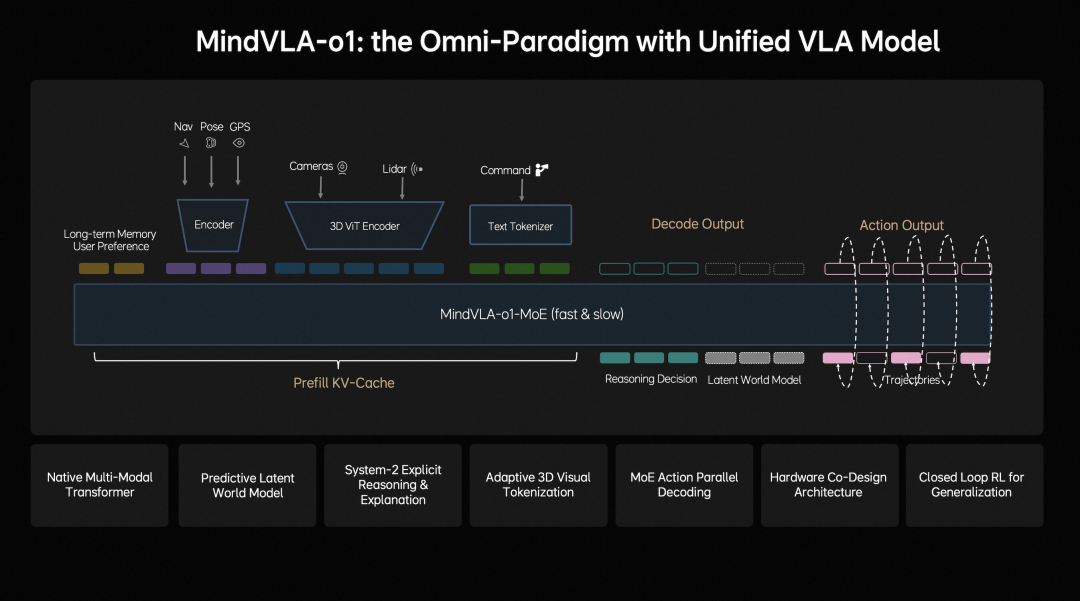
Regarding self-developed models, on March 17, Li Auto officially released its next-generation autonomous driving foundation model, MindVLA-o1. Through five technological innovations—3D spatial understanding, multimodal thinking, unified behavior generation, closed-loop reinforcement learning (Closed-loop RL), and hardware-software co-design (Hardware–Software Co-Design)—Li Auto has built an autonomous driving foundation model oriented toward physical world intelligence, unifying vision, language, and actions into a single model.
The benefits include: seeing farther, thinking deeper, acting more stably, evolving faster, and deploying more efficiently. 2026 is a critical year for Li Auto's transformation into an embodied intelligence enterprise.
Facing the increasingly competitive new energy vehicle market, Li Auto's strategy is to continuously strengthen its technological moat, complete the transformation from a smart electric vehicle company to an embodied intelligence enterprise, and lay the foundation for the next phase of competition.
In 2025, the company's total R&D investment reached 11.3 billion RMB, with approximately 50% allocated to AI-related projects.
Li Auto will continue this investment strategy in 2026, with R&D investment expected to remain around 12 billion RMB, of which AI-related investments will still account for 50%. This includes R&D in AI fields such as self-developed chips and computing power construction, as well as embodied intelligence-related R&D investments like intelligent driving systems.
Additionally, in January of this year, Li Auto made a significant adjustment to its R&D organization. The core change was shifting the R&D team from being divided by hardware and software functional definitions to a management model aimed at "creating digital humans and embodied agents."
"We reorganized the R&D teams according to the logic of digital human organs. For example, the chip is equivalent to the digital human's heart, the dataset to the lungs, and the operating system to the nervous system. Such teams are integrated under the same large system for management," explained the representative. 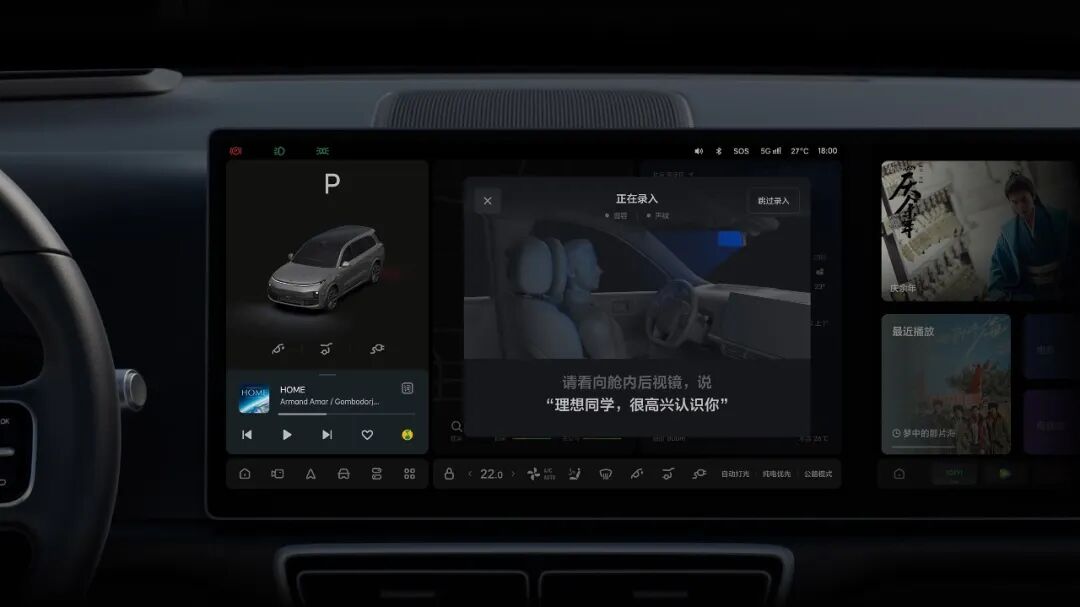
Through this adjustment, various R&D teams have achieved deep integration, truly transforming from traditional hardware and software division models to an organizational and R&D model focused on creating digital humans and embodied agents.
Li Auto stated that when this adjustment was introduced in January, many teams initially did not understand it. However, after actual operation, the efficiency improvements were significant. For example, the training iteration cycle for intelligent driving models, which used to occur roughly every two weeks, now happens daily. The collaboration model between teams has also been completely transformed. Previously, departments were highly siloed, but now everyone works in a centralized office, collaborating with a core goal centered around embodied intelligence, building an R&D system and launching related products just like constructing a human being.
Regarding embodied intelligence, Li Auto's approach is:
1. To fully invest in the complete vertically integrated field of embodied intelligence technology and build relevant technological systems;
2. To remain cautious and continuously explore at the commercial and product implementation levels. When expanding into more fields, related projects will be launched in a startup mode, including AI glasses and robotics projects, abandoning the large-company approach of extravagant operations and instead allowing startup teams to independently incubate such products. This is our overall strategy in the field of embodied intelligence.
In summary, Li Auto aims to transform its built automotive and embodied intelligence technological capabilities and systems into real user experiences and quantifiable commercial value, becoming the cornerstone of the company's long-term competitive advantage and supporting Li Auto's development over the next decade.
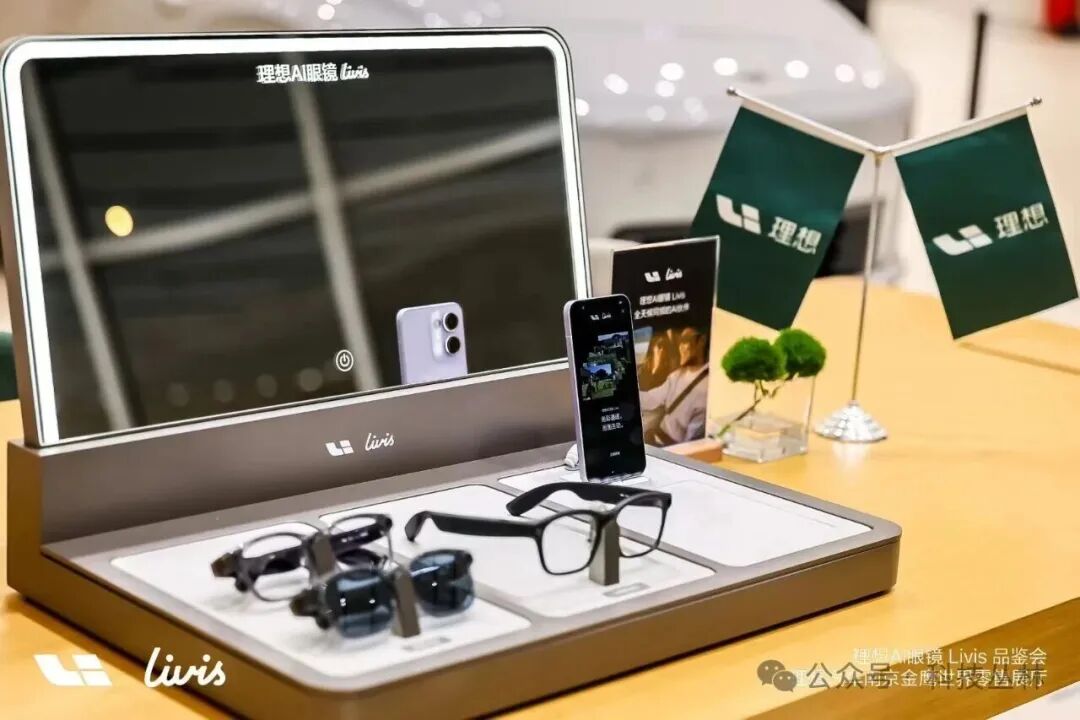
Let me add a bit more here on why Li Auto is also entering the robotics field, not just because of self-developed chips and models.
Actually, like XPENG, Li Auto is also following in Tesla's footsteps.
In autonomous driving, in March 2023, Li Auto openly stated that after Tesla had roughly validated the logical model, Li Auto began formally investing in self-developed intelligent driving.
That same year, after Tesla rewrote intelligent driving with an end-to-end approach, Li Auto once again followed suit technically at the end of 2023. It was precisely this follow-up that marked a transformative growth for Li Auto's intelligent driving, gradually propelling it into the top tier of the industry.
In embodied intelligence, Li Auto continues its previous technological strategy of "first verification, then heavy investment." After Tesla achieved definitive progress, Li Auto resolute (decisively) followed suit and fully committed its resources.
A very smart approach.
05
Regarding the Supply Chain
This year, competition in the automotive industry will intensify further, accompanied by rising raw material prices in the supply chain.
Li Auto admitted that the recent price increases in core components such as batteries and memory chips have put significant pressure on the cost per vehicle.
However, Li Auto's strategy involves supply chain collaboration, long-term agreement price locking, platform-based resource integration, technological cost reduction, and reasonable product pricing.
First, strengthen collaboration with supply chain partners to stabilize prices and ensure supply.
In terms of costs, long-term supply agreements have been signed with core suppliers to lock in prices for key raw materials and components in advance, hedging against short-term market fluctuations. Regarding supply, especially given the current tight supply of intelligent components like memory chips, supply quotas have been locked in with core suppliers in advance to meet the production needs of new vehicle launches. For contracts with price adjustment mechanisms, strict adherence to the contract terms will be maintained. For those without agreed price adjustment mechanisms, Li Auto insists on sharing costs with suppliers to navigate industry cycles together, achieving mutual benefit and win-win outcomes.
Second, promote end-to-end cost reduction efforts, exploring cost-saving opportunities across the entire chain from product R&D, manufacturing, logistics, transportation, to quality control. Simultaneously, increase the reuse rate of components through platform-based R&D to leverage scale effects and internally absorb external cost increase pressures as much as possible.
For example, self-developed and self-manufactured range extenders, electric drive power modules, self-developed and contract-manufactured domain controllers, silicon carbide power chips, Mach 100 intelligent driving chips, and customized battery packs all help us better control costs.
Third, the pricing of new models will be more reasonable and robust (stable).
For new models launched this year, Li Auto will comprehensively consider raw material price fluctuations, technological R&D investments, and user value to ensure the company's healthy and sustainable profitability, bringing the gross profit margin of new products back to a healthy and reasonable level.
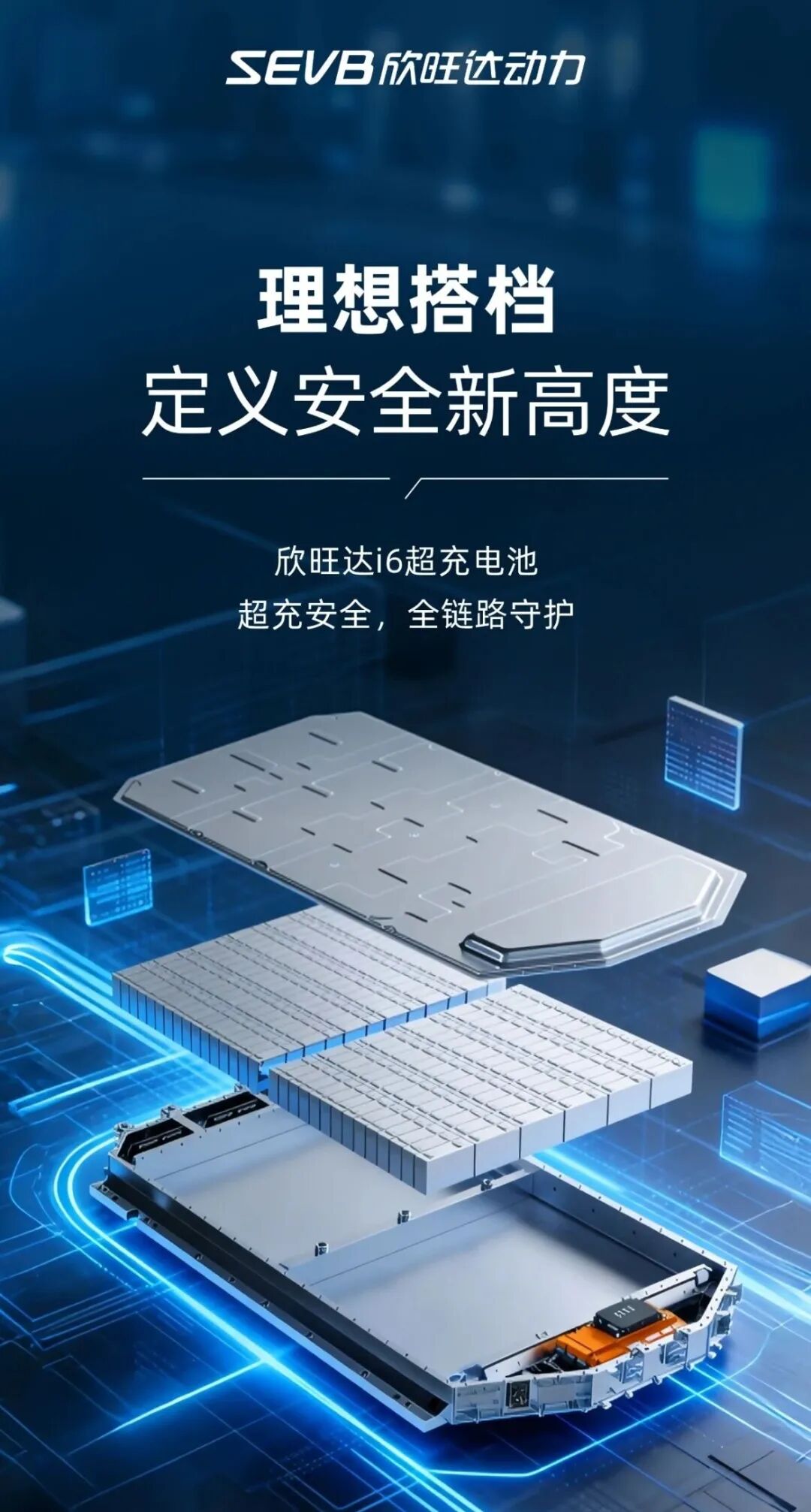
Let me add a bit more here on the battery supply issue.
Regarding battery strategy, Li Auto always adhere to (always adheres to) the principle of open cooperation, partnering with industry-leading partners while maintaining control over the collaboration. Starting from the performance needs of the entire vehicle, Li Auto leads the design of battery solutions and strictly controls quality at every stage. Regardless of the supplier, the performance, quality, and safety of the batteries must meet Li Auto's unified standards, ensuring a completely consistent user experience without any differences.
Additionally, it should be noted that in 2026, all Li Auto models will be equipped with batteries from two brands: the Li Auto brand and the CATL brand. This signifies that Li Auto's cooperation with core partners will enter a deeper stage of integration.
"Please trust the Li Auto brand. The product quality of Li Auto is never determined by a single supplier. Instead, it is jointly defined by our full-stack self-developed technology, stringent quality control systems, and the values we have long adhered to. Choosing Li Auto means choosing the most reliable guarantee."
In short, it's somewhat similar to Apple's supply chain management logic. Certain components may not be produced in-house, but through design leadership and full-chain quality control, the quality of components and the user experience are guaranteed.
Tech Jungle believes Li Auto's approach is excellent, ensuring supply chain security without being held hostage by a single supplier while maintaining consistent user experience. Additionally, it ensures delivery efficiency and better quality control. We recommend that other manufacturers follow suit and learn from this approach.
06
In Conclusion
Let's wrap up with a summary.
First, this earnings report contains a wealth of information, continuing Li Auto's style of sharing substantive content. Much of it is metaphysical, offering not only insights into Li Auto's next moves but also higher-dimensional strategic thinking, which is highly worth learning from for peers in the industry.
Second, Li Auto has significant ambitions, not wanting to miss out on any fronts, including smart cars, AI, L4 autonomy, and embodied intelligence. However, for 2026 specifically, given that embodied intelligence is still in its infancy, the industry should primarily focus on Li Auto's products (range extenders + pure electric) and intelligence (intelligent driving and cabins).
Third, Li Auto has set a sales target of 480,000 units for this year, a cautious 20% increase. The success of this year's new products is crucial, and we hope that Li Auto's product planning does not falter.
The end.
-
![]()
The Unstoppable Rise of 'Optical Progress and Copper Decline': Sunny Optical’s Strategic Vision for the Next Decade
-
![]()
AI + Going Global in the Second Half: No Intermission for Robot Vacuum Cleaners
-
![]()
The Suffering Endured in E-commerce, Walmart Doesn't Want to Repeat in AI
-
![]()
What Does the Doubling of New Energy Vehicle Exports Mean?
-
![]()
Ghosn: 'Only I Can Save Nissan'
-
![]()
Volkswagen Lays Off 100,000 Employees, The Elephant Sits Down
-
![]()
Expanding Production Capacity! Yutong Optics Acquires Approximately 1.5 Hectares of Industrial Land in Chang'an, Dongguan
-
![]()
Why Is Nokia Making a Comeback in the AI Era?