Overseas Market Map: Middle East Auto Market Faces Uncertainties Amid Conflicts
 03/18 2026
 581
581
Lead | Introduction
The ongoing US-Israel-Iran conflict has intensified tensions in the Middle East. Chinese automakers, who had hoped to make significant inroads in the region, now face uncertainties about whether to stay or go as plans are disrupted by rapidly changing circumstances.
This article is produced by | Heyan Yueche Studio
Written by | Zhang Dachuan
Edited by | He Zi
Full text: 2,954 characters
Reading time: 4 minutes
The persistent US-Israel-Iran conflict has dealt multiple blows to the Middle East auto market, causing significant setbacks for Chinese automakers operating in the region.
The Middle East market, including Gulf nations like Saudi Arabia and the UAE, is rich in oil reserves and remains a key target for expansion by Chinese automakers. With no domestic automotive industry and strong purchasing power, these Gulf countries present fewer barriers for Chinese automakers. In 2025, China exported 1.39 million vehicles to the Middle East, accounting for about one-sixth of its total annual exports. Saudi Arabia and the UAE, heavily affected by the recent Middle East conflict, are the primary destinations for Chinese automotive exports in the region.
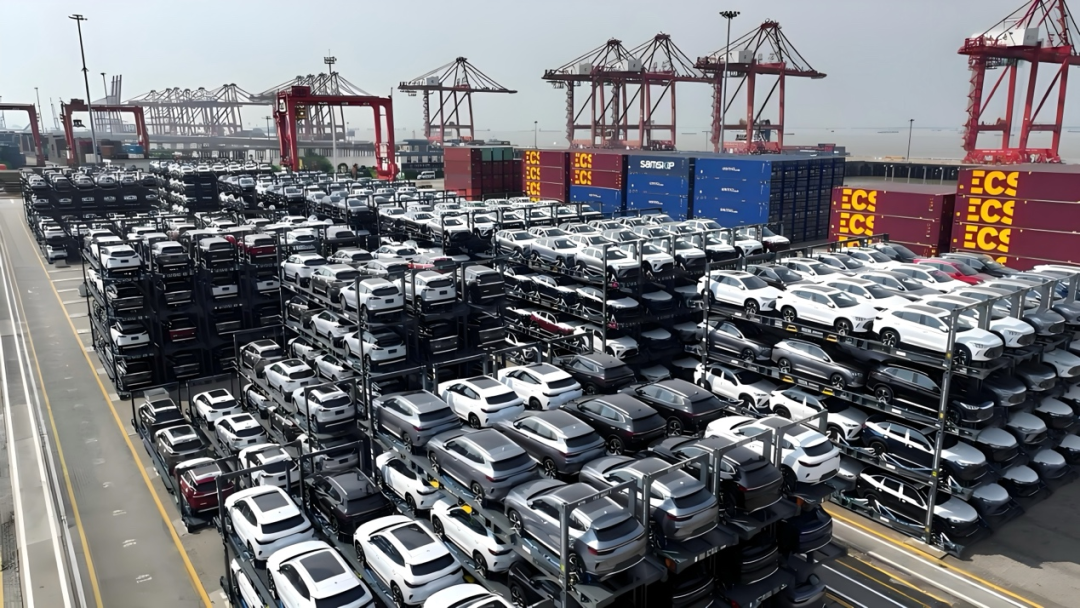
△ Saudi Arabia and the UAE are the main markets for Chinese automotive exports to the Middle East
Chinese Automakers Flock to the Middle East for Opportunities
Mainstream Chinese automakers have already established a presence in the Middle East market, with their market share steadily increasing in recent years.
In 2025, Chery Automobile maintained its position as the top-selling Chinese automaker in the Middle East, significantly outpacing BYD in second place. However, Chery's 25% sales decline highlights growing competition. To solidify its position, Chery must introduce more competitive products across the Middle East market. Following Chery is BYD, which achieved a 120% year-on-year growth in the Middle East, driven by surging demand for new energy models such as the Seal, Dolphin, and Han.
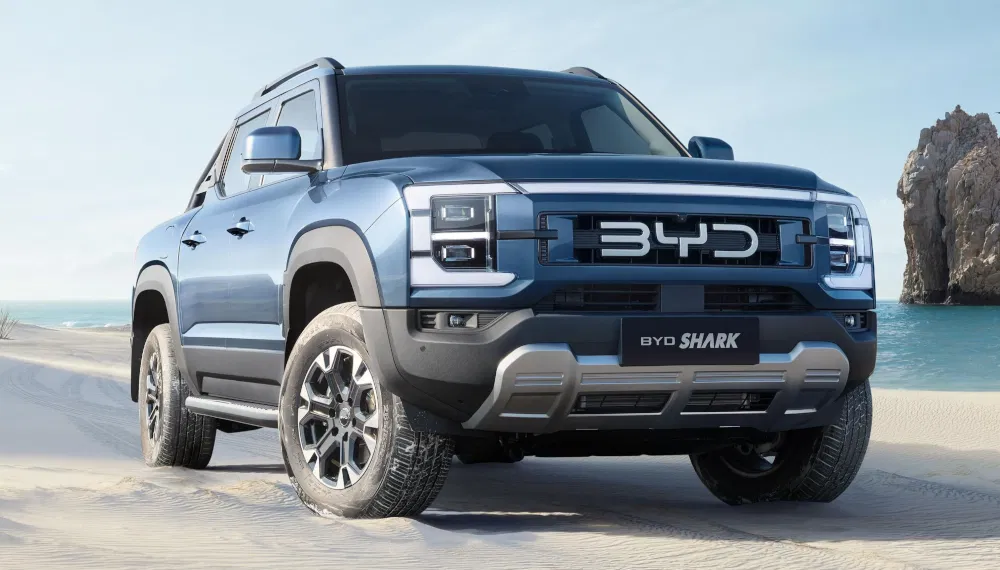
△ BYD saw a 120% year-on-year growth in the Middle East market last year
Notably, several domestic joint-venture automakers are also present among Chinese automakers in the Middle East. For multinational automakers with significant idle production capacity in China, leveraging Chinese manufacturing capabilities to serve overseas markets offers multiple benefits. It reduces idle capacity, improves profitability for domestic joint ventures, minimizes foreign investment, and enables more efficient global production scheduling. After over two decades of joint ventures, China's overall automotive manufacturing standards and quality now rank among the world's best. Combined with lower labor and logistics costs and a well-established automotive parts supply chain, more domestic joint ventures are expected to join the export ranks in the future.
UAE's New Energy Vehicle Market Holds Promise
Last year, the UAE's new vehicle market reached approximately 260,000-270,000 units, making it the second-largest auto market in the Middle East after Saudi Arabia. However, as seen in the table, China's annual new vehicle exports to the UAE far exceed its domestic market size. This is primarily due to the UAE's low tax rates, logistical convenience, and financial advantages, which facilitate the re-export of large volumes of Chinese vehicles to other markets. These markets not only cover other regions in the Middle East but also extend to Africa, Russia, and some CIS countries.
From a market perspective, the UAE's demand for desert off-roading makes pickup trucks and SUVs the dominant and popular vehicle types. Models like the Nissan Patrol, Toyota Hilux, and Land Cruiser, known for their strong off-road capabilities and high reliability, remain local favorites. Chinese automakers have seen rapid growth in the UAE over the past two years, with Chery's Jetour T2 entering the top sales rankings. Additionally, brands like MG, Geely, Haval, and Changan are experiencing rapid sales growth in the UAE.
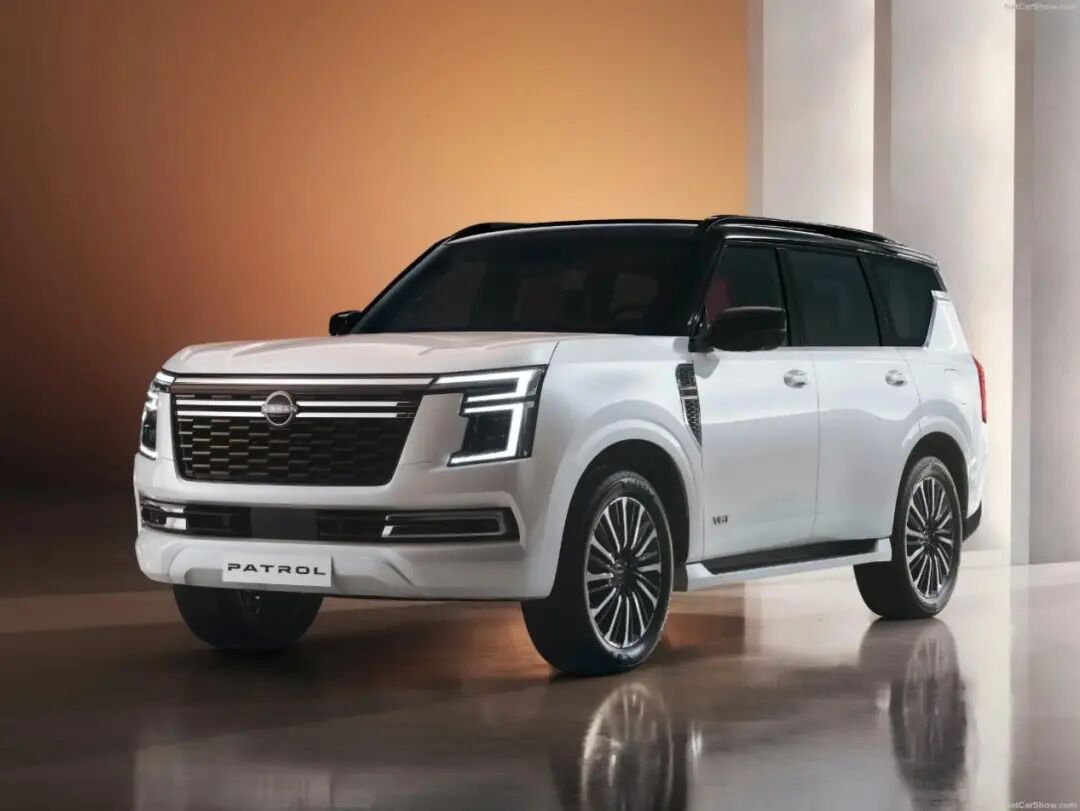
△ Models like the Nissan Patrol, known for their strong off-road capabilities and high reliability, are popular in the UAE
It is worth noting that despite its abundant oil reserves, the UAE has set a "Net Zero 2050" carbon neutrality goal, mandating that 50% of vehicles on its roads be electric or hybrid by 2050. To achieve this, the UAE government is prioritizing electric vehicles in government and public transportation fleets while aggressively building charging infrastructure and offering subsidies and incentives to individual EV consumers. For Chinese new energy vehicles, the UAE remains a pivotal market in the Middle East.
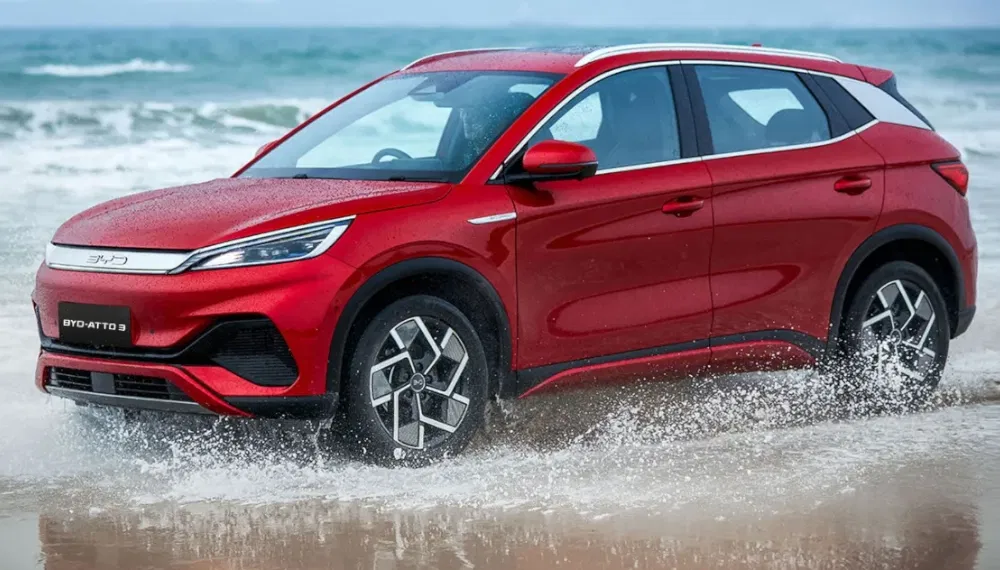
△ With the "Net Zero 2050" goal, the prospects for Chinese new energy vehicles in the UAE look promising
Saudi Arabian Auto Market Dominated by Japanese and Korean Brands
In 2025, Saudi Arabia's auto sales reached approximately 860,000-900,000 units, making it the largest auto market in the Middle East and ranking among the top 20 globally.
A review of brand sales reveals that the Saudi new vehicle market is predominantly monopolized by Japanese and Korean brands. Toyota leads with about a 28% market share, driven by its durability, high resale value, and extensive dealer network. Following Toyota, Hyundai and Kia together hold a 23% market share, wielding significant influence in the Saudi auto market.
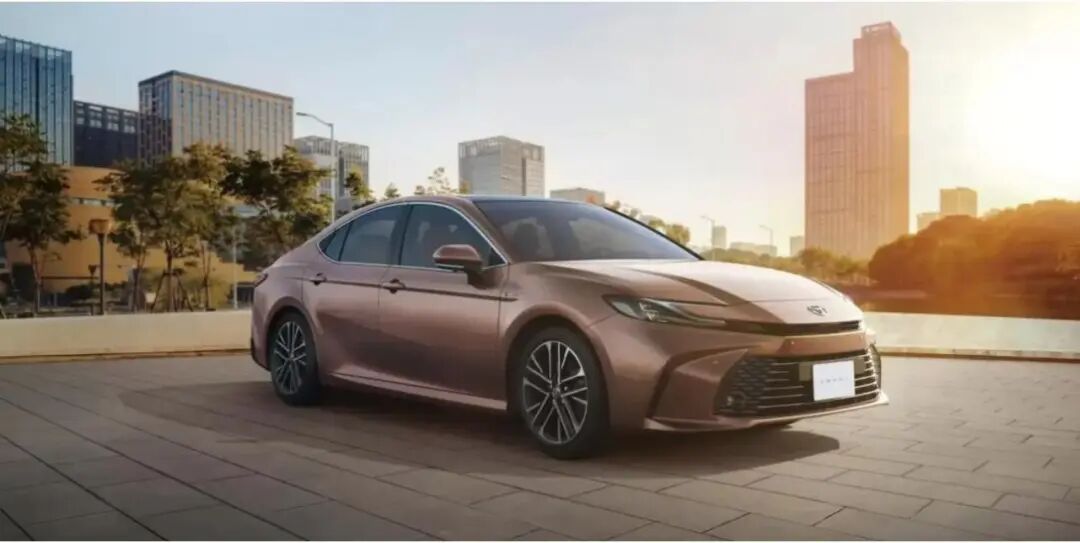
△ The Saudi auto market remains dominated by Japanese and Korean automakers
Changan is the top-selling Chinese automotive brand in Saudi Arabia, with the CS75 Plus and UNI-T being its best-selling models. Changan's success in Saudi Arabia is attributed to its high cost-performance ratio and a diverse SUV lineup. Other Chinese brands like SAIC MG, Geely, Chery, and Great Wall are also deepening their presence in the Saudi market. However, Chinese brands still lag far behind Toyota and Hyundai in local influence and have lower resale values. Much work remains to establish a firm foothold in the Saudi market.
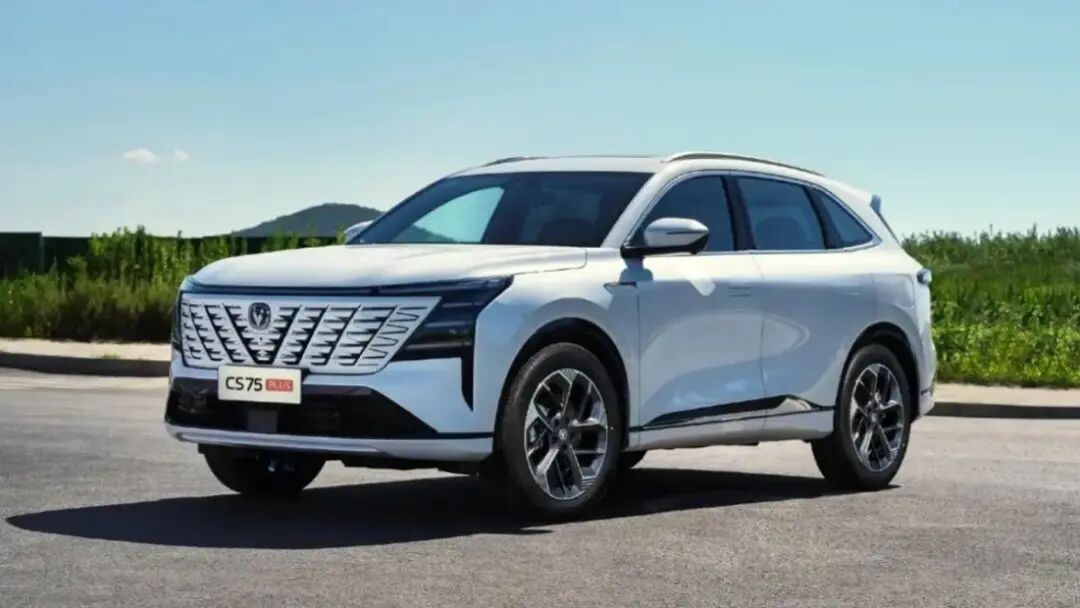
△ Changan is the top-selling Chinese automotive brand in Saudi Arabia
Additionally, Chinese automakers should note that Saudi Arabia is actively developing its domestic automotive industry. Hyundai plans to establish a factory in Saudi Arabia by 2026, while electric vehicle brands Lucid and Ceer are already building their own facilities in the country. To achieve breakthroughs in Saudi Arabia, Chinese automakers must consider local factory layout (layout) as part of their strategic planning.
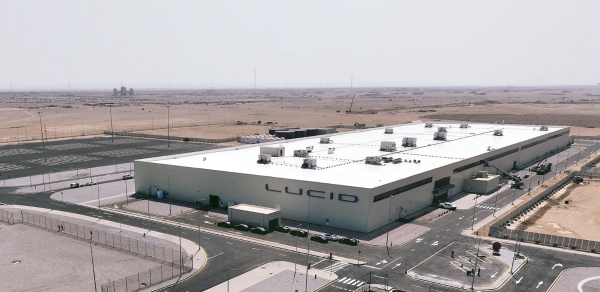
△ Saudi Arabia is actively building its automotive industry
Impact of War on Chinese Automakers
Although Iran itself is not a primary destination for Chinese automotive exports, the ongoing conflict between Iran and the US/Israel could cause incalculable losses for Chinese automakers if it remains unresolved in the short term.

△ The Middle East war has significantly impacted Chinese automakers
The escalating tensions in the Middle East will inevitably lead to a decline in auto market demand. As China's primary target market in the Middle East, the UAE's economy will suffer a substantial blow from the conflict. Consequently, overall auto sales in the UAE and across the Gulf region are expected to decline, making it difficult for Chinese automakers to match last year's export volumes in 2026.
Furthermore, vehicle production costs are rising. With the outbreak of hostilities, Iran has threatened and effectively blockaded the Strait of Hormuz, causing global oil prices to surge and driving up upstream automotive raw material costs like rubber and plastics. In 2025, the profit margin for China's automotive industry was around 3-5%. Starting in 2026, significant price hikes for memory chips have already placed considerable pressure on automakers. If combined with further increases in raw material costs, profit margins will be further squeezed. Additionally, rising oil prices will lead to higher shipping costs, which is unfavorable for automakers selling in the Middle East.

△ Rising oil prices will trigger a new wave of raw material price increases
However, as consumers worldwide become aware of the increased vehicle ownership costs due to soaring oil prices, they may shift their attention to Chinese automakers' stronger suit—new energy vehicles, particularly electric vehicles. In this scenario, even if purchasing power in the Middle East temporarily weakens, growth in new energy vehicle sales in Europe, Southeast Asia, South America, and Africa could offset some of the sales declines. Overall, the oil price hikes and subsequent global economic inflation caused by the war will inevitably impact automakers to some extent.
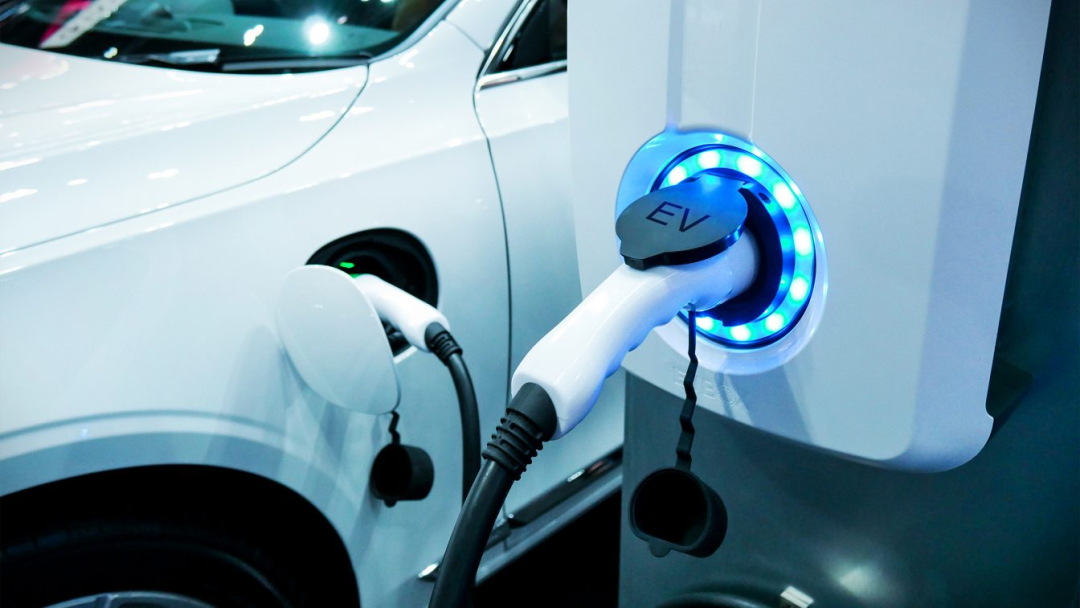
△ Electric vehicle sales are expected to receive a boost from rising oil prices
Commentary
The US and Israel's initiation of war against Iran has opened Pandora's box in the Middle East, leaving the region's future direction filled with uncertainties. For Chinese automakers, if the conflict remains unresolved or reaches a stalemate, their sales prospects in the Middle East will look bleak. Given the unpredictable international situation, especially in Dubai—once considered a hotspot for investment but now caught in the crossfire of war—Chinese automakers must conduct thorough risk assessments before venturing overseas. Even for low-probability black swan events like war, contingency plans must be prepared in advance.
(This article is original to Heyan Yueche and cannot be reproduced without authorization)
-
![]()
The Unstoppable Rise of 'Optical Progress and Copper Decline': Sunny Optical’s Strategic Vision for the Next Decade
-
![]()
AI + Going Global in the Second Half: No Intermission for Robot Vacuum Cleaners
-
![]()
The Suffering Endured in E-commerce, Walmart Doesn't Want to Repeat in AI
-
![]()
What Does the Doubling of New Energy Vehicle Exports Mean?
-
![]()
Ghosn: 'Only I Can Save Nissan'
-
![]()
Volkswagen Lays Off 100,000 Employees, The Elephant Sits Down
-
![]()
Expanding Production Capacity! Yutong Optics Acquires Approximately 1.5 Hectares of Industrial Land in Chang'an, Dongguan
-
![]()
Why Is Nokia Making a Comeback in the AI Era?