Honda Records First Annual Loss in 69 Years Post-IPO: Is Electrification Strategy Misalignment to Blame?
 03/19 2026
 507
507
Author: Chen Jia
Produced by: Insight Auto
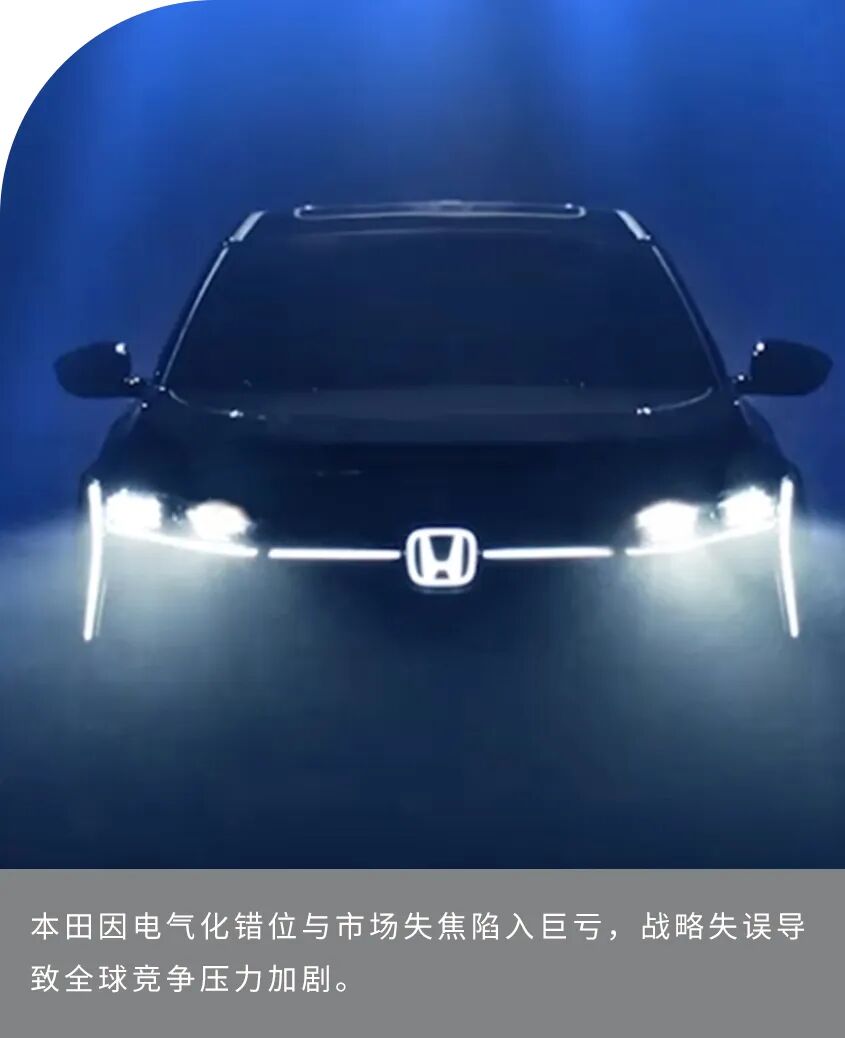
On March 12, Honda Motor reported its first annual loss since going public 69 years ago, dramatically revising its operating forecast for the 2025 fiscal year from a projected profit of JPY 550 billion to a loss ranging between JPY 270 billion and JPY 570 billion. Concurrently, it canceled R&D plans for several pure electric models in North America, sparking significant market upheaval.
Once a leading example of electrification transformation among Japanese automakers, Honda's substantial losses stem from a mix of strategic missteps, market misalignment, and escalating global competition.

A Dramatic Turnaround: From Anticipated Profits to Multi-Billion-Yen Losses
On March 12, Honda Motor, one of Japan's top three automakers, made a startling announcement, revealing its first annual loss for the 2025 fiscal year (April 2025-March 2026) since its IPO in 1957. This long-delayed loss report not only dealt a severe blow to Honda but also underscored the collective uncertainty traditional Japanese automakers face amid the global automotive industry's transformation.
The scale of the financial reversal was astonishing: Honda slashed its 2025 fiscal year operating forecast from a profit of JPY 550 billion to a loss of JPY 270 billion to JPY 570 billion (approximately RMB 11.6 billion to RMB 24.7 billion). Net losses were projected to hit JPY 420 billion to JPY 690 billion (approximately RMB 18.2 billion to RMB 29.9 billion), a stark contrast to the earlier profit expectation of JPY 300 billion.

On the same day, Honda also announced the cancellation of R&D and launch plans for certain electric vehicle models initially slated for production in the United States. This single strategic shift was expected to result in total costs and losses of up to JPY 2.5 trillion (approximately RMB 108.2 billion).
The market reacted swiftly. In pre-market trading, Honda's U.S.-listed shares plummeted nearly 8%. By the close of Japanese stocks on March 12, its share price stood at JPY 1,448.5, with a total market capitalization of JPY 7,648.1 billion.

Dual Challenges: Misaligned Strategy and Path Dependency
The sustained decline in profitability was the immediate catalyst for Honda's困境 (predicament, a more natural English term). In its announcement, Honda conceded that the drop in automotive business profitability stemmed from two key factors: first, changes in U.S. tariff policies directly impacted its fuel-powered and hybrid vehicle businesses, which remain Honda's primary profit drivers; second, an overemphasis on pure electric R&D resources led to a steady erosion of product competitiveness in the Asian market.
Data revealed that Honda's annual sales in China for 2025 reached only 645,300 units, a 24.28% year-on-year decline, marking the fifth consecutive year of contraction. In February alone, its monthly sales were nearly eclipsed by Chinese newcomers such as HiPhi and Leapmotor, eroding the luster of its former joint venture dominance.
The deeper root of Honda's losses lay in strategic indecision and miscalculations. Honda had set an ambitious goal of "achieving carbon neutrality across the entire industrial chain by 2050" and heavily invested in the pure electric vehicle (EV) sector, while neglecting to account for differentiated global market dynamics. In the United States, relaxed fossil fuel regulations and adjustments to pure EV subsidy policies resulted in slower-than-anticipated growth in the pure EV market.
Honda admitted: "Electric vehicle demand in the U.S. market is less than half of previous expectations."
In China, consumer preferences had shifted from hardware attributes like fuel efficiency and space to sustainably upgradable software functionalities. However, Honda's insistence on in-house developed intelligent systems left its product cost-effectiveness lagging far behind Chinese competitors, trapping it in a precarious "high-input, low-output" scenario.
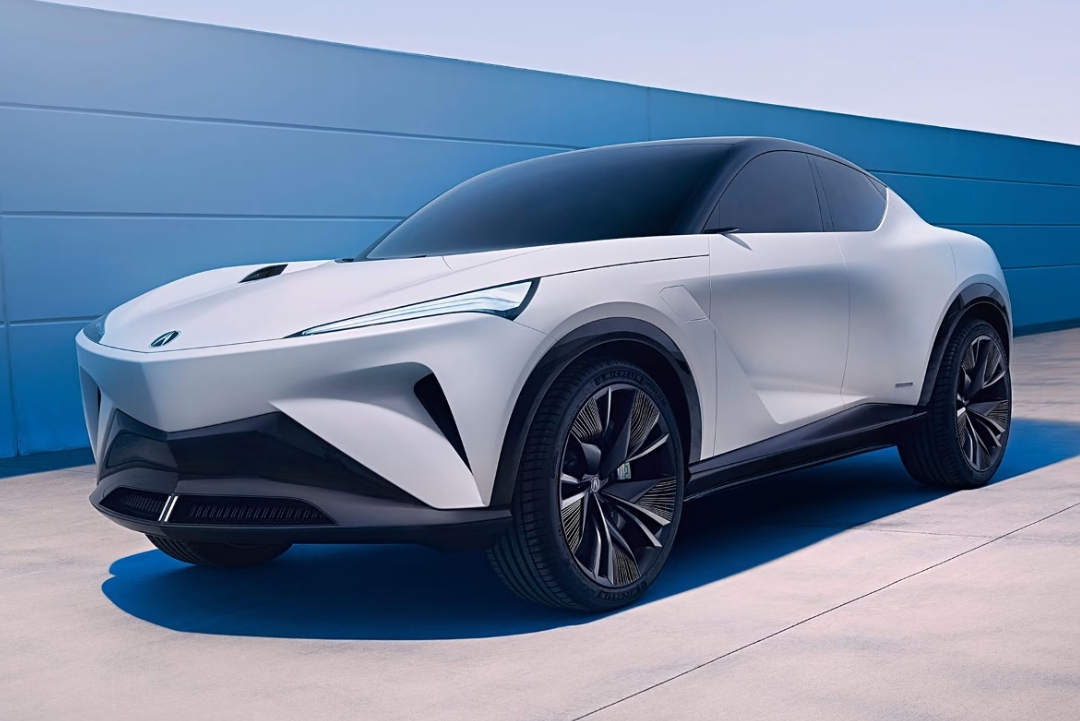
The cancellation of R&D and launch plans for three North American pure electric models (Honda 0 Series SUV, sedan, and Acura RSX) appeared to be a timely cost-cutting measure but actually exposed the disarray in Honda's strategic planning.
It was reported that this adjustment would inflate operating costs by JPY 820 billion to JPY 1,120 billion in the current fiscal year's consolidated financial statements, result in equity method investment losses of JPY 110 billion to JPY 150 billion, and generate special losses of JPY 340 billion to JPY 570 billion in non-consolidated financial statements.
To shoulder responsibility for the strategic blunders, Honda's President and Vice President forfeited their short-term performance bonuses for the current fiscal year, and some executives voluntarily took a 20-30% pay cut. However, these measures could scarcely recoup the massive losses incurred by strategic misjudgments.
Honda's predicament mirrors the collective dilemma faced by Japanese automakers. Their long-standing reliance on hybrid and hydrogen fuel cell technologies has left them trailing in the pure EV race; their sluggish response to global market shifts has made it difficult to counter the impact of Chinese newcomers and policy changes in European and U.S. markets.
The first annual loss in 69 years since going public marks Honda's "darkest hour" and serves as a stark warning for traditional automakers navigating the electrification and intelligence wave sweeping the global automotive industry. In this transformative era, no giant can afford to rest on its laurels.
END
-
![]()
The Unstoppable Rise of 'Optical Progress and Copper Decline': Sunny Optical’s Strategic Vision for the Next Decade
-
![]()
AI + Going Global in the Second Half: No Intermission for Robot Vacuum Cleaners
-
![]()
The Suffering Endured in E-commerce, Walmart Doesn't Want to Repeat in AI
-
![]()
What Does the Doubling of New Energy Vehicle Exports Mean?
-
![]()
Ghosn: 'Only I Can Save Nissan'
-
![]()
Volkswagen Lays Off 100,000 Employees, The Elephant Sits Down
-
![]()
Expanding Production Capacity! Yutong Optics Acquires Approximately 1.5 Hectares of Industrial Land in Chang'an, Dongguan
-
![]()
Why Is Nokia Making a Comeback in the AI Era?