New Energy Vehicles Match Sports Cars in Width—Is Parking a Headache? Only Smart Driving Holds the Key", "New energy vehicles, wide body, parking challenges, intelligent parking, smart driving technol
 03/23 2026
 432
432
(Image source: Xiaohongshu screenshot)
To be fair, many new energy vehicles are indeed wider than their gasoline-powered counterparts in the same class. However, automakers didn’t arbitrarily widen them—they did so in response to consumer demand. The advantages of a wider body far outweigh its inconveniences.
Don’t just dwell on the inconveniences—you’re reaping the benefits of a wider body
If you only see the complaints, you might wonder: How much wider are NEVs compared to gasoline vehicles?
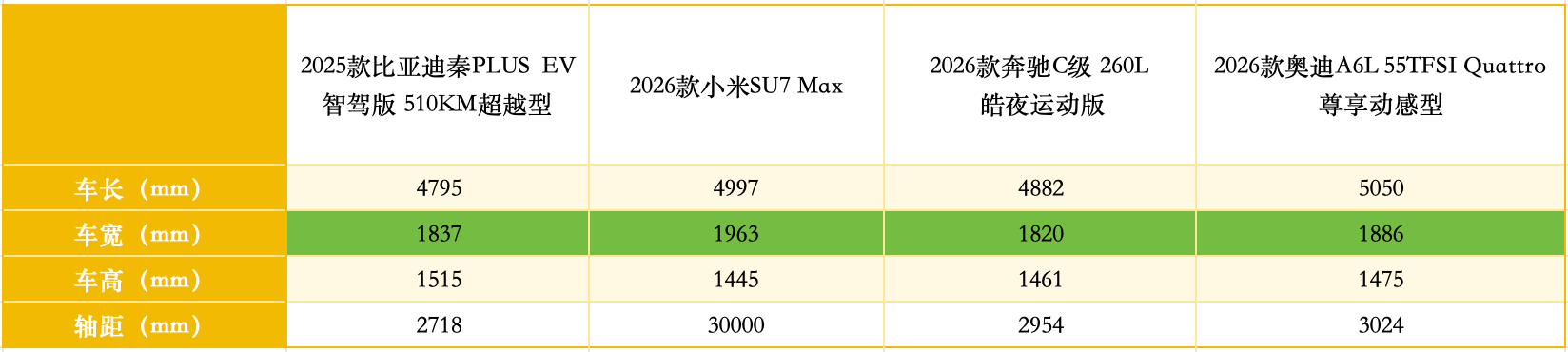
Dianchetong compared four popular models:
The 2025 BYD Qin PLUS EV is 87mm shorter in length and 236mm shorter in wheelbase than the Mercedes-Benz C-Class but is 17mm wider.
The 2026 Xiaomi SU7 is 53mm shorter in length and 24mm shorter in wheelbase than the Audi A6L but is 77mm wider.
These NEVs clearly outshine their gasoline-powered counterparts in width, making them more “robust” within the same segment.
(Image source: Dianchetong production)
Today, new energy C-class sedans typically approach 2 meters in width. Meanwhile, domestic standard parking spaces are no less than 2.4 meters wide, excluding lines. Many parking lots cram in more cars by reducing the effective width to just 2.2 meters after accounting for lines. Some residential parking spaces are as narrow as 1.8 meters, making parking a challenge even for skilled drivers in compact cars.
As vehicles get wider and parking spaces narrower, parking difficulties become inevitable.
So why do automakers insist on wider bodies? There are two core reasons.
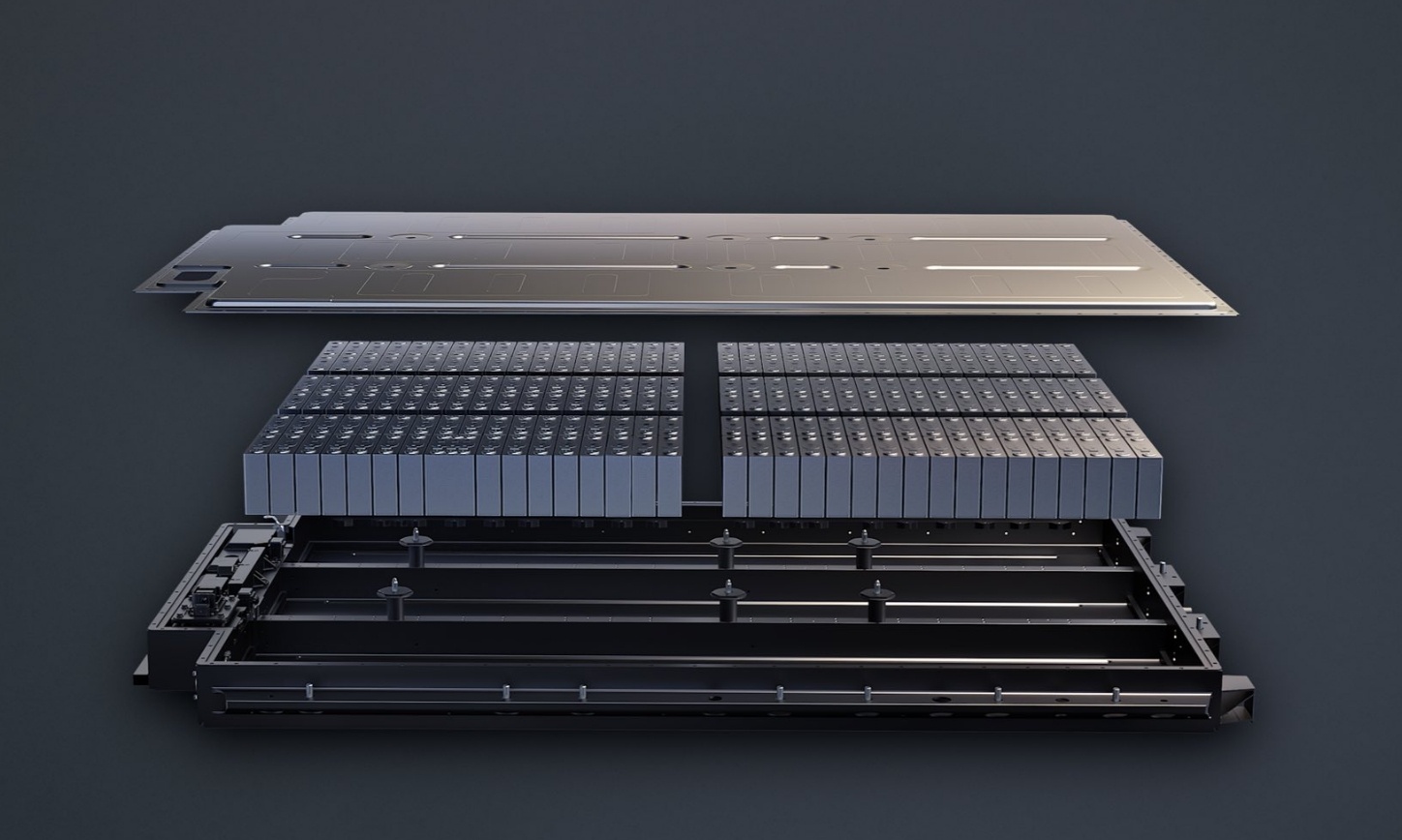
First, to accommodate flat battery layouts and optimize interior space.
NEV batteries are mounted on the chassis. To maximize range with larger batteries—without the rear floor hump seen in gasoline vehicles—widening the body is the optimal solution. This not only preserves headroom but also enhances lateral passenger comfort.
(Image source: IM Motors)
Second, for superior performance.
NEVs' rapid acceleration isn’t just about motor torque—it also relies on a wide body for stability. High torque demands wider tires and a broader track width to prevent wheelspin during acceleration, necessitating wider wheel arches and a broader body.
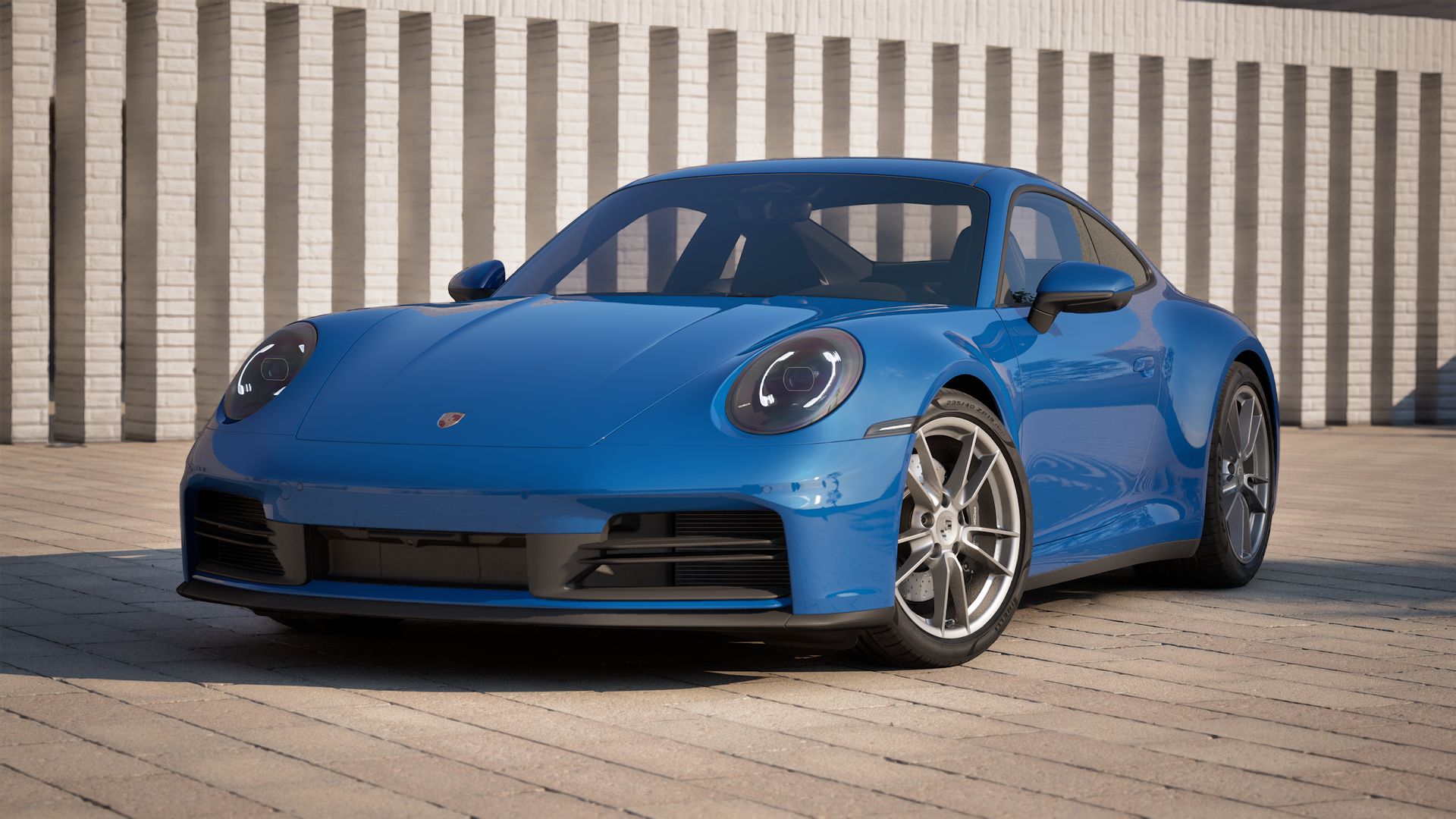
This isn’t new—sports cars have long followed this design. The 2026 Porsche 911 is shorter in length and wheelbase than the BYD Qin PLUS EV but is wider, for the same reason.
(Image source: Porsche)
The wider bodies of NEVs compared to their gasoline-powered counterparts offer larger battery capacities, stronger power outputs, and more spacious interiors. Despite complaints about parking difficulties, automakers are unlikely to abandon wide-body designs in an era focused on maximizing range and interior space.
Instead, parking challenges will be resolved through smart driving technology.
Today’s technology no longer requires surrendering to parking difficulties
Since the advent of automobiles, automakers have worked to solve user pain points, including parking.
In 1982, Toyota’s Corona introduced the first optional reverse parking radar, which alerted drivers with sound when approaching obstacles.
By 1991, Toyota’s Soarer became the first model to mass-produce a rearview camera system. Despite its low resolution (320×240) and rear-only view, it marked the beginning of a new era, transitioning from audio to visual aids. Today, with higher-resolution cameras and clearer infotainment screens, 360-degree imaging has become standard in domestic vehicles, significantly reducing parking difficulty.
Human parking evolution has shifted from “relying on experience” to “relying on technology.”
In the NEV era, wide-body designs once again challenge drivers’ parking skills. Fortunately, while parking difficulty rises, technology advances. Automated parking (narrowly defined) and “leave-and-park” features will become core solutions to parking challenges.
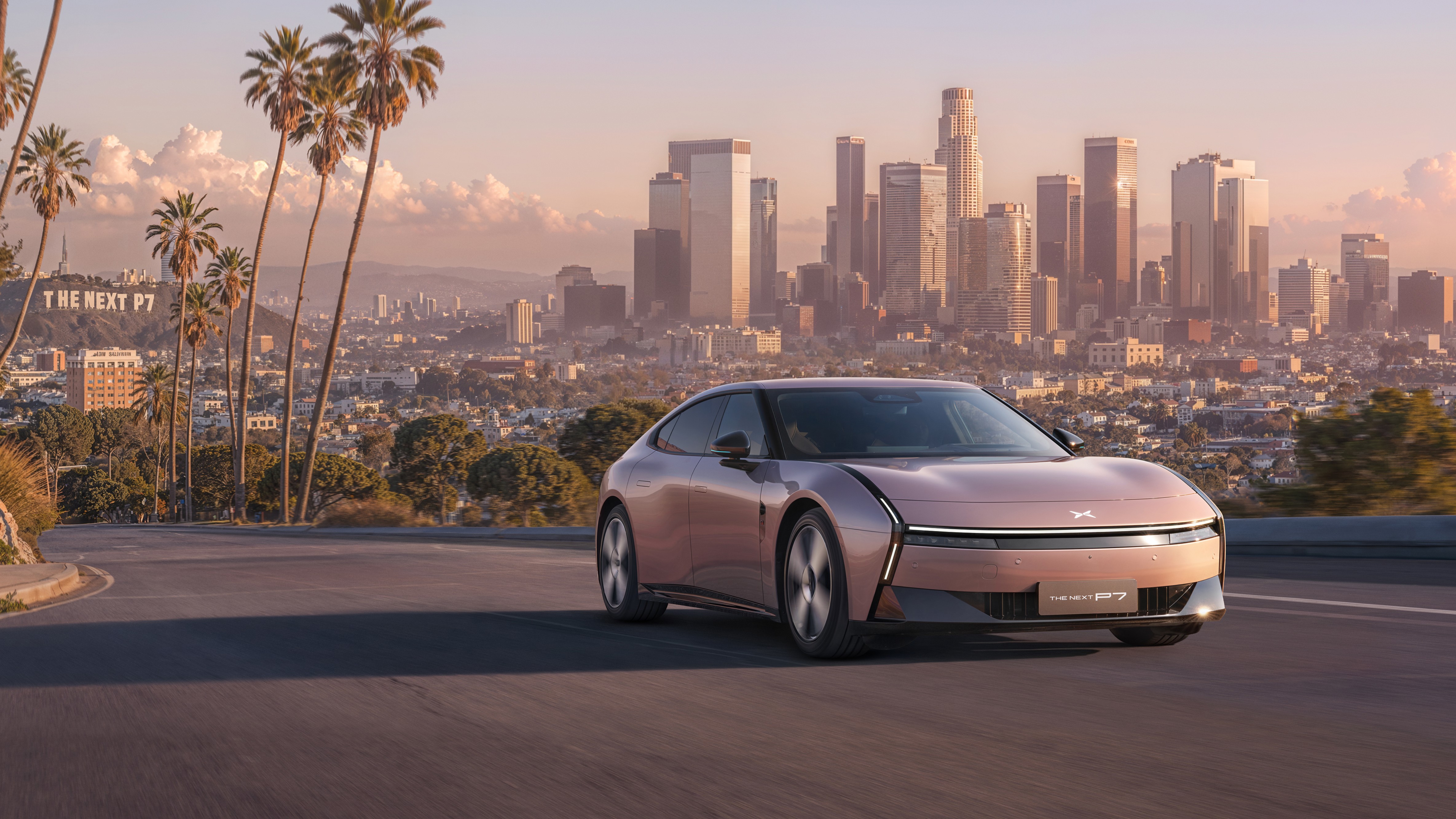
(Image source: XPENG Motors)
Both technologies use smart driving assistance systems to park automatically. The difference lies in driver requirements: automated parking requires the driver to stay in the vehicle during parking to take over if the system fails. “Leave-and-park” allows the driver to exit before parking begins, with the vehicle autonomously parking or even searching for empty spaces. Drivers can leave the parking lot immediately, leaving the rest to the system.
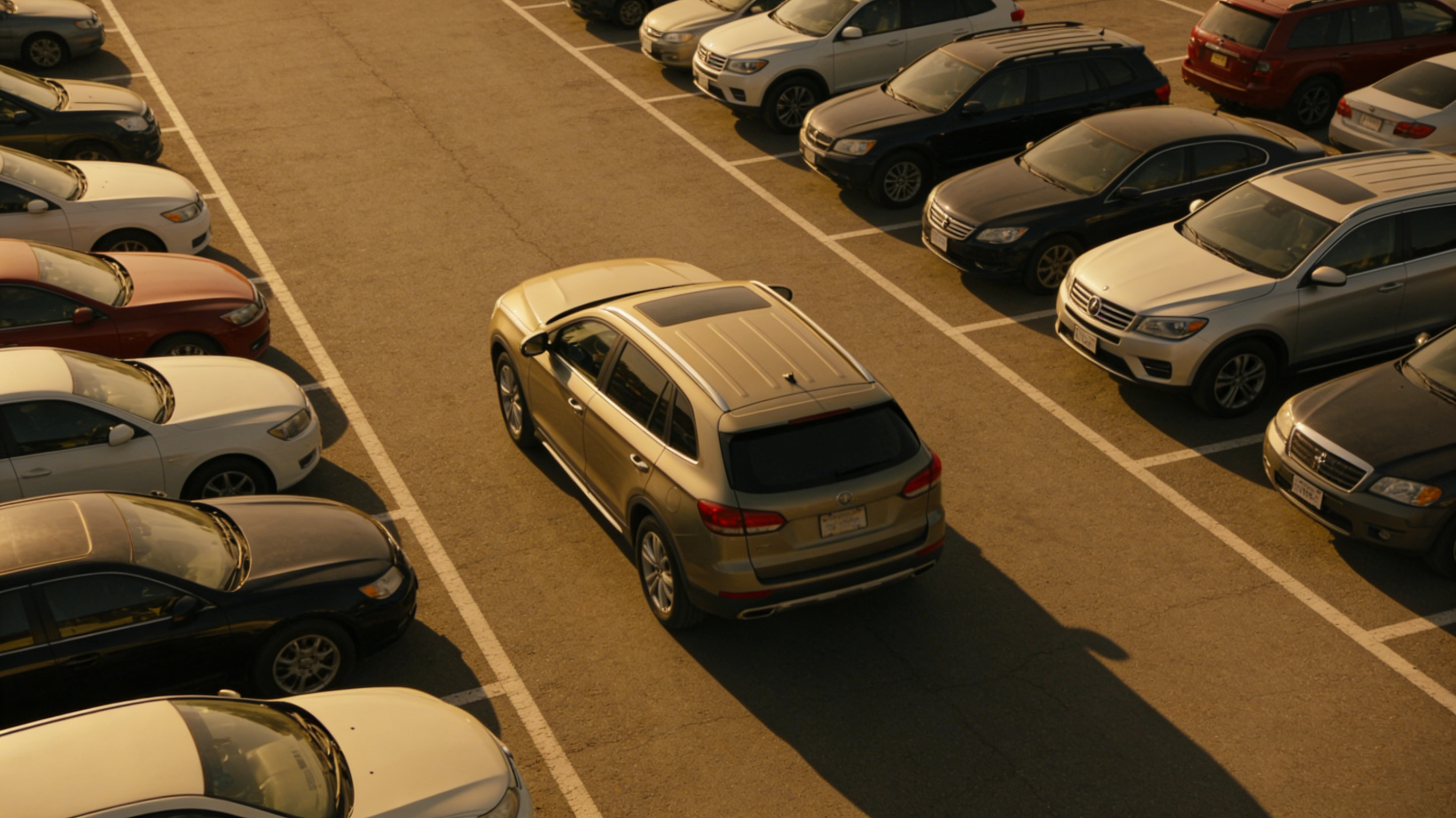
(Image source: Doubao AI)
In terms of experience, “leave-and-park” is superior to automated parking, as it eliminates the need to wait in the vehicle. Drivers can exit early and unload cargo without worrying about inconvenient egress after parking.
However, consumers currently lack full trust in smart driving assistance systems and remain concerned about collisions during automated or “leave-and-park” operations.
To address this, automakers must fulfill two responsibilities: first, improve smart parking capabilities through technological iteration to reduce accidents; second, assume liability for accidents caused by smart parking systems.
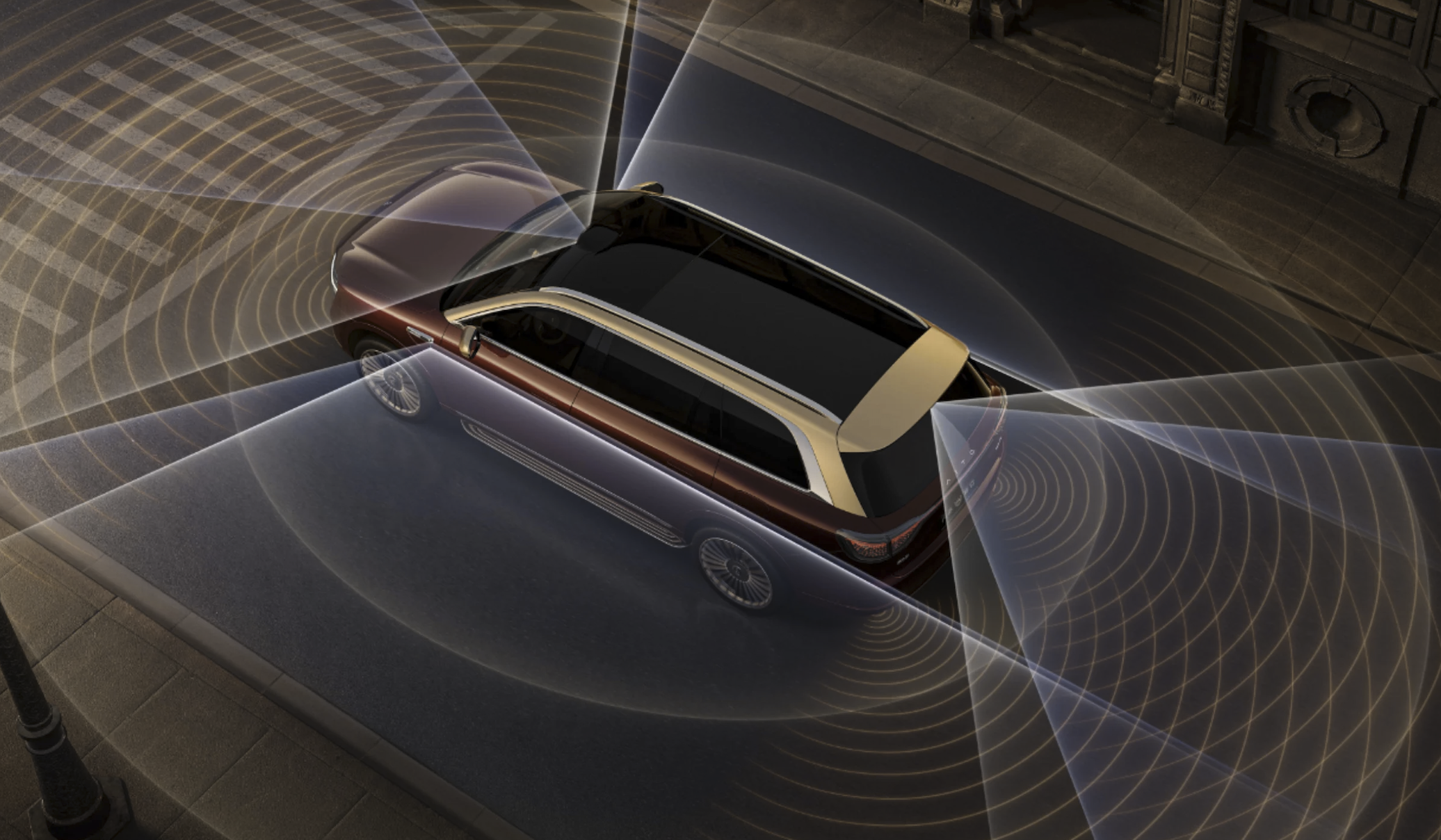
(Image source: Harmony Intelligent Mobility)
In July 2025, BYD launched L4-level smart parking and committed to covering accident costs, eliminating insurance claims and preventing premium hikes. Other automakers, such as Harmony Intelligent Mobility and XPENG, have also introduced safeguards for smart driving assistance systems.
Technology provides confidence, while liability coverage builds trust—this is what smart driving should be.
Legally, Level 3 and below autonomous driving functions still require drivers to monitor vehicle status and be ready to take over at all times. If an accident occurs due to a driver’s failure to intervene, the automaker bears no responsibility.
However, Level 3 autonomous driving technology remains in testing, with no timeline for private vehicle adoption—let alone Level 4.
Given BYD’s liability coverage for smart parking and other automakers’ gradual guarantees for smart driving systems, along with their forays into insurance, leading NEV companies will likely assume responsibility for smart parking and even navigated assisted driving before Level 4 autonomy arrives.
Two factors drive this shift: confidence in smart driving technology and competition among automakers, which pushes them to offer better services and safeguards.
The “width” problem will ultimately be solved by technology
The wider bodies of NEVs compared to gasoline vehicles result from balancing range, power, and space. While this increases parking difficulty, the benefits—longer range, larger interiors, and stronger performance—are undeniable.
Automakers won’t abandon wide-body designs due to parking challenges. Instead, they will retain these designs and their advantages while resolving parking issues through technological upgrades.
Huawei’s 2025 mobility report revealed over 330 million uses of its Qiankun smart driving-assisted parking system, with Automated Parking Assist (APA) accounting for 62.3%. More owners are embracing smart parking, suggesting it will become a standard feature in NEVs.
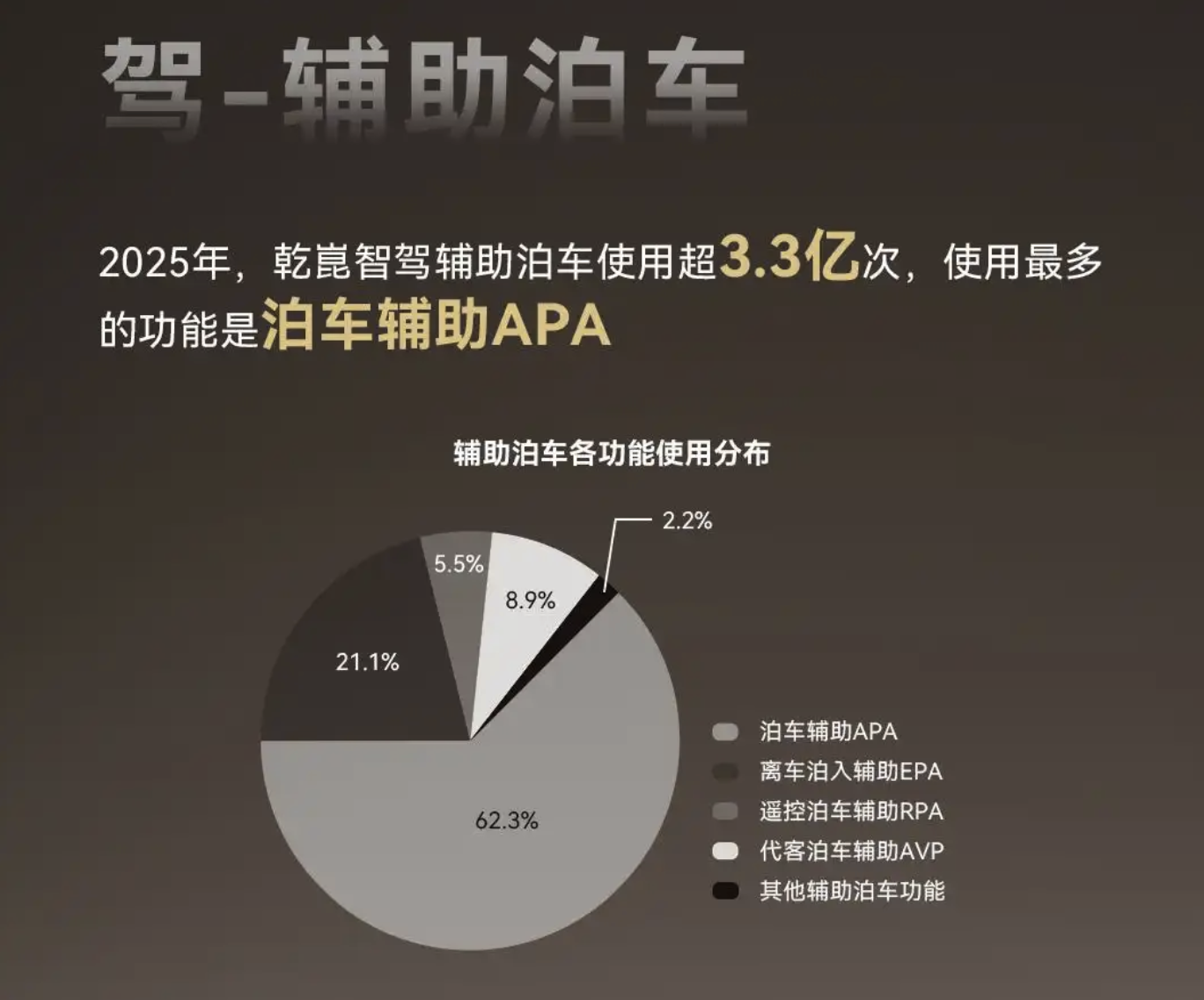
(Image source: Huawei)
Beyond improving smart driving capabilities, automakers must democratize smart parking technology to benefit all owners. MIIT data shows that L2-assisted driving vehicle sales in China grew 21.2% year-on-year in the first three quarters of 2025, with a 64% penetration rate.
Clearly, automakers are advancing toward liberating drivers and enhancing safety through smart driving.
The ultimate solution to NEV parking challenges is eliminating the need for drivers to park. Decades of reverse radars and rearview cameras failed to fundamentally solve the issue.
Smart parking technology will finally end parking difficulties. Some owners already enjoy its convenience, and technological upgrades and accessibility will gradually extend these benefits across all price ranges, allowing every consumer to experience how technology transforms life.
Vehicles can keep getting wider, but parking must become easier.
Cover image source: Doubao AI
BYD, XPENG, smart parking, autonomous driving, new energy vehicles
Source: Leikeji
Images in this article are from 123RF’s licensed library.
-
![]()
The Unstoppable Rise of 'Optical Progress and Copper Decline': Sunny Optical’s Strategic Vision for the Next Decade
-
![]()
AI + Going Global in the Second Half: No Intermission for Robot Vacuum Cleaners
-
![]()
The Suffering Endured in E-commerce, Walmart Doesn't Want to Repeat in AI
-
![]()
What Does the Doubling of New Energy Vehicle Exports Mean?
-
![]()
Ghosn: 'Only I Can Save Nissan'
-
![]()
Volkswagen Lays Off 100,000 Employees, The Elephant Sits Down
-
![]()
Expanding Production Capacity! Yutong Optics Acquires Approximately 1.5 Hectares of Industrial Land in Chang'an, Dongguan
-
![]()
Why Is Nokia Making a Comeback in the AI Era?