Gross Profit Margin Surpasses Li Auto! XPENG Achieves Profitability: 380 Million Profit in Q4! He Xiaopeng Sets New Three-Year Vision | Mingjing Pro
 03/23 2026
 521
521
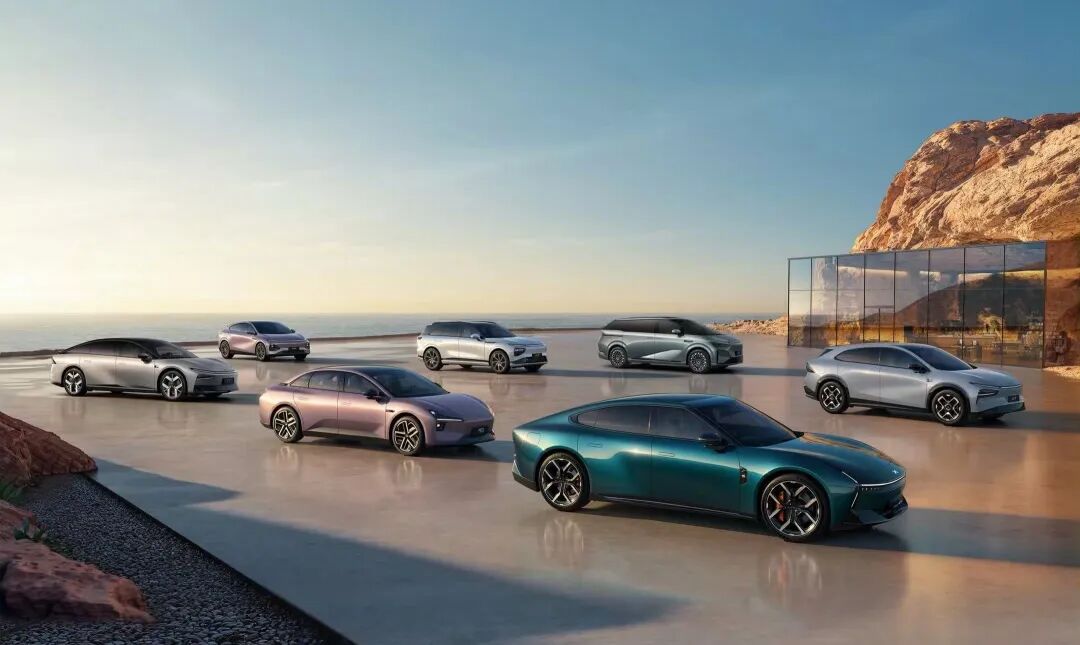
"From steady progress in 2025 to a new three-year phase of stable advancement and breakthroughs starting in 2026." On the evening of March 20, He Xiaopeng, Chairman of XPENG Motors, wrote these words on Weibo after the 2025 financial results briefing, also setting new goals: "In the new year, we will achieve continuous progress in AI-driven development, cross-domain integration, ecological layout , and global expansion!" From these remarks, it is evident that He Xiaopeng is excited after achieving the first single-quarter profit.
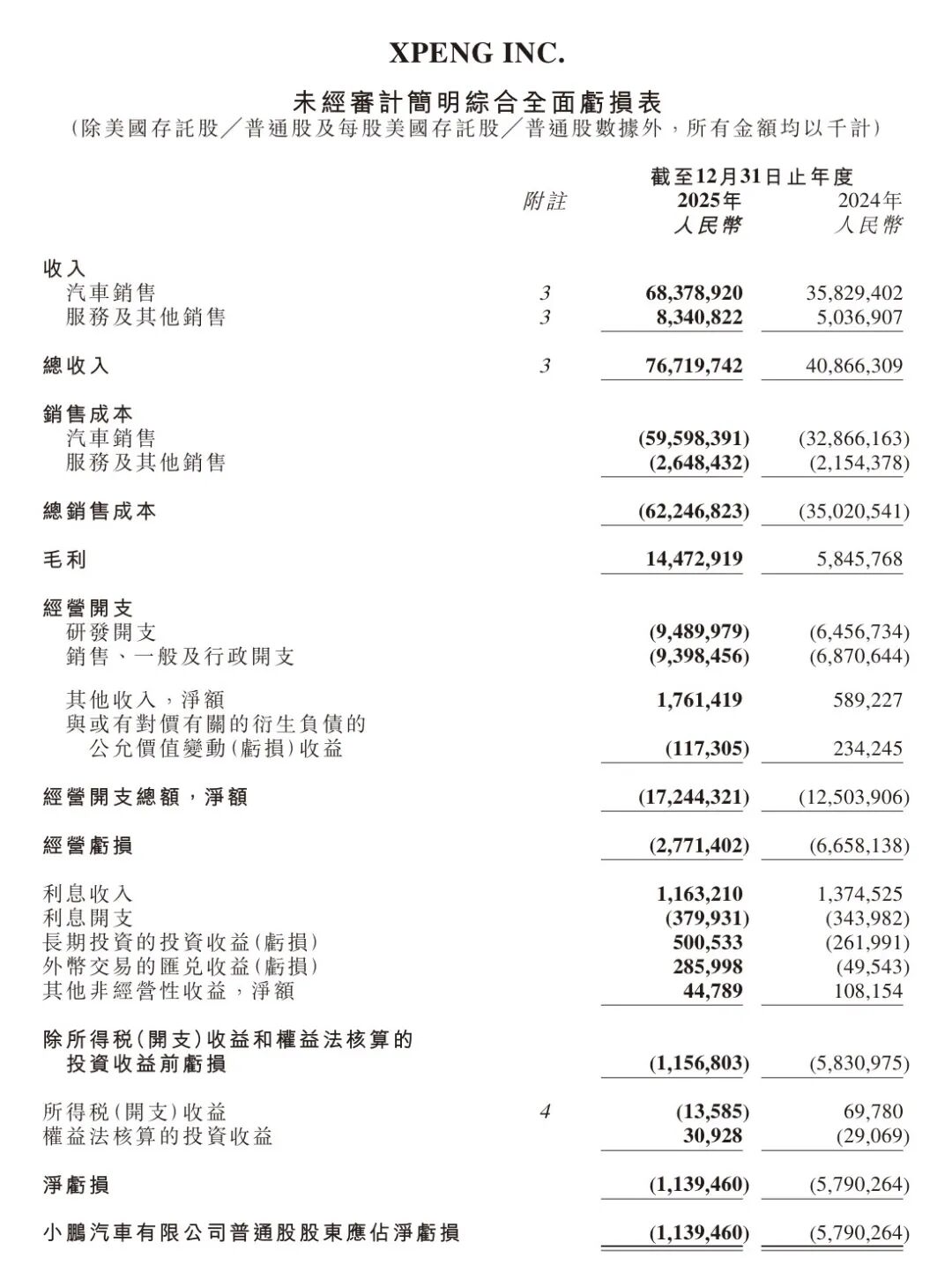
In 2025, XPENG's annual deliveries reached 429,445 units, a 126% year-on-year increase. "In 2025, we not only achieved rapid scale growth but also significantly improved operational capabilities year-on-year," said He Xiaopeng. Financial results showed that in Q4 2025, XPENG's revenue was 22.25 billion yuan, a 38.2% year-on-year increase and a 9.2% quarter-on-quarter increase; net profit was 380 million yuan, compared to a loss of 1.33 billion yuan in the same period last year, marking the first single-quarter profit.
With this, all four new energy vehicle makers—Li Auto, Leapmotor, NIO, and XPENG—have achieved quarterly profitability. For the full year of 2025, XPENG's revenue was 76.72 billion yuan, an 87.7% year-on-year increase; net loss was 1.14 billion yuan, significantly narrowed from a loss of 5.79 billion yuan in the same period in 2024. Next, XPENG will move toward full-year profitability.
From the latest financial results of the four companies, Li Auto, which first achieved profitability, remains the most profitable despite a performance decline in 2025. Its 2025 revenue was 112.3 billion yuan, a 22.3% year-on-year decrease; net profit attributable to shareholders was 1.1 billion yuan, an 85.8% year-on-year decrease. Leapmotor also achieved annual profitability for the first time in 2025, with full-year revenue of 64.73 billion yuan, a 101.3% year-on-year increase; net profit attributable to shareholders was 540 million yuan. NIO, which achieved quarterly profitability alongside XPENG, earned 283 million yuan in Q4 but still had a relatively large annual loss, with full-year revenue of 87.488 billion yuan, a 33.1% year-on-year increase; net loss attributable to shareholders was 15.571 billion yuan, narrowed by 31.3% from 22.672 billion yuan in 2024.
From a gross profit margin perspective, XPENG's 2025 gross profit margin surprisingly surpassed Li Auto's, making it the highest among the four. Financial results showed that XPENG's comprehensive gross profit margin was 18.9% in 2025, a 4.5 percentage point increase from 2024; especially in Q4, it reached 21.3%, a record high. In comparison, Li Auto's comprehensive gross profit margin was 18.7% in 2025, Leapmotor's was 14.5%, and NIO's was 13.6%.
However, in terms of vehicle gross profit margin, Li Auto remained the highest. In 2025, Li Auto's vehicle gross profit margin was 17.9%; NIO's was 14.6%, and XPENG's was 12.8%. Although XPENG's vehicle gross profit margin was the lowest among the three, this figure improved by 4.5 percentage points from 8.3% in 2024, mainly due to cost reduction and efficiency improvement efforts and optimized product mix. Additionally, Leapmotor did not disclose its vehicle gross profit margin data in its financial report.
01 From Selling Cars to Selling Technology: XPENG Opens New Profitability Paths
"We believe that through technology-led development, a new business model will enable XPENG to achieve a profitability path completely different from traditional automakers in the future," said He Xiaopeng. The "technology-driven, completely different profitability path" he referred to includes technology R&D services as a key component. This is a high-margin revenue source, explaining the significant gap between XPENG's vehicle and comprehensive gross profit margins in 2025.
Financial results showed that in 2025, XPENG's service and other revenue reached 8.34 billion yuan, a 65.6% year-on-year increase; profit margin was 68.2%. XPENG stated that the growth in this revenue was mainly due to increased technology R&D service-related income from its cooperation with Volkswagen Group, in addition to parts and accessories sales and carbon credit trading income.
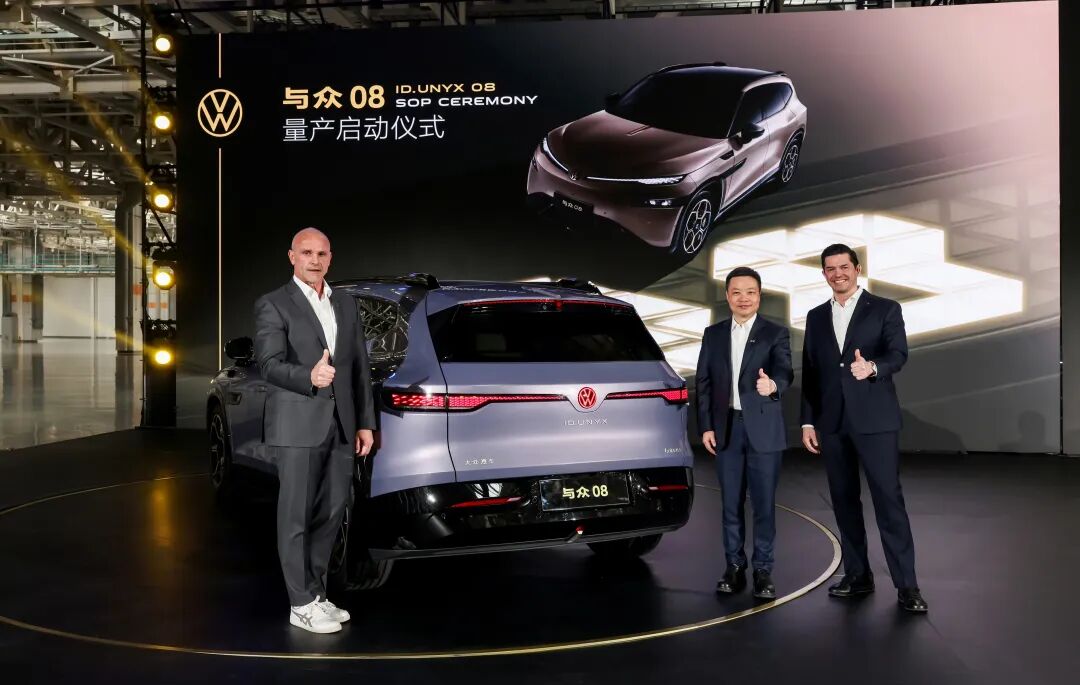
Volkswagen is the first customer for XPENG's Turing chip and second-generation VLA external cooperation. The first model from their cooperation, the "Zhong 08," will be equipped with two Turing chips and XPENG's VLA intelligent driving system, with plans to launch in the first half of this year. If the model performs well in the market, it will bring significant revenue growth for XPENG this year. With the increase in cooperative models and Volkswagen's continued electric vehicle sales, this collaboration alone is expected to provide XPENG with a continuous and stable revenue stream.
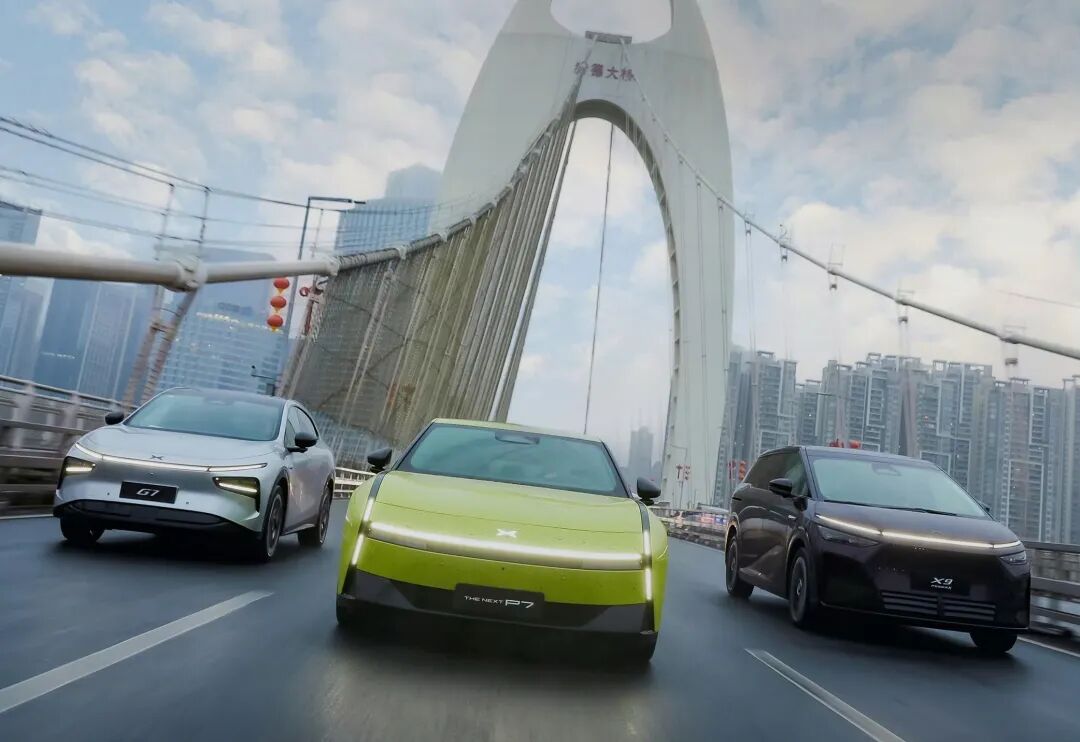
Continuously expanding sales volume is the foundation for XPENG to achieve full-year profitability this year. According to previous media reports, XPENG's sales target for 2026 is 500,000-650,000 units. The launch of the second-generation VLA is the first "major move" by XPENG to achieve this goal. He Xiaopeng revealed that since the introduction of VLA 2.0, the average daily test drive volume at XPENG stores doubled month-on-month in March, and sales of Ultra and Ultra SE models more than doubled. Starting from March 19, VLA 2.0 has been gradually rolled out to users, first covering the Ultra versions of the XPENG P7, followed by the Ultra versions of the XPENG G7 and X9 models. "We believe that once the full rollout is complete and the second-generation VLA is continuously upgraded, there will be higher customer traffic, further significant conversion rates, and an increase in the average selling price of all our models," said He Xiaopeng.
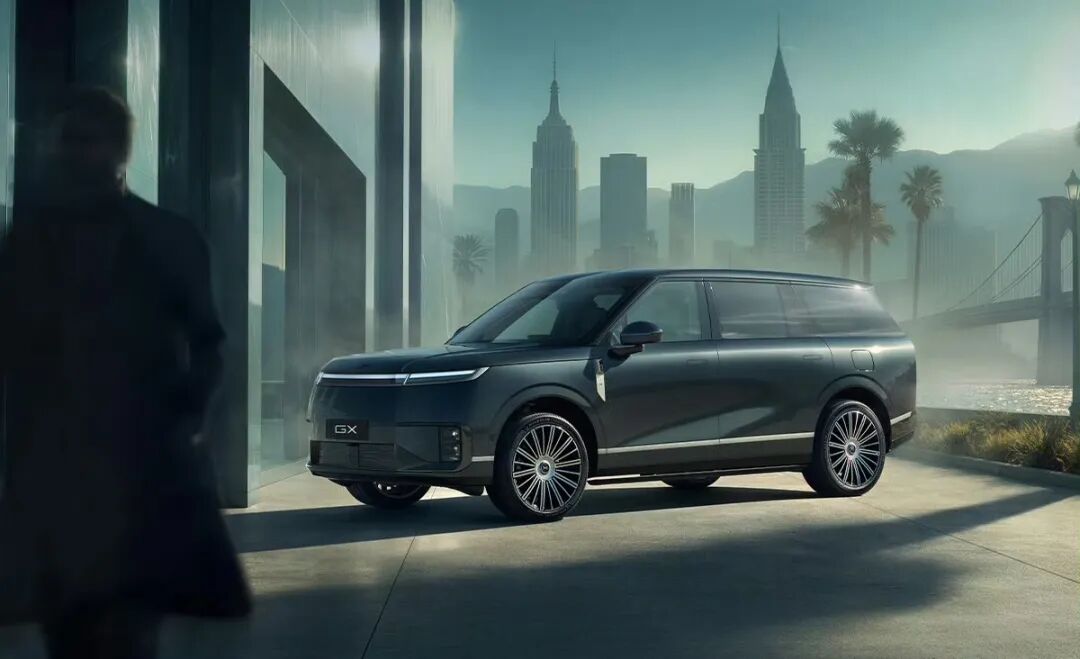
The second "major move" is product expansion. He Xiaopeng stated that 2026 is a critical year for XPENG's product line expansion and upgrade. Since the beginning of 2026, except for the MONA M03, all other XPENG models on sale have completed annual refreshes. As planned, XPENG will launch four new SUV models this year, including the GX and the first SUV in the MONA series. Among them, the GX will be officially launched in Q2, equipped with steer-by-wire and rear-wheel steering systems, and will be XPENG's first model with L4-level hardware and software capabilities. He Xiaopeng said, "With the mass production and delivery of the second-generation VLA and four new models, sales will continue to climb in the remaining quarters of this year, achieving far higher year-on-year growth than the industry in the second half of the year."
This year, XPENG will also focus on overseas markets, targeting a doubling of annual overseas sales and increasing overseas revenue to over 20% of total revenue. Based on last year's overseas sales of 45,000 units, XPENG's overseas sales target for this year is 90,000 units. "Europe will undoubtedly be our core market. In addition to Europe, the Southeast Asian market became an important growth driver for us last year, with rapid sales growth in Thailand, Indonesia, Malaysia, and other countries. This market will remain a core growth point for our overseas business in the future," said Brian Gu, Vice Chairman and Co-President of XPENG Motors.
To achieve this goal, XPENG will launch four new models in international markets this year, covering both high-end and low-end segments. Gu revealed that to address the low penetration rate of pure electric vehicles in some countries due to inadequate charging infrastructure and high range demands, XPENG plans to launch extended-range powertrain models in selected markets by the end of this year. Meanwhile, XPENG has also initiated overseas R&D testing for the second-generation VLA, with plans to roll it out in selected markets in Europe and Southeast Asia by the end of this year or early next year at the latest.
In terms of channels, XPENG plans to expand its overseas sales and service network to 680 stores in 2026, doubling from the end of 2025. At the same time, XPENG's proprietary supercharging network will expand beyond China, covering 10 key overseas markets to provide 5C ultra-fast charging services for overseas users. "I believe that based on the overall capability improvements in product technology, production, supply, sales, and services overseas, XPENG's internationalization process will further accelerate significantly in 2027-2028, and overseas revenue will become one of the core drivers of the company's profitability," said He Xiaopeng.
02 XPENG's Next Stop: Robotaxi Operations This Year, IRON Mass Production by Year-End
"I am particularly pleased that after years of hardware scale R&D investment and our true AI transformation in recent years, I believe XPENG Motors is at a critical turning point in physical AI applications," said He Xiaopeng during the financial results conference call. In addition to its automotive business for general consumers, He Xiaopeng also highlighted two cutting-edge businesses: robotaxi and the IRON robot.
In terms of robotaxi, XPENG will launch robotaxi passenger demonstration operations in the second half of this year, aiming to achieve operations without safety officers by early next year. He Xiaopeng stated that XPENG is making smooth progress at the hardware level for robotaxi; in 1-3 years, the software will also have fully autonomous driving capabilities. "We are addressing policy issues, as policies need to progress step by step, from testing licenses to transitions from operations with safety officers to those without. We also need to conduct some additional minimal R&D for robotaxi global operations," said He Xiaopeng.
Regarding the humanoid robot business, He Xiaopeng stated that the new generation of IRON robots will be mass-produced by the end of 2026, initially deployed in commercial scenarios such as services, guidance, and shopping assistance in XPENG stores and campuses; they will later enter industrial and then household scenarios. The advancement of these scenarios depends on the evolution of XPENG's robot technology capabilities.
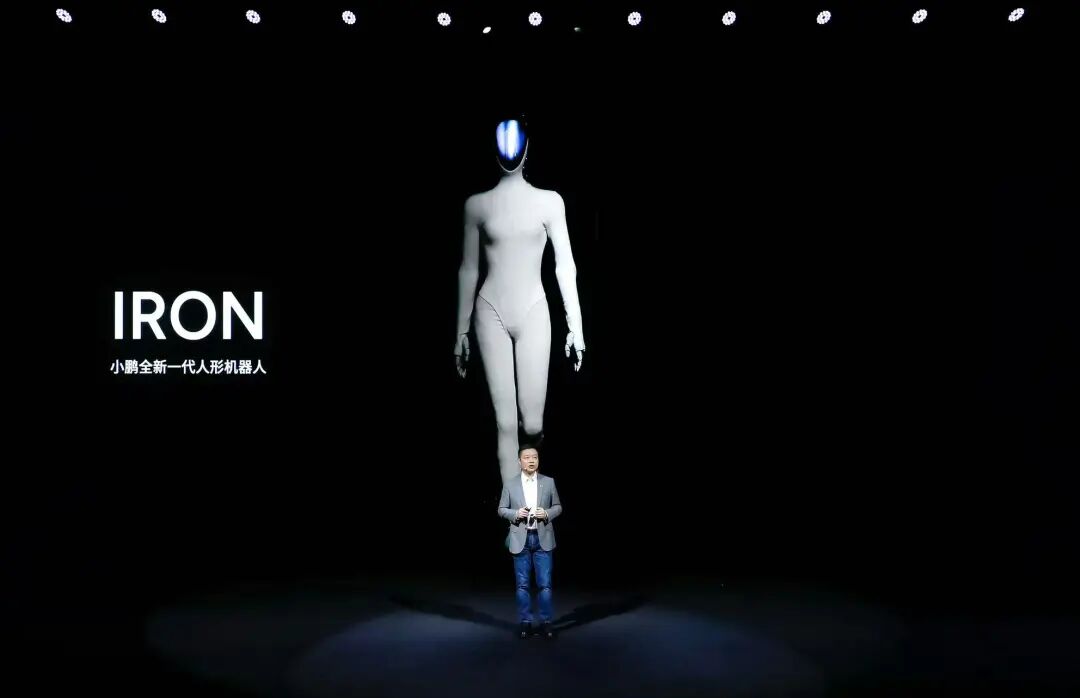
He Xiaopeng explained that commercial applications require high safety and overall mobility capabilities. "I believe we are currently the absolute industry leader in this area. Industrial applications require excellent hand capabilities, which we believe we will achieve secondly. Entering households, I believe, is an even more challenging capability, which is our third step." He Xiaopeng revealed that XPENG has already initiated construction of a humanoid robot mass production base in Q1, with a monthly production capacity target of over a thousand units for IRON by the end of this year. Regarding cost control for IRON, He Xiaopeng stated that while mass production will continuously reduce hardware costs, software and operational costs will continue to rise as robots are continuously retrained with new data.
Additionally, in 2025, XPENG's R&D expenditure was 9.49 billion yuan, a 47.0% year-on-year increase. Among them, AI investment reached 4.5 billion yuan. Based on its firm and efficient AI R&D investments over the past few years, XPENG has established a full-stack self-developed physical AI technology system covering chips, base models, and AI Infra. He Xiaopeng said that in addition to vehicle R&D this year, XPENG will increase its AI-related R&D investment to 7 billion yuan. "Investment in AI R&D will create huge returns in the long term. Expanding scale allows us to survive in competition, and absolute leadership in physical AI technology and commercialization will build our core competitiveness," said He Xiaopeng.
-
![]()
The Unstoppable Rise of 'Optical Progress and Copper Decline': Sunny Optical’s Strategic Vision for the Next Decade
-
![]()
AI + Going Global in the Second Half: No Intermission for Robot Vacuum Cleaners
-
![]()
The Suffering Endured in E-commerce, Walmart Doesn't Want to Repeat in AI
-
![]()
What Does the Doubling of New Energy Vehicle Exports Mean?
-
![]()
Ghosn: 'Only I Can Save Nissan'
-
![]()
Volkswagen Lays Off 100,000 Employees, The Elephant Sits Down
-
![]()
Expanding Production Capacity! Yutong Optics Acquires Approximately 1.5 Hectares of Industrial Land in Chang'an, Dongguan
-
![]()
Why Is Nokia Making a Comeback in the AI Era?