Roewe and MG: No Turning Back
 03/23 2026
 480
480
Lead
Introduction
Only by first resolving immediate challenges can a foothold be secured in fierce competition.
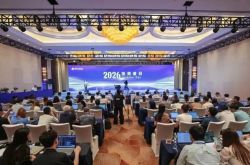
In mid-March, SAIC Motor Passenger Vehicles held its 2026 Spring Media Communication Meeting. During this candid gathering, leaders eschewed grandiose rhetoric and instead directly outlined the annual strategies for Roewe and MG.
From a data perspective, in 2025, SAIC Motor Passenger Vehicles achieved a 34% year-on-year increase in domestic retail sales and over 80% growth in new energy vehicle sales. However, behind these seemingly impressive figures lie long-standing weaknesses in the Roewe and MG brands that have yet to be fully addressed. With an intensive product offensive and strategic renewal in 2026, these two brands face a critical opportunity to break through—and a battle they cannot afford to lose.
From an industry perspective, the automotive market has long bid farewell to wild growth. High-end competition, homogenization, and declining user loyalty have become the norm. Unpacking the new strategies of these two brands, Roewe aims for a high-end transformation while MG doubles down on youthfulness and individuality. While they seem to have identified differentiated paths, it’s important to remember that strategies detached from reality are mere castles in the air. Only by confronting the brands’ actual challenges can the opportunities and risks behind this strategic announcement be understood.
01 Roewe: To Ascend, First Advance
2026 marks the 20th anniversary of the Roewe brand. From the Roewe 750 breaking the ceiling for Chinese premium brands with a 250,000-yuan price tag in 2006 to the RX5 pioneering the internet-connected vehicle category in 2016, Roewe has never lacked moments of glory and has always carried premium DNA.
However, years later, Roewe’s high-end aspirations remain stuck in historical narratives. Its current brand position can best be described as “aspiring to ascend but struggling to take steps forward.”
At its core, Roewe’s challenges stem from a weak sales foundation and a diminishing market presence, which serve as stumbling blocks on its development path.
In other words, Roewe’s biggest issue is not the lack of a high-end strategy but the erosion of its mainstream market influence and brand relevance. For years, Roewe has been mired in slow product iteration and ambiguous positioning. Despite being labeled the “National Family Car Expert” with 3 million cumulative users, it has rarely produced blockbuster models to sustain sales in recent years, with far less terminal buzz than its peers.
On one hand, despite years of high-end branding rhetoric, Roewe lacks product carriers to bring it to life. Its early high-end layout (strategic layout ) has gradually faded from market memory, leaving consumer perception of Roewe stuck at affordable family cars and making it difficult to establish a premium image. On the other hand, while Roewe had an early advantage in intelligence, follow-up efforts have been insufficient. The pioneer halo (aura) of internet-connected vehicles has faded, and it has failed to build differentiated barriers in new areas like AI and intelligent driving, allowing competitors to quickly catch up.
More realistically, a high-end transformation requires sales volume and reputation as a foundation. Roewe’s current market scale is insufficient to support a direct push into the premium segment above 200,000 yuan. If it cannot stabilize the mainstream family market, a blind push for high-endization will only lead to an awkward position of “neither high nor low,” with its so-called AI-native premium series potentially becoming castles in the air.
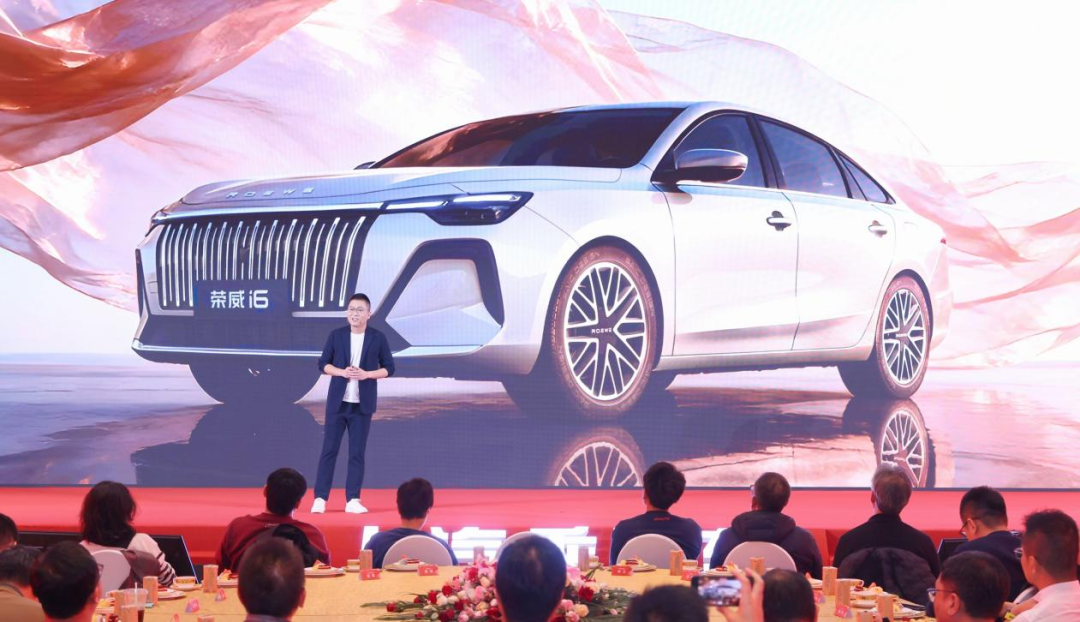
At this communication meeting, Roewe clearly recognized the logic of “advancing first, then ascending” and introduced a dual strategy of “mainstream foundation + high-end breakthrough,” aiming to strengthen its roots while planning for the long term, with a clear path to breaking through.
First, the Roewe i6 will solidify its position in the mainstream fuel-powered family sedan segment. Positioned as the “A+ segment fuel-powered family sedan king,” this new model targets the core price band of 70,000–80,000 yuan, competing against established rivals like the Emgrand, Sylphy Classic, and Lavida. With advantages such as the longest wheelbase in its class and an 85.3% interior space utilization rate, it precisely meets the rigid demands of family users. If it can gain a foothold in the mainstream market, it will not only boost sales but also reinvigorate Roewe’s reputation as the “National Family Car Expert,” building momentum for its high-end transformation.
Second, Roewe will seize the initiative in defining the AI-native premium segment. Avoiding the industry’s intelligence homogenization, Roewe is focusing on the “native AI” track. Its upcoming new premium series, along with the world’s first AI-native premium SUV set for launch in the third quarter, extends the brand’s traditional strength in defining industries—from internet-connected vehicles to AI-powered cars. This move also positions it at the forefront of the AI automotive era, potentially breaking the deadlock of “parameter-driven competition” in the premium market and shaping a high-end brand image.
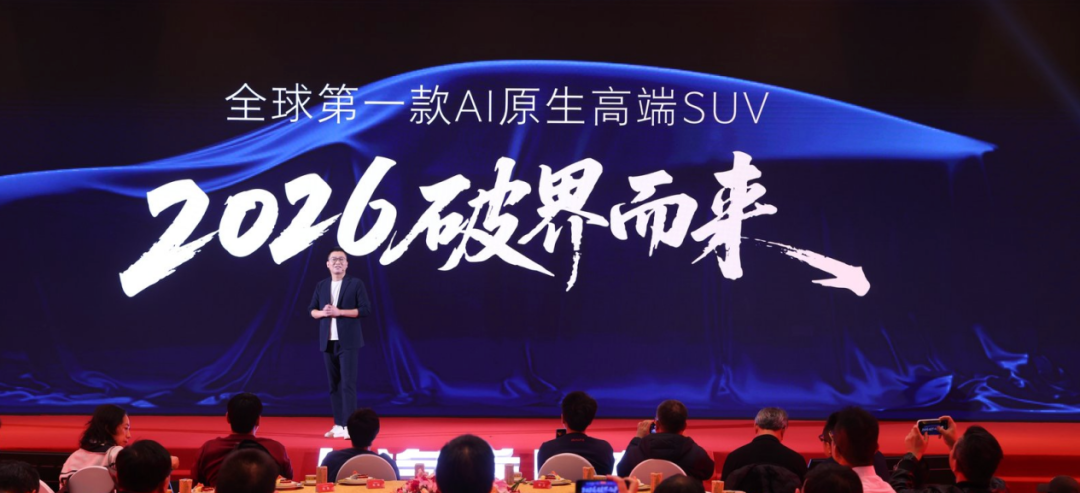
Additionally, Roewe announced that seven new models will be launched in 2026, along with a major release at the Brand Night on April 21. These moves will sustain market momentum while improve (completing) the product matrix to cover different consumer segments.
For Roewe, solidifying its mainstream market and thoroughly implementing AI technology could enable it to regain its voice in the 200,000-yuan segment and complete its ascent from “National Family Car” to “High-End AI Automotive.”
02 MG: Can Blockbusters Sustain? How to Balance Domestic and Overseas Markets?
MG’s situation contrasts sharply with Roewe’s. As a century-old sporty brand, MG has achieved remarkable success overseas—with cumulative deliveries in Europe and the UK surpassing 1 million units, making it the first Chinese automotive brand to reach this milestone. Domestically, it has staged a comeback with the MG4, achieving over 10,000 monthly sales for five consecutive months and ranking among the top two in pure electric sedan sales even during off-peak seasons. However, behind these bright achievements lie imbalances—“blooming overseas but wilting at home”—and the fragility of relying on a single blockbuster model.
This points directly to MG’s core challenges: uneven domestic and international development and questionable sustainability of blockbuster models.
Currently, one of MG’s biggest weaknesses is its unstable domestic market foundation and over-reliance on a single blockbuster. For a long time, MG’s overseas sales have far exceeded its domestic performance, with far lower brand recognition and user base in China compared to its peers. Even though the MG4 became a hit, it failed to rapidly drive overall brand sales growth, leaving MG’s domestic presence still weak.
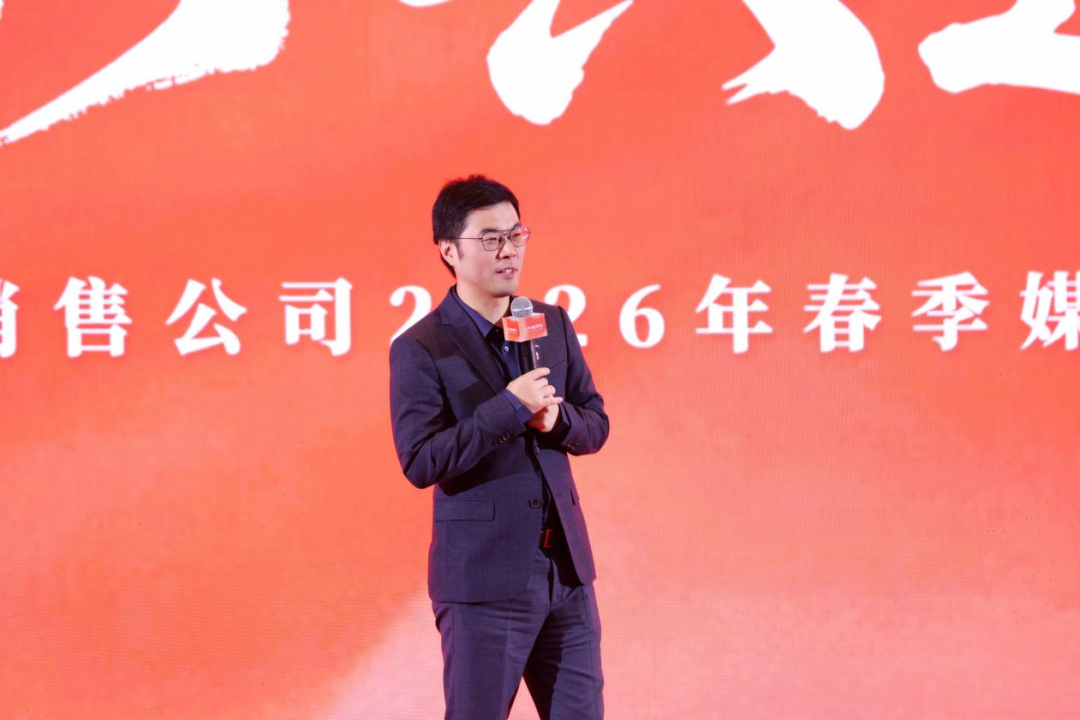
At the same time, the risks of relying on a single blockbuster are evident. The MG4’s success hinges on differentiated advantages like semi-solid-state batteries, low power consumption, and spaciousness. However, the automotive market evolves rapidly, with brands like Leapmotor and BYD intensifying competition in the same pure electric segment. The MG4’s advantages could be diluted at any time. Without follow-up models to carry the torch, relying solely on one vehicle to sustain the brand could leave the entire brand vulnerable if sales decline.
Furthermore, while MG’s positioning as “young and individualistic” is clear, its previous product matrix was incomplete, failing to meet the diverse needs of young users. Its century-old coupe heritage has not been fully translated into product differentiation, making it difficult to establish absolute competitiveness in the 100,000–200,000 yuan young market.
To address its weaknesses, MG proposes a “triple enhancement” of brand, technology, and products, targeting “young consumers aged 10–20 seeking personalized new energy vehicles.” Through a succession of blockbusters, technology decentralization, and heightened individuality, MG aims to resolve its imbalances and reliance on a single hit model, with clear opportunities.
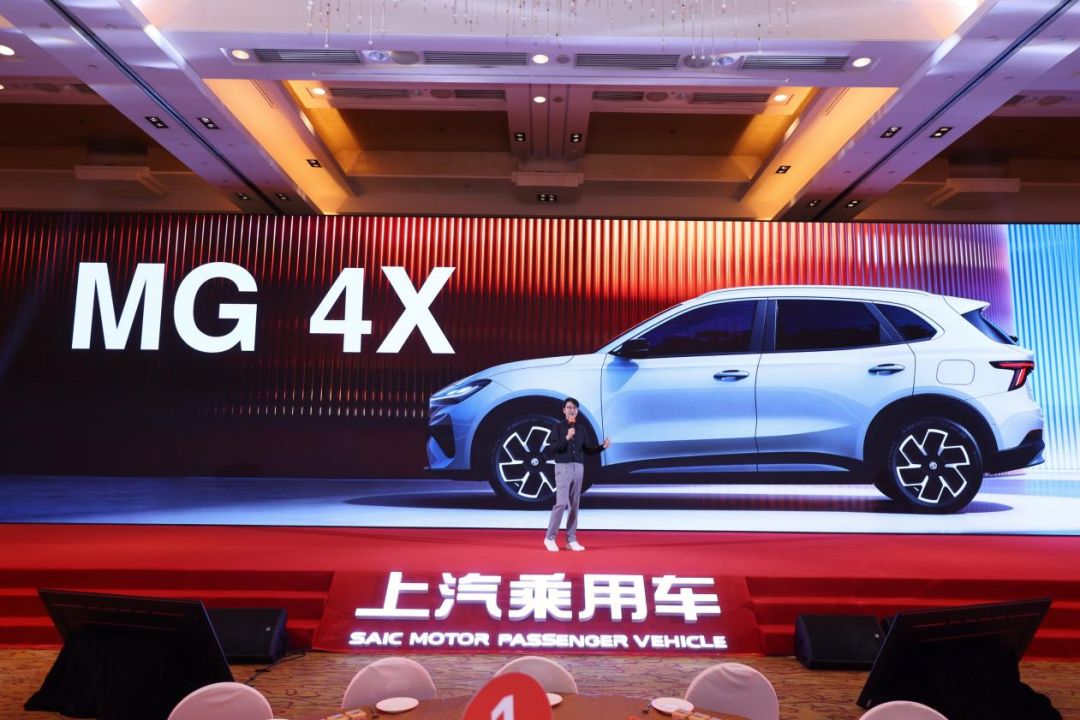
First, the MG4 family will expand to consolidate its mainstream blockbuster position. The upcoming MG 4X, the family’s first pure electric SUV, replicates the MG4’s strengths while offering “semi-solid-state batteries as standard and a minimum range of 510 km,” breaking the industry norm of reserving high-end tech for premium variants. Directly competing with the Leapmotor B10, it aims to redefine value in the A-segment pure electric SUV market. This will not only sustain the MG4’s hot sales but also broaden its user base, address the brand’s SUV category gap, and reduce reliance on a single model.
Second, the MG 07 will set a new benchmark for personalized coupes, elevating the brand. Built on a new platform, this coupe offers both pure electric and hybrid powertrains, incorporating million-dollar equipment for edge-wrapping processes, metal air ducts, and a ducktail spoiler to bring luxury coupe design below the 200,000-yuan mark, precisely meeting young users’ demands for style and individuality. As MG’s flagship model in the new energy era, the MG 07 will showcase its century-old coupe heritage, fill the gap in high-end personalized models, and drive brand image upgrades.
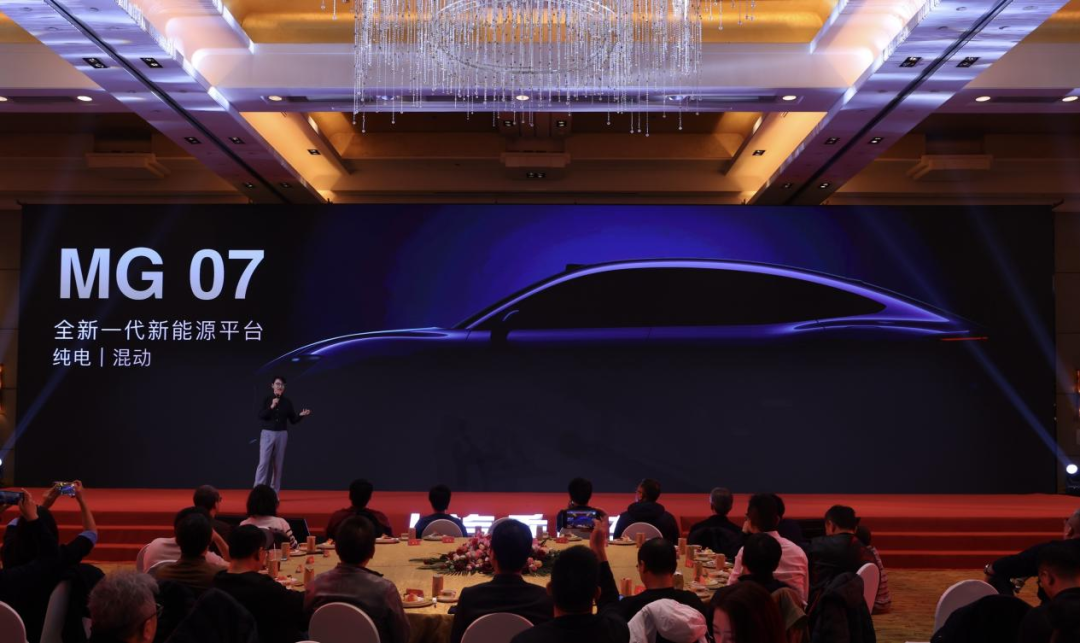
Third, a full matrix coverage + technology empowerment will address internal and external imbalances. In 2026, MG will launch four new models spanning hatchbacks, sedans, and SUVs, with both pure electric and hybrid powertrains to fully meet young users’ diverse needs. Leveraging SAIC’s five technological pillars, technologies like semi-solid-state batteries, AI-integrated chassis, and advanced intelligent driving will be decentralized across the lineup, achieving “technological equity.” This will strengthen domestic product competitiveness while feeding back into overseas markets, promoting balanced sales growth.
03 Dual-Brand Differentiation Takes Shape, but Long-Term Tests Lie in Execution
As outlined above, SAIC Motor Passenger Vehicles’ dual-brand strategy is logically clear and sharply differentiated: Roewe safeguards the family market while pushing for high-end breakthroughs, emphasizing AI-native technology and quality; MG targets young consumers with individuality, focusing on technological equity and sporty heritage. This avoids internal homogenization and aligns with current market segmentation trends.
However, no strategy succeeds without execution.
Roewe’s challenge lies in whether it can substantiate its AI high-end strategy without resorting to concepts or gimmicks, using genuine native AI technology to win over premium users. Simultaneously, it must stabilize the mainstream market, making the Roewe i6 a volume blockbuster to solidify its brand foundation. MG’s test is whether it can swiftly improve (complete) its product matrix, ensuring the MG 4X and MG 07 sustain hot sales to reduce reliance on a single model. It must also address domestic marketing and channel weaknesses, leveraging its overseas reputation to boost the domestic market.
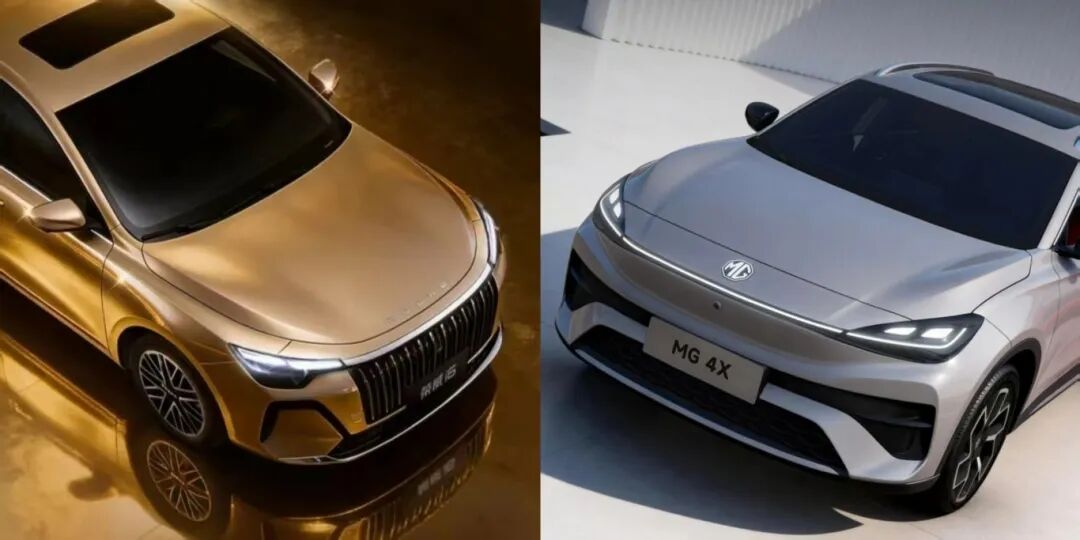
2026 is a “year of systematic execution” for SAIC Motor Passenger Vehicles and a “make-or-break year” for the Roewe and MG brands. The automotive market respects no sentiment—only products and users matter. The path upward is never immediate. Only by first resolving immediate brand challenges and then seizing era-defining opportunities can a foothold be secured in fierce competition.
The upcoming launches of new models and the Brand Night will serve as major tests for the dual-brand strategy in 2026. Whether it can fulfill its ambitions will soon be answered by the market.
Editor-in-Chief: Cui Liwen Editor: Wang Yue
THE END
-
![]()
The Unstoppable Rise of 'Optical Progress and Copper Decline': Sunny Optical’s Strategic Vision for the Next Decade
-
![]()
AI + Going Global in the Second Half: No Intermission for Robot Vacuum Cleaners
-
![]()
The Suffering Endured in E-commerce, Walmart Doesn't Want to Repeat in AI
-
![]()
What Does the Doubling of New Energy Vehicle Exports Mean?
-
![]()
Ghosn: 'Only I Can Save Nissan'
-
![]()
Volkswagen Lays Off 100,000 Employees, The Elephant Sits Down
-
![]()
Expanding Production Capacity! Yutong Optics Acquires Approximately 1.5 Hectares of Industrial Land in Chang'an, Dongguan
-
![]()
Why Is Nokia Making a Comeback in the AI Era?