Zhang Guofu Assumes Dual Leadership at BAIC Motor and BAIC BluePark: Is BAIC Poised to Enter a New Chapter in Passenger Vehicle Integration?
 03/23 2026
 618
618
On March 20, two key listed entities of BAIC Group—BAIC Motor and BAIC BluePark—simultaneously announced significant high-level personnel changes, drawing widespread industry attention.
The comprehensive reshuffle of leadership at both companies suggests more than just routine adjustments. Both announcements underscored the prominent role of Zhang Guofu, Deputy General Manager of BAIC Group. His transition is particularly noteworthy: he is relinquishing his position as Chairman of BAIC BluePark but is set to concurrently helm BAIC Motor, while continuing to oversee BAIC BluePark at the group level.
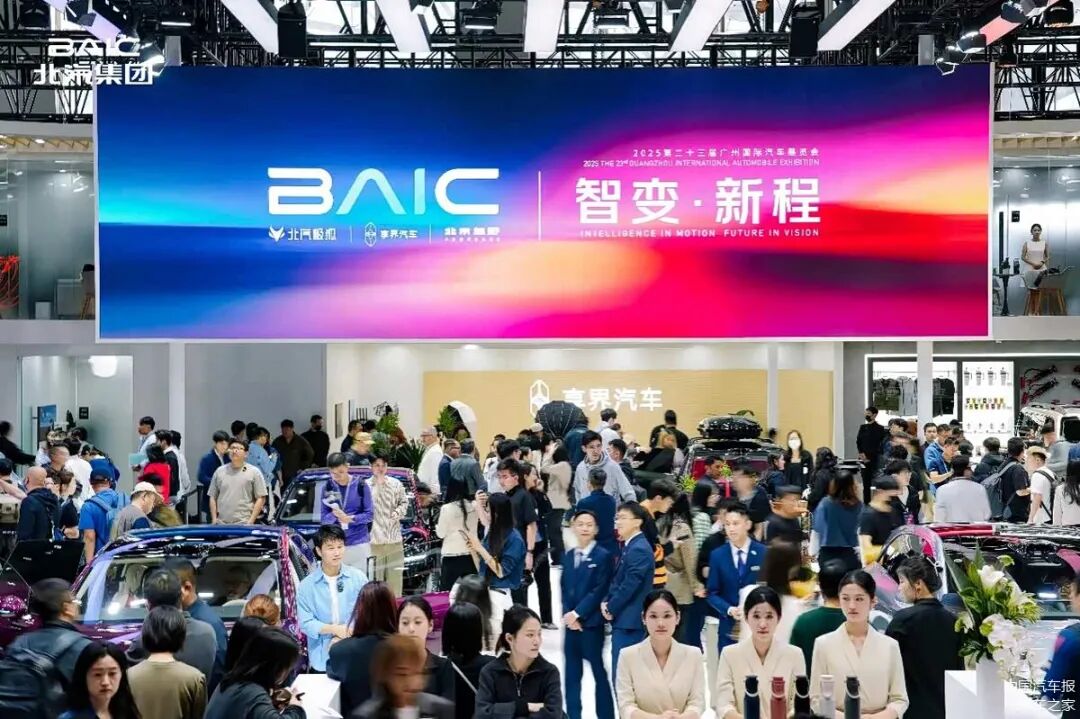
As the automotive industry approaches a pivotal phase of consolidation, BAIC Group's latest strategic move not only elevates Zhang Guofu from a regional leader to the chief architect of BAIC's passenger vehicle division but also signifies the transition of BAIC's long-planned passenger vehicle "integration" strategy from concept to reality.
The "Division of Labor" Under the New Leadership
The underlying rationale for this restructuring can be distilled into two key principles: "decentralized execution" and "centralized strategy."
According to the announcements, Zhang Guofu has stepped down as Chairman of BAIC BluePark but will maintain oversight of the company in his capacity as Deputy General Manager of the Group. Concurrently, he succeeds Wang Hao, who served for just over a year, as Chairman of BAIC Motor. Liu Guanqiao, previously General Manager of BAIC BluePark, has been promoted to Chairman, while Song Jun, former Executive Deputy General Manager, has been appointed General Manager.
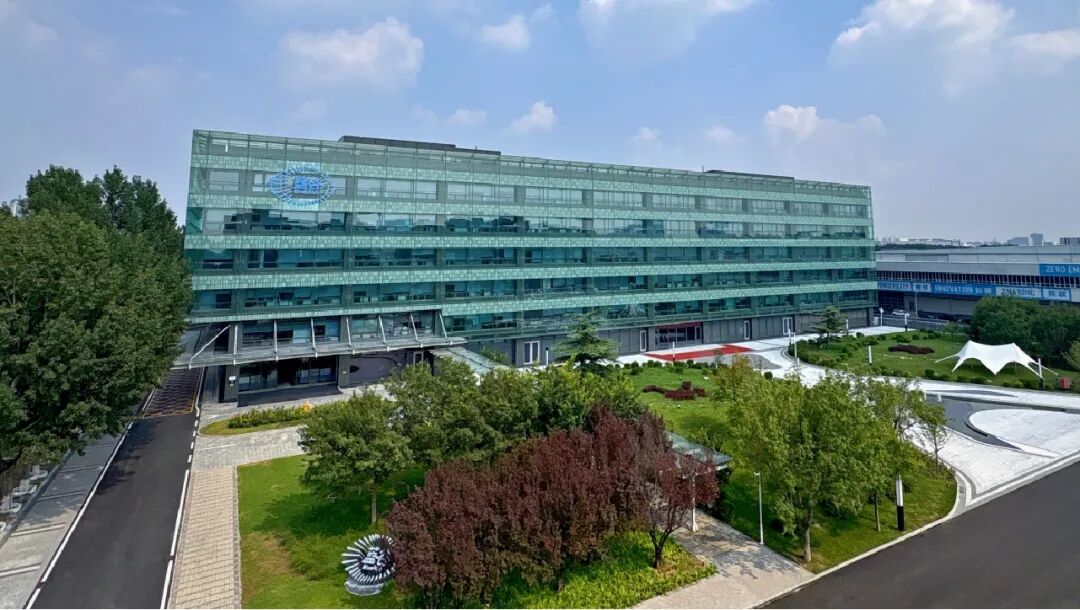
On the surface, this appears to be a continuation of the "Iron Triangle" leadership model, but it actually reflects a deeper strategic division of labor:
Zhang Guofu is shifting his focus from BluePark's day-to-day operations to strategic synergy and resource allocation between the two listed entities at the group level. His primary mission is no longer achieving isolated breakthroughs but constructing a unified framework for the passenger vehicle segment.
Liu Guanqiao's promotion signals BluePark's new emphasis on "sales breakthroughs" and "operational execution." Song Jun, a manager with a strong financial background, has been elevated to General Manager, indicating an unprecedented focus on "cost reduction, efficiency enhancement," and "return to profitability" at BluePark.
A senior automotive industry analyst observed, "During his tenure at BluePark, Zhang Guofu laid a solid foundation by restructuring the brand, products, and marketing. The pairing of Liu Guanqiao and Song Jun essentially represents a 'marketing + finance' dual-drive approach. This configuration suggests that BAIC's performance metrics for BluePark have shifted from 'sales growth' to 'quality growth.'"
The Structural Dilemmas Behind Two "Report Cards"
To grasp the necessity of this adjustment, one must delve into the actual performance of the two listed companies over the past year. Beneath impressive sales figures lies a stark profitability challenge.
In 2025, BAIC BluePark delivered a remarkable sales performance: annual sales reached 209,576 units, up 84.06% year-on-year. The ARCFOX brand surpassed 160,000 units for the first time, a 101% increase.
However, sales growth did not translate into profitability. According to the performance forecast, BAIC BluePark’s net profit attributable to shareholders is expected to range from a loss of RMB 4.35 billion to RMB 4.65 billion in 2025. While this represents a narrowing of losses by about 30% compared to the nearly RMB 7 billion loss in 2024, BAIC BluePark is fully committed to achieving a turning point in profitability for new energy vehicles this year.
"BluePark’s loss structure needs to be dissected," said an industry insider close to BAIC. "On one hand, the parallel operation of the SHIYUE and ARCFOX brands has led to significant R&D and channel investments. On the other hand, economies of scale have yet to materialize, and per-unit amortization costs remain high. Zhang Guofu has significantly optimized the cost structure during his time at BluePark, but returning to profitability requires sales to surpass the breakeven point—which the market generally expects to be around 400,000 units."
If BluePark’s issue is "revenue growth without profit," BAIC Motor’s situation is even more critical. While Beijing Off-Road has seen significant sales growth over the past year, BAIC Motor’s profit has plummeted by more than 80% year-on-year, marking a third consecutive year of decline. The direct cause of this profit collapse is the underperformance of Beijing Benz, the company’s "cash cow." Consequently, BAIC Motor’s Hong Kong stock valuation has remained low, and there are strong calls in the market for equity integration and revitalization of the independent segment.
From "Firefighter" to "Chief Architect"
Zhang Guofu's assumption of dual roles represents not only BAIC’s recognition of his performance over the past year but also a "strategic upgrade" in his role.
Reviewing Zhang Guofu’s career, he is a seasoned "BAIC veteran." Starting as a frontline technician at Foton Motor, he has served in various core positions at Hainachuan, BAIC Off-Road, BAIC Motor, and BAIC BluePark. During his tenure as head of BAIC BluePark, he revitalized the ARCFOX brand from a low point, demonstrating his ability to drive sales and control costs in complex situations.
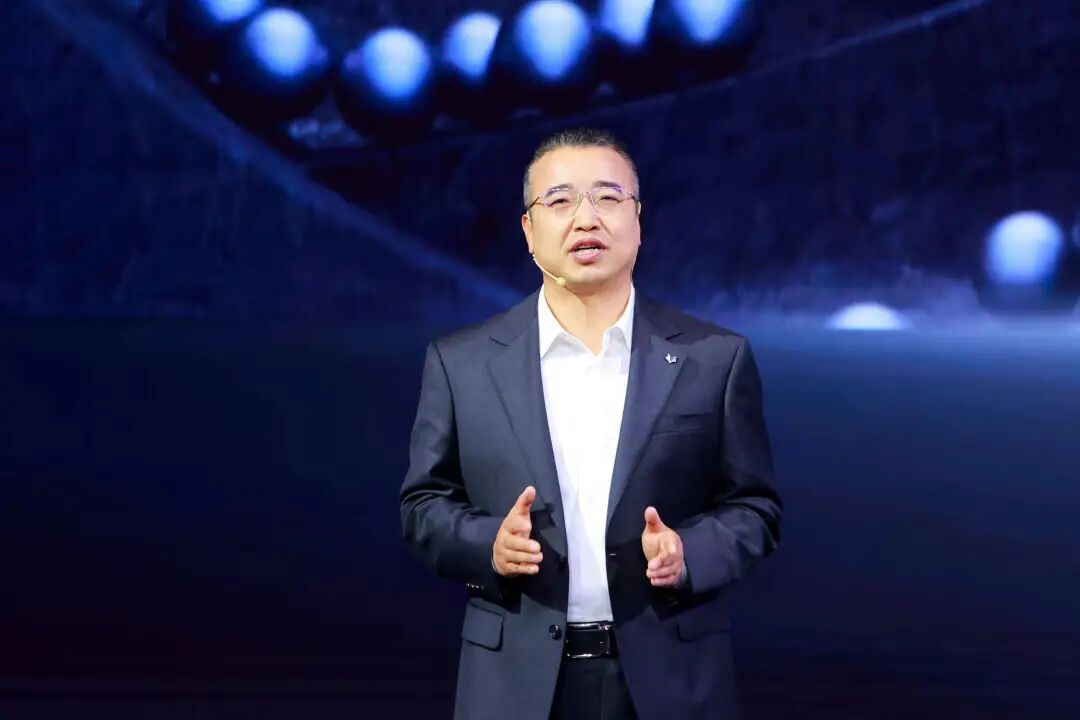
However, unlike his predecessor Wang Hao, known for his "young and marketing-oriented" approach, Zhang Guofu leans more toward being a "system-oriented" and "pragmatic" leader. An industry insider close to BAIC said, "Mr. Zhang rarely discusses concepts in meetings; instead, he focuses on questions like, 'Is the production line yield sufficient?' and 'Can the supply chain support it?' He excels at coordination and integration within complex systems." This is precisely the capability BAIC needs most at present.
Now overseeing both BAIC Motor and BAIC BluePark, Zhang Guofu holds three independent brands—SHIYUE, ARCFOX, and Beijing Off-Road—as well as 51% of Beijing Benz and 50% of Beijing Hyundai. His core mission is no longer "firefighting" but "restructuring"—restructuring the collaborative mechanisms for R&D, channels, and supply chains; restructuring the resource allocation logic between the two listed companies; and restructuring the strategic balance between independent and joint-venture brands, fuel and electric vehicles, and domestic and overseas markets.
"Zhang Guofu’s role transition essentially marks BAIC’s shift from 'decentralized execution' to 'integration,'" the aforementioned analyst pointed out. "In the past, BluePark and BAIC Motor operated with separate systems, leading to duplicated R&D investments and fragmented channel strategies. Now, a person is needed who can both coordinate group resources and gain recognition from both teams. Zhang Guofu is the ideal candidate for this role."
Chang Rui’s "Solutions" and Zhang Guofu’s "Synergy"
Zhang Guofu’s adjustment cannot be viewed in isolation. Just two months ago, BAIC Group completed a change in its General Manager: Chang Rui was promoted from Chairman of Foton Motor to General Manager of BAIC Group.
Chang Rui’s appointment provides the strategic context for this adjustment at the group level. Under Chang Rui’s leadership, Foton Motor is expected to achieve a net profit attributable to shareholders of approximately RMB 1.33 billion in 2025, a staggering 1,551% increase year-on-year, successfully returning to profitability. His methodology revolves around three strategic pillars: "comprehensive new energy transition, comprehensive internationalization, and comprehensive intelligence."
BAIC Group Chairman Zhang Jianyong has designated 2026 as a "year of overcoming challenges and achieving leaps." Chang Rui’s appointment suggests that the group aims to replicate Foton Motor’s "turnaround" experience in the passenger vehicle segment. As the chief architect of the passenger vehicle segment, Zhang Guofu is tasked with implementing Chang Rui’s "solutions."
Their roles are clearly defined: Chang Rui provides the methodology and strategic direction, while Zhang Guofu is responsible for integrating resources and driving implementation.
"BAIC’s current issue is that while the group-level strategy is clear, execution at the operational level is fragmented," said an automotive industry researcher. "Zhang Guofu’s appointment aims to break down these silos and ensure the group’s strategy is truly implemented in the passenger vehicle segment."
BAIC Group’s latest personnel adjustment represents a bold move toward "centralized strategy" and "focus." Zhang Guofu has transitioned from a highly accomplished "general" to the core figure overseeing all of BAIC Group’s passenger vehicle businesses. However, while integration may be straightforward, achieving synergy is challenging. Zhang Guofu now faces two distinct "exams": BluePark needs to "make the numbers work," while the stock company needs to "find a new path."
As the automotive industry enters the second half of the consolidation race, the window of opportunity is narrowing. Zhang Guofu’s ability to leverage his deep understanding of BAIC’s systems to translate the blueprint of the "Three-Year Leap Action" into tangible sales and profits will directly determine whether BAIC’s independent segment can secure a place in China’s future automotive landscape.
-
![]()
The Unstoppable Rise of 'Optical Progress and Copper Decline': Sunny Optical’s Strategic Vision for the Next Decade
-
![]()
AI + Going Global in the Second Half: No Intermission for Robot Vacuum Cleaners
-
![]()
The Suffering Endured in E-commerce, Walmart Doesn't Want to Repeat in AI
-
![]()
What Does the Doubling of New Energy Vehicle Exports Mean?
-
![]()
Ghosn: 'Only I Can Save Nissan'
-
![]()
Volkswagen Lays Off 100,000 Employees, The Elephant Sits Down
-
![]()
Expanding Production Capacity! Yutong Optics Acquires Approximately 1.5 Hectares of Industrial Land in Chang'an, Dongguan
-
![]()
Why Is Nokia Making a Comeback in the AI Era?