Is XPENG P7 Making Way for the New SU7? Which 200,000-Yuan-Level Electric Sedan is the Best Choice?
 03/24 2026
 609
609
Author / Zhang Xin
Produced by / Insight Auto
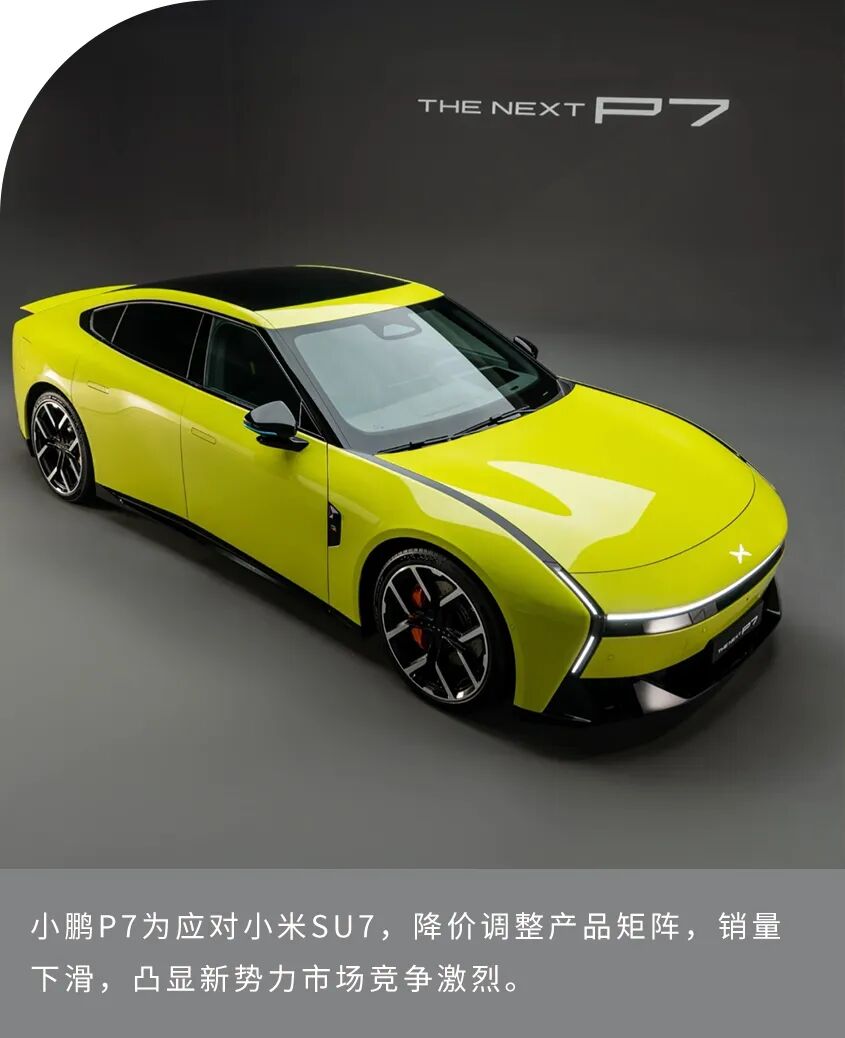
On March 19, 2026, Xiaomi Motors unveiled the latest generation of its SU7, featuring a fully upgraded entry-level model and the inclusion of advanced intelligent driving hardware across all trims. Just a day earlier, on the 18th, XPENG Motors introduced multiple new variants of the P7, lowering prices while maintaining similar configurations—a move many interpreted as an active effort to avoid direct competition with the Xiaomi SU7.
Looking back at the past year, the XPENG P7 has experienced significant sales fluctuations, with monthly sales frequently dropping below 1,000 units. Once a benchmark in the mid-size electric coupe segment, the P7 now faces growth challenges.
A comparison of the two core models reveals that while the XPENG P7 boasts a strong foundation in intelligent driving systems, chassis tuning, and user reputation, the Xiaomi SU7 leverages its brand momentum and design appeal to create a powerful siphon effect.
There is no significant gap in product quality between the two. The real differences lie in brand recognition and visual appeal, which are key to interpreting the current competitive landscape in China's domestic new energy sedan market.

A Reluctant Choice Amid Sales Pressure
Ahead of the launch of the all-new Xiaomi SU7, XPENG Motors officially introduced the 2026 P7, adding two new variants—Max and Ultra SE—and restructuring its product lineup. The official price range has been adjusted to 203,800-301,800 yuan, with the starting price of the main 702 Max variant lowered to 203,800 yuan, a 16,000 yuan reduction from the 2025 entry-level model. Limited-time promotional pricing even dips to 195,800 yuan, directly breaking the 200,000 yuan price barrier.
This adjustment to the XPENG P7 is not a simple price cut. Instead, it achieves lower pricing by streamlining redundant configurations, focusing on core needs, and optimizing version tiers. While maintaining the same core configurations for range, chassis, and intelligent driving as the previous model, it lowers the barrier to entry for buyers.
Industry observers widely believe this is XPENG's strategic move to avoid direct competition with the highly anticipated Xiaomi SU7—bypassing the hype surrounding the new SU7's launch and leveraging price advantages to retain market share.
Data shows that in 2024, the XPENG P7's annual sales fell to 15,100 units, with monthly sales dropping as low as 549 units and frequently falling below 1,000 units. After a facelift in September 2025, first-month sales briefly rebounded to over 8,000 units but quickly declined, halving to 2,902 units by November, losing the ability to compete head-on with the Tesla Model 3 and Xiaomi SU7.
As XPENG's flagship model, the P7 once broke through 165,000 cumulative sales over three years, thanks to its 706 km range, streamlined design, and early intelligent driving advantages, setting a benchmark for new-force electric coupes.
In fact, the initial success of the P7 and the current popularity of the SU7 share a common trait: attractive design.
However, when the P7 first entered the market, there were few similar competitors. The current landscape is vastly different.

Fully Upgraded Entry-Level Xiaomi SU7
The core upgrades of the all-new Xiaomi SU7's entry-level model focus on four key areas, with the inclusion of advanced intelligent driving hardware being the most notable.
LiDAR is now standard across all trims. The previous entry-level SU7 lacked high-end intelligent driving capabilities, but the 2026 SU7 includes a 128-line ultra-wide-angle LiDAR, 4D millimeter-wave radar, and an 11-camera perception matrix as standard. The entry-level model's detection range extends to 300 meters, with a 40% improvement in extreme weather recognition accuracy, eliminating the gap in perception hardware between high- and low-end variants.
Intelligent driving computing power has been fully upgraded. The entry-level model is equipped with NVIDIA's Drive Thor chip, boosting total computing power from the previous 508 TOPS to 700 TOPS. Paired with Xiaomi's HAD end-to-end autonomous driving system, highway NOA is now standard across all trims, with significant improvements in perception, decision-making, and execution capabilities.
The 800V high-voltage platform and motor upgrades are now standard in the entry-level model, featuring the V6s Plus motor. Charging efficiency and power response have been optimized, delivering refueling speed and driving dynamics comparable to 300,000 yuan-class models.
Luxury texture (texture) and safety configurations have been extended to the entry-level model, including upgraded interior materials, dual-layer laminated glass for front and rear windows, and enhanced active safety systems, delivering a driving experience far exceeding the 200,000 yuan price point.
The core logic behind Xiaomi SU7's upgrades is to democratize top-tier technology. Priced at 219,900 yuan, the entry-level model allows users to enjoy intelligent driving and driving dynamics previously exclusive to top-tier variants. Given that the XPENG P7 struggled to compete even when it held a hardware advantage, price reductions now seem to be the only viable path forward.

No Significant Gap in Product Strength
In terms of intelligent driving, the two models represent two distinct technical approaches, both ranking among the industry's top tier. The XPENG P7 features the second-generation VLA intelligent driving system, powered by its self-developed Turing AI chip, with a top computing power of 2,250 TOPS. Its XNGP full-scenario intelligent driving assistance covers over 59 cities nationwide, with functions like urban NOA, cross-floor memory parking, and automatic lane changes validated over time, achieving a 97.6% success rate in complex road conditions. It is one of the most mature intelligent driving systems in the industry, consistently praised by users.
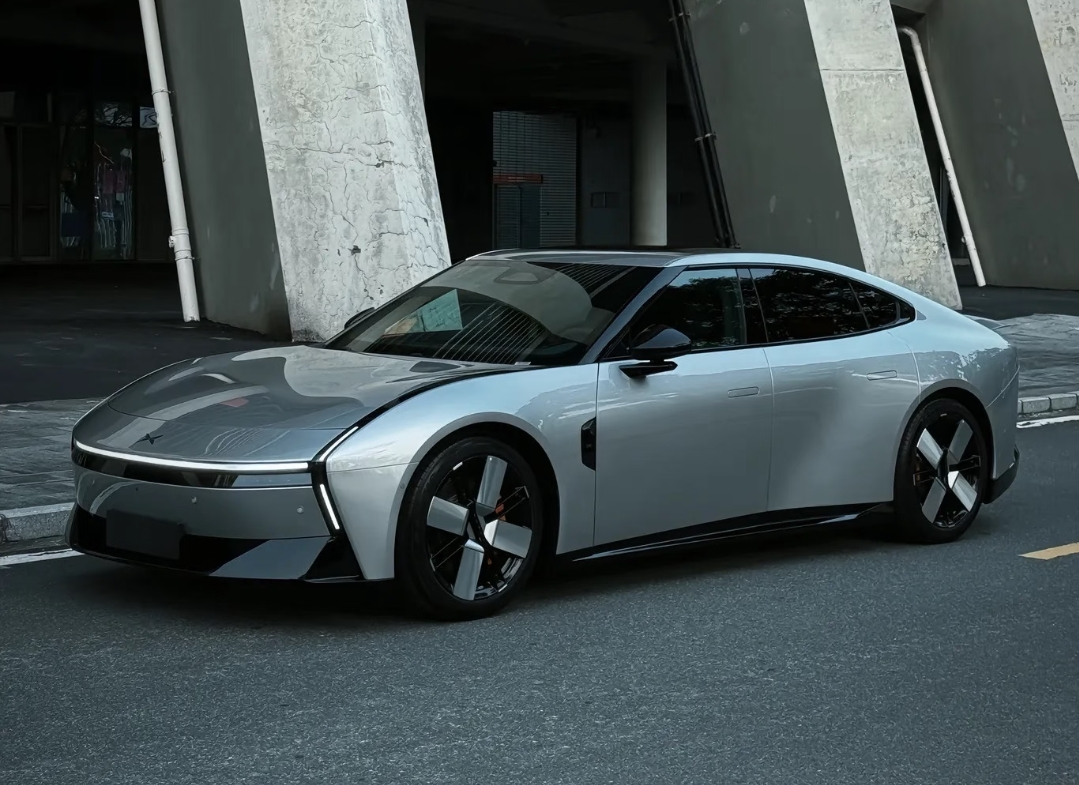
The Xiaomi SU7, leveraging its hardware advantage of standard LiDAR across all trims, uses Xiaomi's HAD end-to-end system as its core. Its highway NOA experience is smooth, with map-free urban NOA gradually being rolled out. While its hardware foundation is solid, software iteration and scenario coverage still require refinement, making its overall maturity slightly inferior to the XPENG P7.
In terms of driving dynamics and range, the XPENG P7 features a dual-chamber air suspension and CDC damping system, with chassis tuning that balances comfort and control, delivering an excellent long-distance driving experience. Its 702 km long-range variant meets both daily commuting and long-distance travel needs. The Xiaomi SU7, with its sport-oriented chassis tuning, strong cornering support, and superior zero-to-100 km/h acceleration, benefits from its 800V high-voltage platform for faster charging, appealing to users seeking driving excitement.
In the smart cockpit and ecosystem, the Xiaomi SU7 relies on HyperOS to seamlessly integrate smartphones, smart homes, and in-car systems. With the Mi Home ecosystem covering tens of millions of users, its interaction logic aligns with smartphone habits, featuring a 16.1-inch central display and a 56-inch HUD for a strong technological feel. The XPENG P7's cockpit emphasizes practicality, with a smooth and stable infotainment system, responsive voice control, and a functional layout tailored to driving scenarios, offering superior long-term stability.
In terms of pricing and configurations, the XPENG P7 702 Max variant starts at 203,800 yuan, 16,100 yuan lower than the Xiaomi SU7's entry-level model. With limited-time promotional pricing dipping to 195,800 yuan, it offers strong cost-effectiveness. The Xiaomi SU7, meanwhile, provides "full hardware from entry-level" configurations, ensuring uniform intelligent driving hardware coverage, appealing to users seeking a one-stop hardware solution.
In summary, the two models are evenly matched in terms of product strength: the XPENG P7 excels in intelligent driving maturity, chassis tuning, and long-term reputation, while the Xiaomi SU7 leads in hardware democratization, ecosystem integration, and technological appeal. The product strength gap is not as large as the sales figures suggest.

Brand and Design Siphon Effects
The stark contrast in market performance between the XPENG P7 and Xiaomi SU7 stems not from product strength but from Xiaomi's cross-industry siphon effect and the SU7's design appeal—a key difference in competition between new-force automakers and tech crossovers.
At the brand level, Xiaomi, as a globally recognized tech giant, boasts over 400 million active users, with a strong perception of "high cost-performance, high technology, and youthfulness."
Upon entering the automotive sector, Xiaomi replicated its product logic, user operations, and ecosystem advantages from the smartphone industry to the automotive field, Comes with built-in traffic and trust endorsement (bringing built-in traffic and trust endorsement). Consumer expectations for the Xiaomi SU7 far exceed those for traditional new-force models.
This tech brand siphon effect propelled the Xiaomi SU7 to instant popularity before its launch, making it an instant hit upon release. Even priced slightly higher than the XPENG P7, it continues to attract a large user base.
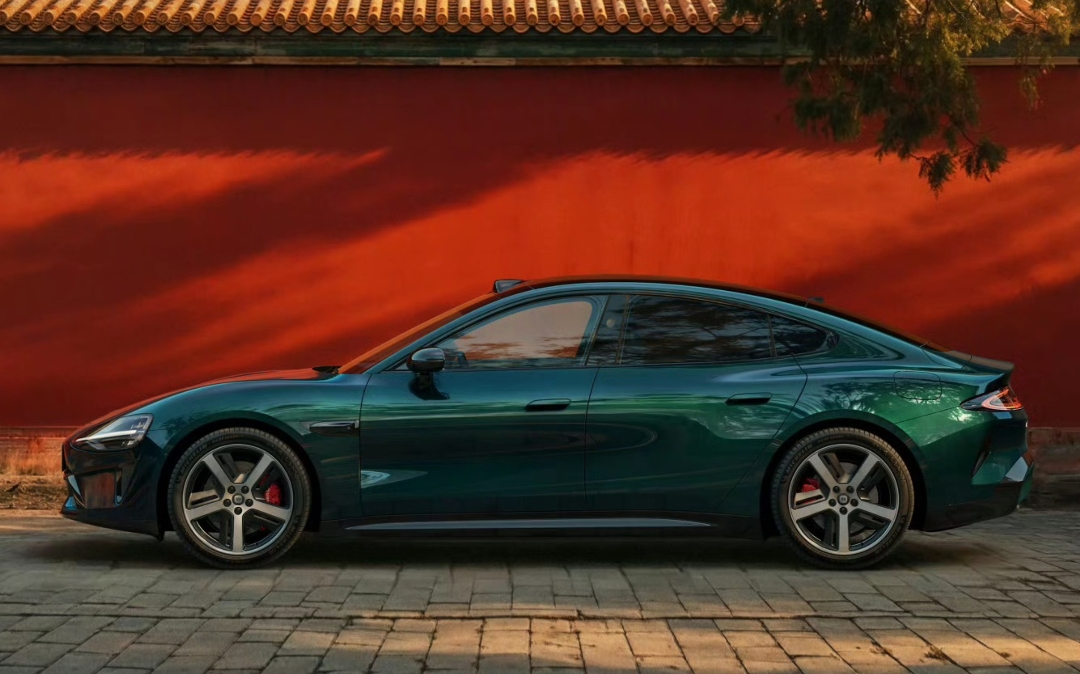
XPENG Motors, as an established new-force player with years of focus on the automotive sector, has deep technical accumulation but limited brand recognition beyond automotive circles, lacking cross-industry traffic appeal. Despite critical acclaim for its VLA intelligent driving and chassis technologies, it struggles to reach the vast potential user base covered by Xiaomi's ecosystem. The brand influence gap directly translates into a sales gap.
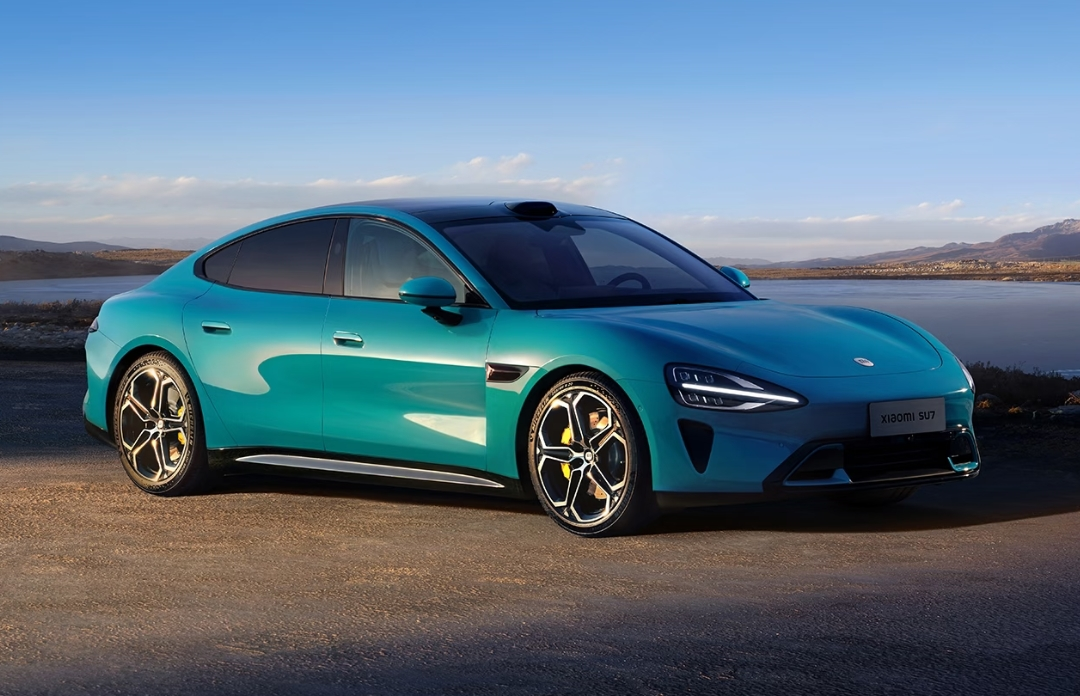
In terms of design, the Xiaomi SU7 features an ultra-streamlined coupe silhouette, low-slung body, large wheels, frameless doors, and a full-width tail light, perfectly aligning with young users' demands for "tech appeal, sportiness, and visual impact." Its striking design ensures high street visibility, making it a social media sensation and further amplifying market enthusiasm.
This visual appeal siphon effect makes the SU7 highly recognizable on the streets, turning it into a vehicle users love to showcase and share, further boosting its popularity.
The XPENG P7's classic and elegant design, with its streamlined silhouette, once set industry trends. However, after years of iterations, its design freshness has diminished, making it harder to stand out in a market obsessed with visual appeal. For young consumers prioritizing aesthetics, the Xiaomi SU7's visual allure far surpasses that of the XPENG P7, contributing significantly to the sales gap.
The XPENG P7's struggles prove that even with solid product strength and leading intelligent driving technology, a lack of brand traffic and continuous design innovation makes it vulnerable to strong new entrants.
The Xiaomi SU7's success demonstrates that tech brands entering the automotive sector can quickly disrupt the market and win user favor by leveraging ecosystem advantages, design appeal, and democratized configurations.
Returning to consumer essentials, both the XPENG P7 and Xiaomi SU7 are excellent choices for 200,000 yuan-level electric coupes—one cannot go wrong based on first impressions alone. If we delve into their respective strengths, the XPENG P7 excels in intelligent driving maturity, while the Xiaomi SU7 leads in ecosystem and social attributes.
END
-
![]()
The Unstoppable Rise of 'Optical Progress and Copper Decline': Sunny Optical’s Strategic Vision for the Next Decade
-
![]()
AI + Going Global in the Second Half: No Intermission for Robot Vacuum Cleaners
-
![]()
The Suffering Endured in E-commerce, Walmart Doesn't Want to Repeat in AI
-
![]()
What Does the Doubling of New Energy Vehicle Exports Mean?
-
![]()
Ghosn: 'Only I Can Save Nissan'
-
![]()
Volkswagen Lays Off 100,000 Employees, The Elephant Sits Down
-
![]()
Expanding Production Capacity! Yutong Optics Acquires Approximately 1.5 Hectares of Industrial Land in Chang'an, Dongguan
-
![]()
Why Is Nokia Making a Comeback in the AI Era?