Oil Prices Surge: A Boon for Electric Vehicles
 03/24 2026
 656
656
Lead
Introduction
“In a time of economic downturn, who isn't watching their wallet?”
“Have you found yourself waiting in line for gas lately?”
Last night, as domestic oil prices climbed once more, the opening line of this article became the talk of the town. Despite government efforts to stabilize prices, public anxiety lingers.
Amidst this backdrop, as the cost of operating gasoline-powered vehicles soars, there's a growing sentiment that "electric vehicles are poised for a surge in popularity."
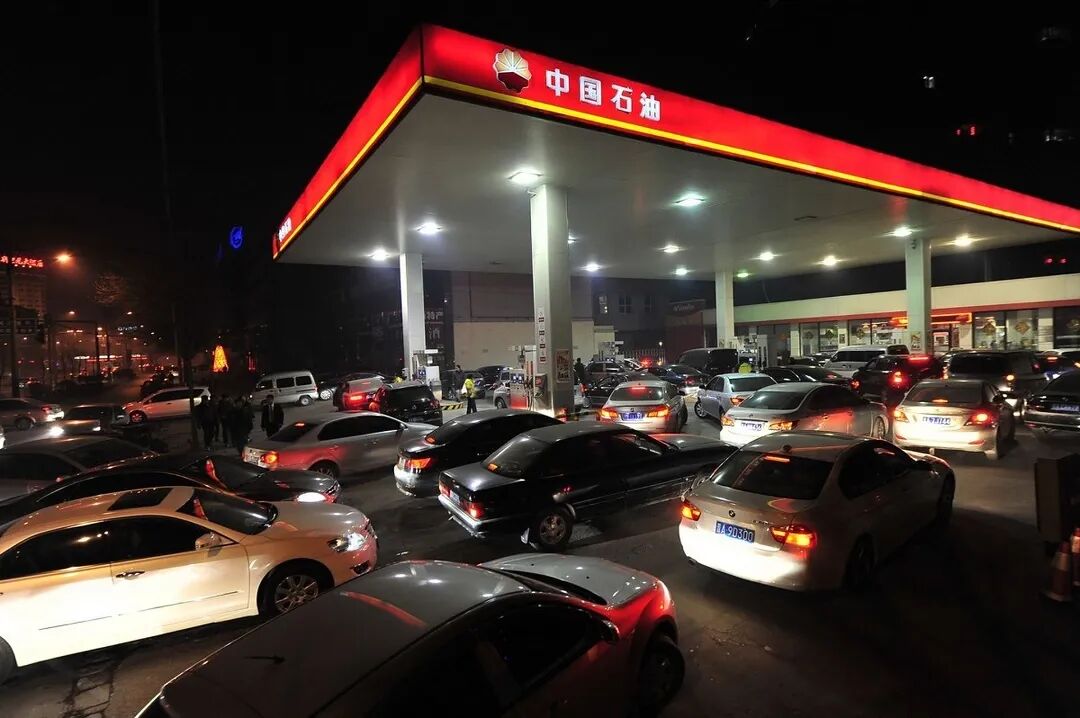
I wholeheartedly agree with this perspective.
The rationale is straightforward. This time, it's clear to all that geopolitical tensions won't subside anytime soon, and oil prices are set to climb even higher.
"Money" is at the forefront of most domestic consumers' minds. Imagine if the price of 92-octane gasoline surpasses 10 yuan per liter and stays there for months. What ripple effects would that cause?
In my view, one cannot overlook the "divine boost" electric vehicles are about to receive.
Especially as incentives like trade-in subsidies and tax benefits for new energy vehicle purchases wane, the rise in oil prices will become the biggest catalyst for potential buyers on the fence, prompting impulsive purchases. In other words, as policy "crutches" shorten, another sturdy "crutch" has been handed to the protagonist of today's article.
Whether it's due to luck, fate, or even the invisible hand of the market, the story unfolds with unexpected twists.
01 Is the Competition Between Gasoline and Electric Vehicles Coming to an End?
Before this wave of significant oil price hikes, electric vehicles showed signs of fatigue at the start of the new year.
As direct evidence, in December last year, the penetration rate of new energy vehicle retail sales neared 60%. In stark contrast, it dropped to only 38.6% and 44.9% in January and February, respectively.
Suddenly, doubts about the decline of electric vehicles began to surface.
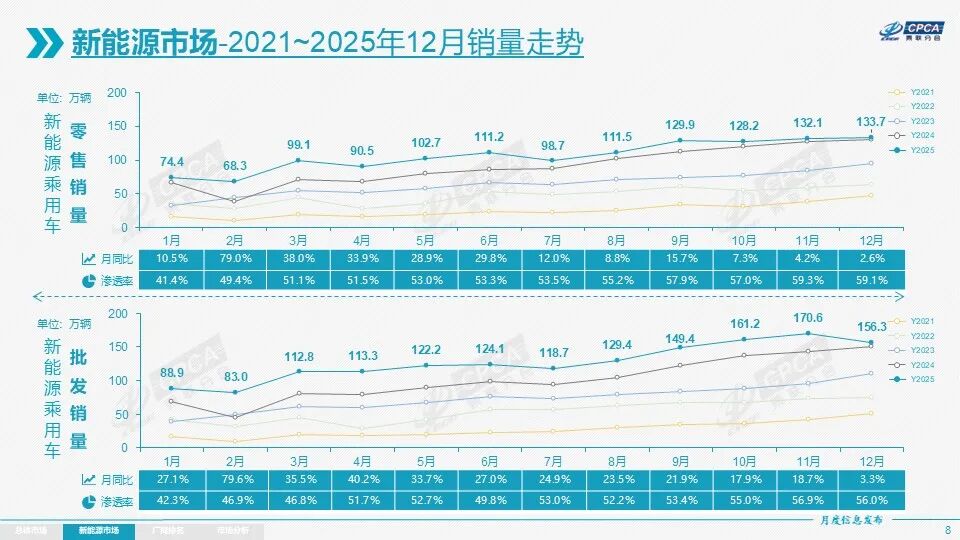
The reasons behind the obvious slowdown in output are complex.
Besides the policy rollbacks mentioned earlier, the so-called off-season, compounded by the longest Spring Festival holiday in history, and the fact that major automakers have yet to make their moves, both internally and externally, are fostering hesitation among end consumers.
Oh, and to slow their own decline, in January and February, several mainstream joint ventures, representing the gasoline vehicle camp, launched a price war that "hurt the enemy a thousand, self-inflict eight hundred," also continuously blocking the advance of electric vehicles at the retail level.
In any case, the combination of these factors has made this year's "competition between gasoline and electric vehicles" in the Chinese auto market increasingly unpredictable. Initially, it was thought that electric vehicles would continue their momentum from the end of last year, but in reality, they have entered a stalemate with gasoline vehicles.
But now, with a sudden overnight surge in oil prices, the protagonist of today's article has undoubtedly received another "divine boost" and found the sharpest sword to break the deadlock. All the gloom has instantly been swept away.
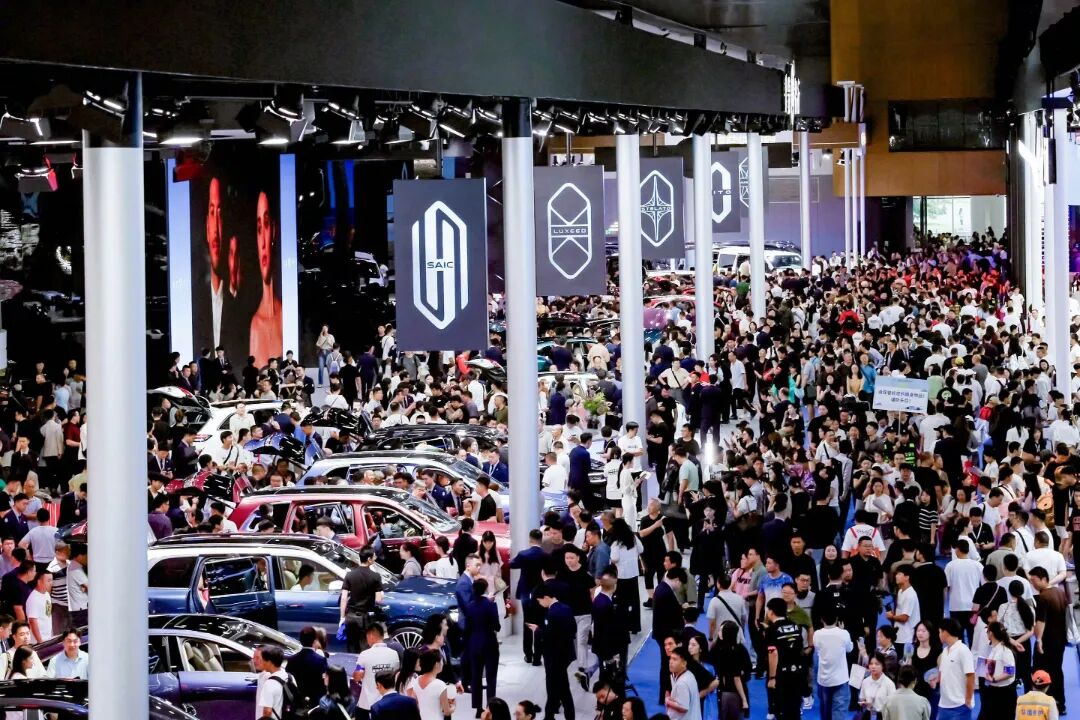
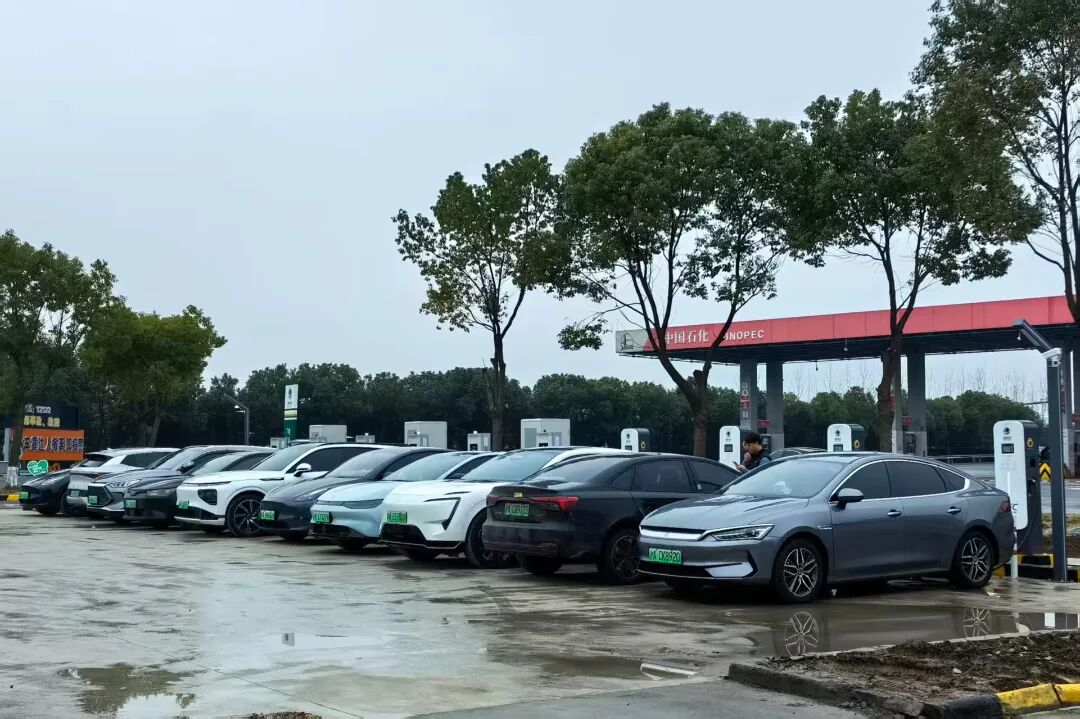
The surge in operating costs for gasoline vehicles will inevitably lead many users to reevaluate which type of vehicle is more suitable for them at present. Electric vehicles just need to seize this "window of opportunity" that has fallen from the sky.
"I commute about 1,500 kilometers a month for work. In the past, the gas cost was around 1,000 yuan. After this price adjustment, I'll have to spend an additional 300-plus yuan each month, which adds up to nearly 4,000 yuan a year. I originally planned to stick with a gasoline vehicle for my next purchase, but now, if oil prices continue to rise, I might consider buying an extended-range or plug-in hybrid vehicle. At least, using electricity can save a lot in daily use."
This exclamation is not fabricated; it genuinely comes from a friend of mine. Working at a major internet company in Shanghai and shouldering a heavy burden, he has recently begun to change his mindset.
Extrapolating from this example, I believe there are definitely consumers with similar thoughts who are not isolated cases.
The surge in vehicle operating costs due to high oil prices has become a key driver for them to switch to electric vehicles. In the past, these die-hards had a million reasons to criticize the protagonist of today's article, but in the face of real financial losses, their actions are becoming increasingly pragmatic.
After all, who would ignore money?
Especially in this economic environment of consumer downgrading. From first-tier cities to lower-tier markets, from sophisticated white-collar workers to ordinary people, everyone is becoming more calculating. The huge advantage of electric vehicles in terms of comprehensive costs is becoming increasingly prominent.
Take me as an example. With a private charging pile, the annual energy replenishment cost for driving 20,000 kilometers is at most 1,500 yuan, and there's no need for any after-sales maintenance. If I drive a gasoline vehicle, even the best-performing Japanese hybrid would cost at least 10,000 yuan in various expenses.
And these past two days, the China Passenger Car Association released its latest forecast, predicting that retail sales of new energy passenger vehicles in March will be around 900,000 units, with a new energy retail penetration rate of about 52.9%. Although there's still a gap compared to the high point at the end of last year, the trend of recovery and growth is already very evident.
Coupled with the "divine boost" of the sudden overnight surge in oil prices and the recent "frenzy of new product launches" by major automakers, as well as the implementation of trade-in subsidies in various regions, the subtitle of this section is not blind self-indulgence.
After a brief stalemate in the "competition between gasoline and electric vehicles" at the beginning of the year, the scales of victory are clearly tilting heavily towards the protagonist of today's article. The end may indeed be near.
Historically, every global-scale oil crisis has had a profound impact on the automotive industry. Previously, the Japanese seized the fleeting opportunity. Now, with a similar scenario unfolding, a broader stage for Chinese electric vehicles is within sight.
On the eve of the new king's coronation, what we need to do is to seize the opportunity firmly and shine brilliantly.
02 Does Anyone Still Not Understand Why We Need Electric Vehicles?
"Over 70% of China's oil is imported, and 70% of that oil is used in the transportation sector. The current situation poses a severe threat to national energy security. Replacing fuel vehicles with new energy vehicles is not a choice but a necessity for national energy security and long-term development."

In early March, BYD released its second-generation Blade Battery. Wang Chuanfu, standing in the spotlight, issued a serious warning to the entire industry at the outset. However, in the eyes of many, he seemed to be just tooting his own horn.
But from my perspective, I strongly agree with this statement.
One might ask, why is China vigorously developing electric vehicles? Besides reducing dependence on imported oil energy and fundamentally lowering geopolitical risks, as Wang Chuanfu said, it's also related to many other dimensions.
In the era of gasoline vehicles, core components like engines and transmissions were monopolized by Europe, the United States, and Japan for a century. No matter how hard we tried to catch up, it was difficult to completely bridge the gap.
Instead of trying to catch up, it's better to choose a different path and overtake them.
China possesses the world's most complete supply chain for the core components needed for electric vehicles, covering lithium mines, batteries, motors, electronic controls, chips, charging, intelligent networking, and more. Coupled with abundant electrical energy reserves, it forms an exceptionally fertile breeding ground that can create huge output value, drive millions of jobs, and significantly empower the economy. Why not go for it?
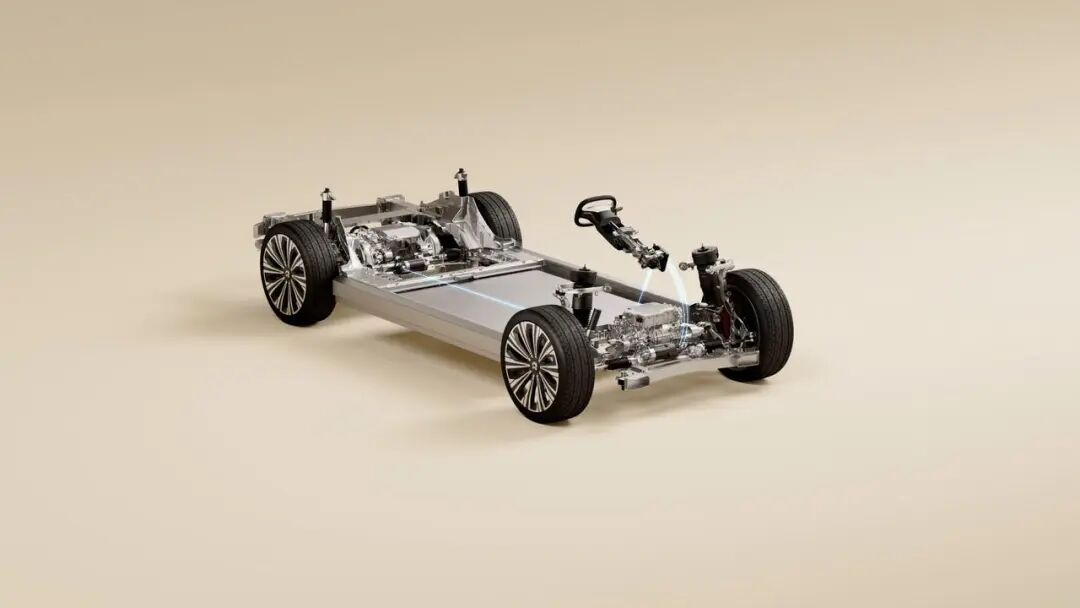
Meanwhile, electric vehicles emit zero emissions during operation and have 40%-70% lower lifecycle carbon emissions than gasoline vehicles, better supporting the environmental goals of achieving carbon peak by 2030 and carbon neutrality by 2060.
Additionally, it cannot be overlooked that after more than a decade of development, electric vehicles have become an important symbol of China's high-end manufacturing, significantly elevating our position in the global industrial chain.
In any case, if one were to summarize with an equation: better sales of electric vehicles = ensuring energy security + seizing the future of the industry + fulfilling green commitments + stabilizing economic growth + winning global competition.
Each item is crucial, and each item carries significant weight. And the phrase, "Developing new energy vehicles is the only way for China to transition from a major automotive country to a powerful automotive nation," is the core essence behind the vigorous development.
Even though this year, the crazy fluctuations in storage chip and power battery raw material prices have had a considerable impact on the cost side of electric vehicles, from the current situation, major automakers are still able to cope and remain prepared to roll up their sleeves and get to work.
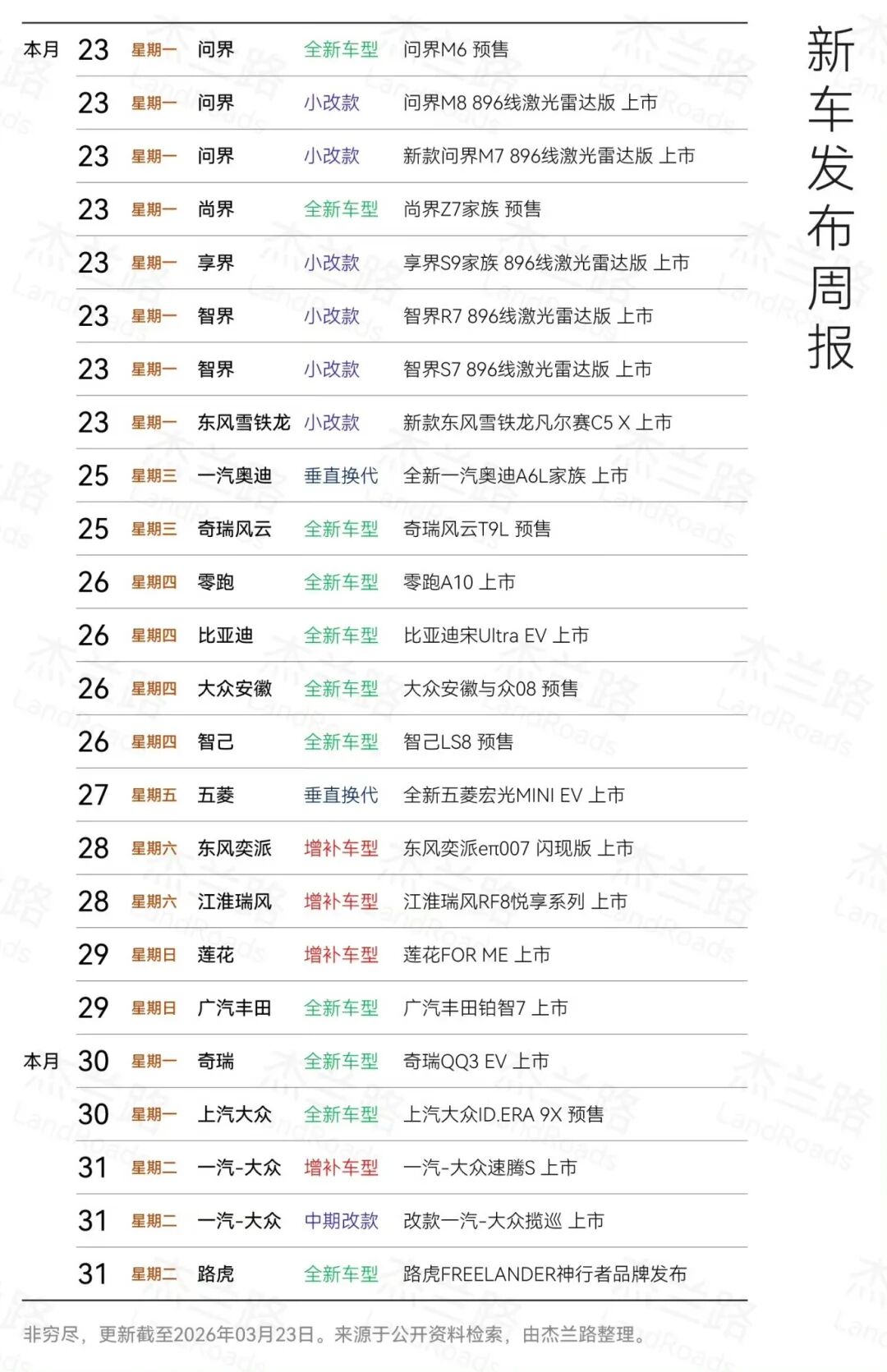
Just this week, according to incomplete statistics, more than a dozen electric vehicles have started pre-sales or been officially launched. Coming in April, with the opportunity of the Beijing Auto Show, the supply side is expected to see an even larger surge. And the continuous rise in oil prices has cleared the last cognitive barrier for electric vehicles' expansion this year.
Again, the same principle applies: “In a time of economic downturn, who isn't watching their wallet?”
Expanding the perspective, last year, with the continuous expansion of electric vehicles, China's global new vehicle sales surpassed 27 million units, dethroning Japan, which had held the championship title for 25 consecutive years, for the first time.
This year, with global turmoil and the escalating oil crisis, we undoubtedly have an even better opportunity to reap the rewards.
There's no doubt that Chinese electric vehicles have already shifted from being "policy-driven" to "market-driven."
Whether it's product strength, cost-effectiveness, comprehensive experience, including the operating costs that everyone cares about the most, or the convenience of energy replenishment, everything has undergone earth-shaking changes, gradually overwhelming gasoline vehicles. Precisely because of this background, anyone who continues to talk down or deliberately smear electric vehicles is either foolish or malicious."
-
![]()
The Unstoppable Rise of 'Optical Progress and Copper Decline': Sunny Optical’s Strategic Vision for the Next Decade
-
![]()
AI + Going Global in the Second Half: No Intermission for Robot Vacuum Cleaners
-
![]()
The Suffering Endured in E-commerce, Walmart Doesn't Want to Repeat in AI
-
![]()
What Does the Doubling of New Energy Vehicle Exports Mean?
-
![]()
Ghosn: 'Only I Can Save Nissan'
-
![]()
Volkswagen Lays Off 100,000 Employees, The Elephant Sits Down
-
![]()
Expanding Production Capacity! Yutong Optics Acquires Approximately 1.5 Hectares of Industrial Land in Chang'an, Dongguan
-
![]()
Why Is Nokia Making a Comeback in the AI Era?