Xiaomi Auto Hits Profitability: Can the New SU7 Redefine the Brand?
 03/25 2026
 548
548
The SU7, Shedding Its Initial Hype, Marks Xiaomi Auto's Evolution
With official deliveries commencing on March 23, Xiaomi Auto's latest SU7 has successfully navigated its promotional journey—from the initial pre-sale announcement earlier in the year, through the press conference on March 19, to the final delivery phase this Monday. While the rhythm remained consistent, this time around, the vehicle failed to generate the same level of public buzz as its predecessor after the press conference.
The Xiaomi SU7 has transitioned from the spotlight to just another car launch.
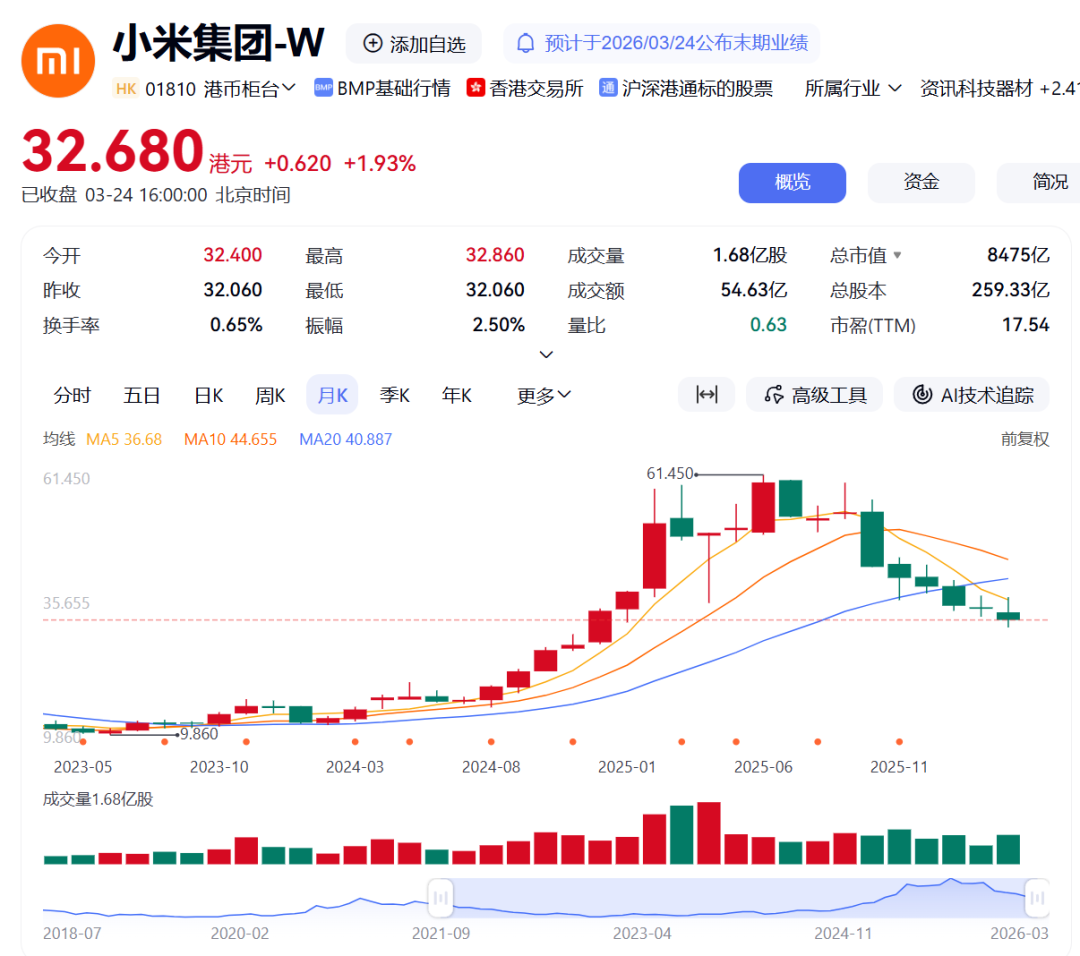
Notably, on the delivery day, Xiaomi Group repurchased shares worth nearly HK$100 million on the Hong Kong Stock Exchange. Since its listing on March 19, Xiaomi has engaged in share repurchases for two consecutive trading days, yet it struggles to reverse the downward trend of its stock price.
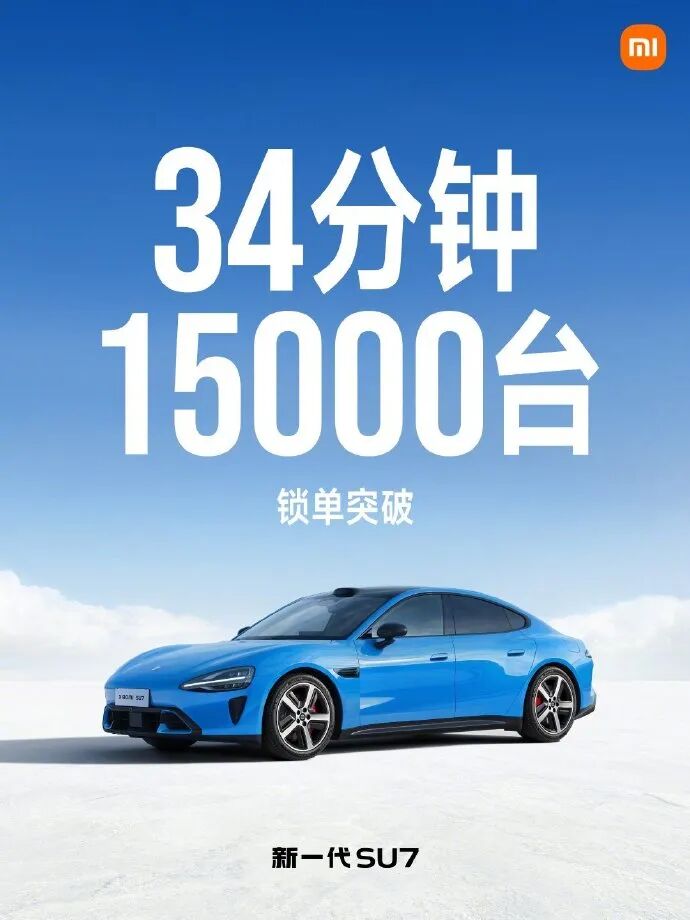
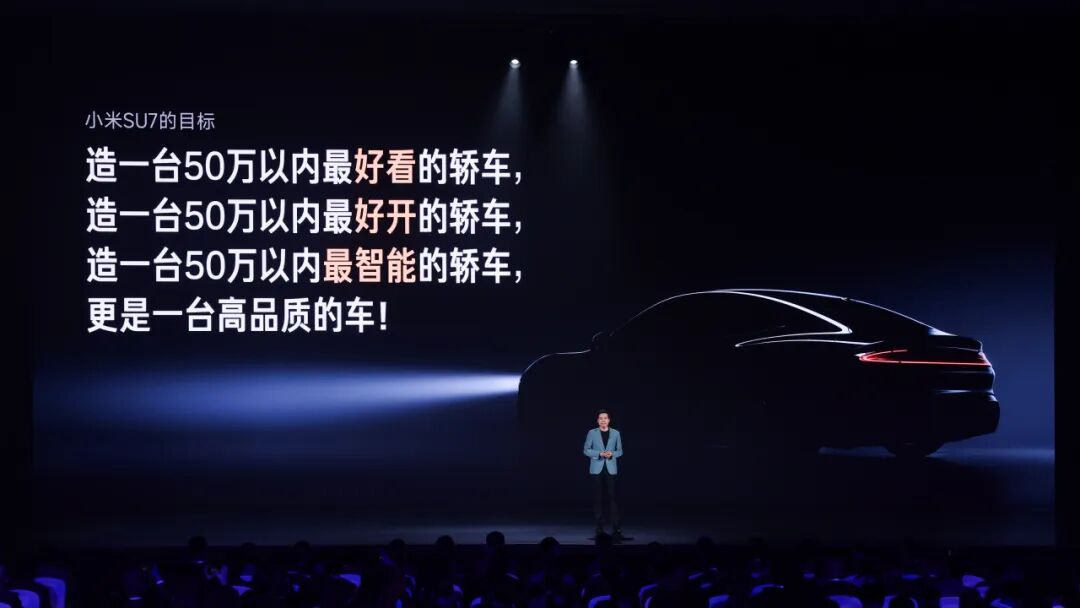
Regarding new car sales, Xiaomi Auto has adopted a much more low-key approach this time. Apart from the 15,000 orders secured within 34 minutes post-press conference, no other sales data was disclosed. It wasn't until the interview session following the first batch of vehicle deliveries that Lei Jun revealed that locked orders had surpassed 30,000, stating that the situation was significantly better than that of the first-generation model.
Discussions around "small deposits" and "large deposits" have become as inconsequential as a speed of 60 km/h, no longer the focal point. Instead, conversations have shifted to gossip, such as why Wei Jianjun and Li Bin were absent.
After experiencing significant fluctuations, Xiaomi Auto, much like the upgrades in the new SU7, has become more secure while eschewing superficial changes.
Dual Spokespersons Strategy
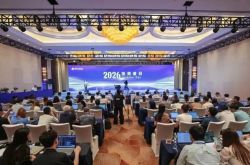
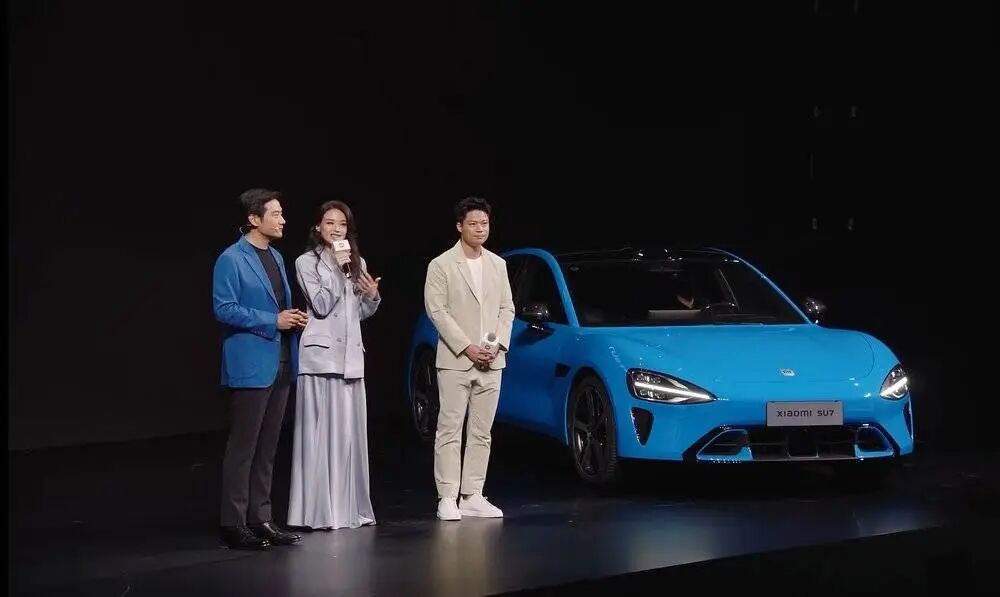
The most notable difference from the initial SU7 launch is that Xiaomi Auto introduced spokespersons for the first time at this press conference, enlisting two celebrities: Olympic medalist Su Bingtian and actress Shu Qi.
From a branding perspective, Xiaomi Auto boasts a strong online presence. Su Bingtian, the Asian sprint champion and owner of the first-generation SU7, symbolizes speed, while Shu Qi adds a playful homophonic element.
The inclusion of these spokespersons transformed the new Xiaomi SU7's press conference from being solely Lei Jun's showcase. This marks a shift in Xiaomi Auto's marketing strategy, moving from founder-centric IP to broader brand building.
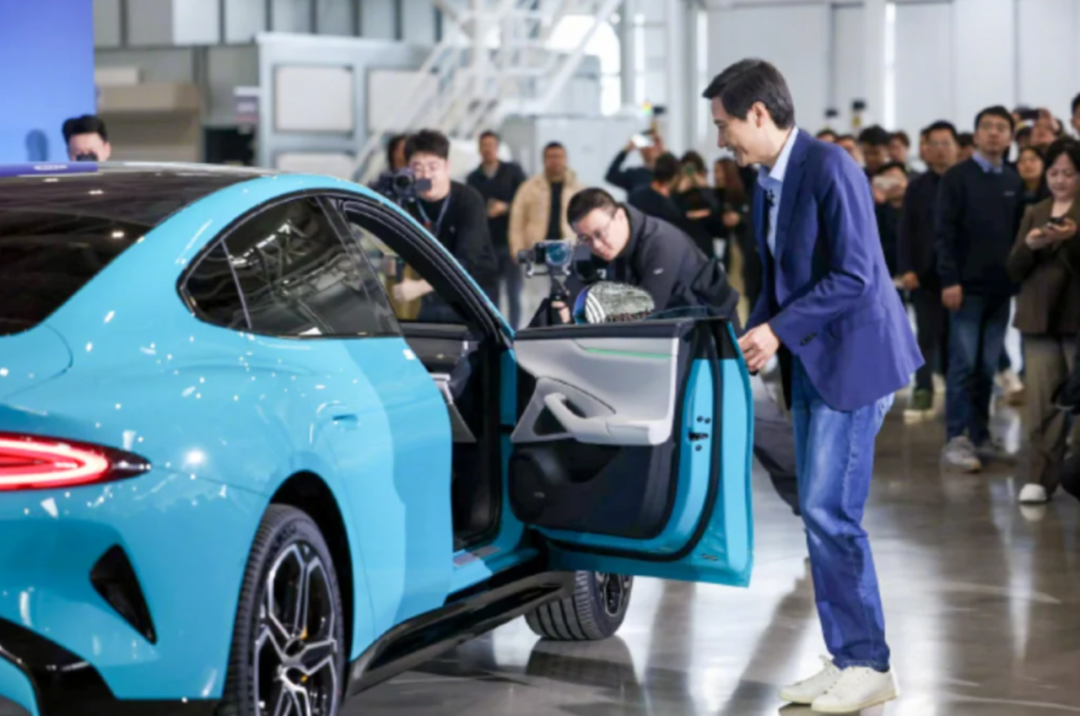
Recalling the initial SU7 press conference, Lei Jun himself was the best spokesperson. From declaring it his last major career venture to track racing and obtaining a racing license, Lei Jun demonstrated Xiaomi's seriousness about car manufacturing. This straightforward and efficient promotional approach quickly captured everyone's attention.
More importantly, as the first product, Lei Jun had to ensure success. However, fairness dictates that any product issues would directly target him in public opinion.
For a while, Lei Jun could only remain silent. Under the internet's magnifying glass, the more he spoke, the more ammunition he provided for potential smear campaigns.
Introducing spokespersons is not only a strategy to "break out of the circle" and attract customers but also a well-considered risk-sharing and brand reshaping tactic. Shu Qi's elegance and Su Bingtian's speed align with the "texture" and "performance" of the SU7, respectively, helping Xiaomi Auto transition its brand value from the single symbol of "Lei Jun" to a richer, more flexible image.
Beyond spokespersons, the new SU7 launch brought more changes. At the press conference, Lei Jun, as the main speaker, abandoned the "self-promoting" narrative that emphasized the product's "expensiveness and excellence." Instead, he focused on the product itself.
As a phenomenal product in China's new energy vehicle market, the initial Xiaomi SU7 carried significant hype and controversy. From a sales perspective, it was the first product capable of competing with Tesla in the pure electric market, with 380,000 vehicles delivered over two years, warranting serious recognition for this cross-border contender.
This also put pressure on the new SU7 to surpass its predecessor.
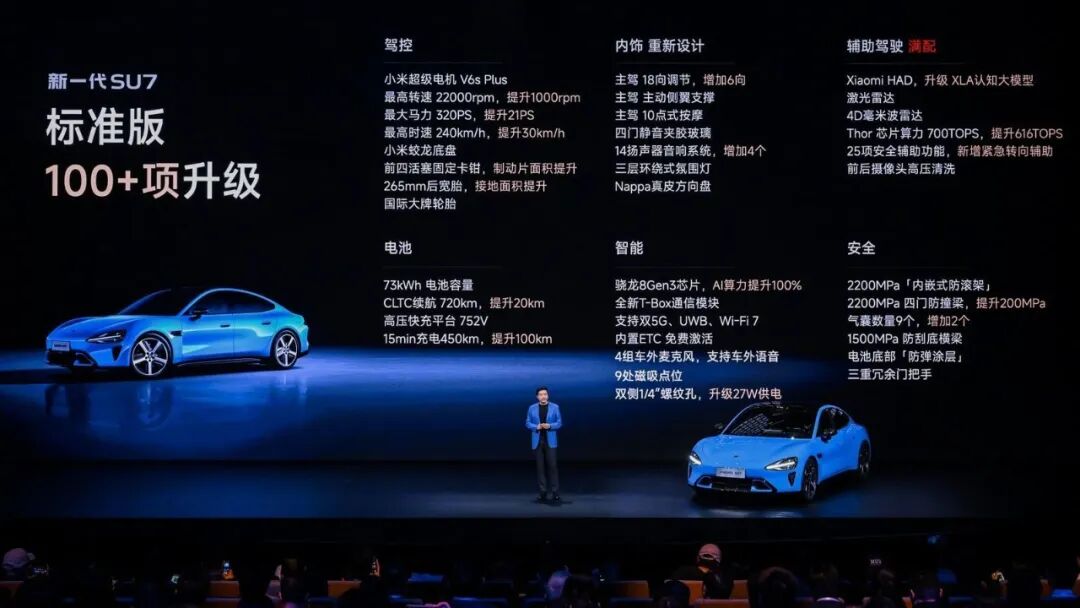
The direction was clear: all criticized shortcomings were the focus of this generation's upgrades. Over 100 upgrades were showcased for the new SU7, backed by Xiaomi's investment of over RMB 40 billion in R&D and supply chain support.
Although Xiaomi Auto has never directly addressed controversies surrounding the previous SU7, improvements in the new model reveal a focus on safety. Besides standard laser radar across all models, enhancements have been made to overall vehicle structural safety. Of course, a slip of the tongue during the press conference attracted attention from multiple parties, but this time, Lei Jun openly admitted to the mistake.
More importantly, in terms of sales, Xiaomi has changed its approach. According to Lei Jun, by taking advance orders to prepare inventory and offering a batch of immediately available vehicles for sale, user waiting time has been reduced.
According to the official website, these immediately available vehicles can be delivered within a maximum of 5 weeks, a significant improvement over the previous delivery cycle of over 40 weeks. More importantly, as of this Monday, many options are still available for these immediately available vehicles.
Custom-ordered new cars no longer enjoy the same popularity as the initial SU7. On second-hand platforms, transfer fees for new car orders have returned to "normal," no longer reflecting the previously unattainable and high-demand state.
All these changes point to one conclusion: Xiaomi Auto is evolving into a mature automotive manufacturer. Two years later, Xiaomi is no longer the eager "outsider" trying to prove itself.
Xiaomi Seeks Stability, Capital Seeks Innovation
After entering the automotive industry, Xiaomi has taken the build-to-order model to the extreme. The excessively long waiting period reflects strong sales, making Xiaomi a successful newcomer to the brand.
Faced with sales exceeding expectations, Xiaomi needs to consider its next move: whether to aggressively expand production or proceed steadily. This is a test for a company entering the automotive industry for the first time, especially given the rapid updates in China's new energy vehicle market and ensuring that customers who have placed large deposits do not switch to other products.
Xiaomi has chosen a stable path, optimizing production capacity under the existing scale without rushing to expand. However, this approach carries the risk of prolonged delivery times. Fortunately, with years of experience in marketing mobile phones and digital products, Xiaomi understands waiting better than other brands.
This situation also extended to the second model, the Xiaomi YU7, which once again sold out, with production capacity remaining the only shortfall.
However, with the launch of the new SU7, not only are SU7 models available for immediate sale, but the once highly sought-after YU7 also has immediately available vehicles. Although Xiaomi officially categorizes them as brand-new immediately available vehicles and nearly new vehicles, only Xiaomi Auto internally knows the exact quantities.
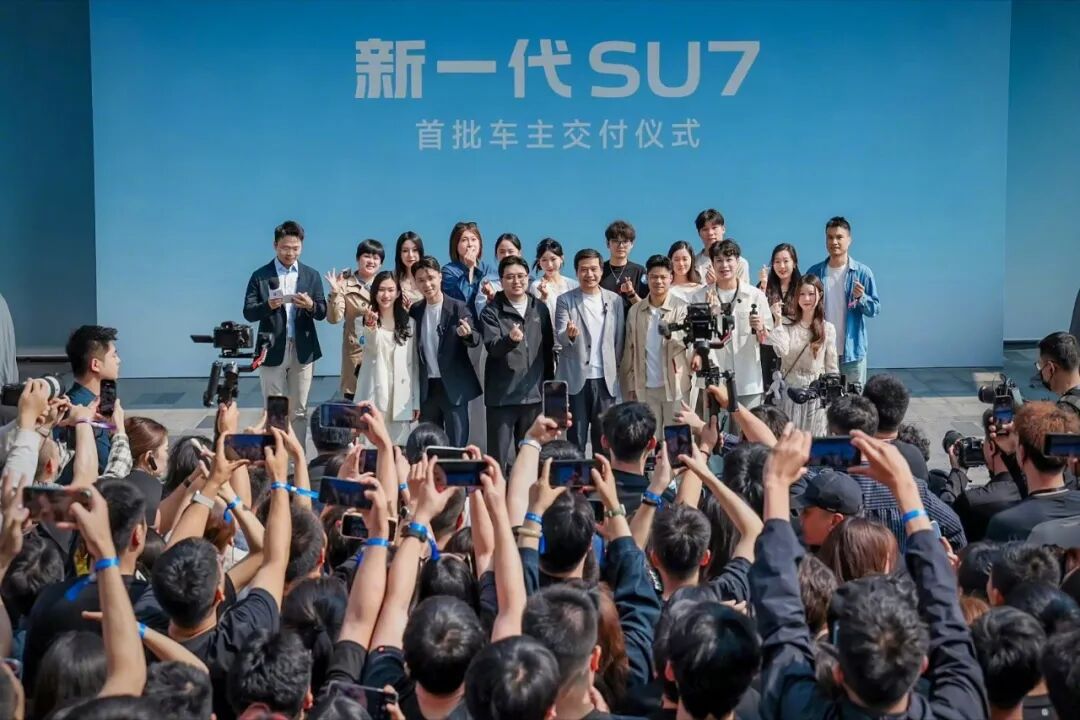
Therefore, the delivery ceremony for the first batch of owners of the new Xiaomi SU7 was moved from the Beijing factory to the Xiaomi Shenzhen Building.
The initial SU7's choice of factory delivery was a form of promotion. At that time, Xiaomi Auto had not yet obtained the qualification to produce new energy vehicles and still relied on BAIC's qualifications for delivery. Faced with external doubts, choosing factory delivery was the best explanation.
Now, Xiaomi has become an automaker with annual sales exceeding 400,000 vehicles, no longer needing to prove that it is genuinely manufacturing cars. Instead, it needs to expand its owner base, stepping out of the factory and leaving Beijing.
The choice of Shenzhen is not only because it hosts the world's largest Xiaomi Home but also because of Shenzhen's high acceptance of new energy vehicles. According to statistics, the penetration rate of new energy vehicles in Shenzhen reached 81.7% in 2025, ranking among the highest in the country. More importantly, Shenzhen's average economic level aligns with Xiaomi Auto's target demographic.
Of course, it must be mentioned that Shenzhen is also home to several of Xiaomi Auto's competitors. On the same day as the delivery ceremony, Harmony Intelligent Mobility also held its 2026 spring new product launch, unveiling and taking pre-orders for ten new models, including the Shangjie Z7, a direct competitor to the SU7.
Faced with competitors closing in, the SU7, now stripped of the halo of Xiaomi's first new car, needs to prove itself with more convincing results. However, after the internet has labeled Lei Jun as a marketer, anything he says may be perceived as marketing.
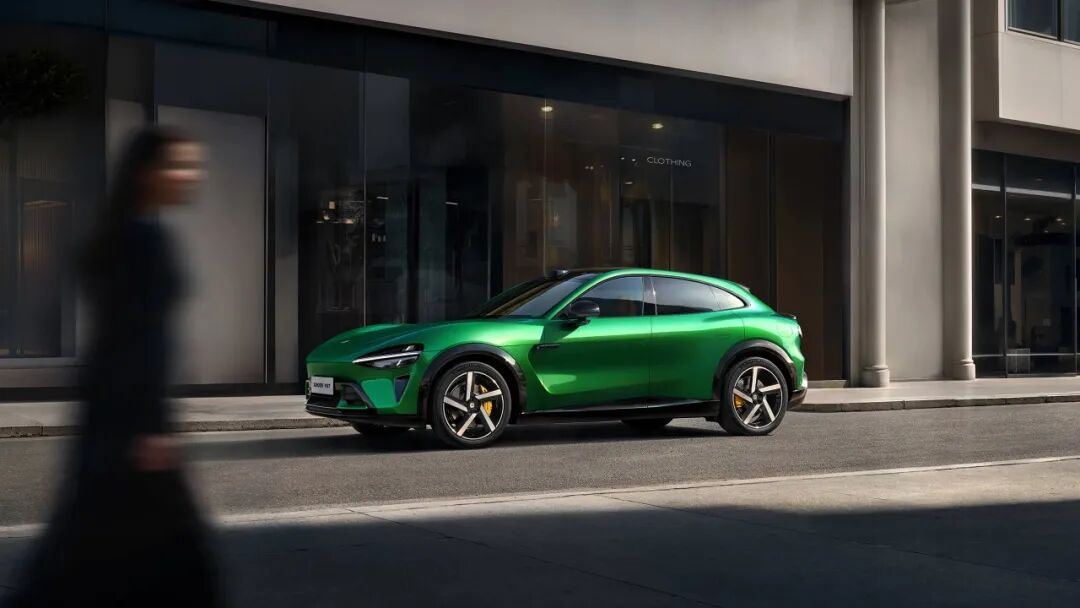
Therefore, Xiaomi Auto can only change its previous approach and move closer to traditional automotive business methods. This shift is also reflected in the content of the press conference, transitioning from previous disruptive rhetoric to statements like "car manufacturing is becoming increasingly difficult and demanding" and "automobiles are complex systems, and we are constantly learning."
However, when things are placed on the capital market, everything is not as rosy as Xiaomi envisions. From the results, Xiaomi's decision to enter the automotive industry was the right move, rescuing the company's long-slumping stock price. As of the close on March 24, Xiaomi's stock price closed at HK$32.68 per share, more than doubling from the HK$14.94 per share when the first-generation SU7 was launched two years ago.
More importantly, according to the latest financial report, the automotive business achieved RMB 103.3 billion in revenue, turning operating income positive for the first time, with an annual operating income of RMB 900 million, making it the second domestic new car-making powerhouse to achieve full-year profitability.
However, in the stock market, neither the launch nor the delivery of the new SU7 has been able to drive up the stock price. Part of this is due to overall market conditions, but another part is that capital wants to see more innovative products from Xiaomi.
Looking back at Xiaomi's stock price changes, it is evident that the capital market still prefers Xiaomi to tell new stories. The stock price did not rise with the introduction of the SU7 Ultra on March 28, 2025, but instead fell for three consecutive days. Later, on June 26, with the launch of the first SUV model, the YU7, the stock price soared to an all-time high of HK$61.45 the next day, followed by three consecutive days of gains.
The capital market hopes to see Xiaomi Auto expand its market and introduce new products like large SUVs that have appeared as camouflaged prototypes. After all, for Xiaomi Group, the automotive business is now the fastest-growing segment and represents the company's future.
When Xiaomi Auto seeks stability and the capital market seeks innovation collide, this discrepancy leads to a disconnect between the stock price and reality. For Xiaomi Auto, the new SU7 is the ballast stone for sales and a key to brand reshaping.
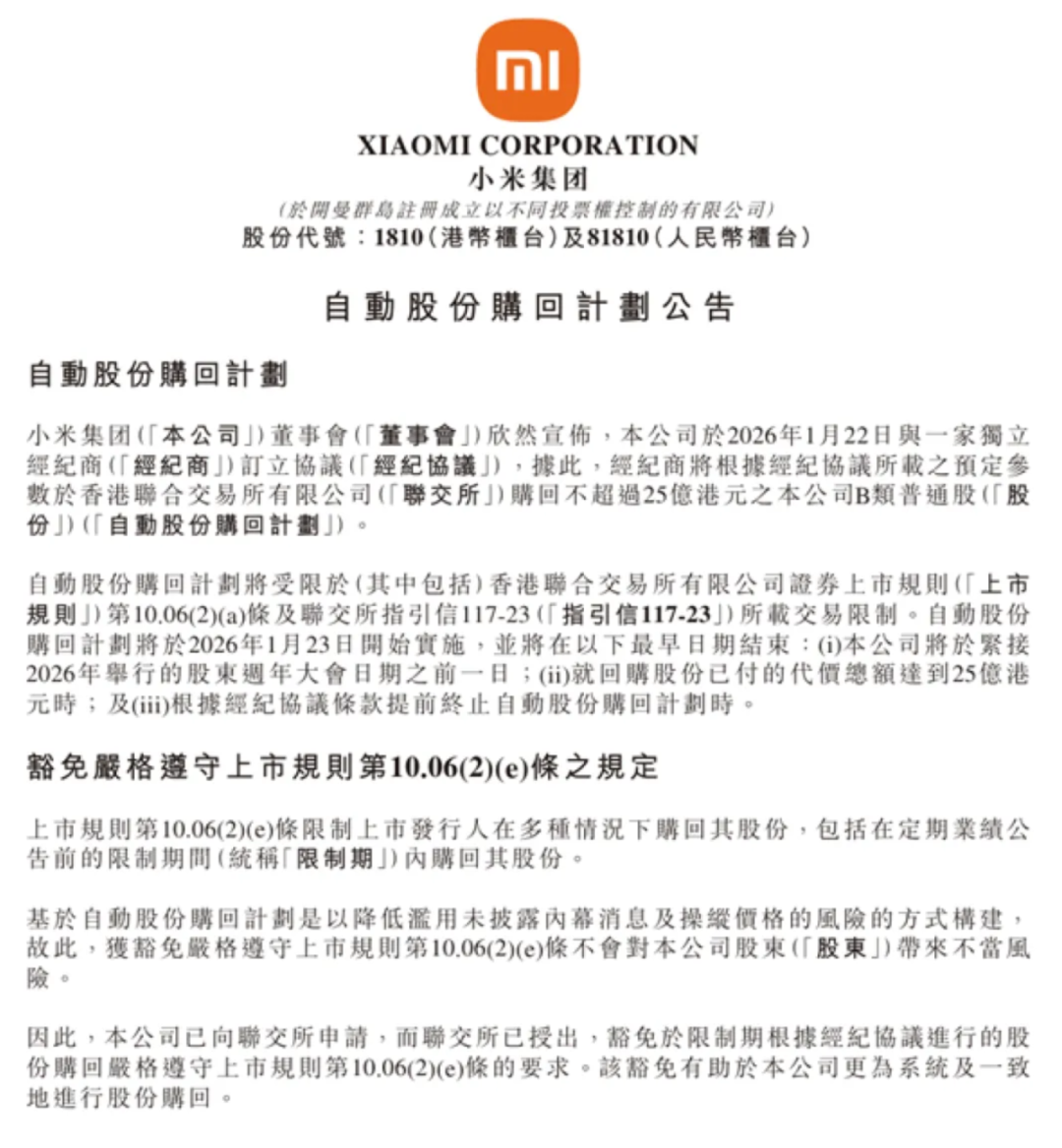
As for the stock price, Xiaomi Group can only boost confidence through repeated repurchases. According to statistics, Xiaomi Group has conducted 37 repurchases this year alone, with a cumulative amount exceeding HK$4.7 billion. However, the stock price has still fallen by more than 15%.
It remains to be seen whether Xiaomi Group's stock price can recover under the influence of the 2025 annual financial report.
Note: Some images are sourced from the internet. If there is any infringement, please contact us for removal.
-END-
-
![]()
The Unstoppable Rise of 'Optical Progress and Copper Decline': Sunny Optical’s Strategic Vision for the Next Decade
-
![]()
AI + Going Global in the Second Half: No Intermission for Robot Vacuum Cleaners
-
![]()
The Suffering Endured in E-commerce, Walmart Doesn't Want to Repeat in AI
-
![]()
What Does the Doubling of New Energy Vehicle Exports Mean?
-
![]()
Ghosn: 'Only I Can Save Nissan'
-
![]()
Volkswagen Lays Off 100,000 Employees, The Elephant Sits Down
-
![]()
Expanding Production Capacity! Yutong Optics Acquires Approximately 1.5 Hectares of Industrial Land in Chang'an, Dongguan
-
![]()
Why Is Nokia Making a Comeback in the AI Era?