Why Does Changan Insist on HEV Despite Higher Costs Than PHEV?
 03/25 2026
 482
482
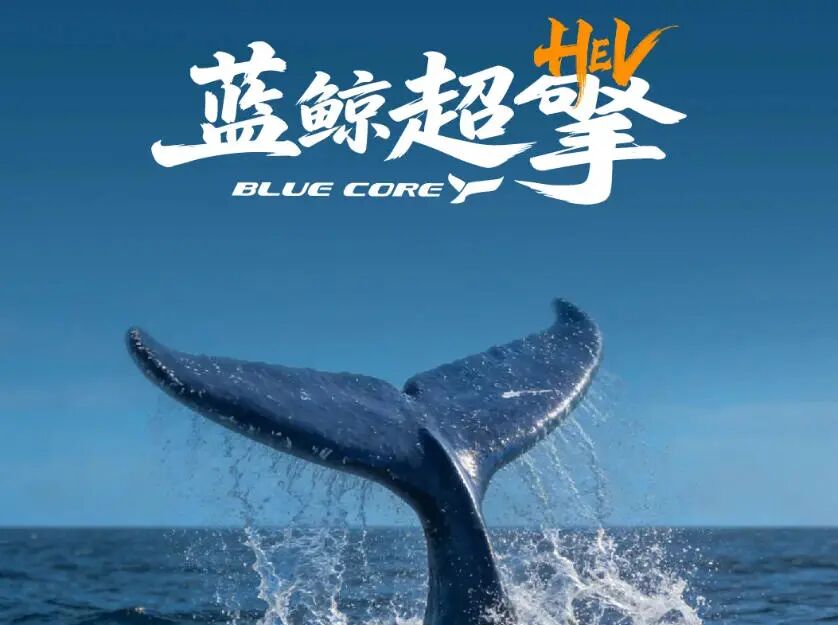
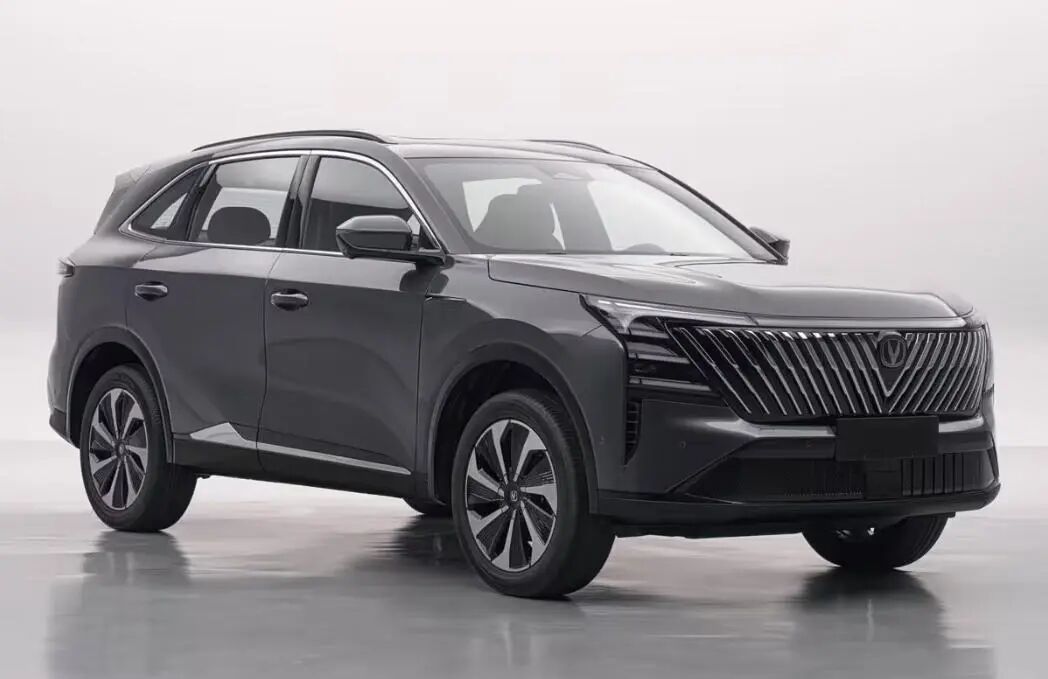
Amid the global wave of electrification, the domestic automotive industry has predominantly focused on battery electric vehicles (BEVs) and plug-in hybrid electric vehicles (PHEVs), with new energy vehicle (NEV) penetration rates steadily rising. Meanwhile, internal combustion engine (ICE) vehicles have been labeled as "outdated," struggling to maintain market share amid price wars. However, Changan Automobile has recently taken a seemingly "unconventional" path: officially launching its Blue Whale Super Engine Hybrid HEV solution, developed over six years with a RMB 2 billion investment, and filing HEV variants of four key Gravity Series models—UNI-V, Eado, CS55PLUS, and CS75PLUS—with the Ministry of Industry and Information Technology.
In a market environment where HEV manufacturing costs approach those of PHEVs and lack policy incentives like green license plates, Changan's move has drawn widespread industry attention. Dissecting its strategic logic reveals that the core objective of doubling down on HEVs is to protect the Gravity Series' sales base while completing a long-term industrial layout (layout) covering technology, markets, and globalization.
HEV Strengthens Gravity Series Sales Base
In February 2026, Changan's Gravity Series achieved monthly sales of 59,700 units, surging 41.6% month-on-month, solidifying its position as the cornerstone of Changan's sales portfolio. Its main models target the mass-market 100,000-yuan home-use segment, with the CS75PLUS surpassing 3 million cumulative sales and the Eado consistently ranking among China's top Autonomous fuel powered sedan (domestic ICE sedans). This market represents the largest segment in China's auto industry, with unique user demands.
Data from the China Passenger Car Association (CPCA) shows that domestic ICE vehicle sales reached 692,000 units in February 2026, defying industry trends with a 2.2% year-on-year increase and reclaiming 61.6% market share. These figures underscore real demand from ICE base users. Most of these buyers are first-time car owners in third- and fourth-tier cities and rural areas, typically lacking fixed parking spaces or home charging infrastructure. The core advantage of PHEVs—electric-only range—is difficult to leverage in daily use, and prolonged battery depletion driving raises ownership costs.
Additionally, HEVs maintain significantly higher residual values over their lifecycle, with three-year-old HEVs generally retaining 10 percentage points more value than equivalent PHEVs—a critical consideration for 100,000-yuan family car buyers.
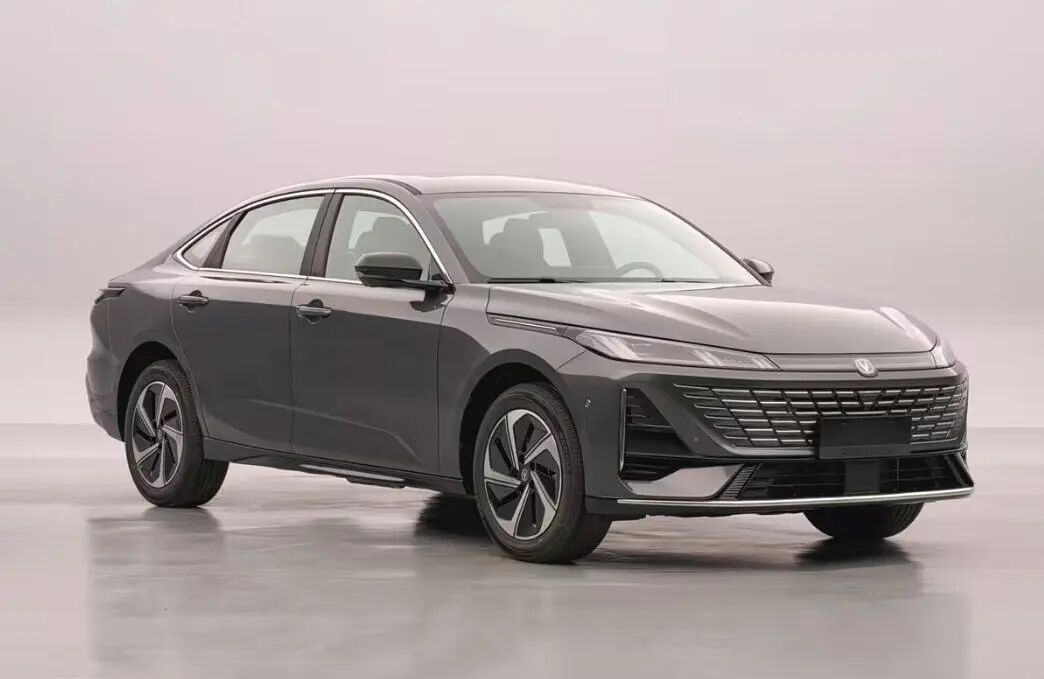
By equipping key Gravity Series models with HEV powertrains, Changan essentially upgrades its classic ICE models for electrification without altering user habits, meeting core demands for low fuel consumption and high reliability. This strategy firmly retains existing users, preventing base erosion amid electrification trends.
Strategic Wisdom in "Cost Accounting"
A common industry misconception holds that HEVs offer significant cost advantages over PHEVs, but in reality, their whole-vehicle manufacturing costs are nearly identical. While PHEVs incur costs from large-capacity batteries, HEVs face higher technical barriers in hybrid-specific engines, high-power electric drive systems, and intelligent electronic control units, requiring substantial upfront R&D investment. Overall hardware costs for both remain comparable.
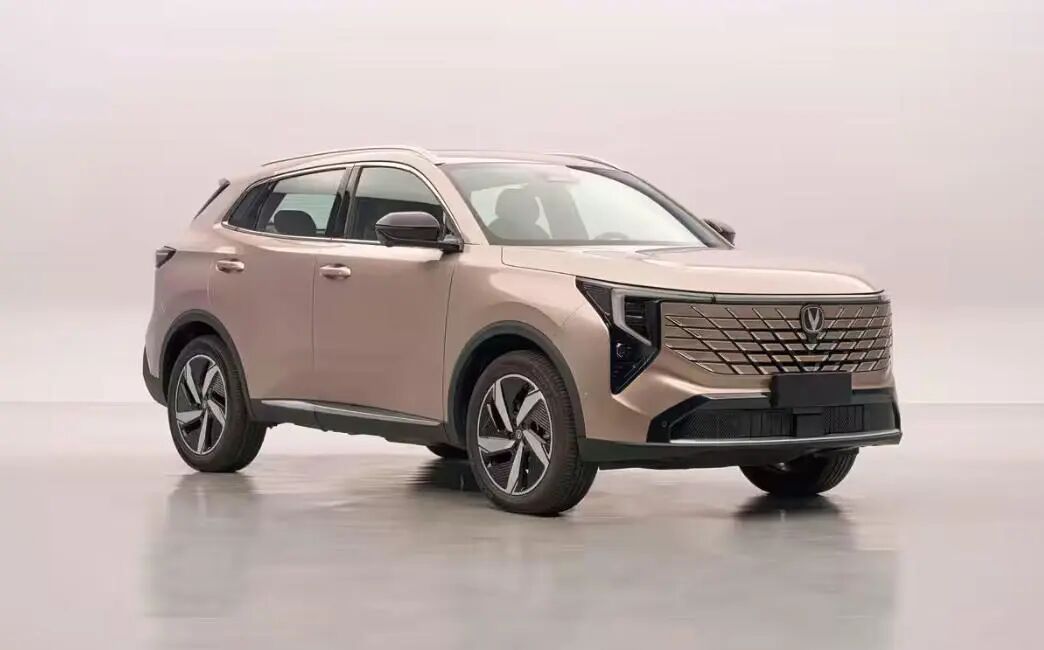
However, Changan's HEV layout (layout) transcends short-term per-unit cost calculations, adopting a holistic supply chain perspective. First, policy incentives are shifting: under new NEV purchase tax exemption rules from the Ministry of Finance and State Taxation Administration, PHEV tax exemptions will halve starting in 2026 with a RMB 15,000 cap, while the electric-only range threshold for incentives rises from 43 km to 100 km. These changes directly increase PHEV compliance and purchase costs, narrowing the price gap with HEVs and weakening PHEVs' policy-driven competitive edge.
Second, supply chain and production-side optimizations reduce costs. The Blue Whale Super Engine Hybrid system, validated over 2 million global kilometers, achieves high compatibility with existing Gravity Series platforms, supporting co-production with ICE models without major production line or body structure adjustments. This slashes hidden costs from line modifications and mold development. Leveraging the Gravity Series' annual sales volume in the hundreds of thousands, HEV R&D costs can be rapidly amortized, creating cost advantages at scale.
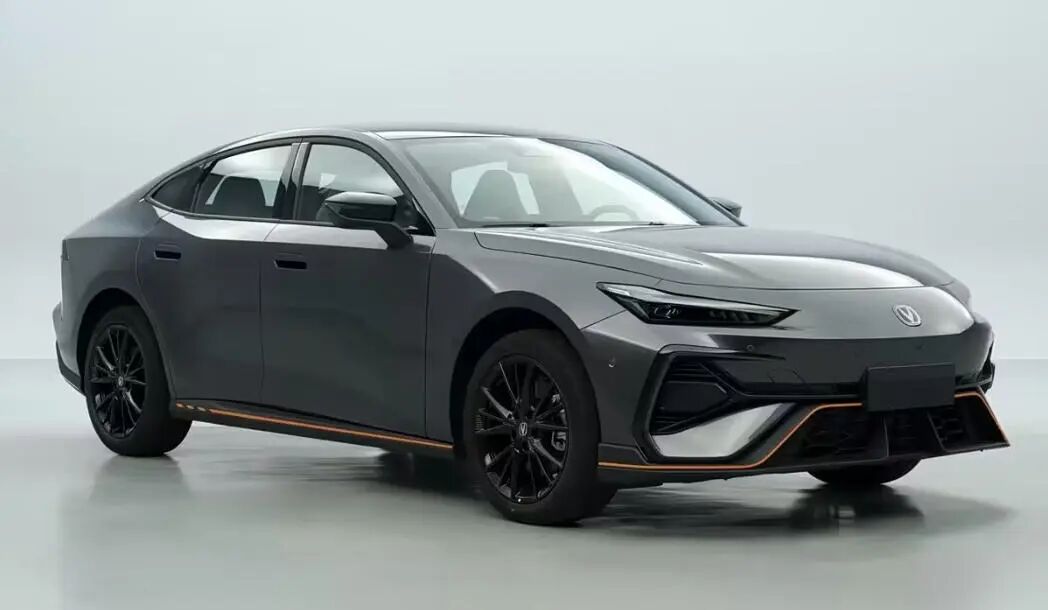
Meanwhile, HEVs open a differentiated competition track in the 100,000-yuan home market. While the PHEV segment faces intense price competition, HEVs remain dominated by joint ventures, with limited quality offerings from Chinese brands. The Blue Whale system, featuring a 44.28% thermal efficiency engine and 180 kW motor, delivers 2.98 L/100 km urban fuel consumption and 3.59-second 0-60 km/h acceleration. With competitive pricing, it can displace joint venture models and avoid PHEV price wars.
Technology Export Supports Globalization Ambitions
Changan's HEV push extends beyond domestic sales, aiming for technological leadership and global layout . The company adheres to a multi-powertrain technical strategy, with HEVs serving as both a core vector for ICE electrification and a foundation for its hybrid technology system.
Core technologies from the Blue Whale system—engine thermal efficiency control, electric drive R&D, and intelligent energy management algorithms—are fully transferable to PHEV and extended-range electric vehicle (EREV) systems, maximizing R&D efficiency and solidifying technical barriers across hybrid segments.
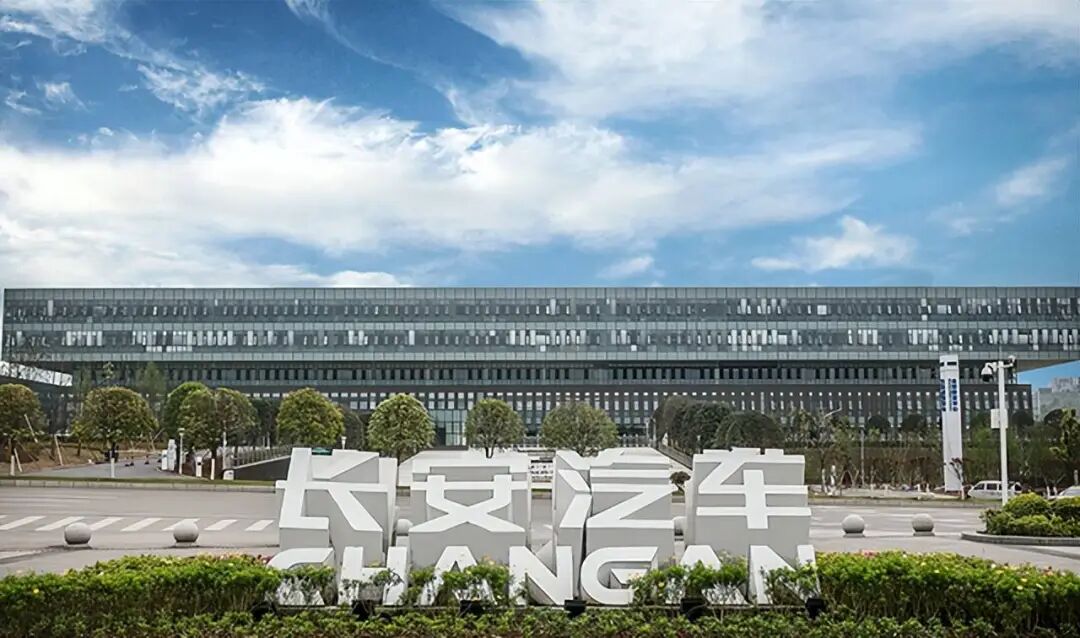
Globally, HEVs are key to Changan's international expansion. Annually, over 70 million ICE vehicles are sold worldwide, accounting for nearly 70% of the global auto market. In major overseas markets like Southeast Asia, the Middle East, and Latin America, charging infrastructure remains underdeveloped, creating significant barriers for BEV and PHEV adoption. Meanwhile, demand for charge-free, low-fuel-consumption, and highly reliable HEVs continues to rise.
From January to November 2025, domestic HEV exports surged over 200% year-on-year, far outpacing the 64% growth in BEV exports. After domestic market validation, Gravity Series HEV models can be directly deployed overseas without major powertrain adaptations, significantly reducing R&D and operational costs for globalization.
Furthermore, Changan aims to use HEVs as a breakthrough point to unite Chinese automakers in conquering the hybrid segment. For years, Japanese brands have monopolized HEV core technologies, but Chinese automakers like Changan have now achieved independent breakthroughs, forging differentiated technical routes.
As Yang Dayong, Changan's executive vice president, stated, the company's HEV layout (layout) aims to disrupt ICE vehicles and welcomes Chinese firms to collaborate on HEV development, collectively overturning the global ICE market. Through technological breakthroughs and industry collaboration, Chinese automakers can break joint ventures' long-standing monopoly in energy-efficient vehicles and reshape global automotive competition.
Amid electrification becoming the industry's dominant trend, Changan's HEV emphasis is not a counter-trend move but a strategic choice based on market demand, user value, and industrial layout (layout). Automotive industry transformation has never been a binary choice; the ultimate value of technical routes lies in meeting real user needs.
For Changan, using HEVs to protect the Gravity Series' core base is both a foundation for competing in current markets and a key step toward future global leadership and technological excellence. In the fierce industry shakeout, a solid base remains the ultimate confidence for enterprises to navigate cycles.
-
![]()
The Unstoppable Rise of 'Optical Progress and Copper Decline': Sunny Optical’s Strategic Vision for the Next Decade
-
![]()
AI + Going Global in the Second Half: No Intermission for Robot Vacuum Cleaners
-
![]()
The Suffering Endured in E-commerce, Walmart Doesn't Want to Repeat in AI
-
![]()
What Does the Doubling of New Energy Vehicle Exports Mean?
-
![]()
Ghosn: 'Only I Can Save Nissan'
-
![]()
Volkswagen Lays Off 100,000 Employees, The Elephant Sits Down
-
![]()
Expanding Production Capacity! Yutong Optics Acquires Approximately 1.5 Hectares of Industrial Land in Chang'an, Dongguan
-
![]()
Why Is Nokia Making a Comeback in the AI Era?