The ‘Dividends’ of Large Six-Seater SUVs Are Yet to Be Fully Realized, While Large Five-Seater SUVs Are Surging in the Market
 03/30 2026
 537
537
Lead-in
Introduction
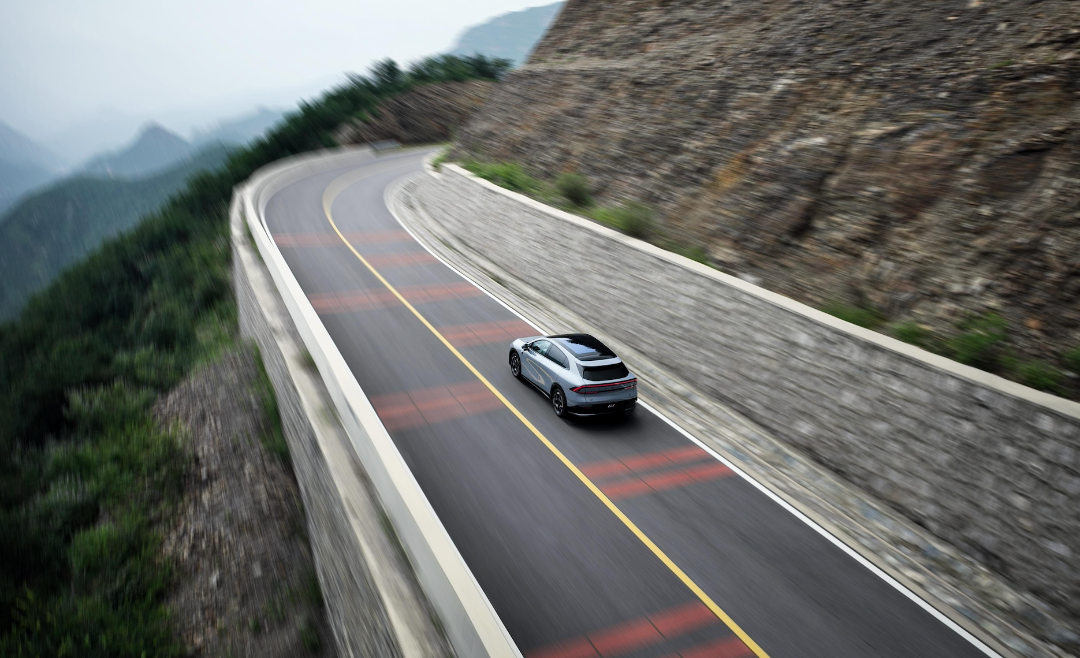
The automotive market is constantly evolving, shifting its focus from large six-seater SUVs to large five-seater SUVs, thereby opening up new competitive fronts.
Just three months ago, large six-seater SUVs were still the centerpiece of the automotive market. Annual sales of six-seater SUVs from mainstream brands exceeded one million units, marking a significant leap in growth. In the mid-to-large SUV segment, six-seater models accounted for over 70% of the market share. From models priced around 100,000 yuan to those reaching 500,000 yuan, such as the Geely Galaxy M9, NIO ES8, and Denza N9, these vehicles emerged as top choices for family car buyers.
However, as we entered 2026, the automotive market quietly pivoted, with a wave of large five-seater SUVs flooding the market. Models like the Zeekr 8X, IM LS8, and Nissan NX8 made their debuts, signaling a new direction in market competition.
The transition from large six-seater SUVs to large five-seater SUVs has seen the focus of automotive competition shift rapidly within just a year. From a demand perspective, large five-seater SUVs offer flexible space configurations, superior handling performance, and better cater to the needs of mainstream families, making them a new priority for automakers and intensifying competition in the 2026 automotive market.
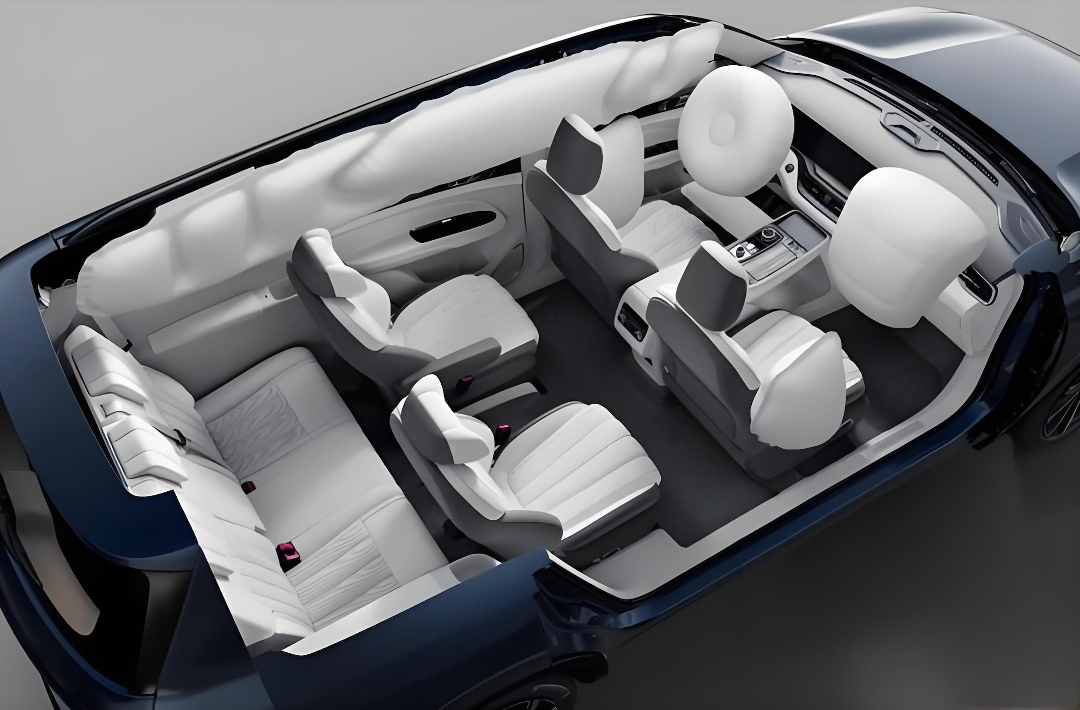
Looking back at the explosive growth of large six-seater SUVs in 2025, it brought about substantial sales increases and new development opportunities for automakers.
The combined efforts of the AITO M8 and AITO M9, along with continuous innovations from the Li Auto series, and models like the Geely Galaxy M9 and Denza N9, established themselves in their respective price ranges through cost-effectiveness and product strength, becoming the core drivers of brand sales growth.
The success of these large six-seater SUVs primarily stems from their ability to meet the travel needs of multi-child families. Interviews with consumers reveal that the six-person travel structure of 'two adults, two children, and two elders' highlights the advantages of the six-seater SUV's '2+2+2' seating layout. Compared to the 'emergency third row' in seven-seater SUVs, every row in a six-seater SUV provides a comfortable riding experience, effectively addressing family travel pain points.
Empowered by new energy technologies, large six-seater SUVs have surpassed traditional fuel vehicles in terms of power, energy efficiency, and intelligence, further fueling market growth. The large five-seater SUVs debuting in 2026 are also poised to bring new development opportunities for automakers.
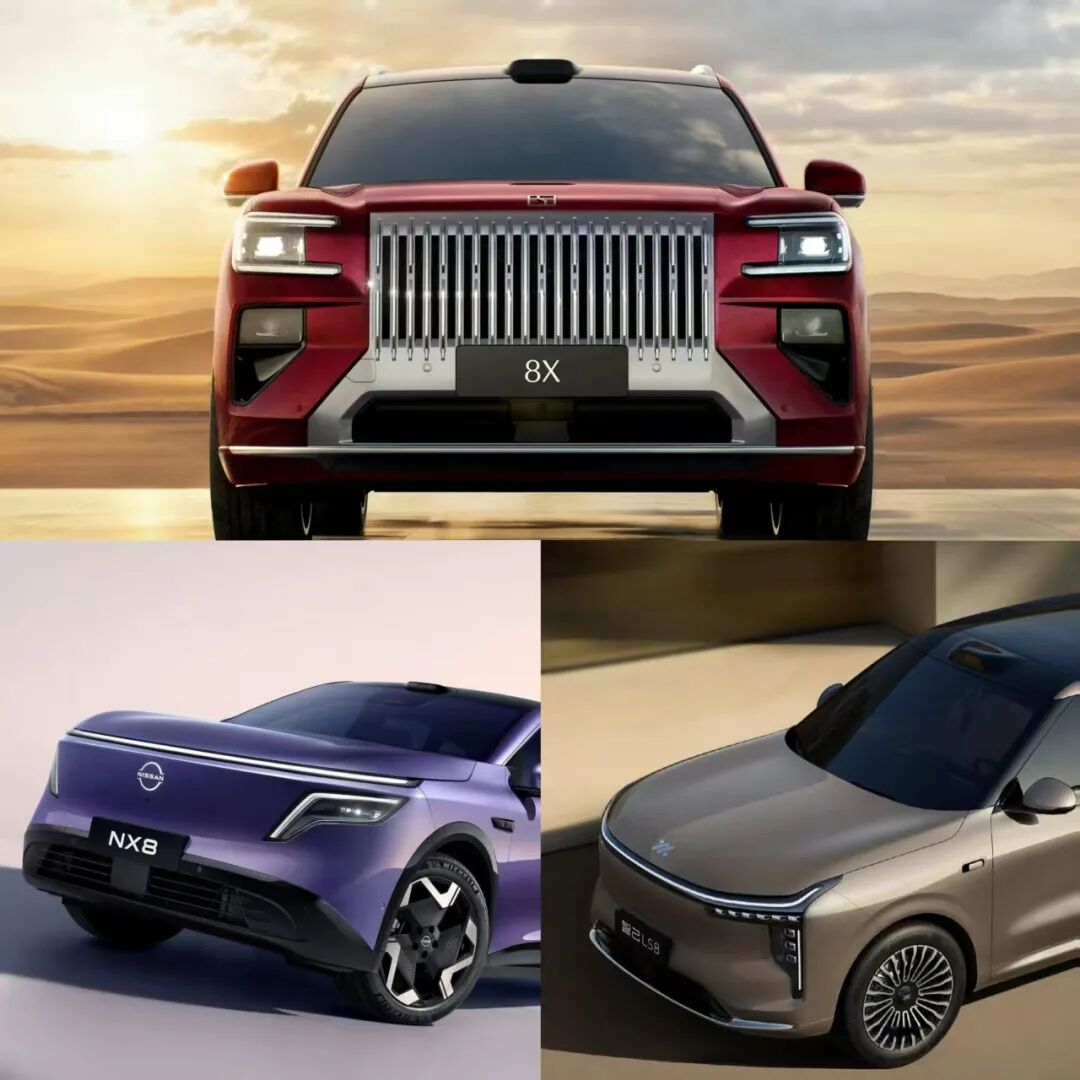
Compared to their six-seater counterparts, large five-seater SUVs offer spacious trunk space while ensuring comfort for both front and rear passengers, making them more suitable for three- or four-member families and those prioritizing cargo needs. Models like the Zeekr 8X, IM LS8, and Nissan NX8 enable corresponding automakers to further enhance their product lineups, meet the needs of more family users, and gain a competitive edge in the automotive market.
Additionally, large five-seater SUVs complement six-seater SUVs, catering to the travel needs of different family structures and helping automakers achieve sustained sales growth.
Zooming out, the development history of the Chinese automotive market is a tale of continuously opening up new fronts and exploring new opportunities.
From a market segmentation perspective, competition has never ceased. Every new segment that emerges injects fresh vitality into the automotive market.
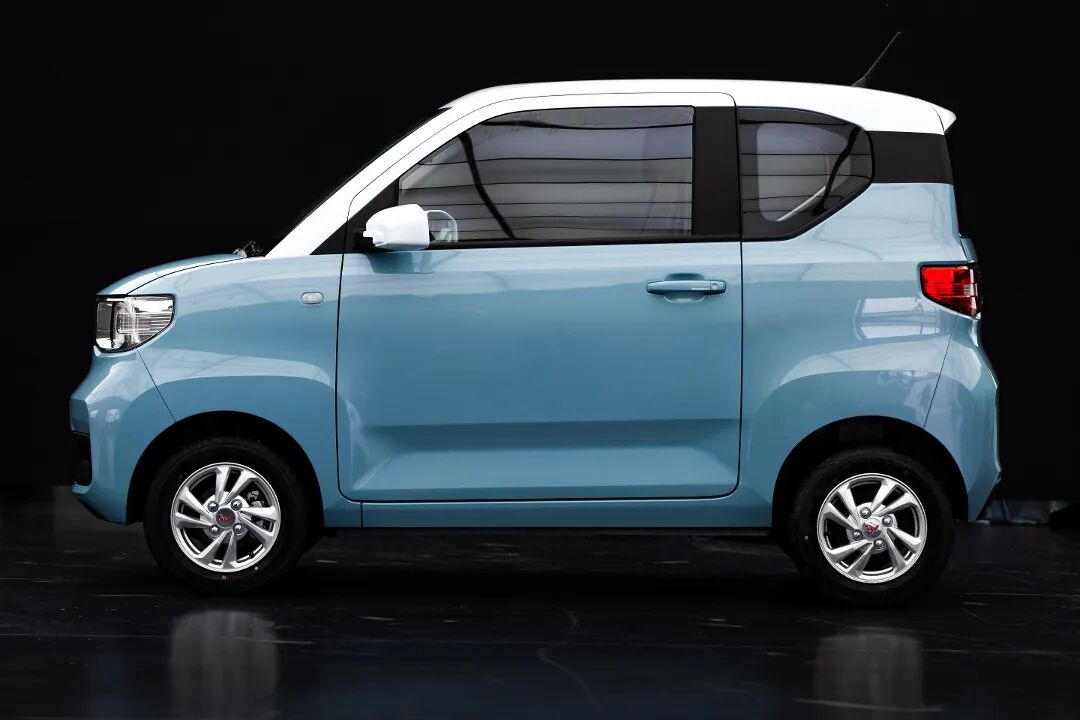
A few years ago, the Wuling Hongguang MINIEV opened up the blue ocean market for micro electric vehicles with its affordable price and compact size. Subsequently, models like the Changan Lumin and Chery QQ Ice Cream entered the fray, rapidly turning the micro electric vehicle market from a blue ocean to a red ocean and becoming the earliest segment where Chinese brands achieved breakthroughs.
Following that, the BYD Qin PLUS, with its plug-in hybrid technology, initiated a new energy competition in the A-class sedan market. Leveraging its cost-effectiveness and low energy consumption, it quickly seized market share and drove the complete electrification of the A-class sedan market.
The arrival of models like the Tesla Model 3 and Xiaomi SU7 sparked a competition in intelligence and electrification in the B-class sedan market, making it a core battleground for technological advancements.
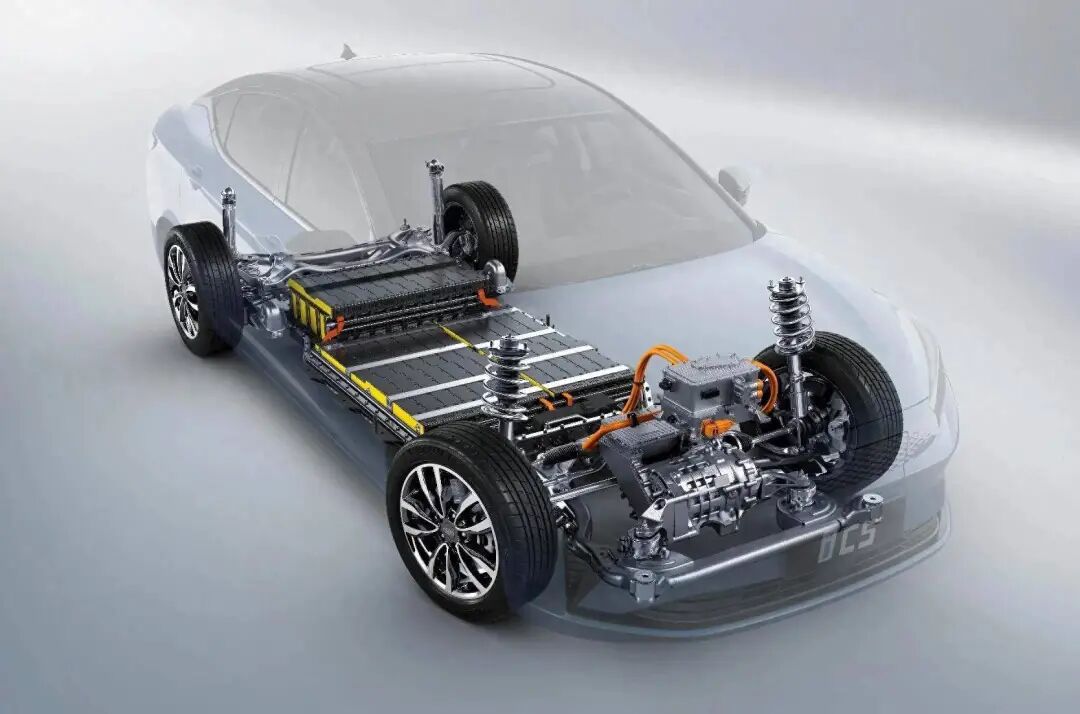
Of course, from a technological standpoint, the competition is equally fascinating. From traditional fuel vehicles to pure electric vehicles, from plug-in hybrids to extended-range electric vehicles, each technological route has its advantages and loyal followers.
Pure electric vehicles, with their zero emissions, low operating costs, and high intelligence, represent the future mainstream. Plug-in hybrid models offer a balance between electric commuting and long-distance travel, alleviating range anxiety. Extended-range electric vehicles, with their 'electric when possible, fuel when needed' approach, are highly favored in the mid-to-large SUV segment. Competition among different technological routes drives continuous advancements in automotive technology and provides consumers with more choices.
Analyzing the automotive market's continuous opening up of new fronts reveals that automakers are seeking new sales growth and development space in an uncertain market environment. Whether through segment expansion or technological innovation, these are inevitable choices for automakers to respond to market changes and meet consumer demands.
Therefore, the current competition in large five-seater SUVs will not be the endpoint. As Li Weimeng, CMO of IM Motors, said in an interview, 'We shouldn't focus on how fierce the competition is among the 8-series models but should return to a more fundamental question: What do Chinese quality families really need when choosing a car in the 250,000 to 300,000 yuan range?'
The answer lies in the quality that automakers provide to users.
Meanwhile, with continuously upgrading consumer demands and ongoing technological advancements, more new market segments and technological routes will emerge in the future.
From micro electric vehicles to A-class sedans, from B-class sedans to mid-to-large SUVs, and from fuel to pure electric, plug-in hybrid, and extended-range technologies, the Chinese automotive market is constantly innovating. Currently, while the glory of large six-seater SUVs has not yet faded, the competition in large five-seater SUVs has already begun, representing just one of countless new fronts in the automotive market. In the future, competition in the automotive market will only become more intense and more exciting.
Continuously opening up new fronts is the core driving force behind the Chinese automotive market's vitality and sustained development.
Editor-in-Charge: Li Sijia Editor: He Zengrong
THE END
-
![]()
The Unstoppable Rise of 'Optical Progress and Copper Decline': Sunny Optical’s Strategic Vision for the Next Decade
-
![]()
AI + Going Global in the Second Half: No Intermission for Robot Vacuum Cleaners
-
![]()
The Suffering Endured in E-commerce, Walmart Doesn't Want to Repeat in AI
-
![]()
What Does the Doubling of New Energy Vehicle Exports Mean?
-
![]()
Ghosn: 'Only I Can Save Nissan'
-
![]()
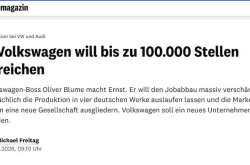
Volkswagen Lays Off 100,000 Employees, The Elephant Sits Down
-
![]()
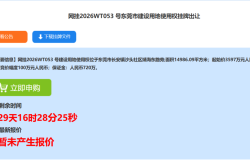
Expanding Production Capacity! Yutong Optics Acquires Approximately 1.5 Hectares of Industrial Land in Chang'an, Dongguan
-
![]()
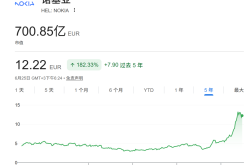
Why Is Nokia Making a Comeback in the AI Era?