Who Will Follow in Skoda’s Footsteps?
 03/30 2026
 542
542
Lead
Introduction
As long as the market continues to evolve, Skoda will not be the last foreign brand to bow out.
Amid a host of external uncertainties, the Chinese auto market is experiencing a significant downturn this year. The varying fortunes of major automakers are an inevitable consequence of market differentiation. However, one thing is clear for the entire industry: clinging to outdated strategies is futile. Amidst fierce price wars and public opinion battles, only the truly robust players will endure.
Among joint venture automakers, with Skoda's departure now a done deal, we must soberly consider the market’s direction: under the impact of new energy and intelligent trends, which brand will be the next to exit China?
Although a few years ago, when second-tier joint ventures were collectively challenged by domestic brands, Skoda’s fate was sealed. From the day it transitioned from 'SAIC Skoda' to 'SAIC Volkswagen,' the countdown to its retreat began.
This Czech brand, with a 130-year history, after 19 years in China, ultimately chose to leave at the beginning of 2026. Skoda’s journey is a microcosm of the joint venture era in the Chinese auto market and serves as a cautionary tale.
In an era of abundant opportunities, survival was straightforward as long as there was market space. With minimal effort, selling hundreds of thousands of vehicles annually was commonplace. Some say, 'The era made Skoda.' This sentiment holds truth. Unfortunately, Skoda and others did not foresee how rapidly the era would shift.
As potential customers are lured by new entrants and joint venture brands face collective pressure, the wheels of fate have quietly turned. After Skoda, the Chinese market will inevitably issue eviction notices to the weak.
Over the years, Korean (Hyundai), French (Peugeot, Citroën), American (Chevrolet, Ford), and even Japanese (Mazda) brands have felt strong resistance from multiple fronts. This means Skoda’s departure serves as a wake-up call for those similarly marginalized in the market.
01 Riding the Wave, Fate Out of One's Control
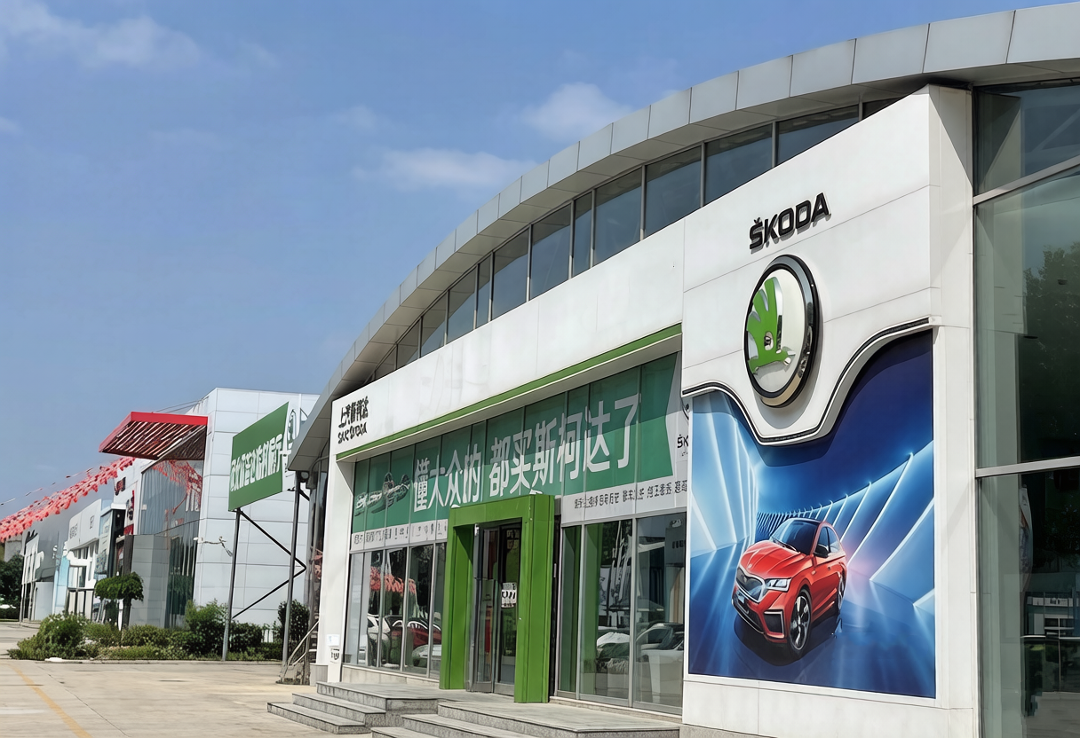
In 2005, Skoda partnered with SAIC Volkswagen to enter China. At that time, the Chinese auto market was on the brink of explosive growth. Leveraging German quality, Volkswagen’s technological endorsement, and relatively affordable prices, Skoda quickly gained market share.
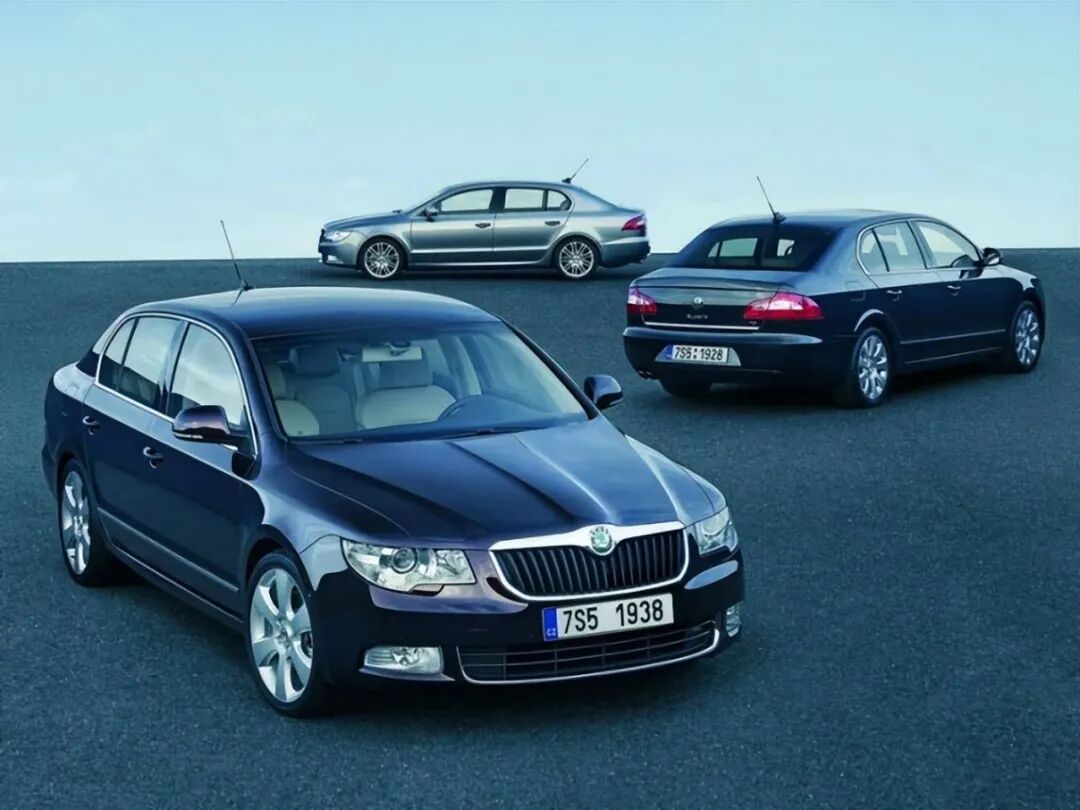
'Those who understand Volkswagen buy Skoda'—this advertising slogan once resonated deeply. Models like Octavia, Superb, and Yeti indeed won over many pragmatic consumers during specific periods. By 2013, Skoda’s sales in China exceeded 200,000 units, making it the brand’s largest single market globally.
However, the surface prosperity masked underlying crises. Skoda’s 'golden era' was essentially riding on Volkswagen’s brand premium. In consumers’ minds, Skoda was always the 'cheap Volkswagen' rather than a brand with independent value. This positioning was advantageous during market upswings but became a shackle as competition intensified.
After 2018, the Chinese auto market reached an inflection point. Amid consumption upgrades, the rise of domestic brands, and the new energy wave, Skoda’s shortcomings became glaring. It failed to excel in products, branding, or even long-term planning. From selling around 350,000 units annually to plunging below 20,000, it took only a few years.
Some argue that Skoda’s delayed launch of new energy models, while Volkswagen itself was accelerating electrification, was the tipping point. But can we really blame Skoda? With Volkswagen’s ID.4/ID.6 struggling to gain traction in China, what chance did Skoda’s Enyaq and other pure electric models have?
At the brand level, since Skoda could neither rely on Volkswagen’s brand appeal to maintain premiums nor compete head-on with increasingly cost-effective domestic brands, it had to endure the reality that in the core 100,000-200,000 RMB market segment, as Geely, Great Wall, BYD, and other domestic brands continued to ascend, Skoda’s 'German quality' narrative appeared pale and powerless.
To put it bluntly, this 'arrogance' or 'sluggishness' is undoubtedly fatal in China’s fiercely competitive auto market.
Skoda’s exit is not just a brand’s failure but also signifies that traditional joint venture logic faces fundamental challenges in the new energy and intelligent era.
Reviewing the four decades of China’s automotive industry, the joint venture model was once one of the most successful business paradigms. Foreign companies brought technology, brands, and management expertise, while the Chinese side provided market access, distribution channels, and policy support. Both sides benefited, growing the pie together. Giants like Volkswagen, General Motors, and Toyota reaped substantial profits under this model.
However, this model’s success was always built on two premises: technological gaps and brand premiums.
In the fuel-powered vehicle (internal combustion engine vehicle) era, multinational automakers held significant leads in core technologies like engines, transmissions, and chassis. Meanwhile, foreign brands commanded substantial premium capabilities over local brands, with consumers willing to pay more for 'foreign brands.'
But in the new energy era, these two premises have collapsed.
Technologically, Chinese companies now match or even surpass multinational giants in core areas like 'three electrics' (battery, motor, electric control). CATL and BYD lead globally in battery technology, while companies like Momenta and Huawei have formed unique advantages in intelligent driving and smart cockpits. Foreign automakers’ technological moats are being rapidly filled.
Branding-wise, the new generation of consumers has fundamentally changed their perceptions of brands. They no longer blindly worship foreign brands but prioritize actual product experience, intelligence, and emotional connections. NIO, Li Auto, and XPeng have successfully established premium brand images, while traditional domestic brands like BYD and Geely have achieved brand upgrades through electrification.
Against this backdrop, many joint venture brands find themselves in an awkward position: They must maintain global brand images and pricing systems while contending with fierce price wars in China. They want to accelerate electrification but are hindered by slow decision-making within global systems.
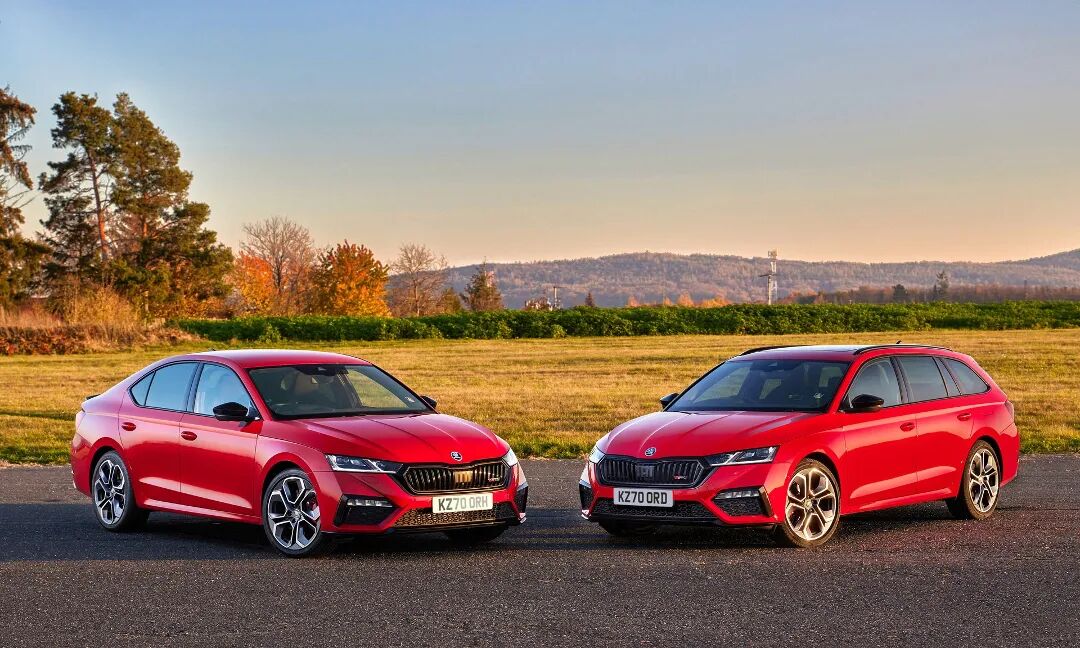
This dilemma is vividly reflected in Skoda’s case. Similarly, as the market rapidly evolves, the remaining joint venture brands will inevitably face renewed impacts.
02 Who Will Be Next?
Undoubtedly, Skoda’s departure is just the beginning. Against the backdrop of shrinking market growth and accelerated new energy transitions, a reshuffle of foreign brands in the Chinese auto market is inevitable.
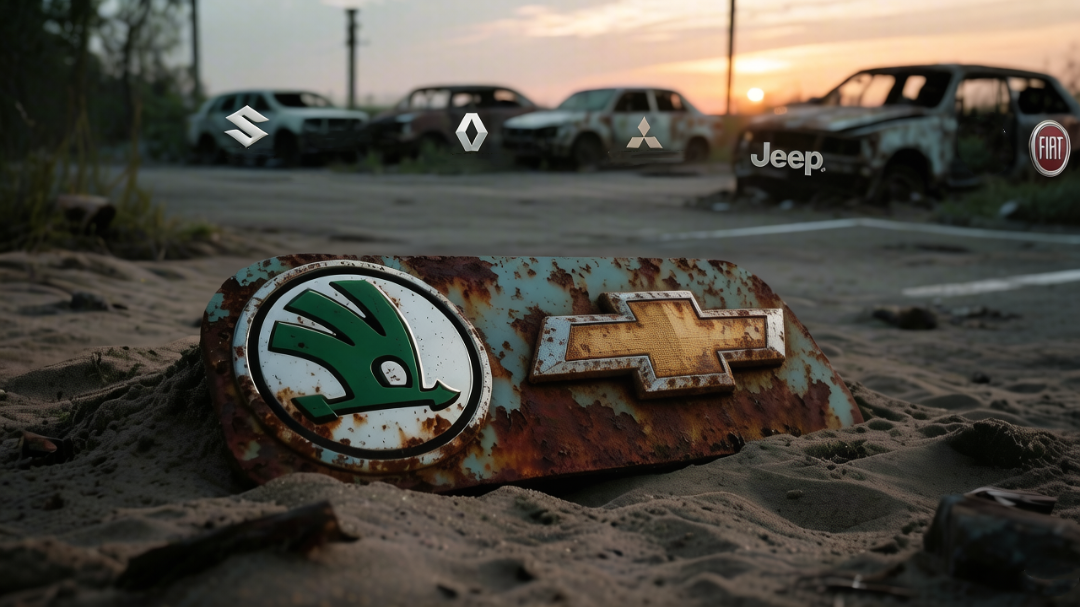
Before Skoda, Suzuki first sounded the retreat for joint ventures. Subsequently, Renault, DS, Acura, Fiat, Jeep, Mitsubishi, and other non-mainstream joint venture brands all followed suit.
Today, while many joint venture brands remain, their market performances over the past two years reveal a trend of 'decline' for many.
Since three-cylinder engine products fell out of favor with consumers, brands like Buick and Ford have been among the first to feel the market’s chill. As their fuel-powered vehicle (internal combustion engine vehicle) products’ morale has yet to recover, the transition pressure brought by Tesla and local new forces is increasingly suffocating. Americans are well aware that they urgently need to rethink their China market strategies; otherwise, the outlook is bleak.
Similarly, how does Hyundai Motor, despite being the 'world’s third-largest automaker,' fare?
Its market performance these past two years, compared to the peak of over 1 million annual sales in 2016, has seen a staggering decline. Korean brands in China face obstacles in brand upgrading and insufficient product differentiation, a dilemma that persists to this day.
After merging into the Stellantis Group, PSA’s Peugeot and Citroën also face a tough road to revival in China. Despite the group’s repeated expressions of importance towards the Chinese market and the launch of multiple new products, French cars’ perceptions among Chinese consumers have not fundamentally changed. Their opportunity hinges on whether French brands can leverage Dongfeng Peugeot Citroën’s resources to revive in the next two years.
Take Mazda and Ford, for example. Despite introducing more China-centric models like EZ-6/EZ-60 or the Smart Fun Mustang, their relatively niche brand positioning still limits market scale.
Of course, we never believe that today’s Chinese auto market is a self-contained, complacent market where foreign brands, no matter how hard they try, will end up in disarray. On the contrary, as the world’s largest and most dynamic auto market, China remains an indispensable battleground for any automaker with global ambitions. The key issue is that foreign brands need to upgrade from 'Joint Venture 1.0' to 'Localization 2.0.'
The most typical example is Toyota. As the world’s largest automaker, it could have ridden out the competition in established markets before making plans. However, since last year, the successive launches of the bZ3X and bZ7 reflect a definitive move towards localized R&D by foreign companies.
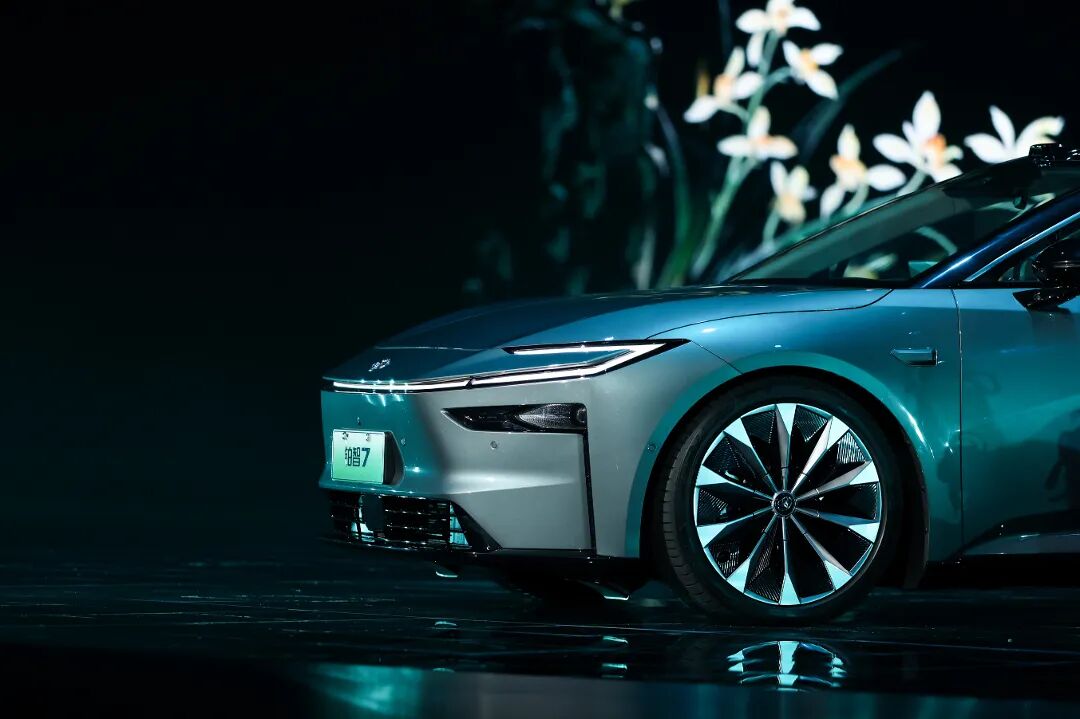
'Empowering Chinese teams with greater autonomy, shortening decision chains to respond to rapid changes in the Chinese market.' For Toyota, proposing such a solution must have involved hesitation and deliberation. But Toyota excels at reading the times. The new era demands that foreign brands deeply root R&D, decision-making, and even supply chains in China. So, Toyota complies, adopting an equal or even student-like posture to re-engage with the Chinese market.
If even Toyota is willing to humble itself, who else can afford to remain arrogant?
Skoda’s departure is no accident. Of course, the conclusion of this story is most likely a cautionary tale for those playing similar entry-level roles within their respective groups. So, Chevrolet, how are you faring? With Buick and Cadillac struggling to secure their positions, can General Motors afford to support Chevrolet, which disarmed itself long ago?
Editor-in-Chief: Cao Jiadong Editor: He Zengrong
THE END
-
![]()
The Unstoppable Rise of 'Optical Progress and Copper Decline': Sunny Optical’s Strategic Vision for the Next Decade
-
![]()
AI + Going Global in the Second Half: No Intermission for Robot Vacuum Cleaners
-
![]()
The Suffering Endured in E-commerce, Walmart Doesn't Want to Repeat in AI
-
![]()
What Does the Doubling of New Energy Vehicle Exports Mean?
-
![]()
Ghosn: 'Only I Can Save Nissan'
-
![]()
Volkswagen Lays Off 100,000 Employees, The Elephant Sits Down
-
![]()
Expanding Production Capacity! Yutong Optics Acquires Approximately 1.5 Hectares of Industrial Land in Chang'an, Dongguan
-
![]()
Why Is Nokia Making a Comeback in the AI Era?