Is the 'Black Water Army' Hijacking Auto Industry Discourse?
 03/30 2026
 538
538
Lead
Introduction
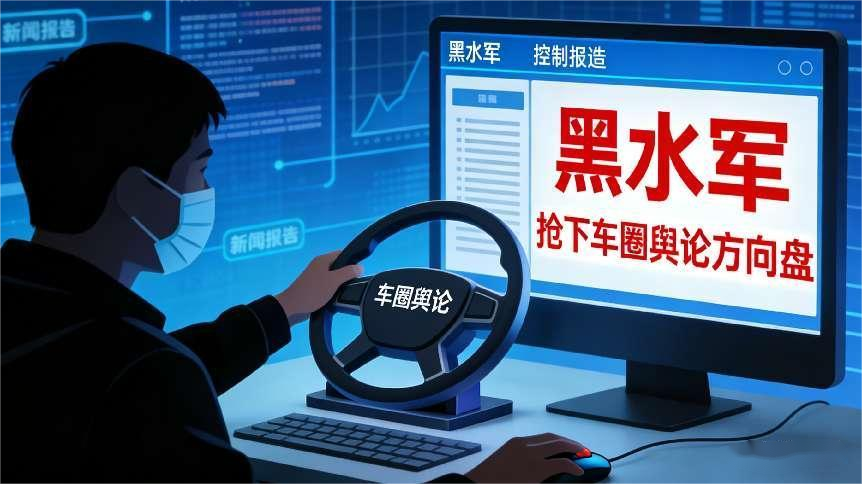
The 'Black Water Army' intensifies its efforts, creating unrest within the auto industry.
As mid-to-late March approaches and domestic auto shows loom, the automotive sector is abuzz with heightened activity. However, beneath this vibrant surface lies a clandestine struggle for public opinion.
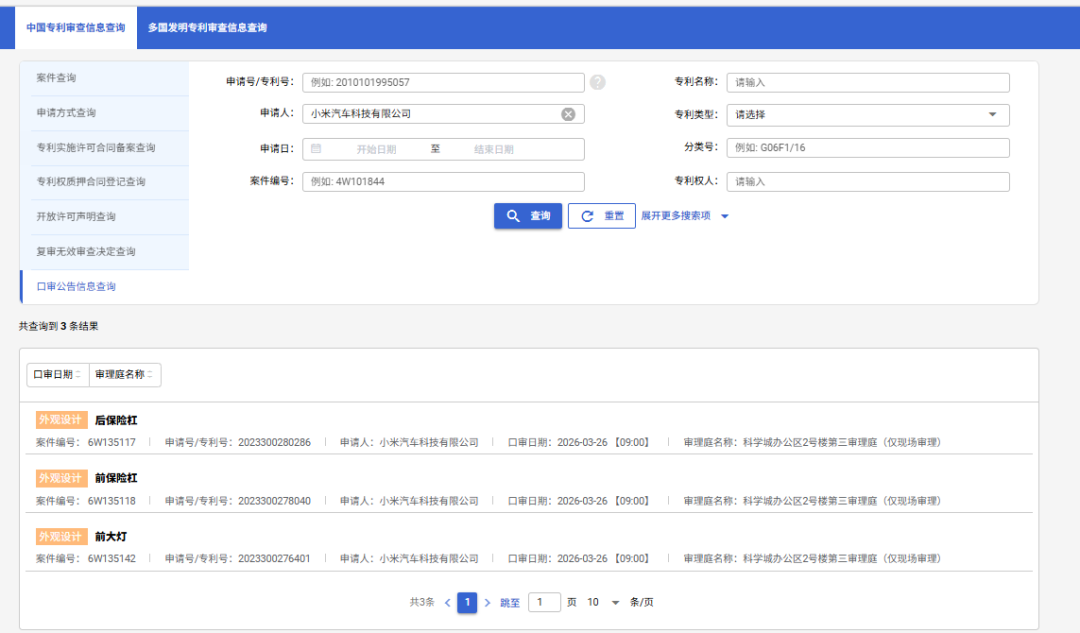
On March 26, just a week after its launch, Xiaomi's new-generation SU7 became a trending topic on Weibo due to patent disputes. A small enterprise specializing in low-speed electric tricycles filed a lawsuit, seeking to invalidate three design patents for the SU7 and YU7, including bumpers and headlights.
A week earlier, on March 14, amid critical pre-launch hype for Li Auto's new L9 model, the dormant issue of "Li Auto's chaotic parking" resurfaced, rapidly gaining traction.
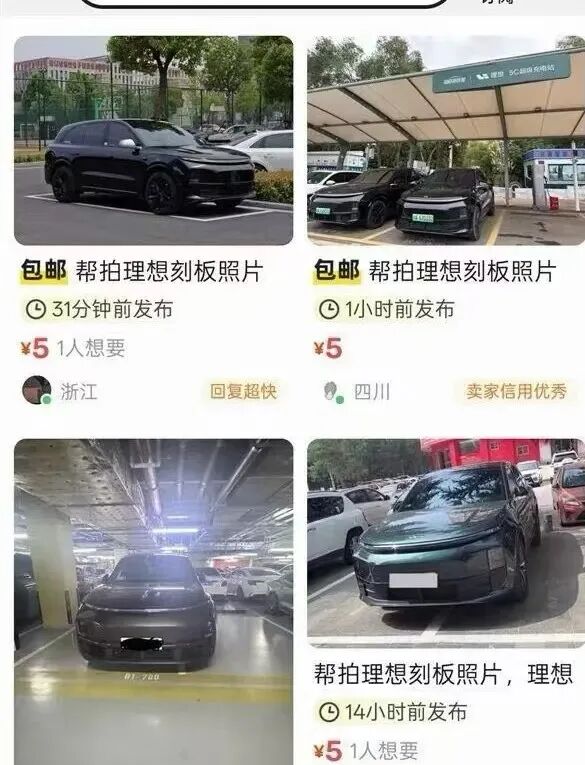
On March 15, despite limited coverage of the automotive industry—a cornerstone of the national economy—OEM PR teams, already under siege from the 'Black Water Army,' preemptively disclosed upgraded attack methods to media outlets.
These seemingly isolated incidents underscore the automotive industry's increasingly precarious position.
By 2025, profit margins in the automotive sector continue to decline, with a 4.1% industry sales profit margin marking a five-year low. Annual industry profits reached 461 billion yuan, up just 0.6% year-on-year. In January-February of this year, the profit margin further dropped to 2.9%.
Amid intensifying competition and shrinking profit margins, OEMs must not only contend with direct competition in products, technology, and pricing but also allocate significant resources to counter malicious attacks from the 'Black Water Army.' This results in substantial costs for online public opinion monitoring and response, diverting valuable industry focus away from core automotive manufacturing and technological advancements, ultimately hindering high-quality development across the sector.
01 Chaos Reigns: The 'Black Water Army' Escalates Tactics
To most observers, Yanlu New Energy's lawsuit against Xiaomi—a manufacturer of low-speed electric vehicles (often referred to as "old man's joy")—appears as a frivolous commercial dispute. On the morning of March 26, the case trended on Weibo, with widespread reports of Xiaomi's patent challenges. By afternoon, Yanlu New Energy abruptly announced a settlement with Xiaomi, leaving users bewildered.
At first glance, the incident seems like a minor, inconsequential episode in the auto industry. However, a closer examination reveals deeper complexities.
The pivotal moment came on March 26. According to Yanlu New Energy, both parties had reached a settlement the previous day. Why, then, did the story resurface? This warrants scrutiny.
Shifting focus to March 25, when Yanlu New Energy claimed to have settled, a coordinated campaign emerged. Between 16:00 and 17:30, a flurry of yellow-verified accounts posted identical content—videos and text—with suspicious intent. These accounts propelled the "old man's joy sues Xiaomi" narrative to Weibo's trending list by March 26.
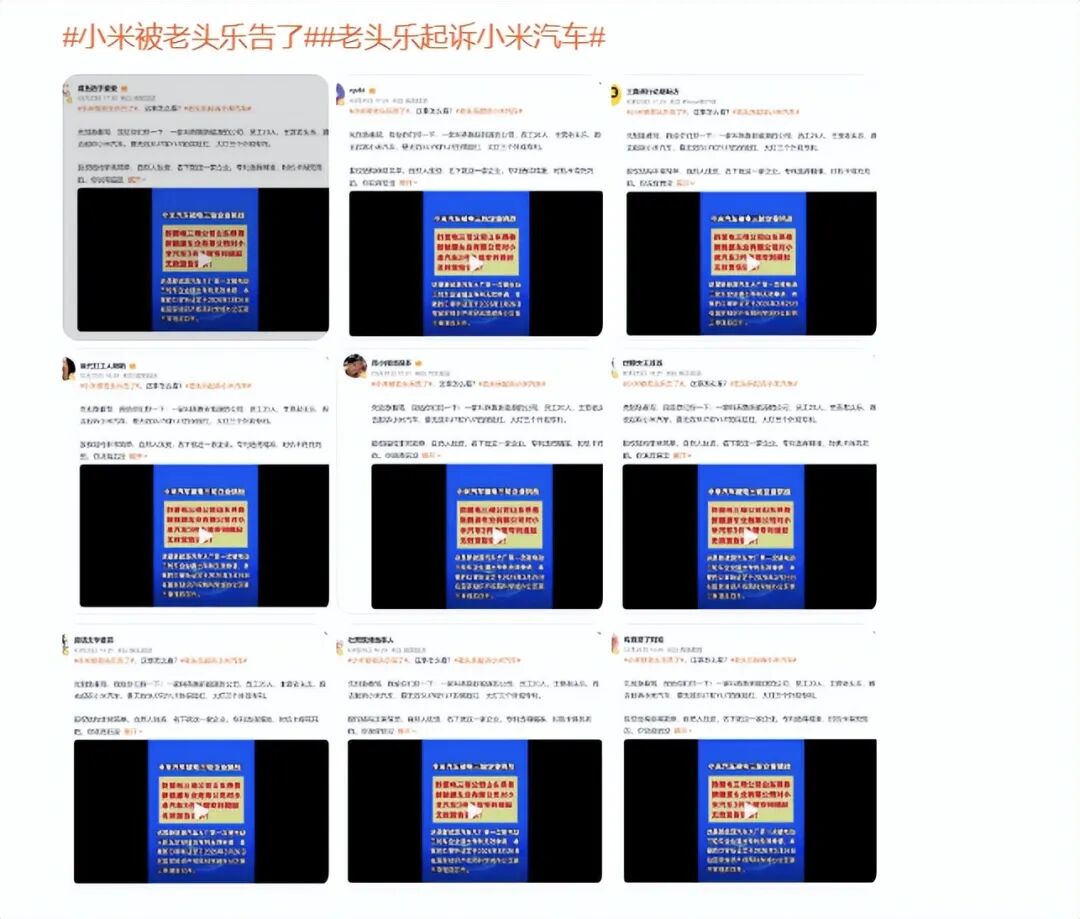
The original information traced back to a March 22 Shenzhen Economic Daily report, which clarified technical terms like "patent invalidation requests" (any entity may petition the National Intellectual Property Administration to invalidate a patent if deemed unlawful) and "oral trials" (public hearings held by the administration to review such petitions). However, subsequent Weibo discussions distilled these concepts into simplified terms like "lawsuit" and "defendant," amplifying confrontational rhetoric.
The timing of March 26 was likely no coincidence. Public records show the oral trial was scheduled for 9:00 AM that day. Operations on March 25-26 appeared designed to preheat the announcement.
Perhaps the Shandong-based factory sought to avoid controversy, or both parties reached a consensus. Regardless, the incident's trajectory was contained. Yet, the most alarming aspect was the 'Black Water Army's' infiltration despite Yanlu New Energy's public statement.
Beneath a video titled "old man's joy Sues Xiaomi: Design Patent Invalidated," over 1,000 comments overwhelmingly skewed against Xiaomi: "If Xiaomi won, they’d never settle." "Proves old man's joy dominates." "Xiaomi’s legal team is strong; settling is optimal. Just pay up—the designs are too similar. A lawsuit would mean losses either way." These comments, framing Xiaomi as "aggressive" and "guilty," misrepresented the issue as old man's joy accusing Xiaomi of infringement.
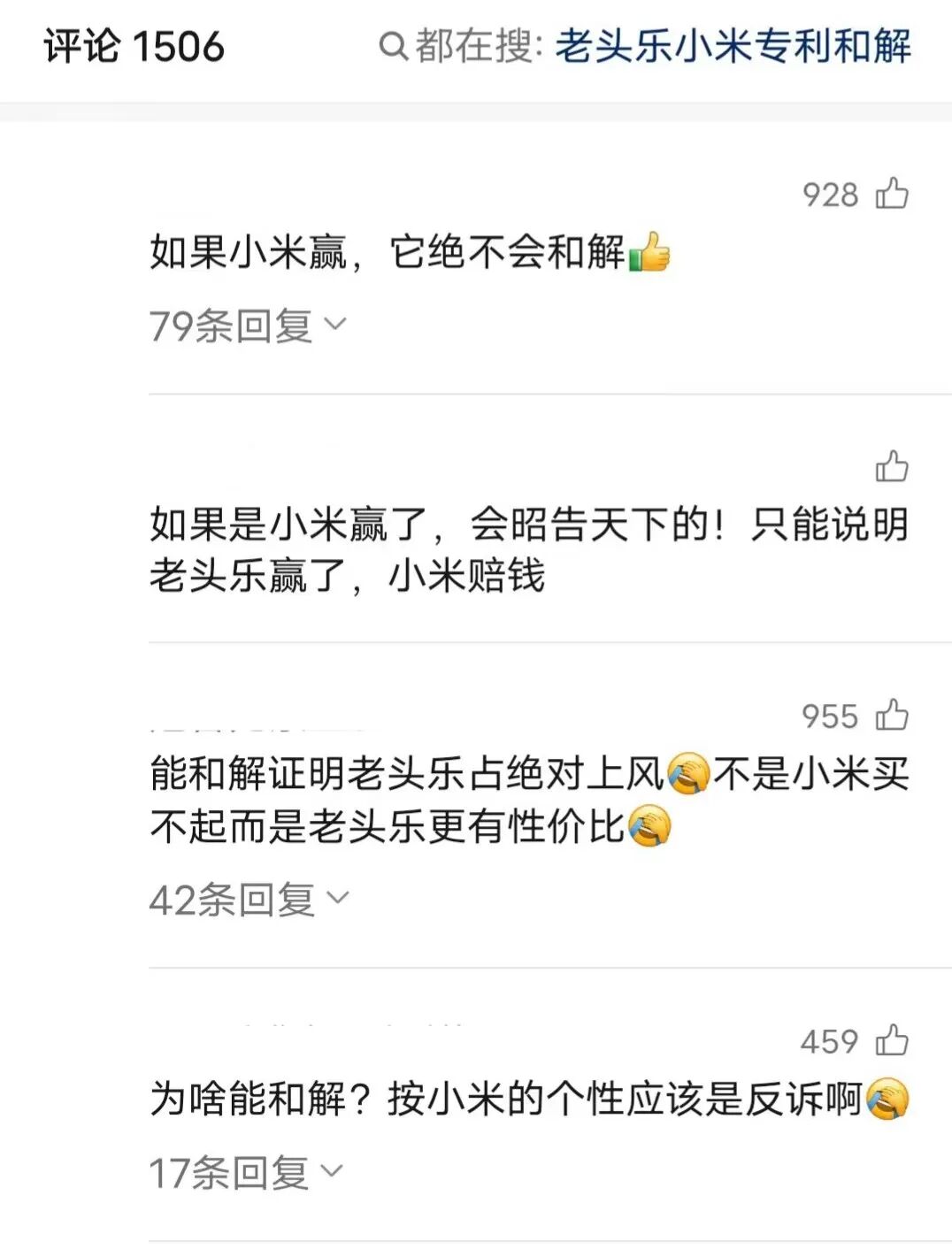
In reality, the Shenzhen Economic Daily report clarified that Yanlu New Energy filed a "request for invalidation" of Xiaomi’s design patents, not an infringement claim. Xiaomi’s patents, submitted in 2023, were only granted in 2025 after rigorous comparisons. Thus, the comment section’s narrative held no merit.
This is deeply troubling. Even when automakers seek to resolve issues discreetly, the 'Black Water Army' imposes labels and stirs public opinion.
Earlier, during March 15, OEM PR teams had already alerted media to the 'Black Water Army’s' upgraded tactics, including "comment-section takeovers."
By flooding comment sections with coordinated, critical posts—often highly liked and replied to—the 'Black Water Army' dominates top positions, shaping users' first impressions. Xiaomi’s video comments exemplify this tactic.
"Such takeovers serve two purposes: ideological clashes, inherently aggressive, or diverting attention to obscure truths." Xiaomi’s case clearly falls into the latter.
Beyond "takeovers," the 'Black Water Army' employs "labeling" and "resurrective attacks." For instance, in mid-March, during Li Auto’s L9 pre-launch hype, the "Li Auto’s chaotic parking" topic resurfaced. Research revealed its initial outbreak in July 2024, coinciding with Li Auto’s first pure-electric model, the i8, launch.
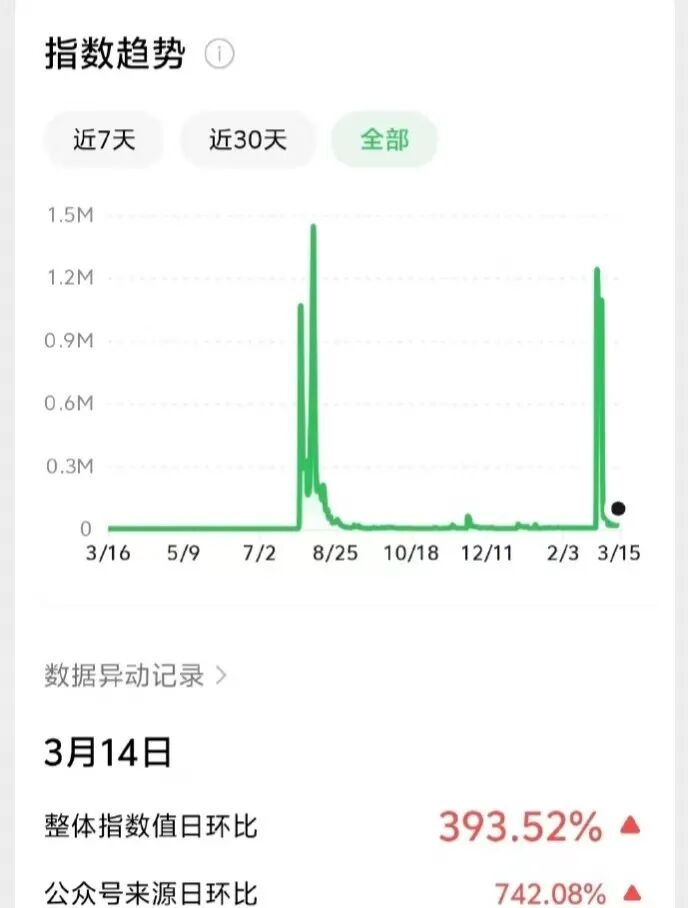
Since then, videos and stereotypes of "Li Auto owners parking chaotically" have persisted, amplified through memes and mockery. This mirrors the "Baader-Meinhof phenomenon," where heightened awareness of a perceived trend leads individuals to believe it is widespread. Once the stereotype of "Li Auto owners parking chaotically" forms, people notice such behavior more, reinforcing the bias.
However, reckless parking and poor driving occur across brands, not exclusively among Li Auto owners. The notion that Li Auto owners are uniquely problematic is unfounded.
Similar to "Li Auto owners parking chaotically," labels like "Greenbelt Warrior" and "Mountain and Sea Classic Car" strongly associate brands with negative traits, often orchestrated by organized efforts.
Such malicious tactics are not isolated; they reflect a growing industrialization and scale. Previously, Yantai Public Security announced the dismantling of a criminal gang specializing in amplifying negative news about new energy vehicles after a four-month investigation. Twelve suspects were arrested, over 80 million yuan in funds seized, and 8,000 illegal accounts (violating accounts) shut down, exposing the tip of the iceberg in automotive black PR.
02 Multiple Stakeholders Pay the Price: The Black PR Dilemma Persists
OEM PR teams bear the brunt of the 'Black Water Army’s' disruptions. One PR insider revealed that some OEMs allocate 3–5 million yuan within seven days of a product launch solely for comment-section management. For cash-strapped OEMs already struggling with profitability, this additional burden exacerbates financial strain.
On one hand, industry competition intensifies, and profit margins remain under pressure. By 2025, the automotive sector’s profit margin deteriorates further, with a 4.1% sales profit margin—a five-year low. Annual profits reach 461 billion yuan, up just 0.6% year-on-year. In January-February, the margin dips to 2.9%, squeezing profitability.
Cost-cutting becomes industry-wide, with marketing budgets often first on the chopping block. This forces limited marketing funds to divert toward public opinion management and 'Black Water Army' defense, further starving core marketing efforts like product promotion and brand-building.
Worse, AI’s proliferation makes 'Black Water Army' attacks more covert and harder to detect. AI-generated content, mass-posted comments, and even impersonations of real owners—complete with deliberate typos to mimic authenticity—complicate identification. AI-fabricated videos now serve as new weapons.

According to PR personnel, daily public opinion monitoring involves sifting through 60,000–80,000 leads to identify 20,000–30,000 attack posts, then narrowing down to 800 sensitive items, and ultimately addressing ~200 genuine customer complaints. This labor-intensive process strains resources.
The 'Black Water Army’s' harm extends beyond the industry, deeply affecting consumers. Their primary goal is to manipulate public opinion and sway purchasing decisions. As a high-involvement purchase, consumers exercise caution, but relentless negative campaigns—even if resisted—can sow doubt. Ideal MEGA’s sales suffered after the 'Black Water Army' targeted its design with malicious attacks.
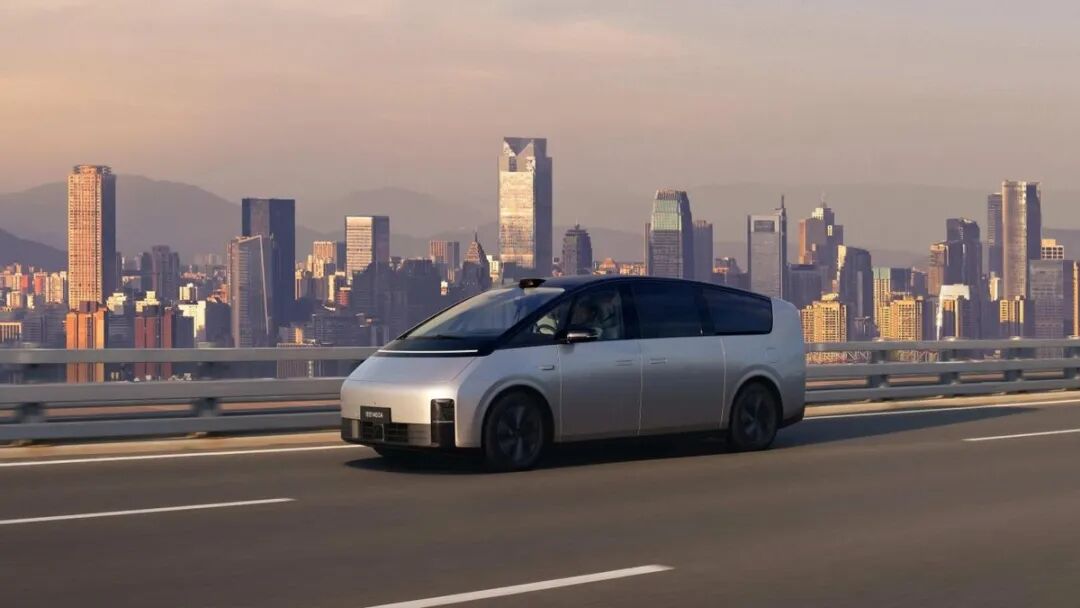
Beyond industry impact, consumers face significant trouble. While automotive consumers resist rumors, persistent negative campaigns—akin to the "three people make a tiger" effect—influence decisions, deterring purchases of targeted brands. Ideal MEGA’s design attacks directly impacted sales.
Malicious smears against Ideal owners not only tarnish the brand but also harm real owners, damaging their personal reputations and affecting both online and offline lives.
For the automotive industry, the 'Black Water Army’s' proliferation wastes resources, funds, and energy. Seasoned media figures note that such toxic black PR tactics, borrowed from tech and entertainment industries, resemble "fan culture" and are escalating.
However, the automotive sector fundamentally differs from tech or fan circles. Cars are durable goods with long decision cycles and high trial costs. Reputation is built over years of use, not swayed by trending topics or comment wars.
From this perspective, the 'Black Water Army’s' "tech industry playbook" is futile in automotive. Spending millions on comment management or labeling competitors may create noise but won’t alter users' experiences behind the wheel. Quality products speak for themselves; poor ones cannot hide.
While such tactics may not shift the big picture, they destabilize industry ecosystems, diverting R&D and quality control resources into endless self-defense. This internal friction doesn’t "lose the race" for any single player but slows and exhausts the entire industry. True competition belongs in product development, not comment sections. Ultimately, consumers will vote for superior brands through their choices.
Editor: Li Sijia Copy Editor: He Zhengrong
THE END
-
![]()
The Unstoppable Rise of 'Optical Progress and Copper Decline': Sunny Optical’s Strategic Vision for the Next Decade
-
![]()
AI + Going Global in the Second Half: No Intermission for Robot Vacuum Cleaners
-
![]()
The Suffering Endured in E-commerce, Walmart Doesn't Want to Repeat in AI
-
![]()
What Does the Doubling of New Energy Vehicle Exports Mean?
-
![]()
Ghosn: 'Only I Can Save Nissan'
-
![]()
Volkswagen Lays Off 100,000 Employees, The Elephant Sits Down
-
![]()
Expanding Production Capacity! Yutong Optics Acquires Approximately 1.5 Hectares of Industrial Land in Chang'an, Dongguan
-
![]()
Why Is Nokia Making a Comeback in the AI Era?